
EU Rule Takes Effect: EN 16192:2026 Test Required for Slurry/EPB Shields





On July 1, 2026, the EU began applying EN 16192:2026 as a live compliance requirement for imported Slurry/EPB Shields, making third-party verification of dynamic sealing leakage performance a practical gate for market access rather than a technical formality. For exporters, buyers, certification-related service providers, and delivery teams, the issue is not only the test threshold itself, but also the fact that customs clearance can now depend on proof generated under simulated tunnelling conditions.
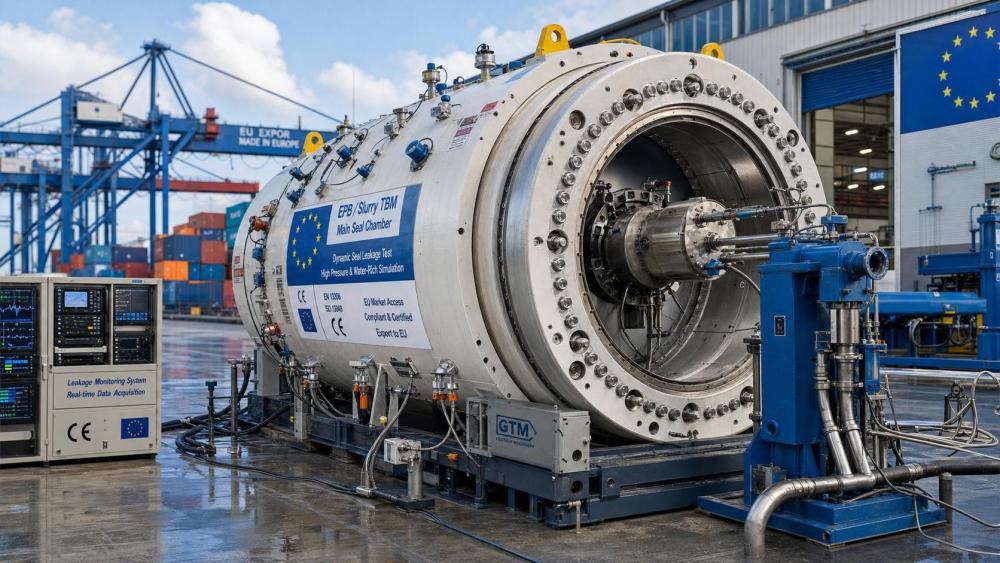
What the new requirement now makes mandatory
According to the provided information, from July 1, 2026, the EU formally implemented EN 16192:2026 for imported Slurry/EPB Shields. Under this standard, the equipment must pass third-party verification of a sealing leakage rate of no more than 0.3 L/min under dynamic excavation operating conditions. The test is carried out by a notified body in simulated high-pressure, water-rich ground conditions. A type-test exemption is not accepted. The rule directly affects delivery timelines and certification costs for Chinese manufacturers exporting to the EU, and equipment without certification will be refused customs clearance.
Where the pressure is likely to appear across the transaction chain
Export deliveries face a stricter release condition
From an industry perspective, exporters are likely to be affected first because the new rule turns compliance evidence into a precondition for entry. The main impact is expected in shipment preparation, customs-facing documentation, and project delivery scheduling. What deserves closer attention is whether technical files and certification materials are complete enough to support the required verification before dispatch.
Manufacturers must account for testing in production and handover planning
Analysis shows that manufacturing companies serving the EU market may need to treat the dynamic leakage verification as part of the delivery path rather than as a background certification matter. The likely pressure points are production sequencing, factory release timing, and coordination between technical teams and external verification bodies. The immediate concern is that the absence of an accepted exemption removes flexibility that some suppliers may have relied on in earlier planning assumptions.
Procurement teams and buyers need stronger document discipline
Buyers and procurement teams may also be affected because equipment acceptance can no longer be separated from the new testing requirement. In practical terms, procurement review may need to pay closer attention to whether bids, contracts, technical appendices, and delivery packages explicitly address EN 16192:2026 verification under dynamic operating conditions. Observably, this is less about commercial preference and more about whether the ordered equipment can move through import procedures without disruption.
Certification and inspection support functions may see tighter coordination demands
Certification-related service providers and inspection support teams are likely to see increased pressure around scheduling, document review, and interpretation of test readiness. The provided information confirms the role of a notified body in conducting the verification, which means coordination around testing arrangements may become a more visible part of export execution. The operational issue to watch is not only test completion, but also whether supporting records align with the compliance expectation attached to customs clearance.
What companies should watch in the near term
Check whether existing technical files match the live requirement
Analysis shows that companies involved in EU-bound Slurry/EPB Shields should review whether current technical documentation, test records, and compliance files are sufficient for the new standard as implemented from July 1, 2026. Since type-test exemptions are not accepted, firms should avoid assuming that prior test logic or legacy qualification routes will satisfy the current requirement.
Build certification timing into delivery commitments
What deserves closer attention is the effect on delivery promises. Because the rule directly affects certification cost and delivery cycle, companies may need to reassess shipment timing, contract milestones, and internal approval gates. Where sales and project teams are committing delivery dates, the testing and verification path now appears to be a critical planning input.
Review tender and purchase documents for wording changes
Observably, this development may also flow into tender files, purchase specifications, and acceptance language. Companies should pay attention to whether commercial and technical documents now require explicit reference to EN 16192:2026, dynamic leakage verification, or notified-body evidence. The provided information does not define those downstream document changes, so this remains a point for active monitoring rather than a confirmed uniform practice.
Prepare for stricter customs and handover scrutiny
From an industry perspective, the customs consequence is one of the clearest signals in the available facts: uncertified equipment will be refused clearance. That makes document completeness, traceability of verification results, and handover coordination more sensitive than before. Firms involved in export, import support, and after-sales transition should therefore watch for any practical tightening in how compliance evidence is checked during execution.
Why this looks more like an execution signal than a policy discussion
Analysis shows that this development is better understood as a rule already entering the execution stage rather than as an early consultation signal. The implementation date is defined, the testing route is defined, the exemption is denied, and the customs consequence is explicit in the provided information. At the same time, it remains necessary to observe how market participants, certification workflows, and procurement documents adjust in practice, because the input does not provide further detail on enforcement cadence beyond those confirmed points.
How the market should read this change
It is more appropriate to understand this event as a concrete compliance threshold for EU-bound Slurry/EPB Shields, with direct consequences for certification planning, shipment readiness, and import clearance. The rule does not by itself establish every downstream business outcome, and it should not be overstated beyond the confirmed facts. Still, for companies active in this segment, the prudent reading is that dynamic sealing leakage verification under EN 16192:2026 has become an operational requirement that can affect trade execution if addressed too late.
Basis of this article and what still needs verification
This article is generated based on the user-provided news title, event date, and event summary. For developments of this kind, relevant source types would usually include official announcements, regulator releases, customs or trade authority information, industry association updates, standard organization documents, and reporting by authoritative industry media. A specific official source link was not provided in the input, so it still needs to be verified on an ongoing basis. What also remains worth tracking includes detailed policy language, certification enforcement practice, wording changes in tender documents, market feedback, and how companies are implementing the requirement in actual delivery workflows.
Related News
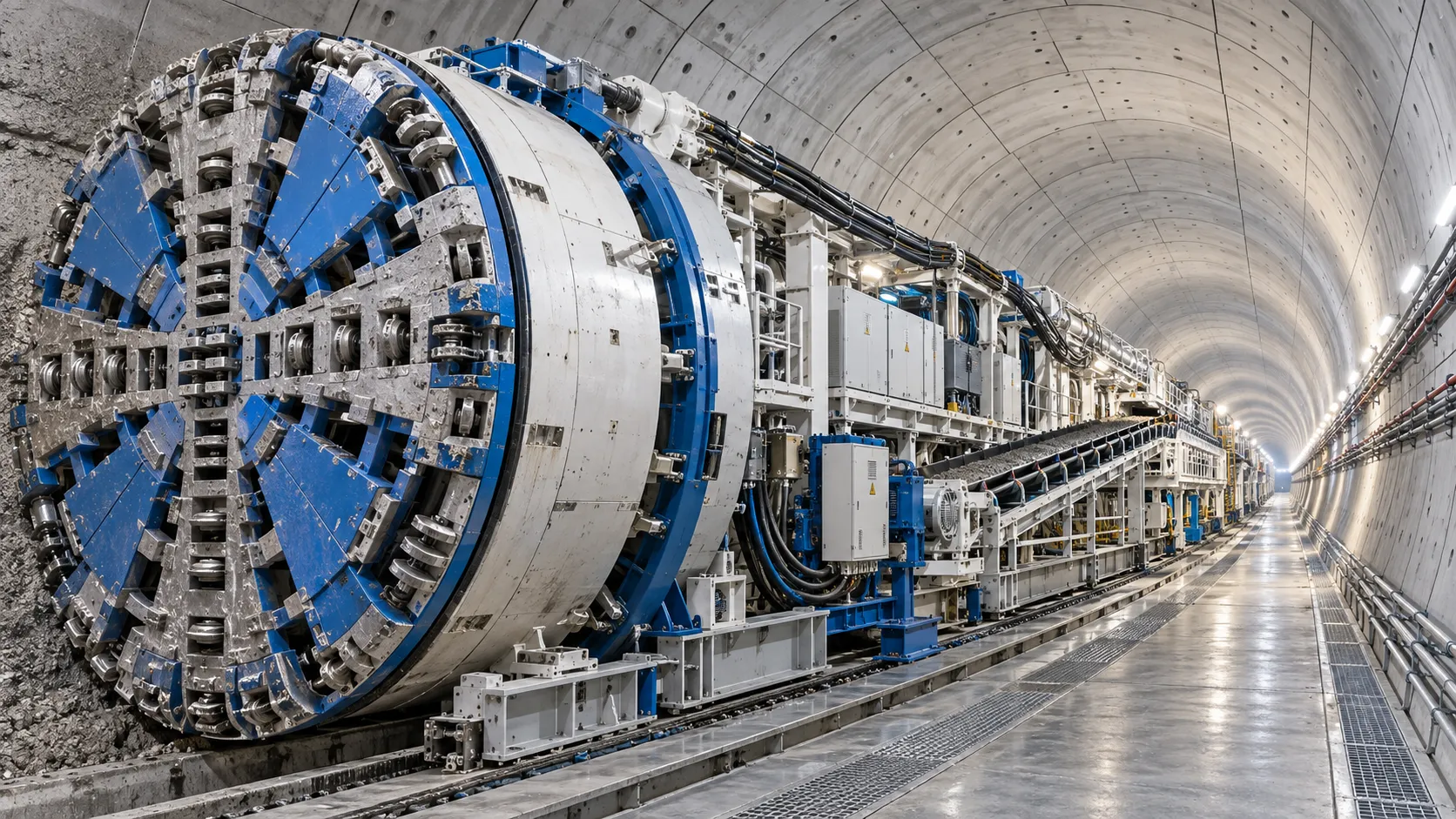
Tunnel Boring Machine Costs: Budgeting for Purchase, Operation, and Project Risk
Tunnel Boring Machines cost more than purchase price. Learn how to budget lifecycle costs, downtime, logistics, wear, and project risk for smarter TBM decisions.

Open-Pit Haulage Cost Analysis: How Mine Managers Can Cut Cost per Tonne
Open pit haulage cost analysis: discover practical ways to reduce cost per tonne through payload control, cycle-time optimization, road performance, and smarter fleet decisions.
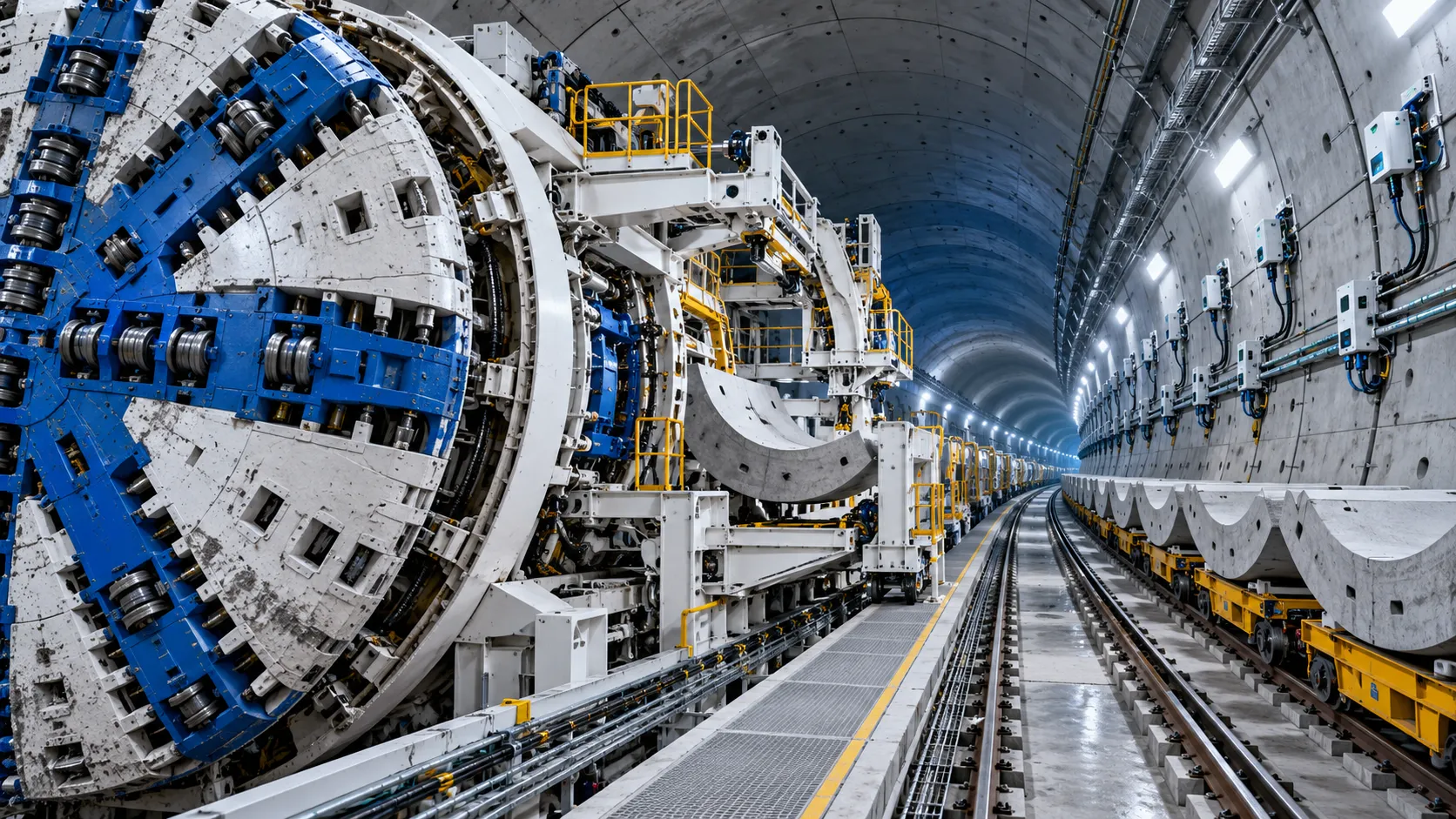
Tunnel Construction Innovations That Reduce Risk and Schedule Delays on Urban Projects
Tunnel construction innovation for urban projects: discover smarter TBMs, real-time monitoring, trenchless methods, and automation that reduce risk and protect schedules.

TBM Disc Cutter Design: Key Geometry and Load Factors for Hard Rock Tunnelling
TBM disc cutter design explained: explore geometry, spacing, load distribution and maintenance factors for reliable, efficient hard-rock tunnelling performance.

Hydraulic Tipping Stability Risks in Multi-Axle Dump Special Trailers
Dump special trailers: discover key hydraulic tipping stability risks, multi-axle load dynamics, and practical safety controls for safer, smarter bulk hauling.
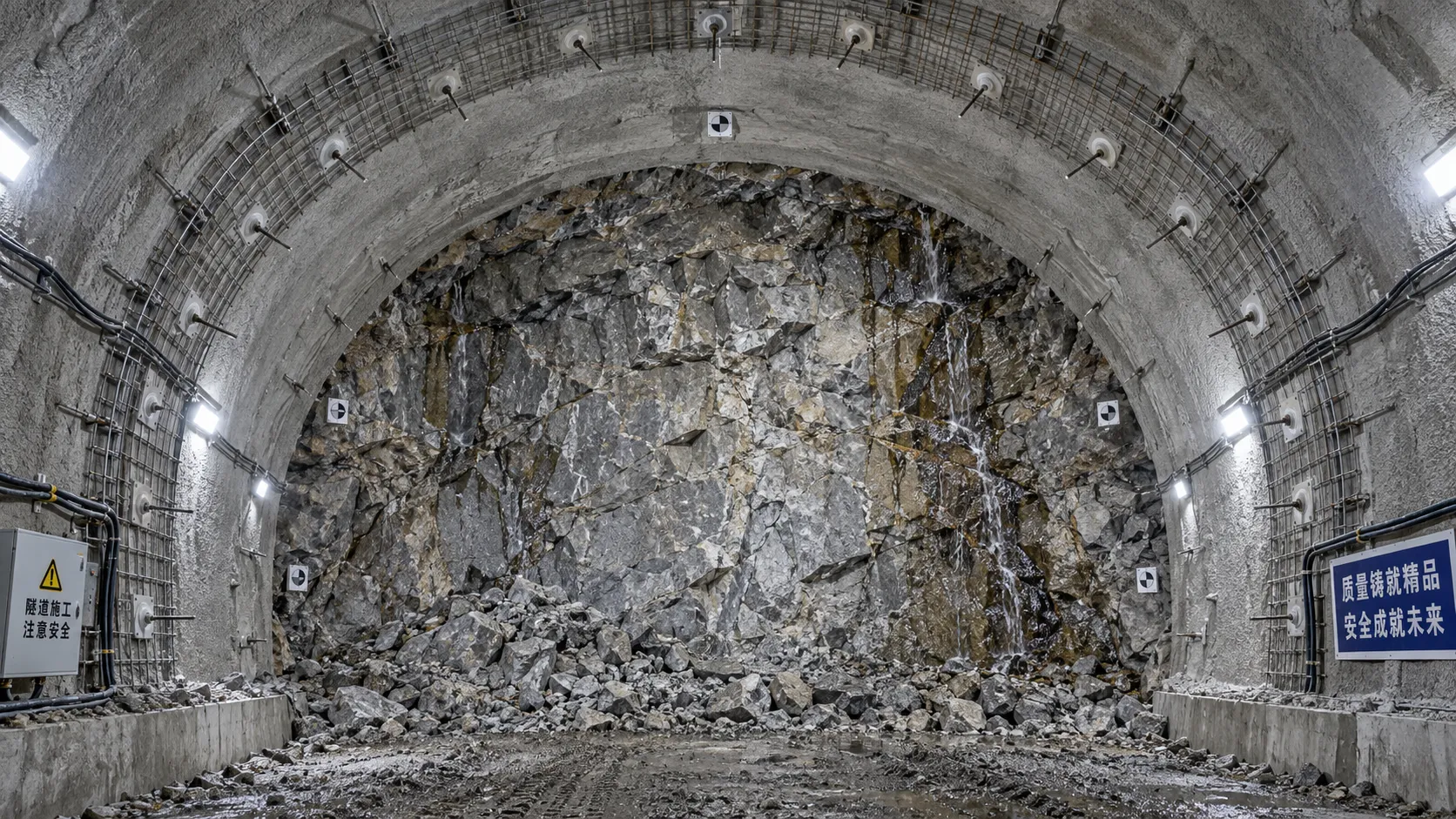
When rock reinforcement in tunnel construction must change after blasting
Rock reinforcement in tunnel construction must change when blasting reveals overbreak, weak joints, water inflow, or deformation. Discover key post-blast support decisions.
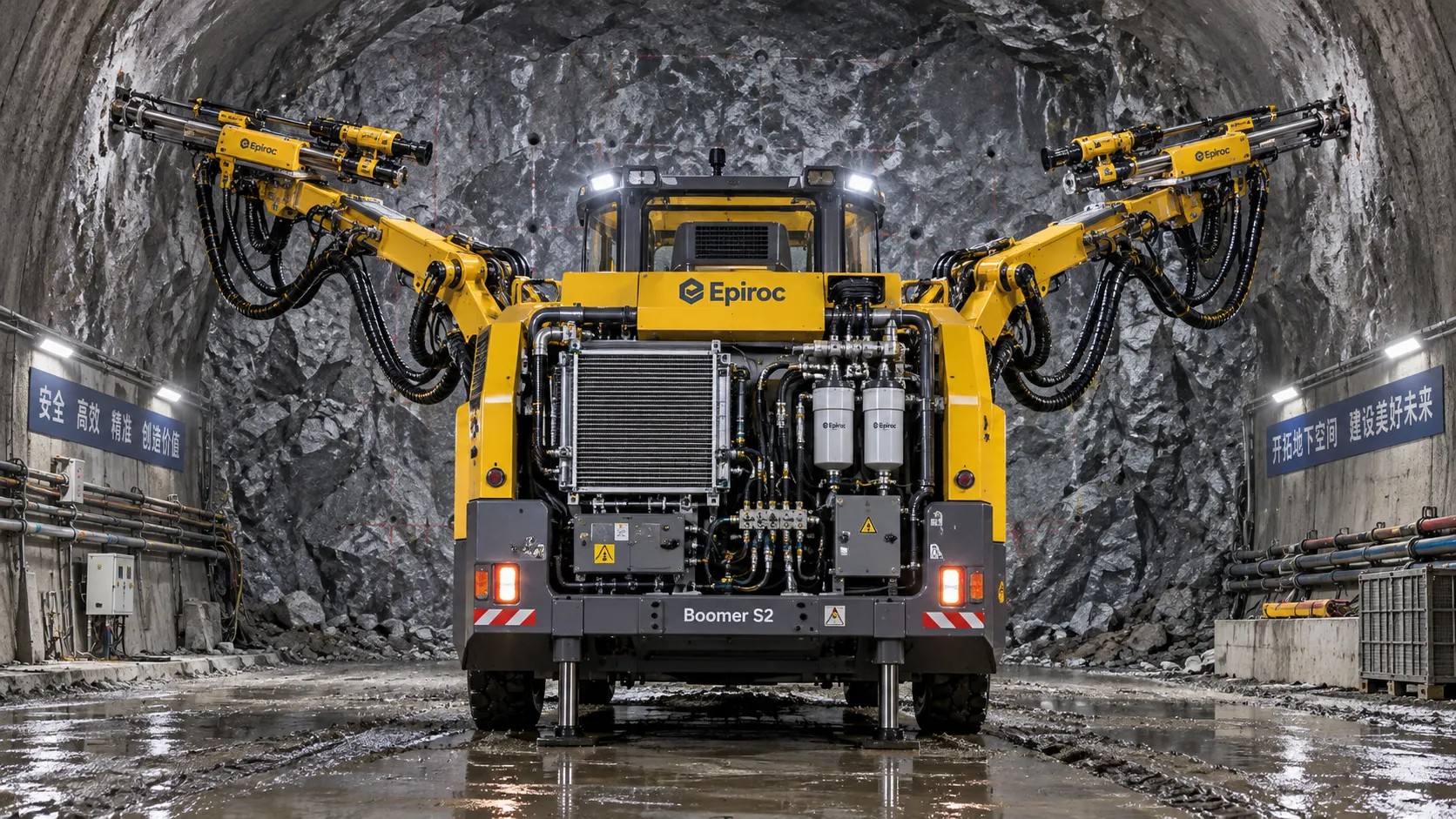
How tunnel hydraulic systems influence drill jumbo uptime underground
Tunnel hydraulic systems directly influence drill jumbo uptime. Explore how stable pressure, clean oil, cooling, and maintainable design reduce underground downtime.
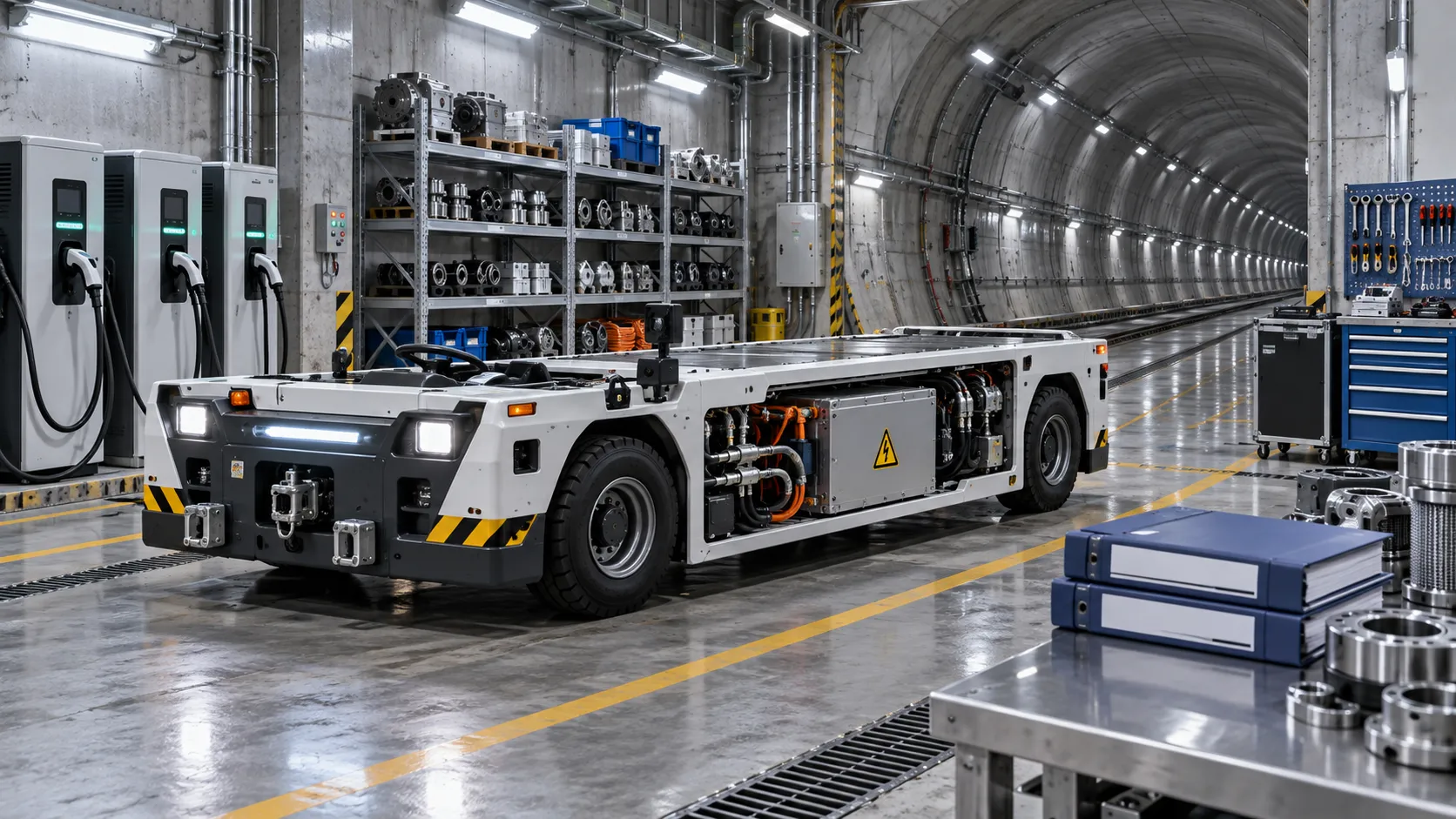
What to verify before appointing a tunneling vehicles manufacturer
Choosing a tunneling vehicles manufacturer? Verify application fit, reliability, compliance, parts support, training, and channel terms before appointing a partner.
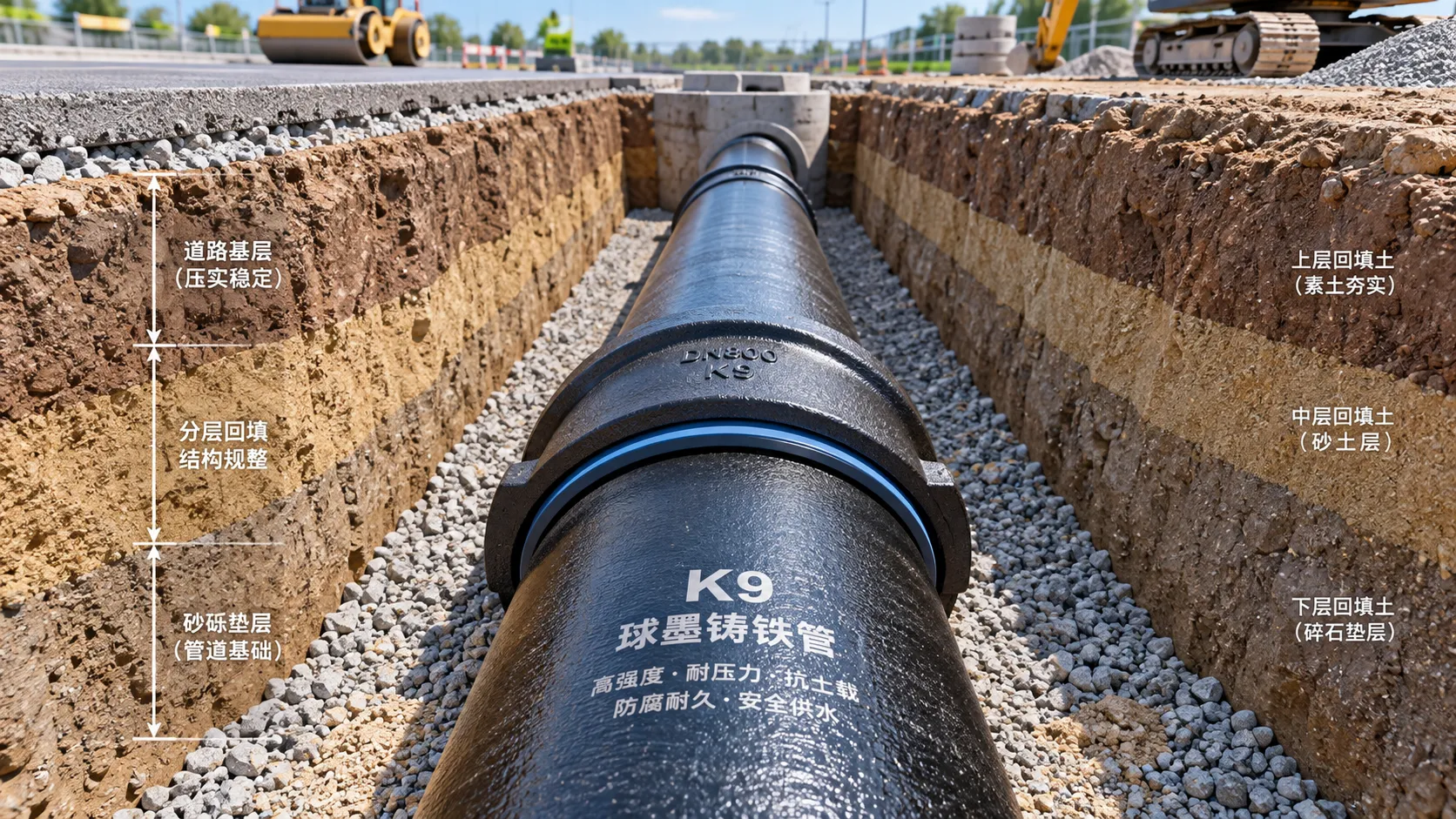
Selecting K9 Ductile Iron Pipe for Buried Water Pipeline Conditions
K9 ductile iron pipe selection for buried water pipelines: compare pressure duty, joints, soil loads, corrosion protection, and installation controls for reliable long-term performance.
Related News
- 00
0000-00
Tunnel Boring Machine Costs: Budgeting for Purchase, Operation, and Project Risk - 00
0000-00
Open-Pit Haulage Cost Analysis: How Mine Managers Can Cut Cost per Tonne - 00
0000-00
Tunnel Construction Innovations That Reduce Risk and Schedule Delays on Urban Projects - 00
0000-00
TBM Disc Cutter Design: Key Geometry and Load Factors for Hard Rock Tunnelling - 00
0000-00
Hydraulic Tipping Stability Risks in Multi-Axle Dump Special Trailers
Weekly Insights
Stay ahead with our curated technology reports delivered every Monday.