
How a Slurry Shield TBM Separation System Works and Which Parameters Matter Most





How a Slurry Shield TBM Separation System Works and Which Parameters Matter Most
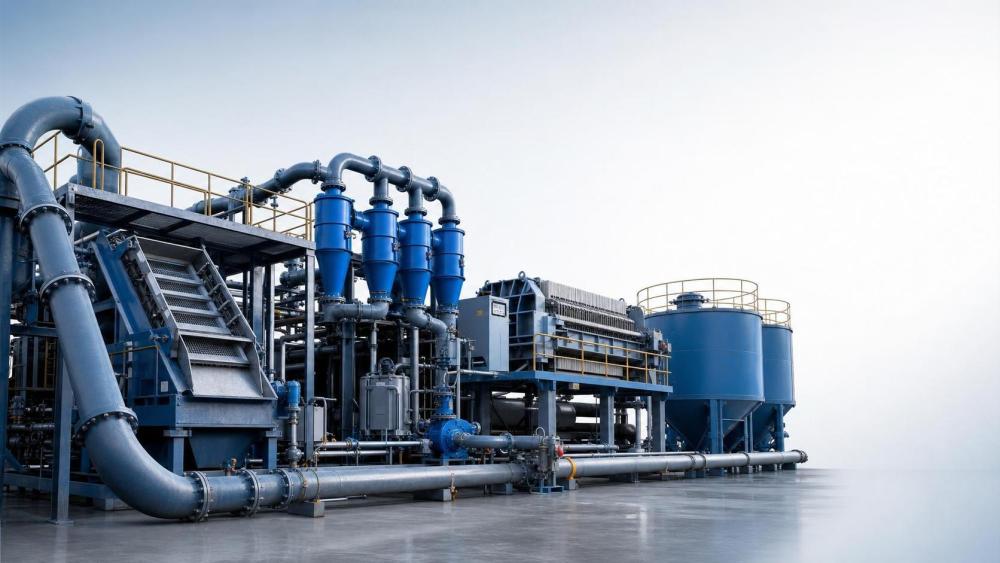
For technical evaluators, a slurry shield tbm separation system is not a secondary utility package. It is a control layer that directly affects excavation balance, spoil transport, slurry reuse, and machine uptime.
When the system performs well, the cutterhead chamber stays stable. The slurry circuit stays predictable. Surface handling stays efficient. When it drifts, pressure control and progress both become harder.
That is why understanding how a slurry shield tbm separation system works matters during technical review. The core question is simple: can the system keep solids moving out while keeping conditioned slurry moving back?
In practice, this depends on flow stability, particle grading, separation efficiency, and control discipline across the whole loop. The best evaluations look at the process, not just the equipment list.
The Basic Process Flow Inside a Slurry Shield TBM Separation System
A slurry shield tbm separation system starts at the excavation chamber. Excavated soil mixes with bentonite slurry, forming a transport medium that carries cuttings away from the cutterhead.
The feed pump sends this mixture through the slurry pipeline to the surface plant. There, the separation train removes solids step by step, from coarse particles to finer fractions.
Most systems follow a similar order:
- Primary screening removes large debris and oversized rock fragments.
- Desanders separate medium-size particles, usually through hydrocyclones.
- Desilters remove finer particles that would otherwise overload the circuit.
- Dewatering units reduce waste volume before disposal or reuse decisions.
- Recovered slurry returns to the storage tank for recirculation.
This loop sounds straightforward, but stable operation depends on balance. The separation plant must match the TBM advance rate, geology, and slurry rheology at the same time.
If one stage becomes the bottleneck, the whole slurry shield tbm separation system starts absorbing risk. That usually appears first as unstable density, rising pump load, or poor chamber pressure response.
What Each Separation Stage Actually Does
The first stage protects downstream equipment. Coarse screens remove cobbles, timber, metal fragments, and other large material that can damage cyclones, pumps, and valves.
The next stage usually handles sand-sized particles. Hydrocyclones use centrifugal force to push denser particles outward, separating them from the main slurry stream with relatively low footprint.
Then the system targets silt-sized material. This is often where separation performance becomes more sensitive, because fine particles strongly affect slurry viscosity and recirculation quality.
Finally, dewatering equipment reduces residual moisture in separated spoil. Depending on project constraints, this may involve vibrating screens, filter presses, centrifuges, or other solids-handling units.
A sound slurry shield tbm separation system is not judged by one machine’s nameplate. It is judged by whether all stages stay synchronized under changing geological loads.
Which Parameters Matter Most
During evaluation, several parameters deserve more weight than others. They reveal whether the slurry shield tbm separation system can remain efficient across normal variation and difficult ground.
1. Slurry Flow Rate
Flow rate determines transport capacity. If it is too low, cuttings settle inside pipelines. If it is too high, energy consumption rises and separation stages may become hydraulically unstable.
The key is not peak flow alone. Review the controllable operating window, response speed, and whether pump capacity still holds under wear and density fluctuation.
2. Slurry Density and Solids Content
Density is one of the fastest indicators of system condition. High density may improve support pressure behavior, but it can also overload pumps and reduce cyclone efficiency.
Low density may signal poor spoil capture or excessive dilution. In either case, the slurry shield tbm separation system loses control margin and operating costs usually increase.
3. Particle Size Distribution
Particle grading shapes the whole separation strategy. Coarse, uniform material is easier to remove. Mixed soils with high fines create a much tougher separation task.
This also affects wear rates, underflow quality, and overflow clarity. A system sized only for average grading often struggles when geology changes over short tunnel sections.
4. Viscosity and Rheology
Viscosity influences suspension behavior, pumping losses, and cyclone performance. Bentonite quality, additive dosing, and fine-particle accumulation all affect this parameter.
In technical review, look for a clear method to monitor and correct rheology. Without that, the slurry shield tbm separation system gradually becomes harder to stabilize.
5. Pressure Stability Across the Circuit
Pressure matters at the chamber, along the pipeline, and across each treatment stage. Rapid pressure swings can indicate blockage, cavitation risk, or poor solids transport.
A reliable slurry shield tbm separation system should show traceable pressure logic, alarm thresholds, and redundancy where a single failure could interrupt face support.
6. Separation Cut Point Efficiency
Every separator has a practical cut point. The real issue is how consistently that cut point is maintained when feed conditions shift during actual tunnelling.
That is often where quoted performance and field performance diverge. Check recovery data under variable feed, not only under ideal commissioning conditions.
How Geology Changes the Separation Strategy
No slurry shield tbm separation system works in isolation from geology. Sand, gravel, clay, mixed face conditions, and weathered rock all change slurry behavior and separator loading.
High clay content is a common challenge. Clay can stay suspended for long periods, increase viscosity, reduce dewatering efficiency, and make recirculated slurry progressively less effective.
Gravel-rich strata create a different issue. Coarse particles may be easy to remove, but they increase wear on screens, pumps, pipeline bends, and valve seats.
Mixed ground is often the hardest case for evaluation. The system must handle fines, oversized particles, changing moisture, and fluctuating chamber loads without repeated manual intervention.
From a decision standpoint, geology-sensitive flexibility is more valuable than narrow peak performance. This is especially true on long drives with incomplete ground predictability.
What to Check During Technical Evaluation
A practical review of a slurry shield tbm separation system should move beyond brochure capacity. The stronger approach is to test how the design handles variation, wear, and control complexity.
- Compare design throughput with expected peak muck generation, not only average advance rate.
- Check whether the cut point matches the actual fines profile of the project geology.
- Review sensor coverage for density, pressure, flow, level, and viscosity-related control inputs.
- Examine wear parts, maintenance access, and replacement intervals for cyclones, screens, and pumps.
- Confirm how bypass, flushing, and upset recovery are handled during blockage or unstable feed.
- Assess water balance, slurry make-up demand, and waste disposal implications.
These checks usually reveal more than headline capacity numbers. They show whether the slurry shield tbm separation system can support sustained excavation instead of isolated high-output moments.
Common Failure Signals and Their Meaning
Several warning signs deserve early attention. Rising pipeline pressure often points to settling, blockage growth, or excessive solids concentration.
Poor overflow clarity can indicate cyclone inefficiency, worn components, or rheology drift. Repeated chamber instability may suggest that the surface loop is no longer returning conditioned slurry consistently.
High pump wear is another strong signal. It often means the slurry shield tbm separation system is carrying abrasive solids farther into the circuit than intended.
When these symptoms appear together, the issue is usually systemic. Treating one component alone rarely restores stable performance for long.
A Simple Decision Framework
A useful way to assess a slurry shield tbm separation system is to ask four practical questions. Can it transport all expected spoil? Can it separate enough fines? Can it recover usable slurry? Can it stay stable during geological shifts?
If the answer is weak in any one area, the project may still advance, but usually with higher downtime, more manual correction, and less predictable face control.
That is the larger point. A slurry shield tbm separation system is not only a spoil-treatment plant. It is part of the excavation control architecture.
For clear technical judgment, focus on flow, density, particle grading, viscosity, pressure behavior, and real separation efficiency under variable ground. Those parameters usually tell the truth faster than any brochure statement.
When comparing options, prioritize systems that show process transparency, adjustment range, and operating resilience. In demanding underground work, that is what turns separation performance into project reliability.
Related News

Tunnel Boring Machine Costs: Budgeting for Purchase, Operation, and Project Risk
Tunnel Boring Machines cost more than purchase price. Learn how to budget lifecycle costs, downtime, logistics, wear, and project risk for smarter TBM decisions.
Open-Pit Haulage Cost Analysis: How Mine Managers Can Cut Cost per Tonne
Open pit haulage cost analysis: discover practical ways to reduce cost per tonne through payload control, cycle-time optimization, road performance, and smarter fleet decisions.

Tunnel Construction Innovations That Reduce Risk and Schedule Delays on Urban Projects
Tunnel construction innovation for urban projects: discover smarter TBMs, real-time monitoring, trenchless methods, and automation that reduce risk and protect schedules.

TBM Disc Cutter Design: Key Geometry and Load Factors for Hard Rock Tunnelling
TBM disc cutter design explained: explore geometry, spacing, load distribution and maintenance factors for reliable, efficient hard-rock tunnelling performance.
Hydraulic Tipping Stability Risks in Multi-Axle Dump Special Trailers
Dump special trailers: discover key hydraulic tipping stability risks, multi-axle load dynamics, and practical safety controls for safer, smarter bulk hauling.
When rock reinforcement in tunnel construction must change after blasting
Rock reinforcement in tunnel construction must change when blasting reveals overbreak, weak joints, water inflow, or deformation. Discover key post-blast support decisions.
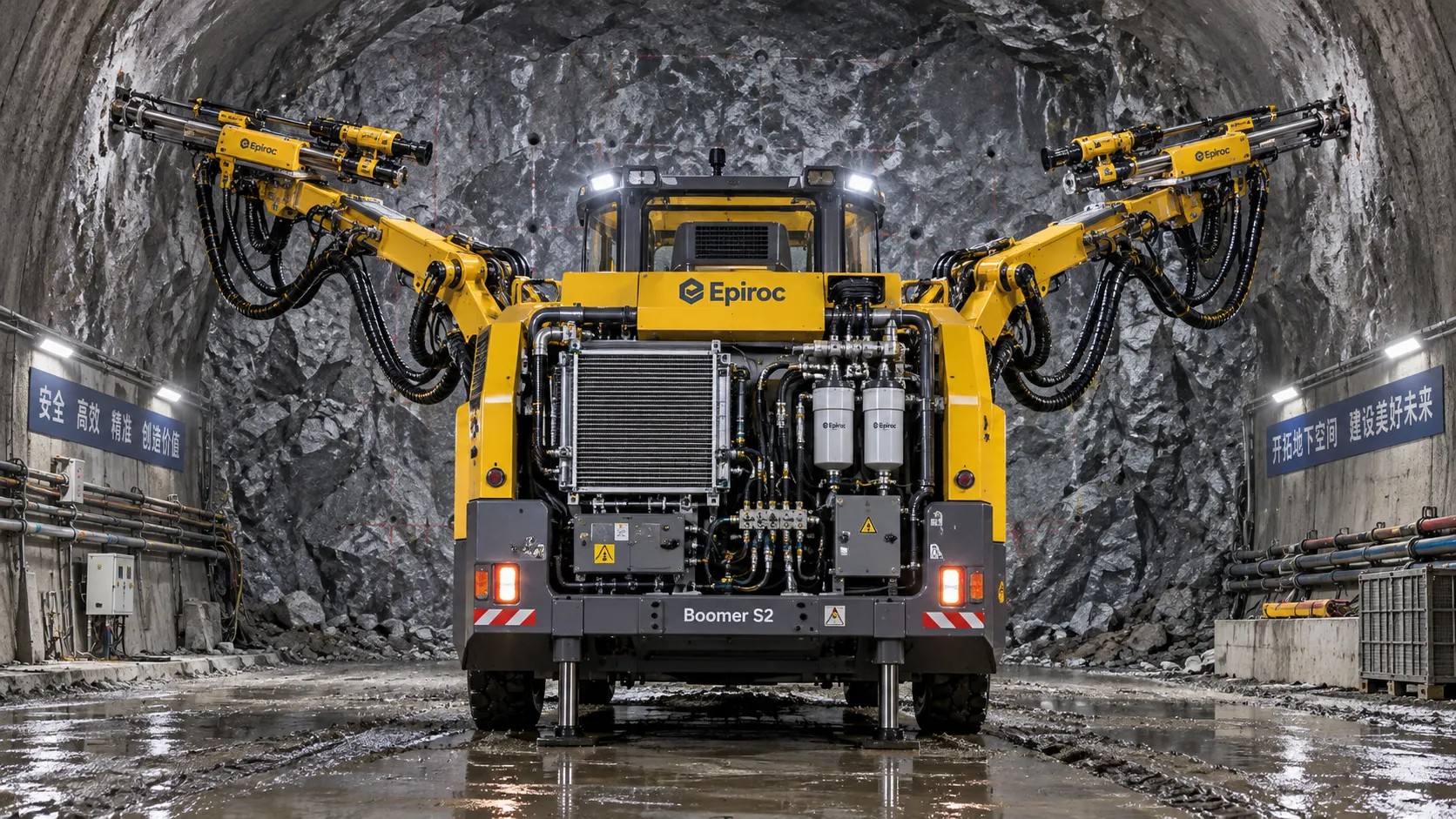
How tunnel hydraulic systems influence drill jumbo uptime underground
Tunnel hydraulic systems directly influence drill jumbo uptime. Explore how stable pressure, clean oil, cooling, and maintainable design reduce underground downtime.
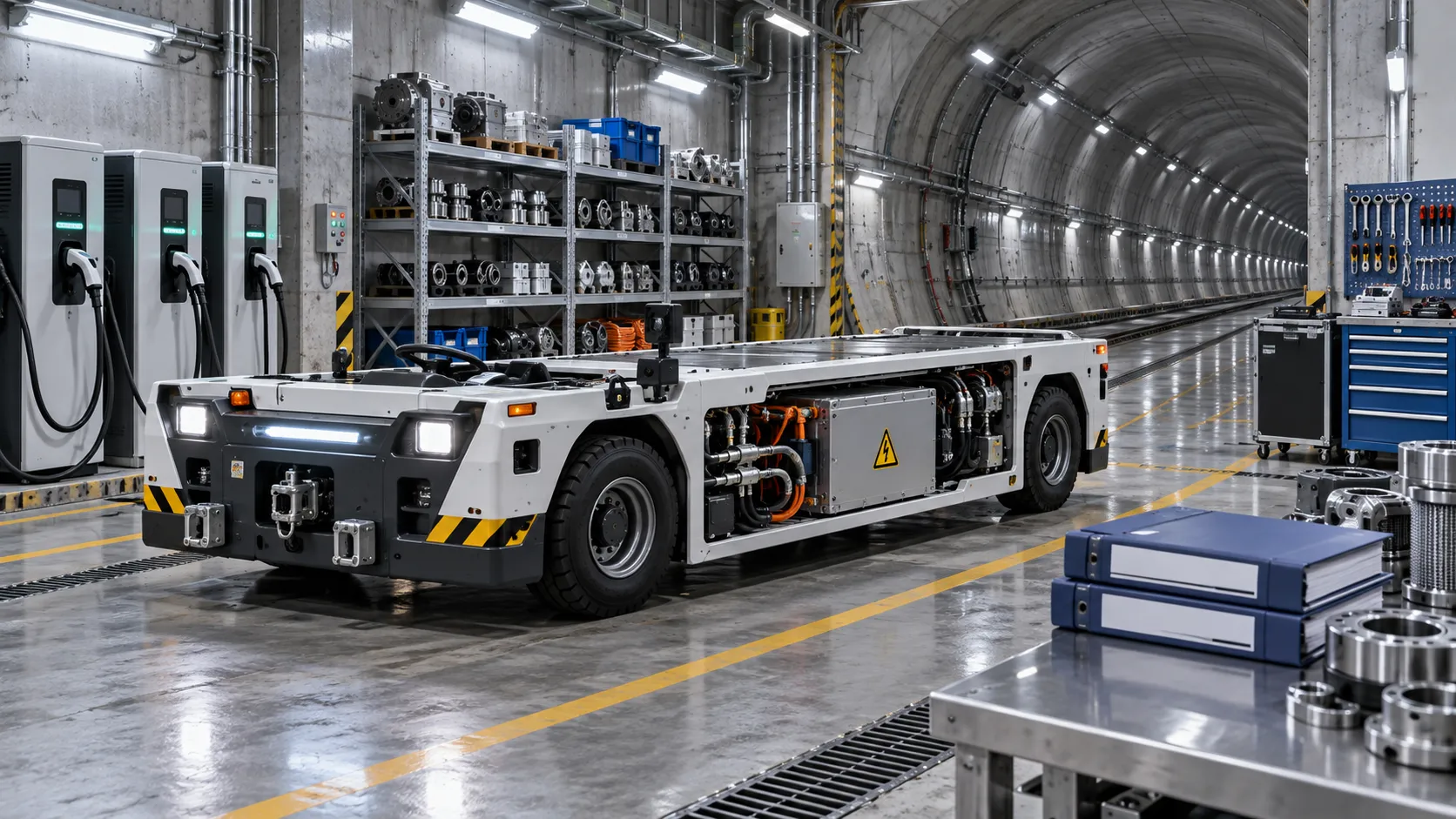
What to verify before appointing a tunneling vehicles manufacturer
Choosing a tunneling vehicles manufacturer? Verify application fit, reliability, compliance, parts support, training, and channel terms before appointing a partner.
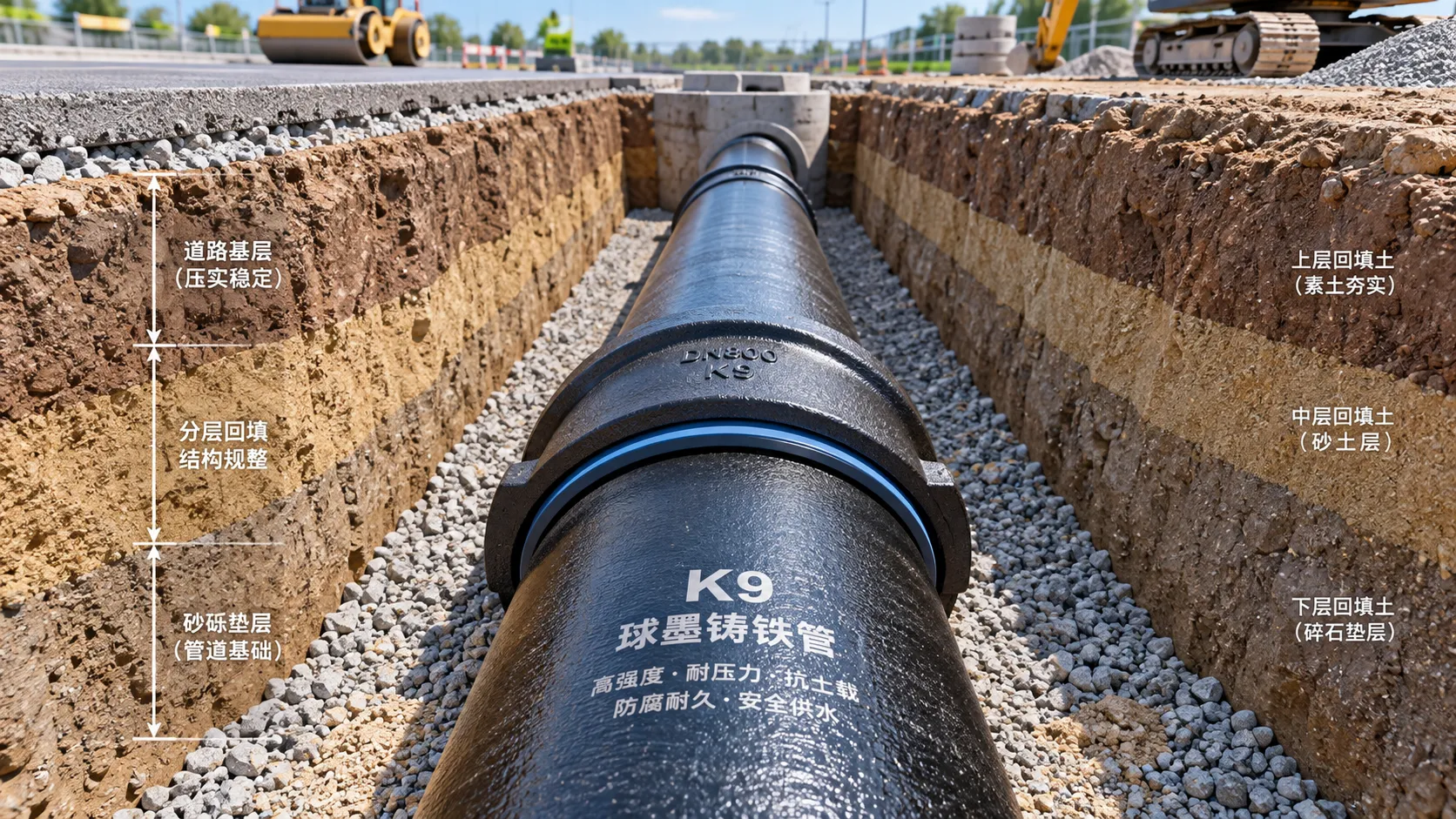
Selecting K9 Ductile Iron Pipe for Buried Water Pipeline Conditions
K9 ductile iron pipe selection for buried water pipelines: compare pressure duty, joints, soil loads, corrosion protection, and installation controls for reliable long-term performance.
Related News
- 00
0000-00
Tunnel Boring Machine Costs: Budgeting for Purchase, Operation, and Project Risk - 00
0000-00
Open-Pit Haulage Cost Analysis: How Mine Managers Can Cut Cost per Tonne - 00
0000-00
Tunnel Construction Innovations That Reduce Risk and Schedule Delays on Urban Projects - 00
0000-00
TBM Disc Cutter Design: Key Geometry and Load Factors for Hard Rock Tunnelling - 00
0000-00
Hydraulic Tipping Stability Risks in Multi-Axle Dump Special Trailers
Weekly Insights
Stay ahead with our curated technology reports delivered every Monday.