
EU Sets Methane Tolerance Certification Rule for Slurry/EPB Shields





On July 1, 2026, a new compliance threshold effectively took hold for Slurry/EPB Shields entering the EU market, and the regulatory position was then formalized when the European Commission issued Implementing Regulation (EU) 2026/1893 on July 4, 2026. The measure defines the certification route, testing methods, and technical documentation requirements for safe operation in environments with methane concentrations of 1.0% or higher. For manufacturers, exporters, buyers, certification-related service providers, and delivery teams, this is worth close attention because market access is now tied not only to existing ATEX compliance but also to an added methane tolerance certificate, with immediate implications for customs clearance and shipment execution.
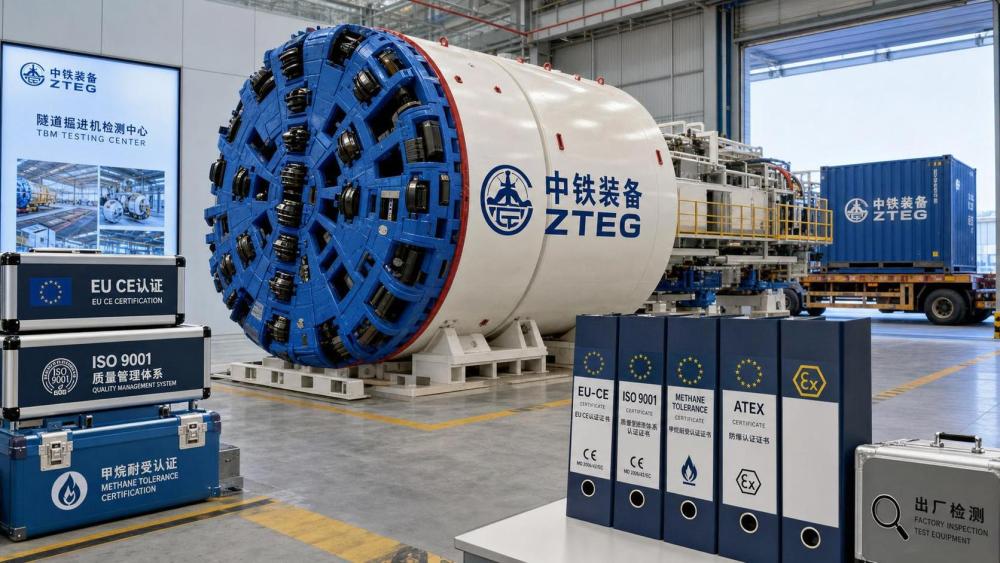
What the new rule now requires
According to the provided information, the European Commission released Implementing Regulation (EU) 2026/1893 on July 4, 2026. The regulation sets out the certification pathway, test methods, and technical documentation requirements for Slurry/EPB Shields intended to operate safely in environments where methane concentration is at or above 1.0%.
The new implementing detail replaces the earlier transitional guidance. It also establishes that all relevant shield equipment entering the EU market from July 1, 2026 onward must hold a valid ATEX certificate together with an additional methane tolerance certificate.
The provided event summary also indicates a direct trade consequence: in-transit export orders that have not completed the required adaptation may face rejection at customs clearance.
Where the operational pressure is likely to appear first
Export shipments moving under older compliance assumptions
From an industry perspective, exporters are among the first parties likely to feel the effect because the change is linked to EU market entry rather than only to factory-side design review. The main pressure point is shipment execution: equipment already sold or already in transit may face documentation gaps if it was prepared under the previous transitional framework. What deserves closer attention is whether contract files, customs-facing documents, and certification packs now clearly reflect both ATEX status and the added methane tolerance requirement.
Manufacturing and engineering teams handling technical files
Manufacturers may be affected through product release, technical file preparation, and conformity workflow management. Analysis shows that the rule change is not only about obtaining a certificate in name; it also points to defined test methods and documentation requirements. That means engineering, compliance, and documentation teams need to review whether existing product dossiers, operating-condition descriptions, and test evidence are aligned with the new implementation detail before units are shipped into the EU market.
Procurement and project owners reviewing delivery readiness
Buyers and project-side procurement teams may also be affected because delivery acceptance and equipment readiness now depend on a more specific certification package. Observably, procurement review can no longer stop at general ATEX validity where the relevant operating environment falls within the scope described in the rule. The practical concern is whether tender documents, purchase conditions, and pre-delivery acceptance checks need to be updated to reflect the additional methane tolerance certificate.
Certification and testing support functions
Certification-related service providers and testing support organizations may see immediate workflow changes because the regulation now specifies a clearer path for testing and technical documentation. Analysis shows that their role becomes more operationally important in helping equipment suppliers determine whether existing files are sufficient, whether supplementary testing is needed, and whether submission packages are complete enough for market entry and clearance purposes.
Practical points companies should review now
Check whether current certificates match the new entry condition
What deserves closer attention is whether relevant Slurry/EPB Shields intended for the EU market after July 1, 2026 are supported by both valid ATEX certification and the added methane tolerance certificate referenced in the provided event summary. Companies should treat this as a file-by-file review issue rather than a general compliance assumption.
Re-examine technical documentation against the new implementation detail
Analysis shows that the rule change reaches beyond labeling and into the structure of supporting technical evidence. Because the provided information specifically mentions test methods and technical documentation requirements, companies should review whether existing reports and technical files are organized in a way that matches the new certification path, while avoiding assumptions about acceptance if the documentation was built under the earlier transitional guidance.
Review in-transit orders and near-term delivery schedules
The clearest immediate trade risk mentioned in the provided information concerns in-transit orders that have not completed adaptation. For exporters, distributors, and project delivery teams, this makes near-term shipment review a practical priority. The key issue is whether goods already dispatched, goods awaiting customs procedures, or goods close to handover are exposed to refusal because the updated certificate set is incomplete.
Watch how tender and acceptance language begins to shift
It is more appropriate to understand this as a change that may quickly affect bid alignment and delivery conditions, even where detailed market practice is still developing. Companies involved in sales, procurement, and project execution should therefore monitor whether technical specifications, tender attachments, acceptance checklists, and after-sales documentation begin to refer explicitly to the new methane tolerance certification requirement.
Why this looks more like implementation than consultation
Analysis shows that this development is better understood as an implemented market-access requirement than as a preliminary policy signal. The key reason is that the provided information describes a formal implementing regulation, a replacement of transitional guidance, and a certificate requirement tied to EU market entry from July 1, 2026.
At the same time, observably, some aspects still require continued attention in practice. The market will likely watch how certification expectations are applied in documentation review, customs handling, tender qualification, and delivery acceptance. That does not change the confirmed rule itself, but it does mean that execution practice and industry feedback remain important areas to follow.
How to read the current change
This update should be read primarily as a concrete compliance and trade execution development for relevant Slurry/EPB Shields entering the EU market. The confirmed facts point to a stricter and more explicit certification basis for equipment intended for methane-exposed operating conditions, with immediate relevance for exporters, manufacturers, procurement teams, and certification support functions.
From an industry perspective, the most balanced conclusion is that this is already a landed rule change with practical consequences, while the exact market response in tenders, clearance practice, and document review still warrants close observation.
Basis of this article and points still to verify
This article is generated from the user-provided news title, event date, and event summary. It is written on that basis only and does not rely on additional unverified facts, company examples, market data, or external links.
For developments of this kind, relevant source types usually include official regulatory releases, notices from supervisory authorities, customs or trade-administration updates, industry association communications, standard-setting documents, certification-related publications, and reporting by authoritative trade media. A specific official source link was not provided in the input, so continued verification is still necessary.
What still merits ongoing observation includes any further official wording on implementation, certification practice, customs treatment, tender document revisions, industry feedback, and how companies adapt their compliance and delivery arrangements after the rule takes effect.
Related News
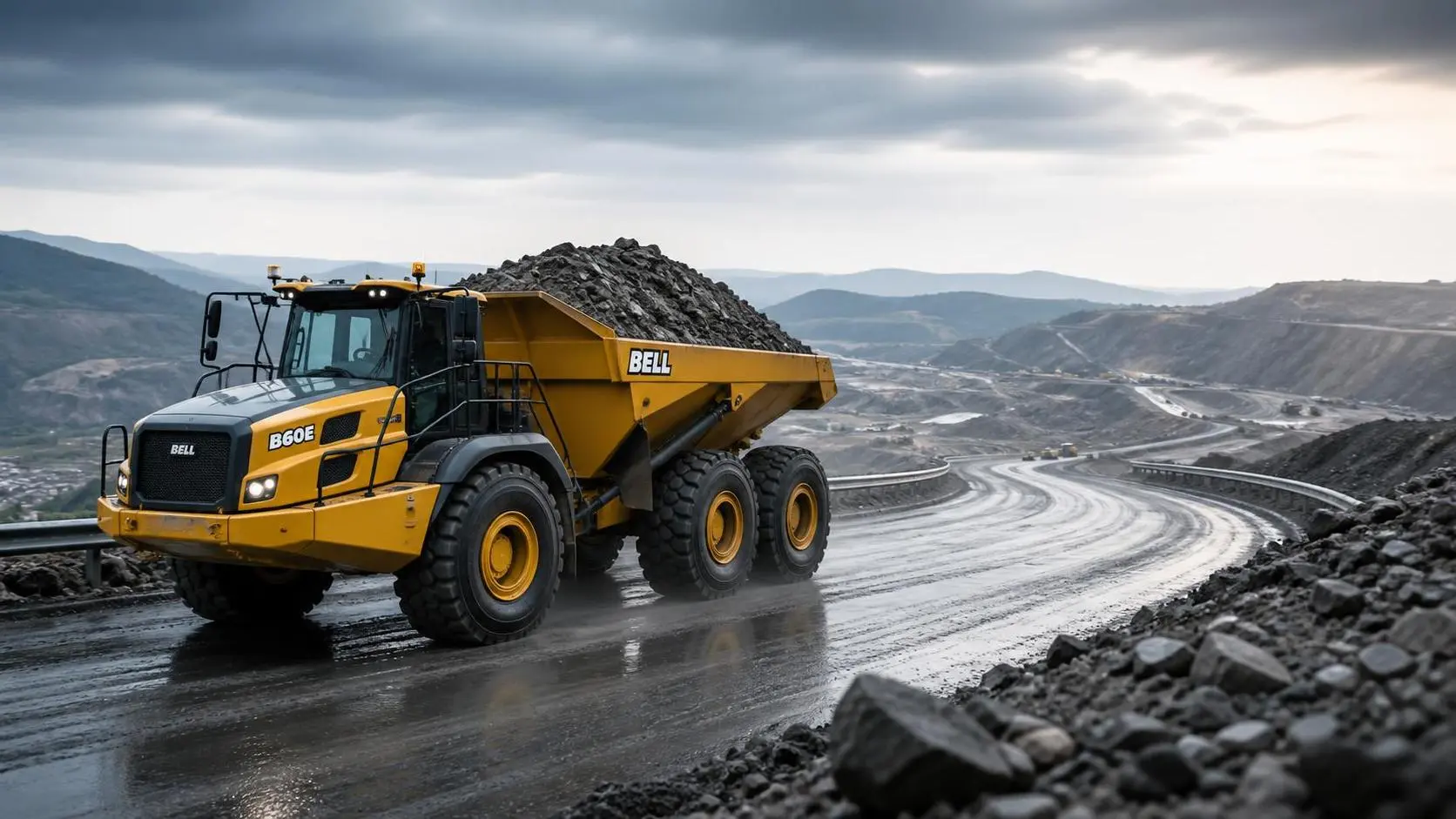
How to Evaluate Articulated Dump Trucks Payload for Haul Road Conditions and Cycle Efficiency
Articulated Dump Trucks payload evaluation starts with real haul road conditions, not brochure numbers. Learn how to balance payload, traction, grades, and cycle efficiency for safer, higher output.
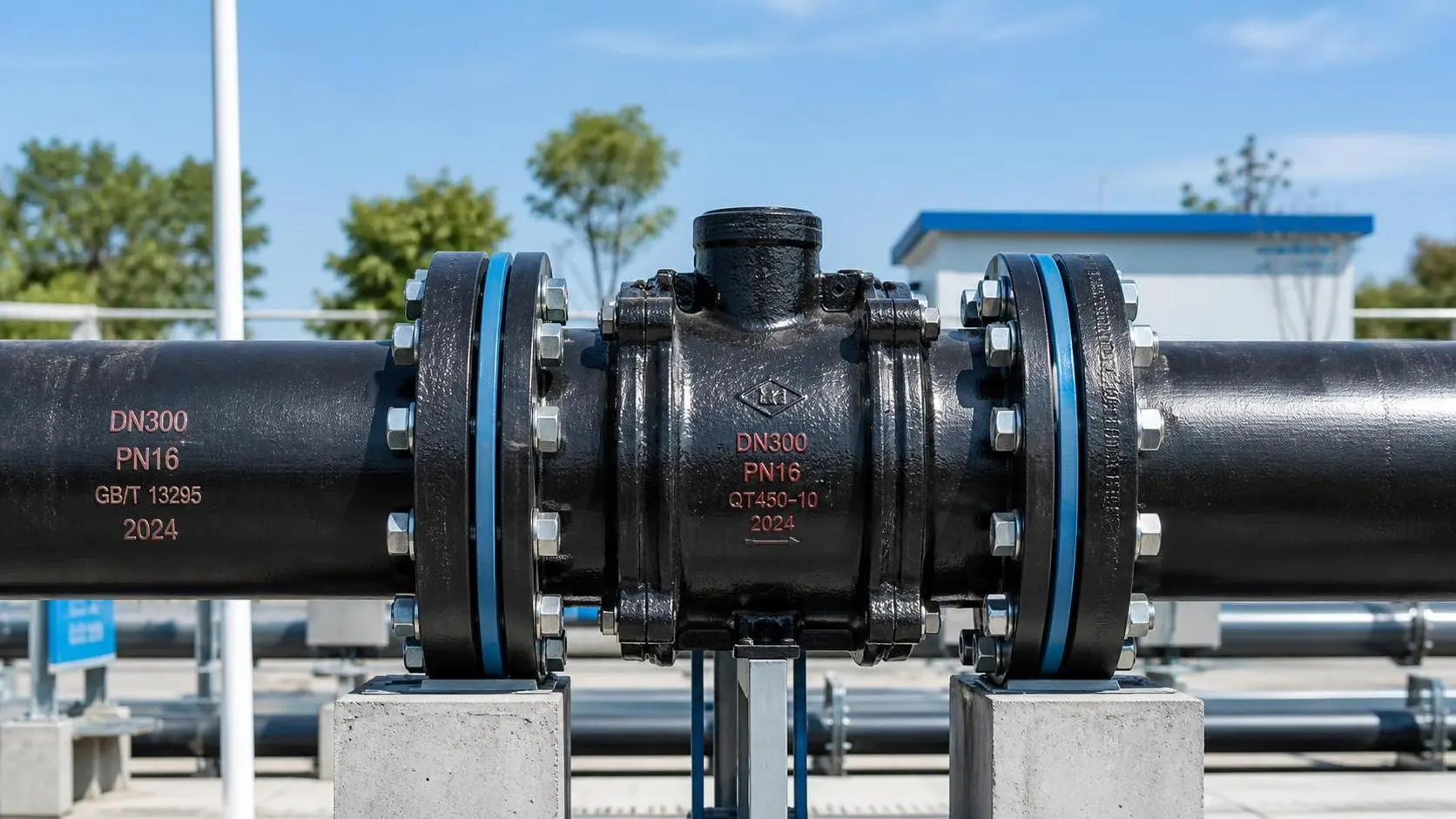
How Pipe Fittings Material and Pressure Class Affect Water Line Selection
Pipe fittings selection starts with material and pressure class. Learn how these factors affect water line reliability, corrosion resistance, installation, and long-term cost.
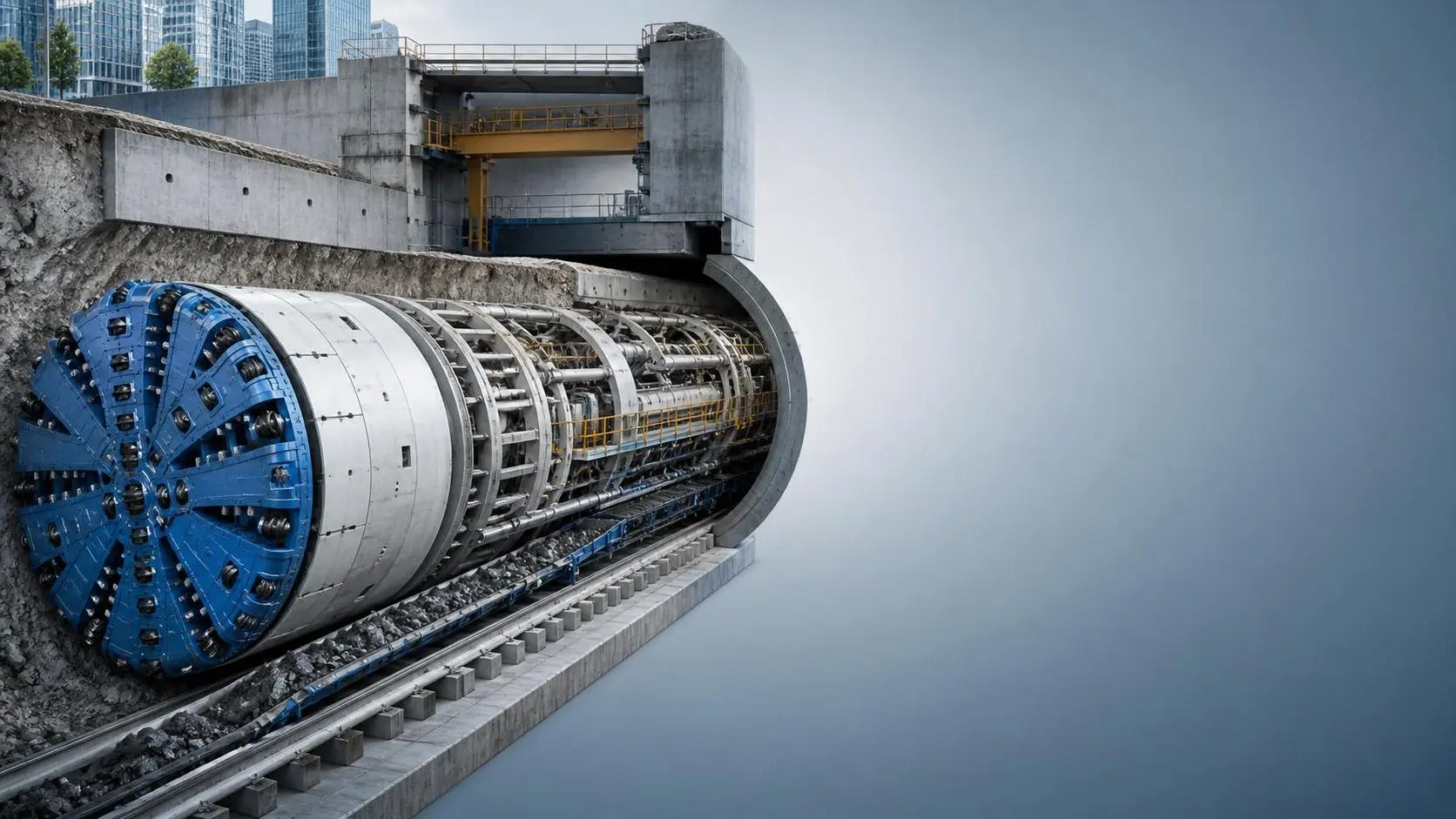
What Drives TBM Excavation Cost in Urban Tunneling Projects?
tbm excavation cost in urban tunneling depends on geology, shafts, segment lining, logistics, and risk. Discover the key cost drivers and compare bids with greater confidence.

What Does Energy Metals Mining in Australia Mean for Supply, Cost, and Project Risk?
Energy metals mining Australia is reshaping supply, cost, and project risk. Discover what it means for buyers, investors, and operators.
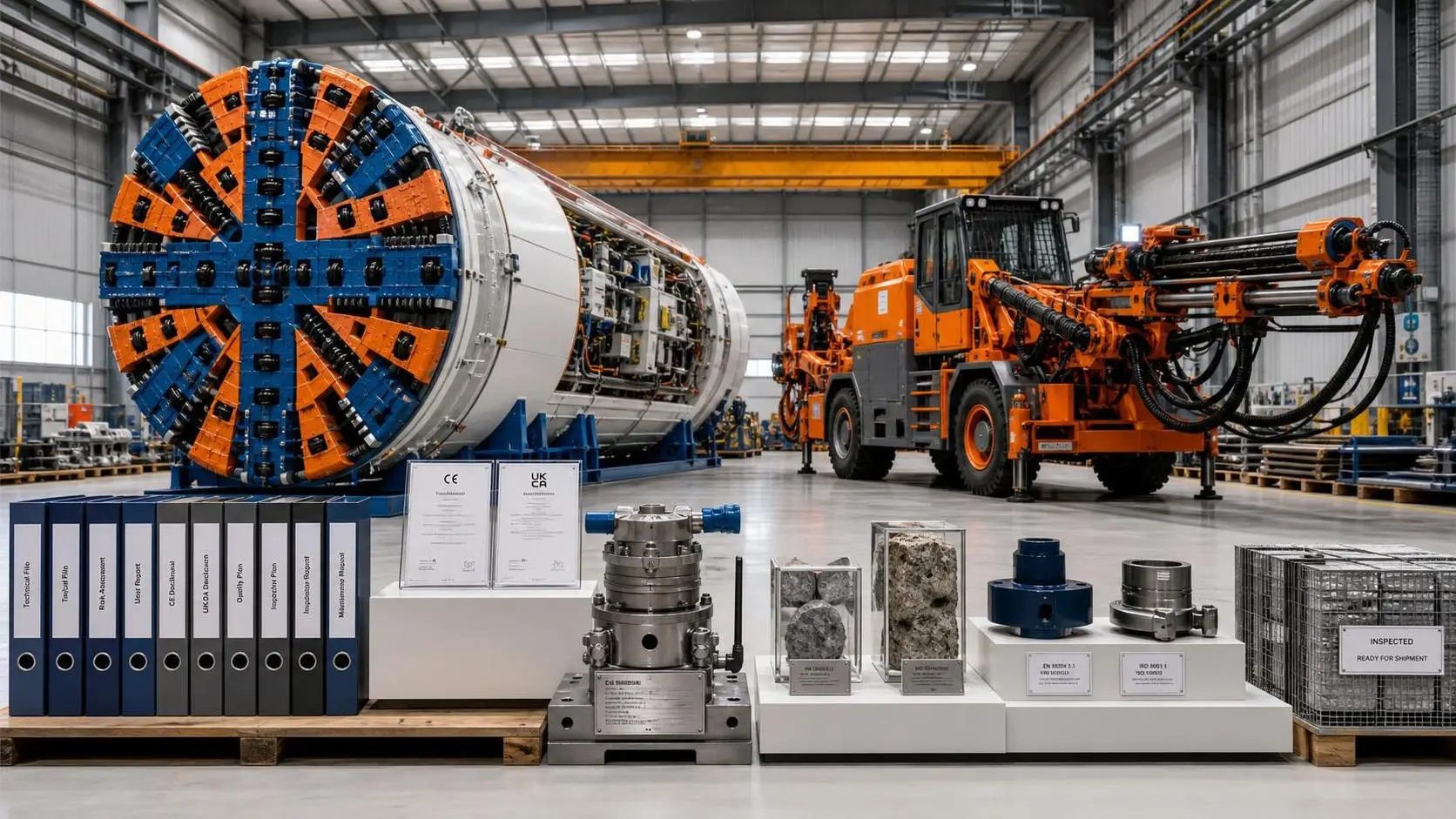
EU Eases Dual CE and UKCA Path for Chinese Tunnel Boring Equipment
EU eases CE and UKCA certification for Chinese tunnel boring equipment, cutting compliance time and helping importers move faster.
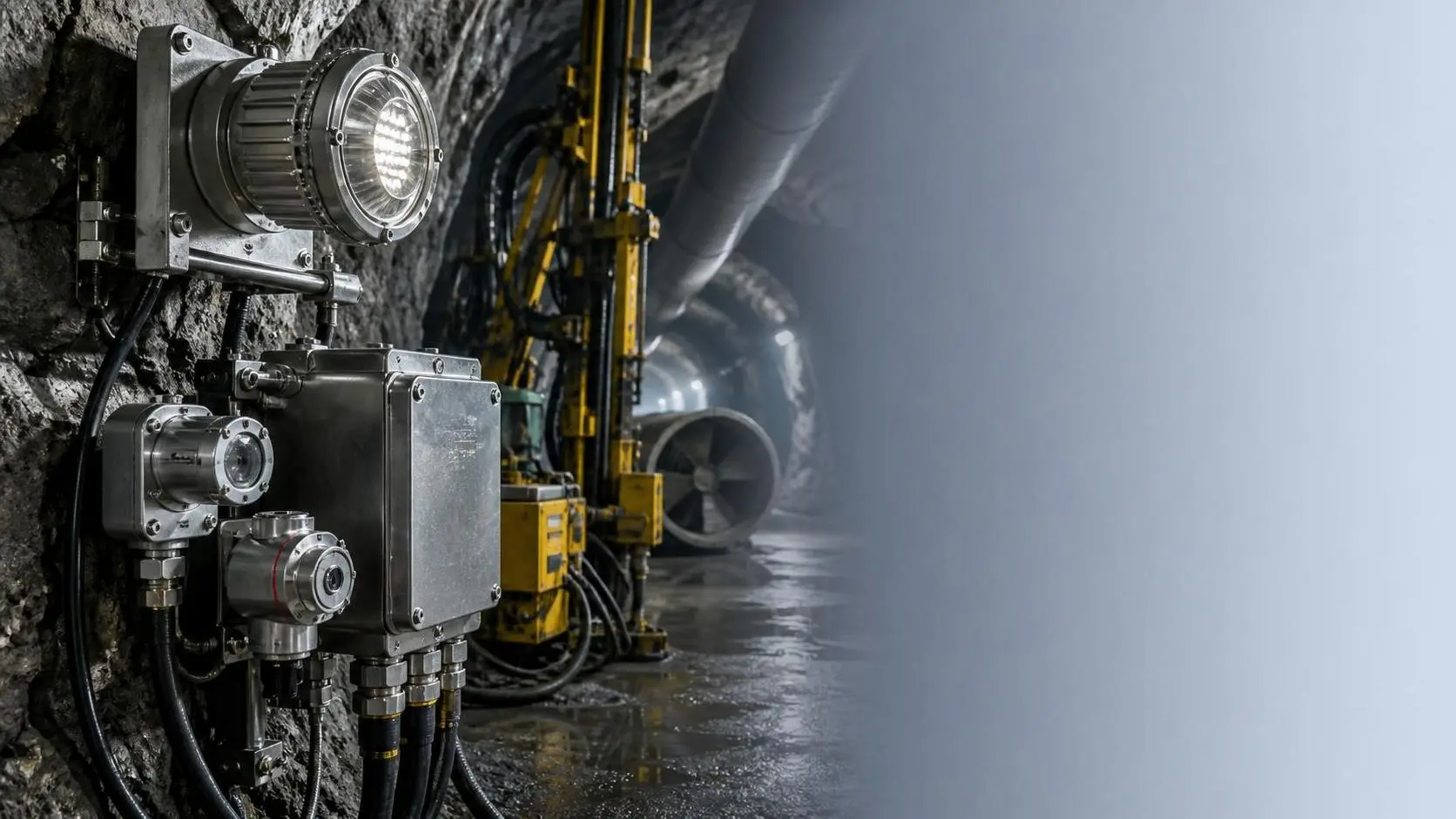
Flameproof Underground Safety Equipment: What Mine Teams Should Check Before Buying
Underground Safety Equipment flameproof buying guide: learn how mine teams should verify certification, durability, serviceability, and supplier support before purchase.
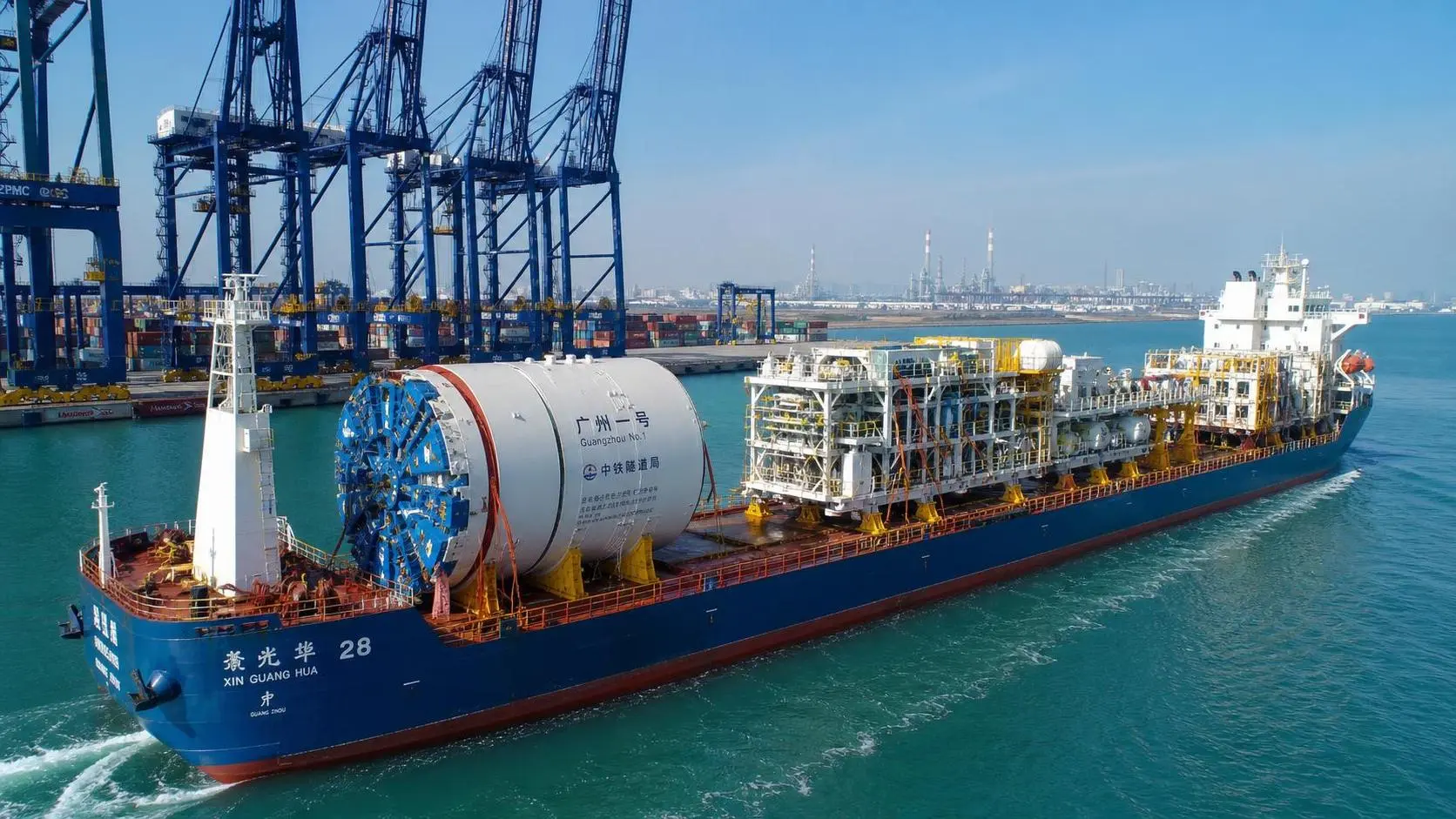
China-UAE Direct Sea Route Cuts TBM and Large Tunneling Equipment Lead Times
China-UAE direct sea route shortens TBM and large tunneling equipment lead times by 12–15 days, improving delivery predictability for major infrastructure projects. Read the full impact.
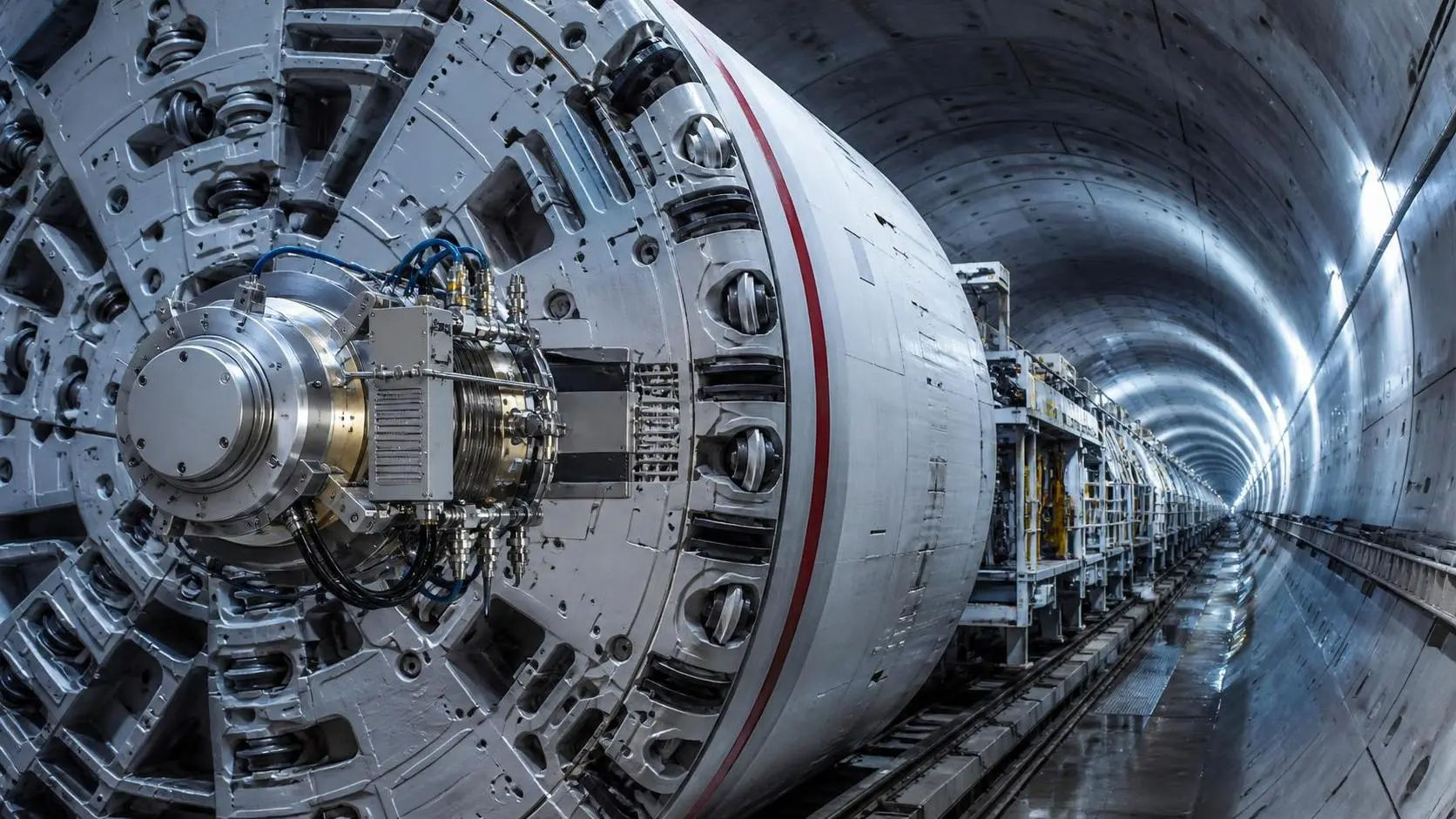
What Is a TBM Guidance System Gyroscope, and Why Does It Matter Underground?
TBM Guidance Systems gyroscope improves underground accuracy, reduces drift, and helps tunnel boring machines stay on line in harsh conditions.

China to Roll Out Nationwide Local and Foreign Currency Cash Pools for Multinationals on Sept. 14
China will roll out nationwide local and foreign currency cash pools for multinationals on Sept. 14, streamlining cross-border treasury management and boosting liquidity efficiency.
Related News
- 00
0000-00
How to Evaluate Articulated Dump Trucks Payload for Haul Road Conditions and Cycle Efficiency - 00
0000-00
How Pipe Fittings Material and Pressure Class Affect Water Line Selection - 00
0000-00
What Drives TBM Excavation Cost in Urban Tunneling Projects? - 00
0000-00
What Does Energy Metals Mining in Australia Mean for Supply, Cost, and Project Risk? - 00
0000-00
EU Eases Dual CE and UKCA Path for Chinese Tunnel Boring Equipment
Weekly Insights
Stay ahead with our curated technology reports delivered every Monday.