
Slurry Tunnel Boring Machines vs EPB Shields: How to Choose for Mixed Ground





Choosing between slurry Tunnel Boring Machines and EPB shields in mixed ground is rarely a simple equipment comparison. It is a decision about how pressure will be controlled, how spoil will be conditioned, how surface movement will be managed, and how reliably the tunnel can advance when the geology refuses to stay consistent.
That is why this topic matters across transport, utility, and deep urban infrastructure projects. In the wider underground equipment landscape tracked by UTMD, machine selection sits at the point where rock mechanics, slurry circuits, automation, environmental limits, and commercial risk all meet.
Why mixed ground changes the selection logic
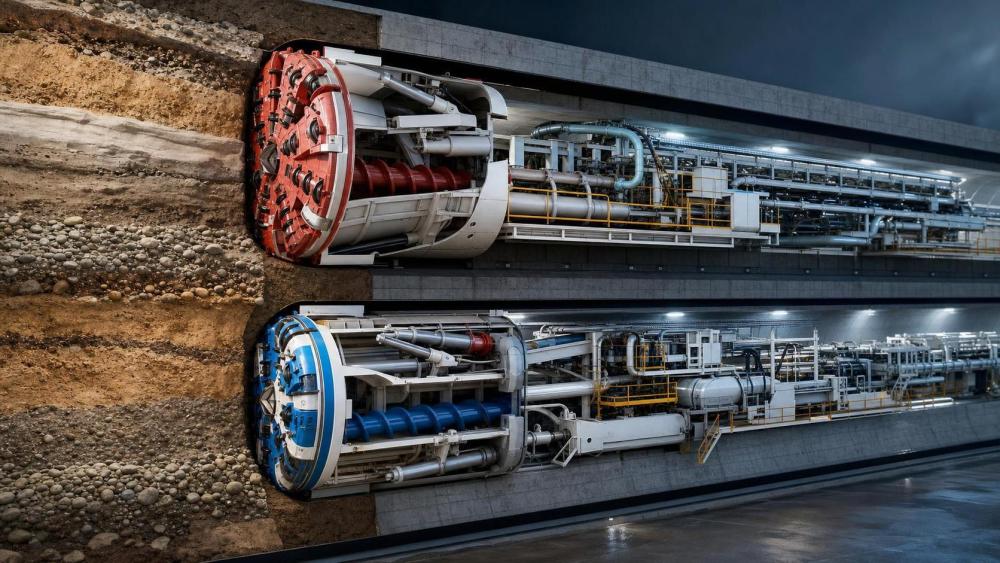
Mixed ground usually means the face is not uniform. Sand may sit beside clay. Weathered rock may alternate with gravel. Groundwater pressure can shift quickly across short distances.
Under those conditions, the machine must do more than excavate. It must hold face stability, protect adjacent assets, and keep muck removal predictable even when the excavated material changes hour by hour.
This is where slurry Tunnel Boring Machines and EPB shields diverge. Both are closed-face systems. Both can work below the water table. Yet they rely on different pressure media, different spoil transport methods, and different assumptions about the ground.
The core difference is how each machine supports the face
A slurry machine uses pressurized bentonite slurry in the excavation chamber. That slurry transfers support pressure to the face and carries excavated material through a separation circuit.
An EPB shield uses conditioned excavated soil as the pressure medium. Foam, polymers, and water are added so the spoil behaves like a plastic paste inside the chamber and screw conveyor.
Simple descriptions can be misleading, though. The practical question is not which principle sounds better. It is which pressure-control method remains stable when the geology becomes variable, abrasive, permeable, or unstable.
Where slurry systems usually gain an edge
slurry Tunnel Boring Machines are often favored in high-permeability ground, especially sands, gravels, cobbles, and water-bearing mixed faces. A properly managed slurry circuit can respond well to high inflow and sudden permeability changes.
They are also strong candidates when settlement tolerance is tight. Urban crossings beneath railways, highways, utilities, and sensitive buildings often benefit from precise chamber pressure control.
Where EPB shields can be the better fit
EPB shields are commonly effective in fine-grained soils with enough natural plasticity to form a workable paste after conditioning. They can offer a simpler surface setup than a full slurry separation plant.
When logistics space is limited, disposal routes are straightforward, and groundwater is manageable, EPB operation can be commercially attractive. That advantage weakens if the spoil will not condition consistently.
Ground adaptability matters more than nominal machine type
The headline comparison often hides the real issue. Selection should be driven by how the machine behaves across the full alignment, not at one representative borehole.
A mixed-ground alignment with short transitions can punish an overly simplified choice. If the face repeatedly shifts between cohesive and non-cohesive material, the chamber may become unstable unless the selected system has enough operating margin.
Spoil handling is not a secondary issue
Many selection reviews focus first on face pressure. In practice, spoil handling often becomes the hidden constraint on advance rate, maintenance, and cost.
slurry Tunnel Boring Machines send spoil to a surface separation plant. That adds equipment, power demand, water management, and treatment complexity. It also creates a more controlled path for difficult granular spoil.
EPB shields avoid the full slurry circuit, but they rely on continuous conditioning quality. If the spoil becomes too dry, too wet, too coarse, or segregated, screw conveyor performance and chamber pressure stability can degrade quickly.
This is one reason UTMD and similar intelligence-driven platforms increasingly treat TBM choice as a systems question. The machine, the separation plant, the conditioning regime, the sensors, and the logistics chain must work together.
Operational stability in mixed ground
A closed-face machine is only as good as its response to changing inputs. Mixed ground introduces exactly the kind of variability that stresses control loops and maintenance planning.
Pressure control
slurry Tunnel Boring Machines usually provide more robust pressure balancing where water-bearing granular strata dominate. The slurry membrane at the face can improve stability if filtration and density stay within target range.
EPB shields depend on a conditioned soil plug. That can work very well, but the response window may narrow when coarse particles increase or groundwater breaks the paste structure.
Wear and maintenance
Abrasion, boulder content, and mixed-face cutting all influence tool wear. In projects with hard inclusions or sharp lithological transitions, cutter inspection frequency and intervention strategy should be part of the machine decision.
UTMD’s broader focus on rock-cutting mechanics is relevant here. The cost of wrong assumptions is not only slower advance. It can appear later as excessive cutter consumption, slurry circuit wear, or unstable conditioning demand.
How to structure the decision in real projects
A useful selection process starts with uncertainty, not preference. The main task is to identify where geology, water, and urban constraints create failure modes.
- Map the alignment by risk zones, not only by dominant soil class.
- Test whether spoil can be conditioned consistently across transitions.
- Check expected groundwater pressure against chamber control tolerance.
- Review settlement limits near buildings, utilities, and transport assets.
- Compare surface footprint, water treatment, and disposal logistics early.
- Model intervention needs for cutterhead inspection in abrasive sections.
Usually, the better choice is the machine with fewer critical weaknesses along the full route. A lower theoretical operating cost means little if one difficult zone can repeatedly stop the drive.
Lifecycle considerations often decide the final answer
Capex alone does not settle the comparison between slurry Tunnel Boring Machines and EPB shields. The lifecycle picture includes downtime, consumables, treatment systems, spoil disposal, staffing depth, and digital monitoring capability.
This broader view fits the current underground industry direction. Across tunnelling and mining equipment, electrification, automation, and data-rich operation are changing how assets are evaluated. Reliability and controllability now carry more strategic weight.
For mixed ground, that means asking which platform can produce stable performance data, predictable maintenance windows, and repeatable control under variable conditions. The answer is often more valuable than a simple speed comparison.
A practical way forward
When the alignment includes water-bearing sands, gravels, or highly variable mixed faces, slurry Tunnel Boring Machines often deserve first consideration. When the route is dominated by workable cohesive soils and constrained site logistics, EPB shields may remain compelling.
The strongest decisions usually come from combining geotechnical data, spoil behavior testing, settlement criteria, and logistics analysis into one evaluation sheet. That gives a clearer basis for comparing pressure stability, operational resilience, and lifecycle exposure.
For the next step, refine the comparison around the most difficult chainages, not the easiest ones. In mixed ground, the machine should be chosen for the sections that can break performance, not for the sections that merely allow progress.
Related News
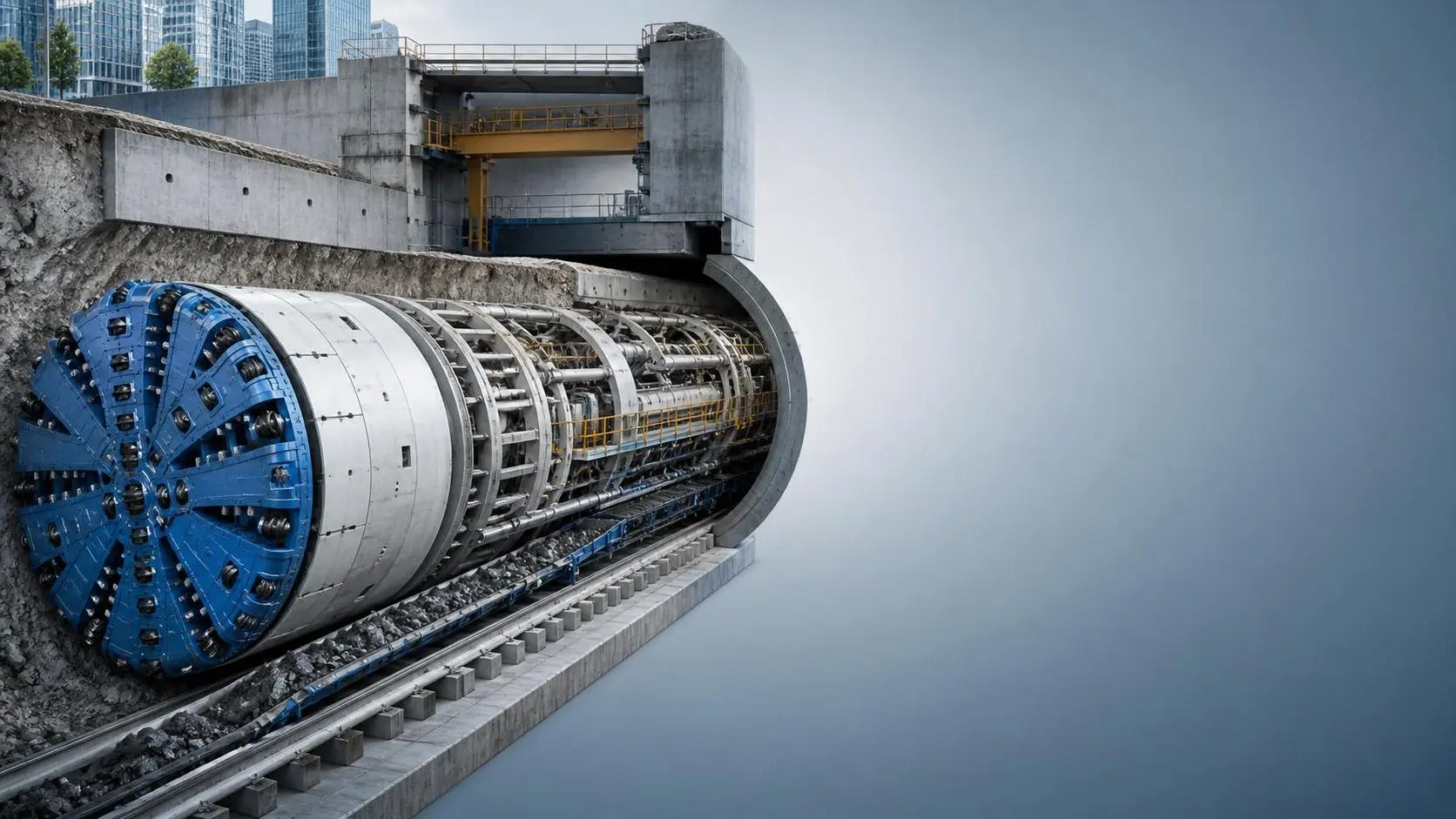
What Drives TBM Excavation Cost in Urban Tunneling Projects?
tbm excavation cost in urban tunneling depends on geology, shafts, segment lining, logistics, and risk. Discover the key cost drivers and compare bids with greater confidence.
What Does Energy Metals Mining in Australia Mean for Supply, Cost, and Project Risk?
Energy metals mining Australia is reshaping supply, cost, and project risk. Discover what it means for buyers, investors, and operators.
EU Eases Dual CE and UKCA Path for Chinese Tunnel Boring Equipment
EU eases CE and UKCA certification for Chinese tunnel boring equipment, cutting compliance time and helping importers move faster.
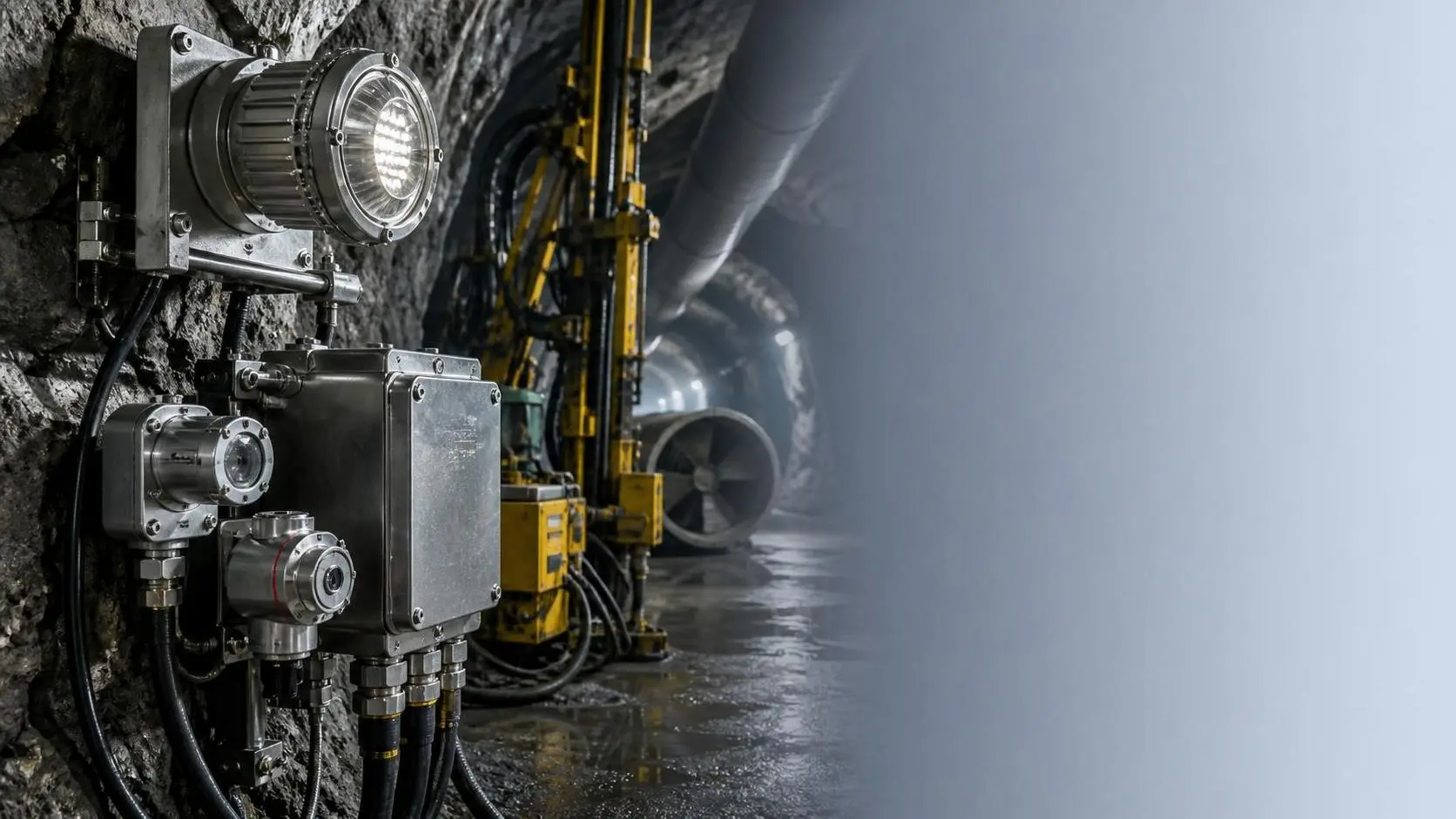
Flameproof Underground Safety Equipment: What Mine Teams Should Check Before Buying
Underground Safety Equipment flameproof buying guide: learn how mine teams should verify certification, durability, serviceability, and supplier support before purchase.
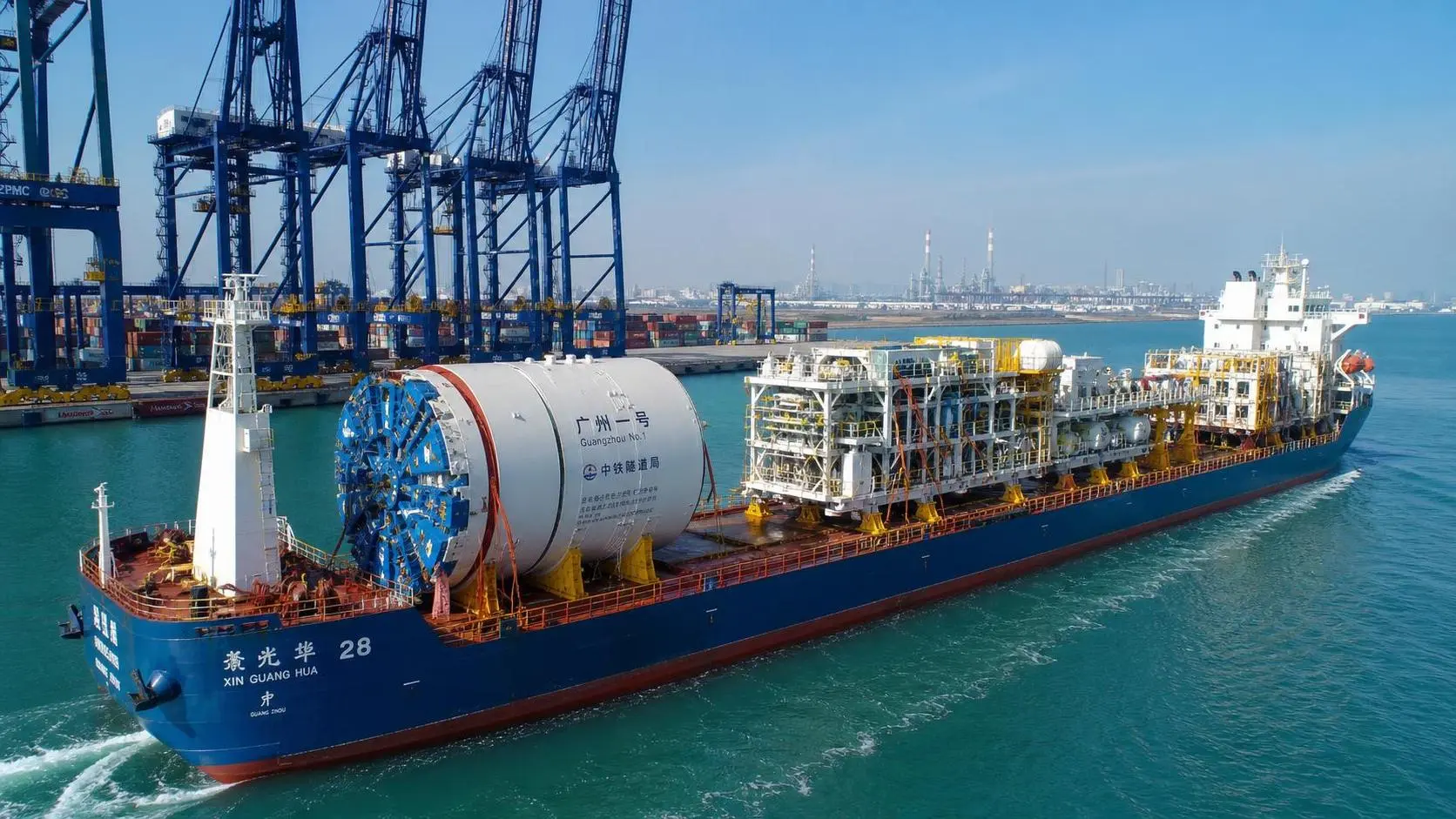
China-UAE Direct Sea Route Cuts TBM and Large Tunneling Equipment Lead Times
China-UAE direct sea route shortens TBM and large tunneling equipment lead times by 12–15 days, improving delivery predictability for major infrastructure projects. Read the full impact.
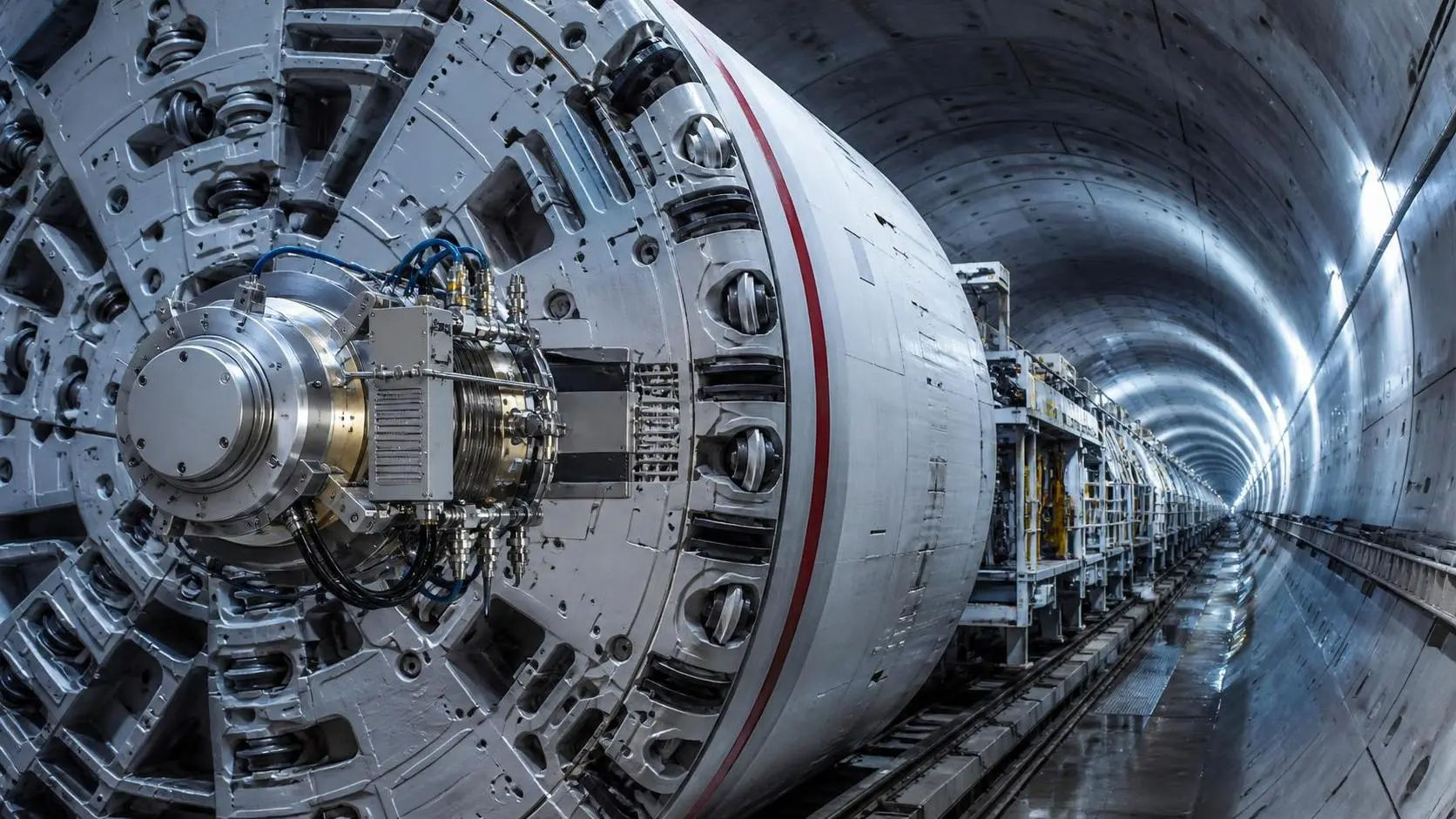
What Is a TBM Guidance System Gyroscope, and Why Does It Matter Underground?
TBM Guidance Systems gyroscope improves underground accuracy, reduces drift, and helps tunnel boring machines stay on line in harsh conditions.
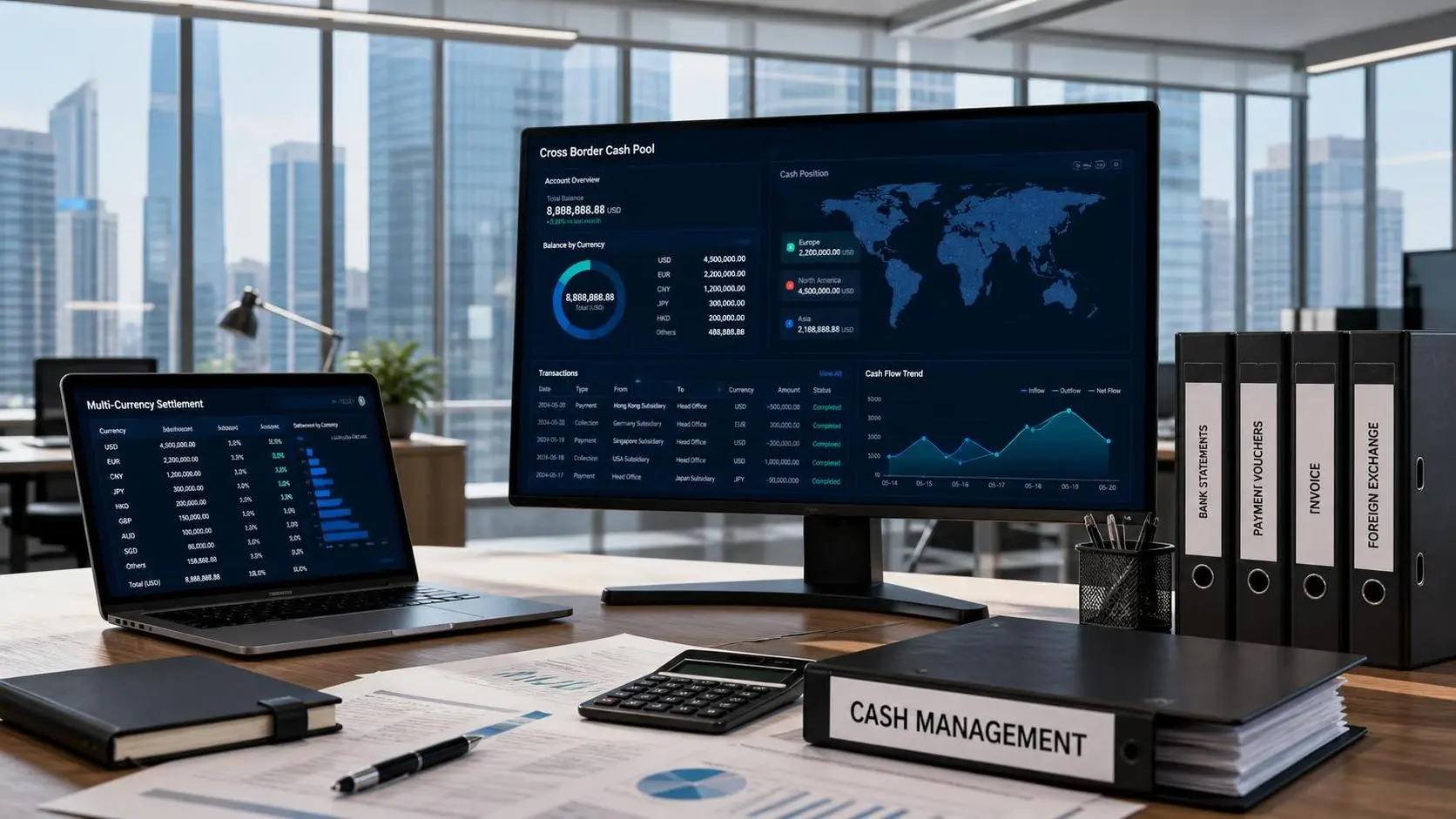
China to Roll Out Nationwide Local and Foreign Currency Cash Pools for Multinationals on Sept. 14
China will roll out nationwide local and foreign currency cash pools for multinationals on Sept. 14, streamlining cross-border treasury management and boosting liquidity efficiency.
How to Choose a Reliable Underground Mining Equipment Supplier for Harsh Site Conditions
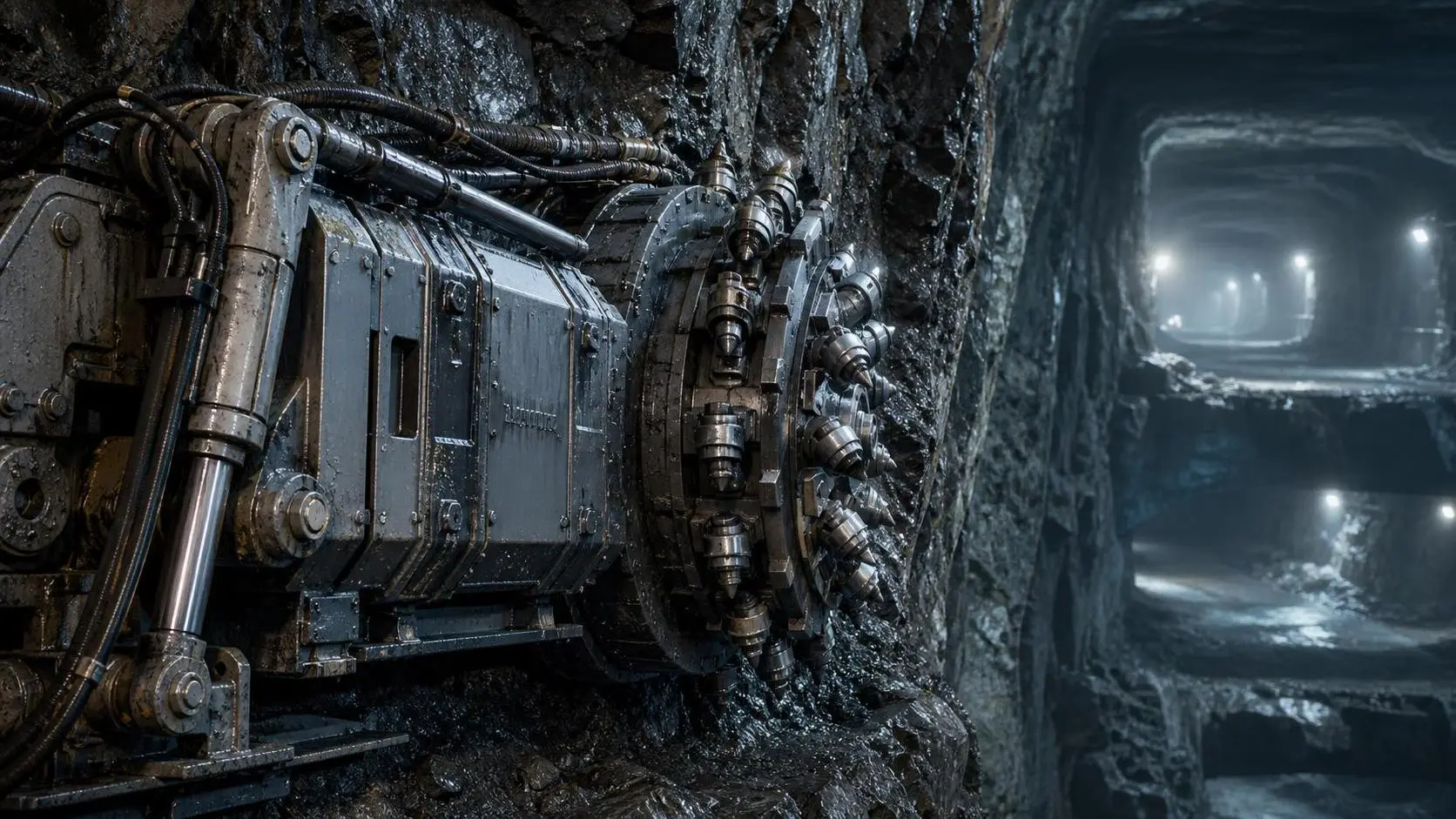
Find a reliable underground mining equipment supplier for harsh site conditions with rugged, maintainable solutions that boost uptime, reduce risk, and support long-term production.
China Customs Tightens TBM Export Checks from Aug. 16
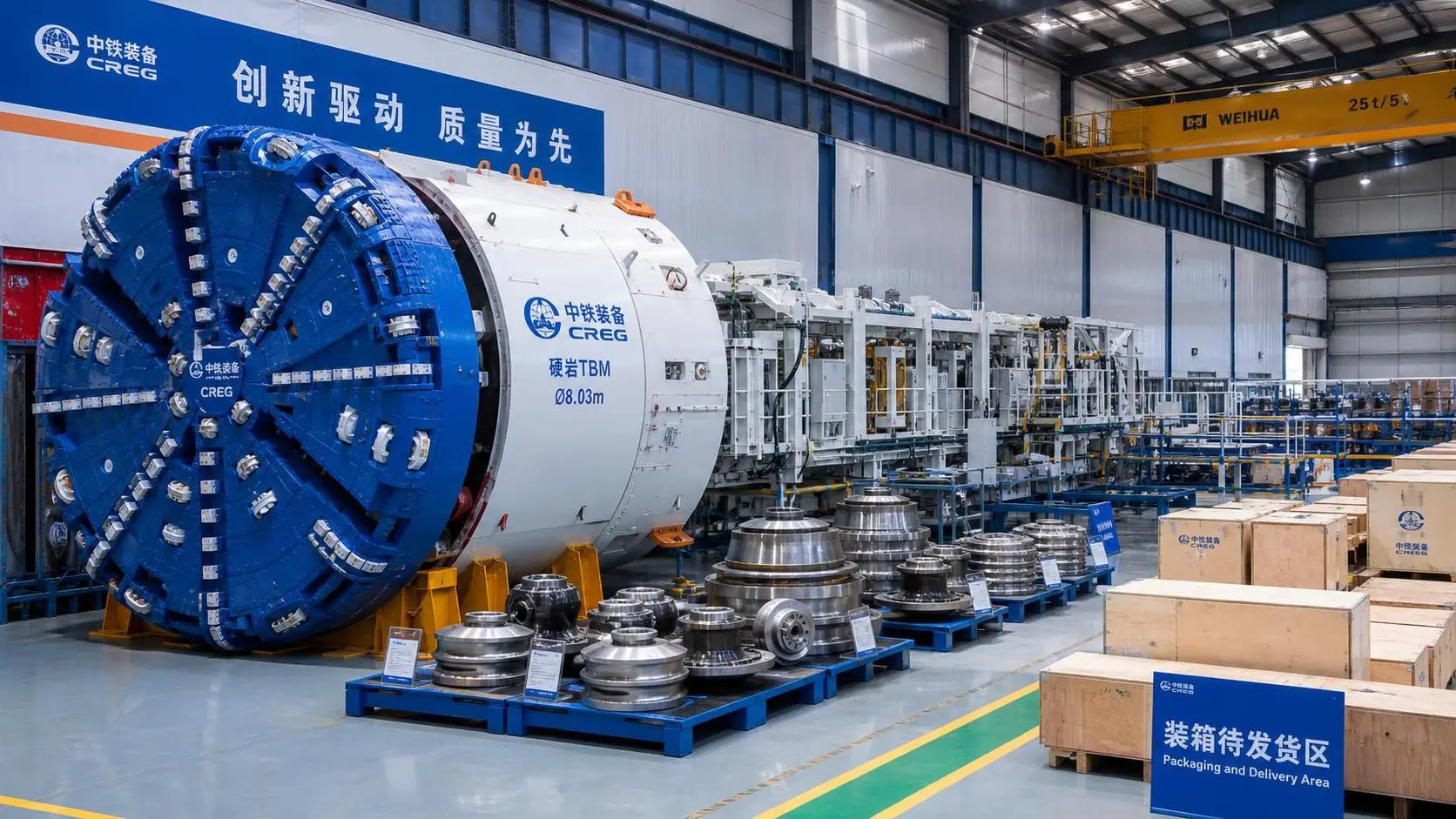
China Customs tightens TBM export checks from Aug. 16, 2026. Learn how new mandatory inspections may affect tunnelling equipment shipments, compliance, and delivery plans.
Related News
- 00
0000-00
What Drives TBM Excavation Cost in Urban Tunneling Projects? - 00
0000-00
What Does Energy Metals Mining in Australia Mean for Supply, Cost, and Project Risk? - 00
0000-00
EU Eases Dual CE and UKCA Path for Chinese Tunnel Boring Equipment - 00
0000-00
Flameproof Underground Safety Equipment: What Mine Teams Should Check Before Buying - 00
0000-00
China-UAE Direct Sea Route Cuts TBM and Large Tunneling Equipment Lead Times
Weekly Insights
Stay ahead with our curated technology reports delivered every Monday.