
How to reduce congestion in underground mining haulage systems





How to Reduce Congestion in Underground Mining Haulage Systems
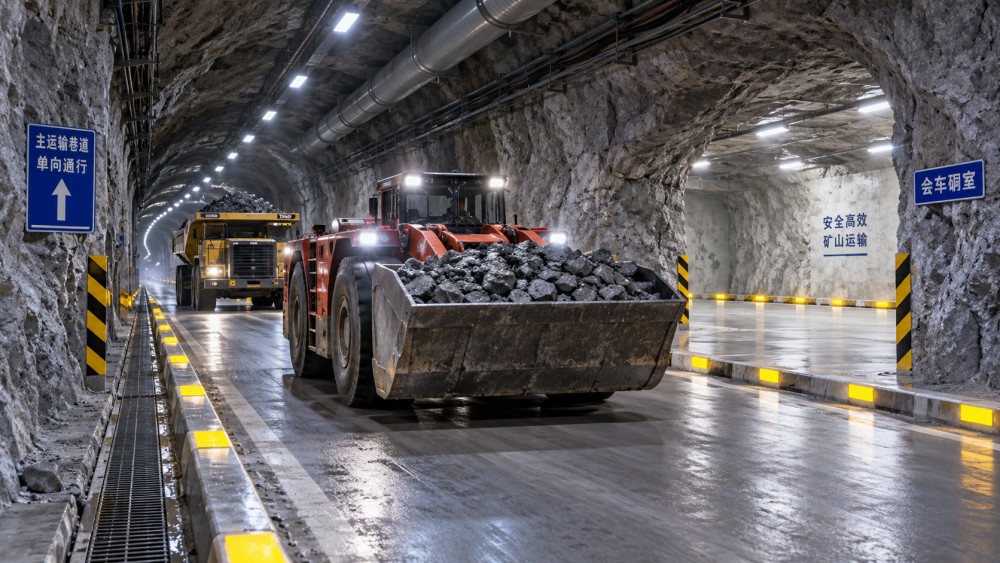
Congestion in underground mining haulage systems usually comes from poor coordination, not simply insufficient equipment. Operators can improve flow by controlling traffic, loading cycles, road conditions, and communication together.
For LHD and truck operators, a blocked heading or crowded decline means lost tonnes, longer shifts, higher fuel or battery consumption, and greater exposure to collision hazards.
The first priority is identifying where haulage delays actually begin. A queue at the dump point may be caused by slow loading, poor road geometry, dispatch errors, or equipment downtime.
Effective congestion reduction therefore requires daily operating discipline. Mine crews need clear travel rules, visible production priorities, accurate status reporting, and practical ways to respond when conditions change underground.
Find the Real Bottleneck Before Adding More Equipment
Adding another LHD or truck can worsen congestion when the existing route is already constrained. First, measure the complete cycle from loading, travel, dumping, return, and waiting.
Operators should record where equipment waits, how long queues last, and what activity blocks the route. Short recurring delays often become major production losses across a shift.
Separate productive travel time from non-productive delay time. A machine travelling loaded or empty is moving material through the system, while waiting at intersections produces no value.
Common bottlenecks include narrow passing bays, congested ore passes, poorly positioned loading points, slow dump pockets, insufficient turning space, and delays caused by shift-change traffic.
Review data by location, shift, equipment type, and time of day. This makes it easier to distinguish a one-off incident from a predictable pattern requiring a permanent change.
Ask operators where they lose time most often. Their observations can reveal blocked visibility, poor radio coverage, damaged road edges, or dispatch instructions that are impractical underground.
A simple delay code system is useful when crews apply it consistently. Codes for loading wait, dump wait, traffic hold, road condition, maintenance, and ventilation restrictions provide usable evidence.
Do not treat all waiting as identical. A planned hold for blast clearance is different from an unplanned queue caused by two machines meeting in an unsuitable heading.
Design Traffic Rules That Match the Actual Mine Layout
Traffic rules must reflect tunnel widths, gradients, passing opportunities, visibility, and equipment dimensions. Generic rules are rarely enough for a mine with changing development and production areas.
Establish clear right-of-way priorities for loaded vehicles, emergency equipment, service crews, personnel carriers, and light vehicles. Every operator should understand the hierarchy without needing repeated clarification.
In many haulage systems underground mining operations benefit from giving loaded equipment priority on main routes. This reduces ore delivery delays and limits unnecessary stopping on gradients.
However, priority rules should never encourage unsafe movement. Operators still need authority to stop when visibility, ground conditions, ventilation, pedestrians, or equipment defects make travel unsafe.
Use one-way travel loops wherever geology and layout allow. A loop removes many face-to-face conflicts, reduces reversing, and gives dispatchers a more predictable basis for scheduling equipment movements.
Where two-way travel is unavoidable, provide passing bays at practical intervals. Bays must be wide enough, clearly marked, properly illuminated, and kept free from stored materials or parked equipment.
Mark intersection controls visibly and maintain them. Direction signs, reflective markers, stop points, bay identifiers, and speed limits help operators make quick decisions in low-light conditions.
Traffic plans should be reviewed whenever headings advance, dump locations move, or new equipment enters service. A route that worked last month may create conflicts after development changes.
Coordinate LHD Loading and Haulage Cycles
Loading equipment and haulage equipment must work as one system. Congestion develops when LHD production, truck availability, ore pass capacity, and dump timing are managed separately.
Match the number of hauling units to the loading rate and route distance. Too few units leave loaders waiting, while too many units create queues and increase interaction risk.
Cycle-time studies should include actual bucket fill time, spotting time, loaded travel, dumping, empty return, refuelling or battery changes, and planned operational holds.
Look for variation rather than only averages. An average cycle can appear acceptable while a few long delays repeatedly create queues that disrupt every following machine.
Improve loading-point discipline by keeping the brow, stockpile, and approach route clear. A poorly prepared loading area increases spotting time and can force unsafe reversing movements.
Operators should avoid overloading buckets or trucks merely to improve one cycle. Spillage, tyre damage, reduced visibility, and slower travel can reduce overall system throughput.
When an ore pass or crusher is constrained, regulate feed rather than allowing equipment to queue underground. Controlled release prevents a localized delay from spreading through the mine.
Stagger loading starts after breaks and shift changes. Releasing every machine at once often creates an avoidable surge at fuel bays, charging stations, intersections, and dump points.
Use Dispatching to Prevent Queues Instead of Reacting to Them
Dispatching should anticipate conflict before equipment reaches a bottleneck. Real-time location and status information allow supervisors to redirect, hold, or sequence machines before queues form.
A dispatch system is most valuable when its instructions fit underground reality. Operators will lose trust if assignments ignore road closures, poor ground, local blasting activities, or machine limitations.
Use equipment status categories that are simple and accurate. Loaded, empty, loading, dumping, waiting, down, refuelling, charging, and under maintenance are usually more useful than vague labels.
Assign machines to defined zones when possible. Zone control reduces unnecessary cross-mine travel and helps operators understand which headings, passes, and routes are their current responsibility.
Supervisors should avoid changing assignments too frequently. Constant rerouting creates confusion, increases radio traffic, and may cause empty travel that adds no productive capacity.
Set queue thresholds for major bottlenecks. For example, once a dump-point queue reaches a defined number of vehicles, dispatch can slow upstream loading or redirect units.
Review dispatch exceptions at the end of each shift. Repeated overrides may indicate an unrealistic plan, inaccurate equipment data, insufficient capacity, or a route condition requiring correction.
Manual dispatch boards can still be effective in smaller operations. The key requirement is timely information, a responsible decision maker, and consistent communication with the underground crew.
Improve Radio Discipline and Operator Communication
Clear communication prevents small delays from becoming traffic incidents. Operators need reliable radio coverage, agreed call signs, concise message formats, and a shared understanding of route terminology.
Require operators to announce entry into blind corners, single-lane sections, loading areas, and intersections with limited visibility. These calls help nearby crews plan movement before conflict occurs.
Radio messages should state location, direction, equipment type, and intention. A clear call is faster than multiple questions when machines are approaching the same constrained area.
Use standard names for headings, bays, ramps, ore passes, and service areas. Informal names create misunderstandings, especially for new operators, contractors, and rotating shift crews.
Communication protocols should include breakdowns and delays. An operator who reports a stopped machine early gives dispatch and nearby equipment time to adjust safely.
Do not overload a single radio channel with routine conversation. Separate operational traffic, emergency communication, maintenance coordination, and blasting notifications when the mine communication system permits it.
Shift handovers should cover blocked routes, parked equipment, poor road conditions, ventilation restrictions, active work fronts, and expected production surges. This prevents crews from discovering problems by encounter.
Maintain Roads, Passing Bays, and Visibility
Road condition is a production control issue as well as a maintenance issue. Rough surfaces, potholes, water accumulation, and loose material slow cycles and increase equipment spacing.
Maintain consistent road width on main haul routes. Narrow sections force operators to reduce speed, hesitate at meetings, or make difficult manoeuvres that increase congestion and collision risk.
Drainage requires close attention underground. Water can hide road damage, reduce traction, create spray that limits visibility, and accelerate deterioration of running surfaces.
Remove spilled ore quickly, especially near dump points and intersections. Spillage reduces usable road width, damages tyres, blocks drainage, and can make passing bays unavailable.
Keep lighting, mirrors, reflectors, and delineators functional in high-conflict areas. Operators need enough visual information to judge distance, lane position, and approaching equipment safely.
Inspect bay conditions during routine workplace examinations. A passing bay that is obstructed by supplies, damaged by scaling, or filled with water cannot perform its traffic-control role.
Road maintenance should be scheduled around production peaks whenever possible. Planned short closures are easier to manage than repeated unplanned delays caused by deteriorating surfaces.
Reduce Interaction Between People, Light Vehicles, and Heavy Equipment
Mixed traffic creates both congestion and serious safety exposure. Personnel carriers, utility vehicles, graders, service trucks, and LHDs have different speeds, visibility, and stopping requirements.
Separate light-vehicle and heavy-equipment routes where possible. Even partial segregation around workshops, refuge chambers, fuel bays, and main intersections can reduce unnecessary interactions.
Set designated parking areas away from active haulage routes. Informal parking narrows tunnels, blocks sightlines, and creates unpredictable obstacles for loaded equipment.
Schedule maintenance, materials delivery, and service activities outside high-volume hauling windows. A service vehicle stopped in a main decline can affect production across several operating areas.
Use exclusion zones when personnel work near active haulage routes. Physical barriers, spotters, permit controls, and temporary route closures are preferable to relying on eye contact alone.
Train every underground worker on heavy-equipment blind spots. Congestion often pressures people to take shortcuts, yet a faster walking route may cross a high-risk haulage area.
Use Automation and Data Without Ignoring Operator Experience
Automation can reduce congestion by making equipment movements more consistent. Autonomous LHDs, collision-avoidance systems, proximity detection, and fleet tracking can improve route discipline and utilization.
Battery-electric LHD fleets also require careful scheduling. Charging or battery-swapping stations can become new bottlenecks when equipment arrives simultaneously without coordinated timing.
Real-time tracking helps identify dwell time, route deviation, excessive idling, speed variation, and repeated meeting conflicts. Data should support operational decisions rather than become another reporting burden.
Use dashboards that highlight actionable exceptions. Operators and supervisors need to see which machine is delayed, where it is located, and what action is needed now.
Technology cannot compensate for poor tunnel geometry or unclear procedures. Before deploying advanced systems, confirm that traffic rules, route maps, communication protocols, and maintenance standards are stable.
Involve operators when configuring alerts and workflows. They understand local constraints, including rockfall risk, dust, changing grades, narrow brows, and areas where tracking signals may be unreliable.
Measure results after each change. Useful indicators include tonnes per operating hour, average cycle time, queue duration, waiting percentage, traffic incidents, near misses, and energy consumed per tonne.
Build a Practical Congestion-Reduction Routine
Start each shift with a short review of active routes, planned blasts, unavailable equipment, road work, charging needs, and expected ore movement. This aligns production and traffic decisions.
During the shift, supervisors should monitor the few constraints that control the entire system. These may include one decline, a crusher pocket, an ore pass, or a loading zone.
When a queue appears, respond at its source. Holding upstream equipment may be more effective than sending additional machines toward a location with no available capacity.
At shift end, compare planned and actual cycle performance. Discuss the largest delays with operators, identify whether they were controllable, and assign specific corrective actions.
Keep improvements practical and visible. A relocated sign, cleaned passing bay, revised call point, or staggered start time can produce meaningful results without major capital expenditure.
Escalate structural issues that crews cannot solve locally. Persistent congestion caused by insufficient ventilation, narrow excavation, limited dump capacity, or unreliable equipment requires engineering and management support.
Conclusion: Keep Material Moving by Managing the Whole System
Reducing congestion in underground mining haulage systems is not about driving faster or simply buying more machines. It is about matching capacity, routes, timing, communication, and safety controls.
Operators can make the largest immediate difference by reporting delays early, following traffic rules, protecting passing bays, maintaining clear radio calls, and avoiding unnecessary route conflicts.
Supervisors should use cycle-time evidence to remove the most persistent bottleneck first. Small, disciplined improvements across loading, dispatching, roads, and communication create more reliable production.
When the whole haulage system is coordinated, underground crews spend less time waiting, equipment moves more safely, and each productive hour delivers more tonnes with lower operating pressure.
Related News
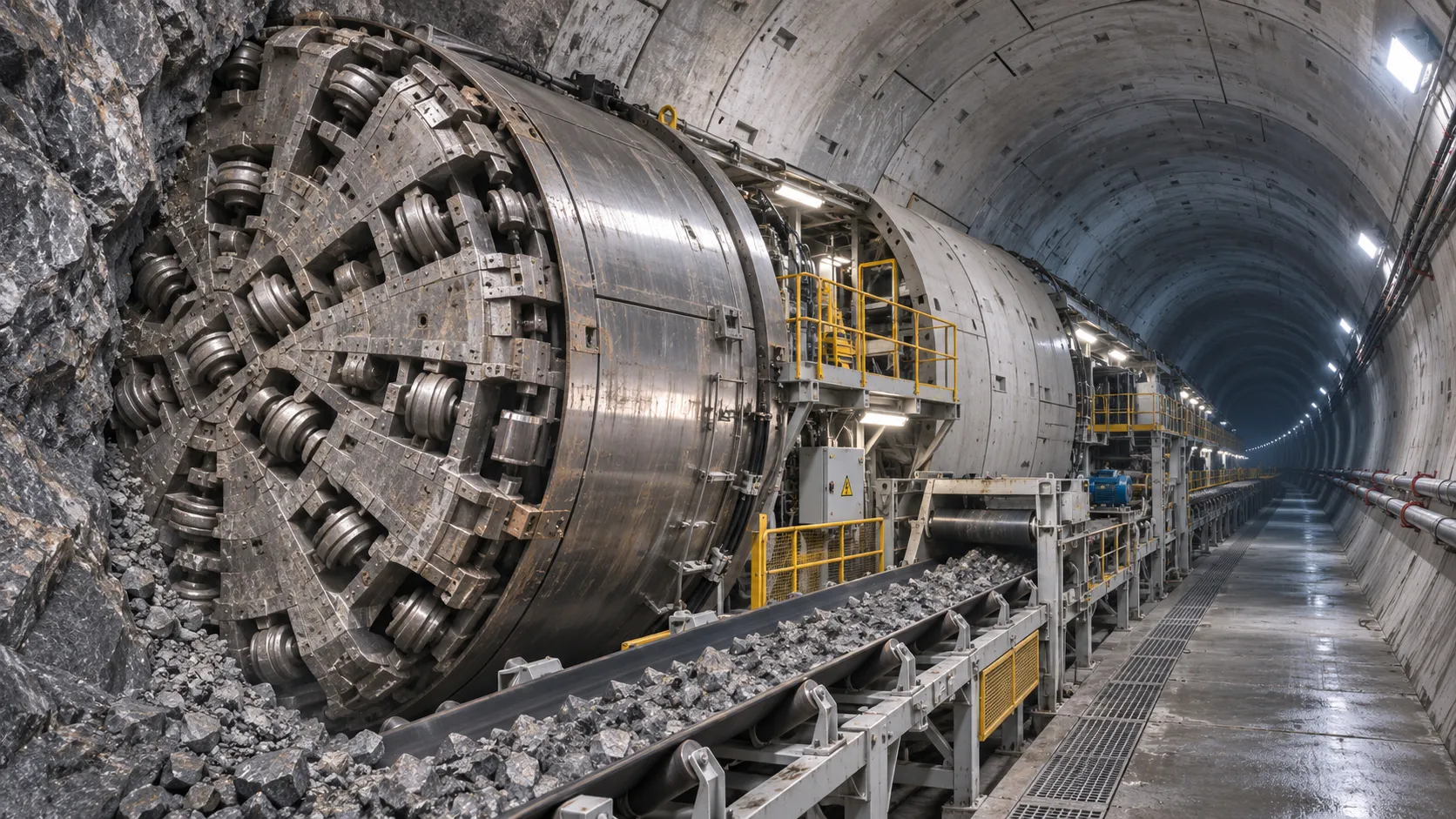
How TBM Excavation Works in Rock and Soft Ground: A Practical Guide
TBM Excavation in rock and soft ground explained: compare machine types, ground support, spoil removal, and the factors that guide smarter project planning.
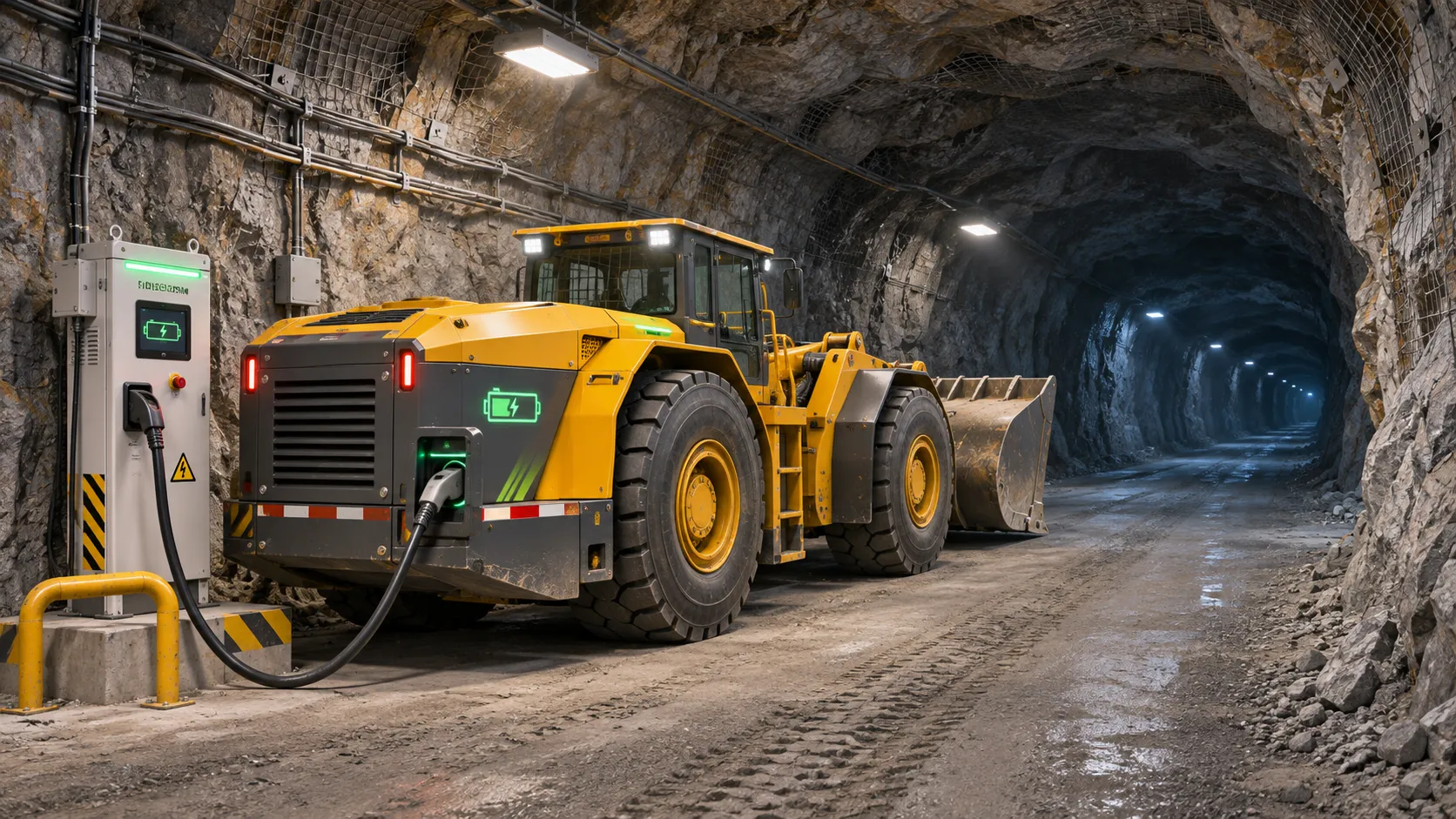
Choosing a Zero-Emission Underground Equipment Supplier: What to Check
Choosing a zero emission underground equipment supplier? Compare duty-cycle performance, charging, safety, total costs and support before you commit.
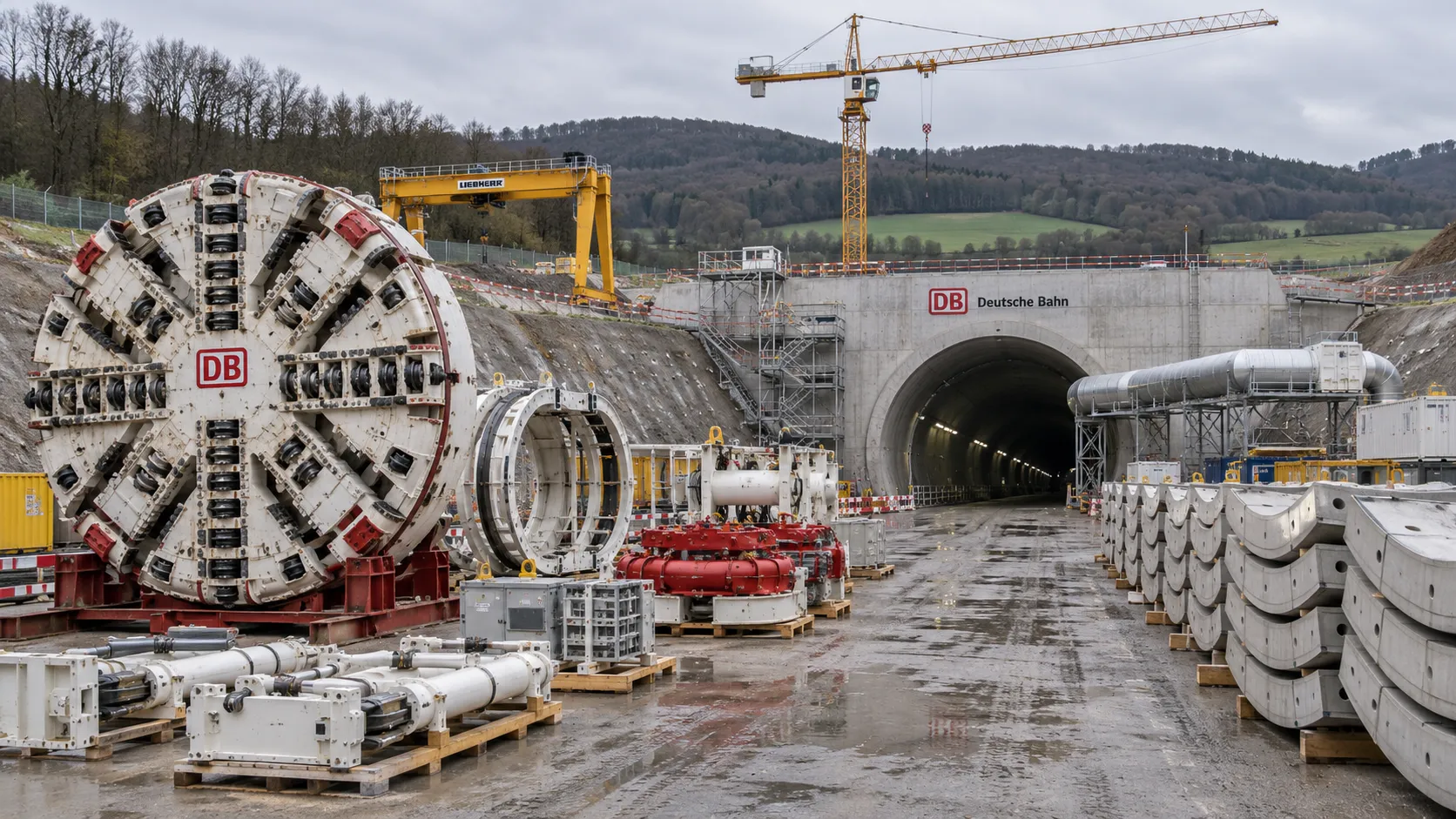
Construction Starts on Germany's Pfaffensteig Rail Tunnel, With Two TBMs Planned
Pfaffensteig rail tunnel construction is underway in Germany. Discover how two planned TBMs will support the 11-kilometre project near Stuttgart.
How Real-Time Underground Mapping Systems Work in Tunneling
Discover how real-time underground mapping systems guide tunneling teams, integrate sensor data, and support confident decisions with verified accuracy.
First Mechanized Tunnel Crossing Beneath the Panama Canal Completed
Panama Canal tunnel crossing: Explore the reported Metro Line 3 milestone and what it could mean for future underwater tunneling projects.
Underground Utility Construction Equipment: Choosing by Ground Conditions
Choose underground utility construction equipment with confidence. Compare trenching, HDD, microtunnelling and TBMs by ground conditions, risk and cost.
China Sets Tunnel Boring Machine Export Controls as India Pushes Local Production
China tunnel boring machine export controls could reshape procurement as India pushes local production. Explore potential supply and project impacts.
Choosing a Trenchless Pipeline Installation Contractor: Key Qualifications
Choose a trenchless pipeline installation contractor with confidence. Learn how to assess experience, equipment, safety, costs, and project risks before you hire.
China's 70% TBM Share and Export Controls Challenge India's Local Production
China's TBM export controls could challenge India's local production and infrastructure sourcing. Explore the potential risks and procurement options.
Related News
- 00
0000-00
How TBM Excavation Works in Rock and Soft Ground: A Practical Guide - 00
0000-00
Choosing a Zero-Emission Underground Equipment Supplier: What to Check - 00
0000-00
Construction Starts on Germany's Pfaffensteig Rail Tunnel, With Two TBMs Planned - 00
0000-00
How Real-Time Underground Mapping Systems Work in Tunneling - 00
0000-00
First Mechanized Tunnel Crossing Beneath the Panama Canal Completed
Weekly Insights
Stay ahead with our curated technology reports delivered every Monday.