
MSHA Tightens Autonomous LHD Remote Latency Limit to 80ms





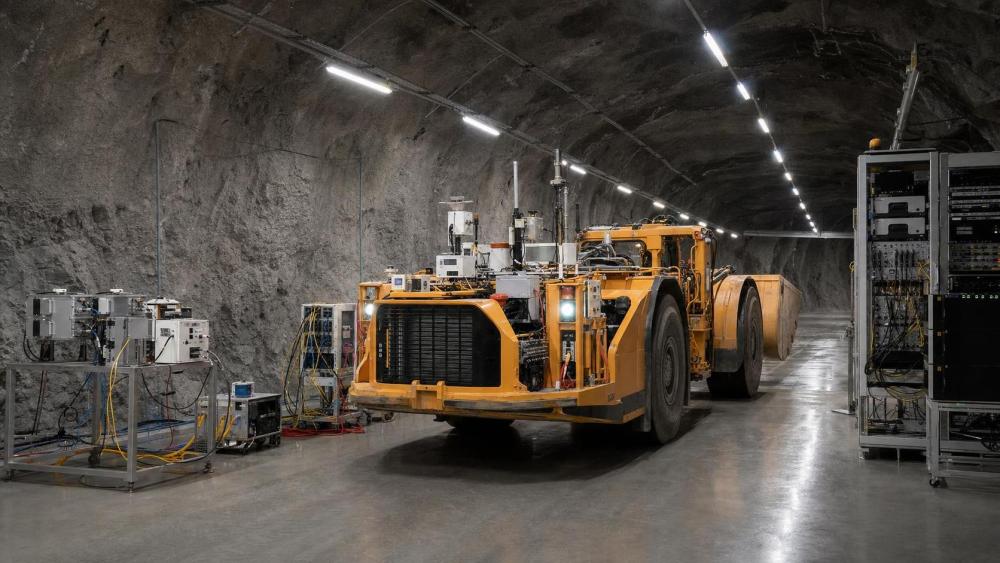
On June 28, 2026, the U.S. Mine Safety and Health Administration (MSHA) issued an emergency amendment that tightens the allowable end-to-end remote control latency for Autonomous LHDs in underground operations from 120 ms to 80 ms. The change also sets a near-term compliance point for newly imported equipment, making this update especially relevant for equipment manufacturers, importers, mine operators, testing bodies, and communication system suppliers working around underground automation. What deserves closer attention is that the amendment does not only adjust a technical number; it also raises the compliance threshold for real-time control validation in actual market entry.
What the Emergency Amendment Changes
According to the information provided, MSHA released an emergency amendment on June 28, 2026, under FR Doc. 2026-15882. The amendment lowers the end-to-end latency ceiling for remote operation of Autonomous LHDs in underground working conditions from the previous 120 ms to 80 ms.
The same amendment requires that, starting September 1, 2026, all newly imported equipment must pass NIST-traceable real-time stress testing. The provided information also states that Chinese manufacturers need to recalibrate their 5G-U and V2X communication protocol stacks in response to this requirement.
Where the Immediate Pressure Is Likely to Fall
Imported equipment programs face a narrower compliance window
From an industry perspective, import-oriented business lines may be affected first because the new requirement is tied to newly imported equipment and a defined testing condition. The practical pressure is likely to appear in product qualification, import scheduling, acceptance preparation, and supporting technical documentation. Companies involved in U.S.-bound deliveries should pay attention to whether current configurations can satisfy both the tighter latency threshold and the required test traceability.
Manufacturers will need to revisit control and communication tuning
Analysis shows that equipment manufacturers, especially those supplying Autonomous LHDs for underground use, are likely to feel the impact at the engineering and validation level. The provided information specifically notes that Chinese manufacturers need to recalibrate 5G-U and V2X protocol stacks. That points to attention around communication performance tuning, control-path stability, and the consistency between product design claims and measurable real-time behavior.
Mine operators and buyers may need stricter pre-delivery checks
For operators and procurement teams, the issue is not only whether a machine can be supplied, but whether it can enter service without compliance friction. Observably, the new threshold may shift attention toward acceptance criteria, supplier evidence packages, and whether imported units are aligned with the post-September 1 testing requirement. Buyers should watch for changes in delivery readiness, supporting test records, and supplier communication on compliance status.
Testing and compliance support functions become more central
Service providers involved in testing, certification support, and cross-border compliance may see a more prominent role because the amendment explicitly refers to NIST-traceable real-time stress testing. The impact is likely to center on test preparation, traceability of results, and the ability to connect engineering performance with formal compliance evidence.
What Companies Should Watch Now
Track the exact regulatory language and any follow-on clarification
Analysis shows that the immediate task is to align internal interpretation with the amendment as issued, including the 80 ms ceiling, the underground application scope, and the September 1, 2026 effective point for newly imported equipment. Any later clarification from the regulator could matter for implementation details, so compliance teams should keep their review tied to official wording.
Review whether current test evidence matches the new threshold
Companies preparing shipments or approvals should examine whether existing latency verification methods are sufficient under the amended standard. The key distinction is between having internal performance data and having test evidence that is acceptable under a NIST-traceable real-time stress testing requirement.
Reassess protocol stack calibration before delivery commitments
For manufacturers affected by the reference to 5G-U and V2X recalibration, the main concern is operational readiness rather than generic technology planning. What deserves closer attention is whether recalibration work affects delivery timing, model configuration control, or customer-specific deployment parameters for underground operations.
Prepare for customer and channel-side communication risk
Importers, distributors, and account teams should be ready to explain how specific units align with the amended rule and testing expectation. In practice, this means checking product declarations, technical files, test records, and any timing assumptions already embedded in contracts or delivery schedules.
Why This Looks Like More Than a Routine Parameter Update
Observably, this development can be read as both a short-term compliance change and a longer-term signal about how remote operation performance will be judged in safety-sensitive underground automation. The confirmed facts are limited to the amended latency threshold, the testing requirement, and the stated need for protocol stack recalibration by Chinese manufacturers. Even so, the structure of the amendment suggests that regulators are focusing not only on functional automation capability, but on measurable and traceable real-time control behavior.
It is more appropriate to understand this as an active regulatory signal rather than a fully settled market outcome. The rule change is clear, but its broader commercial effects will depend on how quickly suppliers adapt their systems, testing workflows, and import readiness.
How to Read the Development at This Stage
At this stage, the industry significance lies in the combination of a tighter latency ceiling and a defined testability requirement for newly imported Autonomous LHD equipment used underground. That makes the update relevant not just to engineering teams, but also to procurement, compliance, and market-entry functions. A neutral reading is that this is an actionable near-term change with possible longer-term implications, and it should be treated as a compliance and delivery issue first, while the broader industry impact still needs continued observation.
Basis of This Article and What Still Needs Verification
This article is based on the user-provided news title, event date, and event summary. For this type of development, common source categories typically include official regulatory notices, company statements, industry association updates, authoritative media reporting, and standards-related documents. The specific official source link was not provided in the input, so further verification should continue against the formal MSHA notice and any related testing or implementation documents. Follow-up attention should focus on whether additional official clarification appears around testing expectations, import enforcement, and technical interpretation of the amended latency requirement.
Related News
Tunnel Boring Machine Costs: Budgeting for Purchase, Operation, and Project Risk
Tunnel Boring Machines cost more than purchase price. Learn how to budget lifecycle costs, downtime, logistics, wear, and project risk for smarter TBM decisions.

Open-Pit Haulage Cost Analysis: How Mine Managers Can Cut Cost per Tonne
Open pit haulage cost analysis: discover practical ways to reduce cost per tonne through payload control, cycle-time optimization, road performance, and smarter fleet decisions.
Tunnel Construction Innovations That Reduce Risk and Schedule Delays on Urban Projects
Tunnel construction innovation for urban projects: discover smarter TBMs, real-time monitoring, trenchless methods, and automation that reduce risk and protect schedules.
TBM Disc Cutter Design: Key Geometry and Load Factors for Hard Rock Tunnelling
TBM disc cutter design explained: explore geometry, spacing, load distribution and maintenance factors for reliable, efficient hard-rock tunnelling performance.
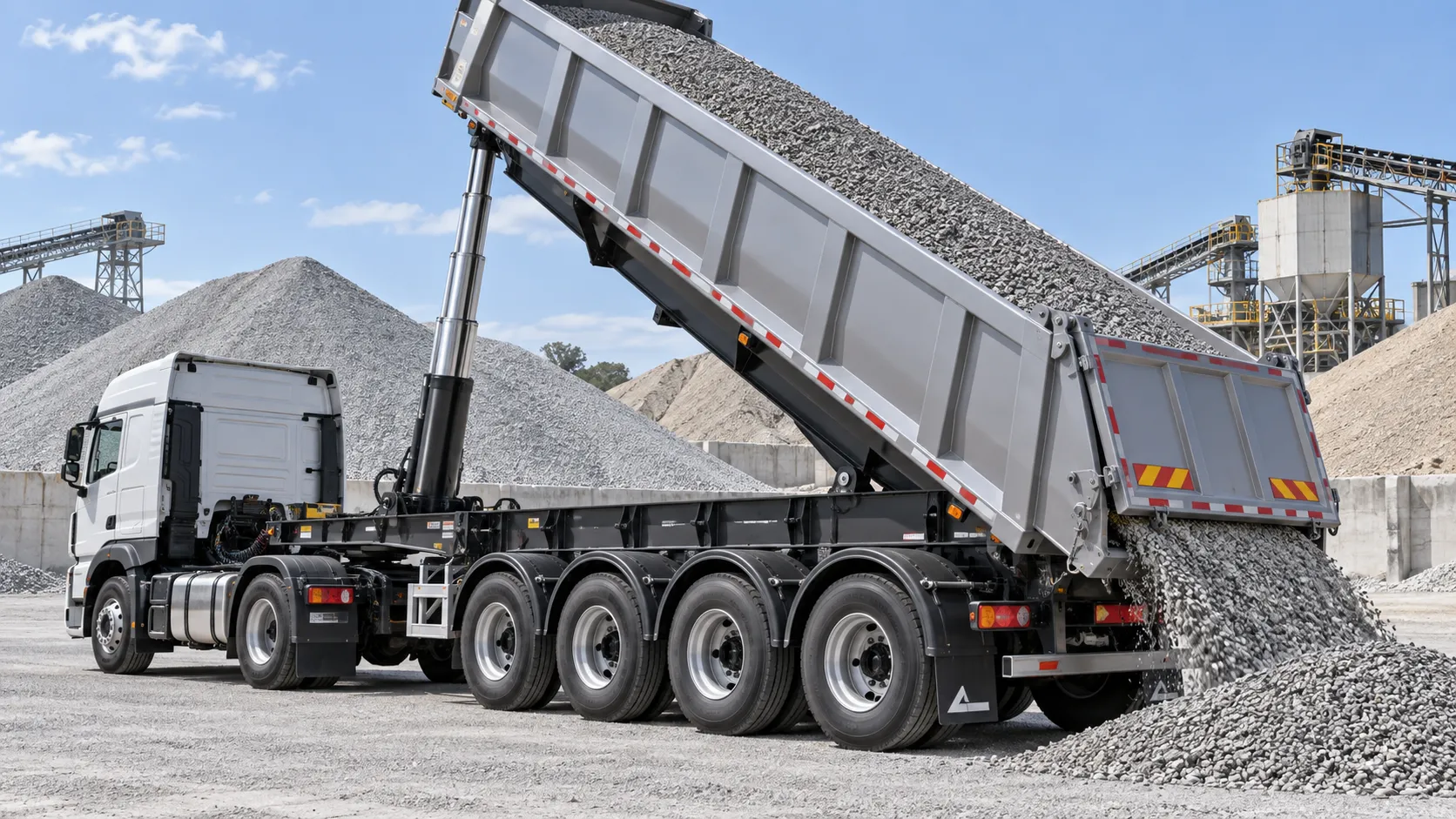
Hydraulic Tipping Stability Risks in Multi-Axle Dump Special Trailers
Dump special trailers: discover key hydraulic tipping stability risks, multi-axle load dynamics, and practical safety controls for safer, smarter bulk hauling.
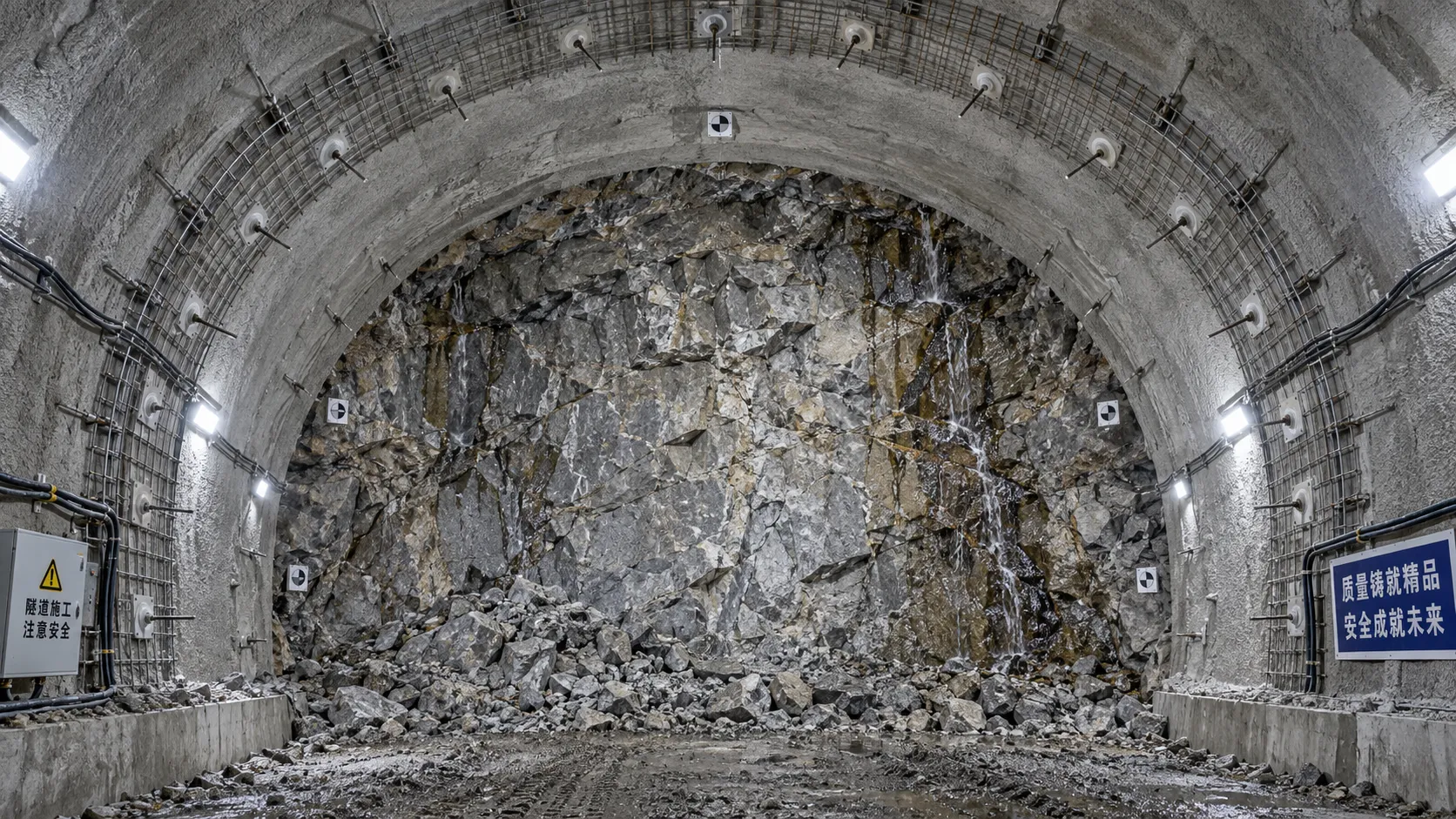
When rock reinforcement in tunnel construction must change after blasting
Rock reinforcement in tunnel construction must change when blasting reveals overbreak, weak joints, water inflow, or deformation. Discover key post-blast support decisions.
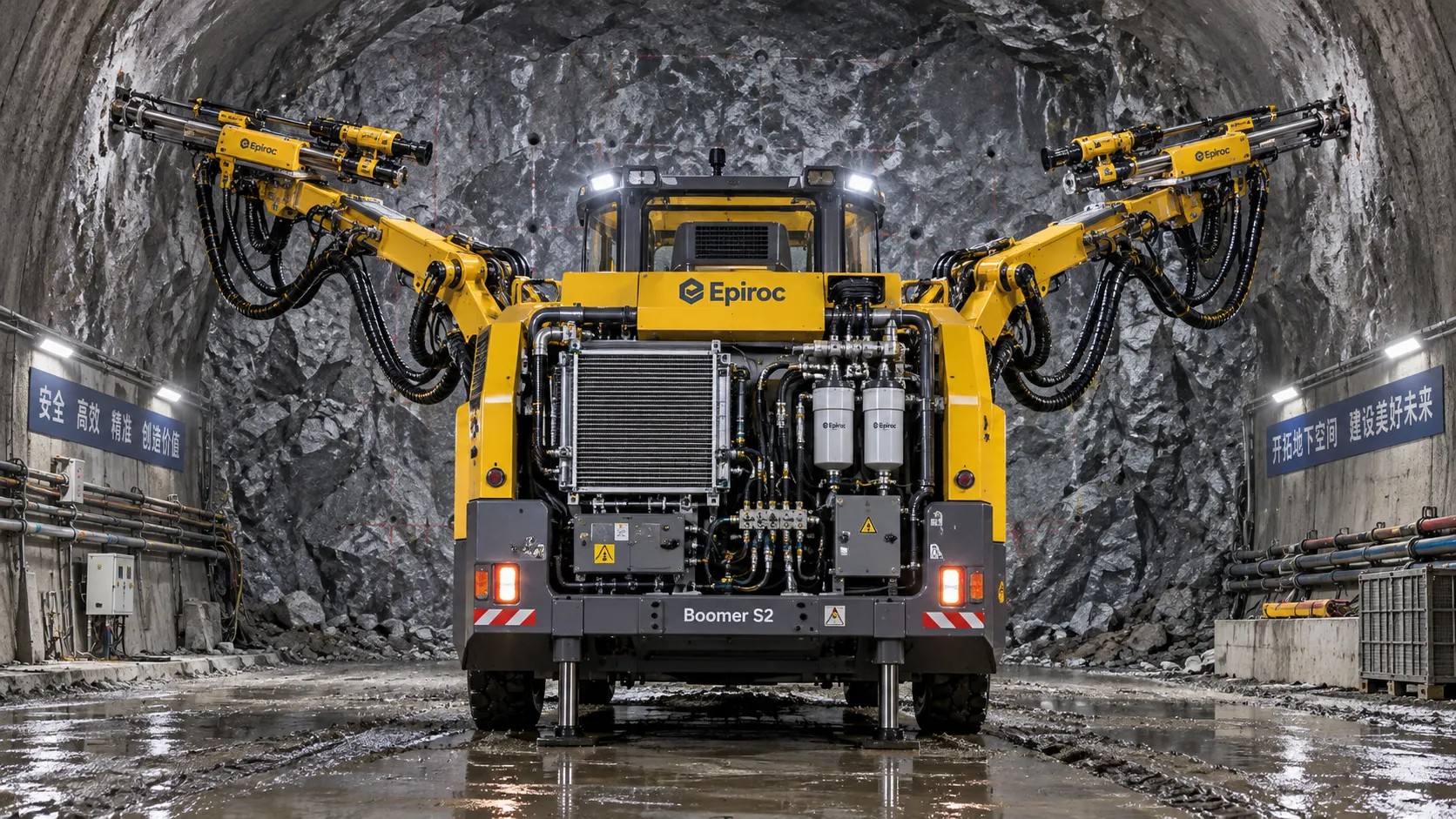
How tunnel hydraulic systems influence drill jumbo uptime underground
Tunnel hydraulic systems directly influence drill jumbo uptime. Explore how stable pressure, clean oil, cooling, and maintainable design reduce underground downtime.
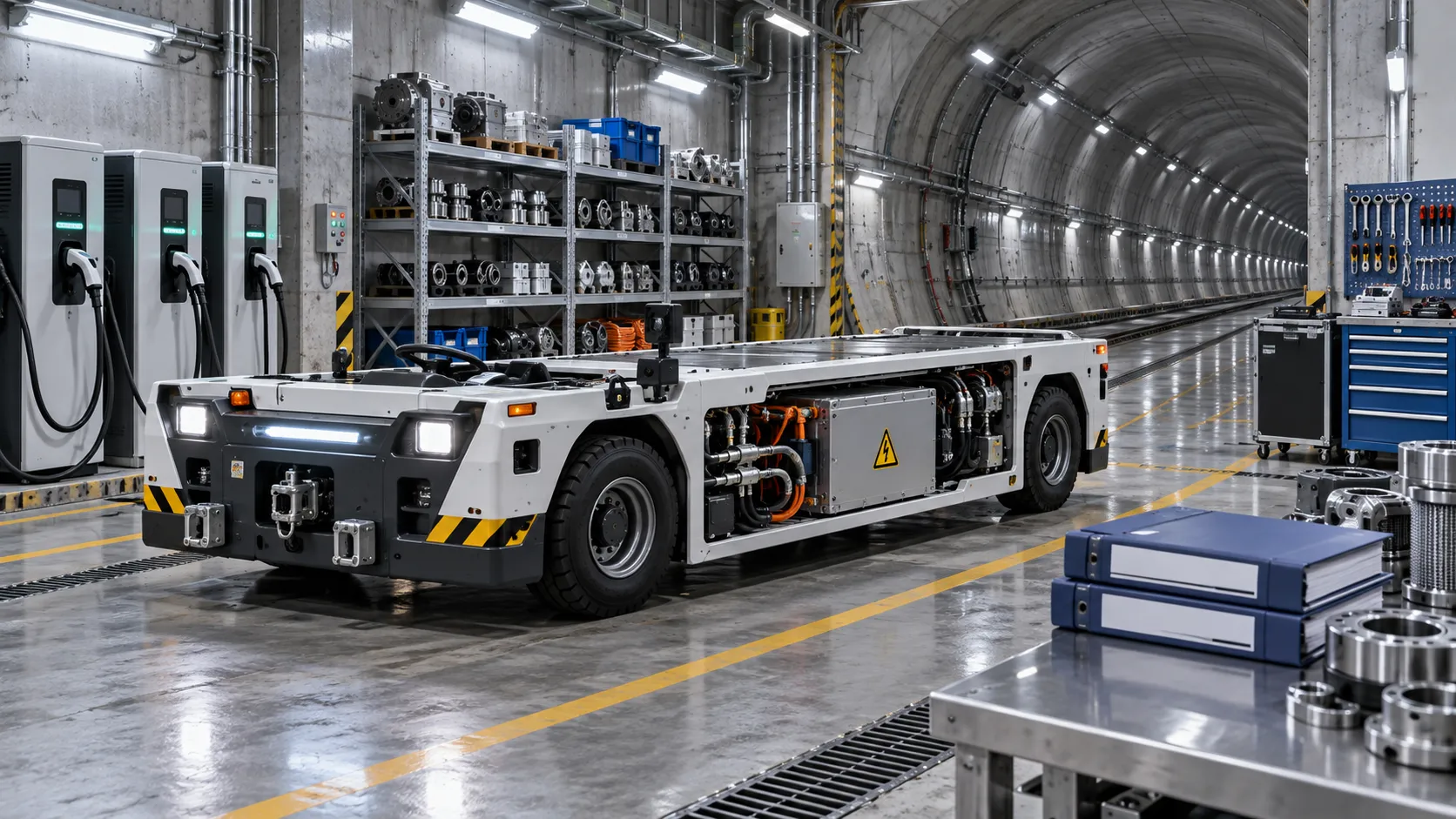
What to verify before appointing a tunneling vehicles manufacturer
Choosing a tunneling vehicles manufacturer? Verify application fit, reliability, compliance, parts support, training, and channel terms before appointing a partner.
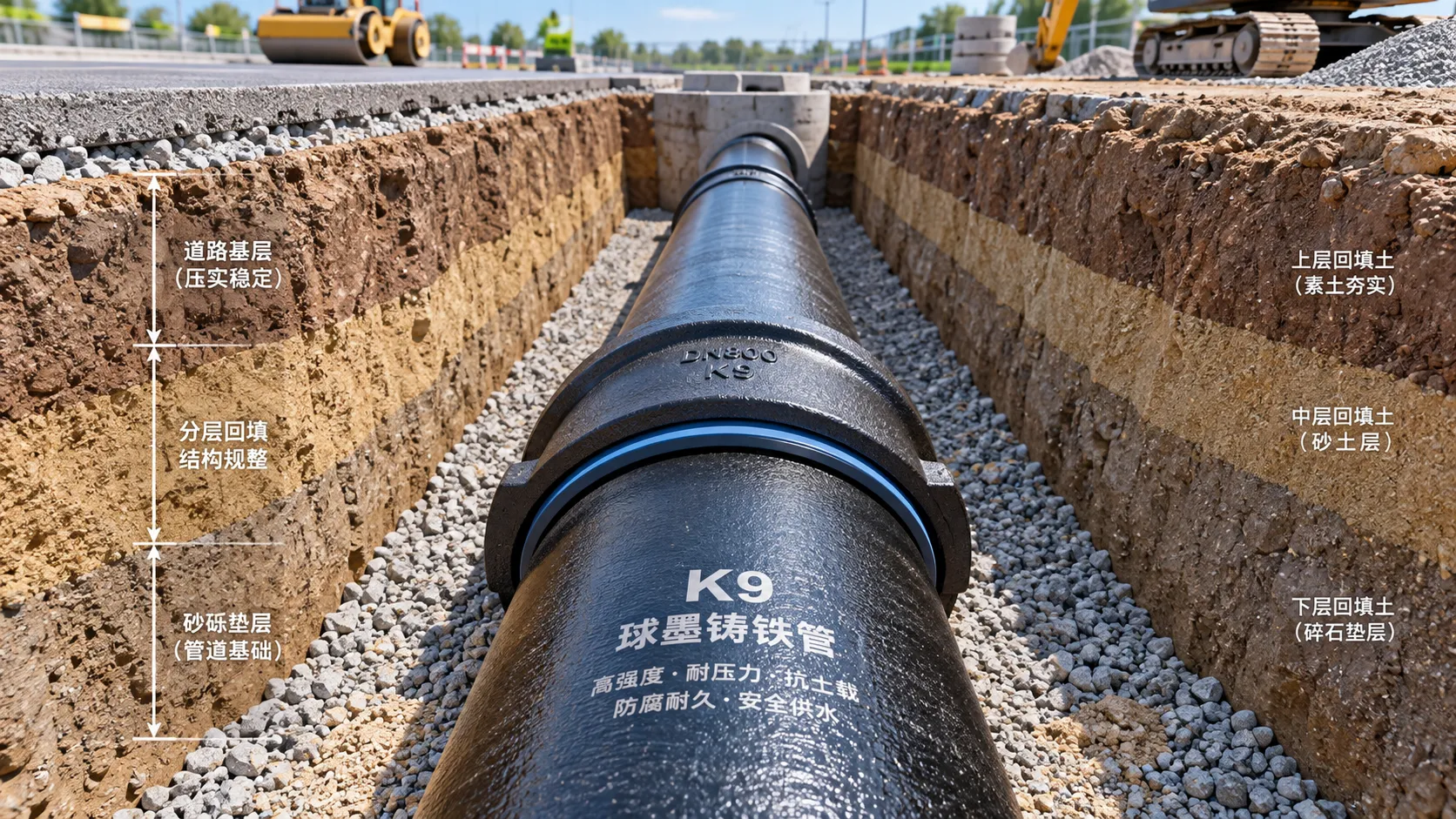
Selecting K9 Ductile Iron Pipe for Buried Water Pipeline Conditions
K9 ductile iron pipe selection for buried water pipelines: compare pressure duty, joints, soil loads, corrosion protection, and installation controls for reliable long-term performance.
Related News
- 00
0000-00
Tunnel Boring Machine Costs: Budgeting for Purchase, Operation, and Project Risk - 00
0000-00
Open-Pit Haulage Cost Analysis: How Mine Managers Can Cut Cost per Tonne - 00
0000-00
Tunnel Construction Innovations That Reduce Risk and Schedule Delays on Urban Projects - 00
0000-00
TBM Disc Cutter Design: Key Geometry and Load Factors for Hard Rock Tunnelling - 00
0000-00
Hydraulic Tipping Stability Risks in Multi-Axle Dump Special Trailers
Weekly Insights
Stay ahead with our curated technology reports delivered every Monday.