
MSHA Sets 120 ms Remote Latency Test for Autonomous LHDs





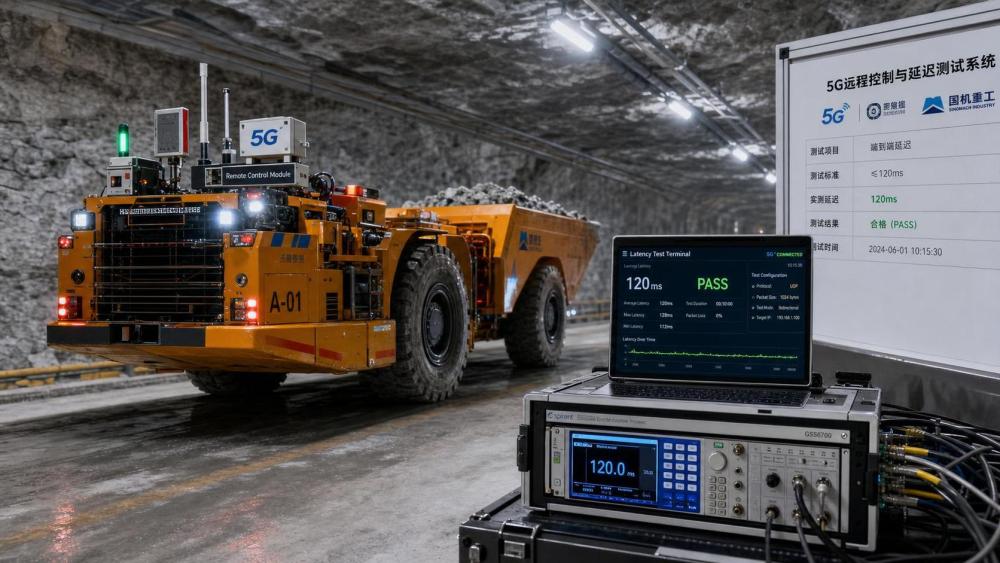
On June 27, 2026, the U.S. Mine Safety and Health Administration (MSHA) issued an emergency technical notice that puts a measurable compliance requirement on Autonomous LHDs operating in the United States. From October 2026, the end-to-end delay of the 5G remote-control chain must be verified by a third-party laboratory at no more than 120 ms, covering the full process from encoding to execution. This is worth close attention from equipment makers, upgrade teams, mine operators, and after-sales organizations, because the rule reaches both new purchases and OTA-updated existing fleets and may affect delivery and service timing for suppliers serving the U.S. market.
What the Notice Requires
According to the information provided, MSHA released emergency technical notice NOTICE NO. MSHA-2026-089 on June 27, 2026. The notice requires all Autonomous LHDs operating in the United States to pass third-party laboratory verification showing that the end-to-end latency of the 5G remote-control link is no more than 120 ms.
The stated latency scope includes the full chain of encoding, transmission, decoding, and execution, rather than only a network transmission segment. The requirement is set to apply from October 2026.
The rule applies both to newly purchased equipment and to existing fleets that receive OTA upgrades. The provided information also states that the requirement directly affects the delivery pace and after-sales upgrade rhythm of Chinese manufacturers serving the U.S. market.
Where the Pressure May Appear First
Equipment delivery may face an added verification step
From an industry perspective, manufacturers and exporters of Autonomous LHDs may be affected first because compliance is tied to a quantified latency result verified by a third-party laboratory. The likely pressure point is the delivery stage, where product readiness is no longer only about equipment availability or software release timing, but also about whether the full remote-control chain can meet the required threshold under test conditions.
OTA upgrade programs now carry regulatory timing risk
Analysis shows that service teams handling software updates may face a different kind of constraint. Because the notice also covers existing fleets receiving OTA upgrades, post-sale technical changes may have compliance implications, not just initial machine sales. What deserves closer attention is whether upgrade schedules, validation workflows, and customer communication cycles need to be aligned more tightly with the new requirement.
Mine operators and buyers may need clearer acceptance criteria
For operators and procurement teams in the U.S. market, the issue is not only product selection but also acceptance and ongoing fleet management. Observably, the rule may shift attention toward how remote-control performance is evidenced in practice, especially when the requirement covers encoding, transmission, decoding, and execution as a single end-to-end chain.
Cross-border support teams may feel the scheduling impact
For suppliers serving the U.S. from overseas, including Chinese manufacturers mentioned in the provided information, the impact may appear in handover planning and after-sales response. Analysis shows that compliance-related testing can influence when equipment is delivered, when upgrades are released, and how customer expectations are managed during support cycles.
What Companies Should Track Now
Watch for any further official clarification
The confirmed fact is the issuance of the emergency technical notice and the stated latency threshold. What deserves closer attention is whether subsequent official wording further clarifies testing boundaries, implementation details, or supporting documentation expectations. Companies should distinguish clearly between the published rule itself and any later interpretive guidance that may shape execution.
Review which products and upgrades fall into the immediate scope
Analysis shows that the practical issue is not limited to newly sold Autonomous LHDs. Existing fleets receiving OTA upgrades are also included in the provided summary, which means companies should identify which deliveries, service contracts, and planned software rollouts could be touched by the rule first.
Prepare evidence and customer-facing documentation early
For commercial and service teams, a key operational point is documentation readiness. The rule is framed around third-party laboratory verification of end-to-end delay, so businesses may need to pay closer attention to how test evidence, compliance materials, and delivery-related records are organized for customer review and project execution.
Reassess delivery and after-sales timelines for the U.S. market
Observably, the notice matters not only as a technical requirement but also as a timing issue. The provided information specifically notes an effect on delivery and after-sales upgrade tempo for Chinese manufacturers entering the U.S. market. That makes schedule planning, internal coordination, and client communication immediate business concerns rather than secondary compliance tasks.
Why This Looks Like More Than a One-Off Notice
Analysis shows that this development is best understood as a concrete compliance signal rather than a generic policy statement. The key point is the use of a measurable threshold and third-party verification for the full remote-operation chain. That gives the notice significance beyond wording alone, even though the broader implementation effects still need continued observation.
At the same time, it would be premature to treat this as a fully settled market outcome. The confirmed information establishes the rule, its scope, and its likely effect on delivery and upgrade timing, but it does not by itself define every downstream commercial consequence. It is more appropriate to understand this as a near-term regulatory change with longer-term signaling value for remote-operation validation in mining equipment.
How to Read the Signal at This Stage
At this stage, the industry meaning is relatively clear: remote-control responsiveness for Autonomous LHDs in the U.S. market is being framed as a verifiable compliance issue, not only a product-performance discussion. For manufacturers, operators, and service teams, the most reasonable reading is that October 2026 introduces a practical checkpoint that can affect both market entry rhythm and post-sale upgrade execution.
It is more appropriate to understand this neither as a finished market outcome nor as a routine notice with limited consequence. The current signal points to immediate operational attention, while the full commercial and procedural impact still requires monitoring as implementation develops.
Basis of This Article
This article is based on the user-provided news title, event date, and event summary concerning MSHA's June 27, 2026 emergency technical notice, NOTICE NO. MSHA-2026-089. The analysis above is limited to those provided facts and does not add unverified data, company names, market figures, or external case details.
For this type of industry update, commonly relevant source categories may include official notices, company statements, industry association updates, authoritative media coverage, and standards-related documents. A specific official source link was not provided in the input, so the exact link still needs to be verified on an ongoing basis. Follow-up attention should remain on any later official clarification and on how the stated requirement is implemented in delivery and OTA upgrade workflows.
Related News

Tunnel Boring Machine Costs: Budgeting for Purchase, Operation, and Project Risk
Tunnel Boring Machines cost more than purchase price. Learn how to budget lifecycle costs, downtime, logistics, wear, and project risk for smarter TBM decisions.

Open-Pit Haulage Cost Analysis: How Mine Managers Can Cut Cost per Tonne
Open pit haulage cost analysis: discover practical ways to reduce cost per tonne through payload control, cycle-time optimization, road performance, and smarter fleet decisions.

Tunnel Construction Innovations That Reduce Risk and Schedule Delays on Urban Projects
Tunnel construction innovation for urban projects: discover smarter TBMs, real-time monitoring, trenchless methods, and automation that reduce risk and protect schedules.

TBM Disc Cutter Design: Key Geometry and Load Factors for Hard Rock Tunnelling
TBM disc cutter design explained: explore geometry, spacing, load distribution and maintenance factors for reliable, efficient hard-rock tunnelling performance.

Hydraulic Tipping Stability Risks in Multi-Axle Dump Special Trailers
Dump special trailers: discover key hydraulic tipping stability risks, multi-axle load dynamics, and practical safety controls for safer, smarter bulk hauling.
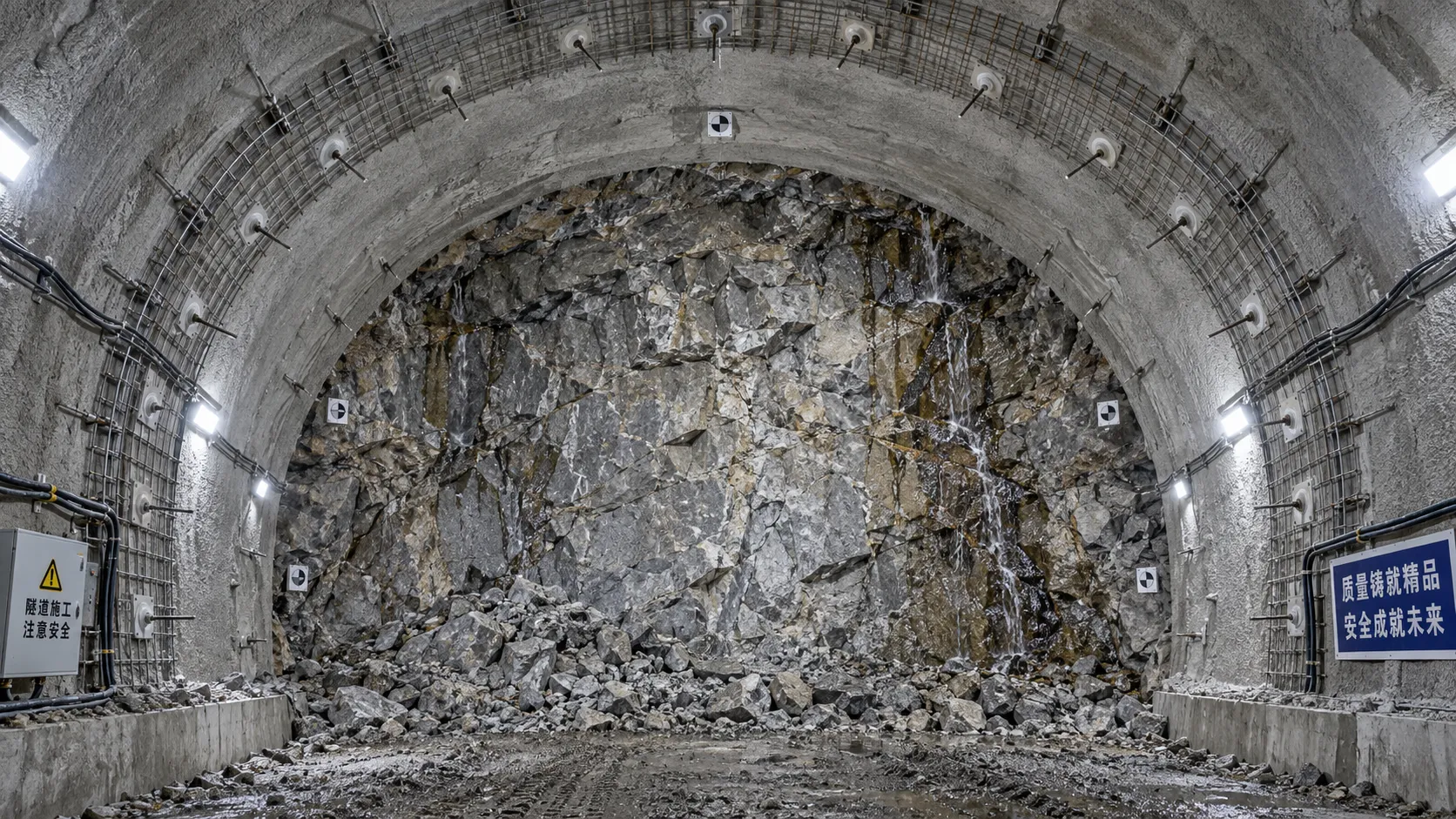
When rock reinforcement in tunnel construction must change after blasting
Rock reinforcement in tunnel construction must change when blasting reveals overbreak, weak joints, water inflow, or deformation. Discover key post-blast support decisions.

How tunnel hydraulic systems influence drill jumbo uptime underground
Tunnel hydraulic systems directly influence drill jumbo uptime. Explore how stable pressure, clean oil, cooling, and maintainable design reduce underground downtime.
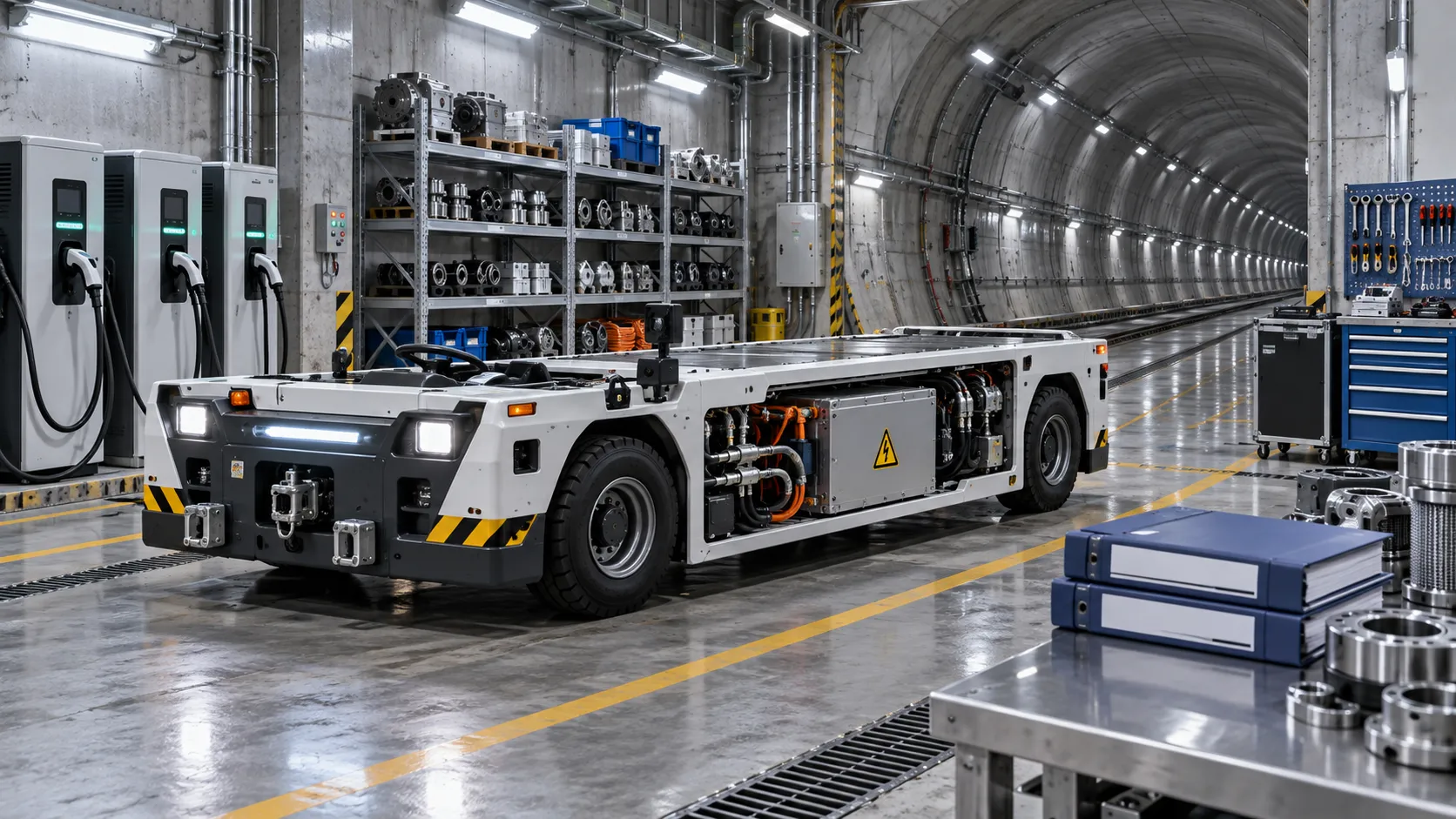
What to verify before appointing a tunneling vehicles manufacturer
Choosing a tunneling vehicles manufacturer? Verify application fit, reliability, compliance, parts support, training, and channel terms before appointing a partner.
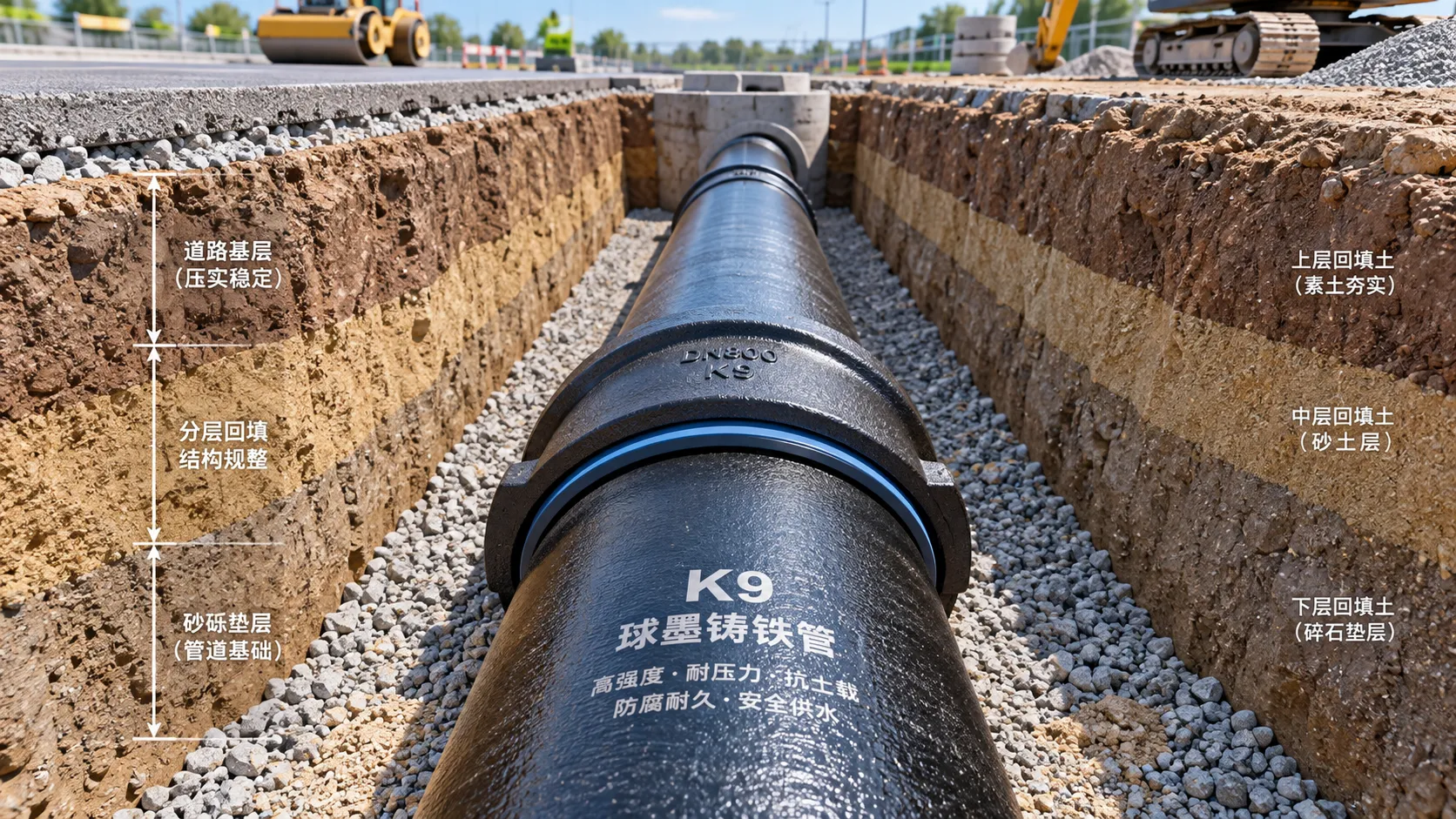
Selecting K9 Ductile Iron Pipe for Buried Water Pipeline Conditions
K9 ductile iron pipe selection for buried water pipelines: compare pressure duty, joints, soil loads, corrosion protection, and installation controls for reliable long-term performance.
Related News
- 00
0000-00
Tunnel Boring Machine Costs: Budgeting for Purchase, Operation, and Project Risk - 00
0000-00
Open-Pit Haulage Cost Analysis: How Mine Managers Can Cut Cost per Tonne - 00
0000-00
Tunnel Construction Innovations That Reduce Risk and Schedule Delays on Urban Projects - 00
0000-00
TBM Disc Cutter Design: Key Geometry and Load Factors for Hard Rock Tunnelling - 00
0000-00
Hydraulic Tipping Stability Risks in Multi-Axle Dump Special Trailers
Weekly Insights
Stay ahead with our curated technology reports delivered every Monday.