Remote Control LHD Loaders in Finland: What to Compare Before Buying or Leasing





Remote control LHD loaders Finland sites use: what matters before price?
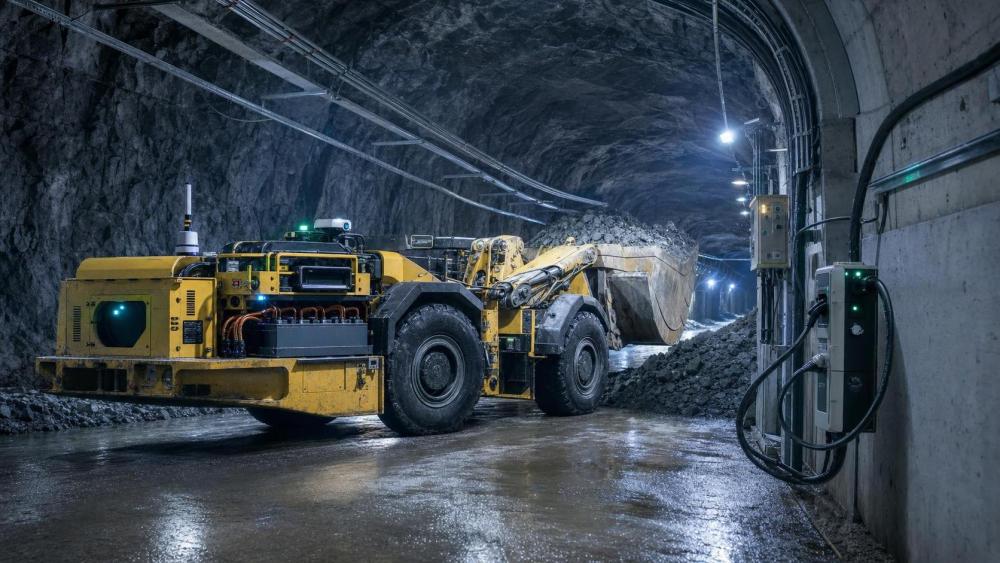
Remote control LHD loaders Finland mines rely on are no longer a niche purchase. They sit at the center of safety, ventilation, uptime, and decarbonization decisions.
That is especially true in Finland, where deep underground operations face strict environmental expectations, cold-weather logistics, and constant pressure to improve utilization.
In practice, the smarter comparison starts with operating conditions, not headline cost. A cheaper unit can become expensive once delays, training gaps, or battery infrastructure are included.
UTMD tracks this shift across underground mining transport systems, where electrification, automation, and confined-space reliability are increasingly linked. LHD selection now reflects that broader transition.
So what should be compared before buying or leasing? The useful questions usually move from fit, to technology, to support, and finally to lifecycle risk.
Is every remote-controlled LHD really suited to Finnish underground conditions?
Not necessarily. Many remote control LHD loaders Finland operations review look similar on paper, yet perform differently underground.
The first filter is mine geometry. Narrow drifts, turning radius, bucket size, and ramp gradients decide whether the machine will move efficiently or create traffic friction.
The second filter is communication stability. Remote control depends on predictable signal coverage, camera clarity, and low-latency response in production areas, ore passes, and drawpoints.
Then comes climate exposure. Even underground, Finnish operations deal with cold starts, moisture, corrosion, and seasonal temperature variation affecting batteries, hydraulics, and cable protection.
A sensible shortlist usually checks these points:
- Rated payload versus actual mucking profile, not brochure maximum.
- Remote operating range in the mine’s real network environment.
- Ingress protection for dusty, wet, and abrasive headings.
- Compatibility with existing workshop tools and spare parts routines.
If the unit only fits ideal tunnel conditions, it is not the right benchmark. Real production variability should lead the evaluation.
Battery or diesel: which comparison is more realistic for remote control LHD loaders Finland buyers review?
This question often decides the whole business case. Battery machines can reduce ventilation demand, diesel particulate exposure, and heat load in confined headings.
However, battery LHDs require an honest look at charging or swapping strategy. Without that, expected productivity gains can disappear during shift transitions.
Diesel still makes sense in some mines with long haul cycles, limited electrical upgrades, or uncertain production life. The mistake is assuming one answer fits every site.
A practical comparison table helps separate marketing claims from decision points.
For many remote control LHD loaders Finland projects, the better question is not battery versus diesel alone. It is whether the mine can support the chosen energy model without hidden delays.
How much should safety and automation weigh in the decision?
A great deal. Remote operation is often justified by risk reduction near unsupported ground, brow areas, or post-blast zones.
But basic remote control and automation-ready design are not the same thing. Some units only allow line-of-sight remote work. Others support tele-remote, teleremote supervision, and future autonomous tramming modules.
That difference affects long-term value. UTMD’s coverage of smart underground mining systems shows that digital transition usually happens in steps, not in one large upgrade.
When reviewing remote control LHD loaders Finland fleets may adopt for several years, check these details carefully:
- Camera placement and visibility during bucket filling and reversing.
- Failsafe braking and stop logic during signal loss.
- Integration with mine network, dispatch, and location systems.
- Upgradeable software architecture and cybersecurity controls.
- Operator ergonomics in the remote station, not only onboard cab design.
If automation is a strategic direction, a lower purchase price today may limit interoperability tomorrow. That can be costly when the mine later expands digital control layers.
Where do buyers and lessees usually underestimate total cost?
Usually in the areas outside the machine itself. Lease rates and acquisition price are visible. Downtime and support quality are less visible until the contract is active.
For remote control LHD loaders Finland companies compare, total cost of ownership often shifts because of four overlooked items.
- Network upgrades for remote control coverage underground.
- Spare component lead times during winter logistics disruptions.
- Training hours for operators, maintenance teams, and supervisors.
- Productivity loss during commissioning and software adjustment.
Leasing can reduce capital pressure, but it does not remove performance risk. The contract should define availability targets, response times, component exclusions, and data access rights.
A good test is simple. If two vendors offer similar payload and remote capability, compare cost per productive hour under your actual shift pattern.
That means including ventilation savings, battery handling time, maintenance intervals, operator utilization, and expected resale or redeployment value.
What should be confirmed about local support before signing?
Support quality often decides whether remote control LHD loaders Finland sites keep productive after the first quarter. Underground equipment is only as reliable as its service ecosystem.
It helps to ask less about brochure coverage and more about local execution. Who stocks critical parts? Who performs diagnostics? How quickly can software faults be escalated?
The strongest suppliers usually provide a clear map of regional technicians, service windows, remote troubleshooting capability, and component stocking strategy inside Northern Europe.
Before final approval, this checklist is worth using:
This is where many comparisons become clearer. A slightly higher monthly cost can be justified if service responsiveness is demonstrably stronger.
What is the most reliable way to compare offers side by side?
Build a weighted scorecard tied to the mine plan. That approach is more dependable than relying on a general vendor ranking.
In actual evaluations, the most useful categories are usually payload fit, remote system stability, energy model, safety architecture, support depth, and full lifecycle economics.
A short pilot or site simulation is also valuable. Remote control performance can look convincing in demonstrations, yet differ sharply in wet, uneven, low-visibility production headings.
For remote control LHD loaders Finland operations plan to deploy, the strongest next step is to document three things before negotiation:
- Your production targets per shift and per heading.
- The mine’s network, charging, and ventilation constraints.
- The acceptable downtime threshold and service response expectation.
Once those are written clearly, buying and leasing offers become easier to judge on facts rather than assumptions.
In the end, the best remote control LHD loaders Finland can justify are the ones that align underground safety, digital readiness, and cost per productive hour. That is the comparison standard worth using.
Related News
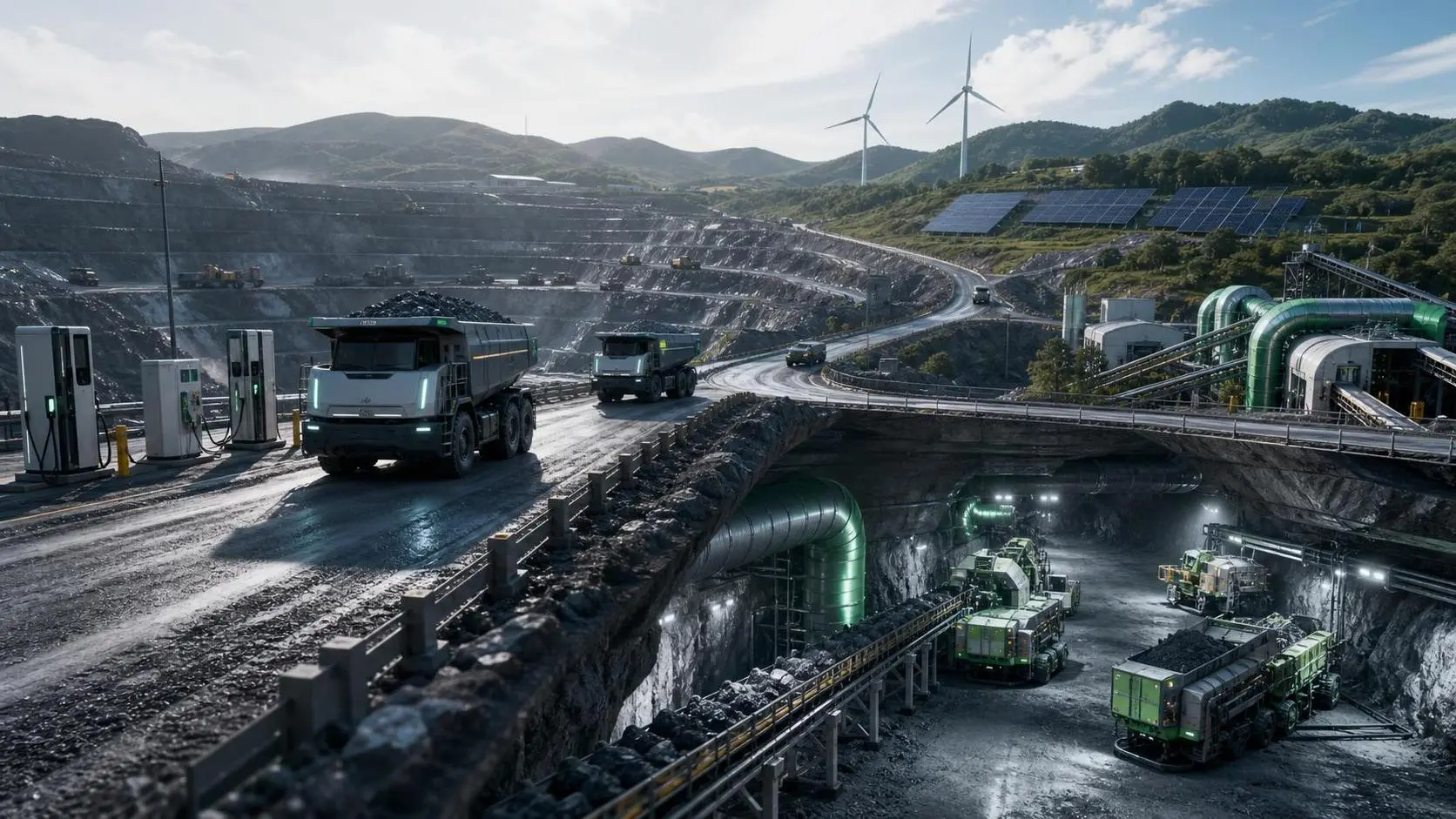
What Should a Mine Decarbonization Roadmap Include to Cut Emissions Without Hurting Output?
Mine decarbonization roadmap essentials: learn how to cut mining emissions with phased electrification, ventilation planning, and infrastructure readiness—without sacrificing output.
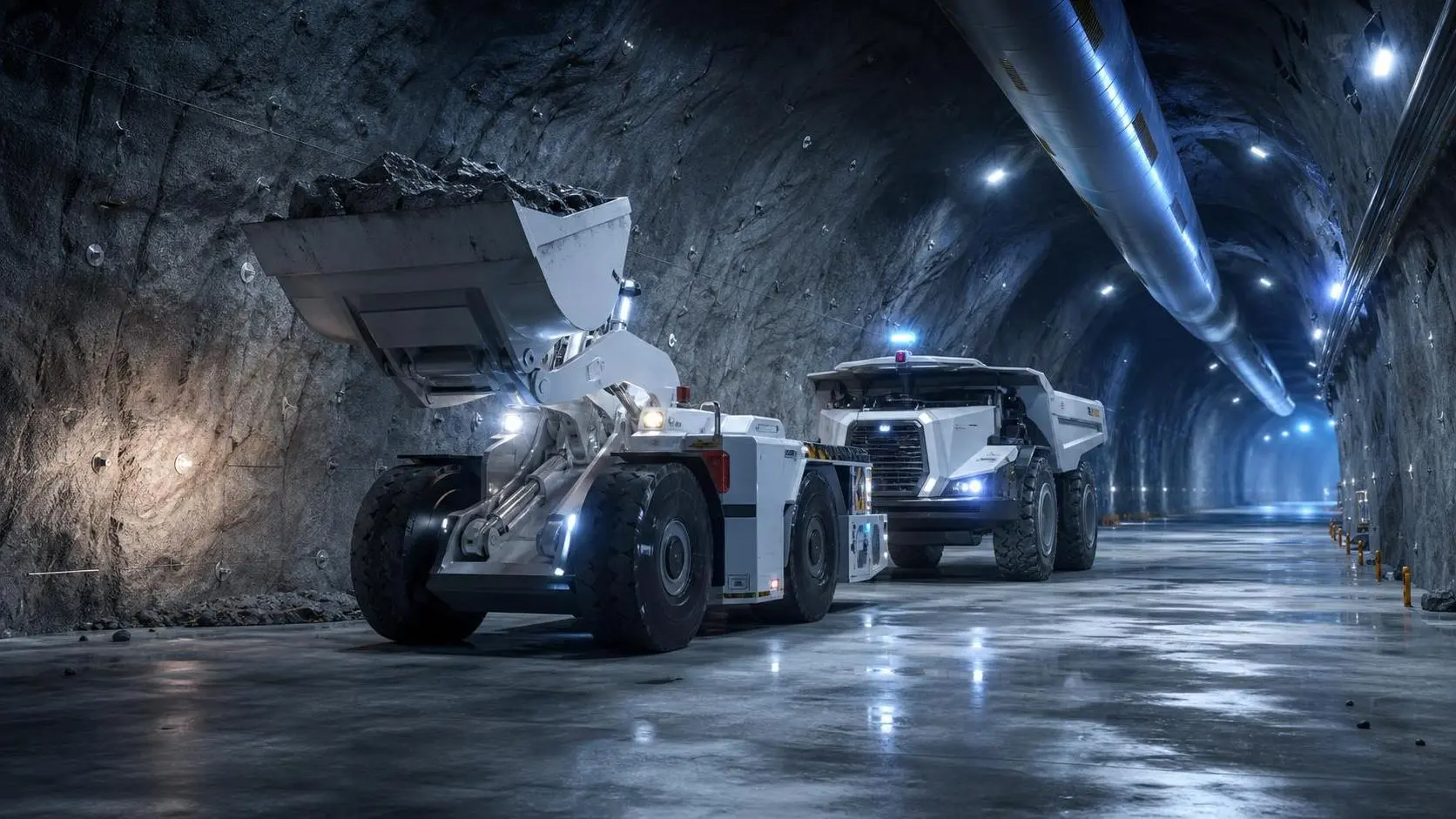
How to Evaluate Underground Mine Automation Companies for Safety and ROI
Underground mine automation companies vary widely in safety, interoperability, and ROI. Learn how to compare vendors, reduce deployment risk, and choose a scalable solution.
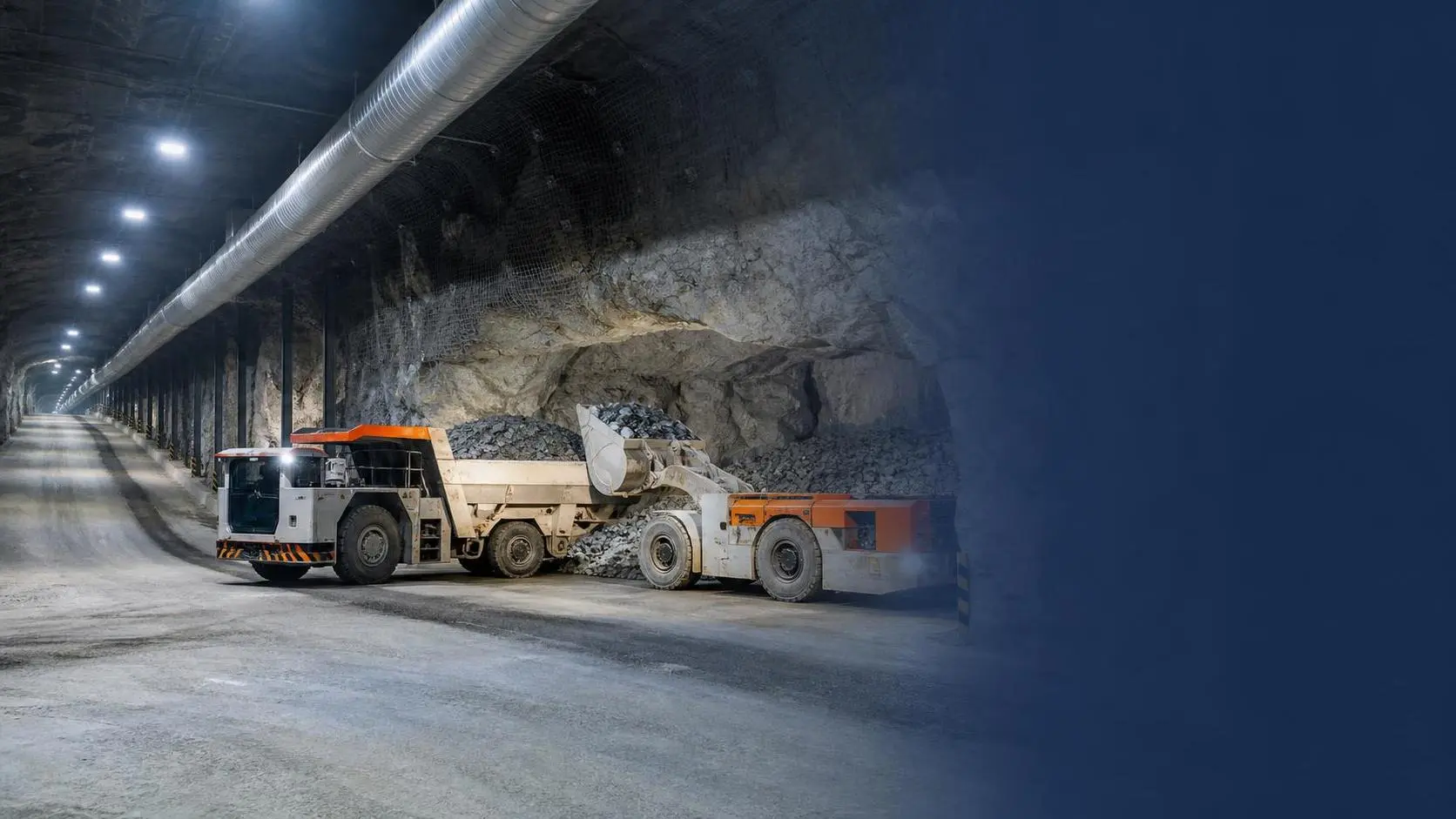
How to Evaluate Underground Haulage Systems for Ore Output, Ramp Grade, and Ventilation Limits
Underground haulage systems should be evaluated by ore output, ramp grade, and ventilation limits—not brochures. Learn how to compare trucks, LHDs, and electric options for smarter mine planning.
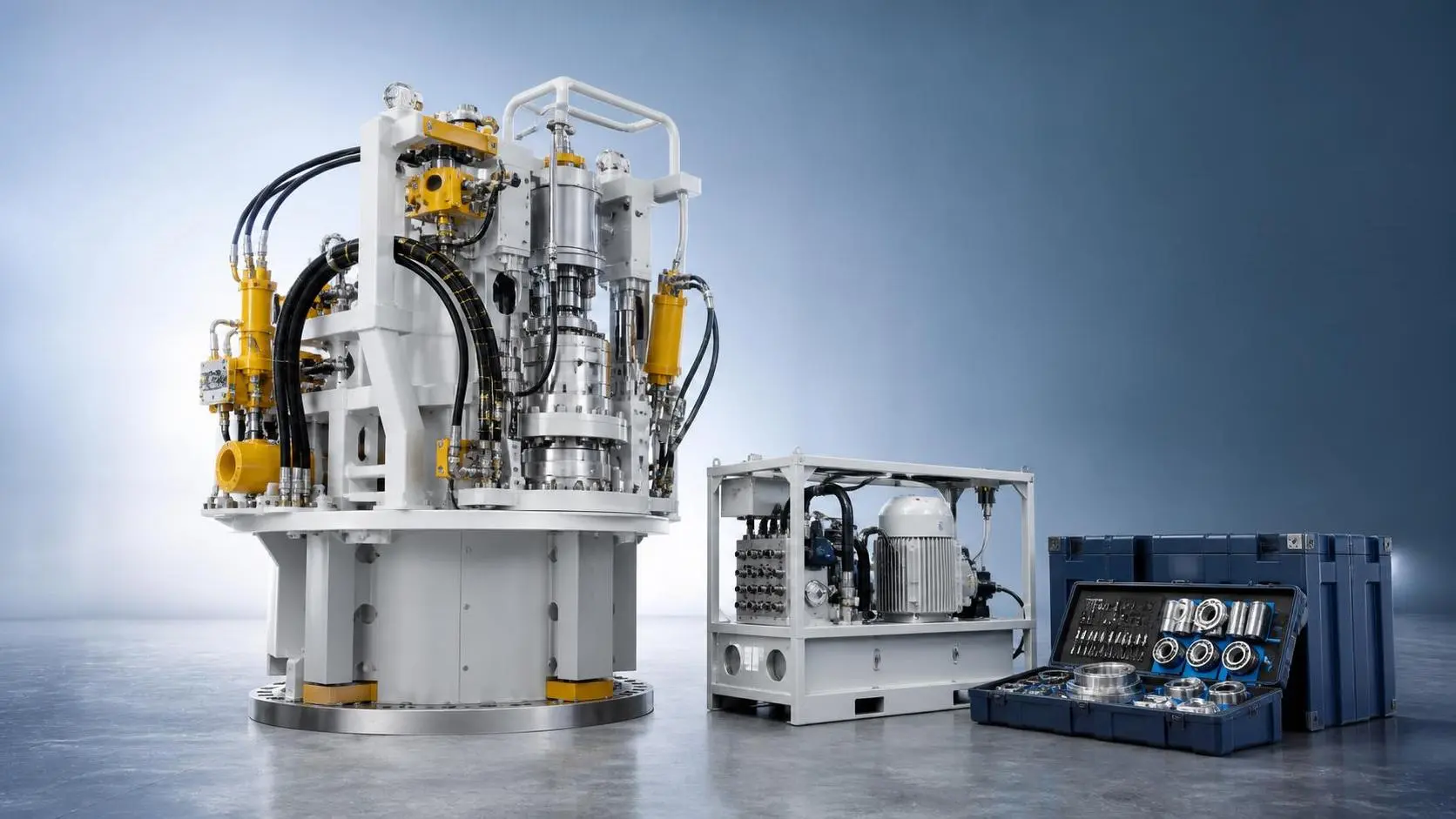
How to Evaluate a Pipe Jacking Equipment Distributor for Project Support and Uptime
Pipe jacking equipment distributor evaluation made practical: learn how to assess parts support, service response, training, and technical readiness to reduce downtime and protect project uptime.
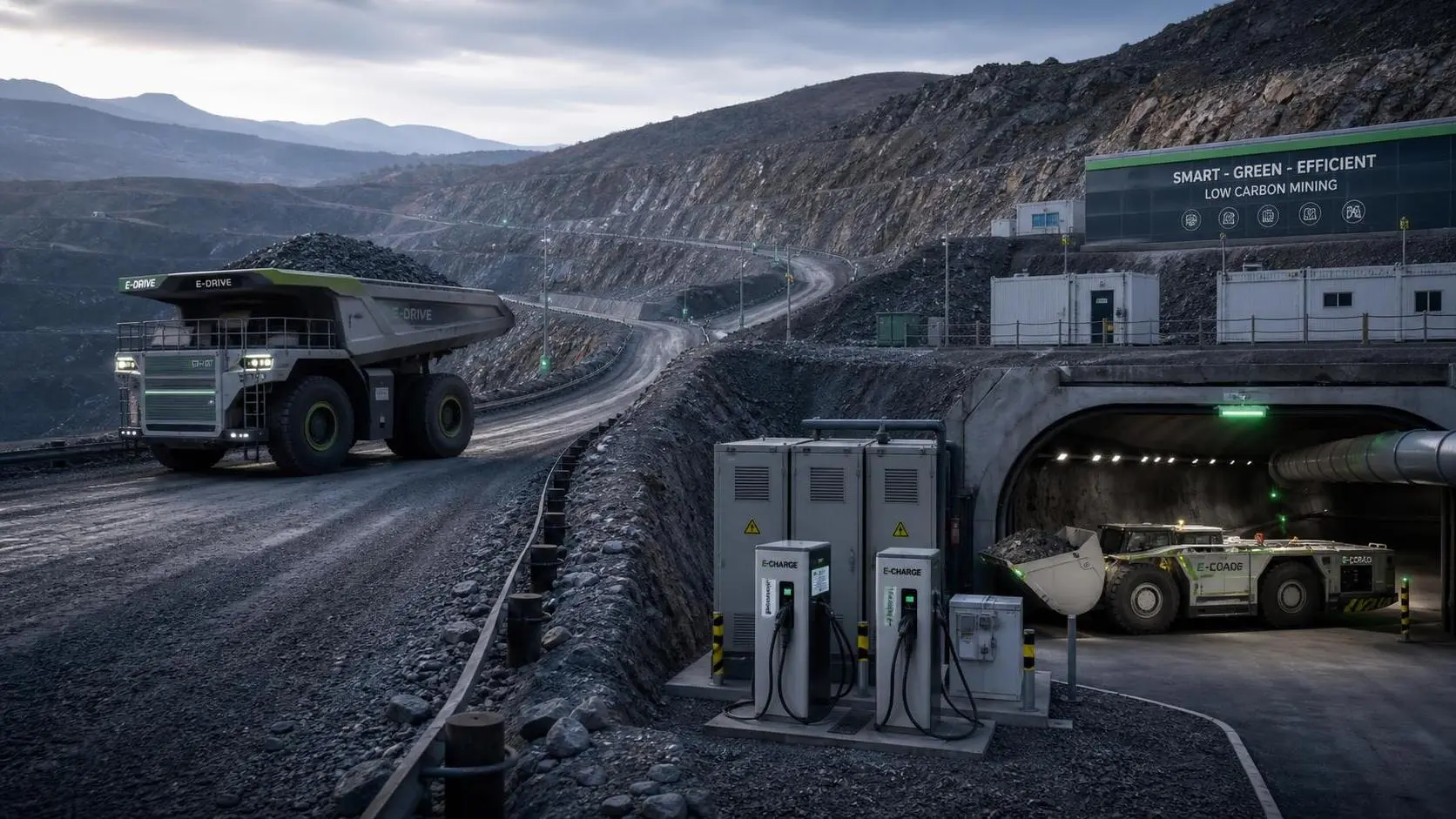
How to Build a Mining Decarbonization Strategy That Balances Emissions, Cost, and Fleet Reality
Mining decarbonization strategy starts with fleet reality. Learn how to cut emissions, control cost, and align power, ventilation, and production for a practical mine transition.
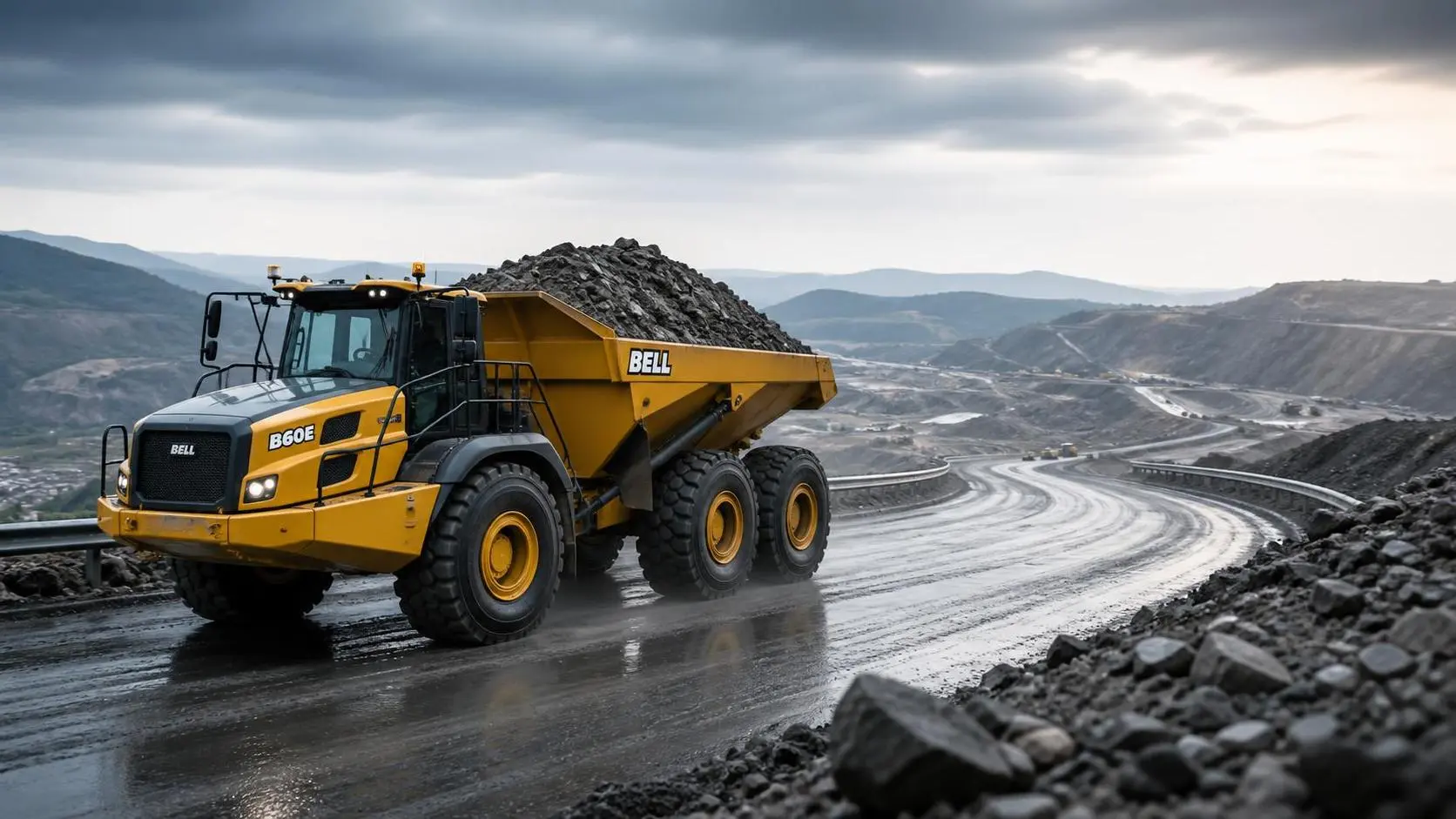
How to Evaluate Articulated Dump Trucks Payload for Haul Road Conditions and Cycle Efficiency
Articulated Dump Trucks payload evaluation starts with real haul road conditions, not brochure numbers. Learn how to balance payload, traction, grades, and cycle efficiency for safer, higher output.
How Pipe Fittings Material and Pressure Class Affect Water Line Selection
Pipe fittings selection starts with material and pressure class. Learn how these factors affect water line reliability, corrosion resistance, installation, and long-term cost.
What Drives TBM Excavation Cost in Urban Tunneling Projects?
tbm excavation cost in urban tunneling depends on geology, shafts, segment lining, logistics, and risk. Discover the key cost drivers and compare bids with greater confidence.
What Does Energy Metals Mining in Australia Mean for Supply, Cost, and Project Risk?
Energy metals mining Australia is reshaping supply, cost, and project risk. Discover what it means for buyers, investors, and operators.
Related News
- 00
0000-00
What Should a Mine Decarbonization Roadmap Include to Cut Emissions Without Hurting Output? - 00
0000-00
How to Evaluate Underground Mine Automation Companies for Safety and ROI - 00
0000-00
How to Evaluate Underground Haulage Systems for Ore Output, Ramp Grade, and Ventilation Limits - 00
0000-00
How to Evaluate a Pipe Jacking Equipment Distributor for Project Support and Uptime - 00
0000-00
How to Build a Mining Decarbonization Strategy That Balances Emissions, Cost, and Fleet Reality
Weekly Insights
Stay ahead with our curated technology reports delivered every Monday.