
NRCan Clears Chinese Autonomous LHD System for MineDT Canada





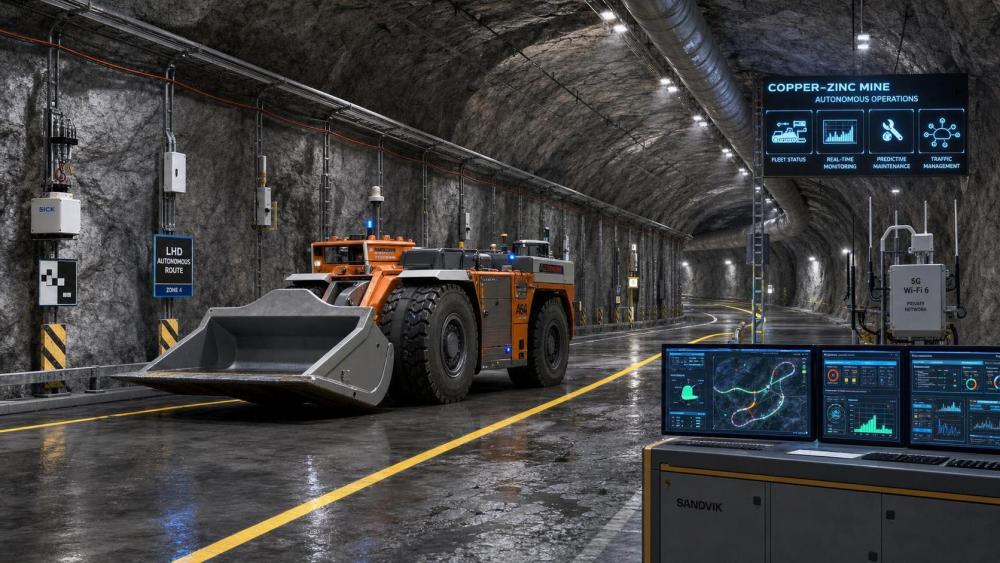
On July 8, 2026, Natural Resources Canada (NRCan) approved a China-developed remote collaborative control platform for Autonomous LHDs to connect with MineDT Canada, the country’s national mine digital twin platform. The approval covers underground copper-zinc mine LHD scheduling, real-time status monitoring, and fault prediction. For mining operators, automation suppliers, procurement teams, and digital mine service providers, the development is worth watching because it links equipment automation with regulatory acceptance inside a mainstream North American mining framework.
What the approval explicitly covers
According to the information provided, NRCan approved the connection of a remote collaborative control platform for Autonomous LHDs developed by a Chinese company to MineDT Canada on July 8, 2026. The platform is approved for use in underground copper-zinc mine LHD operation scheduling, real-time equipment status monitoring, and fault prediction. The event is described as the first time that a Chinese Autonomous LHD hardware-software system has received technical endorsement from a mainstream North American mining regulator.
Where the impact may first be felt
Mine operators focused on underground production coordination
From an industry perspective, underground mine operators are among the first groups likely to pay attention. The reason is straightforward: the approved functions relate directly to dispatching, visibility of operating status, and predictive maintenance support for LHD fleets. The main impact is likely to be on how operators assess system compatibility with digital mine platforms, as well as how they compare automation options in copper-zinc underground operations.
Automation and equipment suppliers watching market access signals
For equipment manufacturers and automation platform providers, the development may matter less as a single deployment event and more as a market-access signal. Analysis shows that regulatory recognition tied to a national digital twin platform can affect how suppliers position their technical documentation, integration capability, and compliance communication when approaching customers in North America.
Procurement and technical evaluation teams reviewing qualification standards
Procurement teams, technical buyers, and mine engineering evaluators may also be affected because the approved scope touches operational control, monitoring, and predictive functions rather than a narrow pilot feature. What deserves closer attention is whether future supplier reviews increasingly emphasize platform interoperability, operational data visibility, and fault prediction readiness alongside core machine performance.
Digital mine service providers and integration partners
Service firms involved in mine digitalization, systems integration, and operational support may need to track this kind of approval closely. The likely impact is on project design, interface planning, and customer discussions around how LHD automation systems connect into broader mine-level digital infrastructure rather than operating as isolated tools.
Practical points companies should monitor next
Watch for any follow-up official wording
Companies should pay close attention to whether future official statements further clarify the scope of access, operational conditions, or technical boundaries related to MineDT Canada connectivity. The current fact pattern confirms approval, but practical implementation details often determine how broadly such a signal translates into business activity.
Separate technical endorsement from immediate commercial expansion
Analysis shows that technical endorsement and commercial scale-up are not the same thing. Suppliers, channel partners, and mining customers should avoid reading this event as proof of immediate volume expansion or broad market conversion. The more useful near-term task is to examine what this says about acceptance thresholds for automation systems entering regulated digital mining environments.
Prepare qualification and delivery documentation carefully
For companies involved in supply, integration, or tender support, this development raises the importance of qualification files, interface descriptions, operating records, and other materials used in customer communication. Even without additional disclosed details, the event suggests that documentation quality and system explainability may become more central in buyer review processes.
Focus on workflows tied to scheduling, monitoring, and prediction
Because the approved use cases are clearly defined, firms should focus on the business workflows directly connected to those functions. This includes dispatch coordination, equipment health visibility, and fault-related response planning. In practical terms, the market is likely to evaluate systems on whether these workflows can be integrated into mine operations in a usable and verifiable way.
How this development is best understood at this stage
Observably, this news is more meaningful as a regulatory and technical access signal than as a confirmed shift in market structure. It indicates that a Chinese-developed Autonomous LHD control platform has crossed an important recognition threshold within a North American mining context. At the same time, the available information does not establish how broadly the approval will translate into future deployments, procurement changes, or competitive repositioning. That is why this should currently be read as a notable industry marker that still requires follow-up observation.
Why the market is likely to keep tracking it
The core industry significance lies in the combination of three elements already confirmed: regulatory approval, connection to a national mine digital twin platform, and approved use in operational scheduling, monitoring, and fault prediction. Taken together, these points suggest that the discussion is no longer only about equipment automation in isolation, but also about how such systems fit into higher-level digital mining infrastructure. It is more appropriate to understand this as a medium- to long-term signal with immediate attention value, rather than as a completed market outcome.
Basis of this article and what still needs verification
This article is based on the user-provided news title, event date, and event summary. For this type of development, relevant source categories would typically include official government announcements, company statements, industry association releases, authoritative media reporting, and standard or technical documentation related to mining digital systems. No specific official source link was provided in the input, so the underlying wording and any later implementation details still require ongoing verification. What deserves continued attention is whether additional official disclosures clarify operational scope, qualification requirements, or subsequent deployment progress.
Related News
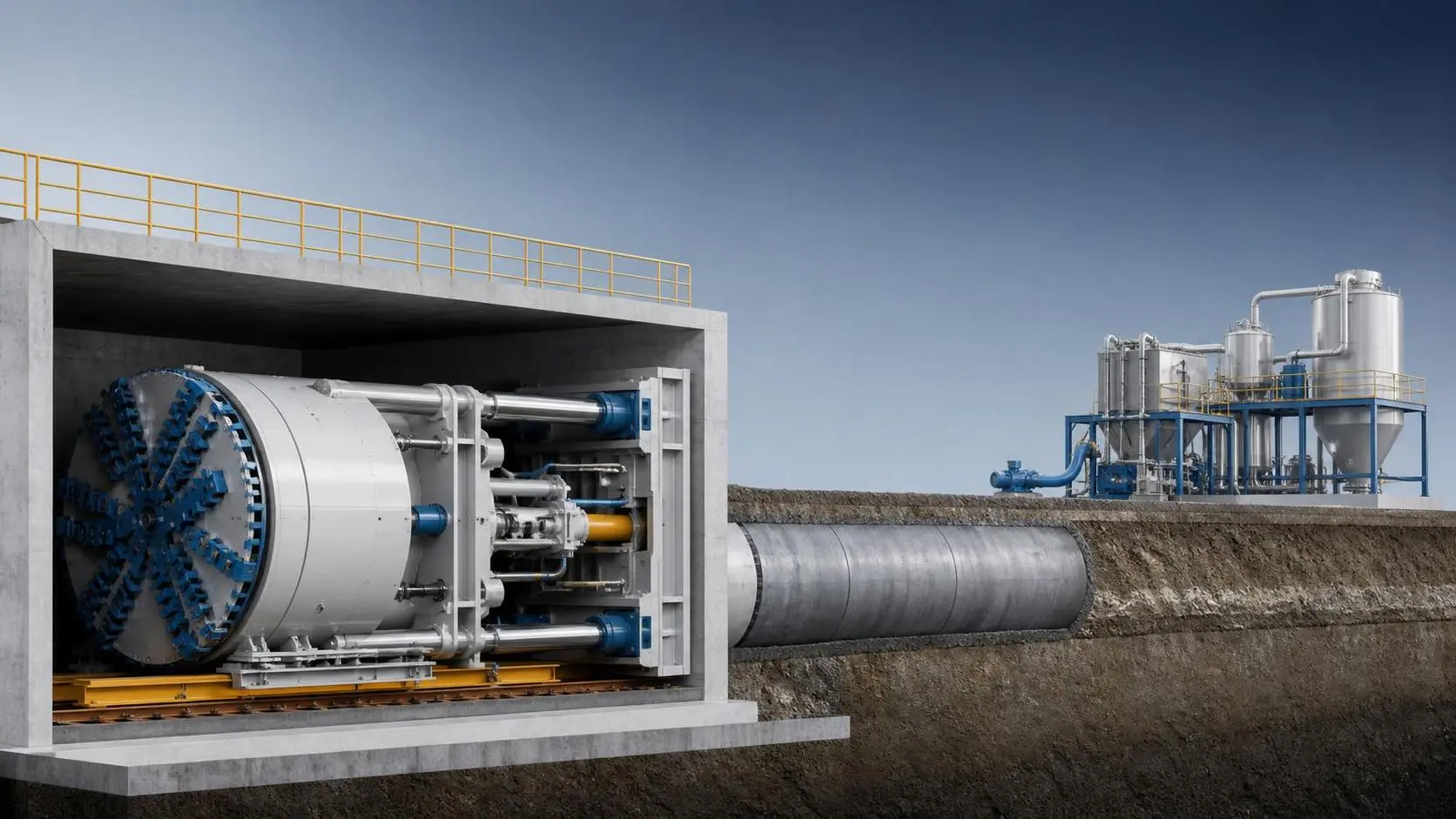
How to Evaluate Pipe Jacking Equipment for Municipal Sewer and Utility Projects
Pipe jacking equipment for municipal projects: learn how to compare machine type, steering, spoil handling, safety, and lifecycle cost for reliable sewer and utility installation.
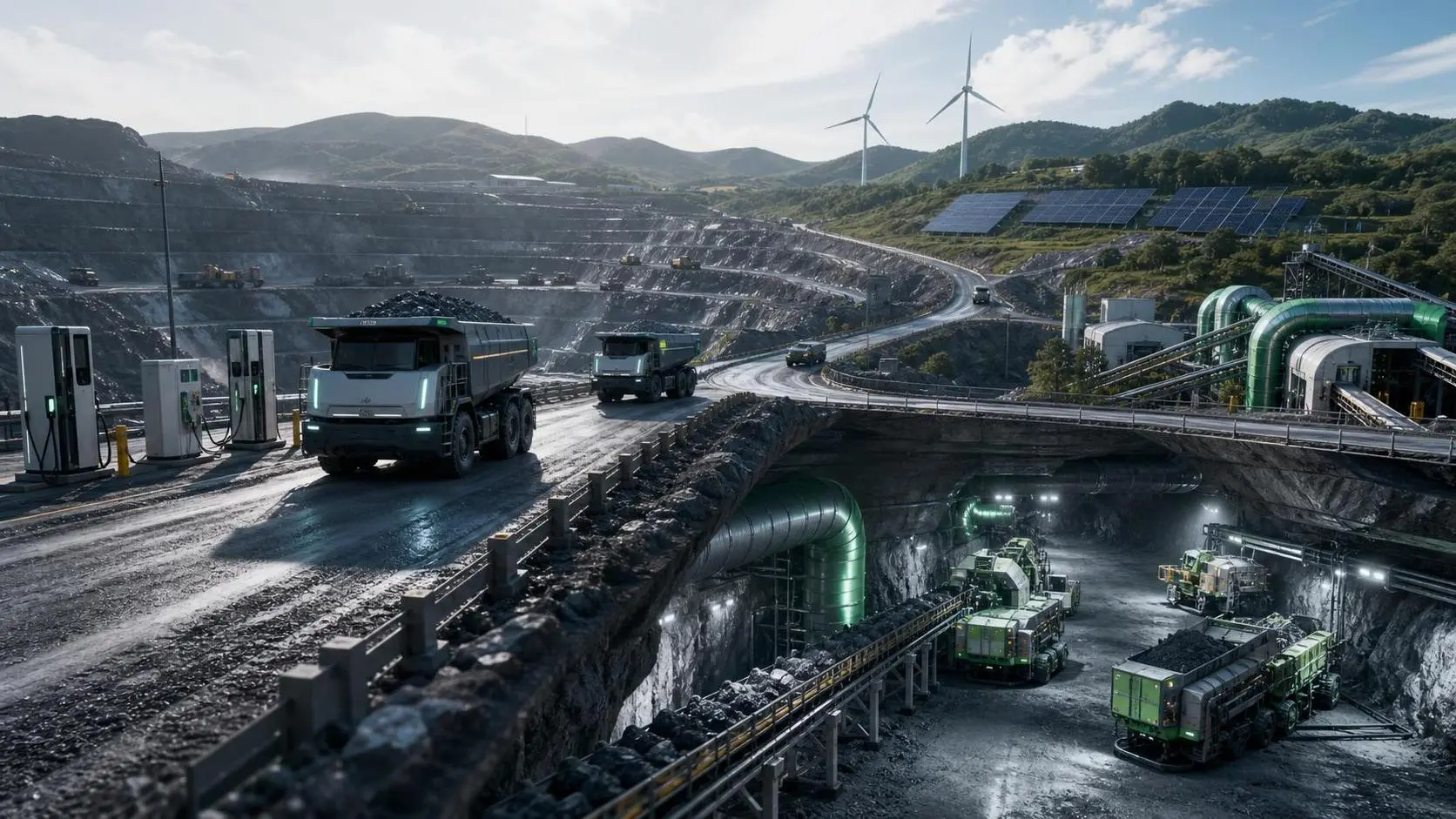
What Should a Mine Decarbonization Roadmap Include to Cut Emissions Without Hurting Output?
Mine decarbonization roadmap essentials: learn how to cut mining emissions with phased electrification, ventilation planning, and infrastructure readiness—without sacrificing output.
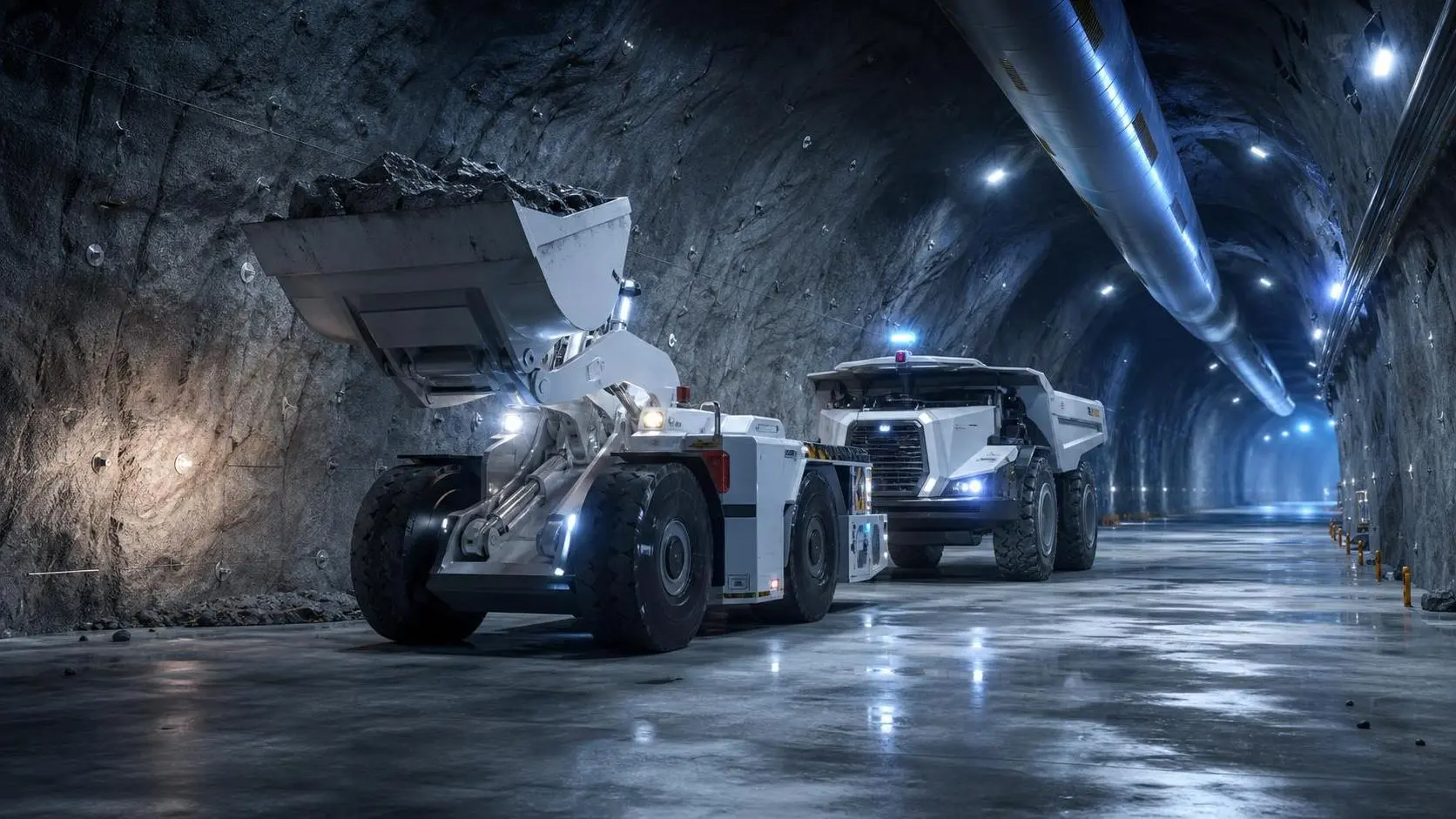
How to Evaluate Underground Mine Automation Companies for Safety and ROI
Underground mine automation companies vary widely in safety, interoperability, and ROI. Learn how to compare vendors, reduce deployment risk, and choose a scalable solution.
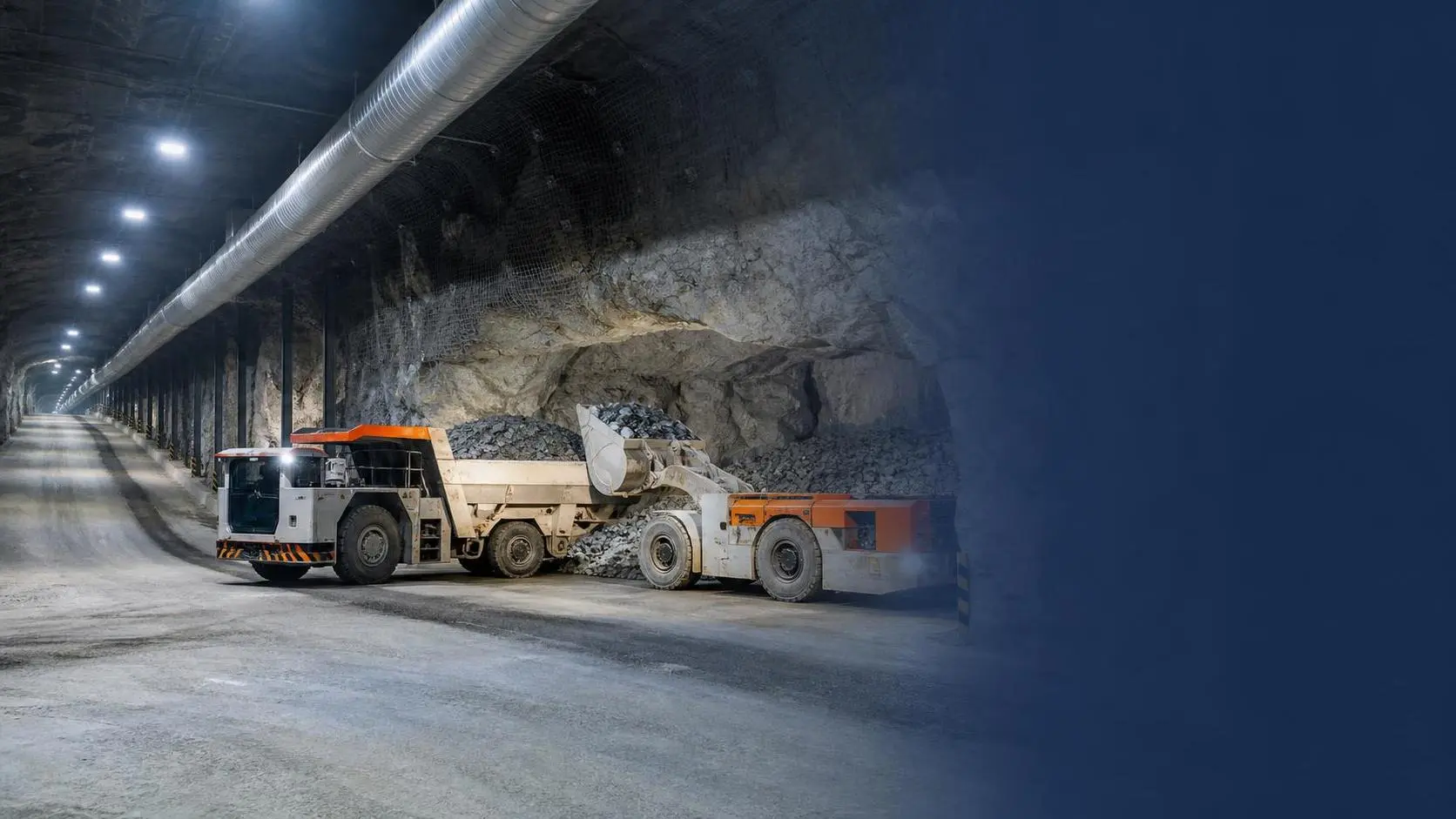
How to Evaluate Underground Haulage Systems for Ore Output, Ramp Grade, and Ventilation Limits
Underground haulage systems should be evaluated by ore output, ramp grade, and ventilation limits—not brochures. Learn how to compare trucks, LHDs, and electric options for smarter mine planning.
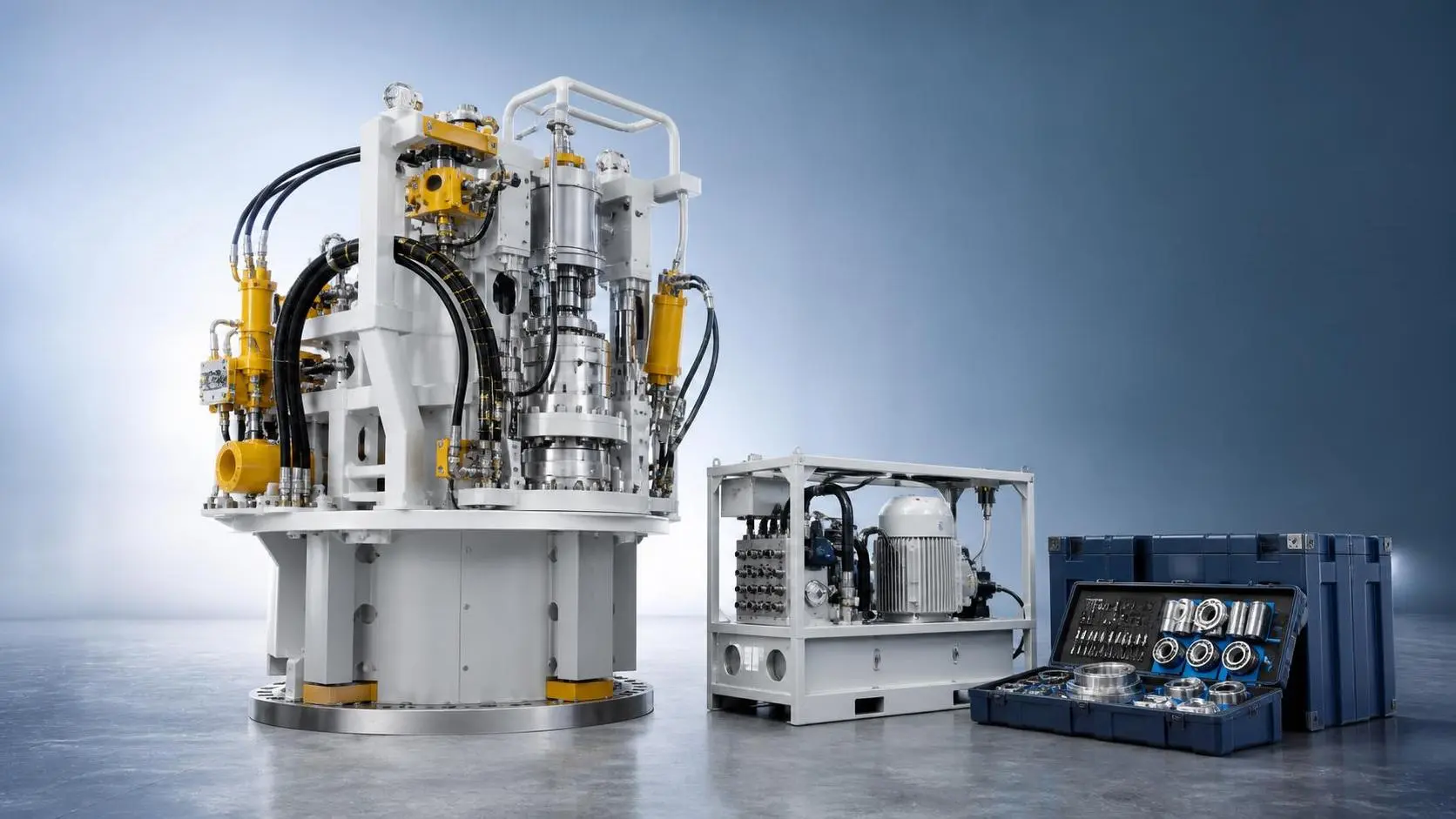
How to Evaluate a Pipe Jacking Equipment Distributor for Project Support and Uptime
Pipe jacking equipment distributor evaluation made practical: learn how to assess parts support, service response, training, and technical readiness to reduce downtime and protect project uptime.
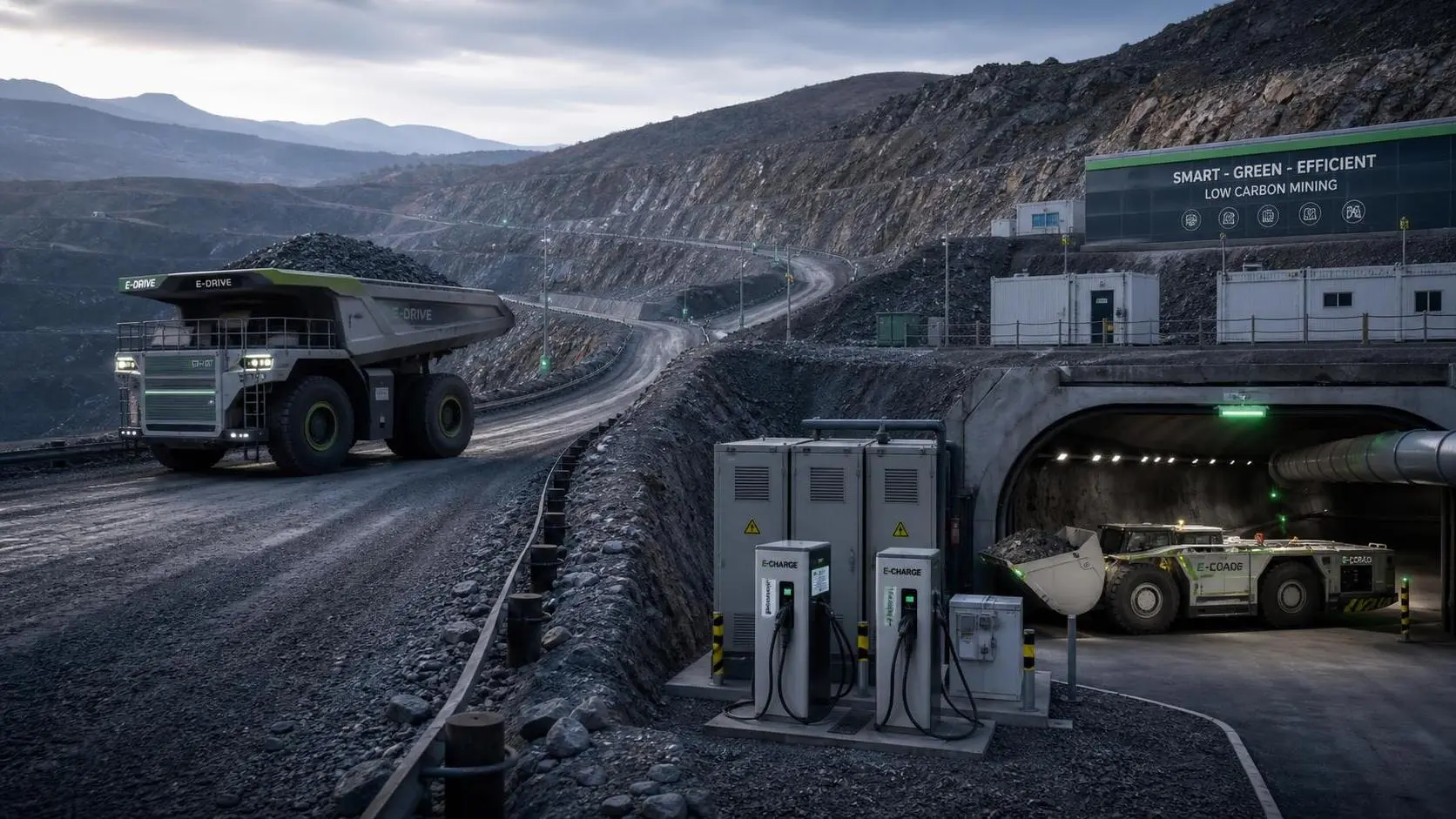
How to Build a Mining Decarbonization Strategy That Balances Emissions, Cost, and Fleet Reality
Mining decarbonization strategy starts with fleet reality. Learn how to cut emissions, control cost, and align power, ventilation, and production for a practical mine transition.
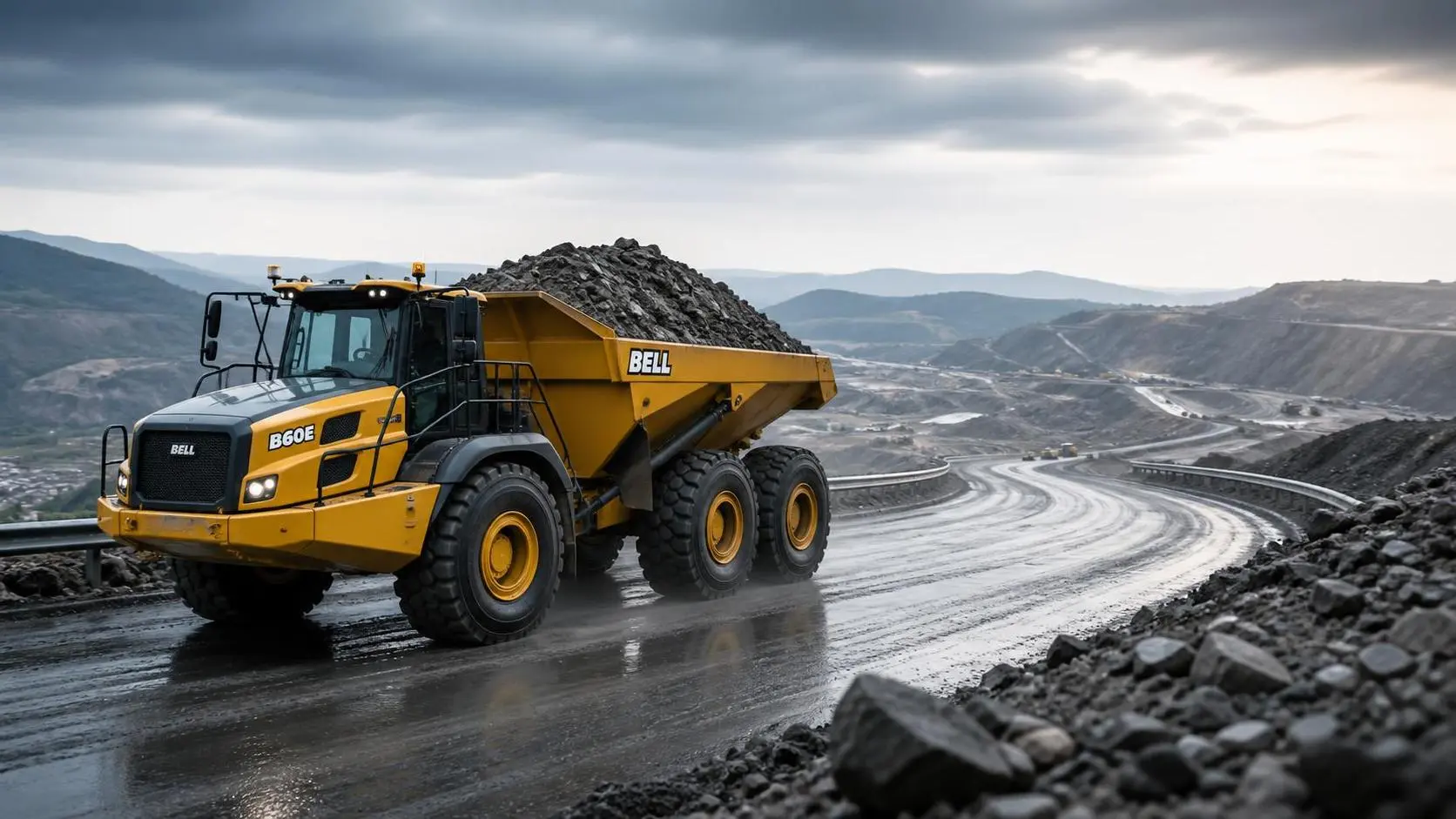
How to Evaluate Articulated Dump Trucks Payload for Haul Road Conditions and Cycle Efficiency
Articulated Dump Trucks payload evaluation starts with real haul road conditions, not brochure numbers. Learn how to balance payload, traction, grades, and cycle efficiency for safer, higher output.
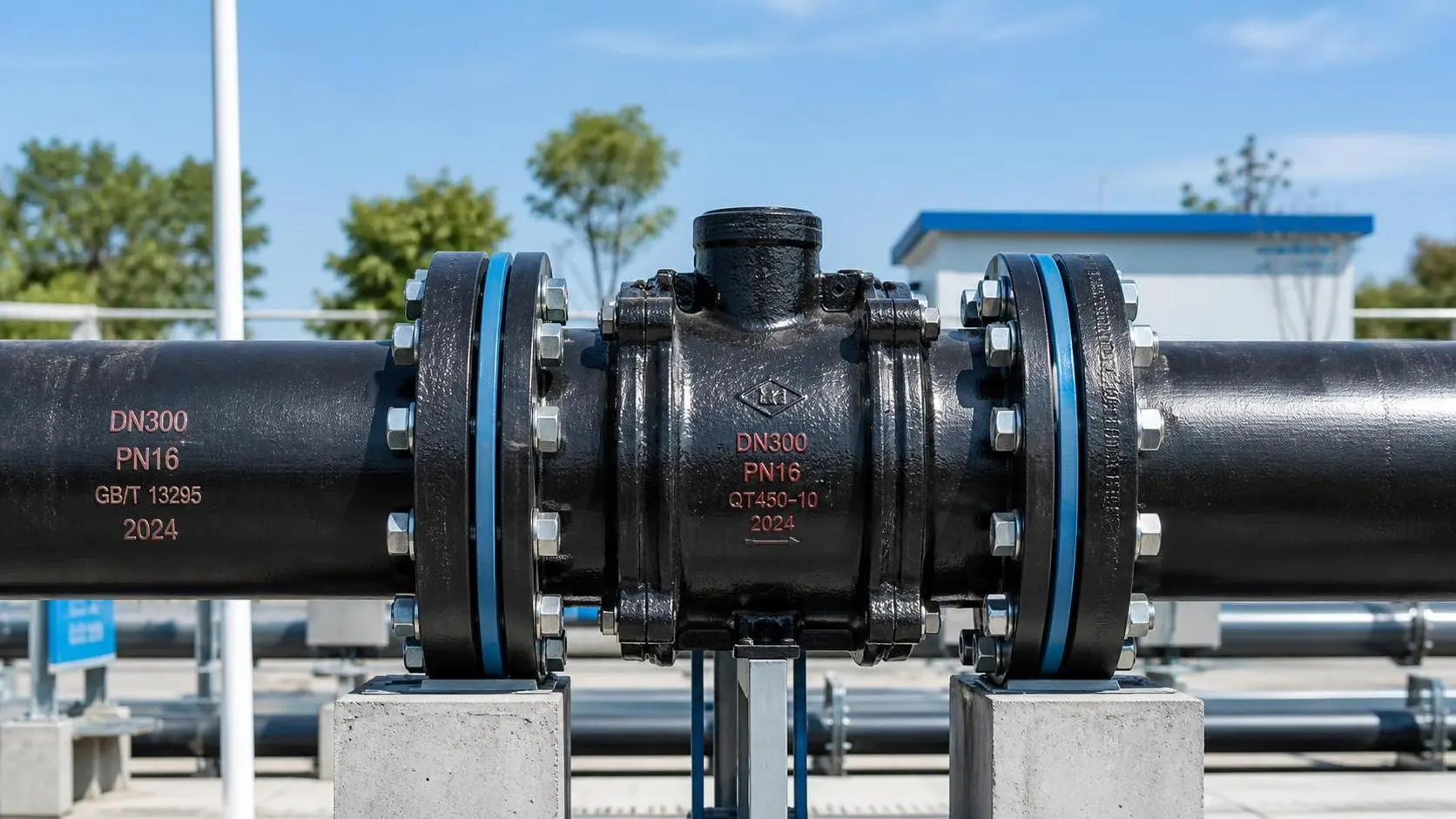
How Pipe Fittings Material and Pressure Class Affect Water Line Selection
Pipe fittings selection starts with material and pressure class. Learn how these factors affect water line reliability, corrosion resistance, installation, and long-term cost.

What Drives TBM Excavation Cost in Urban Tunneling Projects?
tbm excavation cost in urban tunneling depends on geology, shafts, segment lining, logistics, and risk. Discover the key cost drivers and compare bids with greater confidence.
Related News
- 00
0000-00
How to Evaluate Pipe Jacking Equipment for Municipal Sewer and Utility Projects - 00
0000-00
What Should a Mine Decarbonization Roadmap Include to Cut Emissions Without Hurting Output? - 00
0000-00
How to Evaluate Underground Mine Automation Companies for Safety and ROI - 00
0000-00
How to Evaluate Underground Haulage Systems for Ore Output, Ramp Grade, and Ventilation Limits - 00
0000-00
How to Evaluate a Pipe Jacking Equipment Distributor for Project Support and Uptime
Weekly Insights
Stay ahead with our curated technology reports delivered every Monday.