
Remote Control LHD Loaders in Finland vs Manual Operation: Safety, Productivity, and Limits





Remote Control LHD Loaders in Finland vs Manual Operation: Safety, Productivity, and Limits
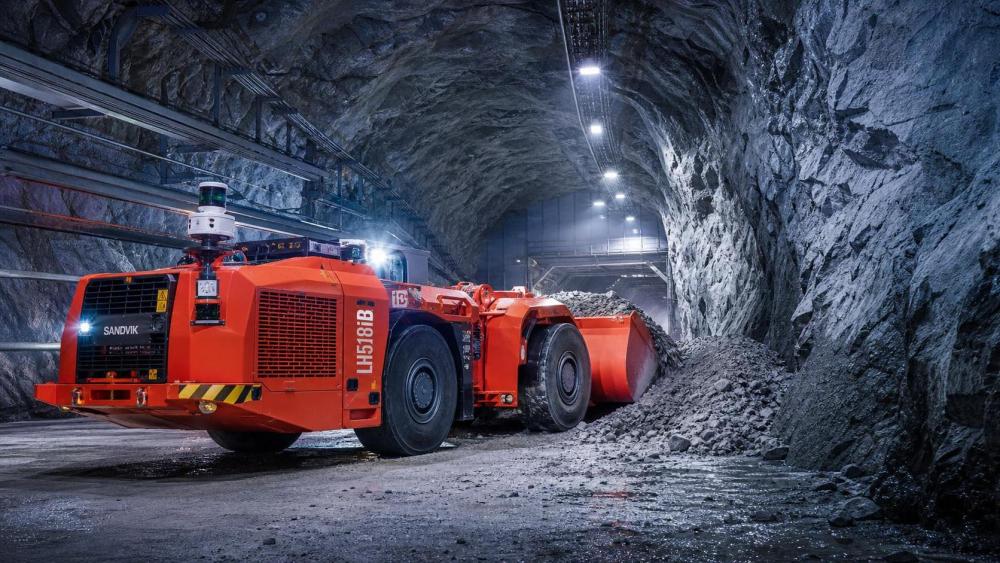
As Finland’s underground mines go deeper, loading practice is changing with them.
Remote control LHD loaders Finland projects are no longer a pilot topic.
They now sit inside real decisions on fleet renewal, ventilation design, and production risk.
Manual operation still matters, especially in variable headings and smaller mines.
But the comparison has become sharper in Finland’s cold, deep, safety-driven operating environment.
The core question is simple.
Where does remote control create measurable value, and where do limits still hold it back?
Why Finland is a serious test case
Finland offers a demanding setting for underground loader strategy.
Mines work in competent hard rock, long ramp systems, and increasingly deeper production zones.
Safety expectations are high, and labor availability is tighter than many operators would like.
At the same time, electrification pressure is rising across the Nordic mining cluster.
That combination makes remote control LHD loaders Finland deployments especially relevant.
A loader decision here is rarely isolated.
It affects shift design, refuge planning, communications coverage, maintenance routines, and battery or diesel infrastructure.
From a business view, Finland shows whether automation value survives real mine complexity.
Safety gains: where remote control changes the risk profile
Safety is the strongest argument for remote control LHD loaders Finland adoption.
The biggest gain comes from distance between the operator and the active drawpoint.
In manual operation, the driver remains close to brow instability, rock fall, dust, diesel exhaust, and poor visibility.
Remote control shifts that exposure away from the immediate danger zone.
This matters most after blasting, during re-entry delays, and in damaged ground.
It also supports more disciplined exclusion zones around loading areas.
For battery loaders, the safety story expands further.
Less heat and zero exhaust improve local air quality in confined headings.
That reduces ventilation dependence and makes remote workstations more practical underground.
Still, remote control does not remove all risk.
New hazards appear around camera blind spots, communication dropout, and slower reactions to unexpected sidewall contact.
So the right conclusion is not “remote equals safe.”
The better conclusion is that risk moves, and the system must be engineered around that shift.
Practical safety conditions that decide outcomes
- Reliable wireless coverage in loading and dumping routes.
- Clear camera layouts with usable depth perception.
- Defined operating envelopes after blasting or scaling delays.
- Operator training focused on remote perception, not just machine control.
- Fail-safe braking and machine stop logic during signal loss.
Productivity: where remote control wins, and where it does not
Productivity is more nuanced than safety.
Remote control LHD loaders Finland systems can improve utilization even when single-cycle speed is not always higher.
That is an important distinction for evaluation teams.
In stable stopes, remote loading can begin sooner after blasting restrictions ease.
It can also keep operators productive from sheltered stations during ventilation recovery periods.
That reduces dead time around shift transitions and area access controls.
More obviously, remote operation supports loading in areas that would otherwise remain temporarily inaccessible.
However, pure bucket-to-bucket speed is not always better.
Manual operators still outperform remote mode in some tight headings and irregular muckpiles.
They can feel traction changes, judge side clearance faster, and improvise during fragmentation variation.
This is why some mines use a hybrid model rather than full replacement.
Manual mode handles development headings and complex recovery work.
Remote mode focuses on repetitive production drawpoints where route logic is more predictable.
What productivity should actually be measured against
A weak comparison only measures tons per hour at the loader.
A stronger comparison looks at system-level results across the production chain.
- Re-entry delay reduction after blasting.
- Loader availability across the whole shift.
- Lost time caused by ventilation waiting.
- Tons moved from restricted or unstable zones.
- Damage frequency in sidewalls, tires, and bucket structures.
In many Finnish operations, this broader view is where remote control proves itself.
Cost and infrastructure limits behind remote control LHD loaders Finland decisions
The limits are real, and they usually appear before the technology ceiling.
Remote control LHD loaders Finland programs need more than a machine with screens and joysticks.
They need communication infrastructure, dispatch logic, maintenance support, and disciplined operating standards.
Capital cost usually rises first through onboard sensing, remote stations, and network buildout.
Then hidden operating costs follow if adoption is poorly sequenced.
Examples include camera cleaning labor, calibration downtime, software updates, and specialist training.
Battery-electric fleets add another layer.
They can improve air and energy performance, but charging or swapping logistics must align with cycle design.
Otherwise, the mine simply trades one bottleneck for another.
This is a common reason remote plans underperform early expectations.
Typical constraints that slow deployment
- Inconsistent network coverage at turning points and ore passes.
- Mixed fleets that use different control and telemetry standards.
- Operator resistance when training starts too late.
- Low-quality drawpoint geometry that hurts camera visibility.
- Limited local service capability for automation components.
Manual operation still has a defensible role
It is easy to frame the choice as old versus new.
That would be a weak reading of the market.
Manual operation remains commercially valid in several situations.
Smaller mines may not have enough repetitive production to justify network and control investment.
Short mine life can also weaken the automation payback case.
In development headings, human judgment still helps when profiles change daily.
The same applies during cleanup, scaling support, and non-routine recovery tasks.
So the issue is not whether manual operation should disappear.
The issue is whether it should remain the default in high-risk, repeatable production zones.
In Finland, that answer is increasingly no.
How to evaluate remote control LHD loaders Finland investment cases
A sound investment case should start with operating conditions, not vendor claims.
That means separating mine zones by repeatability, ground risk, and haul route stability.
Then the mine can match control mode to real value creation.
For many sites, the best first step is selective deployment.
Choose a production area with stable geometry, strong wireless coverage, and measurable re-entry delays.
That gives a cleaner baseline than a whole-mine rollout.
Evaluation teams should also ask a few direct questions.
- How much operator exposure is removed per shift?
- What cycle loss comes from remote visibility limits?
- Can ventilation savings offset control system cost?
- Which zones justify remote mode, and which do not?
- How quickly can the site support troubleshooting underground?
These questions keep the remote control LHD loaders Finland discussion grounded in mine economics.
Bottom line: remote control is a strategic tool, not a universal answer
The strongest signal from Finland is not that manual loading is obsolete.
It is that remote control LHD loaders Finland solutions now have a clear strategic role.
They reduce operator exposure in hazardous zones.
They can improve effective utilization across blast cycles and ventilation constraints.
And they fit naturally with electrification and digital mine control trends.
But value depends on infrastructure quality, operator adaptation, and disciplined deployment boundaries.
That also means the smartest decision is often a staged one.
Use remote control where the safety and access advantage is strongest.
Keep manual operation where flexibility still produces better real-world results.
In today’s underground market, that balanced model is often the most credible path forward.
Related News
How to Evaluate Underground Mine Automation Companies for Safety and ROI
Underground mine automation companies vary widely in safety, interoperability, and ROI. Learn how to compare vendors, reduce deployment risk, and choose a scalable solution.
How to Evaluate Underground Haulage Systems for Ore Output, Ramp Grade, and Ventilation Limits
Underground haulage systems should be evaluated by ore output, ramp grade, and ventilation limits—not brochures. Learn how to compare trucks, LHDs, and electric options for smarter mine planning.
How to Evaluate a Pipe Jacking Equipment Distributor for Project Support and Uptime
Pipe jacking equipment distributor evaluation made practical: learn how to assess parts support, service response, training, and technical readiness to reduce downtime and protect project uptime.
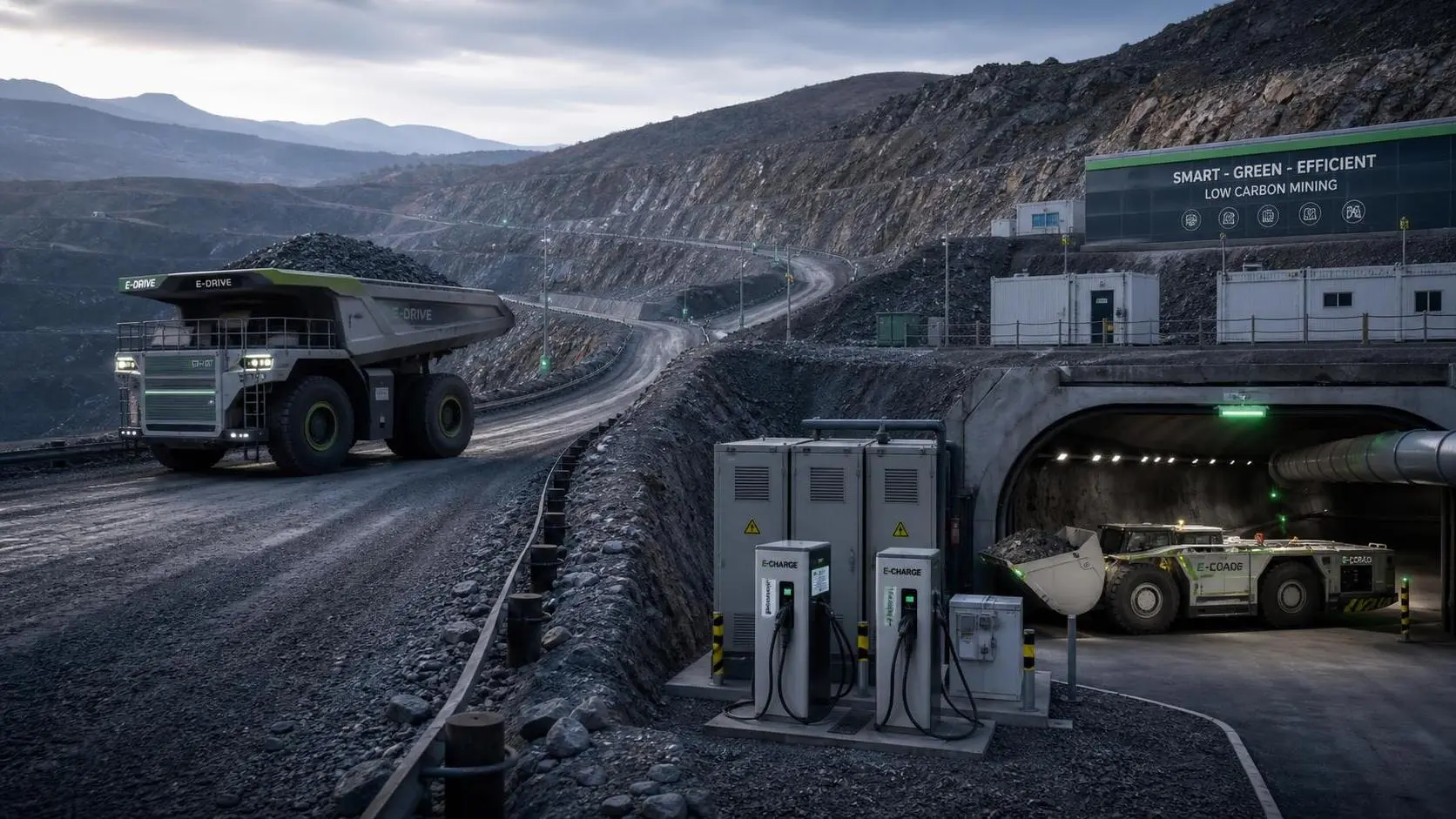
How to Build a Mining Decarbonization Strategy That Balances Emissions, Cost, and Fleet Reality
Mining decarbonization strategy starts with fleet reality. Learn how to cut emissions, control cost, and align power, ventilation, and production for a practical mine transition.
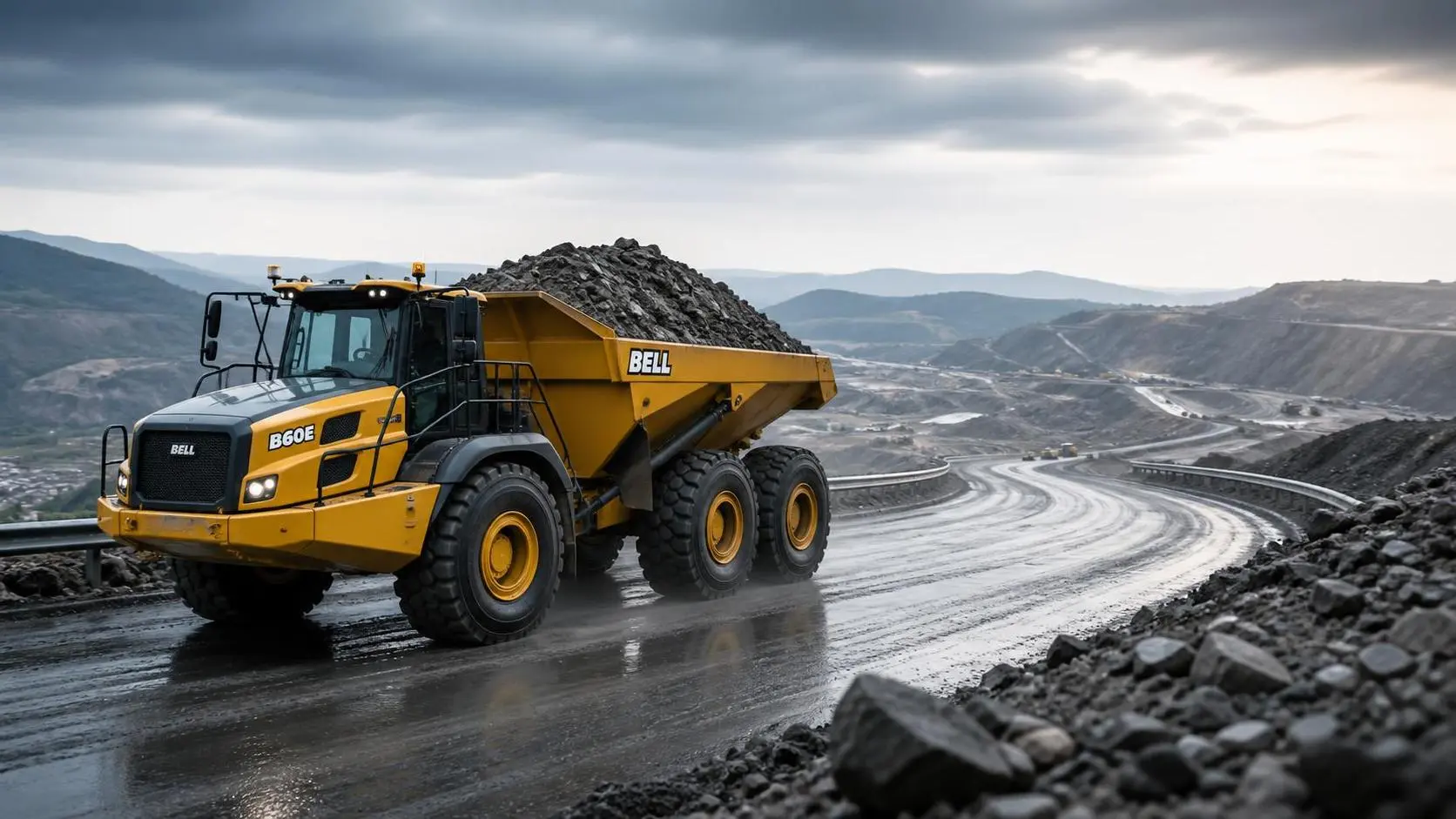
How to Evaluate Articulated Dump Trucks Payload for Haul Road Conditions and Cycle Efficiency
Articulated Dump Trucks payload evaluation starts with real haul road conditions, not brochure numbers. Learn how to balance payload, traction, grades, and cycle efficiency for safer, higher output.
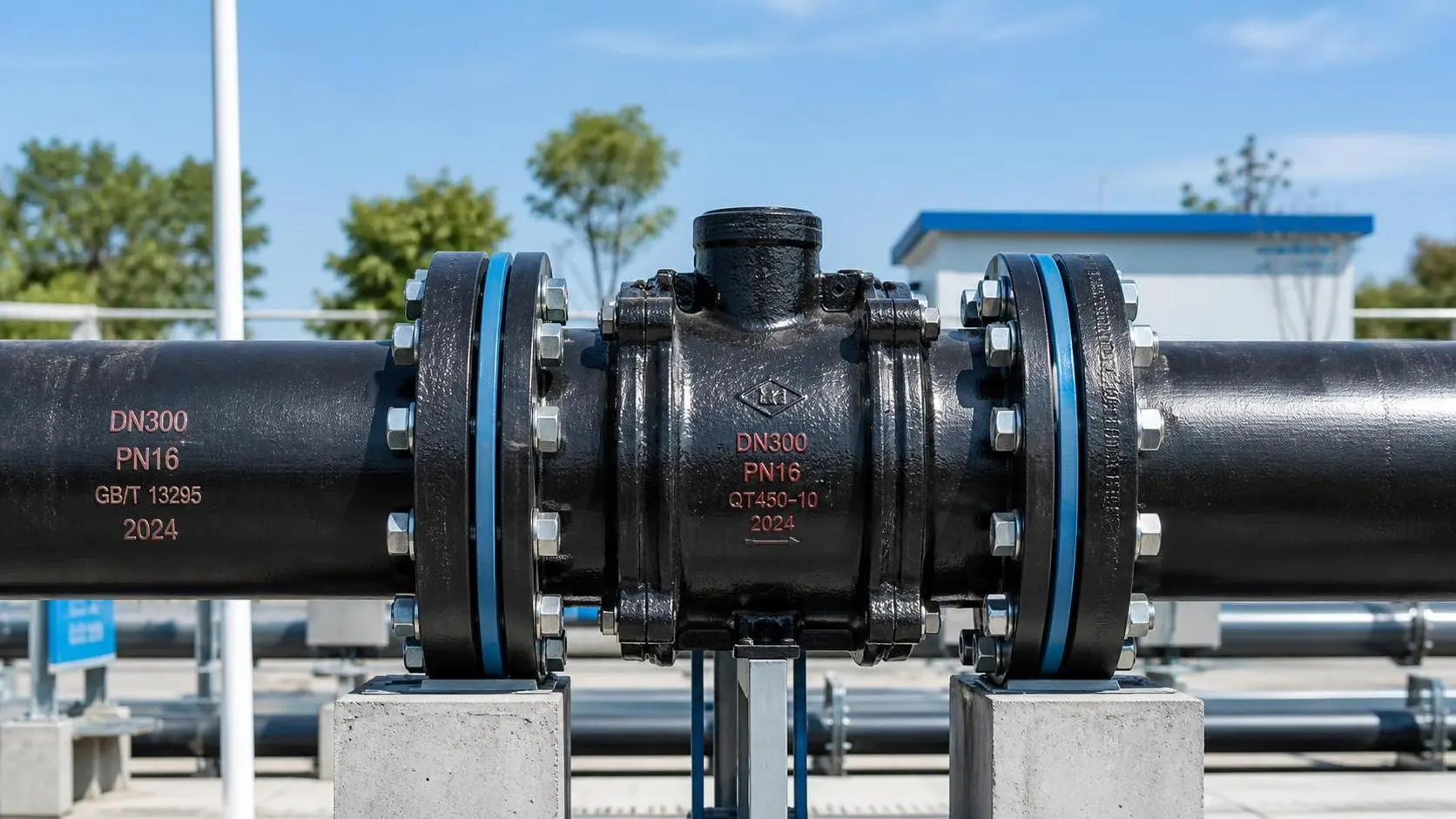
How Pipe Fittings Material and Pressure Class Affect Water Line Selection
Pipe fittings selection starts with material and pressure class. Learn how these factors affect water line reliability, corrosion resistance, installation, and long-term cost.
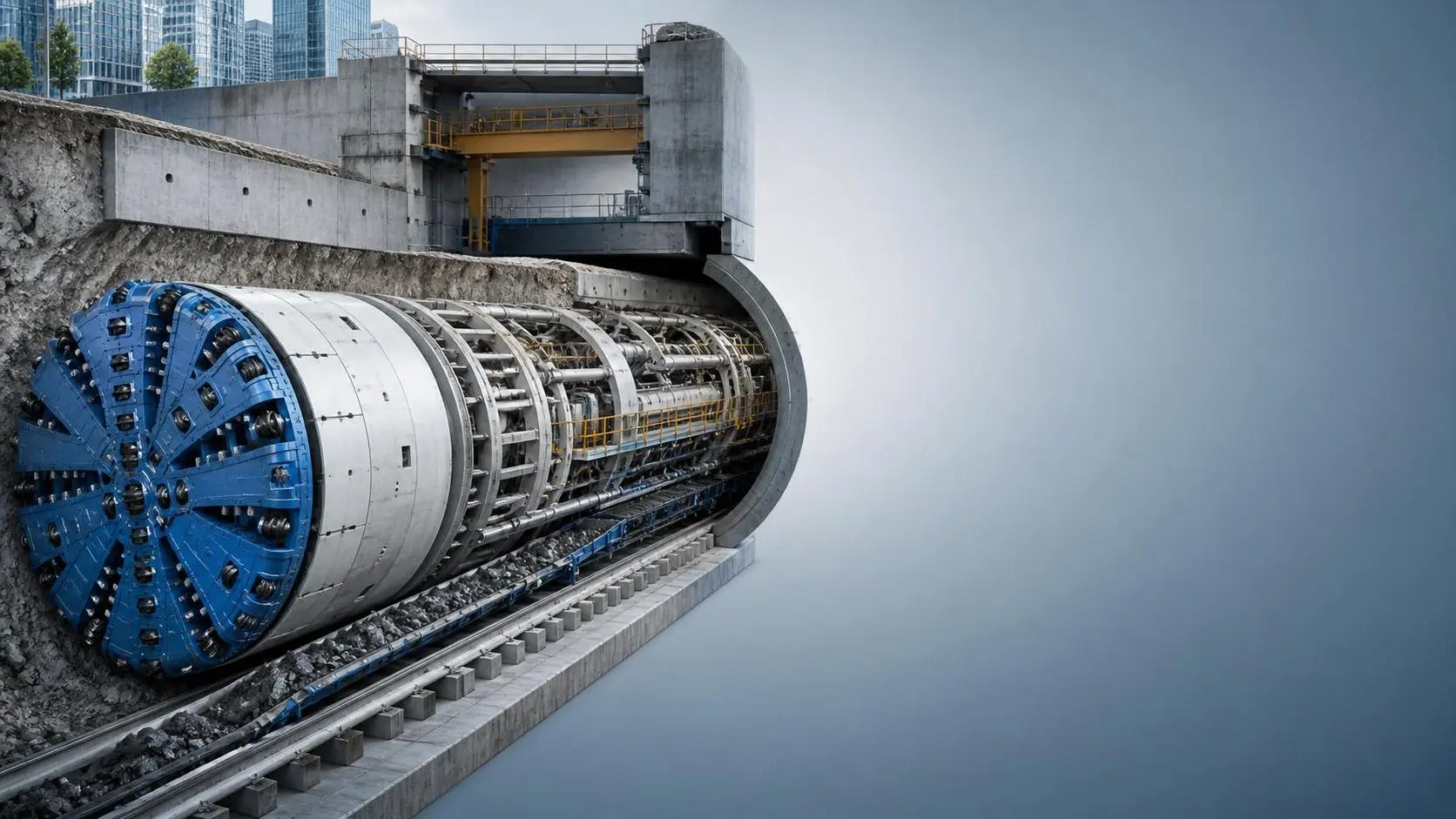
What Drives TBM Excavation Cost in Urban Tunneling Projects?
tbm excavation cost in urban tunneling depends on geology, shafts, segment lining, logistics, and risk. Discover the key cost drivers and compare bids with greater confidence.
What Does Energy Metals Mining in Australia Mean for Supply, Cost, and Project Risk?
Energy metals mining Australia is reshaping supply, cost, and project risk. Discover what it means for buyers, investors, and operators.
EU Eases Dual CE and UKCA Path for Chinese Tunnel Boring Equipment
EU eases CE and UKCA certification for Chinese tunnel boring equipment, cutting compliance time and helping importers move faster.
Related News
- 00
0000-00
How to Evaluate Underground Mine Automation Companies for Safety and ROI - 00
0000-00
How to Evaluate Underground Haulage Systems for Ore Output, Ramp Grade, and Ventilation Limits - 00
0000-00
How to Evaluate a Pipe Jacking Equipment Distributor for Project Support and Uptime - 00
0000-00
How to Build a Mining Decarbonization Strategy That Balances Emissions, Cost, and Fleet Reality - 00
0000-00
How to Evaluate Articulated Dump Trucks Payload for Haul Road Conditions and Cycle Efficiency
Weekly Insights
Stay ahead with our curated technology reports delivered every Monday.