
How to Choose Drill and Blast Equipment for Tunnelling by Rock Class and Tunnel Profile





How to Choose Drill and Blast Equipment for Tunnelling by Rock Class and Tunnel Profile
Choosing Drill and Blast Equipment for tunnelling is not just about machine size.
It depends on rock class, tunnel profile, cycle targets, ventilation limits, and ground support demands.
A good match improves drilling accuracy, blast quality, scaling time, and overall advance per shift.
A poor match does the opposite.
It increases overbreak, delays charging, raises maintenance stress, and creates avoidable safety exposure.
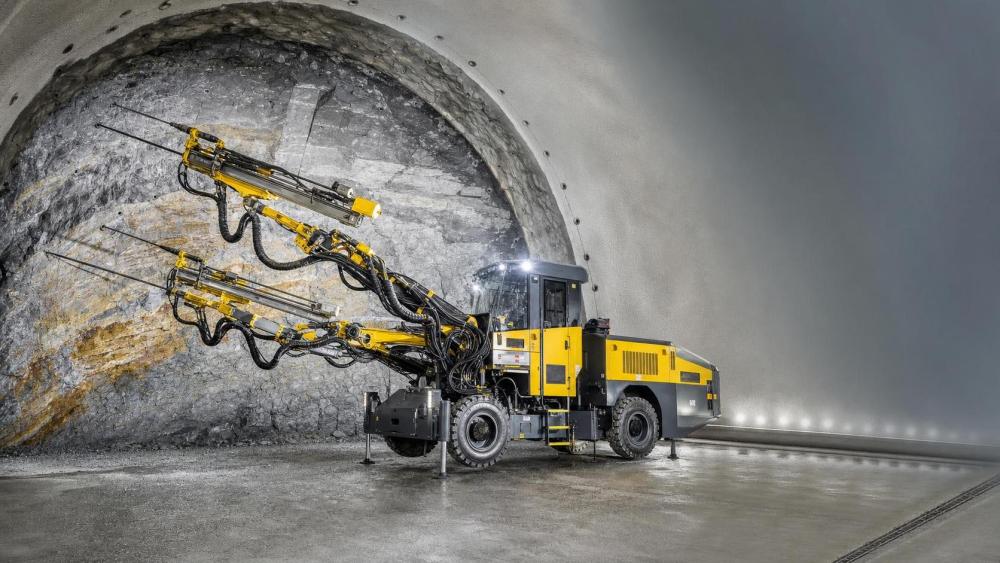
For technical evaluation, the practical question is simple.
Which Drill and Blast Equipment for tunnelling can keep the excavation cycle stable under actual rock and geometry conditions?
That is where disciplined equipment selection matters most.
Start with Rock Class, Not with the Machine Catalog
Rock class is the first filter for Drill and Blast Equipment for tunnelling.
It shapes penetration rate, hole deviation risk, bit wear, vibration response, and support timing.
In softer or fractured ground, precision and stability often matter more than raw impact energy.
In hard, abrasive rock, feed force, percussion power, and consumable life move to the front.
How rock class changes equipment priorities
- Weak to medium rock: prioritize controlled drilling, lower disturbance, and flexible boom positioning.
- Jointed rock: focus on collaring accuracy and rig stability to reduce hole wandering.
- Hard massive rock: demand higher-impact drifters, stronger feeds, and durable tool packages.
- Highly abrasive rock: examine bit cost, rod life, shank wear, and service access very closely.
This is why one drilling jumbo rarely performs equally well across every heading.
The most useful evaluation compares rock mechanics with drilling behavior, not brochure specifications alone.
Match Drill and Blast Equipment for Tunnelling to Tunnel Profile
Tunnel profile is the second major filter.
A machine that looks ideal on paper may become awkward inside a narrow horseshoe profile or low crown heading.
Drill and Blast Equipment for tunnelling must fit the real excavation envelope, not the nominal section alone.
Key profile factors to check
- Face width and height
- Arch radius and corner access
- Floor condition and gradient
- Turning space and reverse access
- Need for simultaneous bolting or charging support
For small and medium profiles, compact twin-boom rigs often deliver the best balance.
They preserve maneuverability without giving up face coverage.
For larger transport tunnels, multi-boom layouts can shorten drilling time and support more complex cut patterns.
Still, more booms do not automatically mean better productivity.
If the face geometry limits boom movement, extra capacity may sit unused.
Choose the Right Drilling Jumbo Configuration
The drilling jumbo is usually the core of Drill and Blast Equipment for tunnelling.
Its configuration affects every cycle stage after drilling.
That includes charging, blasting, mucking, scaling, and rock support.
Evaluation points that matter in practice
- Boom coverage: confirm full face reach without repeated repositioning.
- Drifter power: match impact level to rock hardness and target hole length.
- Feed design: check stability for long holes and steep drilling angles.
- Automation: review auto-positioning, drilling plans, and data logging functions.
- Serviceability: inspect hose routing, drifter access, and consumable replacement time.
Recent project trends show stronger interest in semi-automated drilling control.
The reason is straightforward.
It reduces variation between operators and improves blast round consistency.
For selection work, this matters more than headline drilling speed.
Do Not Evaluate Drilling in Isolation
Drill and Blast Equipment for tunnelling is a system decision.
The drilling rig must work with charging methods, scaling equipment, ventilation capacity, and haulage timing.
This is where many equipment reviews become too narrow.
System links that influence the decision
- Longer rounds may improve advance, but increase ventilation clearance time after blasting.
- Higher drilling output may create charging bottlenecks if explosives logistics are weak.
- Aggressive blasting can speed breakage, but raise scaling workload and shotcrete consumption.
- Compact headings may favor smaller electric units to reduce heat and exhaust burden.
From an operational perspective, the best equipment set is the one that protects cycle balance.
That also aligns with the zero-emission direction seen across modern underground projects.
Battery-ready or electrically optimized support fleets are becoming more relevant in confined tunnel works.
Build a Selection Matrix Around Real Decision Criteria
A reliable selection process needs a structured matrix.
This helps compare Drill and Blast Equipment for tunnelling across technical and operational dimensions.
This matrix keeps equipment reviews grounded in project outcomes.
It also makes internal approval discussions much easier.
Common Selection Mistakes and How to Avoid Them
Several mistakes repeat across tunnelling procurement reviews.
Most are avoidable with a tighter technical screen.
- Choosing by nominal section only, without checking actual boom motion limits.
- Focusing on peak drilling speed, while ignoring blast quality and overbreak cost.
- Underestimating consumables in abrasive formations.
- Ignoring ventilation penalties from diesel-heavy support fleets.
- Buying advanced automation without operator readiness or data workflow support.
A better approach is to run scenario checks.
Test the equipment against the hardest rock zone, the tightest profile, and the most restrictive ventilation case.
If the machine works there, it will usually work everywhere else in the alignment.
A Practical Way to Finalize the Decision
The final choice of Drill and Blast Equipment for tunnelling should come from evidence, not assumption.
That means combining rock data, profile constraints, cycle targets, and fleet interaction into one review.
- Classify the alignment by rock type, jointing, groundwater, and abrasive zones.
- Map each tunnel profile and identify the tightest operational sections.
- Set target round length, cycle time, and support sequence.
- Shortlist drilling jumbo options with verified reach and power suitability.
- Check ventilation, maintenance, and operator support before final scoring.
In real tunnelling work, the strongest choice is rarely the most aggressive machine.
It is the equipment package that keeps drilling accurate, blasting predictable, and downstream operations stable.
When Drill and Blast Equipment for tunnelling is selected this way, project risk drops and productivity becomes much easier to defend.
Related News
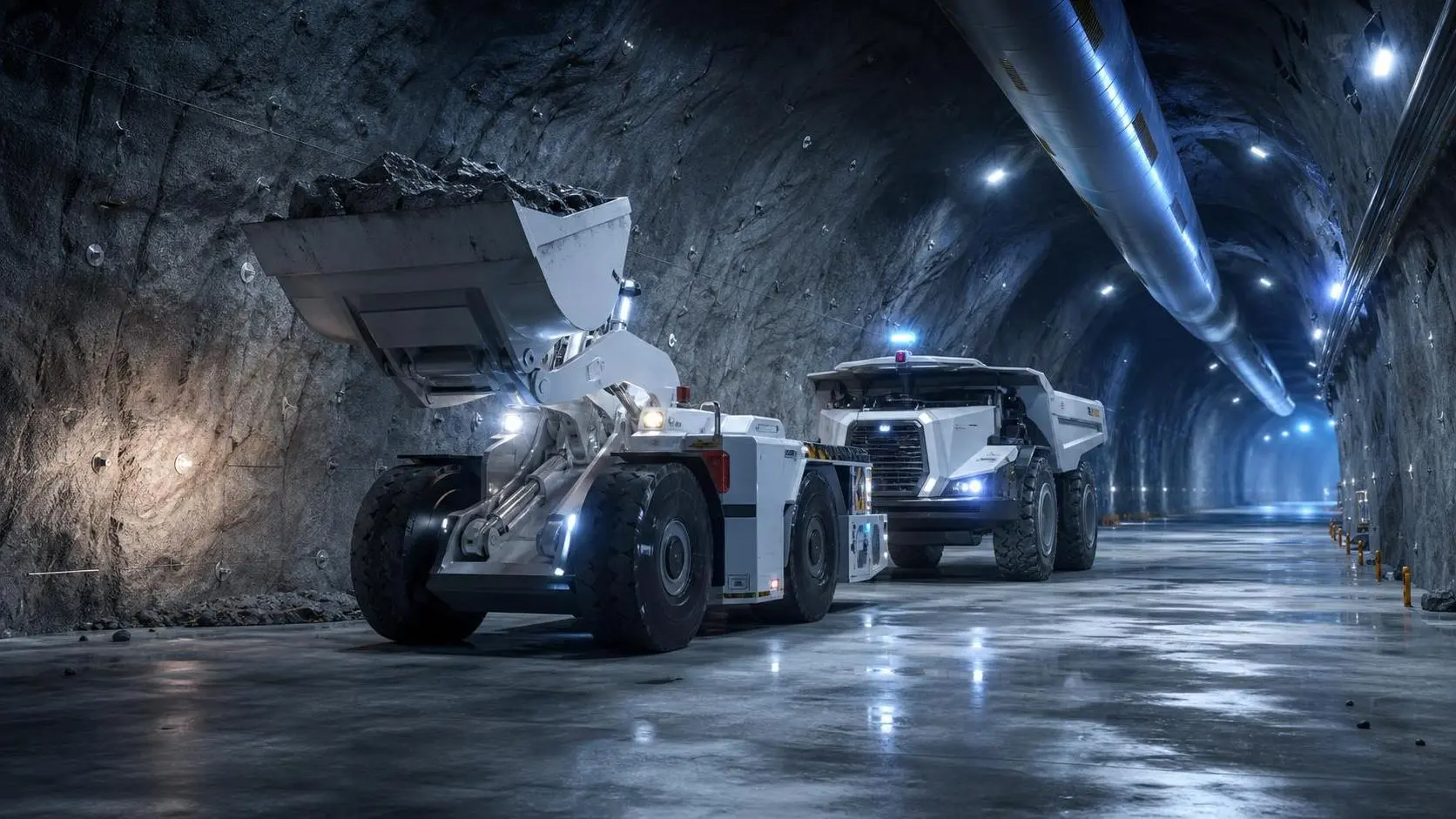
How to Evaluate Underground Mine Automation Companies for Safety and ROI
Underground mine automation companies vary widely in safety, interoperability, and ROI. Learn how to compare vendors, reduce deployment risk, and choose a scalable solution.
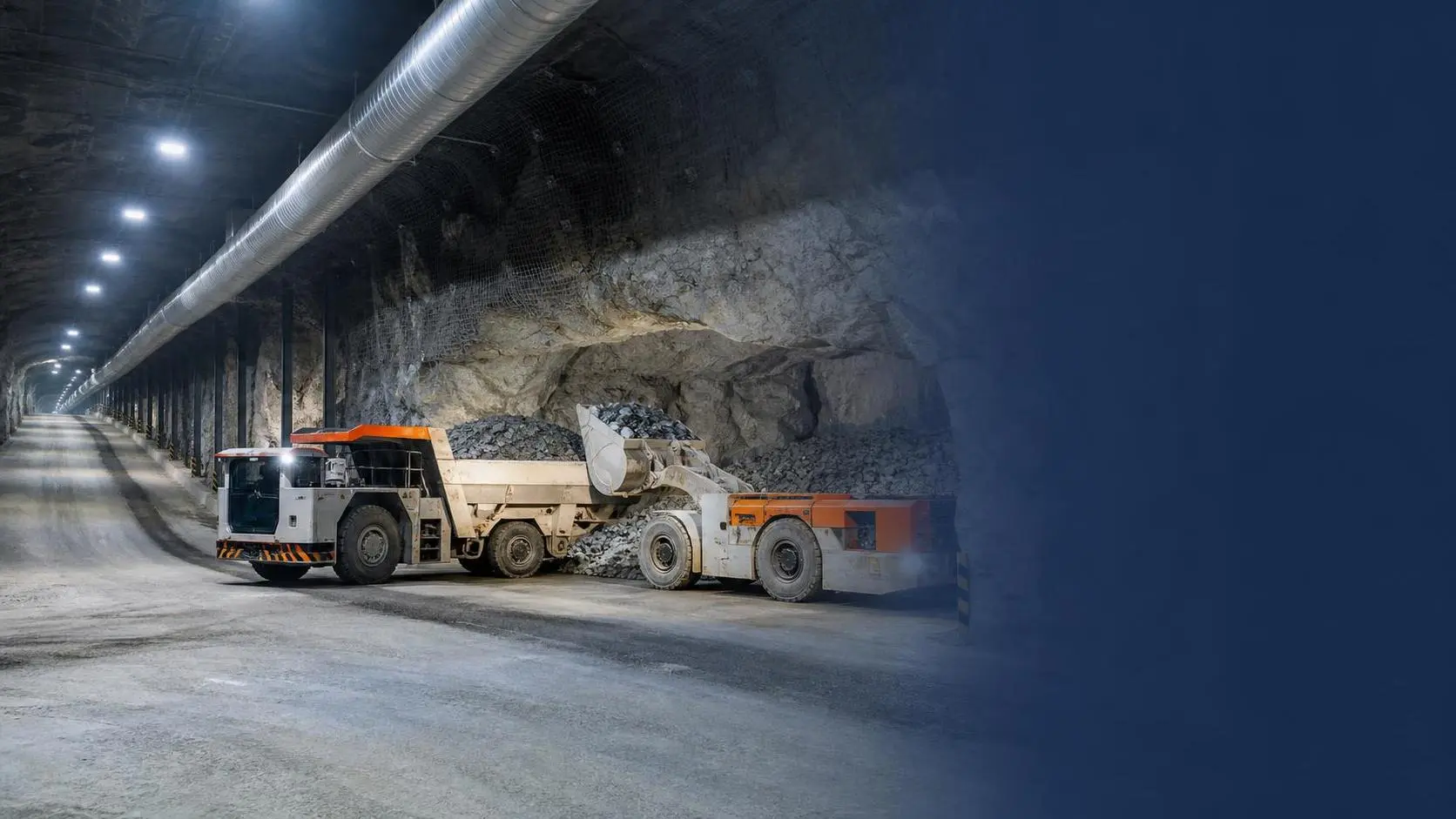
How to Evaluate Underground Haulage Systems for Ore Output, Ramp Grade, and Ventilation Limits
Underground haulage systems should be evaluated by ore output, ramp grade, and ventilation limits—not brochures. Learn how to compare trucks, LHDs, and electric options for smarter mine planning.
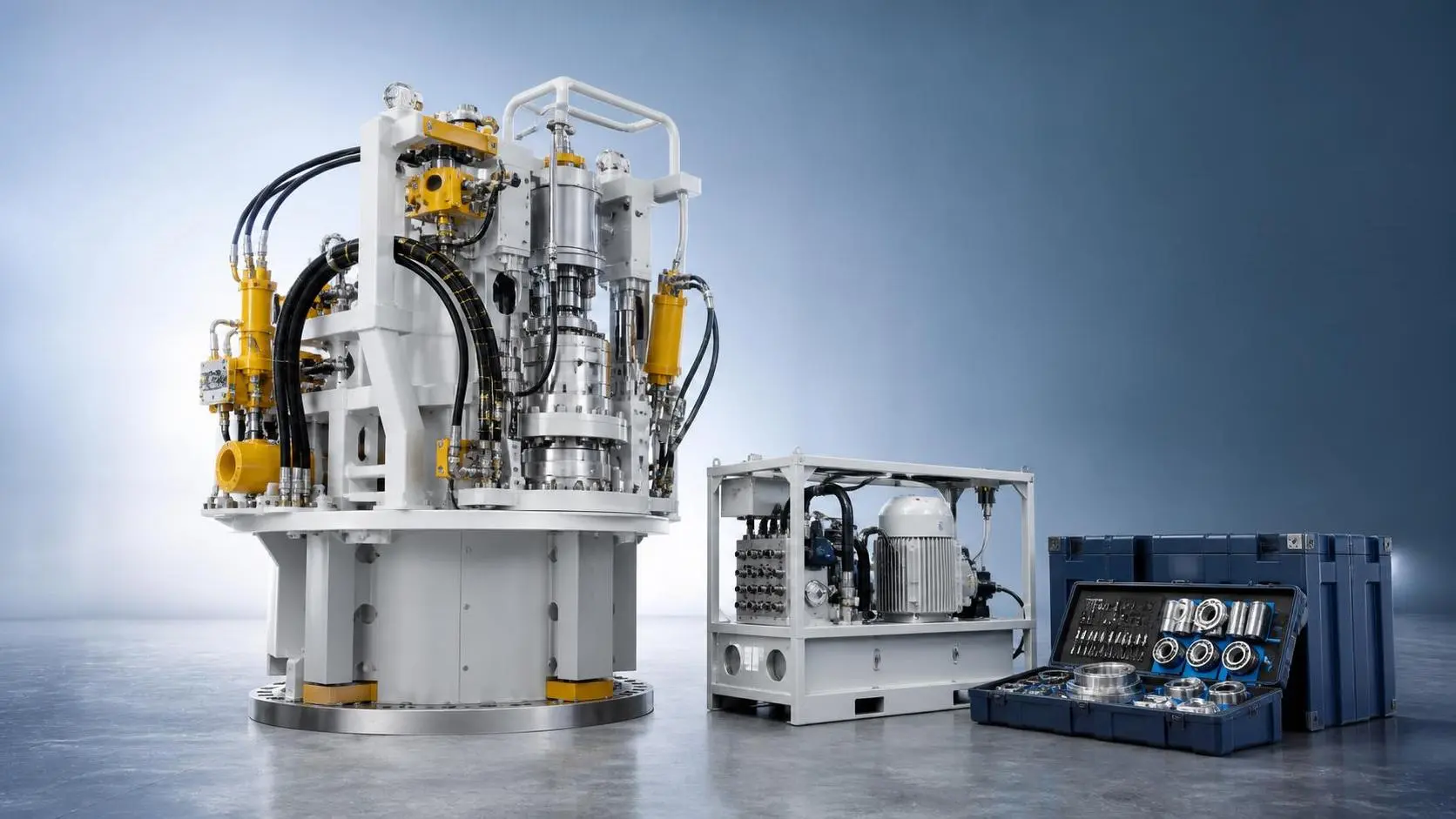
How to Evaluate a Pipe Jacking Equipment Distributor for Project Support and Uptime
Pipe jacking equipment distributor evaluation made practical: learn how to assess parts support, service response, training, and technical readiness to reduce downtime and protect project uptime.
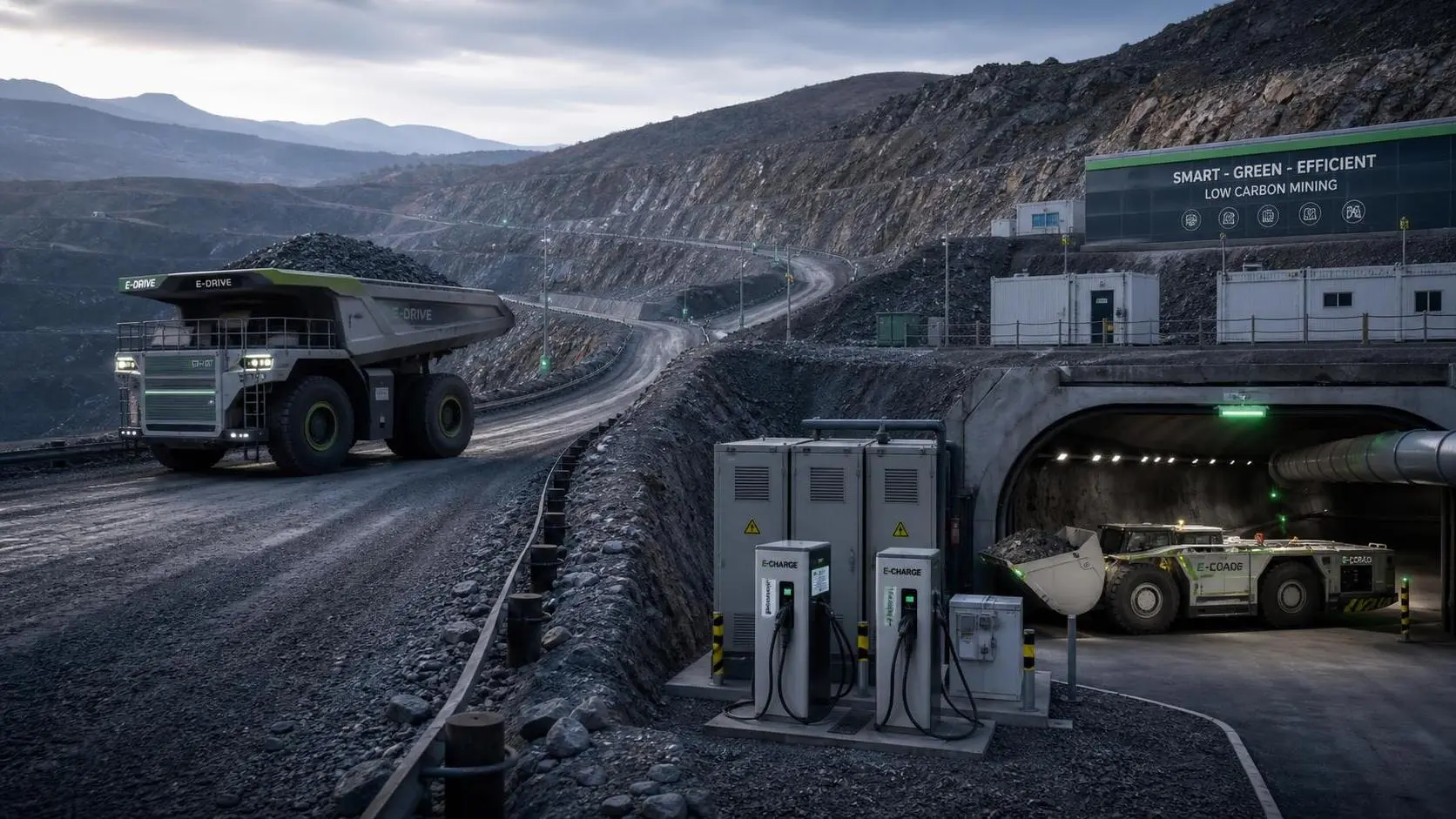
How to Build a Mining Decarbonization Strategy That Balances Emissions, Cost, and Fleet Reality
Mining decarbonization strategy starts with fleet reality. Learn how to cut emissions, control cost, and align power, ventilation, and production for a practical mine transition.
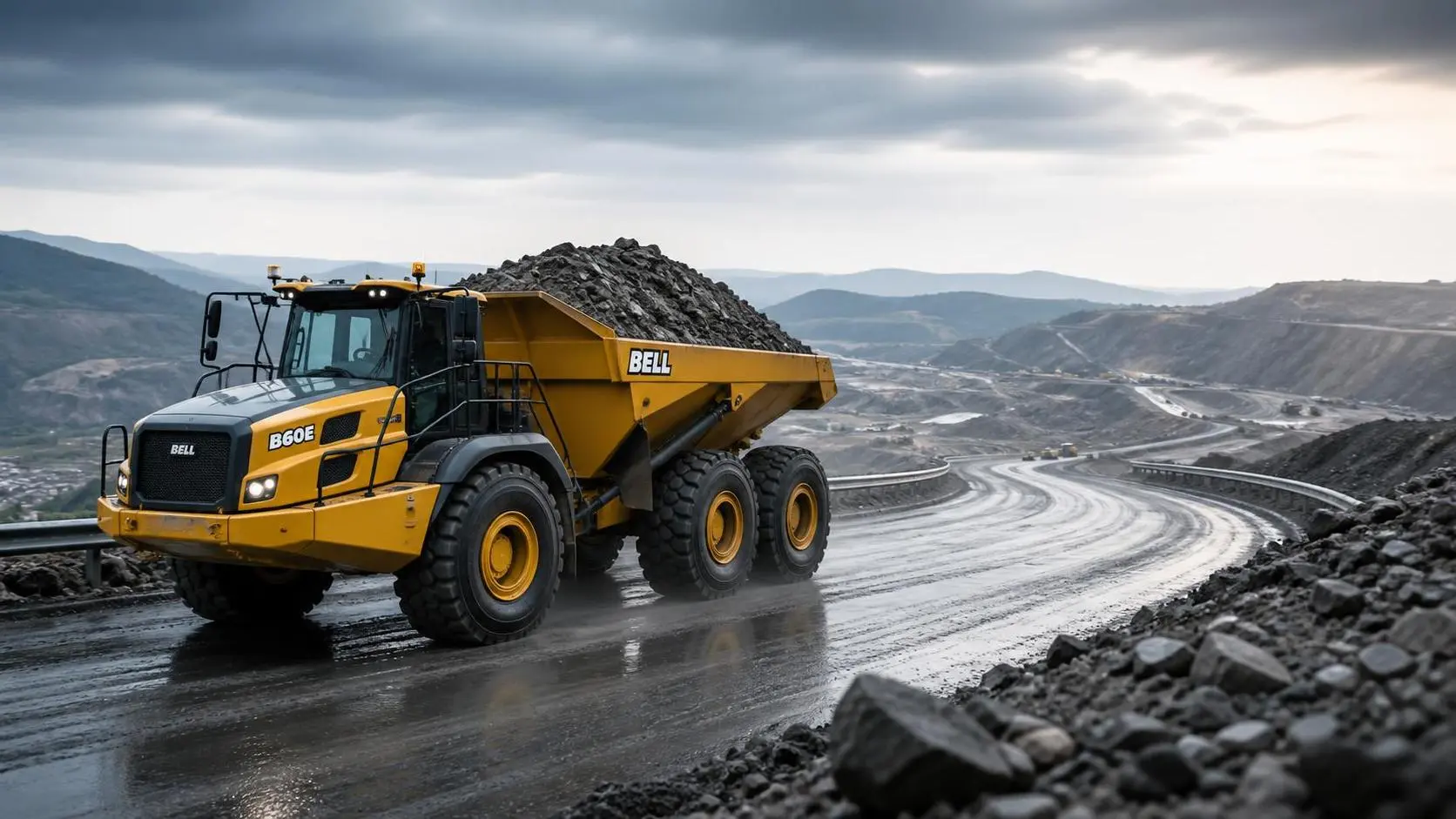
How to Evaluate Articulated Dump Trucks Payload for Haul Road Conditions and Cycle Efficiency
Articulated Dump Trucks payload evaluation starts with real haul road conditions, not brochure numbers. Learn how to balance payload, traction, grades, and cycle efficiency for safer, higher output.
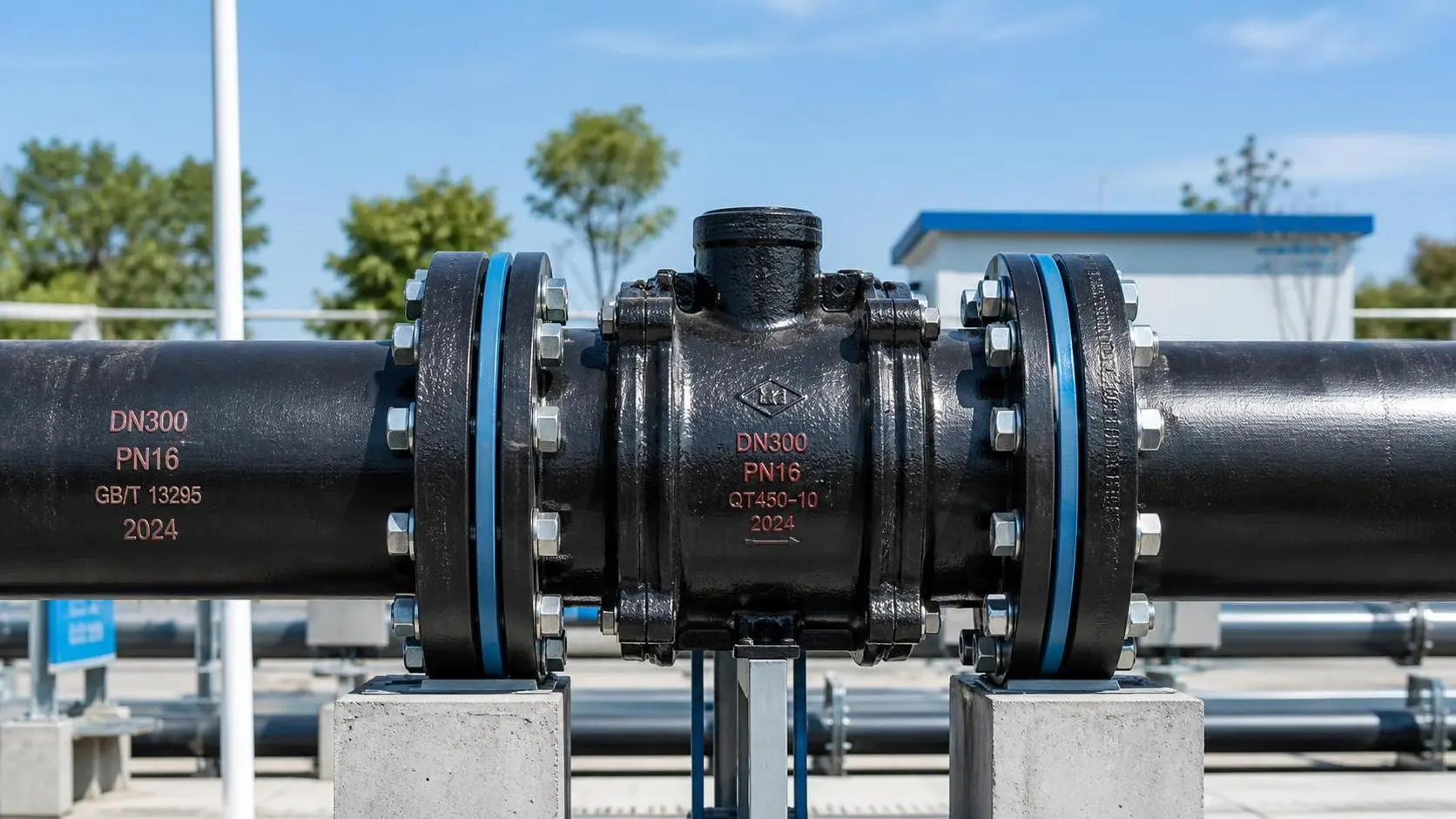
How Pipe Fittings Material and Pressure Class Affect Water Line Selection
Pipe fittings selection starts with material and pressure class. Learn how these factors affect water line reliability, corrosion resistance, installation, and long-term cost.
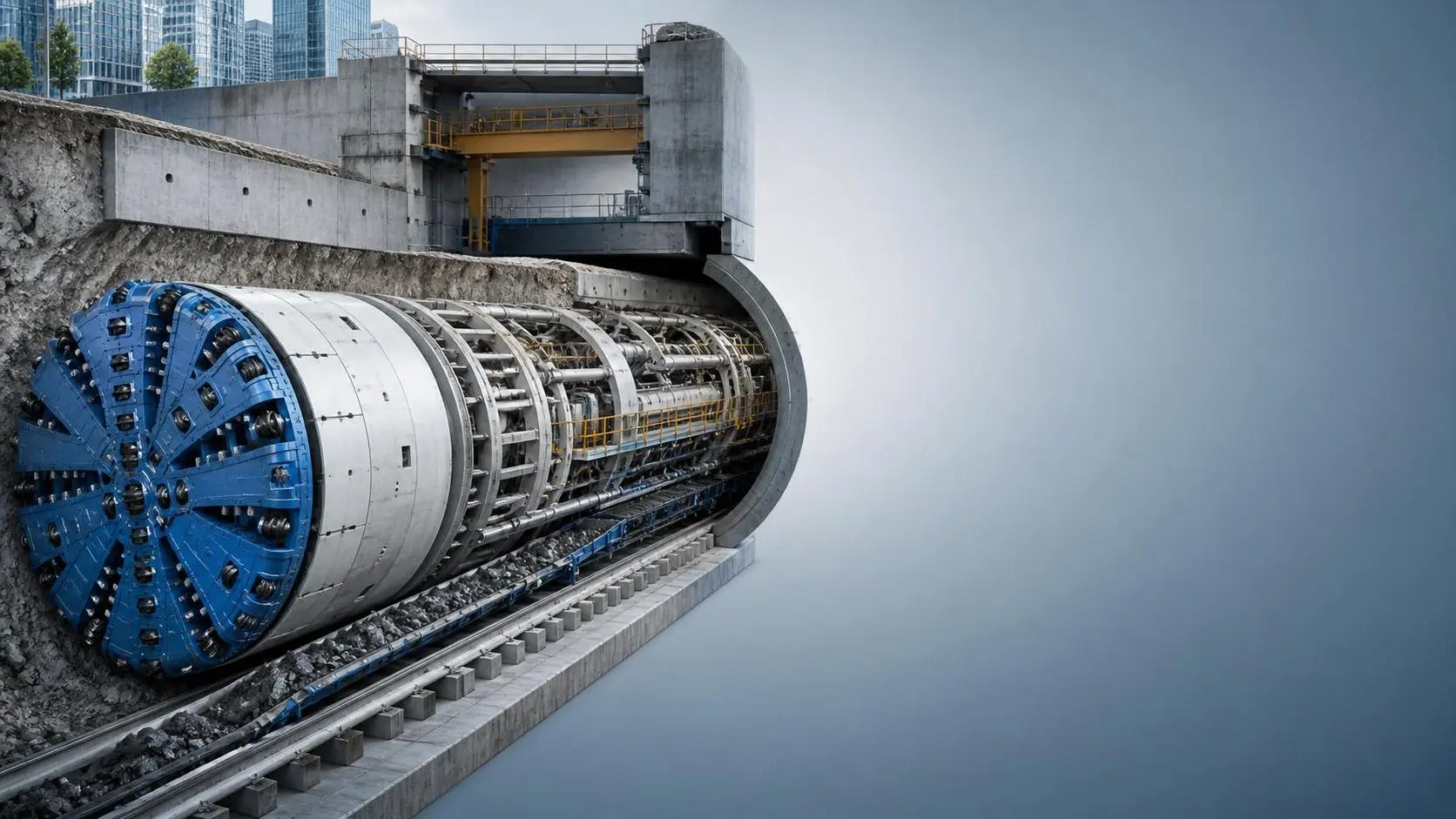
What Drives TBM Excavation Cost in Urban Tunneling Projects?
tbm excavation cost in urban tunneling depends on geology, shafts, segment lining, logistics, and risk. Discover the key cost drivers and compare bids with greater confidence.
What Does Energy Metals Mining in Australia Mean for Supply, Cost, and Project Risk?
Energy metals mining Australia is reshaping supply, cost, and project risk. Discover what it means for buyers, investors, and operators.
EU Eases Dual CE and UKCA Path for Chinese Tunnel Boring Equipment
EU eases CE and UKCA certification for Chinese tunnel boring equipment, cutting compliance time and helping importers move faster.
Related News
- 00
0000-00
How to Evaluate Underground Mine Automation Companies for Safety and ROI - 00
0000-00
How to Evaluate Underground Haulage Systems for Ore Output, Ramp Grade, and Ventilation Limits - 00
0000-00
How to Evaluate a Pipe Jacking Equipment Distributor for Project Support and Uptime - 00
0000-00
How to Build a Mining Decarbonization Strategy That Balances Emissions, Cost, and Fleet Reality - 00
0000-00
How to Evaluate Articulated Dump Trucks Payload for Haul Road Conditions and Cycle Efficiency
Weekly Insights
Stay ahead with our curated technology reports delivered every Monday.