
TBM Automation in Germany: Which Functions Deliver Measurable Gains on Urban Drives





Why Urban Drives in Germany Change the Automation Equation
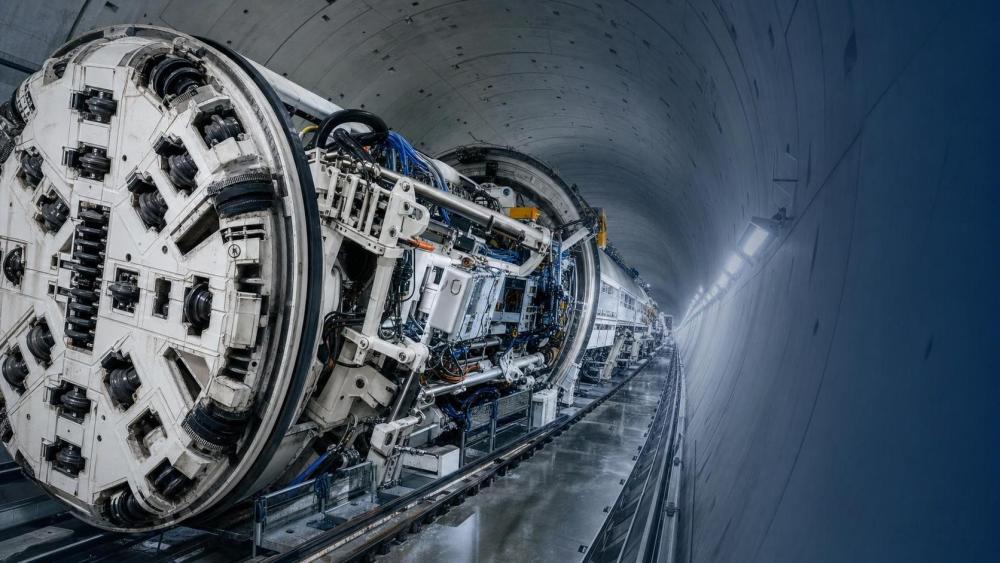
In dense German cities, tunnel boring is rarely judged by advance rate alone.
Projects run beneath rail corridors, utilities, heritage zones, and busy roads.
That is why tbm automation in Germany is increasingly evaluated through risk control, schedule stability, and repeatable quality.
The most valuable functions are not always the most visible ones.
Some cut stoppages during ring building.
Some reduce deviations that later trigger settlement concerns.
Others protect machine availability when spare windows are short and urban disruption is expensive.
From the UTMD perspective, this makes automation a systems question.
Mechanical cutting performance, zero-emission constraints underground, digital sensing, and maintenance intelligence all interact on the same drive.
A function that works well in a long rural tunnel may deliver weaker returns in a short urban section with frequent intervention points.
So the practical issue is clear: which layers of tbm automation in Germany produce measurable gains under urban conditions, and where should integration effort be concentrated first?
The Same TBM Does Not Face the Same Job on Every City Alignment
Urban drives differ because the operating envelope changes block by block.
Mixed ground, settlement limits, shaft logistics, and neighborhood restrictions alter the value of each automated function.
On one alignment, automated guidance may be the primary value creator.
On another, the bigger gain comes from segment handling consistency and fewer manual interruptions.
Where utility congestion is high, face pressure control and data traceability often matter more than peak excavation speed.
Where access windows are tight, predictive maintenance becomes the quiet driver of project economics.
This is where UTMD’s intelligence approach is useful.
Full-face TBM performance cannot be separated from sensor reliability, wear behavior, logistics flow, and the broader digitalization of underground assets.
In practice, tbm automation in Germany works best when automation priorities are matched to the constraints of the drive, not to a generic feature list.
Where measurable gains usually come from
- Better alignment control in curves, transitions, and settlement-sensitive sections.
- Shorter and more repeatable ring build cycles through automated segment handling.
- More stable face support through sensor-driven pressure and spoil feedback loops.
- Lower unplanned downtime through condition monitoring on cutters, hydraulics, and drives.
- Cleaner reporting for contractual proof, safety reviews, and urban stakeholder control.
On Settlement-Sensitive Routes, Guidance and Face Control Usually Pay First
Some German urban tunnels pass close to existing stations, basements, and aged utility corridors.
Here, tbm automation in Germany is often justified by precision before productivity.
Automated guidance helps maintain designed alignment with fewer operator corrections.
That matters when curvature, cover depth, and clearance margins leave little room for drift.
At the same time, automated face pressure adjustment reduces lag between ground response and machine control.
The measurable gain is often indirect but decisive.
Fewer corrective actions mean fewer pauses, less overreaction at the face, and stronger confidence in settlement management.
This is especially relevant in mixed geology, where manual control can vary between shifts.
A common misjudgment is to buy advanced navigation without upgrading the quality of geotechnical inputs.
Automation cannot compensate for weak reference data, poor calibration, or delayed field verification.
In this setting, the better approach is phased integration.
Start with closed-loop guidance, face support automation, and real-time traceability of deviations.
Then link those outputs to site response thresholds and intervention rules.
When Ring Building Bottlenecks the Drive, Segment Handling Matters More Than Headline Speed
Many urban projects lose time not at the cutterhead, but during repetitive internal handling tasks.
In those cases, tbm automation in Germany creates value through smoother ring logistics.
Automated segment transfer, positioning assistance, and erector coordination reduce waiting between excavation and lining.
The benefit is strongest on drives with tight cycle discipline and limited shaft throughput.
Urban constraints make this more important than it looks.
If segment supply arrives in narrow windows, one unstable ring cycle can cascade into shift-wide delays.
Automation helps by reducing variation, not just average duration.
That distinction is important in cities, where stable planning often has greater value than occasional peak performance.
However, segment handling automation should be checked against local ring design, gasket tolerance, and maintenance accessibility.
If those are ignored, a highly automated erector can still create stoppages through misalignment or slow recovery from faults.
A practical comparison of urban automation priorities
Longer Urban Sections Reward Predictive Maintenance More Than Many Teams Expect
Where drives run for extended periods with limited intervention opportunities, maintenance automation moves to the front.
This is one of the most underrated aspects of tbm automation in Germany.
Condition monitoring on disc cutters, bearings, hydraulic circuits, screw conveyors, and conveyor systems can prevent downtime clusters.
The gains become measurable when alerts are linked to maintenance planning, spare strategy, and intervention windows.
UTMD regularly tracks how mechanical wear, sensing quality, and operational discipline intersect.
That matters because predictive maintenance is only as useful as the response process behind it.
An alarm without a verified threshold or spare readiness does not produce real project gains.
Another common mistake is focusing only on cutter wear.
Urban stoppages often originate from support systems, data gaps, or minor components that interrupt a tightly planned cycle.
For this reason, predictive maintenance should cover both critical heavy components and repeat-failure subsystems.
Data Visibility Becomes More Valuable Where Safety and Emissions Rules Tighten
German urban tunnelling places growing weight on documented control, not only on achieved output.
So tbm automation in Germany increasingly includes traceable data layers around machine state, energy use, interventions, and environmental conditions.
This fits a wider industry pattern that UTMD follows across underground equipment.
Digitalization, electrification, and autonomous functions are converging because underground projects now need cleaner operation and better evidence.
On urban drives, the gain from automation may appear in cleaner audits, faster incident review, and better coordination between site teams.
These outcomes are less dramatic than advance-rate records, but they have direct commercial value.
They reduce dispute exposure and improve confidence when operating in public-facing environments.
The key judgment here is integration depth.
Standalone dashboards are useful, but measurable gains usually appear when data feeds operating decisions, maintenance schedules, and exception handling.
Points often missed before rollout
- Assuming all urban drives need the same automation stack.
- Comparing capital cost without modeling downtime exposure.
- Ignoring sensor maintenance and calibration discipline.
- Automating a process that still has unstable upstream logistics.
- Treating data capture as compliance only, not as an operational control tool.
A Better Way to Judge Fit Before Expanding tbm automation in Germany
The strongest automation roadmap usually starts with the bottleneck that most threatens urban delivery.
If settlement tolerance is narrow, prioritize guidance, face control, and traceability.
If ring cycles are unstable, focus on segment logistics and erector automation.
If intervention windows are scarce, build around predictive maintenance and spare planning.
That is the more reliable path for tbm automation in Germany than adopting every available function at once.
Before the next rollout step, it helps to map each urban section against four questions.
Which event causes the most expensive delay?
Which activity shows the highest cycle variation?
Which sensor-driven control can reduce manual inconsistency?
And which data stream is needed to prove stable performance?
Used that way, tbm automation in Germany stops being a technology label.
It becomes a practical method for matching underground machinery, urban constraints, and measurable project outcomes.
The next step is not a generic feature comparison.
It is a disciplined review of drive conditions, integration effort, maintenance readiness, and the cost of getting one critical function wrong.
Related News
How to Evaluate Pipe Jacking Equipment for Municipal Sewer and Utility Projects
Pipe jacking equipment for municipal projects: learn how to compare machine type, steering, spoil handling, safety, and lifecycle cost for reliable sewer and utility installation.
What Should a Mine Decarbonization Roadmap Include to Cut Emissions Without Hurting Output?
Mine decarbonization roadmap essentials: learn how to cut mining emissions with phased electrification, ventilation planning, and infrastructure readiness—without sacrificing output.
How to Evaluate Underground Mine Automation Companies for Safety and ROI
Underground mine automation companies vary widely in safety, interoperability, and ROI. Learn how to compare vendors, reduce deployment risk, and choose a scalable solution.
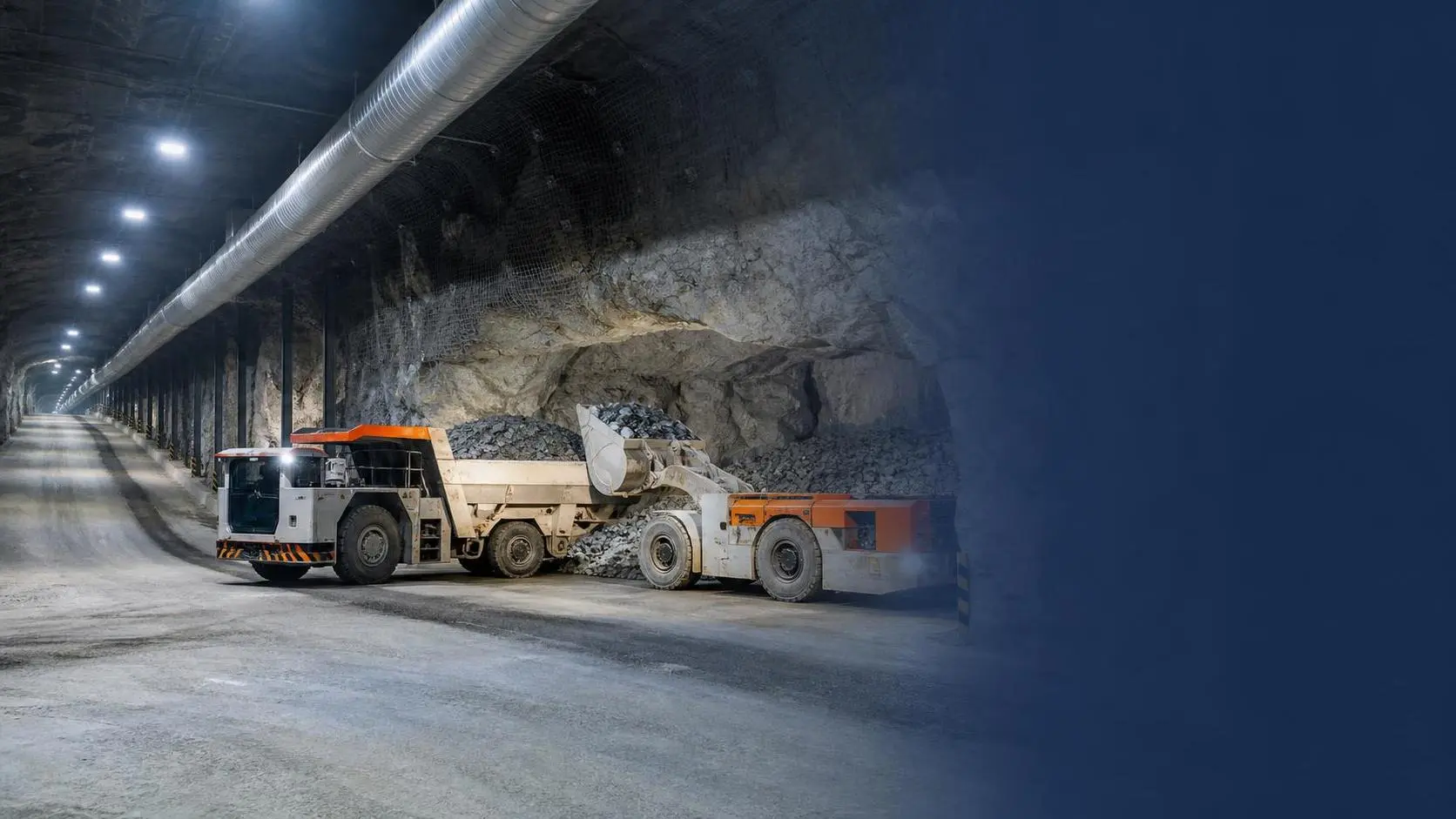
How to Evaluate Underground Haulage Systems for Ore Output, Ramp Grade, and Ventilation Limits
Underground haulage systems should be evaluated by ore output, ramp grade, and ventilation limits—not brochures. Learn how to compare trucks, LHDs, and electric options for smarter mine planning.
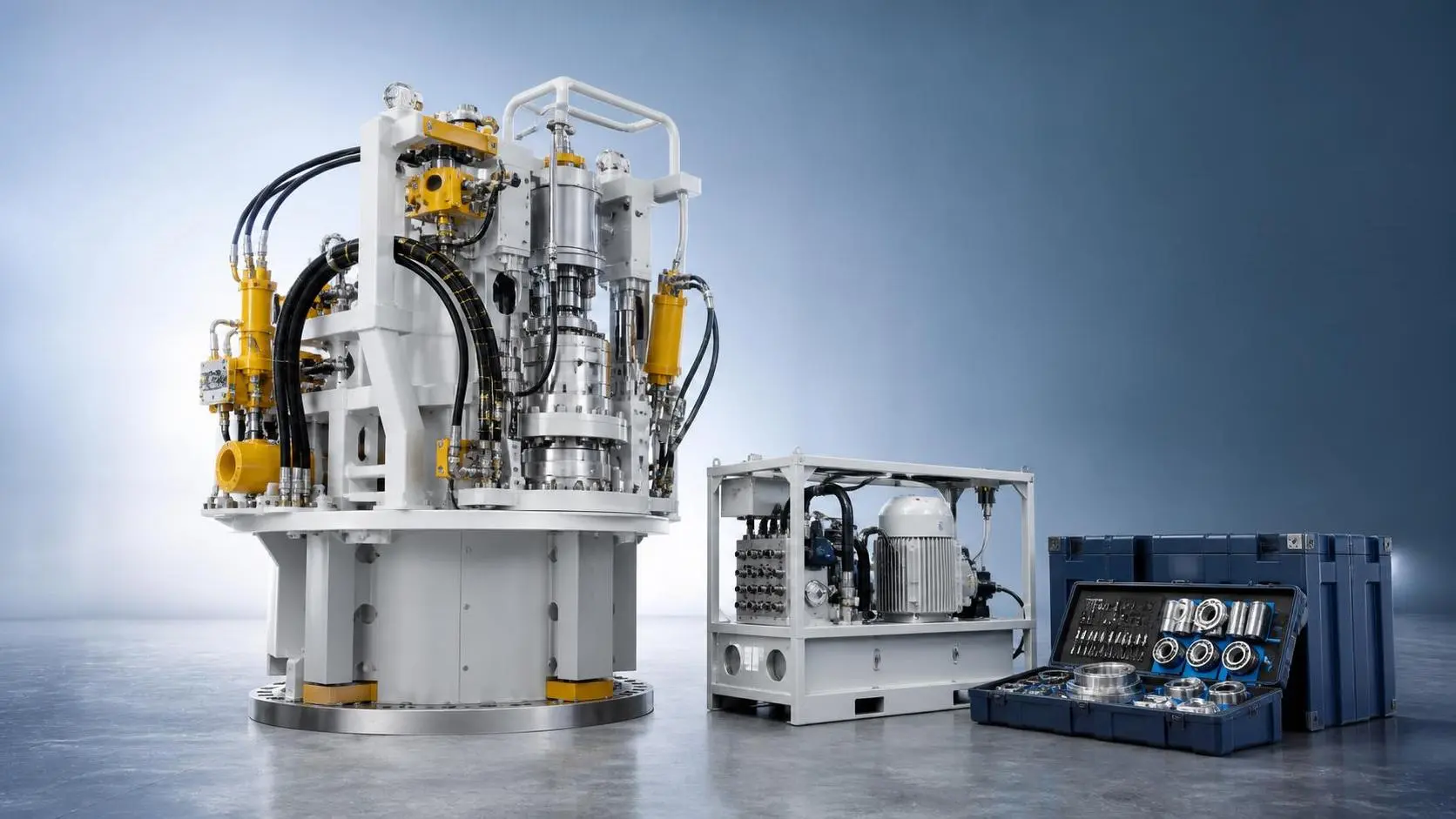
How to Evaluate a Pipe Jacking Equipment Distributor for Project Support and Uptime
Pipe jacking equipment distributor evaluation made practical: learn how to assess parts support, service response, training, and technical readiness to reduce downtime and protect project uptime.
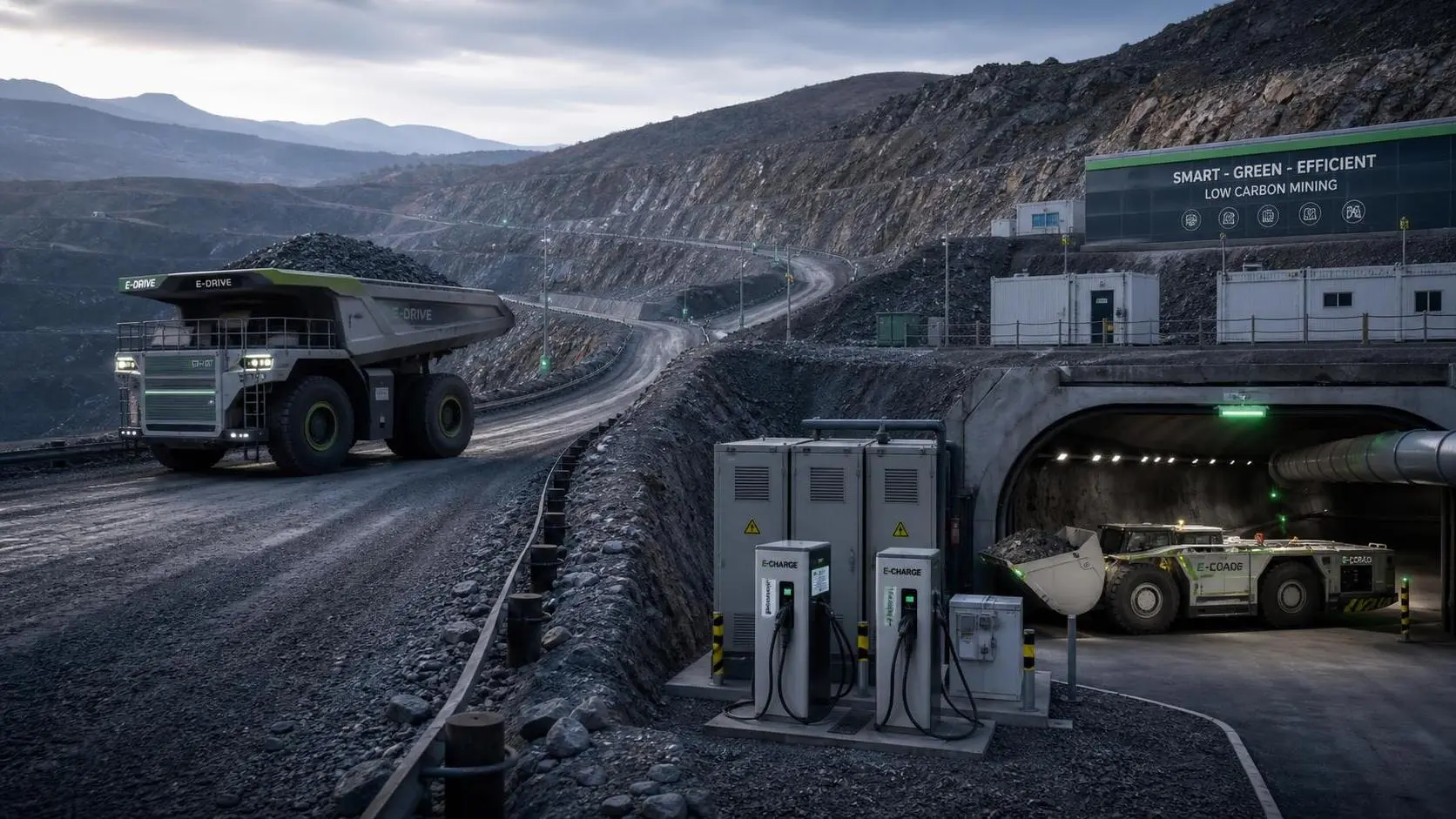
How to Build a Mining Decarbonization Strategy That Balances Emissions, Cost, and Fleet Reality
Mining decarbonization strategy starts with fleet reality. Learn how to cut emissions, control cost, and align power, ventilation, and production for a practical mine transition.
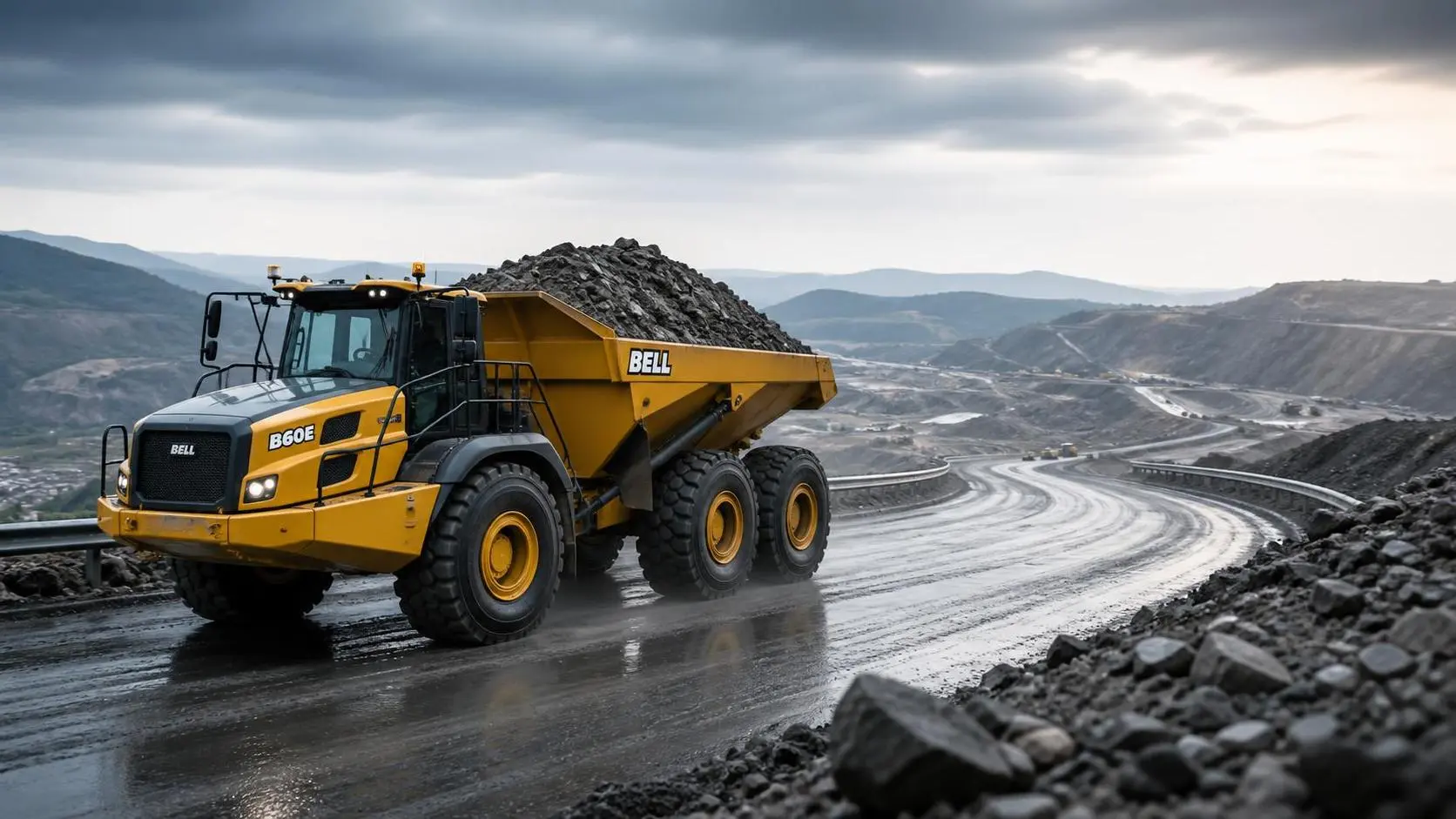
How to Evaluate Articulated Dump Trucks Payload for Haul Road Conditions and Cycle Efficiency
Articulated Dump Trucks payload evaluation starts with real haul road conditions, not brochure numbers. Learn how to balance payload, traction, grades, and cycle efficiency for safer, higher output.
How Pipe Fittings Material and Pressure Class Affect Water Line Selection
Pipe fittings selection starts with material and pressure class. Learn how these factors affect water line reliability, corrosion resistance, installation, and long-term cost.
What Drives TBM Excavation Cost in Urban Tunneling Projects?
tbm excavation cost in urban tunneling depends on geology, shafts, segment lining, logistics, and risk. Discover the key cost drivers and compare bids with greater confidence.
Related News
- 00
0000-00
How to Evaluate Pipe Jacking Equipment for Municipal Sewer and Utility Projects - 00
0000-00
What Should a Mine Decarbonization Roadmap Include to Cut Emissions Without Hurting Output? - 00
0000-00
How to Evaluate Underground Mine Automation Companies for Safety and ROI - 00
0000-00
How to Evaluate Underground Haulage Systems for Ore Output, Ramp Grade, and Ventilation Limits - 00
0000-00
How to Evaluate a Pipe Jacking Equipment Distributor for Project Support and Uptime
Weekly Insights
Stay ahead with our curated technology reports delivered every Monday.