
Australia Enforces AS/NZS 62943:2026 for EV Mining Trucks





On July 8, 2026, Standards Australia formally made AS/NZS 62943:2026 mandatory for electric mining trucks sold or imported into Australia, including EV and hydrogen mining trucks. The change matters because it turns underground battery thermal runaway protection from a technical preference into a market-entry requirement, with direct implications for exporters, manufacturers, certification workflows, procurement review, and delivery timing.
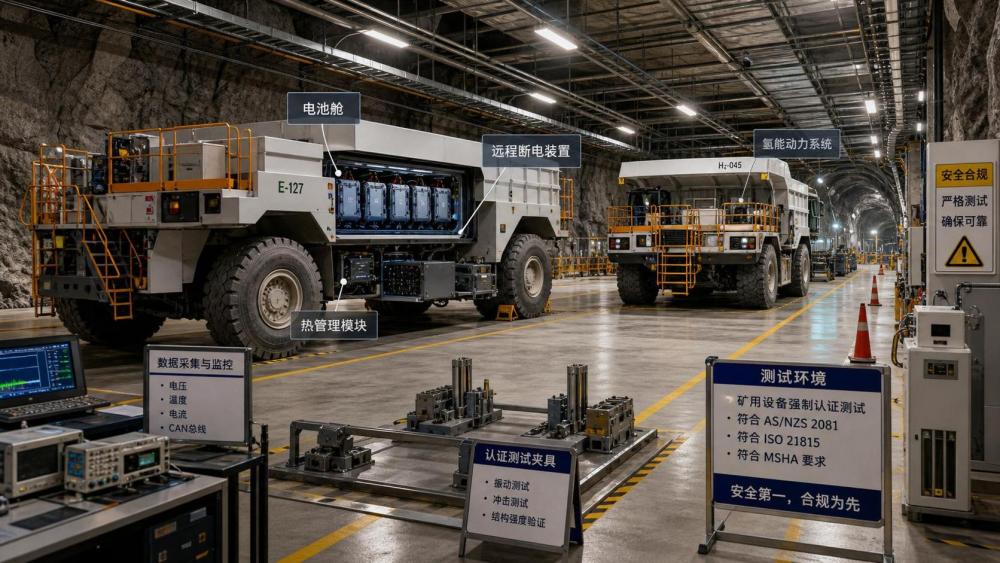
A mandatory certification threshold is now in place
The confirmed change is that AS/NZS 62943:2026 became compulsory on July 8, 2026. Under this requirement, all electric mining trucks sold or imported into Australia, including EV and hydrogen mining trucks, must obtain third-party certification for a battery thermal runaway interlock protection system designed for underground operating conditions.
The certification scope stated in the provided information covers thermal management, compartment flame resistance, remote power-off response, and multi-sensor fused alarm logic. The same information also indicates that the requirement directly affects export access and type-approval timing for Chinese manufacturers.
Where the immediate business pressure is likely to appear
Export access and product approval reviews
For exporters and vehicle manufacturers targeting the Australian market, the rule change may affect whether products can proceed into sales or import channels without the required third-party certification. From an industry perspective, the pressure point is not only product design, but also the timing of type approval, technical file preparation, and compliance review before shipment or market launch.
Procurement screening and supplier qualification
For buyers, project owners, and procurement teams, the new requirement may shift supplier screening toward proof of certification readiness and supporting compliance documents. What deserves closer attention is whether bid documents, technical specifications, and supplier qualification checks begin to treat underground thermal runaway protection certification as a prerequisite rather than a later-stage confirmation.
Testing and certification support activity
For certification-related firms and testing service providers, the change is likely to concentrate demand around third-party assessment of thermal management, compartment flame resistance, remote shut-off response, and alarm logic integration. The business impact may appear in document review, test scheduling, evidence collection, and coordination between manufacturers and certification bodies.
Delivery planning and after-sales obligations
For supply chain service providers and after-sales teams, the new rule may influence delivery sequencing and handover readiness. Analysis shows that once certification becomes part of entry compliance, shipment planning, acceptance documentation, and post-delivery traceability may receive closer scrutiny, especially where underground operating safety features are concerned.
What companies should check now
Review whether current models map clearly to the certification scope
Companies selling or planning to export into Australia should first review whether their vehicle configurations, including EV and hydrogen mining truck platforms, align with the stated certification scope for underground battery thermal runaway interlock protection. This is particularly relevant where product variants differ in thermal management architecture, compartment design, remote power-off response, or sensor-based alarm logic.
Prepare technical files and compliance evidence earlier in the sales cycle
Observably, this change increases the value of complete technical documentation before bids, customer review, or shipment preparation. Firms should pay closer attention to the availability and consistency of test materials, technical descriptions, certification application records, and compliance statements that may be requested during approval or procurement review.
Watch for shifts in approval timing and contract execution
The provided information confirms an impact on export access and type-approval timing, but it does not provide detailed implementation timing by case. It is therefore more appropriate to understand this as a live compliance requirement that may affect delivery planning, contract milestones, and import preparation, while specific execution rhythms still need to be monitored in practice.
Track later wording in tenders and market-facing documents
Because the input does not include detailed enforcement guidance, companies should continue watching how the requirement appears in tender documents, procurement specifications, certification requests, and customer-side compliance language. This is especially important for firms that rely on model approval timing to structure manufacturing and shipment commitments.
Why this should be read as an execution signal
Analysis shows that this development is better understood as a rule already in force rather than a preliminary policy discussion. The key point is that third-party certification for underground thermal runaway interlock protection has been tied to sales and import access in Australia. At the same time, the market still needs to observe how certification expectations are applied in document review, type approval handling, and procurement practice, because those operational details were not provided in the input.
From an industry perspective, the significance lies in the compliance sequence. Once a technical safety function becomes a mandatory certification item, it can move from engineering review into commercial gating, affecting who can bid, who can ship, and how quickly products can be recognized for market entry.
How to interpret the development at this stage
The most measured reading is that Australia has raised a clear compliance threshold for electric mining trucks used in underground-related operating contexts, and that the effect is likely to be felt first in certification preparation, export qualification, procurement checks, and approval timelines. This does not by itself confirm how quickly every market participant will adjust, but it does signal that companies exposed to the Australian market should treat the requirement as an active compliance condition rather than a distant policy trend.
Basis of this article and what still needs verification
This article is based on the user-provided news title, event date, and event summary. For events of this type, relevant source categories typically include official announcements, regulator publications, customs or trade authority notices, industry association releases, standards organization documents, and reporting by authoritative industry media. A specific official source link was not provided in the input, so the precise official source path still needs to be verified on an ongoing basis.
Further observation is still needed on implementation details, certification interpretation, tender wording changes, market feedback, and how companies are handling compliance execution in practice.
Related News
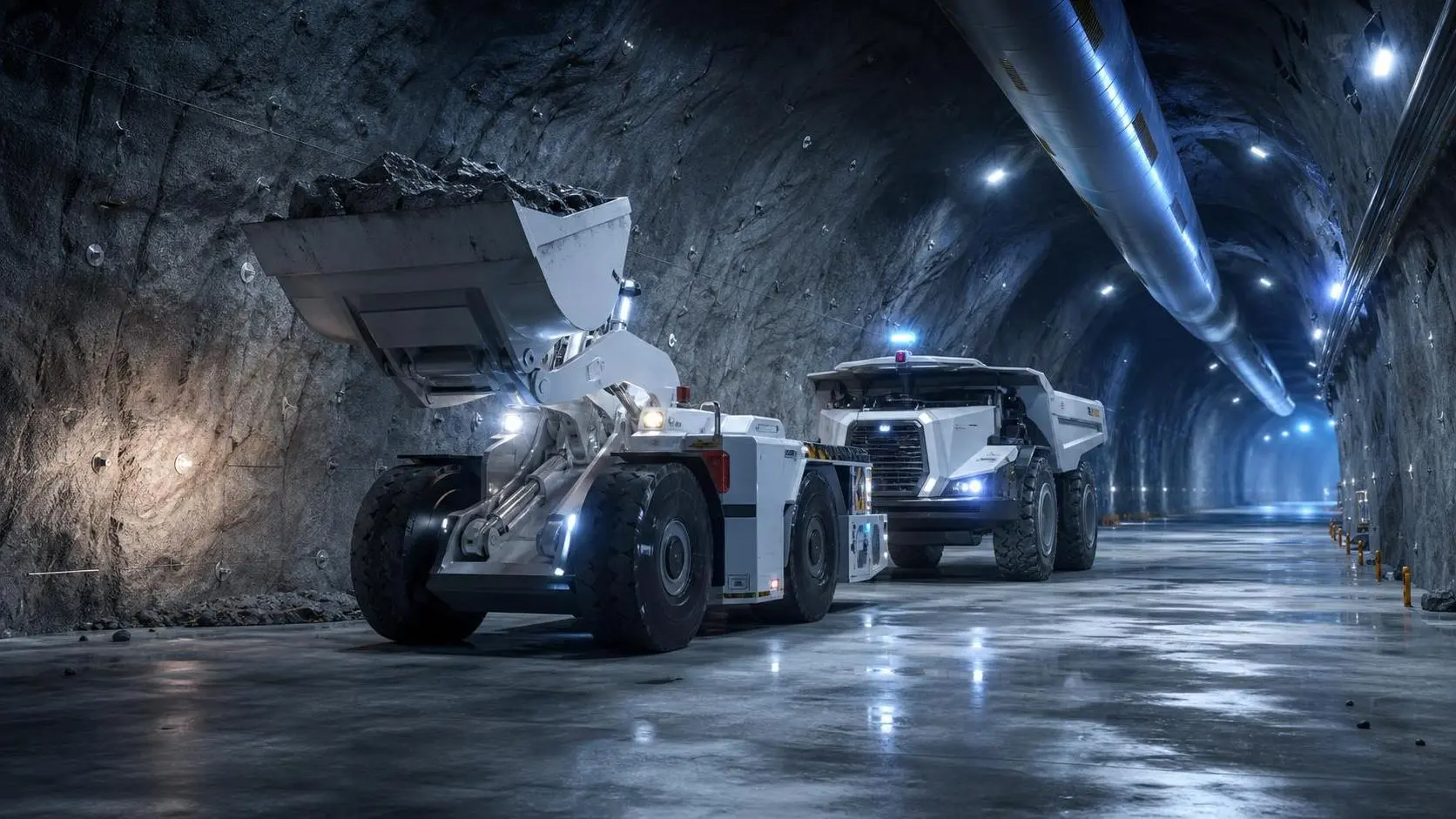
How to Evaluate Underground Mine Automation Companies for Safety and ROI
Underground mine automation companies vary widely in safety, interoperability, and ROI. Learn how to compare vendors, reduce deployment risk, and choose a scalable solution.
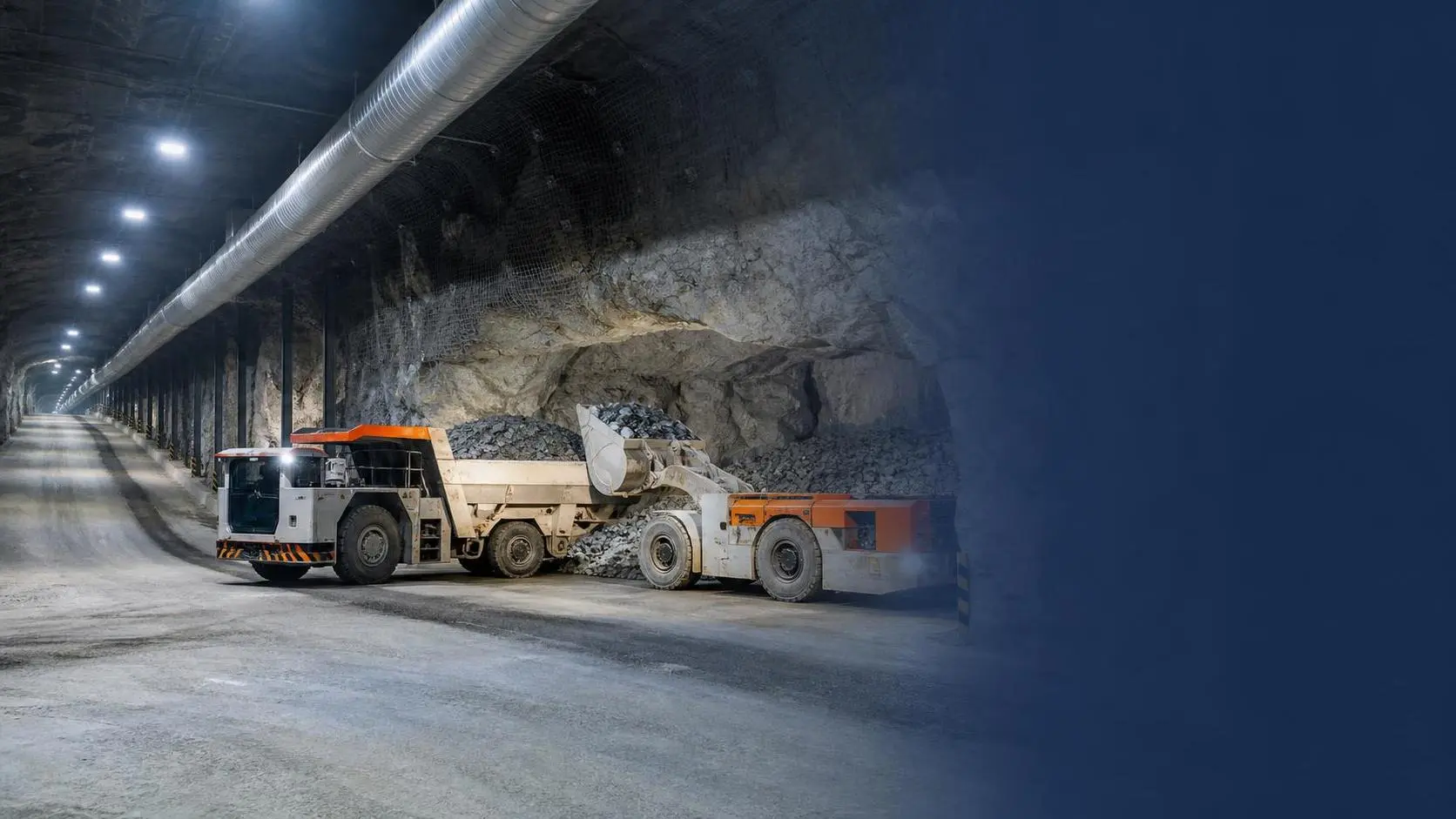
How to Evaluate Underground Haulage Systems for Ore Output, Ramp Grade, and Ventilation Limits
Underground haulage systems should be evaluated by ore output, ramp grade, and ventilation limits—not brochures. Learn how to compare trucks, LHDs, and electric options for smarter mine planning.
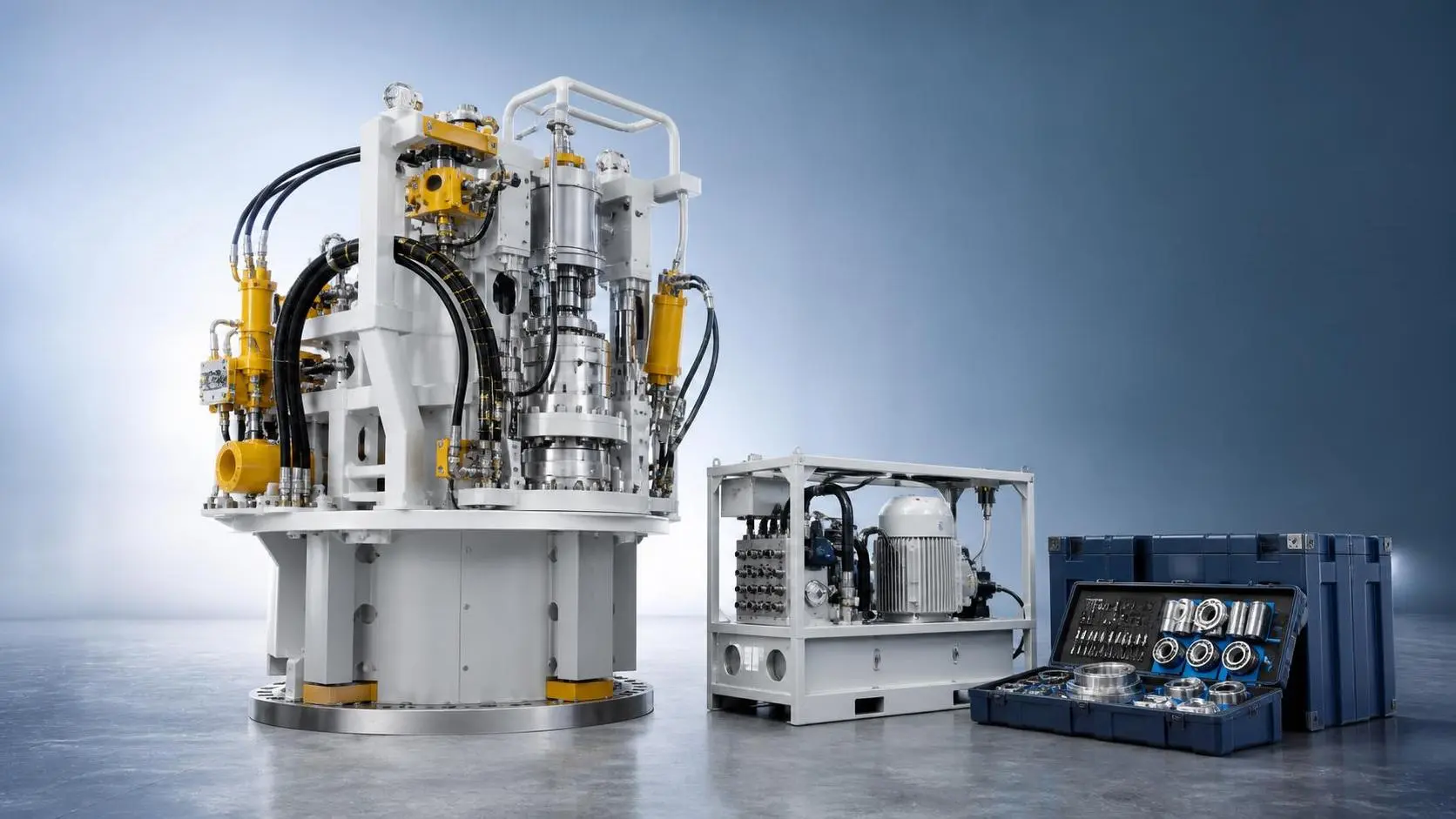
How to Evaluate a Pipe Jacking Equipment Distributor for Project Support and Uptime
Pipe jacking equipment distributor evaluation made practical: learn how to assess parts support, service response, training, and technical readiness to reduce downtime and protect project uptime.
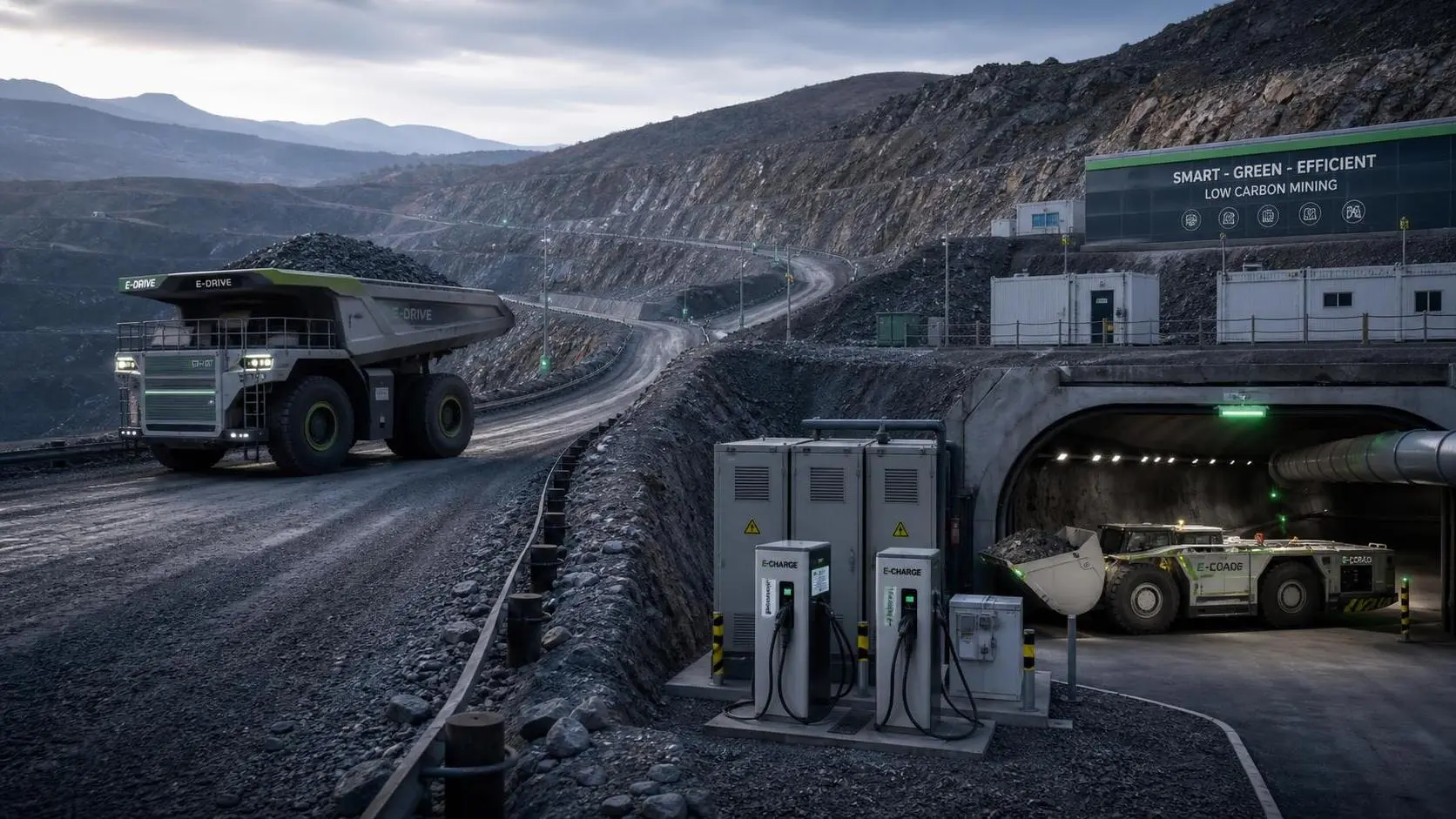
How to Build a Mining Decarbonization Strategy That Balances Emissions, Cost, and Fleet Reality
Mining decarbonization strategy starts with fleet reality. Learn how to cut emissions, control cost, and align power, ventilation, and production for a practical mine transition.
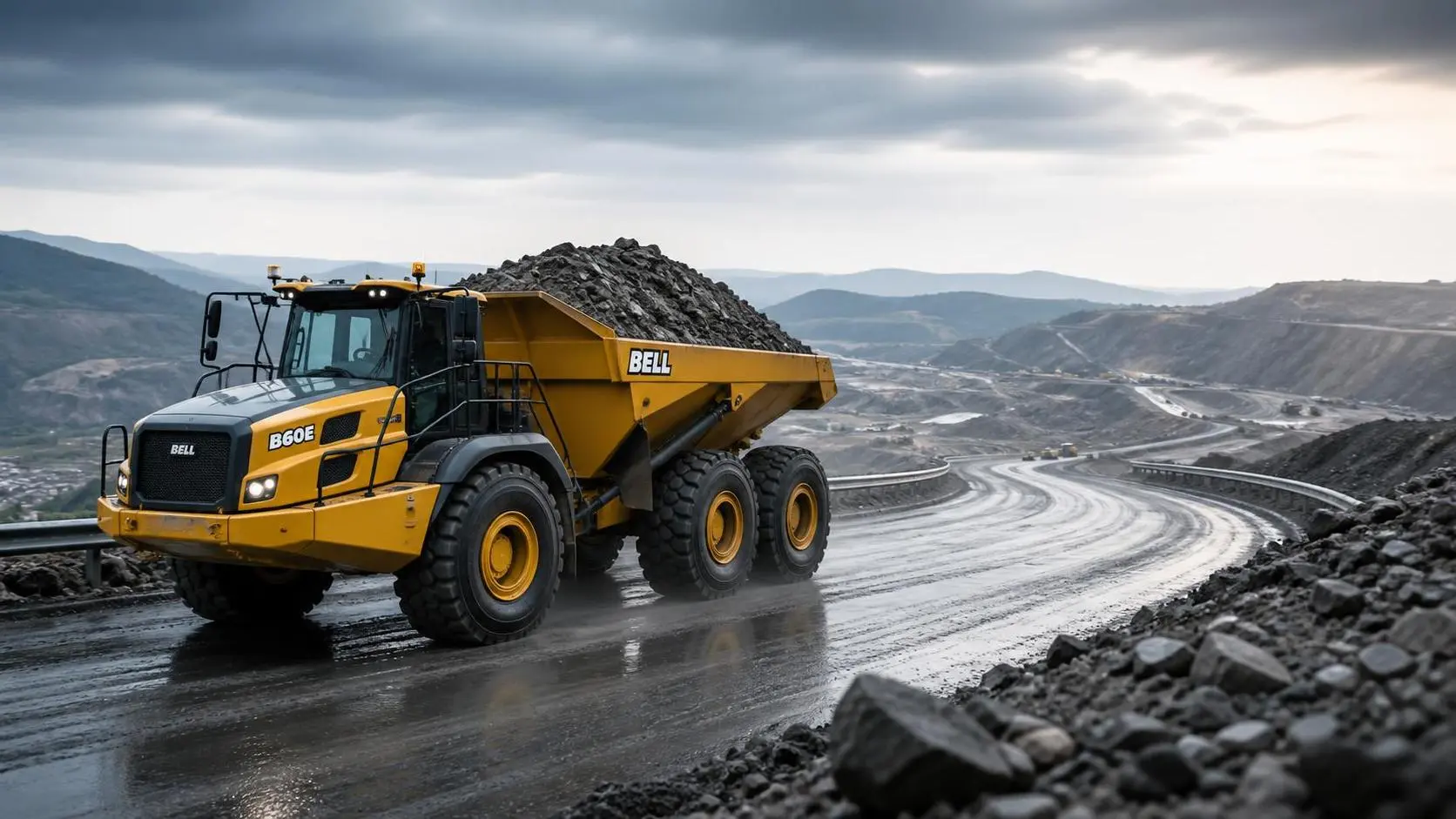
How to Evaluate Articulated Dump Trucks Payload for Haul Road Conditions and Cycle Efficiency
Articulated Dump Trucks payload evaluation starts with real haul road conditions, not brochure numbers. Learn how to balance payload, traction, grades, and cycle efficiency for safer, higher output.
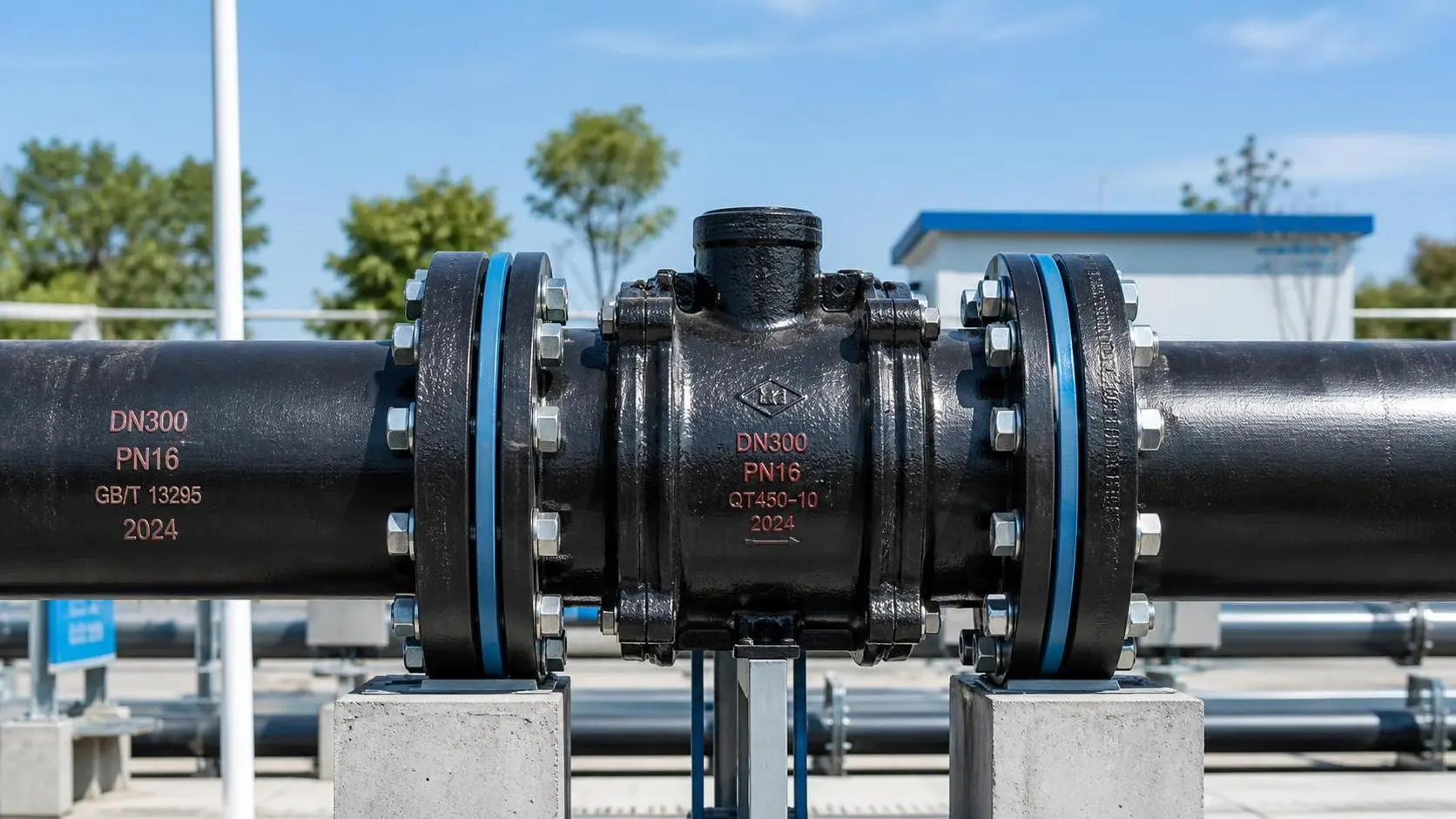
How Pipe Fittings Material and Pressure Class Affect Water Line Selection
Pipe fittings selection starts with material and pressure class. Learn how these factors affect water line reliability, corrosion resistance, installation, and long-term cost.
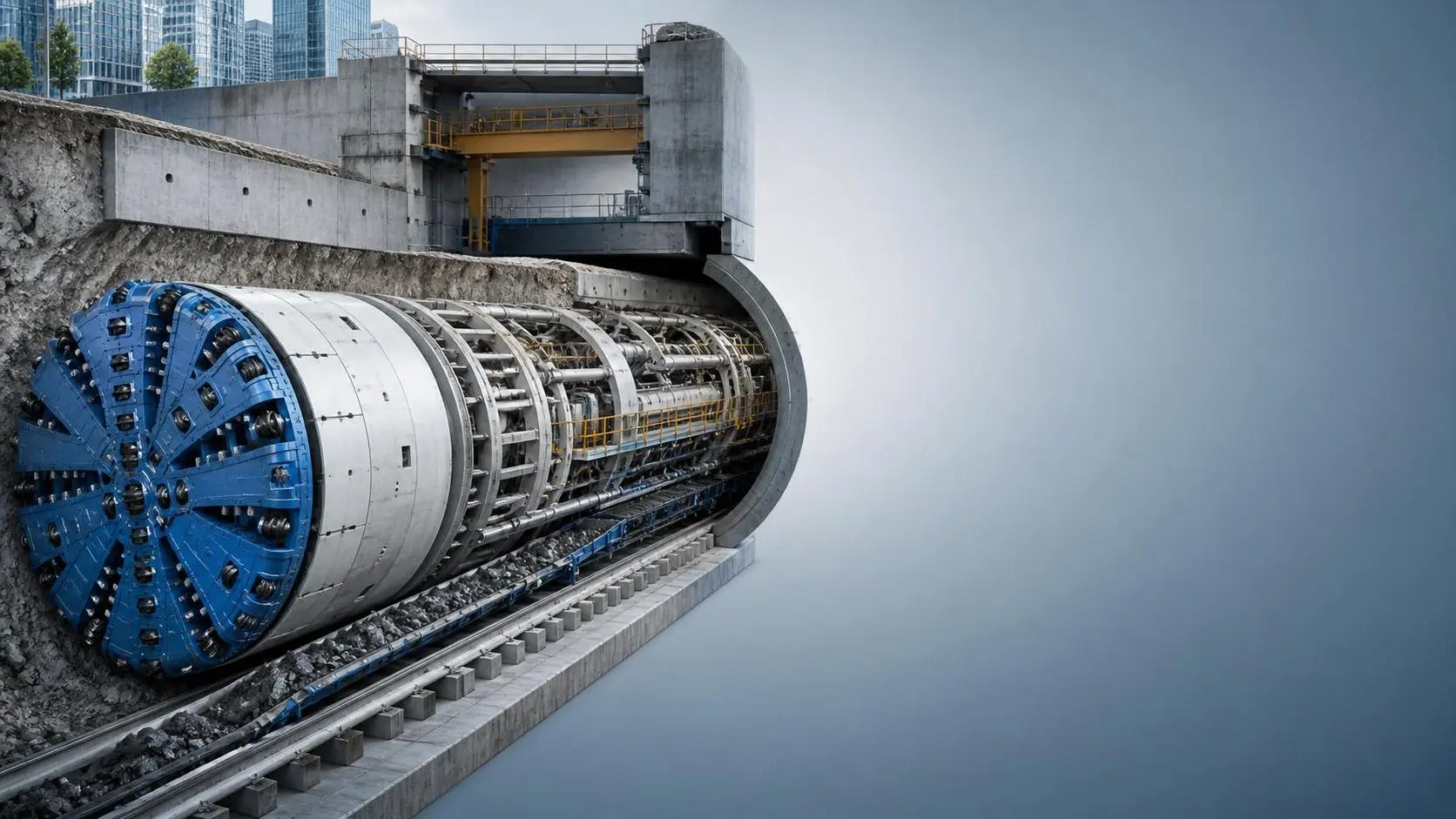
What Drives TBM Excavation Cost in Urban Tunneling Projects?
tbm excavation cost in urban tunneling depends on geology, shafts, segment lining, logistics, and risk. Discover the key cost drivers and compare bids with greater confidence.
What Does Energy Metals Mining in Australia Mean for Supply, Cost, and Project Risk?
Energy metals mining Australia is reshaping supply, cost, and project risk. Discover what it means for buyers, investors, and operators.
EU Eases Dual CE and UKCA Path for Chinese Tunnel Boring Equipment
EU eases CE and UKCA certification for Chinese tunnel boring equipment, cutting compliance time and helping importers move faster.
Related News
- 00
0000-00
How to Evaluate Underground Mine Automation Companies for Safety and ROI - 00
0000-00
How to Evaluate Underground Haulage Systems for Ore Output, Ramp Grade, and Ventilation Limits - 00
0000-00
How to Evaluate a Pipe Jacking Equipment Distributor for Project Support and Uptime - 00
0000-00
How to Build a Mining Decarbonization Strategy That Balances Emissions, Cost, and Fleet Reality - 00
0000-00
How to Evaluate Articulated Dump Trucks Payload for Haul Road Conditions and Cycle Efficiency
Weekly Insights
Stay ahead with our curated technology reports delivered every Monday.