
EU Tightens PFAS Limit in Rock Drill Lubricants





On July 8, 2026, the European Commission issued Regulation (EU) 2026/1192 to revise REACH Annex XVII by lowering the total PFAS limit for lubricants used with hydraulic rock drills from 500 ppb to 50 ppb, with mandatory application from January 1, 2027. This change matters beyond product formulation alone: it reaches imported equipment lubrication systems and the aftermarket oil supply chain, making compliance review, substitute lubricant selection, testing, certification, procurement, and delivery readiness immediate concerns for exporters and related suppliers.
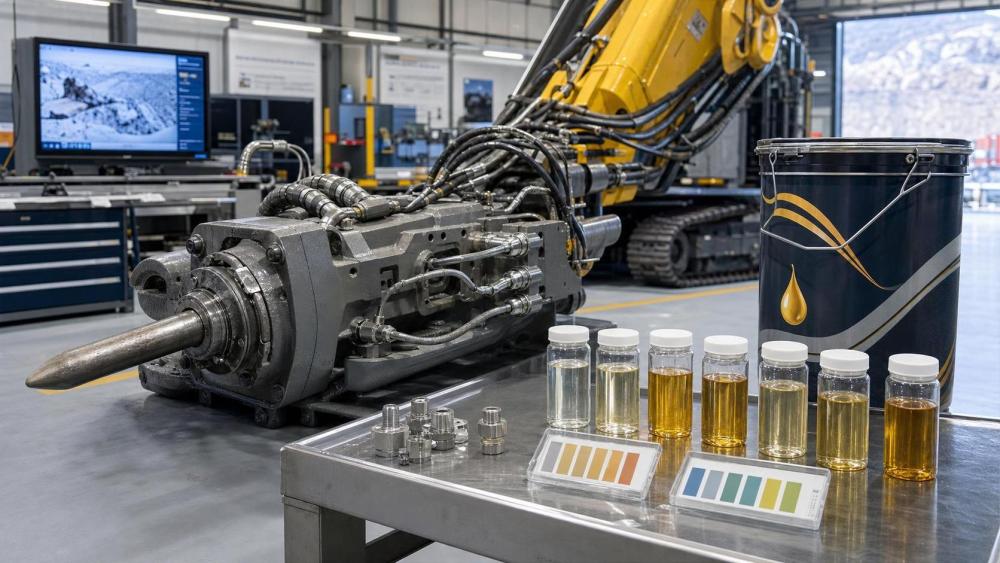
What the rule change clearly confirms
The confirmed facts are limited but commercially significant. The European Commission updated REACH Annex XVII through Regulation (EU) 2026/1192 on July 8, 2026. The rule lowers the total PFAS content limit in lubricants for hydraulic rock drills from 500 ppb to 50 ppb. The new requirement becomes mandatory on January 1, 2027. According to the provided summary, the scope covers both lubrication systems in imported complete equipment and the aftermarket supply chain for related oil products. The same summary also indicates that the change creates urgent compliance substitution and testing or certification pressure for Chinese exporters.
Where the pressure is likely to emerge first
Equipment exporters face a broader compliance check
From an industry perspective, exporters of hydraulic rock drills may be affected because the rule is not limited to standalone lubricants. Where lubricants are part of the delivered equipment system, compliance questions may extend into product configuration, technical documentation, shipment preparation, and customer acceptance. What deserves closer attention is whether existing product files, compliance statements, and delivery documents are still aligned with the tightened 50 ppb threshold.
Aftermarket suppliers may see faster procurement adjustments
Suppliers involved in replacement oils and aftermarket support may be affected because the summary explicitly includes the aftermarket oil supply chain. Analysis shows that this can influence procurement decisions, approved supplier lists, stock planning, and the review of supporting test materials. For businesses serving EU-bound demand, the practical issue is less about general policy discussion and more about whether the supplied lubricant can still be placed into the relevant service chain after the mandatory date.
Testing and certification-related service providers may face tighter review expectations
Testing and certification-related participants may see increased demand because the summary directly points to urgent testing and certification needs. Observably, when a threshold is reduced by this magnitude, supporting reports and compliance evidence become more central in trade and delivery discussions. The immediate business impact is likely to fall on document readiness, sample verification, and the consistency between technical claims and compliance records.
Procurement and delivery teams will need closer supplier coordination
Procurement teams, distributors, and supply chain service providers may be affected where product delivery depends on approved lubricants or bundled after-sales support. Analysis shows that the rule change can translate into a need to recheck supplier qualifications, lubricant specifications, and delivery conditions tied to EU-bound orders. The operational risk is not limited to manufacturing; it can also appear in purchasing, inventory turnover, service package design, and post-delivery support arrangements.
What companies should review before the deadline
Recheck lubricant specifications against the new threshold
Analysis shows that companies connected to hydraulic rock drills should begin by identifying which products, systems, and aftermarket items fall within the scope described in the provided summary. The key practical task is to confirm whether current lubricants, substitute options, and technical specifications can support the 50 ppb limit from January 1, 2027 onward.
Prepare compliance files for both equipment and oil supply
What deserves closer attention is the documentation chain. Where lubricants are supplied with complete equipment or through after-sales channels, companies may need to review test reports, technical data, declarations, internal compliance files, and transaction documents for consistency. Because the input does not provide detailed enforcement mechanics, this should be understood as a preparation priority rather than a confirmed checklist from regulators.
Watch for changes in procurement language and bid requirements
Observably, commercial implementation often appears first in procurement specifications, customer compliance requests, and supplier onboarding conditions. Companies involved in EU-facing business should therefore monitor whether tender documents, purchase terms, technical bid alignment, or after-sales supply requirements begin to reflect the revised PFAS limit. This remains an area to watch rather than a confirmed outcome in every transaction.
Review delivery timing and transition exposure
Analysis shows that the January 1, 2027 mandatory date creates a practical transition issue for orders, replenishment planning, and service commitments that may span the enforcement boundary. The provided information does not state how transitional scenarios will be handled in detail, so companies should focus on contract timing, stock exposure, and the traceability of lubricants intended for EU-linked delivery and service use.
Why this looks like an execution signal, not just a policy headline
Observably, this update is better understood as a concrete execution signal rather than a general discussion about PFAS. The threshold change is explicit, the enforcement date is fixed, and the scope described in the input extends into both complete equipment systems and aftermarket supply. At the same time, it is still too early to claim uniform market outcomes because the provided information does not include detailed enforcement interpretations, accepted documentation formats, or customer-side implementation practices. From an industry perspective, the immediate meaning is clear, while the exact compliance pathway still warrants continued observation.
How to read this development now
It is more appropriate to understand this development as a confirmed rule tightening with near-term operational consequences for affected supply chains. The core issue is not only that the PFAS limit has been reduced, but that the revised threshold can influence exports, procurement, testing, certification preparation, and aftermarket delivery linked to hydraulic rock drills. A rational reading is that the rule has already moved from policy text into compliance planning, while the details of market implementation still need to be tracked carefully.
Basis of this article and what still needs verification
This article is generated from the user-provided news title, event date, and event summary. For developments of this kind, commonly relevant source types may include official announcements, regulator publications, customs or trade authority information, industry association updates, standards organization documents, and reporting by authoritative media. A specific official source link was not provided in the input, so the exact official publication path still requires follow-up verification. Further observation is also needed on detailed policy interpretation, certification practice, tender document changes, market feedback, and how affected companies implement the requirement in actual export and after-sales operations.
Related News

How to Evaluate Underground Mine Automation Companies for Safety and ROI
Underground mine automation companies vary widely in safety, interoperability, and ROI. Learn how to compare vendors, reduce deployment risk, and choose a scalable solution.
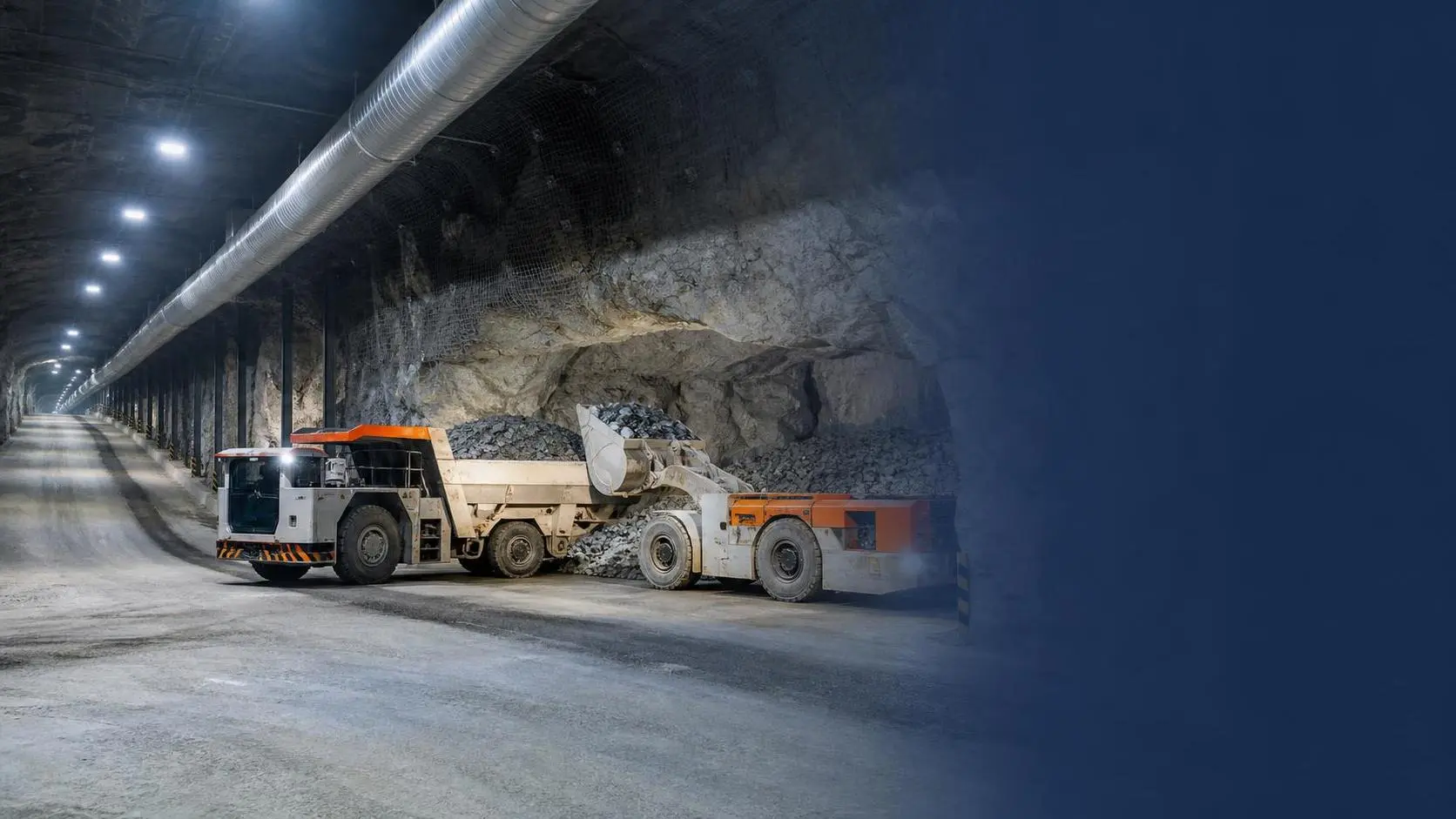
How to Evaluate Underground Haulage Systems for Ore Output, Ramp Grade, and Ventilation Limits
Underground haulage systems should be evaluated by ore output, ramp grade, and ventilation limits—not brochures. Learn how to compare trucks, LHDs, and electric options for smarter mine planning.
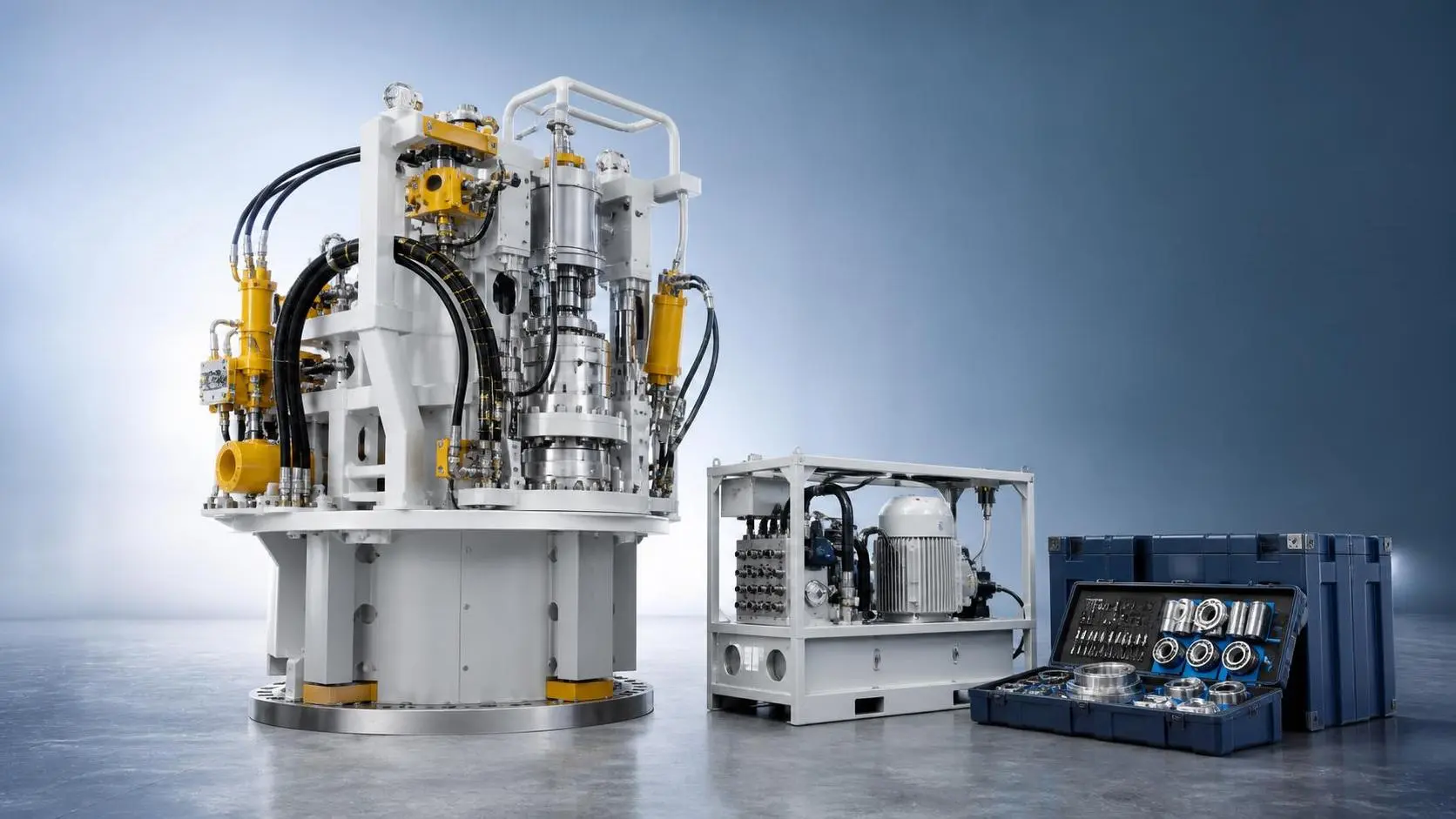
How to Evaluate a Pipe Jacking Equipment Distributor for Project Support and Uptime
Pipe jacking equipment distributor evaluation made practical: learn how to assess parts support, service response, training, and technical readiness to reduce downtime and protect project uptime.

How to Build a Mining Decarbonization Strategy That Balances Emissions, Cost, and Fleet Reality
Mining decarbonization strategy starts with fleet reality. Learn how to cut emissions, control cost, and align power, ventilation, and production for a practical mine transition.

How to Evaluate Articulated Dump Trucks Payload for Haul Road Conditions and Cycle Efficiency
Articulated Dump Trucks payload evaluation starts with real haul road conditions, not brochure numbers. Learn how to balance payload, traction, grades, and cycle efficiency for safer, higher output.
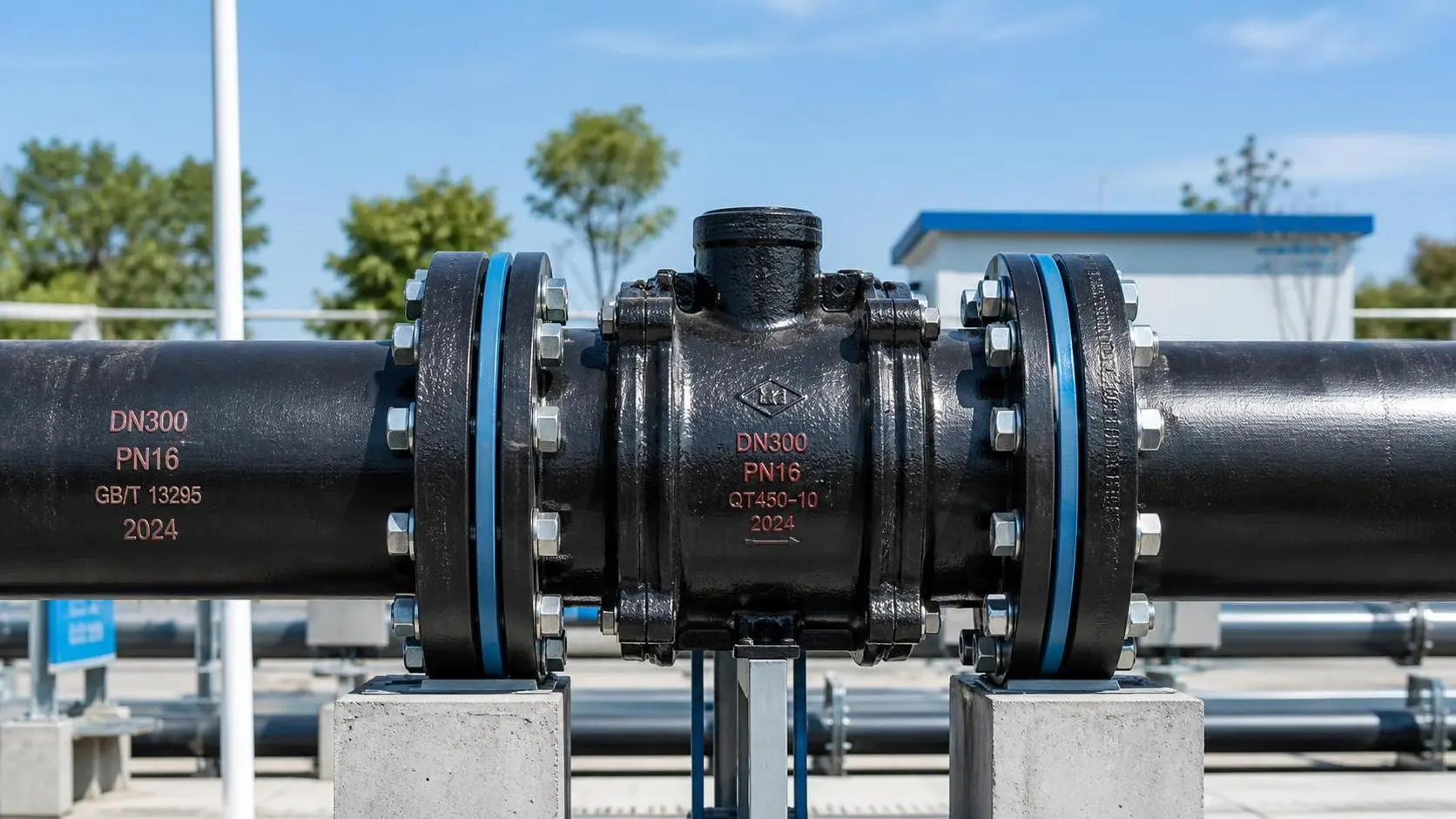
How Pipe Fittings Material and Pressure Class Affect Water Line Selection
Pipe fittings selection starts with material and pressure class. Learn how these factors affect water line reliability, corrosion resistance, installation, and long-term cost.
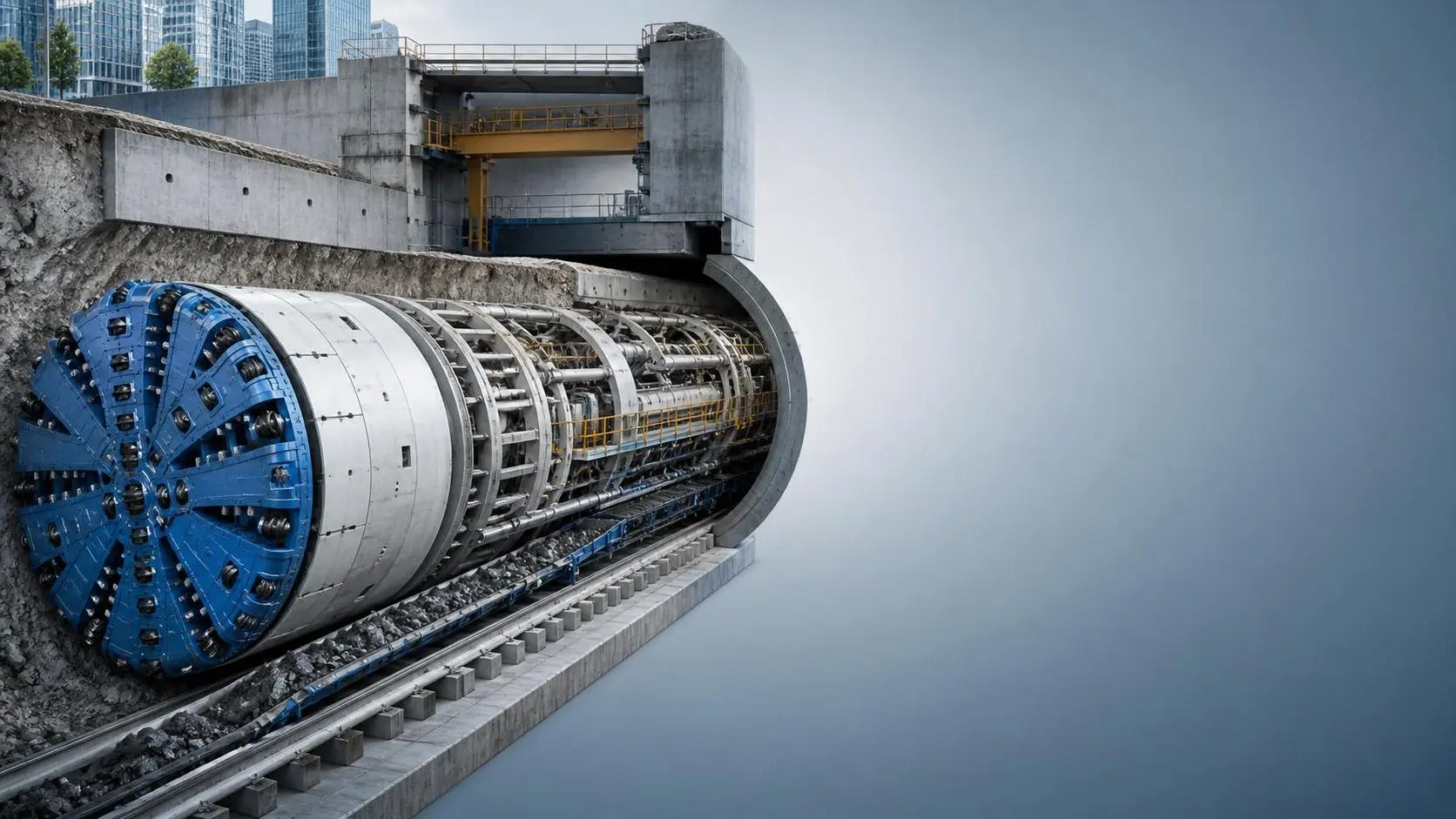
What Drives TBM Excavation Cost in Urban Tunneling Projects?
tbm excavation cost in urban tunneling depends on geology, shafts, segment lining, logistics, and risk. Discover the key cost drivers and compare bids with greater confidence.

What Does Energy Metals Mining in Australia Mean for Supply, Cost, and Project Risk?
Energy metals mining Australia is reshaping supply, cost, and project risk. Discover what it means for buyers, investors, and operators.

EU Eases Dual CE and UKCA Path for Chinese Tunnel Boring Equipment
EU eases CE and UKCA certification for Chinese tunnel boring equipment, cutting compliance time and helping importers move faster.
Related News
- 00
0000-00
How to Evaluate Underground Mine Automation Companies for Safety and ROI - 00
0000-00
How to Evaluate Underground Haulage Systems for Ore Output, Ramp Grade, and Ventilation Limits - 00
0000-00
How to Evaluate a Pipe Jacking Equipment Distributor for Project Support and Uptime - 00
0000-00
How to Build a Mining Decarbonization Strategy That Balances Emissions, Cost, and Fleet Reality - 00
0000-00
How to Evaluate Articulated Dump Trucks Payload for Haul Road Conditions and Cycle Efficiency
Weekly Insights
Stay ahead with our curated technology reports delivered every Monday.