
PSA Opens Jurong Island Lane for Faster Slurry Pipe Jacking Clearance





On July 8, 2026, PSA launched a dedicated customs clearance lane for Jurong Island in Singapore, with a green-label mechanism for municipal trenchless equipment such as Slurry Pipe Jacking machines. For exporters and project suppliers, the practical point is not only the stated 48-hour inspection timeline for shipments backed by complete CE, ISO 9001, and pressure test documentation, but also the lane’s connection to the ASEAN Single Window, which places documentation readiness and cross-border coordination higher on the agenda for equipment trade into Southeast Asian infrastructure projects.
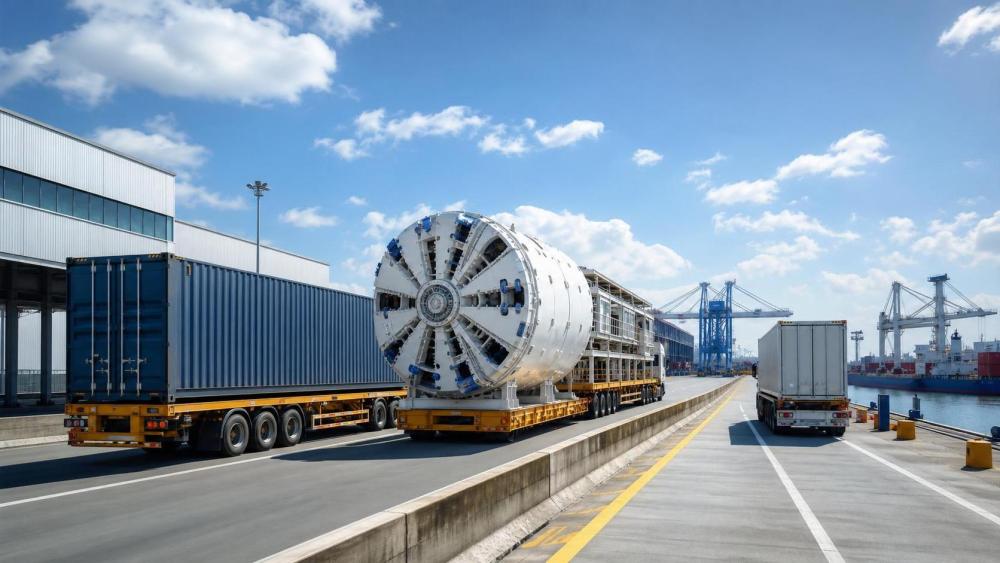
What Has Been Confirmed So Far
According to the information provided, PSA opened a dedicated clearance channel for Jurong Island on July 8, 2026. The arrangement applies a green-label mechanism to municipal trenchless equipment including Slurry Pipe Jacking machines.
The stated condition for accelerated inspection is the submission of complete CE and ISO 9001 certificates together with pressure test reports. Where these materials are in place, inspection time is compressed to within 48 hours.
The new channel has also been connected to the ASEAN Single Window. The information provided states that this is intended to facilitate exports of Chinese equipment to infrastructure projects in Southeast Asia.
Where the Immediate Effects May Be Felt
Equipment exporters may see document control become a larger competitive factor
From an industry perspective, exporters of trenchless and related municipal equipment are among the most directly affected participants. The reason is straightforward: the stated priority treatment is tied to document completeness rather than to a general category-based preference alone. In practice, that puts greater weight on certificate management, test report preparation, and shipment-level compliance readiness before cargo arrives for inspection.
Project suppliers and contractors may reassess delivery planning
For suppliers serving Southeast Asian infrastructure jobs, the development may influence how delivery schedules are structured. Analysis shows that a shorter inspection window, if the required documentation is accepted as complete, can matter most in the handoff between export shipment planning and project-site delivery expectations. What deserves closer attention is whether procurement and logistics teams start treating documentation milestones as part of the delivery path rather than as a final customs formality.
Freight and customs service providers may need tighter process alignment
Supply chain service providers, including freight coordinators and customs-facing teams, may also be affected because the new lane is linked to the ASEAN Single Window. Observably, that does not automatically mean all transactions become simpler, but it does suggest that document transmission, classification consistency, and communication between exporter, forwarder, and consignee could become more time-sensitive business steps for relevant equipment shipments.
What Companies Should Watch Next
Whether required documents are interpreted consistently in practice
One key point is the operational meaning of “complete” CE, ISO 9001, and pressure test documentation. Companies involved in exports should pay close attention to whether the submission standard is applied consistently across shipments, because the difference between policy wording and on-the-ground acceptance often shows up in document review rather than in the headline rule.
Which equipment categories are treated as clearly eligible
The provided information specifically mentions Slurry Pipe Jacking equipment and other municipal trenchless machinery. Businesses should therefore focus on how their own product descriptions, technical files, and shipment declarations align with that scope. This matters most for firms shipping equipment that may sit near category boundaries in customs or project documentation.
How customer communication around lead times is adjusted
For manufacturers, exporters, and project suppliers, a 48-hour inspection target may affect how lead times are discussed with buyers. The practical issue is not to assume a blanket acceleration for every shipment, but to communicate clearly that the shortened timeline is tied to document readiness and inspection conditions stated in the mechanism.
Whether ASEAN Single Window integration changes workflow expectations
Companies should also monitor how the ASEAN Single Window connection affects day-to-day processing expectations. Analysis shows that even when a trade facilitation mechanism is in place, the main operational change for businesses may be the need for earlier and cleaner coordination across internal compliance teams, external logistics providers, and destination-side project contacts.
Why This Looks More Like a Process Signal Than a Standalone Port Update
Observably, this development can be read as more than a routine customs adjustment for a single location. The combination of a dedicated lane, a green-label mechanism, document-based priority treatment, and ASEAN Single Window connectivity points to a stronger emphasis on process quality in the movement of specialized infrastructure equipment.
That said, it is more appropriate to understand this as an operational signal rather than a confirmed broad market shift. The information provided establishes the framework and the stated benefit, but it does not yet prove how widely or uniformly the effect will be felt across all trenchless equipment transactions or project types.
How to Read the Development at This Stage
At this stage, the most balanced reading is that PSA’s new Jurong Island lane creates a clearer compliance-linked pathway for faster handling of Slurry Pipe Jacking and related trenchless equipment shipments. For the industry, the significance lies less in a generic speed claim and more in the message that certification files, test records, and cross-border data readiness are becoming central to delivery reliability for Southeast Asia-bound infrastructure equipment.
In that sense, this is best understood as a practical process development with wider signaling value. It may support smoother trade flows, but its real importance will depend on how consistently the mechanism is applied and how quickly companies adjust their documentation and coordination habits around it.
Basis of This Article and What Still Needs Verification
This article is based on the user-provided news title, event date, and summary. For this type of industry update, relevant source categories would usually include official port or customs announcements, corporate notices, industry association information, authoritative media coverage, and standard or certification-related documents.
No specific official source link was provided in the input, so the original release text and any later operational clarification still need to be verified on an ongoing basis. What deserves closer attention is whether further official wording defines eligible equipment scope, document acceptance standards, and implementation details linked to the ASEAN Single Window connection.
Related News
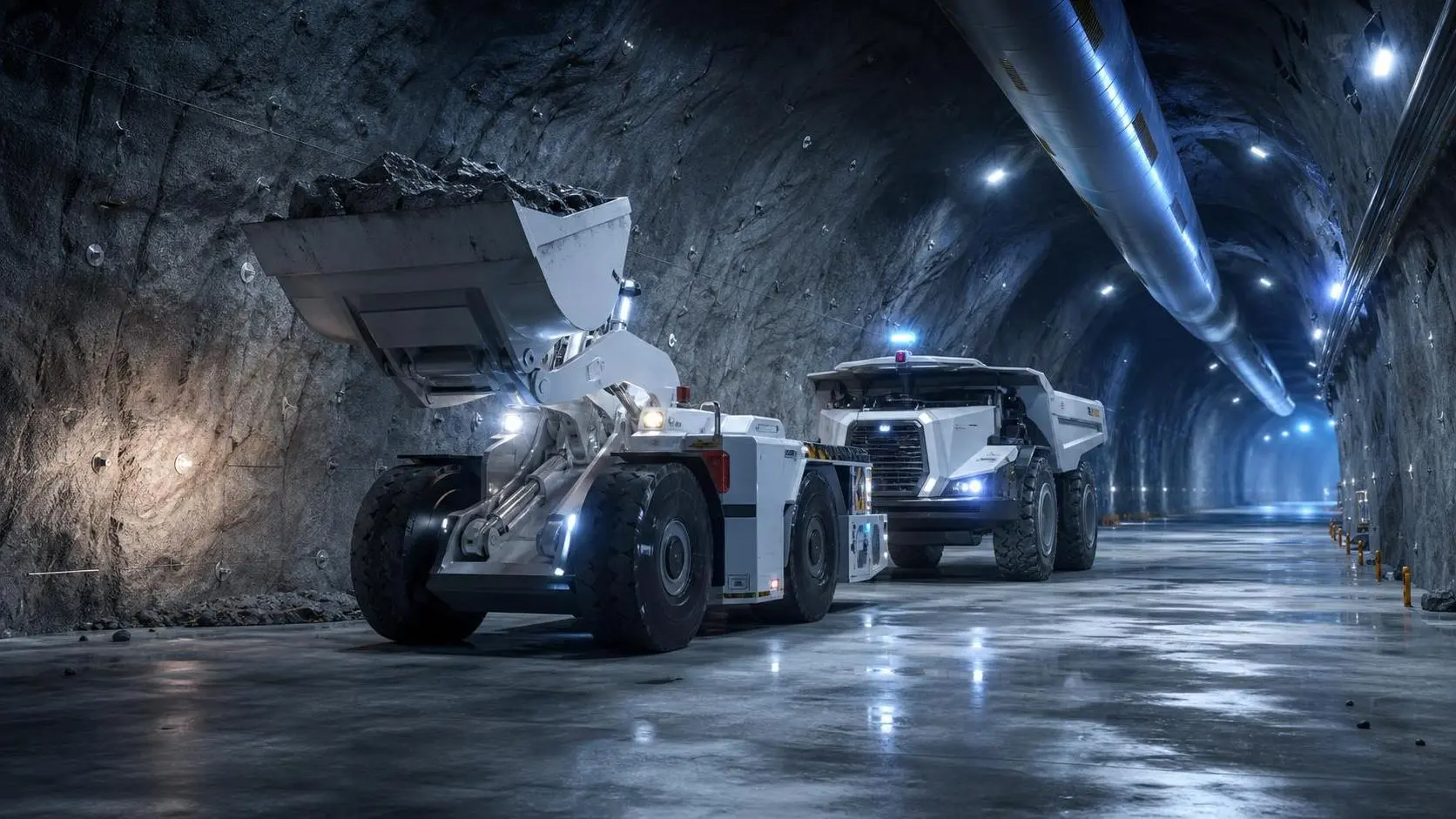
How to Evaluate Underground Mine Automation Companies for Safety and ROI
Underground mine automation companies vary widely in safety, interoperability, and ROI. Learn how to compare vendors, reduce deployment risk, and choose a scalable solution.
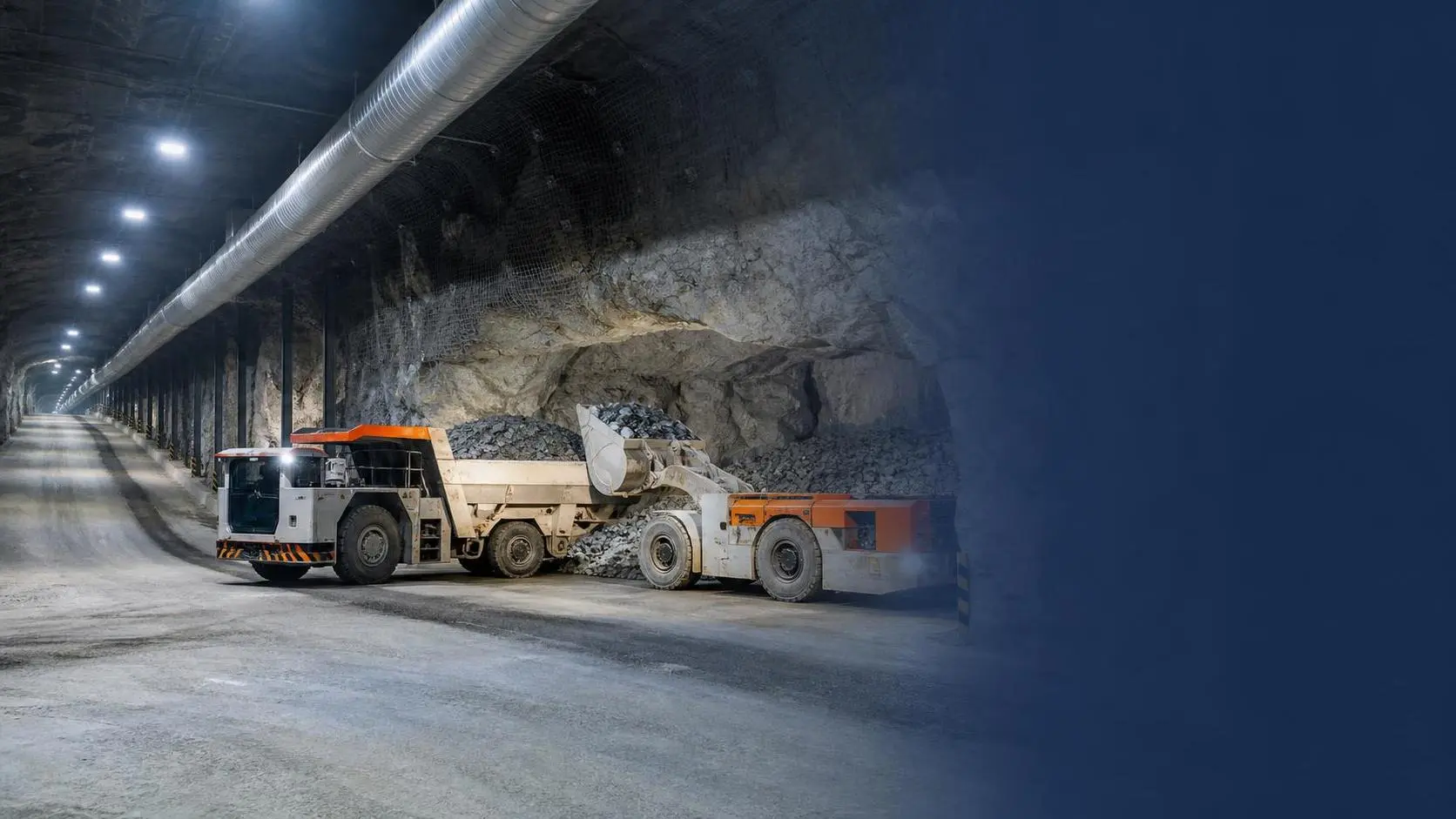
How to Evaluate Underground Haulage Systems for Ore Output, Ramp Grade, and Ventilation Limits
Underground haulage systems should be evaluated by ore output, ramp grade, and ventilation limits—not brochures. Learn how to compare trucks, LHDs, and electric options for smarter mine planning.
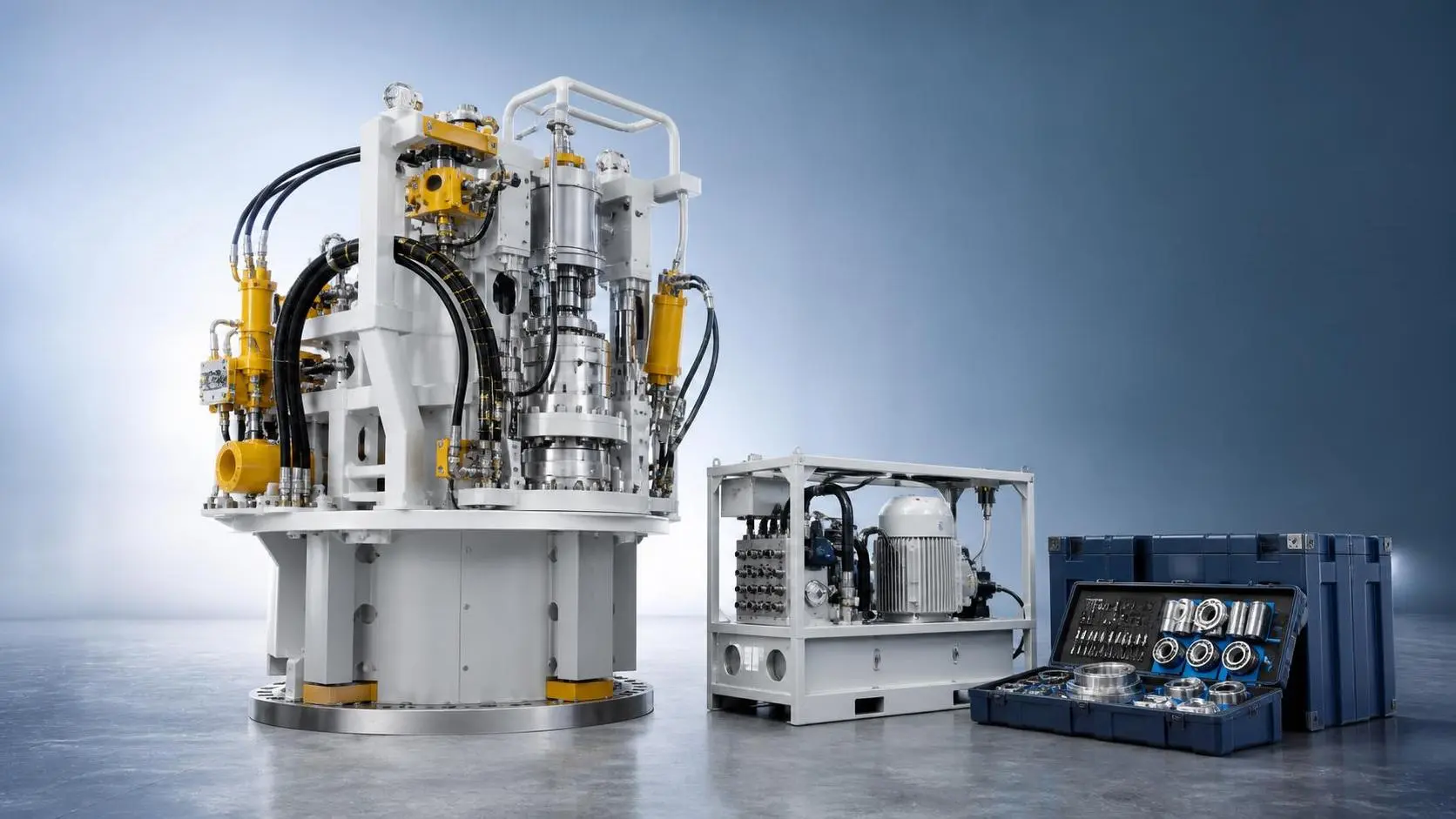
How to Evaluate a Pipe Jacking Equipment Distributor for Project Support and Uptime
Pipe jacking equipment distributor evaluation made practical: learn how to assess parts support, service response, training, and technical readiness to reduce downtime and protect project uptime.
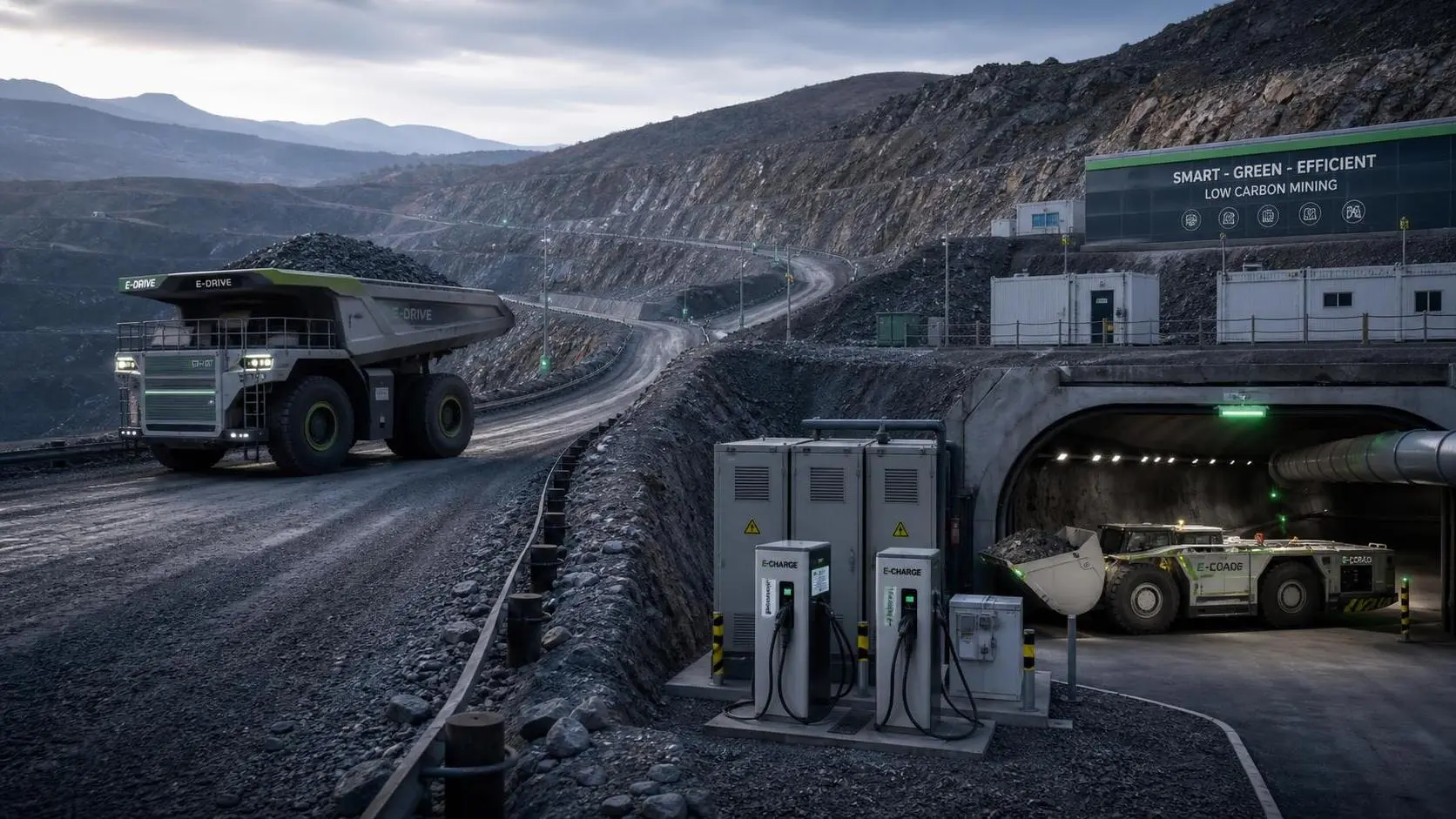
How to Build a Mining Decarbonization Strategy That Balances Emissions, Cost, and Fleet Reality
Mining decarbonization strategy starts with fleet reality. Learn how to cut emissions, control cost, and align power, ventilation, and production for a practical mine transition.
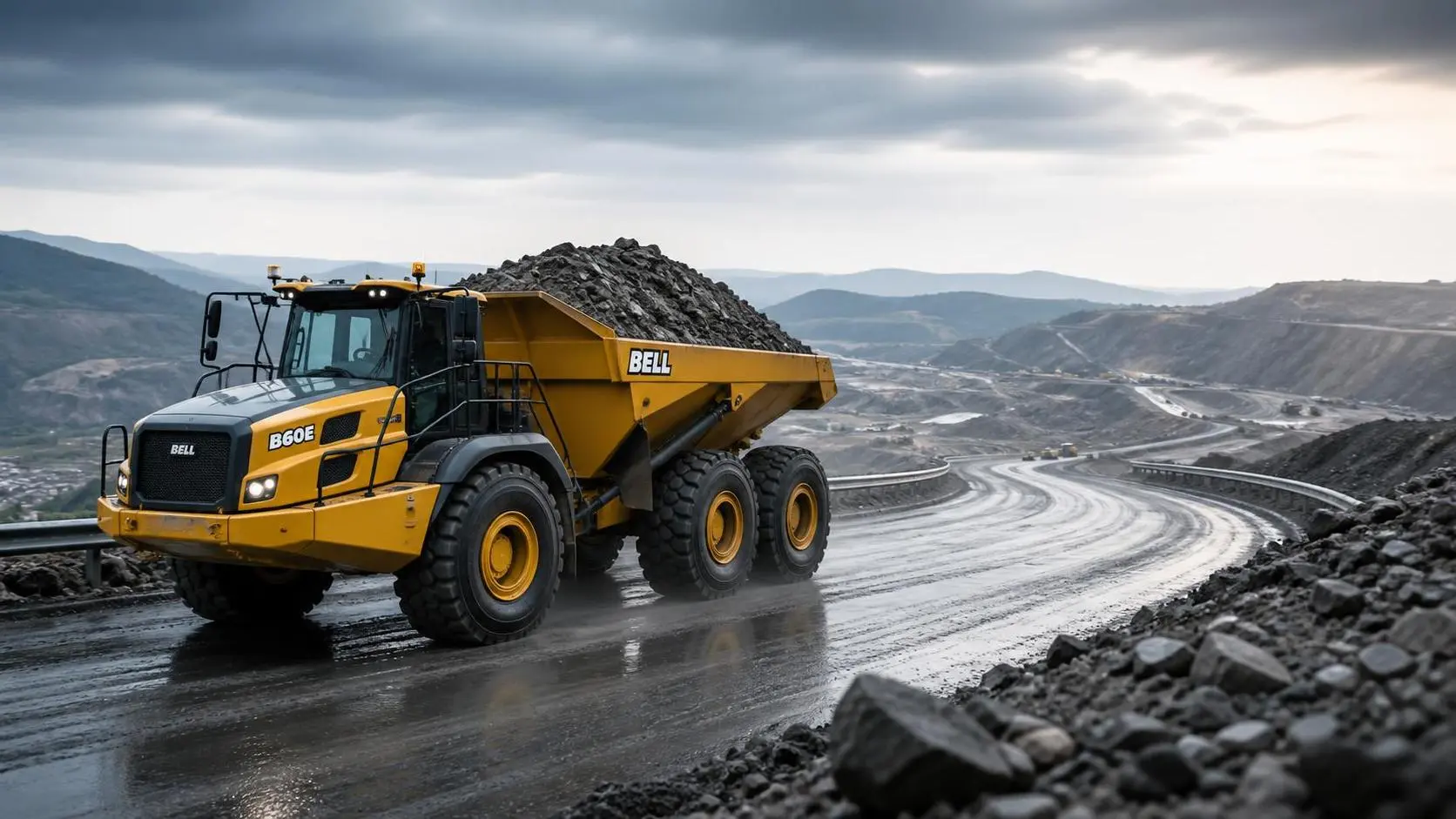
How to Evaluate Articulated Dump Trucks Payload for Haul Road Conditions and Cycle Efficiency
Articulated Dump Trucks payload evaluation starts with real haul road conditions, not brochure numbers. Learn how to balance payload, traction, grades, and cycle efficiency for safer, higher output.
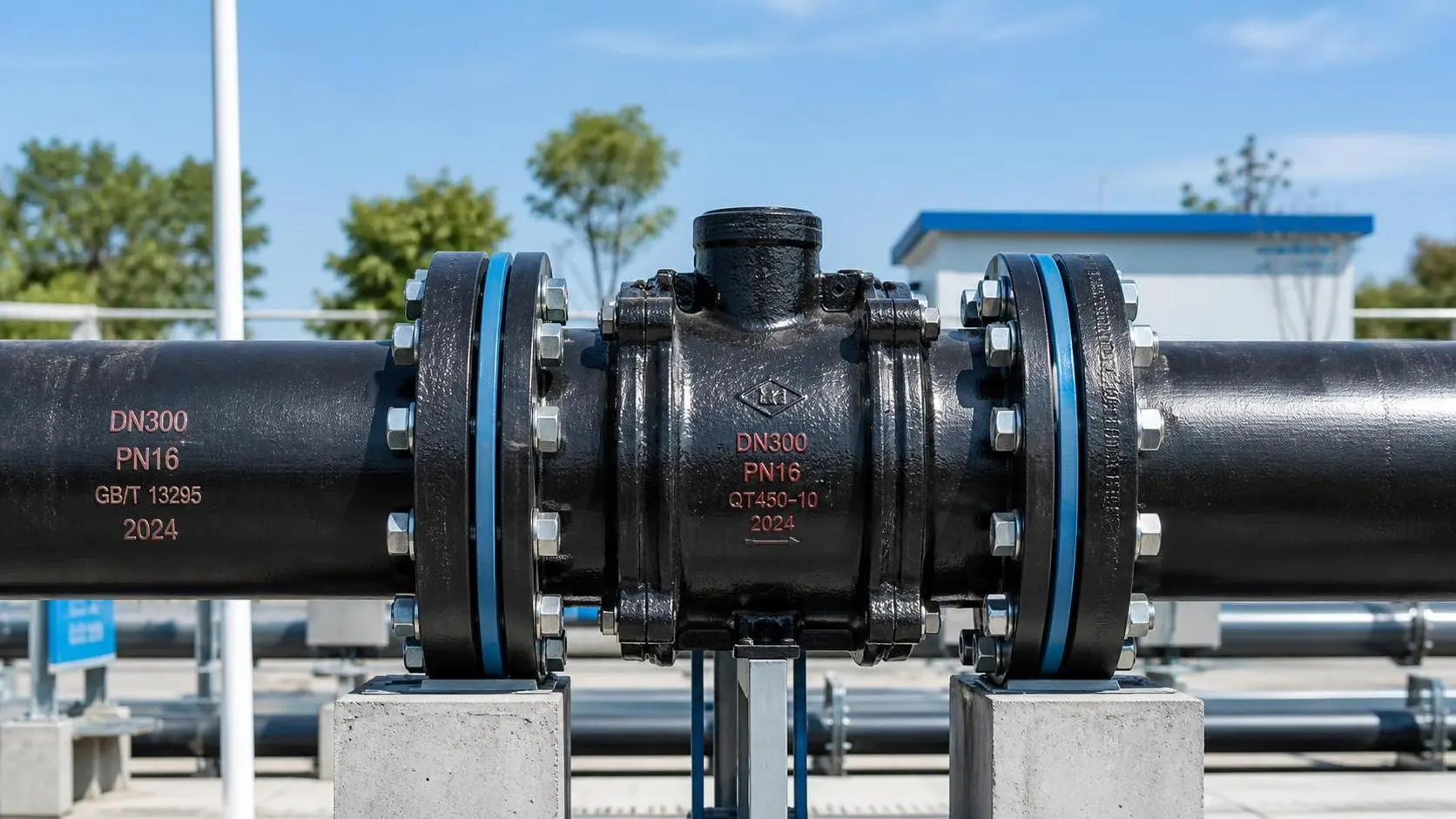
How Pipe Fittings Material and Pressure Class Affect Water Line Selection
Pipe fittings selection starts with material and pressure class. Learn how these factors affect water line reliability, corrosion resistance, installation, and long-term cost.
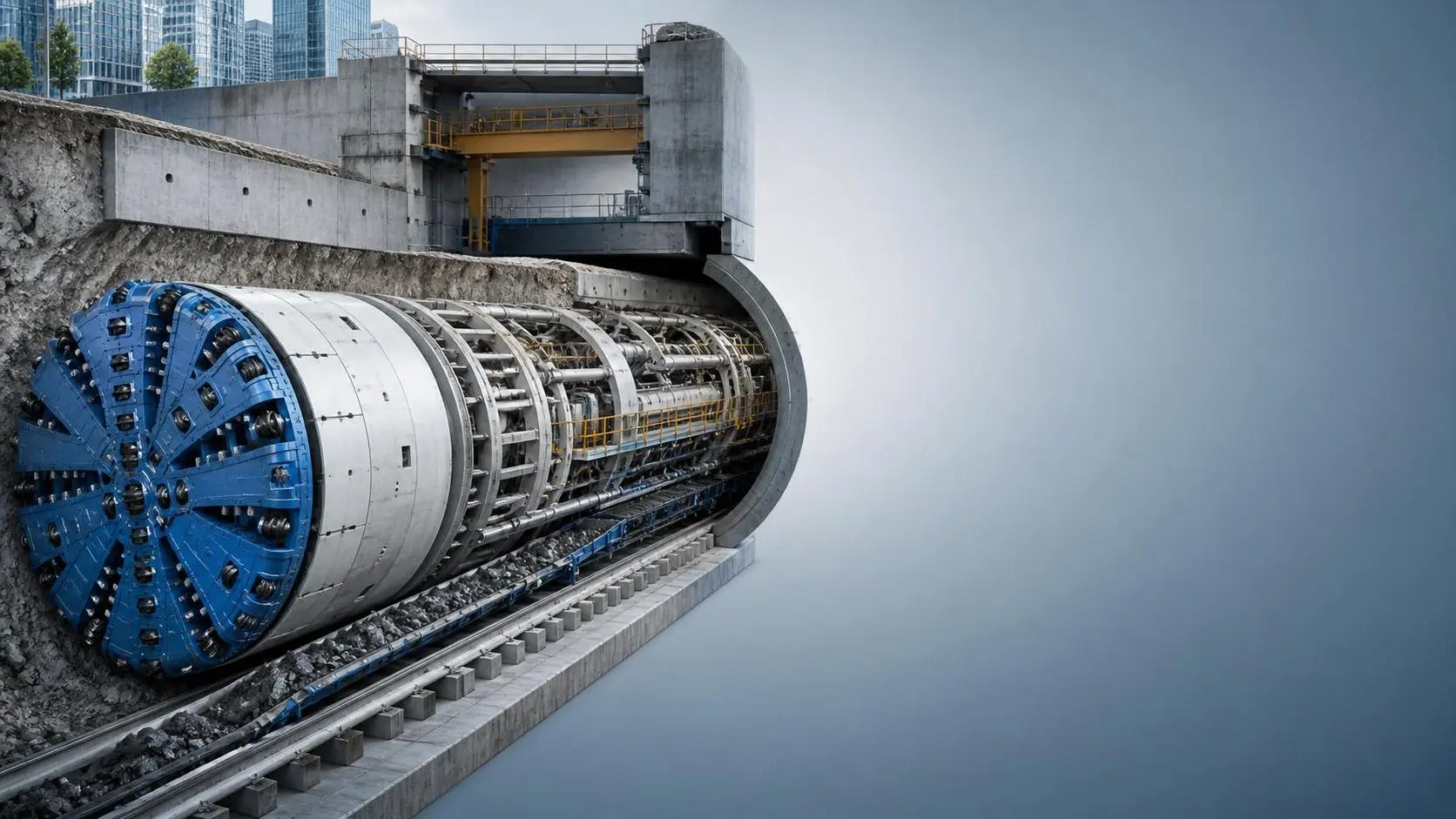
What Drives TBM Excavation Cost in Urban Tunneling Projects?
tbm excavation cost in urban tunneling depends on geology, shafts, segment lining, logistics, and risk. Discover the key cost drivers and compare bids with greater confidence.
What Does Energy Metals Mining in Australia Mean for Supply, Cost, and Project Risk?
Energy metals mining Australia is reshaping supply, cost, and project risk. Discover what it means for buyers, investors, and operators.
EU Eases Dual CE and UKCA Path for Chinese Tunnel Boring Equipment
EU eases CE and UKCA certification for Chinese tunnel boring equipment, cutting compliance time and helping importers move faster.
Related News
- 00
0000-00
How to Evaluate Underground Mine Automation Companies for Safety and ROI - 00
0000-00
How to Evaluate Underground Haulage Systems for Ore Output, Ramp Grade, and Ventilation Limits - 00
0000-00
How to Evaluate a Pipe Jacking Equipment Distributor for Project Support and Uptime - 00
0000-00
How to Build a Mining Decarbonization Strategy That Balances Emissions, Cost, and Fleet Reality - 00
0000-00
How to Evaluate Articulated Dump Trucks Payload for Haul Road Conditions and Cycle Efficiency
Weekly Insights
Stay ahead with our curated technology reports delivered every Monday.