
Codelco Q3 2026 Tender Adds ISO 15027-2 Remote Diagnostics Rule





On July 8, 2026, Codelco opened a new global tender for rigid haul trucks used in open-pit mining and made digital compatibility a stated procurement condition. The tender requires bidding equipment to come with a unified remote diagnostic communication stack compliant with ISO 15027-2:2026 and to provide API access for integration with Codelco’s MineConnect platform. For truck manufacturers, software teams, and mining equipment suppliers, this is worth close attention because the requirement reaches beyond hardware specification and into validation timelines, integration work, and bid readiness.
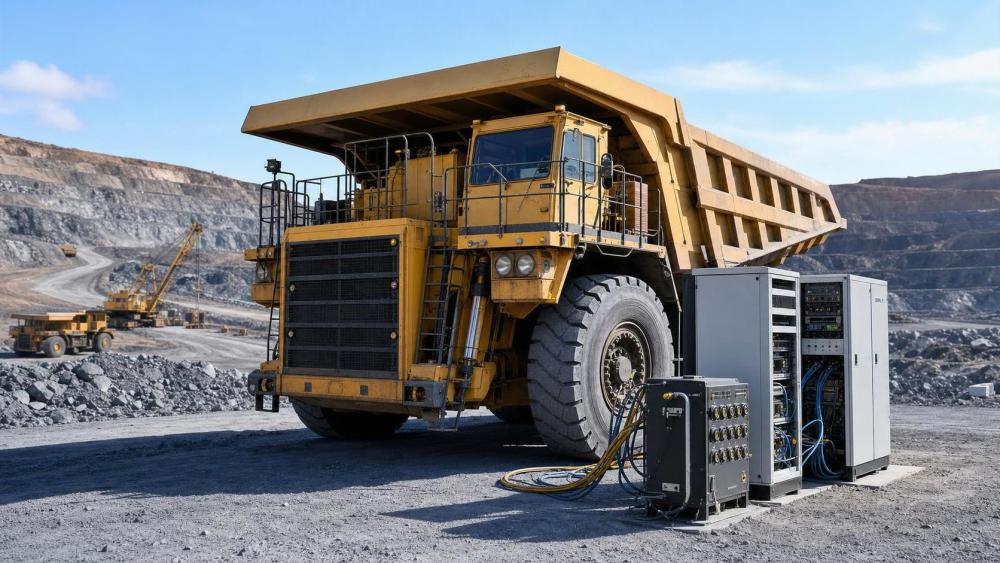
What the tender requirement clearly states
According to the provided event information, Codelco launched its new round of global tendering for open-pit rigid haul trucks on July 8, 2026. The stated requirement is that bidding equipment must be pre-installed with a unified remote diagnostic communication protocol stack that complies with ISO 15027-2:2026. The tender also requires an open API so the equipment can connect with Codelco’s MineConnect platform. The provided summary further notes that this will affect compatibility verification cycles and localized software adaptation costs for Chinese manufacturers.
Where the operational impact is likely to appear
Truck OEM bid preparation moves closer to software compliance
From an industry perspective, rigid haul truck manufacturers may be affected first because the tender condition is tied directly to product eligibility. The impact is likely to appear in pre-bid technical review, interface compliance checks, and coordination between vehicle engineering and software integration teams. What deserves closer attention is whether suppliers already have a compliant diagnostic stack installed at the equipment level, rather than planning to add it later in the project cycle.
Integration and localization teams face timing pressure
For companies responsible for embedded software, remote diagnostics, and platform connectivity, the practical issue is not only standard compliance but also API-based integration with MineConnect. Analysis shows the workload may concentrate in interface testing, localization, and documentation alignment. The provided information specifically points to longer compatibility verification cycles and higher localized software adaptation costs for Chinese manufacturers, making timeline control a relevant business concern.
Procurement and delivery planning may need earlier technical screening
For procurement teams, distributors, and supply chain coordinators involved in mining equipment delivery, the change may affect supplier selection and delivery planning. Observably, a truck that meets mechanical and production requirements but is not ready on remote diagnostics integration could face friction during tender qualification or project execution. The business focus therefore shifts toward earlier screening of technical readiness, compliance materials, and communication with upstream vendors.
What companies should watch next
Check whether compliance is built in before submission
Companies preparing bids should focus on whether ISO 15027-2:2026 support is pre-installed as required in the tender wording summarized in the input. This is a practical distinction because a future upgrade path and a preloaded compliant stack are not the same procurement condition.
Clarify the scope of MineConnect API integration
Another immediate point is the API opening requirement linked to MineConnect. Companies should pay close attention to technical interpretation, interface boundaries, and any follow-on wording from the procuring side, because integration readiness can affect documentation, testing preparation, and internal resource allocation.
Reassess compatibility verification schedules
The provided information already indicates that compatibility verification cycles may be affected. For manufacturers, service providers, and project teams, this makes schedule planning a concrete issue. Internal reviews should cover test sequencing, cross-team coordination, and whether current validation processes are sufficient for a tender that explicitly includes remote diagnostics interoperability.
Prepare for higher localization work where needed
For suppliers targeting this opportunity, especially Chinese manufacturers mentioned in the event summary, localized software adaptation deserves separate budgeting and planning attention. Analysis shows this is less about general market expansion and more about whether the tender requirement can be translated into deliverable engineering work within a bid or delivery timeline.
Why this looks more like a procurement signal than a one-off specification note
Analysis shows the significance of this update lies in the way procurement requirements are being framed. The confirmed fact is limited to one tender and its stated technical conditions, so it would be premature to treat this as a settled market-wide outcome. Even so, it is more appropriate to understand this as a signal that digital interoperability and remote diagnostics are becoming more visible inside equipment qualification language, not just after-sales system discussions. That is why the development deserves continued monitoring rather than a one-day reading.
How this update is best understood now
At this stage, the development should be read as a concrete tender requirement with potential knock-on effects across equipment compliance, software integration, and bid scheduling. It does not by itself prove a broad market shift, but it does show that remote diagnostic standards and platform connectivity can move into the center of procurement evaluation. For industry participants, the most rational reading today is that this is an actionable near-term requirement and a longer-term signal worth tracking.
Basis of this article and points for continued verification
This article is based on the user-provided news title, event date, and event summary. For this type of development, commonly relevant source categories may include official tender notices, company announcements, industry association updates, authoritative media coverage, and standards organization documents. A specific official source link was not provided in the input, so further verification remains necessary. Continued attention should focus on any subsequent official clarification of the tender wording, the practical interpretation of the MineConnect API requirement, and any updates related to compliance verification or localization expectations.
Related News
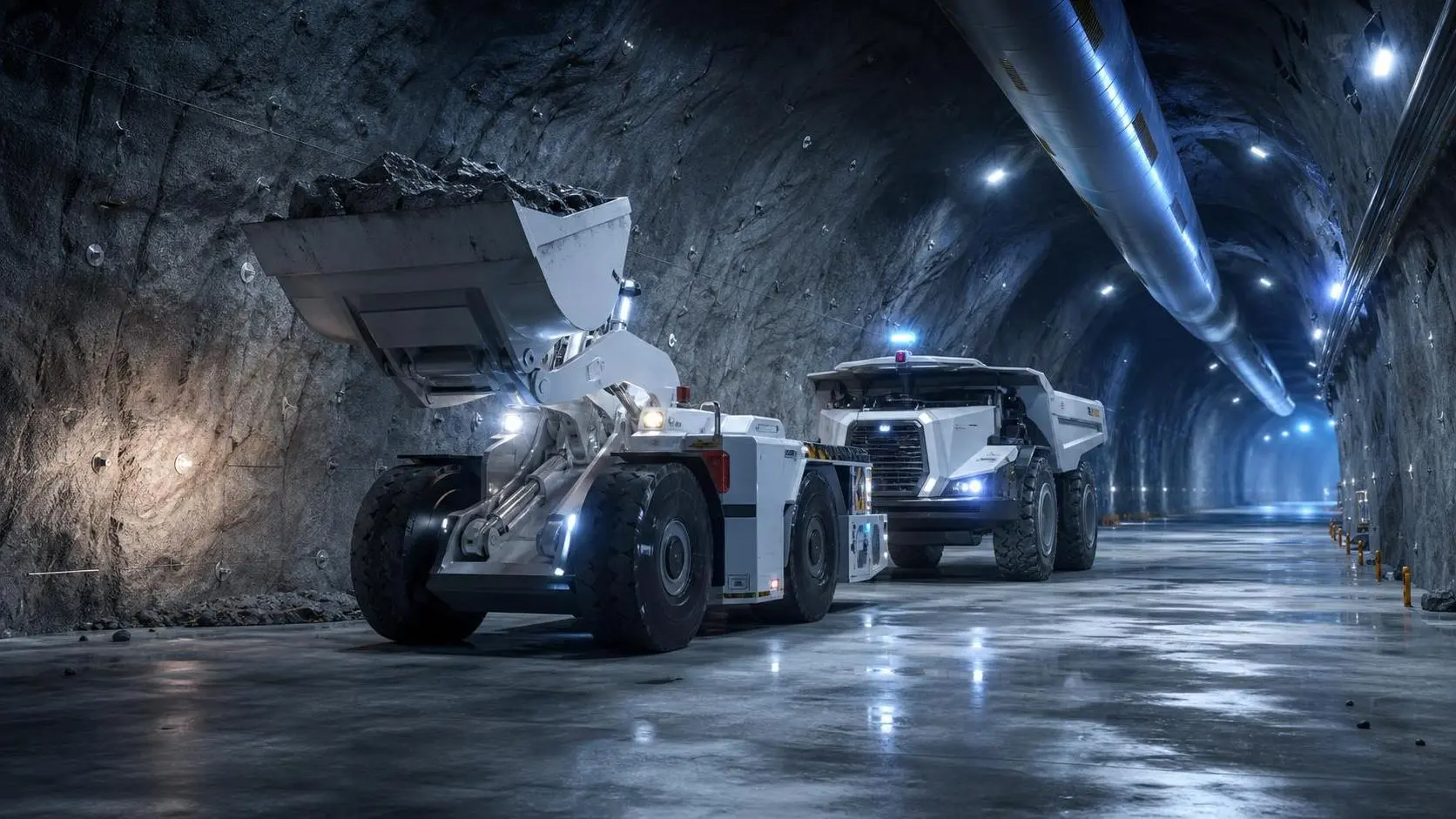
How to Evaluate Underground Mine Automation Companies for Safety and ROI
Underground mine automation companies vary widely in safety, interoperability, and ROI. Learn how to compare vendors, reduce deployment risk, and choose a scalable solution.
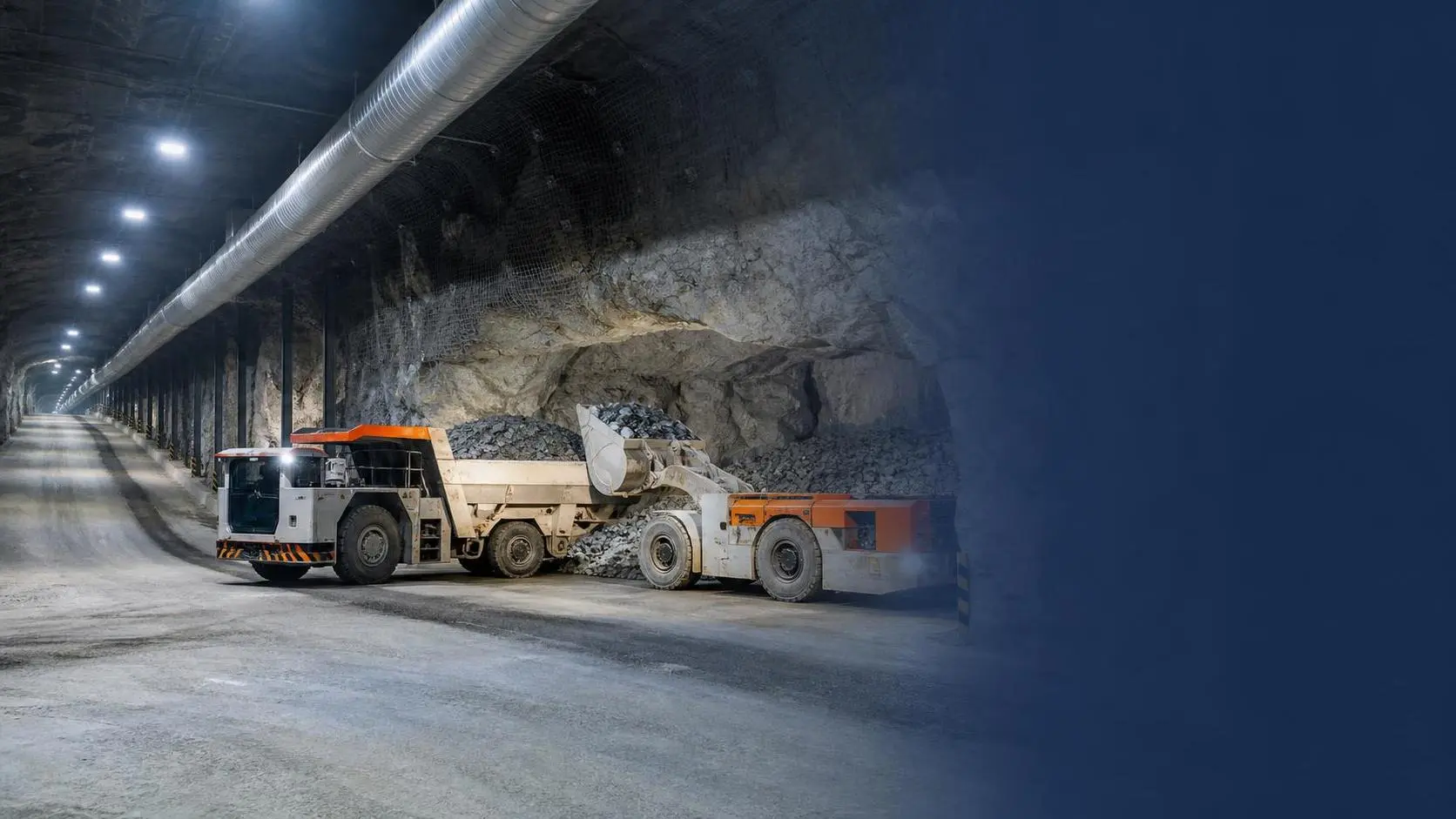
How to Evaluate Underground Haulage Systems for Ore Output, Ramp Grade, and Ventilation Limits
Underground haulage systems should be evaluated by ore output, ramp grade, and ventilation limits—not brochures. Learn how to compare trucks, LHDs, and electric options for smarter mine planning.
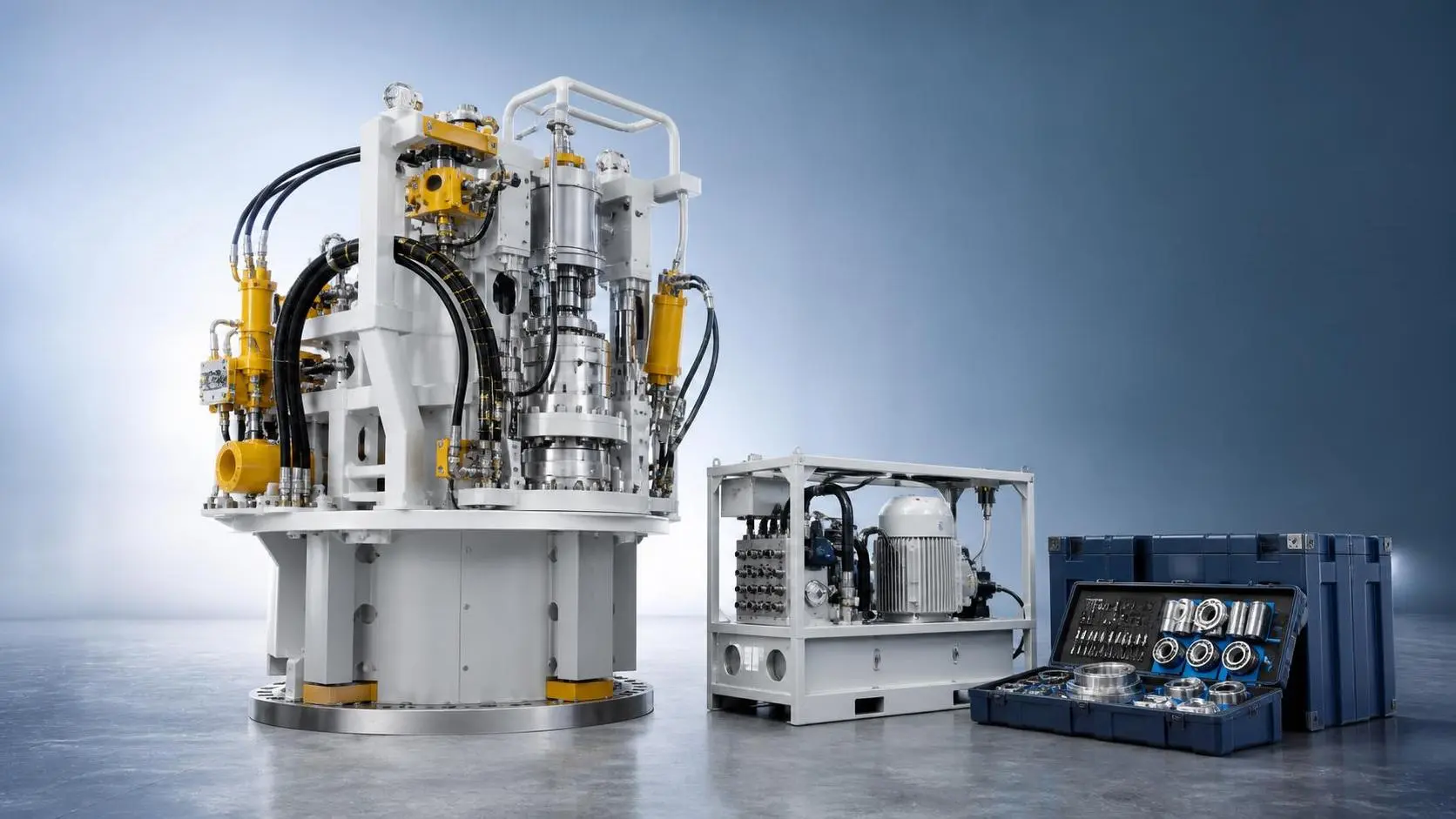
How to Evaluate a Pipe Jacking Equipment Distributor for Project Support and Uptime
Pipe jacking equipment distributor evaluation made practical: learn how to assess parts support, service response, training, and technical readiness to reduce downtime and protect project uptime.
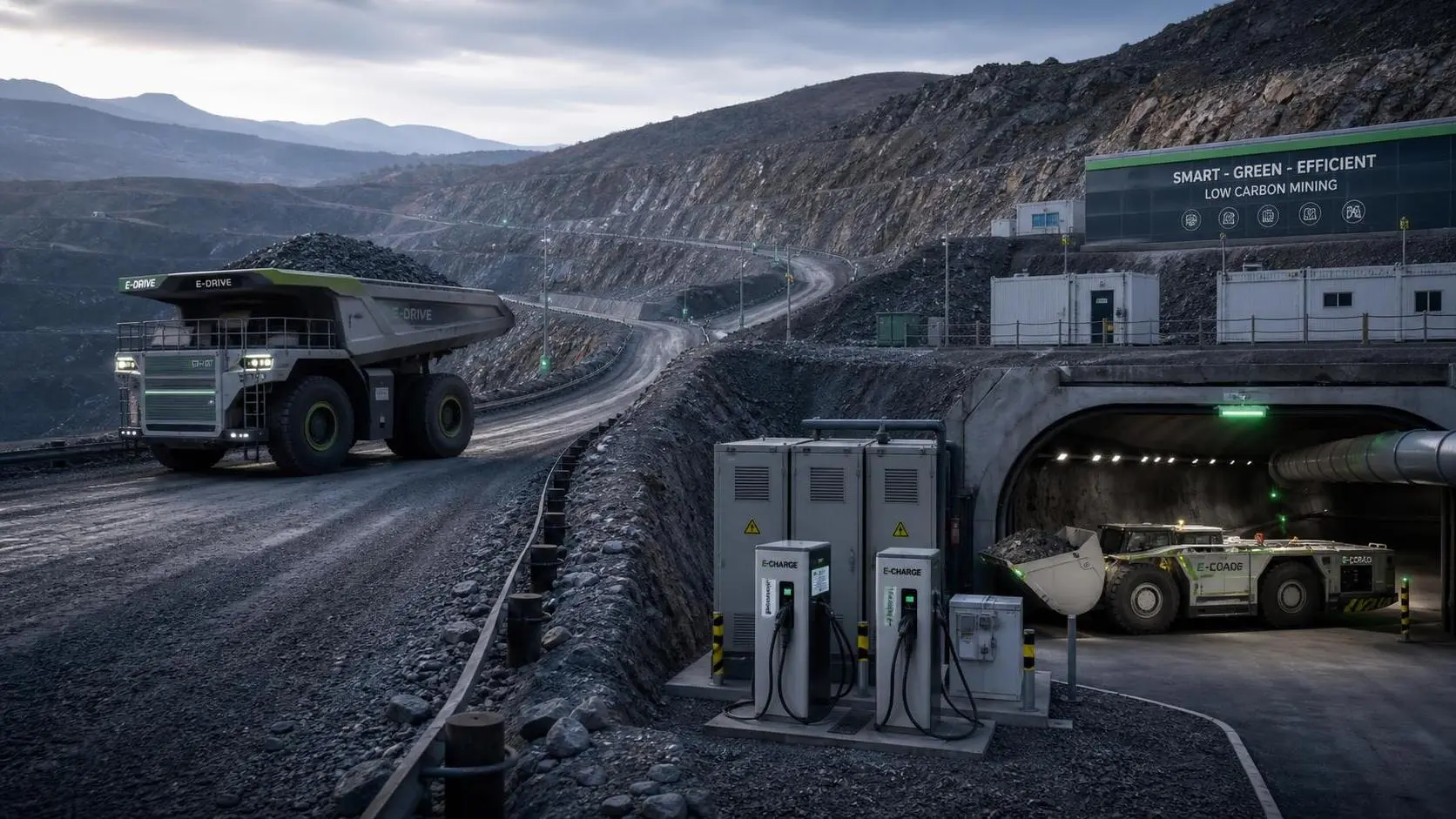
How to Build a Mining Decarbonization Strategy That Balances Emissions, Cost, and Fleet Reality
Mining decarbonization strategy starts with fleet reality. Learn how to cut emissions, control cost, and align power, ventilation, and production for a practical mine transition.
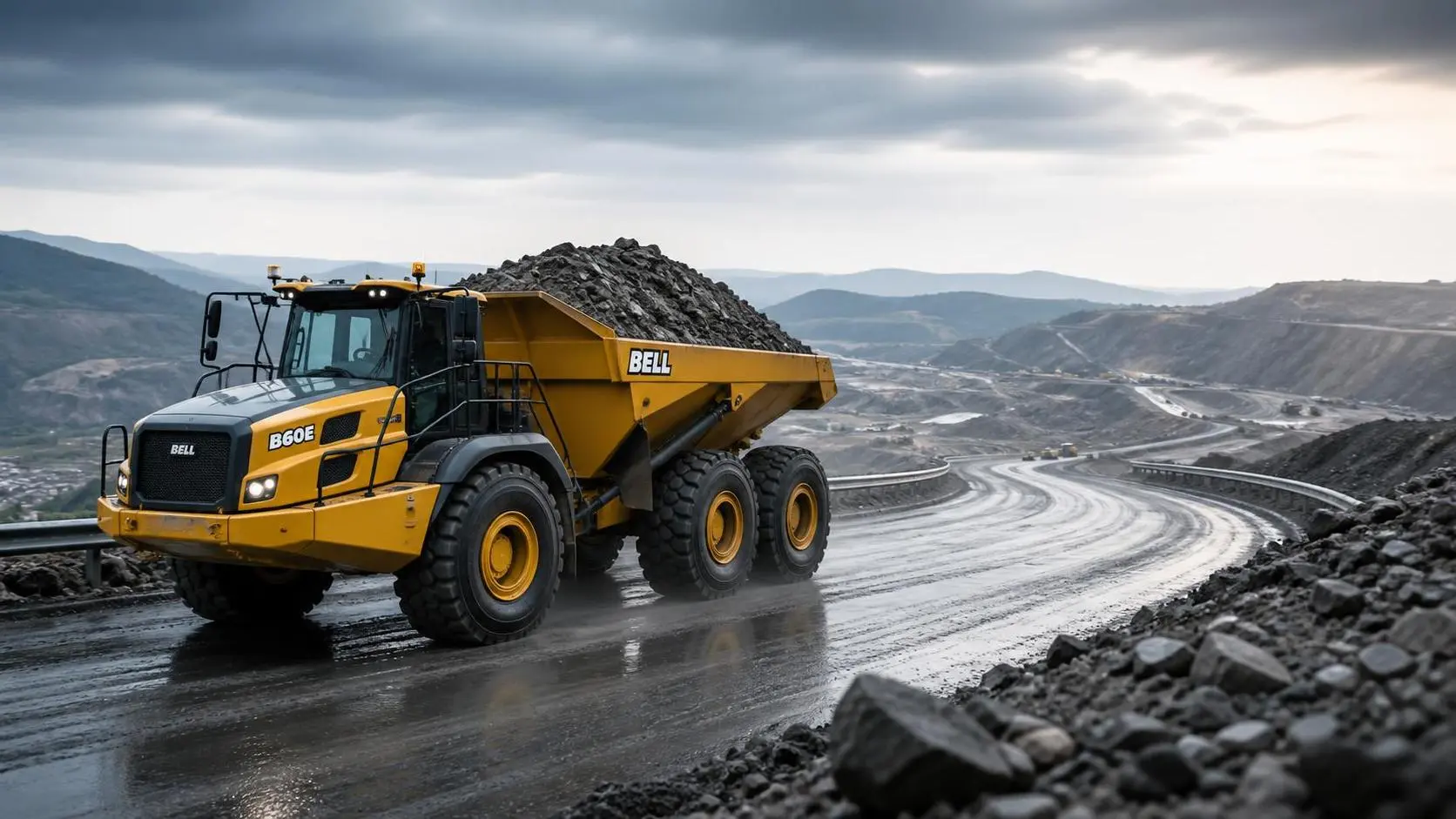
How to Evaluate Articulated Dump Trucks Payload for Haul Road Conditions and Cycle Efficiency
Articulated Dump Trucks payload evaluation starts with real haul road conditions, not brochure numbers. Learn how to balance payload, traction, grades, and cycle efficiency for safer, higher output.
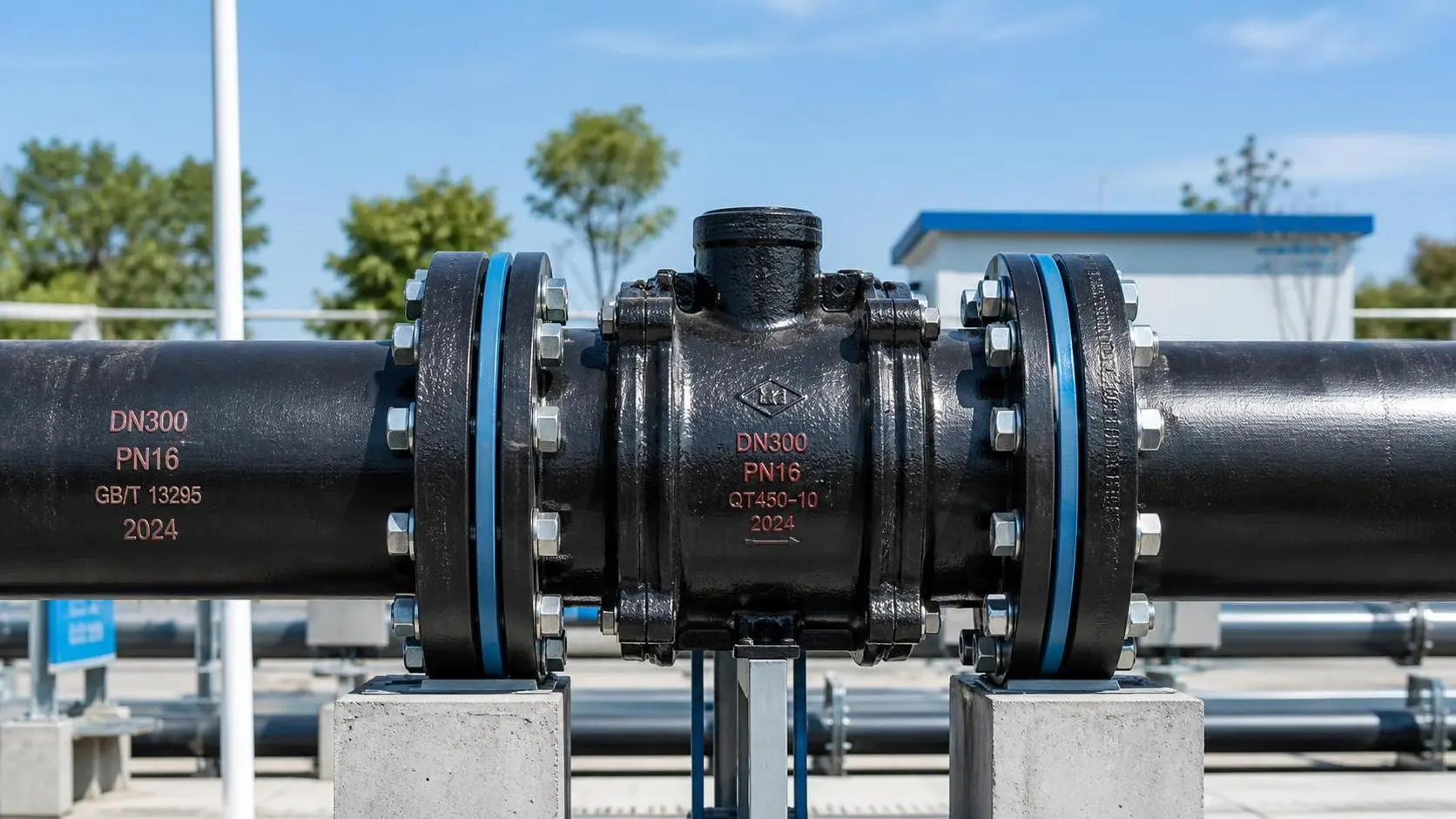
How Pipe Fittings Material and Pressure Class Affect Water Line Selection
Pipe fittings selection starts with material and pressure class. Learn how these factors affect water line reliability, corrosion resistance, installation, and long-term cost.
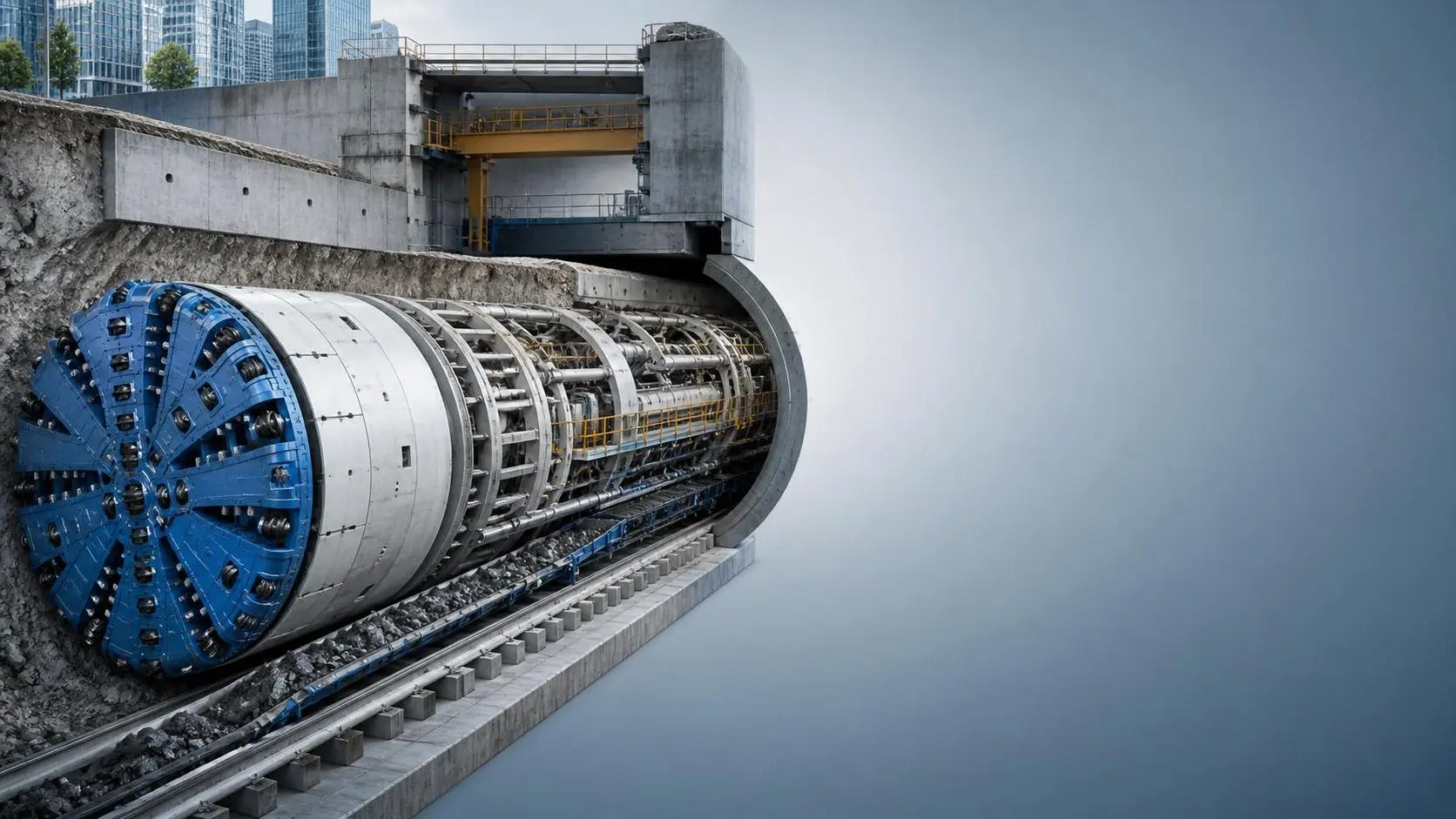
What Drives TBM Excavation Cost in Urban Tunneling Projects?
tbm excavation cost in urban tunneling depends on geology, shafts, segment lining, logistics, and risk. Discover the key cost drivers and compare bids with greater confidence.
What Does Energy Metals Mining in Australia Mean for Supply, Cost, and Project Risk?
Energy metals mining Australia is reshaping supply, cost, and project risk. Discover what it means for buyers, investors, and operators.
EU Eases Dual CE and UKCA Path for Chinese Tunnel Boring Equipment
EU eases CE and UKCA certification for Chinese tunnel boring equipment, cutting compliance time and helping importers move faster.
Related News
- 00
0000-00
How to Evaluate Underground Mine Automation Companies for Safety and ROI - 00
0000-00
How to Evaluate Underground Haulage Systems for Ore Output, Ramp Grade, and Ventilation Limits - 00
0000-00
How to Evaluate a Pipe Jacking Equipment Distributor for Project Support and Uptime - 00
0000-00
How to Build a Mining Decarbonization Strategy That Balances Emissions, Cost, and Fleet Reality - 00
0000-00
How to Evaluate Articulated Dump Trucks Payload for Haul Road Conditions and Cycle Efficiency
Weekly Insights
Stay ahead with our curated technology reports delivered every Monday.