
Urban Tunnelling Safety Checklist: Key Risks, Controls, and Site Compliance Priorities





Urban tunnelling safety has moved far beyond a compliance box on a project checklist. In dense cities, it now shapes schedule certainty, workforce protection, asset integrity, and public confidence at street level. A delayed response to groundwater, settlement, ventilation failure, or equipment malfunction can affect not only the tunnel face, but utilities, traffic, nearby buildings, and community trust.
That is why a practical urban tunnelling safety checklist matters. It helps translate complex site conditions into visible priorities: what must be inspected, what controls must be verified, and where early warning signals are most likely to appear. For projects involving TBMs, pipe jacking systems, support crews, and connected underground logistics, the strongest results come from treating safety as an operational discipline tied to quality, data, and decision speed.
Why urban tunnelling safety demands a different level of control
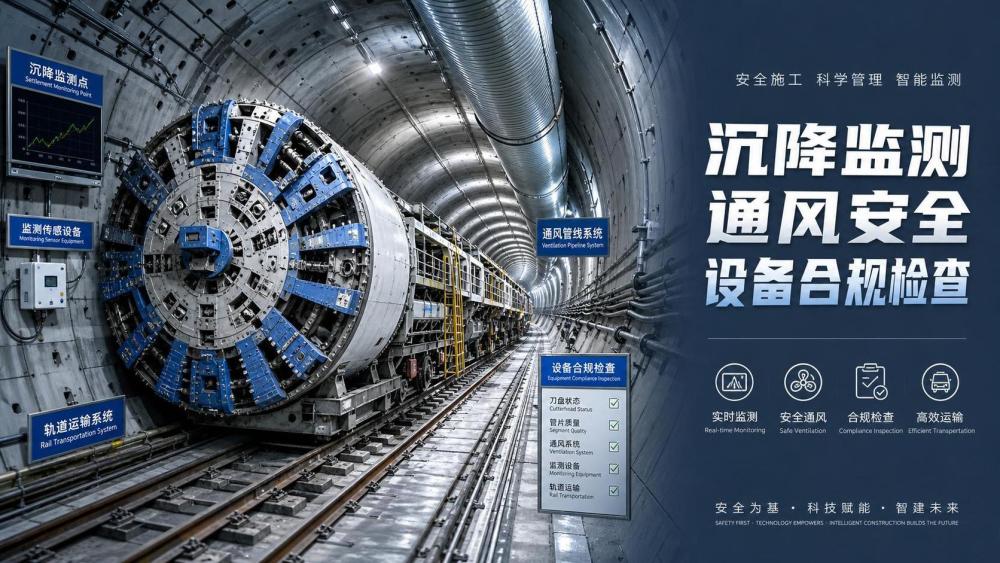
Urban tunnelling takes place in constrained, highly sensitive environments. Surface disruption must stay low, but underground uncertainty remains high. Soil variability, mixed geology, buried utilities, groundwater pressure, and restricted access all combine to raise risk.
Unlike remote excavation, city tunnelling happens beneath active infrastructure. Hospitals, rail corridors, telecom routes, drainage networks, and occupied buildings may sit directly above the alignment. Small deviations in face pressure, steering, or spoil handling can create disproportionate consequences.
This is also why the sector increasingly values intelligence-led oversight. Platforms such as UTMD track how full-face tunnel boring machines, trenchless systems, and digital monitoring tools are changing underground execution. The message is clear: better data improves control, and better control improves safety.
What a useful checklist should actually cover
A strong urban tunnelling safety checklist is not a generic list of hazards. It is a site-based control framework. It should connect pre-construction assumptions with daily field verification and escalation rules.
In practice, five control areas usually deserve priority:
- ground and groundwater behavior;
- machine condition and operating parameters;
- temporary works and structural support;
- people, access, emergency readiness, and confined-space conditions;
- records, permits, and compliance evidence.
These areas overlap. A slurry imbalance may become a settlement issue. Poor cable management may become an evacuation problem. Weak documentation may hide repeated deviations that should already have triggered intervention.
Key risks that regularly define urban tunnelling safety performance
Some risks appear on almost every urban tunnelling project, regardless of machine type or ground class. Their seriousness often depends on how early they are detected.
Ground movement and settlement
Surface settlement remains one of the most visible urban tunnelling safety concerns. It can arise from over-excavation, loss of face support, annular void problems, poor grouting, or unexpected voids in the ground.
The checklist should confirm baseline surveys, trigger levels, monitoring frequency, and response ownership. It should also verify whether utility maps and building condition records remain current.
Water ingress and pressure instability
Water changes everything underground. Inflow can affect face stability, electrical safety, spoil transport, visibility, traction, and support performance. In mixed ground, the risk becomes harder to predict and faster to escalate.
A practical control point is simple: compare observed groundwater behavior with design expectations every shift, not only after a problem emerges.
Ventilation, gas, and air quality
Confined underground spaces can accumulate dust, diesel emissions, heat, or hazardous gases. Even projects adopting zero-emission or electrified equipment still need rigorous air monitoring because oxygen depletion, smoke migration, and process fumes remain possible.
Urban tunnelling safety improves when ventilation design, gas detection, and emergency smoke logic are reviewed together rather than as separate systems.
Interface failures around machinery and logistics
Modern tunnelling depends on synchronized mechanical, hydraulic, electrical, and digital systems. TBMs, pipe jacking units, segment handling equipment, lifting tools, conveyors, rolling stock, and communications all create interface risk.
Many incidents begin during transitions: maintenance handover, shift change, isolation, restart, segment transfer, or restricted-visibility movement.
From hazard lists to control verification
The most reliable urban tunnelling safety programs focus less on listing dangers and more on proving controls work in real conditions. That means checking both hardware and behavior.
This approach matters because paperwork alone rarely reveals drift. A permit may be signed correctly while ventilation ducting is damaged, a sensor is offline, or spoil characteristics no longer match the expected geology.
Compliance priorities that deserve daily attention
Urban tunnelling safety compliance is strongest when reviewed as a live operating system. Several priorities tend to separate stable projects from vulnerable ones.
- Permit-to-work controls match actual tasks, especially for entry, lifting, hot work, electrical isolation, and pressurized interventions.
- Inspection records are traceable to location, shift, and responsible person.
- Monitoring alarms have clear thresholds and response times.
- Nonconformance reports lead to corrective action, not only filing.
- Subcontractor practices align with the same control standard as the main works.
- Emergency drills reflect realistic tunnel conditions, not classroom assumptions.
In many cases, the biggest compliance weakness is not missing information. It is fragmented information. Mechanical teams, surveying teams, and safety teams may each hold part of the risk picture without a shared trigger logic.
Technology is changing how risks are seen
Urban tunnelling safety increasingly depends on connected data, not only inspections. Machine telemetry, settlement monitoring, gas sensors, cutterhead performance trends, and digital maintenance logs provide earlier warning than traditional lagging indicators.
This is where the wider underground equipment landscape becomes relevant. UTMD’s focus on TBM mechanics, trenchless systems, electrified haulage, and smart underground transport reflects a broader industry shift: safer underground operations increasingly come from integrated engineering intelligence.
For urban projects, that means connecting three layers of evidence:
- design intent and baseline assumptions;
- real-time machine and site observations;
- documented intervention decisions.
When those layers align, urban tunnelling safety becomes more predictable. When they diverge, incidents often develop quietly before they become visible.
How to use the checklist in actual project cycles
The checklist works best when applied at repeating decision points, not only during formal audits. Typical moments include pre-start review, shift handover, geological transition, maintenance shutdown, incident follow-up, and approach to sensitive structures.
It also helps to separate routine observations from escalation signals. Routine checks confirm that controls are still intact. Escalation checks determine whether conditions have changed enough to pause, redesign, or increase monitoring.
A useful next step is to map the checklist against the project’s highest-consequence interfaces: face support, utility crossings, shaft access, segment installation, ventilation continuity, and emergency egress. That exercise usually shows where compliance evidence is thin or response ownership is unclear.
In the end, urban tunnelling safety is strongest when technical control, field discipline, and decision transparency stay connected. A checklist should do more than document work already done. It should help teams notice risk earlier, challenge weak assumptions, and build a site record that stands up under pressure.
Related News
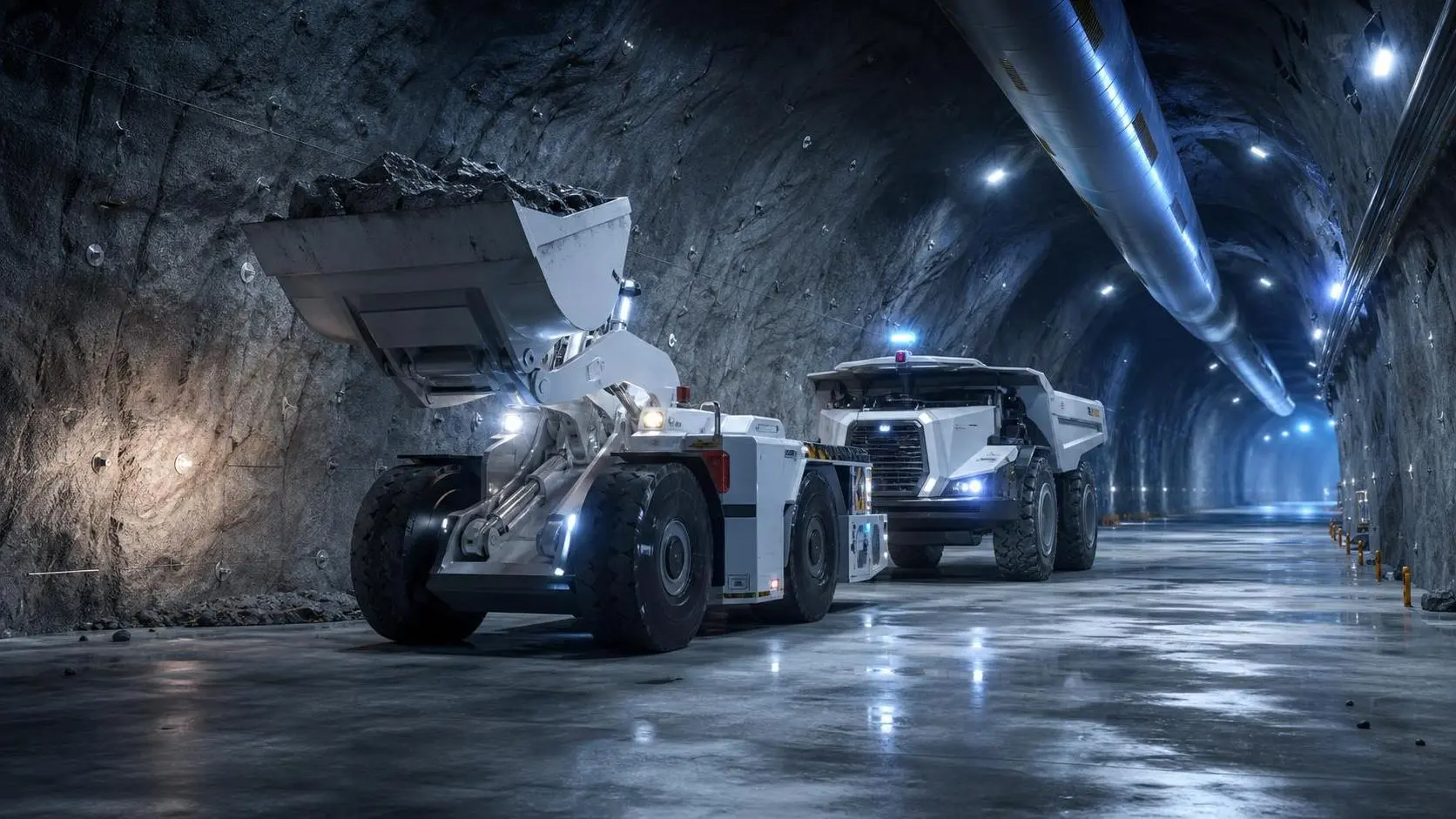
How to Evaluate Underground Mine Automation Companies for Safety and ROI
Underground mine automation companies vary widely in safety, interoperability, and ROI. Learn how to compare vendors, reduce deployment risk, and choose a scalable solution.
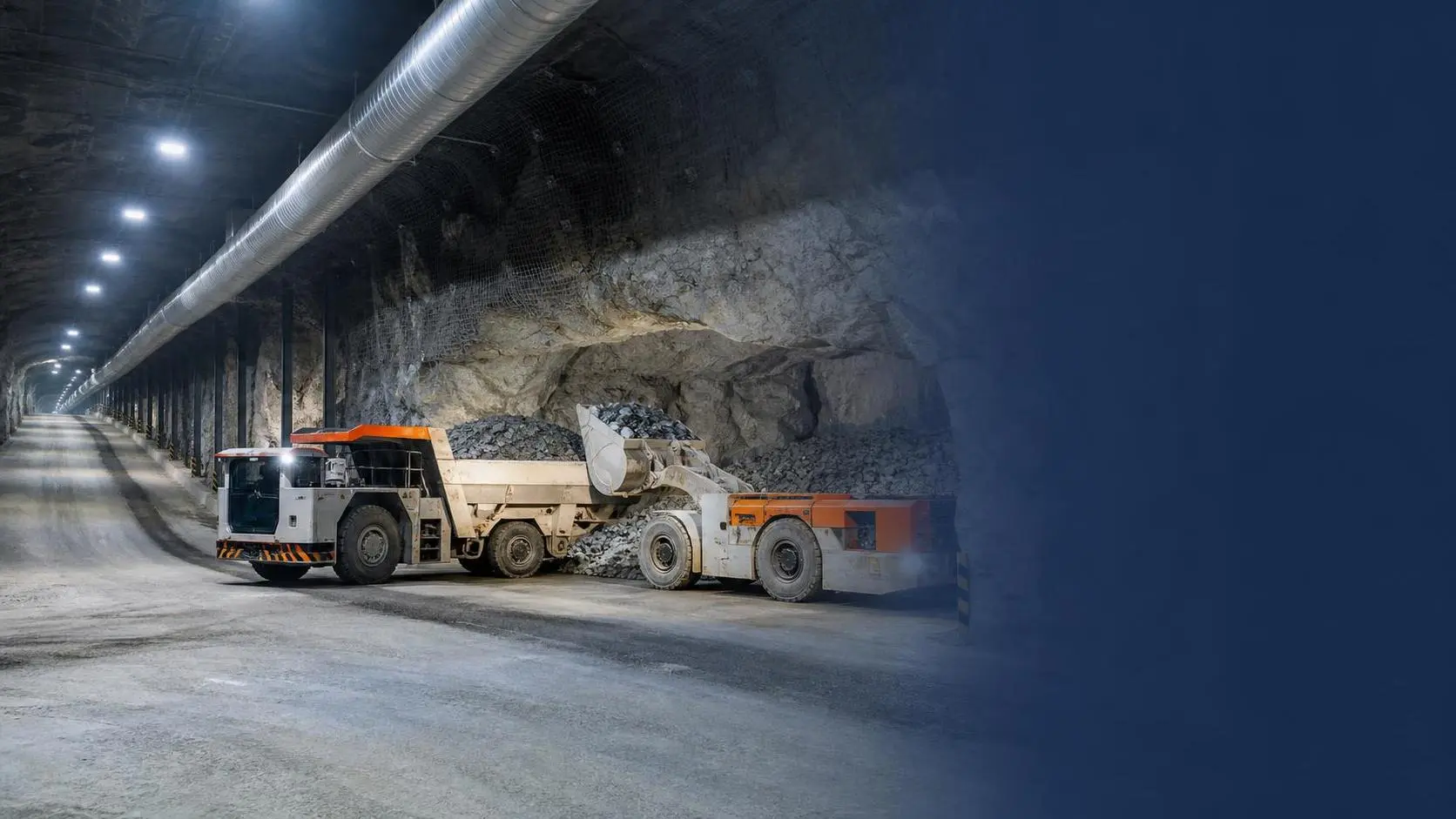
How to Evaluate Underground Haulage Systems for Ore Output, Ramp Grade, and Ventilation Limits
Underground haulage systems should be evaluated by ore output, ramp grade, and ventilation limits—not brochures. Learn how to compare trucks, LHDs, and electric options for smarter mine planning.
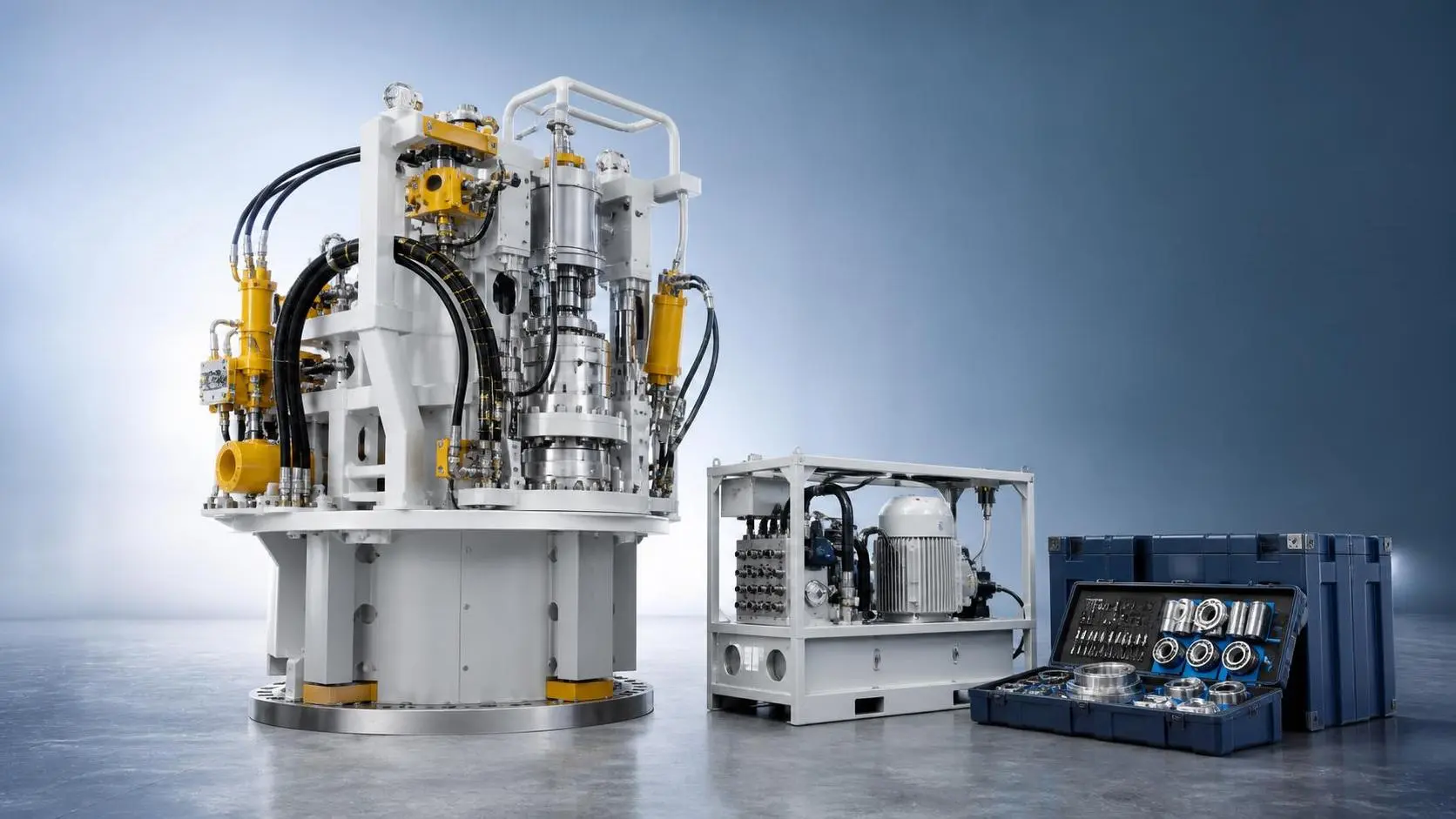
How to Evaluate a Pipe Jacking Equipment Distributor for Project Support and Uptime
Pipe jacking equipment distributor evaluation made practical: learn how to assess parts support, service response, training, and technical readiness to reduce downtime and protect project uptime.
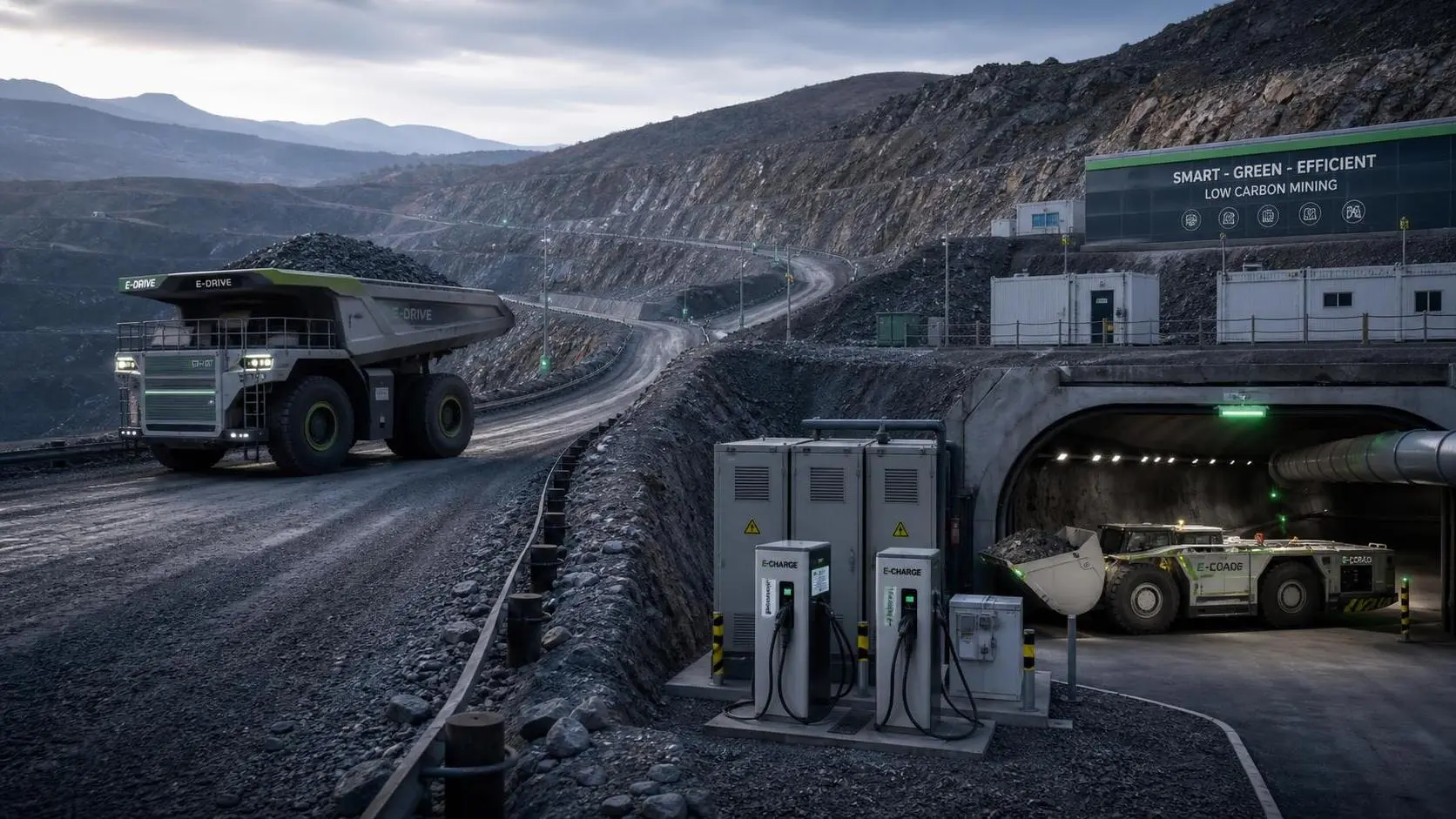
How to Build a Mining Decarbonization Strategy That Balances Emissions, Cost, and Fleet Reality
Mining decarbonization strategy starts with fleet reality. Learn how to cut emissions, control cost, and align power, ventilation, and production for a practical mine transition.

How to Evaluate Articulated Dump Trucks Payload for Haul Road Conditions and Cycle Efficiency
Articulated Dump Trucks payload evaluation starts with real haul road conditions, not brochure numbers. Learn how to balance payload, traction, grades, and cycle efficiency for safer, higher output.
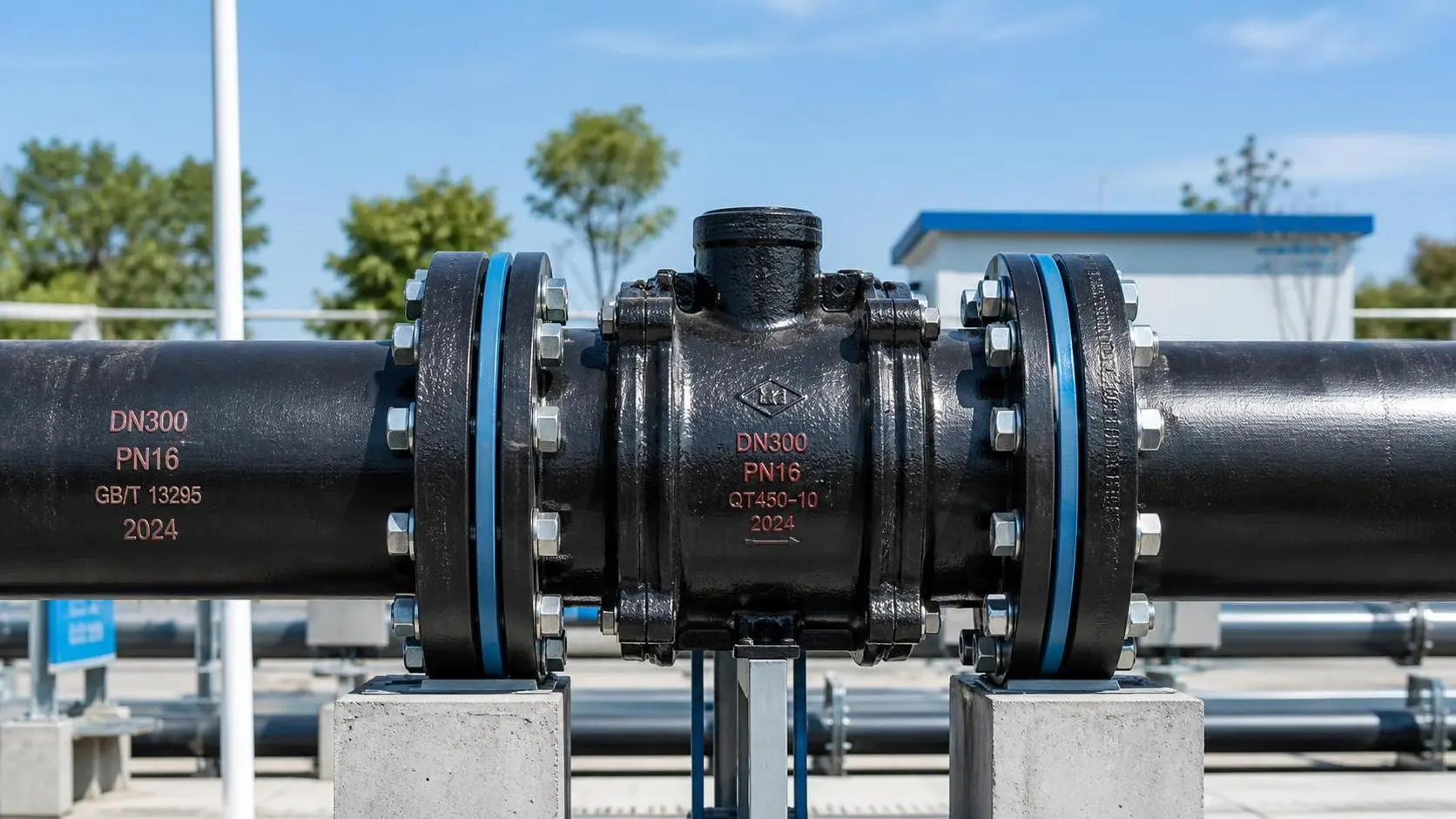
How Pipe Fittings Material and Pressure Class Affect Water Line Selection
Pipe fittings selection starts with material and pressure class. Learn how these factors affect water line reliability, corrosion resistance, installation, and long-term cost.
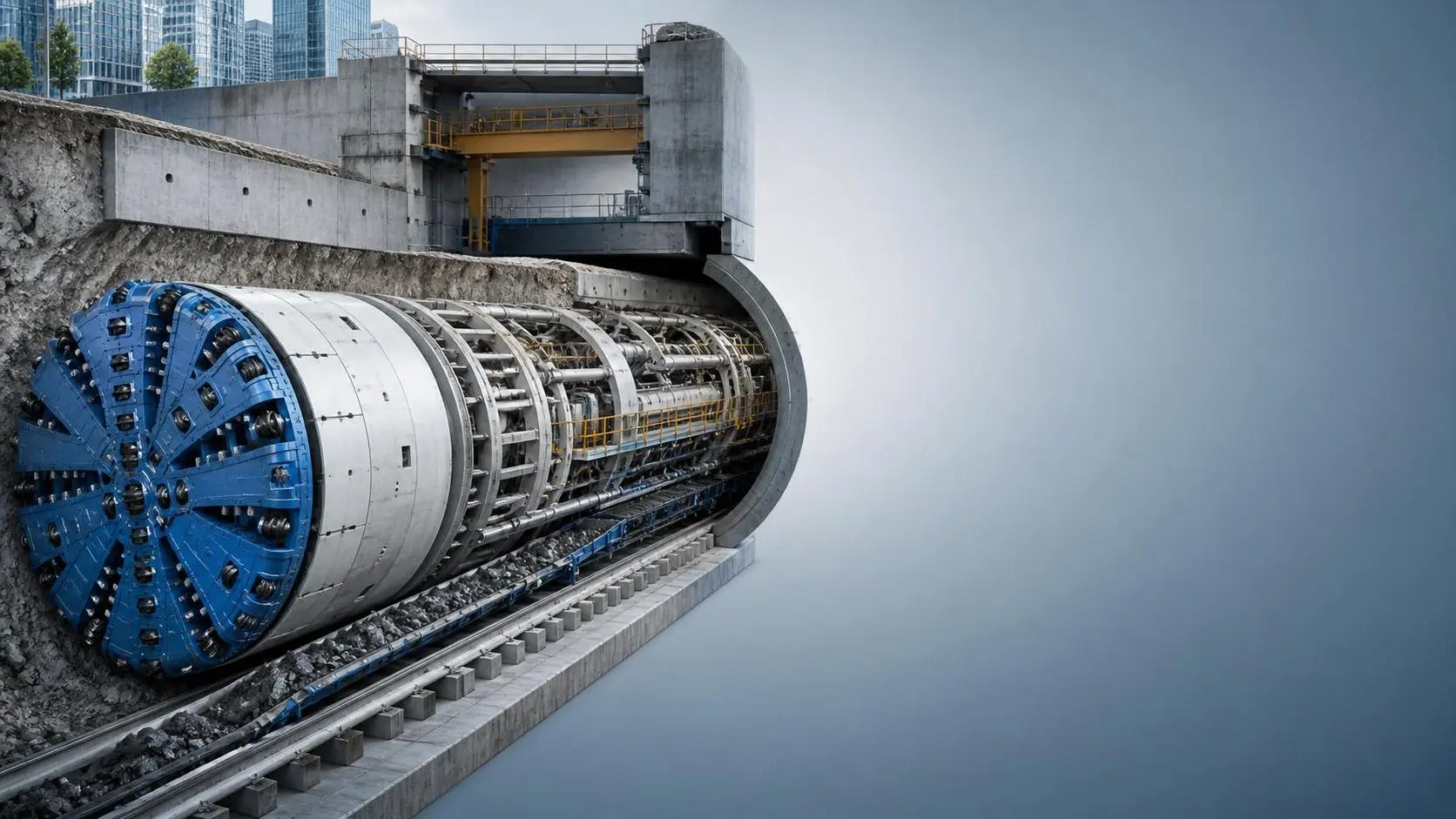
What Drives TBM Excavation Cost in Urban Tunneling Projects?
tbm excavation cost in urban tunneling depends on geology, shafts, segment lining, logistics, and risk. Discover the key cost drivers and compare bids with greater confidence.
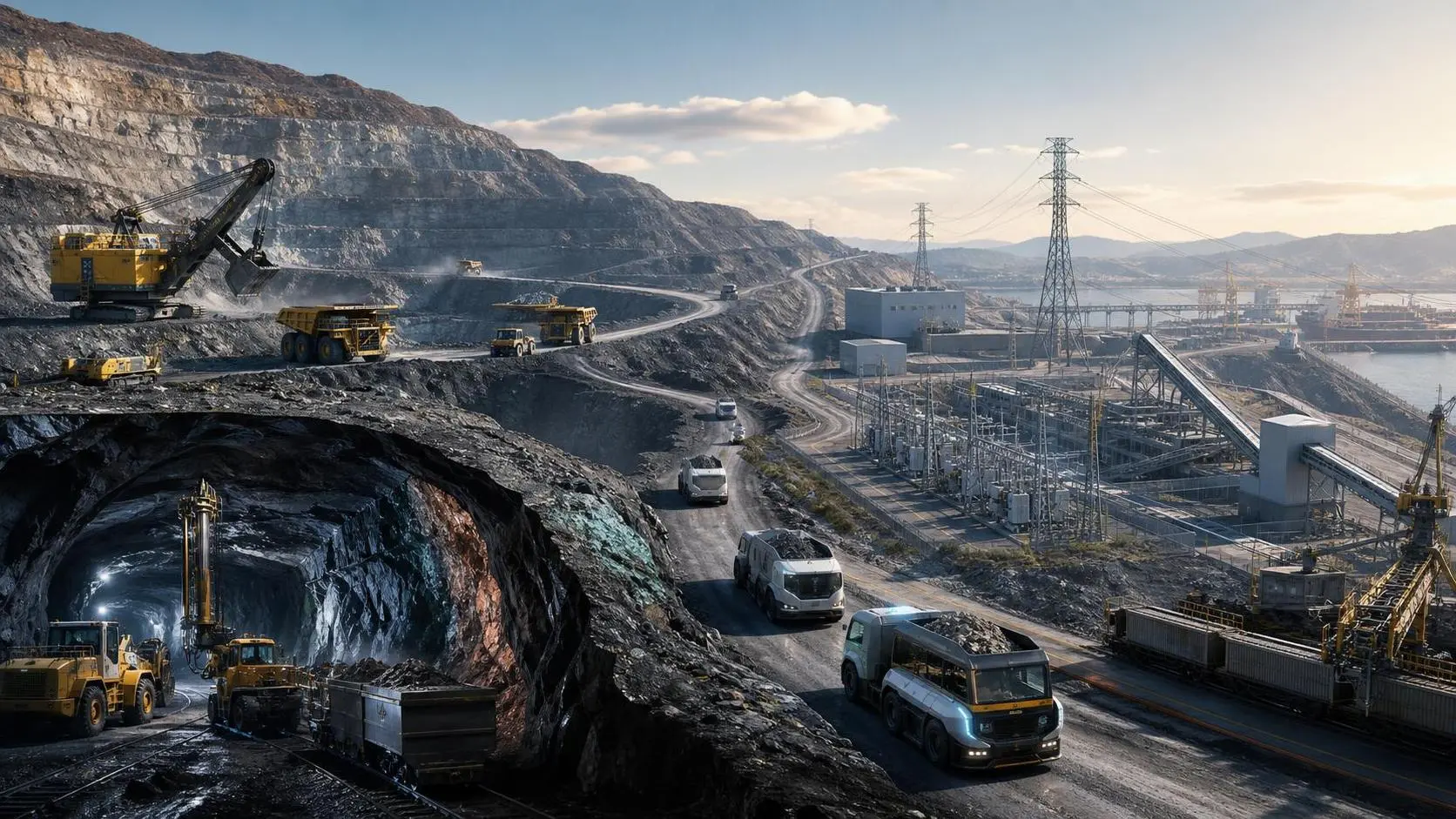
What Does Energy Metals Mining in Australia Mean for Supply, Cost, and Project Risk?
Energy metals mining Australia is reshaping supply, cost, and project risk. Discover what it means for buyers, investors, and operators.
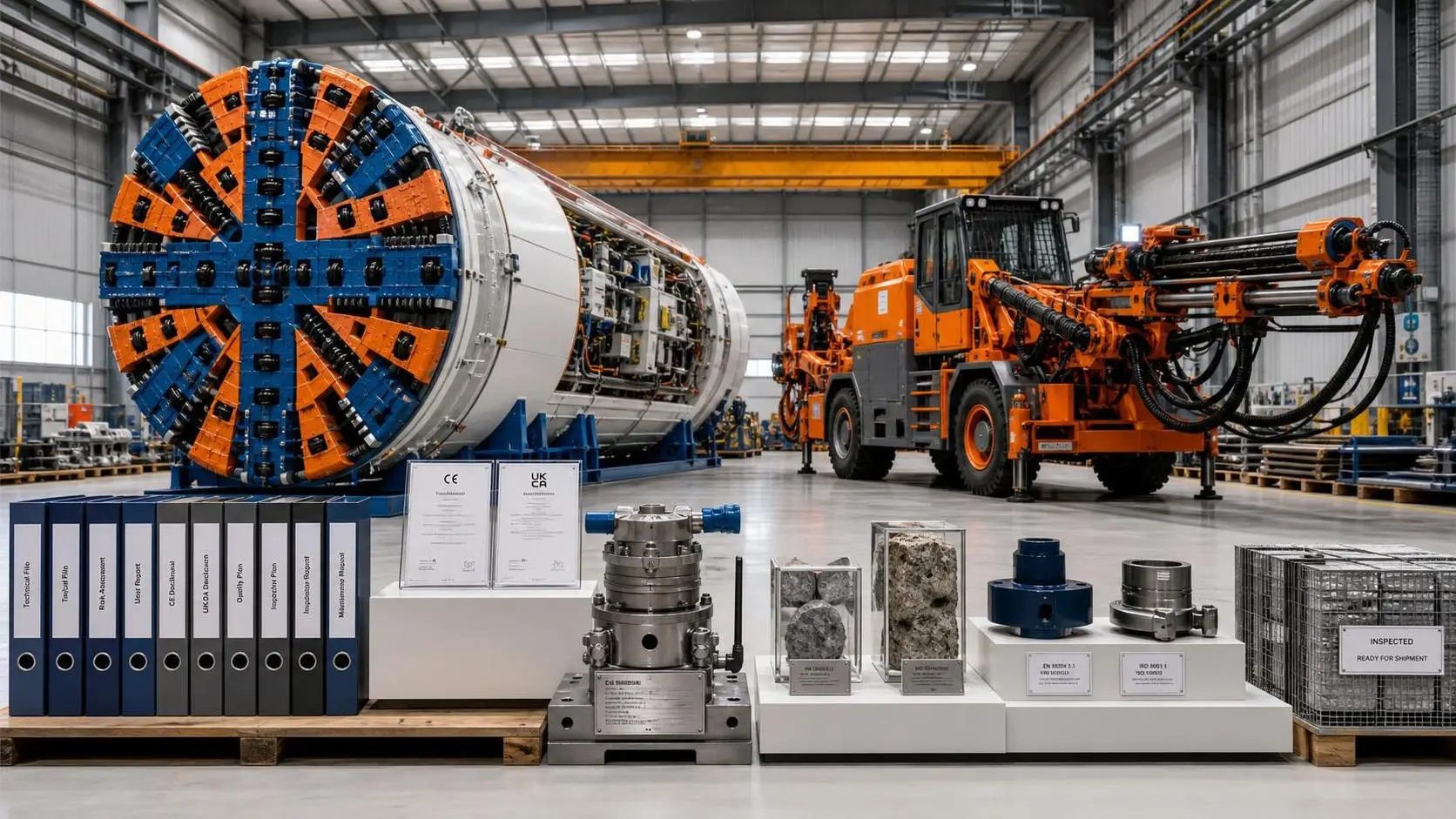
EU Eases Dual CE and UKCA Path for Chinese Tunnel Boring Equipment
EU eases CE and UKCA certification for Chinese tunnel boring equipment, cutting compliance time and helping importers move faster.
Related News
- 00
0000-00
How to Evaluate Underground Mine Automation Companies for Safety and ROI - 00
0000-00
How to Evaluate Underground Haulage Systems for Ore Output, Ramp Grade, and Ventilation Limits - 00
0000-00
How to Evaluate a Pipe Jacking Equipment Distributor for Project Support and Uptime - 00
0000-00
How to Build a Mining Decarbonization Strategy That Balances Emissions, Cost, and Fleet Reality - 00
0000-00
How to Evaluate Articulated Dump Trucks Payload for Haul Road Conditions and Cycle Efficiency
Weekly Insights
Stay ahead with our curated technology reports delivered every Monday.