
US Drafts AI Safety Rules for Underground Autonomous LHDs





On June 26, 2026, the U.S. National Institute of Standards and Technology (NIST) released a draft Underground Autonomous Equipment AI Safety Framework that puts new attention on remote-controlled Autonomous LHDs in underground operations. The development matters because it does not stop at general AI safety language: it introduces mandatory test benchmarks around 5G remote-control latency, SLAM positioning drift, and multi-machine conflict avoidance, with public comments scheduled for September 2026 and an expected shift to mandatory import access requirements in Q1 2027. For equipment suppliers, importers, buyers, testing-related firms, and delivery teams, this is a rule signal that can begin affecting specification alignment, compliance preparation, and procurement timing well before formal enforcement.
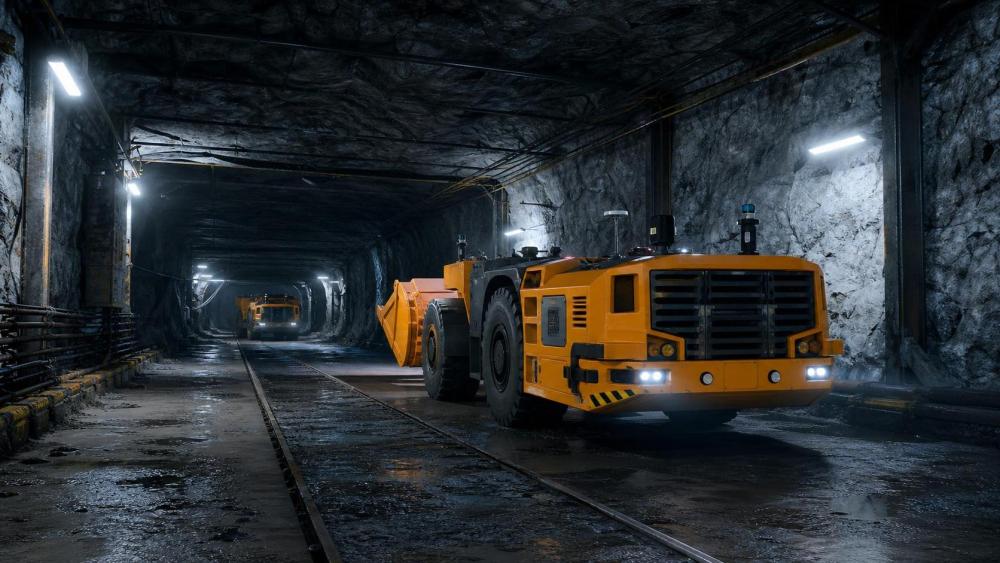
What the draft framework confirms so far
According to the information provided, NIST issued the draft Underground Autonomous Equipment AI Safety Framework on June 26, 2026. The draft is the first to set mandatory testing benchmarks specifically for Autonomous LHDs in three areas: 5G remote-operation latency, SLAM positioning drift, and conflict avoidance in multi-machine coordination. The framework is scheduled for public comment in September 2026, and it is expected to become a mandatory import market-access condition in Q1 2027.
Where the rule change may start to affect business activity
Equipment suppliers may face earlier technical compliance screening
From an industry perspective, manufacturers and exporters of Autonomous LHDs are likely to be affected first because the draft points directly to testable system behavior rather than broad product claims. The likely pressure points are technical documentation, test preparation, product configuration review, and bid specification alignment. What deserves closer attention is whether existing product files, validation materials, and delivery documentation can clearly address latency performance, positioning stability, and multi-machine safety logic under underground operating conditions.
Importers and distributors may need to reassess market-entry readiness
For import-focused businesses and channel operators, the relevance is tied to the framework's expected role as a mandatory import access condition in Q1 2027. Analysis shows that import planning may increasingly depend on whether overseas equipment can demonstrate readiness against the named testing benchmarks. In practice, this can affect product selection, shipment scheduling, contract terms, and the timing of compliance review before customs, handover, or customer acceptance stages.
Procurement teams may see specification and acceptance terms tighten
Buyers and procurement departments may also be affected because once a framework starts defining mandatory benchmarks, technical tenders and acceptance documents often begin reflecting that direction. Observably, the immediate concern is not only whether equipment is available, but whether suppliers can support benchmark-related evidence, test records, and technical explanations during procurement and project delivery. This could influence supplier qualification review, bid comparison, and final acceptance criteria.
Testing and certification-related service providers may enter earlier in the delivery cycle
For testing bodies, certification-related firms, and after-sales support teams, the framework matters because it highlights measurable safety issues that may need structured verification before import or deployment. Analysis shows that these participants should watch for changes in required reports, traceability materials, and post-delivery support expectations, especially where troubleshooting, software updates, or remote-operation performance verification may become part of compliance-sensitive service work.
What companies should track before the framework moves closer to enforcement
Focus on benchmark-linked technical files
Companies involved in manufacturing, sourcing, or importing Autonomous LHDs should review whether their existing technical files can map clearly to the three named benchmark areas. Since the provided information does not include detailed execution rules, it is more appropriate to treat this as an early compliance preparation issue rather than an already settled documentation checklist.
Watch the public comment stage for enforcement language
The September 2026 public comment process deserves close attention because later enforcement often depends on how test methods, evidence standards, and scope definitions are finalized. Observably, businesses should monitor whether official wording narrows or expands the interpretation of latency, SLAM drift, and multi-machine conflict avoidance in ways that affect product eligibility or testing burden.
Recheck procurement timelines and supplier qualification
Where delivery schedules extend into 2027, procurement and supply chain teams should examine whether current sourcing plans assume market access conditions that may soon change. Analysis shows that supplier screening may need to move earlier, especially for imported equipment, so that qualification, technical review, and possible retesting do not compress delivery windows later.
Prepare for closer links between import, delivery, and after-sales support
Because the framework is expected to connect with import access, firms should also consider whether after-sales response, software maintenance records, and quality traceability documents are sufficiently organized. What deserves closer attention is the operational handoff between sales, compliance, service, and end-user support, since gaps there can become more visible once benchmark-based requirements begin shaping acceptance expectations.
Why this should be read as an enforcement signal, not yet a settled rulebook
Analysis shows that this development is stronger than a general policy discussion because it identifies mandatory testing benchmarks and links them to a future import access condition. At the same time, it remains a draft with a public comment stage still ahead. It is more appropriate to understand this as an enforcement-direction signal with practical consequences for preparation, rather than as a fully settled compliance regime with final execution detail already in place. That distinction matters for companies deciding whether to adjust current bids, sourcing decisions, and validation plans now or wait for additional official clarification.
How the market is likely to interpret the draft for now
From an industry perspective, the immediate significance lies in the shift from broad AI safety discussion to named performance checkpoints tied to underground autonomous equipment. The draft does not yet confirm every operational detail, but it does indicate where future scrutiny may concentrate. A measured reading is that companies exposed to U.S.-bound Autonomous LHD trade or procurement should begin aligning documents, testing expectations, and supplier communication now, while continuing to watch for the final compliance language.
Basis of this article and what still needs verification
This article is generated from the user-provided news title, event date, and event summary. For developments of this type, relevant source categories usually include official notices, regulator publications, trade or customs authority information, standards organization documents, industry association materials, and reporting by authoritative media. A specific official source link was not provided in the input, so the exact publication text and subsequent updates still need continued verification. Areas that remain worth tracking include detailed policy language, certification and testing interpretation, tender document changes, industry feedback, and how companies implement the framework in practice.
Related News
Tunnel Boring Machine Costs: Budgeting for Purchase, Operation, and Project Risk
Tunnel Boring Machines cost more than purchase price. Learn how to budget lifecycle costs, downtime, logistics, wear, and project risk for smarter TBM decisions.
Open-Pit Haulage Cost Analysis: How Mine Managers Can Cut Cost per Tonne
Open pit haulage cost analysis: discover practical ways to reduce cost per tonne through payload control, cycle-time optimization, road performance, and smarter fleet decisions.
Tunnel Construction Innovations That Reduce Risk and Schedule Delays on Urban Projects
Tunnel construction innovation for urban projects: discover smarter TBMs, real-time monitoring, trenchless methods, and automation that reduce risk and protect schedules.
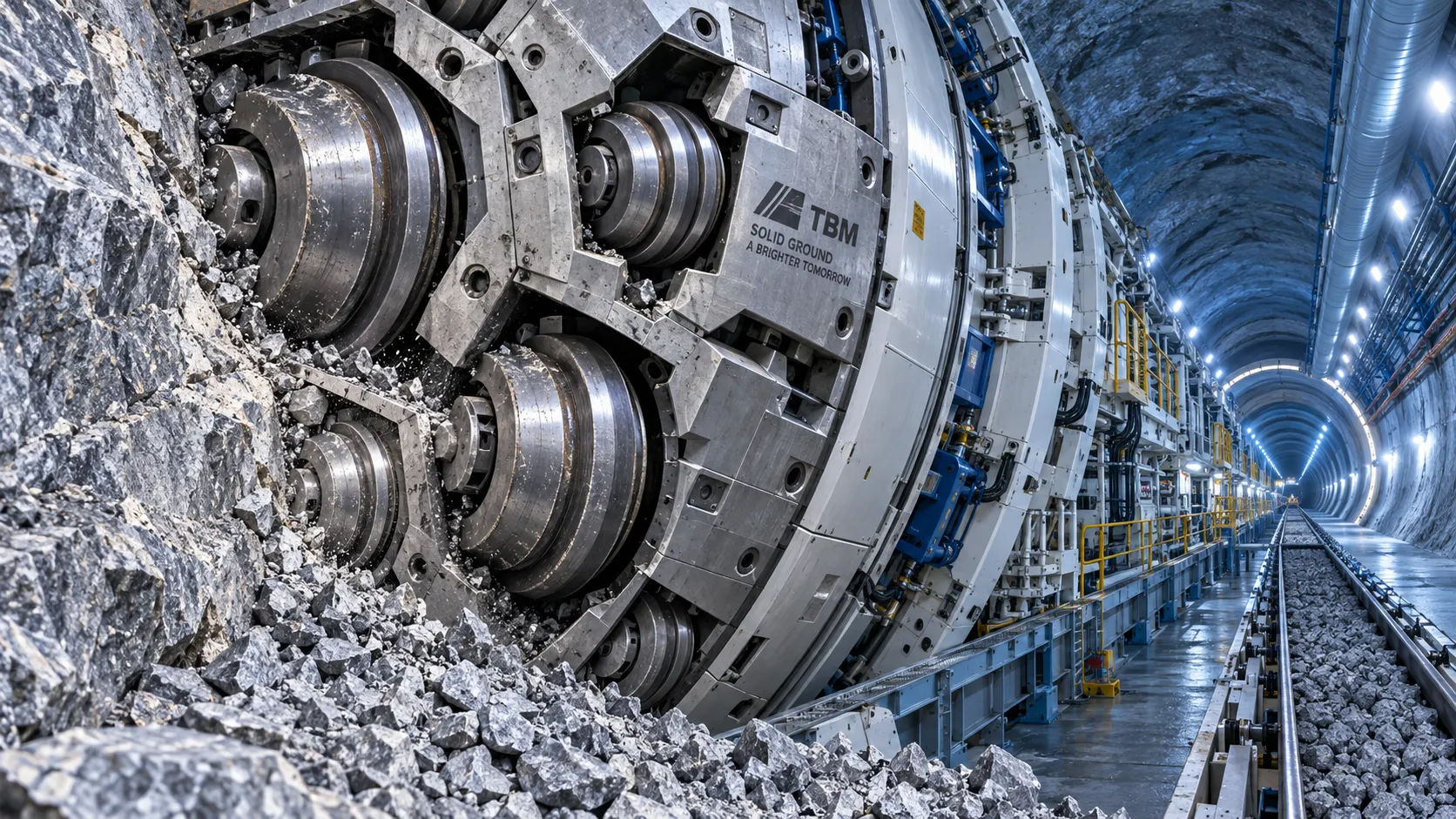
TBM Disc Cutter Design: Key Geometry and Load Factors for Hard Rock Tunnelling
TBM disc cutter design explained: explore geometry, spacing, load distribution and maintenance factors for reliable, efficient hard-rock tunnelling performance.
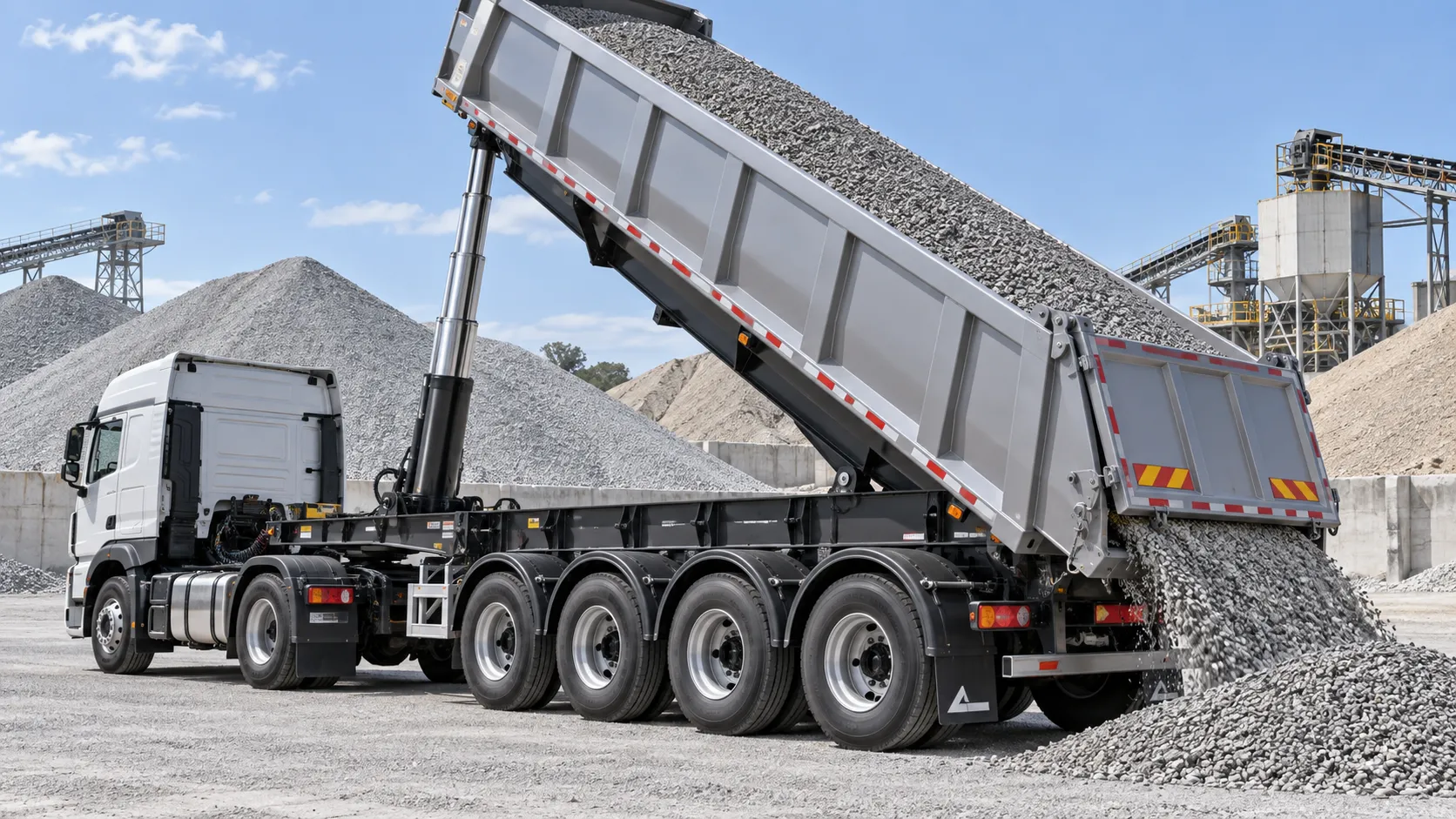
Hydraulic Tipping Stability Risks in Multi-Axle Dump Special Trailers
Dump special trailers: discover key hydraulic tipping stability risks, multi-axle load dynamics, and practical safety controls for safer, smarter bulk hauling.
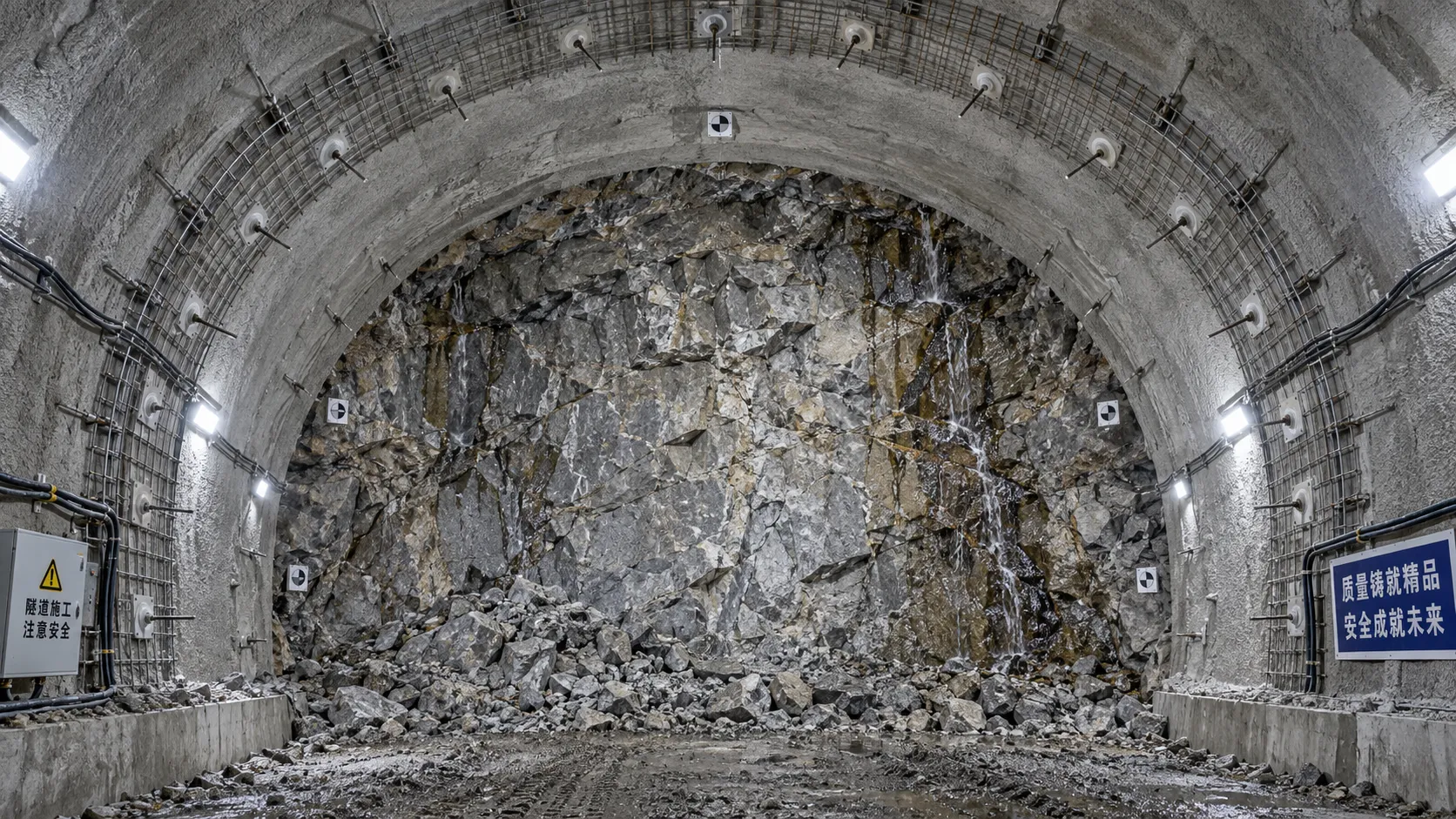
When rock reinforcement in tunnel construction must change after blasting
Rock reinforcement in tunnel construction must change when blasting reveals overbreak, weak joints, water inflow, or deformation. Discover key post-blast support decisions.
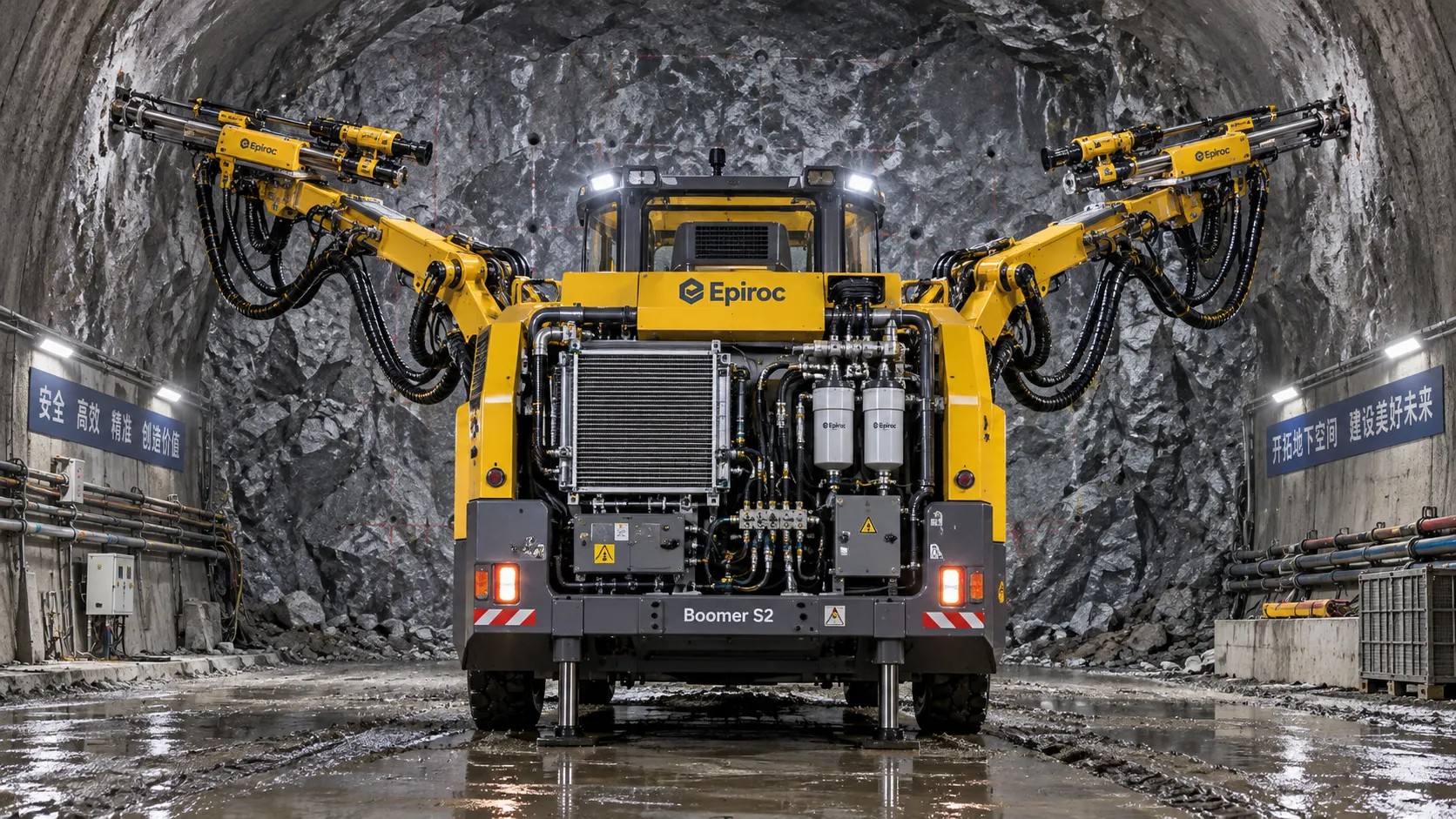
How tunnel hydraulic systems influence drill jumbo uptime underground
Tunnel hydraulic systems directly influence drill jumbo uptime. Explore how stable pressure, clean oil, cooling, and maintainable design reduce underground downtime.
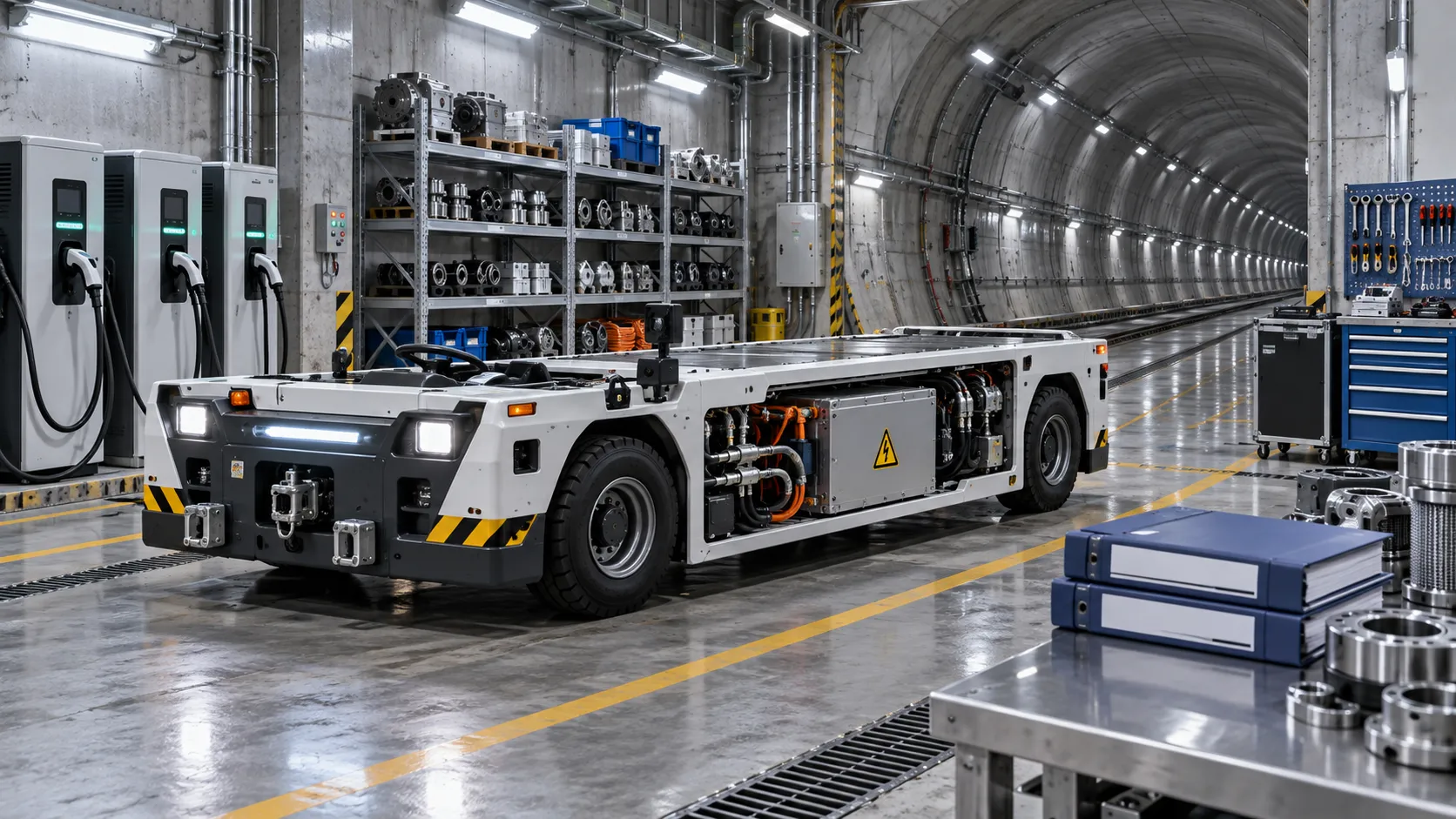
What to verify before appointing a tunneling vehicles manufacturer
Choosing a tunneling vehicles manufacturer? Verify application fit, reliability, compliance, parts support, training, and channel terms before appointing a partner.
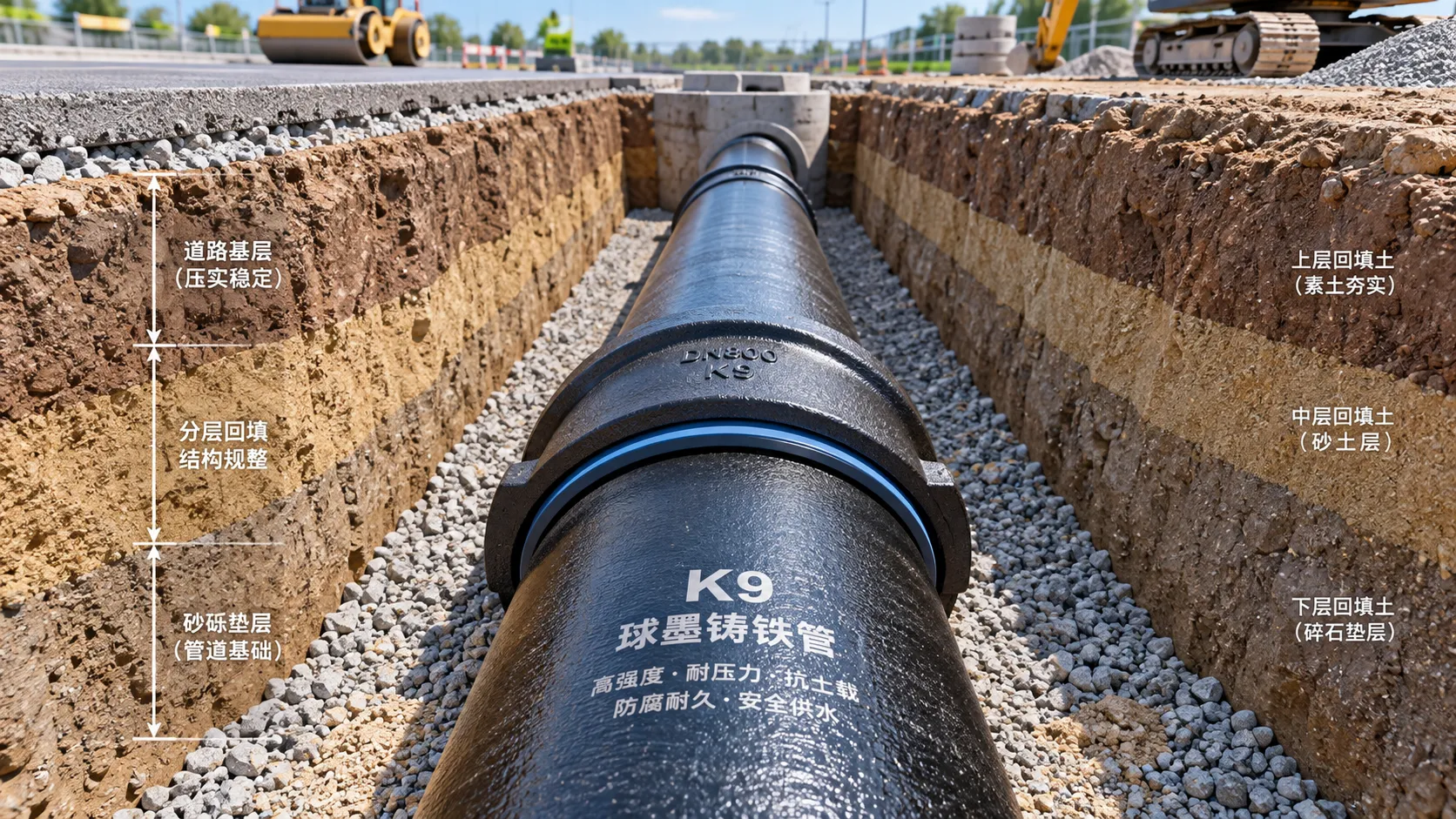
Selecting K9 Ductile Iron Pipe for Buried Water Pipeline Conditions
K9 ductile iron pipe selection for buried water pipelines: compare pressure duty, joints, soil loads, corrosion protection, and installation controls for reliable long-term performance.
Related News
- 00
0000-00
Tunnel Boring Machine Costs: Budgeting for Purchase, Operation, and Project Risk - 00
0000-00
Open-Pit Haulage Cost Analysis: How Mine Managers Can Cut Cost per Tonne - 00
0000-00
Tunnel Construction Innovations That Reduce Risk and Schedule Delays on Urban Projects - 00
0000-00
TBM Disc Cutter Design: Key Geometry and Load Factors for Hard Rock Tunnelling - 00
0000-00
Hydraulic Tipping Stability Risks in Multi-Axle Dump Special Trailers
Weekly Insights
Stay ahead with our curated technology reports delivered every Monday.