
Underground Automation Technology: How to Improve Mine Safety and Cycle Efficiency





Underground automation technology improves mine safety and cycle efficiency when it is applied to the constraints that actually govern production: access to active headings, ground conditions, traffic interactions, ventilation capacity, equipment availability, and the quality of shift-to-shift information. Automating a machine without correcting these constraints can move delays elsewhere in the cycle. A remote LHD, for example, may load efficiently at the drawpoint while losing its advantage at a congested dump pocket, a poorly maintained communication zone, or a loading bay with inconsistent rock fragmentation.
The practical objective is to remove people from high-exposure areas while making each repeated activity more predictable. This includes drilling, charging support holes, loading blasted material, hauling, dumping, tramming between work areas, and inspecting zones after a blast. Predictability matters because an underground production cycle is tightly linked: a delay in one heading can create idle time at the crusher, restrict ventilation sequencing, or force equipment to wait in passing bays.
Start with the exposure point and the cycle constraint
Automation projects often begin with a machine category, such as autonomous LHD loading or remote drilling. A stronger starting point is the point where exposure and variability overlap. This may be a freshly blasted drawpoint with uncertain brow conditions, a narrow intersection where loaded and empty vehicles repeatedly meet, or a stope where diesel heat and exhaust reduce the available working window.
Different automation functions address different problems. Tele-remote operation creates separation between people and the active production area, but it still relies on disciplined traffic control and a stable communications link. Supervised autonomy can repeat haul routes and loading patterns with less cycle-to-cycle variation, yet it requires accurate route definition, protected operating zones, and reliable detection of unexpected obstacles. Fleet management systems reveal queueing and utilization losses, but their value depends on correctly interpreting why equipment is waiting.
A long loading time, for instance, does not automatically indicate a machine-performance issue. Oversize rock, poor muck-pile geometry, tire spin, bucket fill variation, weak lighting, and a blocked dump point can produce similar data. Treating all of them as an LHD productivity problem risks expensive changes with little effect on tonnes moved.
Build the automated cycle around physical mine conditions
Underground automation is constrained by the excavation itself. Drift width, turning radii, gradient, floor condition, brow geometry, ventilation doors, refuge bays, and intersection visibility all affect whether a machine can move smoothly and whether its sensing system has enough context to work reliably. A route that is technically passable for a manually driven vehicle may still be unsuitable for repeatable autonomous tramming.
Roadway condition deserves particular attention. Water, loose fines, ruts, and polished rock change traction and braking behavior. On a decline, those changes influence both stopping distance and the repeatability of speed control. On battery-electric equipment, sustained grade also changes energy consumption and the timing of charging or battery exchange. The route plan should therefore use actual operating profiles rather than a simple map distance between loading and dumping points.
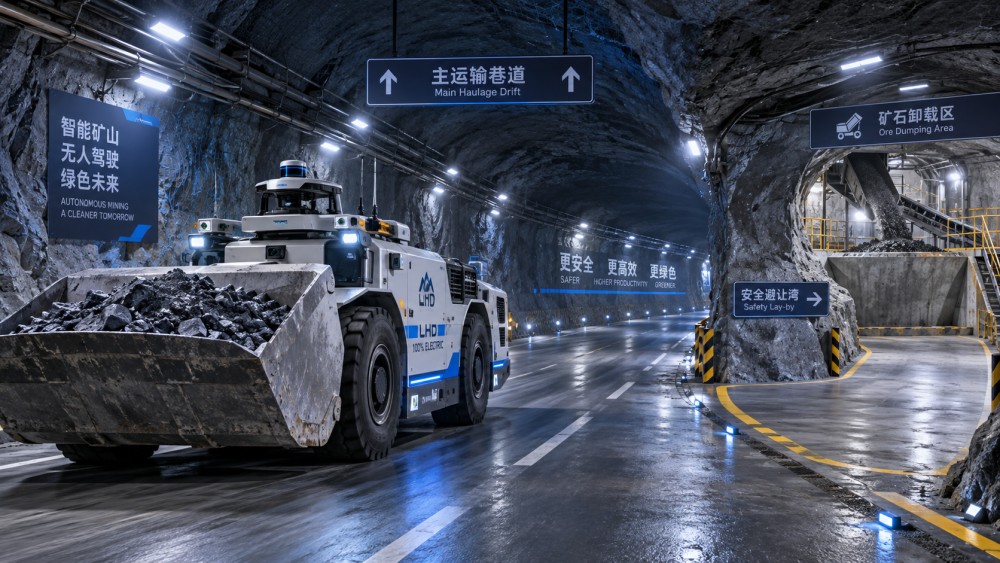
Ground support and production layout also affect the digital system. Mesh, bolts, services, reflective surfaces, dust, and water spray may influence perception sensors or radio propagation. A navigation solution that performs well in a regular, well-supported access drift can need different landmark placement, sensor cleaning intervals, or operating limits near irregular stopes and rough development faces. The aim is not to make every underground space look identical; it is to define where each automation mode is appropriate and what condition triggers a fallback procedure.
Separate fixed routes from changing faces
Fixed haulage corridors are usually the most stable place to establish autonomous movement. Their geometry changes slowly, traffic rules can be made explicit, and communication infrastructure can be installed with fewer interruptions. Active headings are different. Muck piles change after each blast, support patterns evolve, services move, and scaling can alter the visible profile of the face. Remote operation or constrained automation is often better suited to these areas than a fully autonomous sequence.
This distinction prevents a common planning error: applying one autonomy level to every task because the machines share the same fleet. The loading face may need remote control with exclusion-zone management, while tramming from the loading point to a fixed ore pass can use a more automated route. The transition between those modes needs to be designed as carefully as the modes themselves. Poorly defined handover locations create uncertainty, congestion, and unnecessary exposure.
Make collision avoidance part of traffic design
Collision-avoidance technology is most effective when it reinforces a clear traffic system. Proximity alerts alone do not resolve conflicting priorities at intersections, passing bays, workshop entrances, fuel or battery stations, and dumping locations. If every alert produces a different informal response, the system becomes background noise rather than a protective control.
Underground traffic design should identify the places where a machine must yield, stop, request access, or enter only after a zone is clear. These rules need to match the machine's braking capability, load condition, and visibility limits. A loaded LHD descending toward an intersection cannot be managed the same way as an empty utility vehicle on level ground. Similarly, a detection zone set too wide in a cramped drift may generate repeated nuisance stops, while a zone set too narrow may not leave sufficient reaction distance.
Pedestrian separation requires equal discipline. Barriers, controlled access points, geofenced zones, and positive entry authorization are stronger controls than relying on visual awareness in dust, noise, or blind corners. The automation system should know when a protected zone has been entered and should move the equipment into an appropriate state. That state may be a controlled stop, reduced speed, or prevention of autonomous movement until the zone is cleared.
Use fleet data to diagnose the whole cycle
Cycle efficiency is often reduced by losses that are individually small but repeated hundreds of times. Machine telemetry can expose travel time, loading time, dump time, waiting, energy use, route deviation, alarm events, and availability. These values become useful only after the cycle is defined consistently. A load-haul-dump cycle should have unambiguous start and end events: arrival at the loading area, loading completion, departure, arrival at the dump point, discharge completion, and return.
Without clear event definitions, a dashboard may report improved average cycle time while concealing a growing queue at the crusher or a larger number of short, incomplete loads. Average values also hide variation. A stable cycle with a slightly longer mean can be easier to schedule than a faster average produced by a mix of very short and heavily delayed trips. Looking at distribution, recurring delay locations, and event sequence gives a more actionable picture than a single utilization figure.
Payload interpretation also needs care. A lower-than-expected payload may result from conservative bucket filling, poor fragmentation, wet sticky ore, a worn bucket edge, or restrictions imposed by road condition. Increasing target payload without understanding the cause can increase tire damage, spillages, braking demand, and travel time. The operational question is whether the total system moves material safely and consistently, not whether one loading event reaches a nominal maximum.
Connect maintenance signals to production decisions
Automation increases the value of machine condition data because repeated routes and control actions make abnormal behavior easier to identify. Hydraulic temperature trends, battery state, wheel slip, brake temperature, drill-feed response, vibration, communication dropouts, and sensor contamination can indicate a developing issue before a complete stoppage occurs. The useful action is not simply to generate more alarms. It is to connect each signal to a maintenance window, an operating restriction, or an inspection task.
Sensor cleanliness is a practical example. Cameras, lidar windows, antennas, and proximity devices operate in dust, mud, water spray, and blasting residue. A cleaning interval based only on calendar time may be inadequate after a high-dust production sequence, while excessive cleaning can consume scarce access time. Inspection frequency should reflect the local environment, alarm history, and the consequence of degraded sensing in that zone.
Communications infrastructure should receive the same treatment as mobile equipment. Leaky feeder, Wi-Fi, private cellular, access points, fiber connections, and power supplies all form part of the operating chain. A short coverage gap may be tolerable for a data upload but unacceptable during remote loading near an unsupported brow. The required availability and redundancy should therefore be tied to the specific control function, not described in general terms.
Commission automation in bounded operating areas
A staged rollout provides clearer learning than a broad activation across multiple headings. Begin with a defined route or work area where geometry, communication coverage, traffic rules, and maintenance access are understood. Establish a baseline for cycle events, delays, alarm types, and equipment condition before changing the control mode. That baseline should include abnormal operating periods, not only ideal shifts, because water ingress, ventilation changes, blast clearance delays, and rough floor are part of normal underground reality.
During commissioning, every intervention should be coded by cause. “Manual takeover” is not a useful root-cause category by itself. It should distinguish localization uncertainty, obstacle detection, road condition, route obstruction, communications loss, planned access, equipment fault, and operational instruction. This allows recurring issues to be separated from isolated events and prevents the team from changing a control parameter to compensate for a mine-layout problem.
- A loading zone should have defined brow limits, a verified exclusion boundary, clear access control, and a procedure for changing the route after blasting or scaling.
- Autonomous haul routes need mapped stopping locations that do not block ventilation doors, intersections, emergency egress, or access to services.
- Remote-control stations require reliable visual and telemetry feedback, but the underground machine also needs a predictable degraded-state response when that feedback is interrupted.
- Maintenance release should confirm that safety-critical sensors, brakes, steering, fire systems, communications devices, and software configuration are ready for the selected operating mode.
Change control matters because underground conditions are altered continuously. A new service line, altered dump arrangement, revised support profile, or temporary barricade can invalidate a route assumption. Updating a digital map without communicating the physical change creates a different hazard from changing the excavation without updating the map, but both lead to the same result: the machine is acting on an inaccurate representation of its environment.
Measure safety and efficiency without trading one for the other
Safety performance should not be inferred from production output, and cycle efficiency should not be inferred from reduced exposure alone. Both need their own operating indicators. Exposure can be assessed through time spent in defined high-risk zones, manual interventions near active faces, unauthorized zone entries, proximity events, and the reliability of exclusion controls. Efficiency can be assessed through completed cycles, waiting by location, route consistency, loading quality, availability, and the time required to recover from interruptions.
The interaction between these measures is where the strongest improvements appear. Removing people from a loading face may reduce exposure immediately, but cycle gains will remain limited if the remote workflow requires repeated access to clear sensors, inspect the muck pile, or resolve unplanned traffic conflicts. Conversely, increasing vehicle speed may shorten travel time while reducing the margin for stopping on wet declines. A sound automation design preserves the safety envelope first, then removes the sources of variability inside that envelope.
Underground automation technology delivers durable value when the mine plan, physical layout, communications network, equipment controls, and maintenance routines are treated as one operating system. The equipment is visible, but the result depends on the less visible details: accurate zone boundaries, clean sensors, consistent event data, workable handovers, and prompt correction of changing conditions underground.
Related News
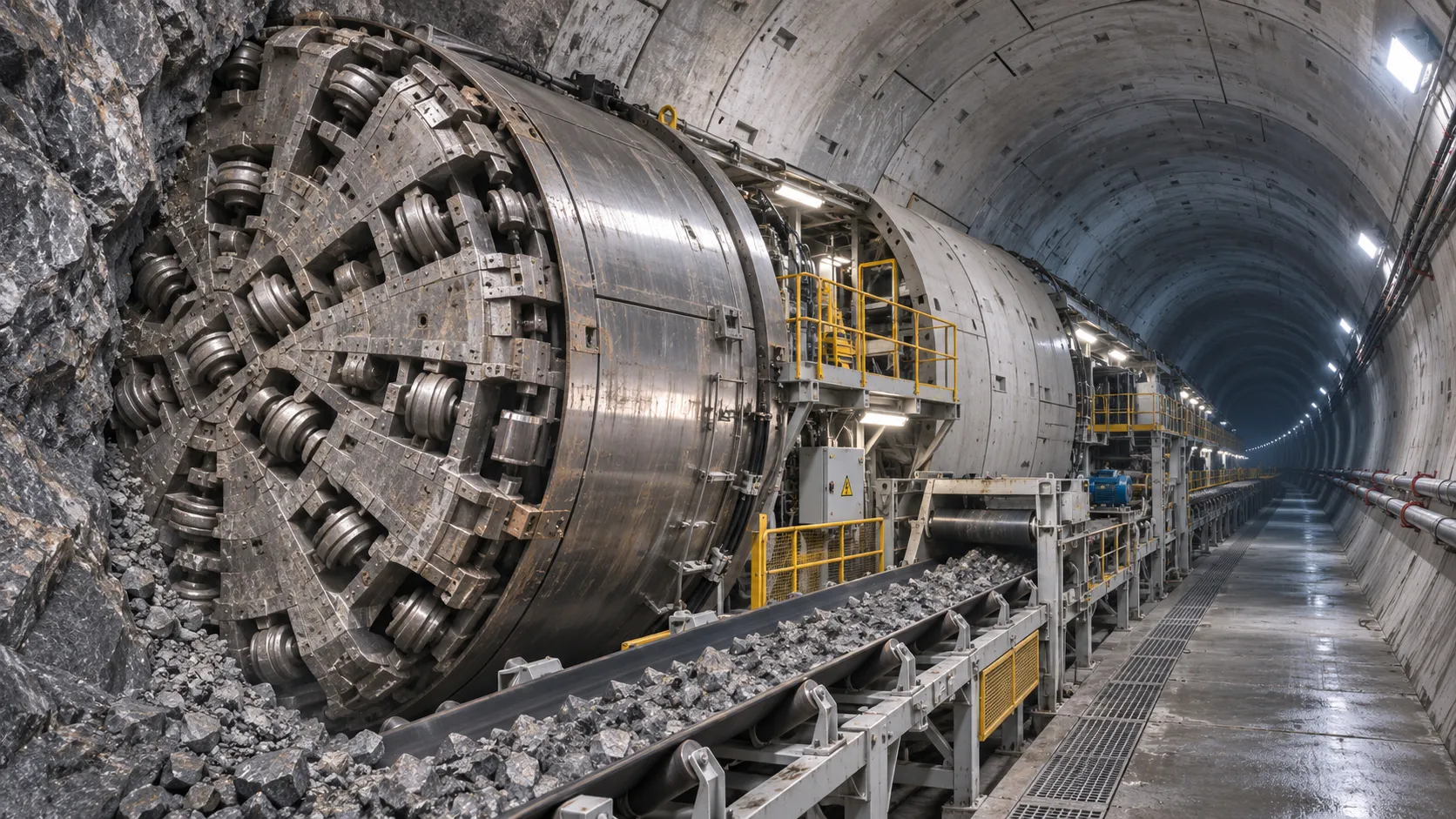
How TBM Excavation Works in Rock and Soft Ground: A Practical Guide
TBM Excavation in rock and soft ground explained: compare machine types, ground support, spoil removal, and the factors that guide smarter project planning.
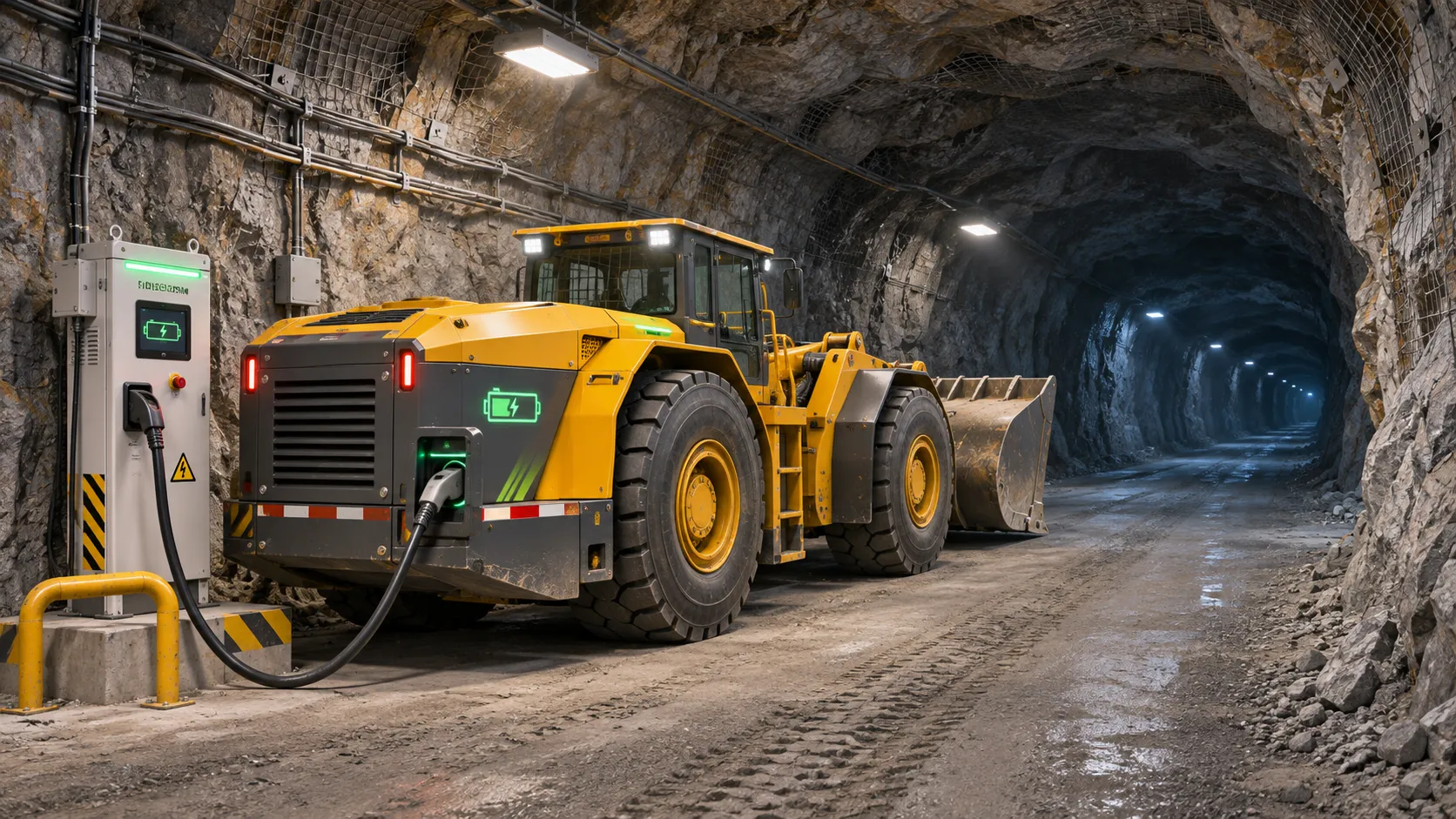
Choosing a Zero-Emission Underground Equipment Supplier: What to Check
Choosing a zero emission underground equipment supplier? Compare duty-cycle performance, charging, safety, total costs and support before you commit.
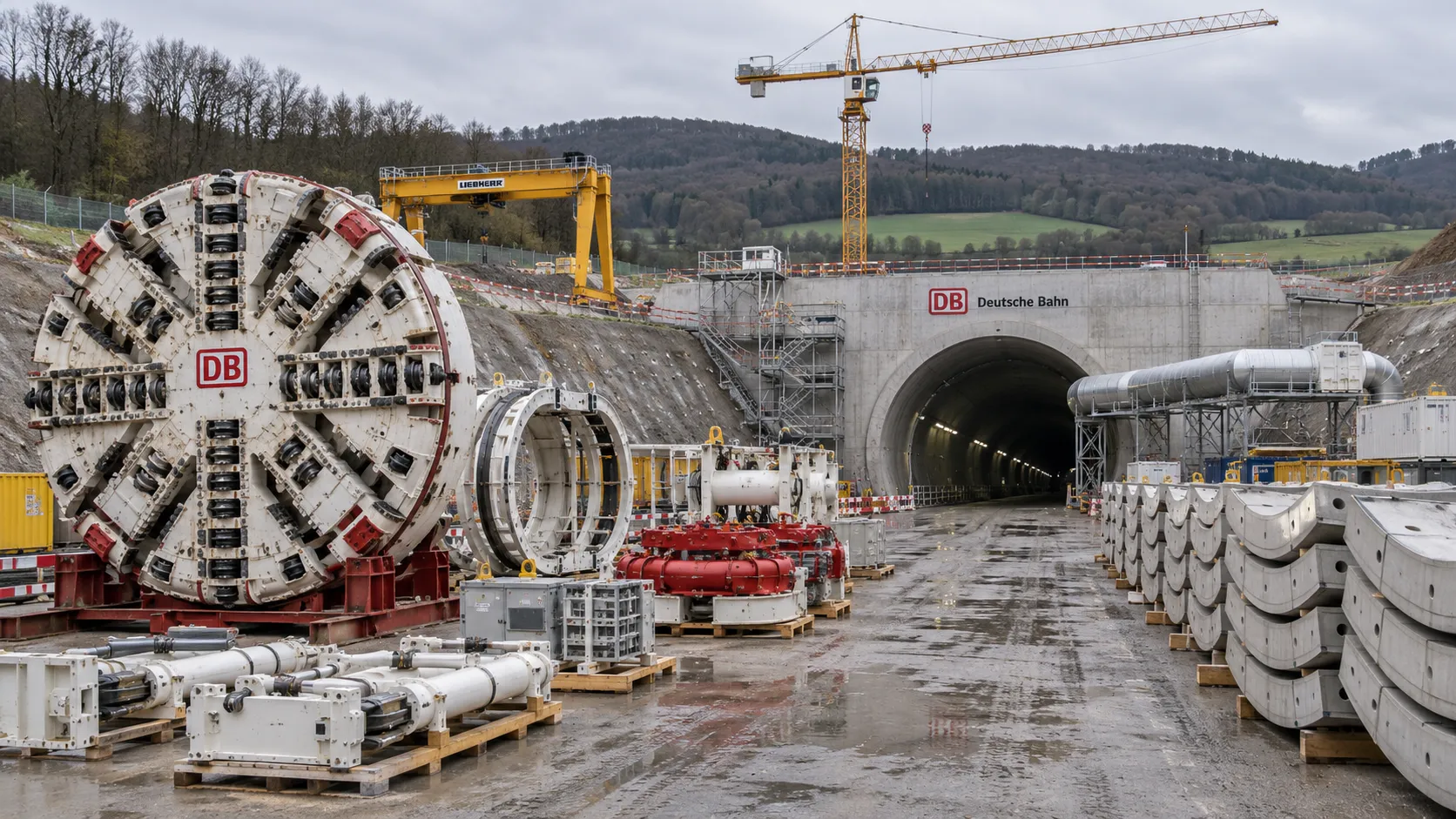
Construction Starts on Germany's Pfaffensteig Rail Tunnel, With Two TBMs Planned
Pfaffensteig rail tunnel construction is underway in Germany. Discover how two planned TBMs will support the 11-kilometre project near Stuttgart.
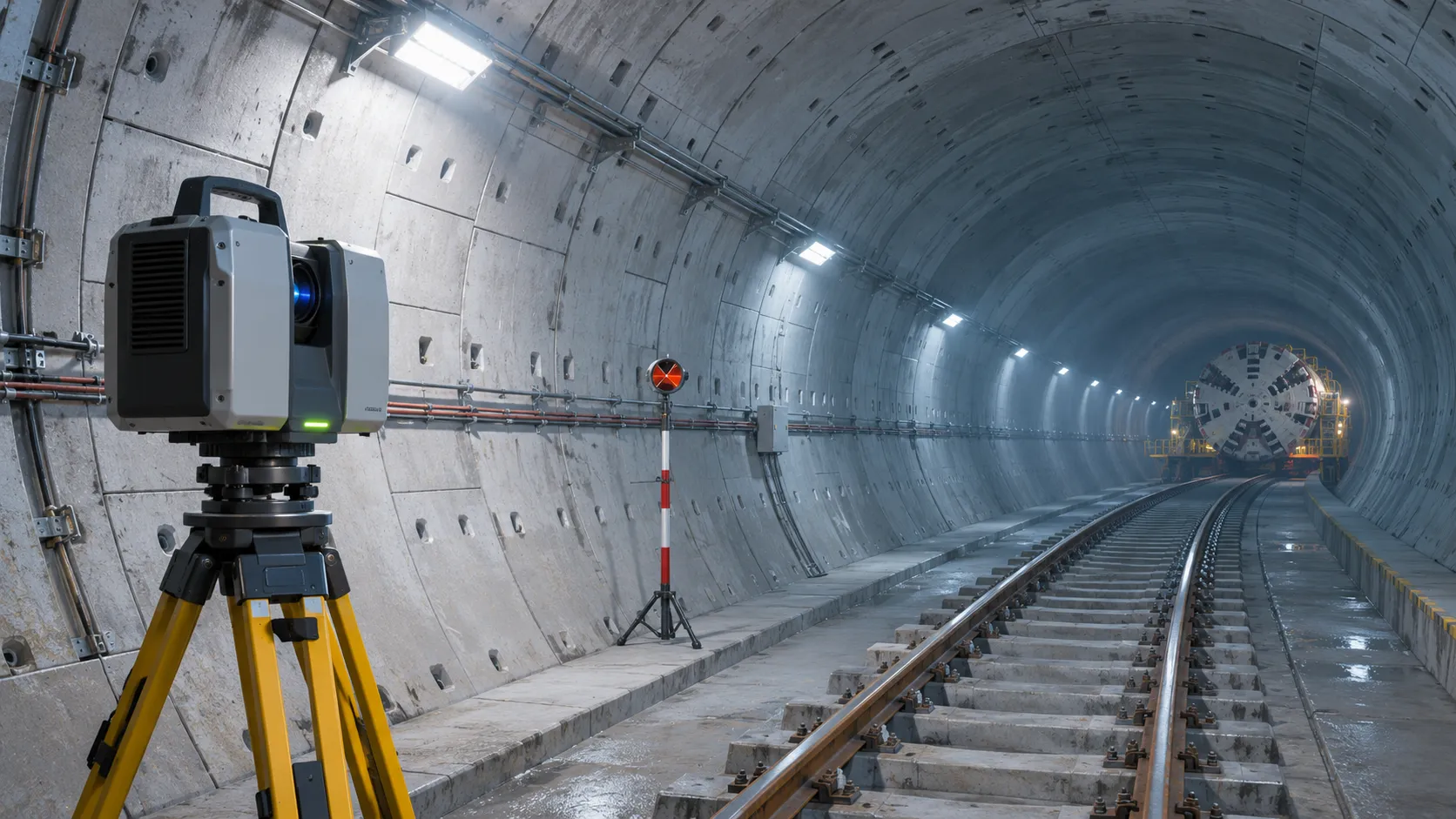
How Real-Time Underground Mapping Systems Work in Tunneling
Discover how real-time underground mapping systems guide tunneling teams, integrate sensor data, and support confident decisions with verified accuracy.
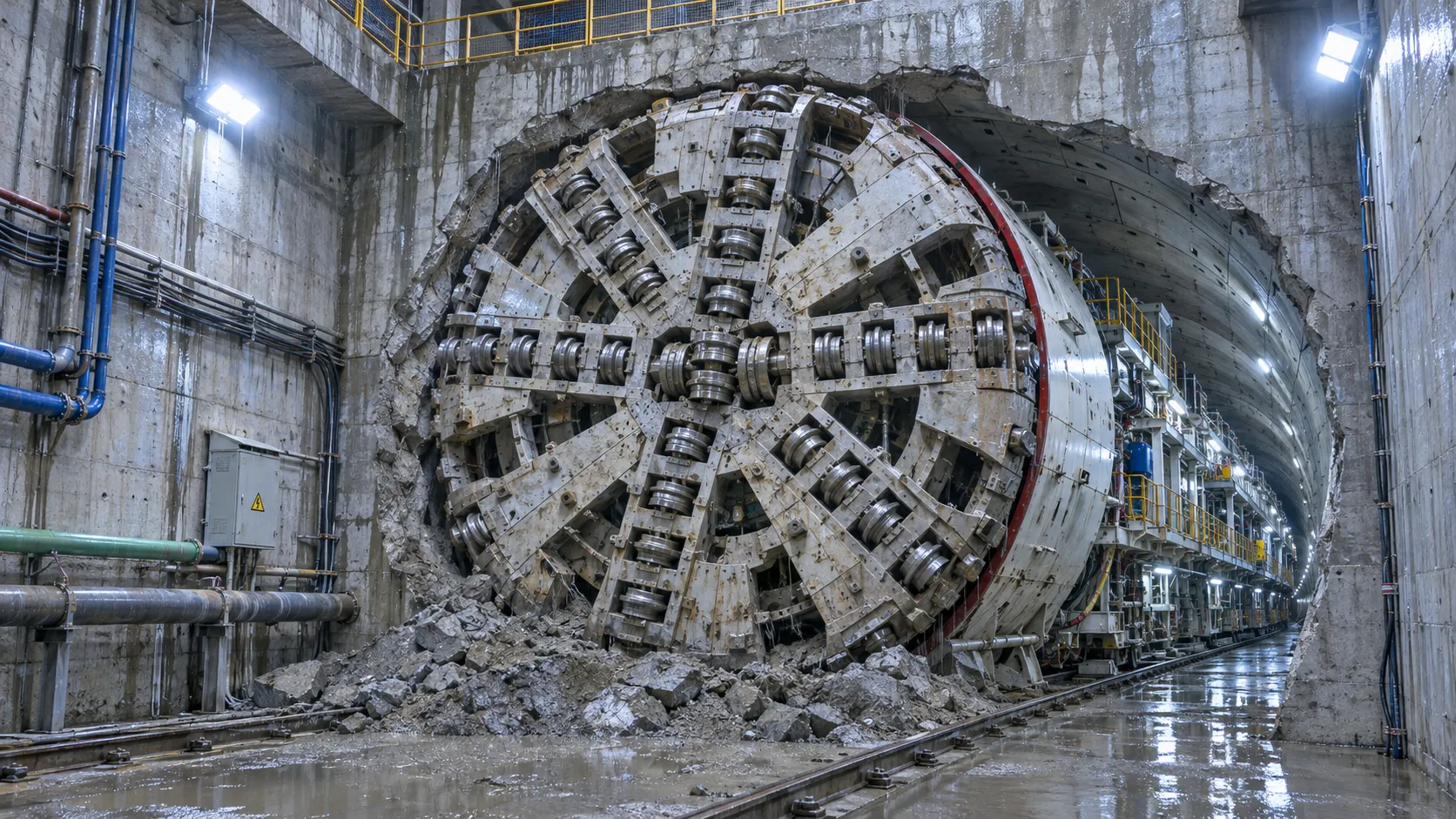
First Mechanized Tunnel Crossing Beneath the Panama Canal Completed
Panama Canal tunnel crossing: Explore the reported Metro Line 3 milestone and what it could mean for future underwater tunneling projects.
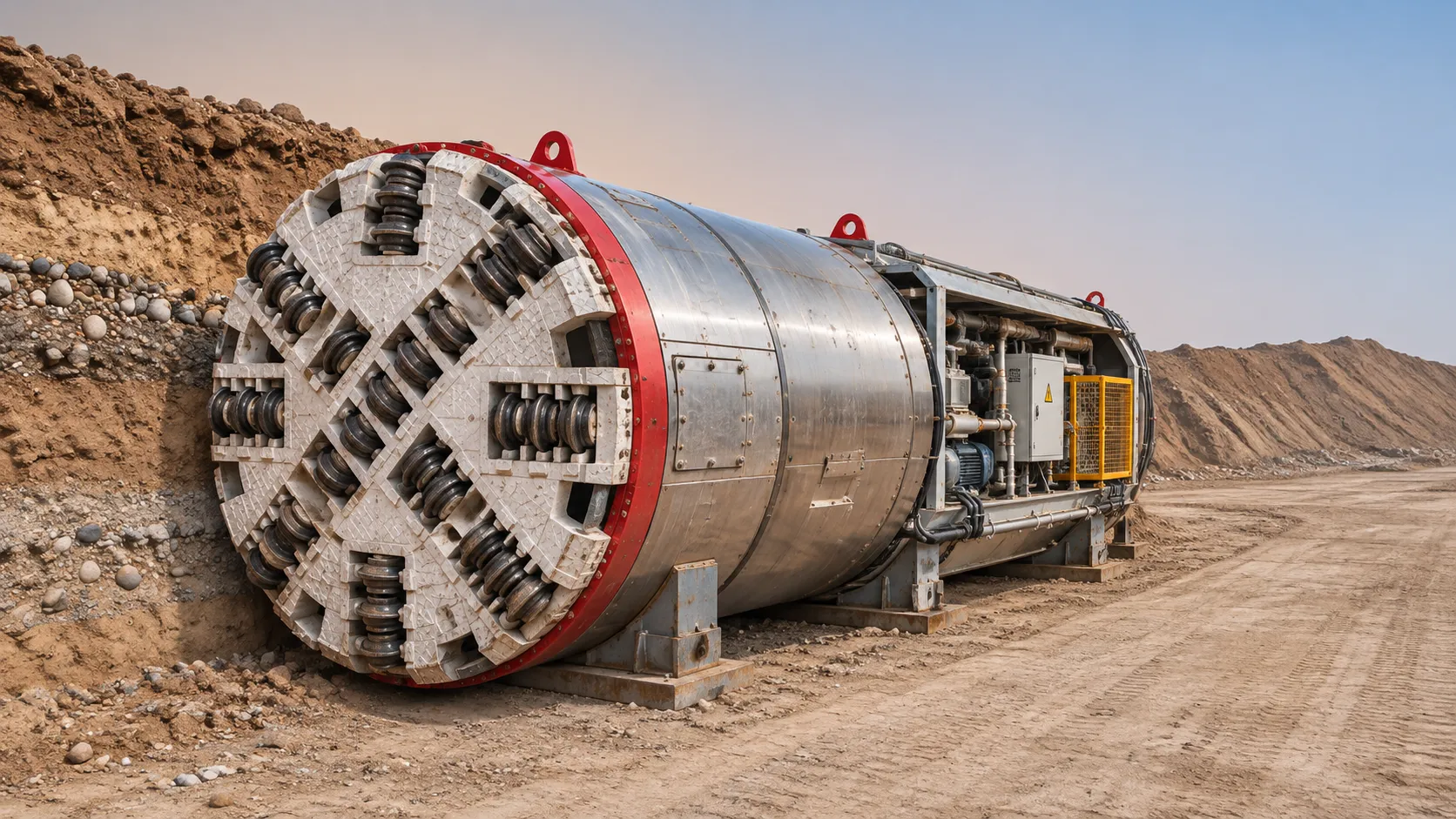
Underground Utility Construction Equipment: Choosing by Ground Conditions
Choose underground utility construction equipment with confidence. Compare trenching, HDD, microtunnelling and TBMs by ground conditions, risk and cost.
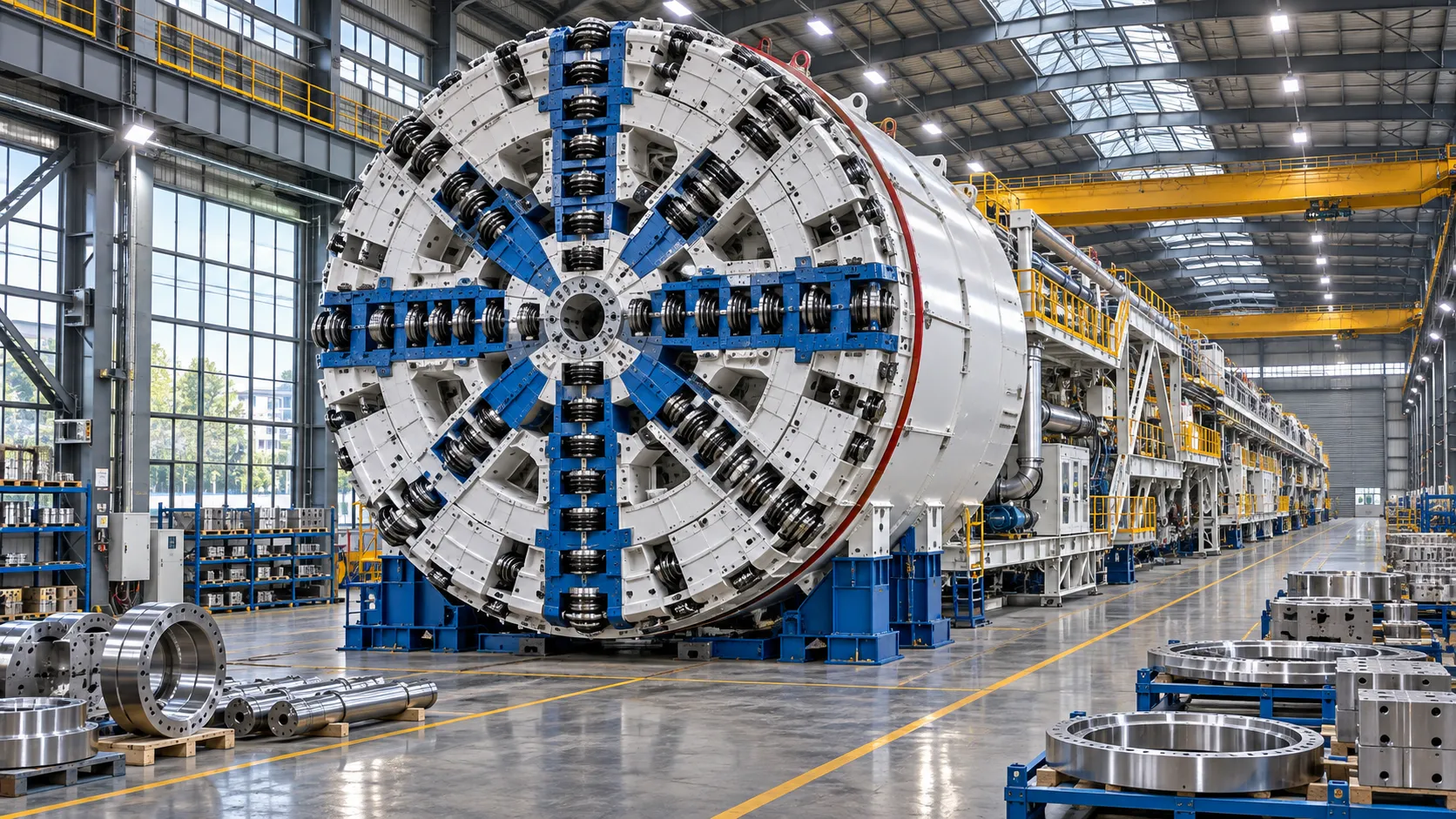
China Sets Tunnel Boring Machine Export Controls as India Pushes Local Production
China tunnel boring machine export controls could reshape procurement as India pushes local production. Explore potential supply and project impacts.
Choosing a Trenchless Pipeline Installation Contractor: Key Qualifications
Choose a trenchless pipeline installation contractor with confidence. Learn how to assess experience, equipment, safety, costs, and project risks before you hire.
China's 70% TBM Share and Export Controls Challenge India's Local Production
China's TBM export controls could challenge India's local production and infrastructure sourcing. Explore the potential risks and procurement options.
Related News
- 00
0000-00
How TBM Excavation Works in Rock and Soft Ground: A Practical Guide - 00
0000-00
Choosing a Zero-Emission Underground Equipment Supplier: What to Check - 00
0000-00
Construction Starts on Germany's Pfaffensteig Rail Tunnel, With Two TBMs Planned - 00
0000-00
How Real-Time Underground Mapping Systems Work in Tunneling - 00
0000-00
First Mechanized Tunnel Crossing Beneath the Panama Canal Completed
Weekly Insights
Stay ahead with our curated technology reports delivered every Monday.