
Where autonomous heavy-duty trucks improve mining logistics safety





Where Autonomous Heavy-Duty Trucks Improve Mining Logistics Safety
Autonomous heavy-duty trucks for mining and construction logistics deliver their strongest safety value where conventional haulage repeatedly exposes people to high-energy, low-visibility, and fatigue-sensitive work.
For safety managers and quality-control teams, the central question is not whether autonomy removes every risk. It is whether it creates measurably tighter operational control.
In suitable mining environments, the answer can be yes. Autonomous haulage can reduce exposure, enforce repeatable operating practices, and produce better evidence for incident investigation.
However, safety benefits depend on disciplined road design, equipment integration, traffic governance, maintenance quality, and clear accountability between autonomous and manually operated fleets.
This article identifies the mining logistics scenarios where autonomy offers the greatest protection, the risks that remain, and the controls safety leaders should evaluate.
Why Haulage Remains a Critical Mine-Safety Exposure
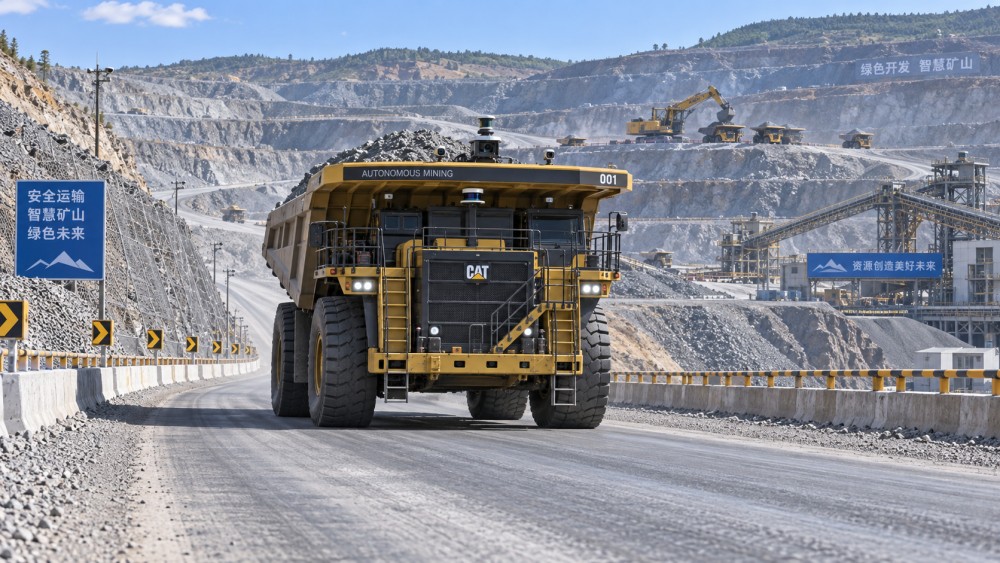
Mining haulage is inherently high consequence. Large trucks operate with extreme vehicle mass, long stopping distances, limited sightlines, variable grades, and continuously changing ground conditions.
Open-pit routes often combine steep ramps, dust, rain, loose material, blind crests, intersections, and light vehicles. Each condition can weaken human perception and decision-making.
Underground haulage adds confined dimensions, ventilation restrictions, poor radio propagation, narrow passing areas, and interactions between loaders, service crews, pedestrians, and mobile equipment.
Traditional controls remain essential, including berm standards, traffic rules, fatigue management, inspections, spotter procedures, and operator training. Yet these controls still depend heavily on consistent human execution.
Autonomous heavy-duty trucks for mining and construction logistics address a specific weakness: they can execute approved driving behavior repeatedly without distraction, fatigue, or informal shortcutting.
That does not make an autonomous truck inherently safe in every location. It makes safety performance more programmable, observable, and auditable when the operating domain is properly controlled.
The best candidates are repetitive haul cycles with defined loading points, designated dump locations, stable route geometry, strong communications coverage, and manageable interactions with other equipment.
In these settings, automation can create a more predictable logistics system than one built around variable operator judgment across long shifts and changing crew experience.
Removing People From the Highest-Energy Haulage Tasks
The clearest safety improvement comes from reducing direct human exposure to haulage cycles. A driver is no longer continuously positioned inside a high-energy mobile asset.
This matters most on long production routes, steep downhill segments, high-volume dump areas, and repetitive journeys where fatigue accumulates over twelve-hour operating schedules.
Autonomy can also reduce the number of workers required to enter active haul roads for routine coordination, particularly when dispatch, loading, and traffic separation are digitally integrated.
Removing a person from the cab does not remove all personnel exposure. Technicians, fuel crews, tire teams, recovery workers, and supervisors still enter operational areas.
Safety managers should therefore measure exposure reduction across the full work process, not only by counting fewer truck operators in active production zones.
A useful assessment asks where personnel currently cross haul routes, inspect stopped vehicles, direct traffic, recover disabled equipment, or respond to roadway incidents.
Those interfaces often reveal the largest remaining risk. Autonomous fleets require robust exclusion zones, digital permits, lockout processes, and verified vehicle state before intervention.
Quality-control personnel should also confirm that autonomous operations do not shift risk downstream, such as creating more complex maintenance interventions or recovery arrangements.
The goal is not simply unmanned transport. It is a haulage design in which fewer people need to make time-critical decisions near moving, fully loaded equipment.
Collision Avoidance Becomes More Consistent and Traceable
Collision risk is one of the most practical safety cases for autonomous truck deployment. Heavy trucks can detect, classify, and respond to hazards faster than inconsistent human observation.
Autonomous systems combine radar, lidar, cameras, positioning data, route maps, onboard controls, and fleet-management logic to maintain separation and enforce operational boundaries.
Where the system detects an obstacle, loss of route confidence, unauthorized entry, or conflicting movement, it can slow, stop, reroute, or request intervention.
The safety advantage is not merely sensor presence. It is the consistency of the response, including documented speed reductions, braking events, stop locations, and alert histories.
For incident prevention, these records are valuable. Teams can identify recurring near-miss locations, inadequate sight distances, poor intersection design, or vehicles repeatedly breaching geofenced areas.
Autonomy is especially useful at haul-road intersections, dump approaches, loading areas, and blind curves, where multiple machines compete for space and visibility is constrained.
Still, detection performance should never be assumed from supplier demonstrations. Mines need site-specific validation for dust, rain, glare, snow, vibration, reflective surfaces, and degraded visibility.
Safety managers should define the system's operational design domain, including road conditions, minimum visibility, positioning accuracy, communication availability, and permitted traffic participants.
When operating conditions exceed those limits, the fleet must enter a clearly defined degraded mode. That response may involve controlled stopping, restricted operation, or supervised recovery.
Speed, Following Distance, and Braking Rules Can Be Enforced
Human drivers must continuously interpret speed limits, road conditions, payload changes, grade, traffic density, and available stopping distance. Autonomous control can standardize those decisions.
A well-configured system can apply route-specific speed ceilings, reduce speed near intersections, preserve following distance, and account for downhill braking requirements more consistently.
This is particularly important for loaded trucks descending long ramps, where brake temperature, retarder performance, tire condition, road surface, and vehicle mass influence stopping performance.
Autonomous operation can combine vehicle telemetry with route rules to avoid aggressive acceleration, late braking, unsafe cornering, or speed drift caused by production pressure.
For quality teams, the important benefit is repeatability. Every cycle generates comparable data on speed compliance, braking profile, lateral acceleration, and route conformance.
That data can support trend analysis before a serious event occurs. Repeated high deceleration or frequent traction-control activation may reveal deteriorating road conditions or equipment defects.
Yet standardized driving only improves safety if the underlying parameters are correct. Poorly configured speed zones can create bottlenecks, unnecessary queueing, or unsafe interactions with manual vehicles.
Configuration changes therefore need formal review. Road engineers, production teams, maintenance leaders, safety staff, and automation specialists should approve critical operating-rule revisions together.
Change control should include testing, documented acceptance criteria, version tracking, and communication to every affected worker. Autonomous safety depends as much on governance as software.
Safer Loading, Dumping, and Queue Management
Loading and dumping are concentrated risk points because truck movement occurs near excavators, loaders, crushers, berms, stockpiles, and frequently changing material faces.
Autonomous trucks can approach loading units using defined trajectories, controlled queue positions, and system-managed right-of-way rules that reduce ambiguous radio communication and improvisation.
At the loading face, predictable stopping positions can help excavator operators maintain boom clearance and reduce the likelihood of truck misalignment, overhang contact, or uncontrolled repositioning.
At dumps, automation can enforce approach lanes, reverse paths, stop points, and tipping criteria. This is valuable where soft edges, changing berms, and visibility limitations create rollover exposure.
However, dump-area autonomy requires rigorous ground-condition assurance. A system cannot compensate for an unstable edge, inadequate berm, water-affected surface, or unreported change in geometry.
Daily inspection data must reach the fleet-control system quickly. Route and dump permissions should be updated before autonomous trucks are allowed into altered operating areas.
Quality-control teams should verify that survey information, earthworks updates, and digital maps reflect actual field conditions. Map accuracy is a safety-critical production input.
Queue management also matters. Autonomous dispatch can reduce congestion by spacing arrivals and assigning routes, lowering the pressure for operators to negotiate crowded working areas manually.
Better queue discipline can reduce idling, unnecessary reversing, and close-proximity interactions. These are modest individual improvements that become significant across thousands of haul cycles.
Remote Monitoring Strengthens Safety Assurance and Investigation
Autonomous truck fleets create continuous operating records that are difficult to achieve through manual observations alone. This improves both proactive assurance and post-event learning.
Control rooms can monitor truck location, route status, payload, speed, system health, communication quality, obstacle events, and exceptions across the operating area in real time.
For safety managers, the greatest value is early recognition of abnormal patterns. Repeated emergency stops, geofence incursions, route deviations, or network dropouts deserve investigation before harm occurs.
For quality personnel, data supports verification that the fleet operated within approved parameters. It also helps distinguish equipment behavior, road-condition failure, and process nonconformance.
Investigations can become more evidence-based when timestamped machine data, dispatch records, video feeds, map versions, maintenance status, and alert logs are retained and synchronized.
This traceability should not be used only after accidents. Sites should establish routine reviews of near misses, abnormal stops, repeated manual interventions, and safety-system overrides.
A strong governance model assigns ownership for every alert category. Teams need defined response times, escalation thresholds, closure evidence, and authority to restrict operations when required.
Data quality is equally important. Incorrect location data, unsynchronized clocks, missing logs, or unclear event labels can weaken both operational decisions and regulatory defensibility.
Before deployment, mines should test whether the monitoring platform provides accessible, retained, and understandable evidence for frontline supervisors, engineers, and formal investigators.
Where Autonomous Trucks Have the Strongest Safety Case
The strongest safety case usually exists in large, repetitive, geographically contained operations. Open-pit mines with dedicated haul roads are common early deployment environments for this reason.
Long-haul routes between loading zones, crushers, stockpiles, and waste dumps are particularly suitable when access can be controlled and road geometry is consistently maintained.
High-volume production phases can benefit because frequent repetitions allow the site to validate performance, identify exceptions, and improve route rules using substantial operating data.
Autonomous fleets can also be valuable in hazardous zones, including unstable ground areas, poor-air-quality periods, blast clearance zones, or locations with heightened geotechnical concern.
In construction logistics, enclosed industrial sites, quarries, large earthmoving projects, ports, and controlled materials-handling corridors may offer similar opportunities for managed autonomy.
Underground applications can provide substantial exposure reduction, but they demand stronger discipline. Tunnel dimensions, localization reliability, ventilation requirements, and mixed traffic require careful validation.
Battery-electric underground trucks may strengthen the overall case by reducing diesel exposure, heat, and ventilation demand. Still, charging or battery-swapping workflows introduce additional safety controls.
The weakest candidates are highly chaotic environments with uncontrolled public access, rapidly changing routes, poor communications, unsegregated pedestrians, or unclear authority over traffic management.
Autonomy should follow operational maturity. It cannot reliably substitute for basic road engineering, maintenance discipline, workplace organization, or competent emergency response capability.
What Safety and Quality Teams Should Verify Before Scaling
Before scaling autonomous heavy-duty trucks for mining and construction logistics, teams should conduct a structured hazard assessment that covers equipment, roads, people, communications, and emergency scenarios.
Start with the operational design domain. Define permitted routes, grades, weather conditions, visibility limits, road-surface requirements, traffic classes, loading arrangements, and exclusion-zone rules.
Next, verify fail-safe behavior. The system should demonstrate predictable responses to sensor obstruction, localization loss, network interruption, obstacle detection, control-system faults, and map uncertainty.
Emergency response plans must be redesigned around autonomous assets. Workers need clear rules for approaching stopped trucks, isolating energy sources, communicating with control rooms, and recovering vehicles.
Training must extend beyond automation technicians. Haul-road users, contractors, dispatchers, maintenance crews, supervisors, and emergency responders all need role-specific operational competence.
Quality teams should establish acceptance criteria for route mapping, sensor calibration, software updates, brake performance, tire condition, communications uptime, and safety-event recording.
Independent audits should examine whether actual work matches documented procedures. A polished control-room display does not prove that field barriers, berms, signage, and access controls are effective.
Performance measures should include leading indicators, not only injury rates. Track unauthorized entries, abnormal stops, intervention frequency, geofence violations, route changes, and unresolved alerts.
Finally, maintain a formal management-of-change process. New benches, altered dump geometry, revised traffic flows, software releases, and mixed-fleet additions can all change the safety case.
Building a Realistic Safety Value Case
Safety leaders should avoid evaluating autonomy solely through labor reduction or truck utilization. The more durable value case combines exposure reduction, incident prevention, consistency, and traceable compliance.
Begin with a baseline. Measure current haulage exposure hours, near misses, fatigue-related events, speeding observations, collision potential, maintenance interruptions, and road-condition deviations.
Then identify the specific failure modes autonomy is expected to control. Examples include overspeeding, unsafe following distance, missed radio calls, route departures, or driver fatigue.
Each expected benefit should have a measurable indicator. This creates a defensible basis for deciding whether autonomous operations are improving safety rather than simply changing the workflow.
It is also important to account for new risks. Cybersecurity, software configuration, remote-control authority, communications dependence, and complex recovery work require explicit risk ownership.
The safest transition is normally phased. Start with a limited route, validate controls under realistic conditions, review exceptions, and expand only after performance evidence supports broader deployment.
Cross-functional leadership is essential. Production urgency can conflict with safety constraints, so decision rights must be clear when automation detects abnormal conditions or restricts access.
Ultimately, the most successful sites treat autonomous haulage as a safety-management system, not merely an equipment purchase or a dispatch-system upgrade.
Conclusion: Autonomy Works Best Where Control Is Designed In
Autonomous heavy-duty trucks improve mining logistics safety most effectively where hauling is repetitive, access is controlled, routes are engineered, and operational rules can be reliably enforced.
They can reduce human exposure, standardize speed and separation behavior, improve collision controls, and generate the operational evidence needed for stronger quality assurance.
For safety managers and quality-control professionals, the key decision is whether the mine can maintain the conditions autonomy requires, especially reliable roads, maps, communications, maintenance, and governance.
When those foundations are present, autonomous haulage can turn safety from a primarily observational activity into a continuously monitored, measurable, and increasingly preventive operating discipline.
Related News
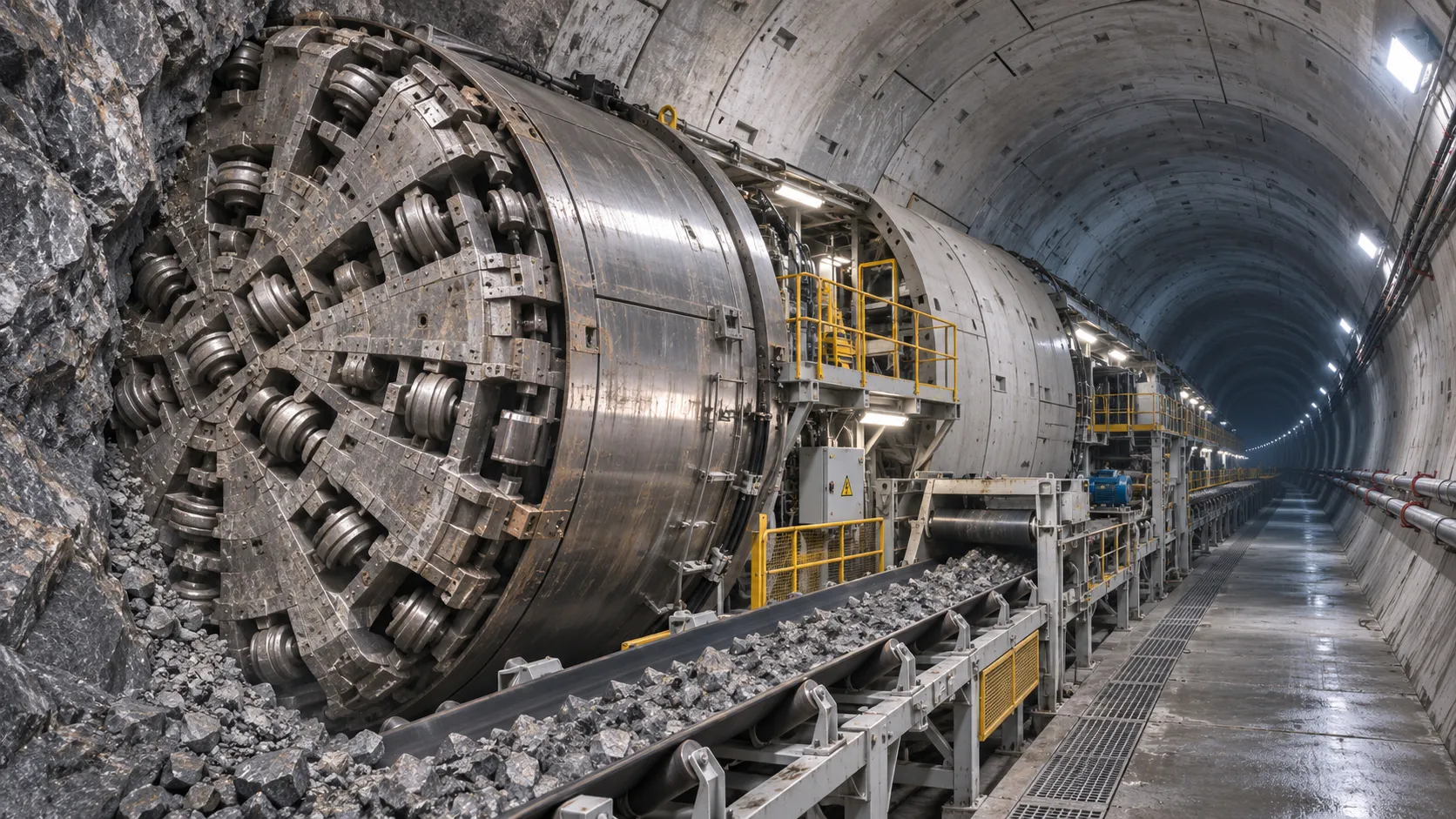
How TBM Excavation Works in Rock and Soft Ground: A Practical Guide
TBM Excavation in rock and soft ground explained: compare machine types, ground support, spoil removal, and the factors that guide smarter project planning.
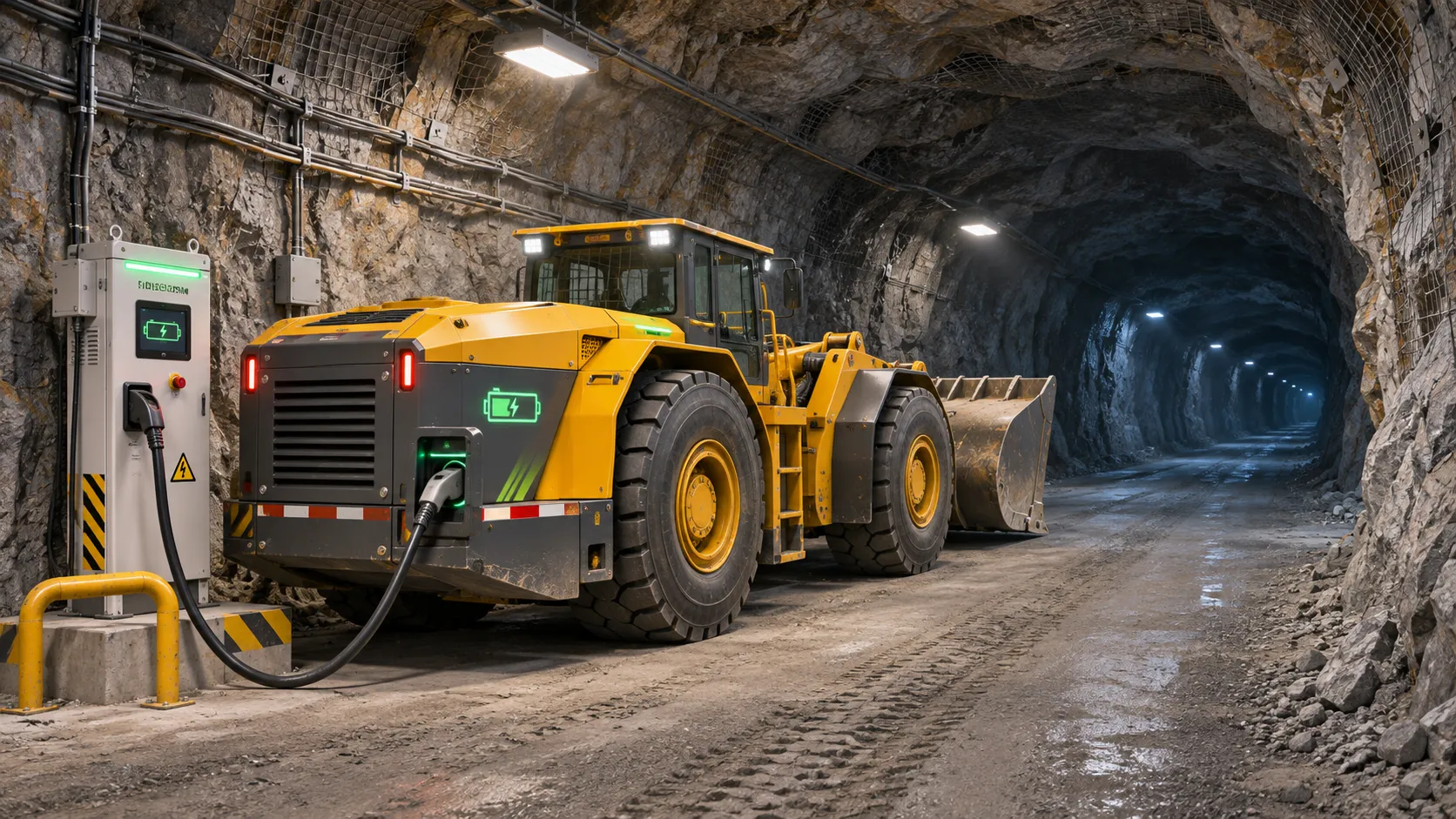
Choosing a Zero-Emission Underground Equipment Supplier: What to Check
Choosing a zero emission underground equipment supplier? Compare duty-cycle performance, charging, safety, total costs and support before you commit.
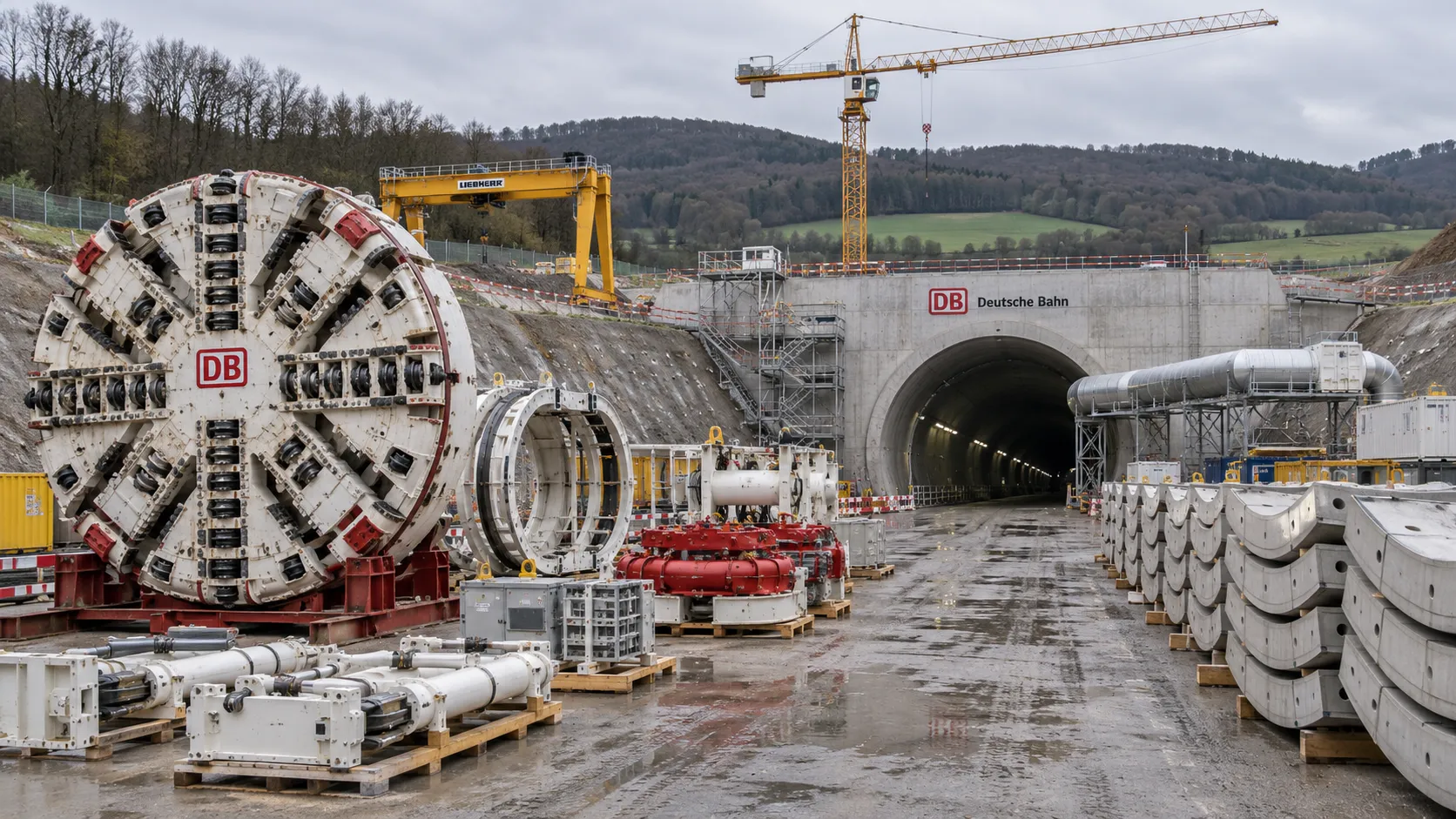
Construction Starts on Germany's Pfaffensteig Rail Tunnel, With Two TBMs Planned
Pfaffensteig rail tunnel construction is underway in Germany. Discover how two planned TBMs will support the 11-kilometre project near Stuttgart.
How Real-Time Underground Mapping Systems Work in Tunneling
Discover how real-time underground mapping systems guide tunneling teams, integrate sensor data, and support confident decisions with verified accuracy.
First Mechanized Tunnel Crossing Beneath the Panama Canal Completed
Panama Canal tunnel crossing: Explore the reported Metro Line 3 milestone and what it could mean for future underwater tunneling projects.
Underground Utility Construction Equipment: Choosing by Ground Conditions
Choose underground utility construction equipment with confidence. Compare trenching, HDD, microtunnelling and TBMs by ground conditions, risk and cost.
China Sets Tunnel Boring Machine Export Controls as India Pushes Local Production
China tunnel boring machine export controls could reshape procurement as India pushes local production. Explore potential supply and project impacts.
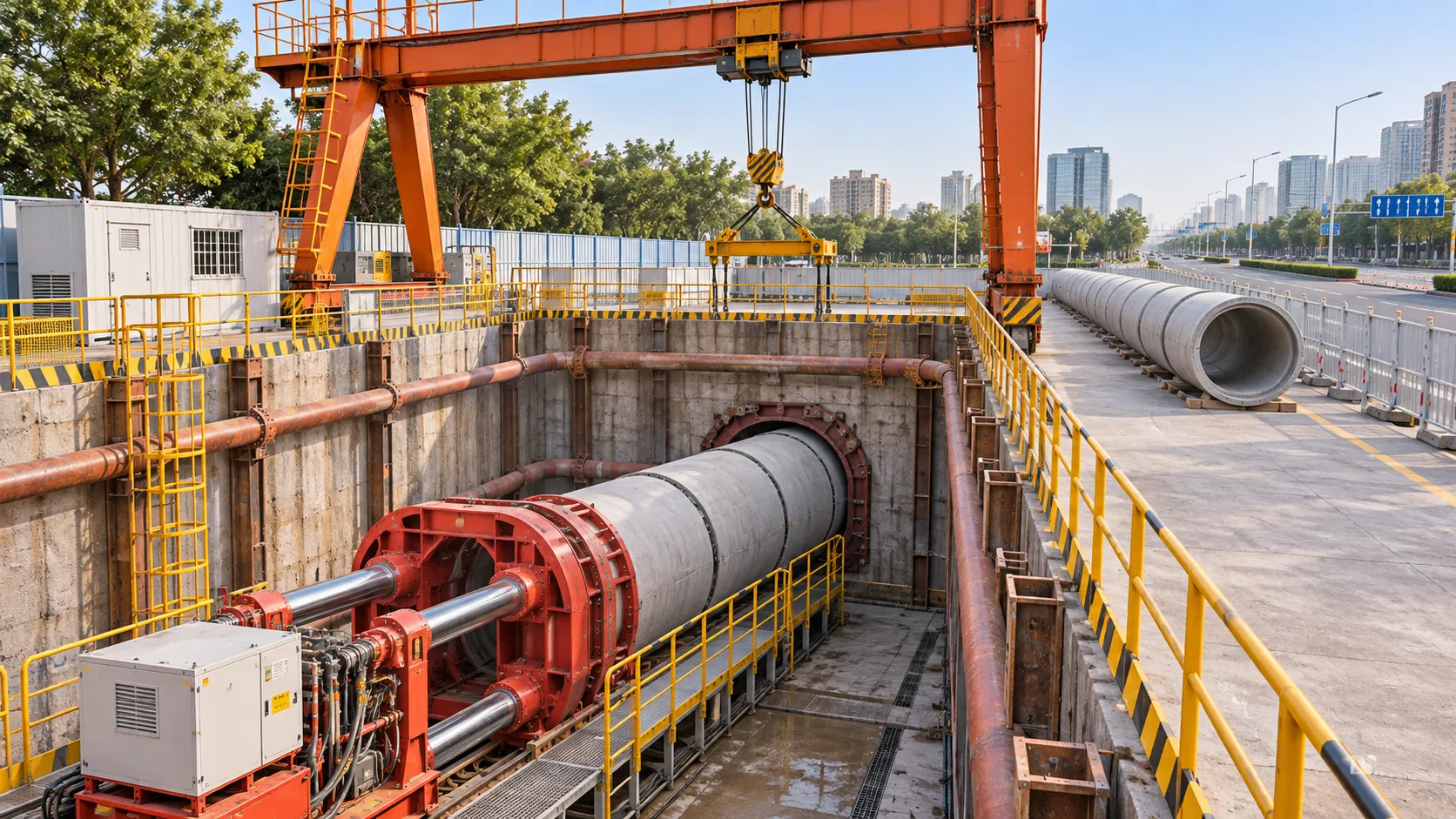
Choosing a Trenchless Pipeline Installation Contractor: Key Qualifications
Choose a trenchless pipeline installation contractor with confidence. Learn how to assess experience, equipment, safety, costs, and project risks before you hire.
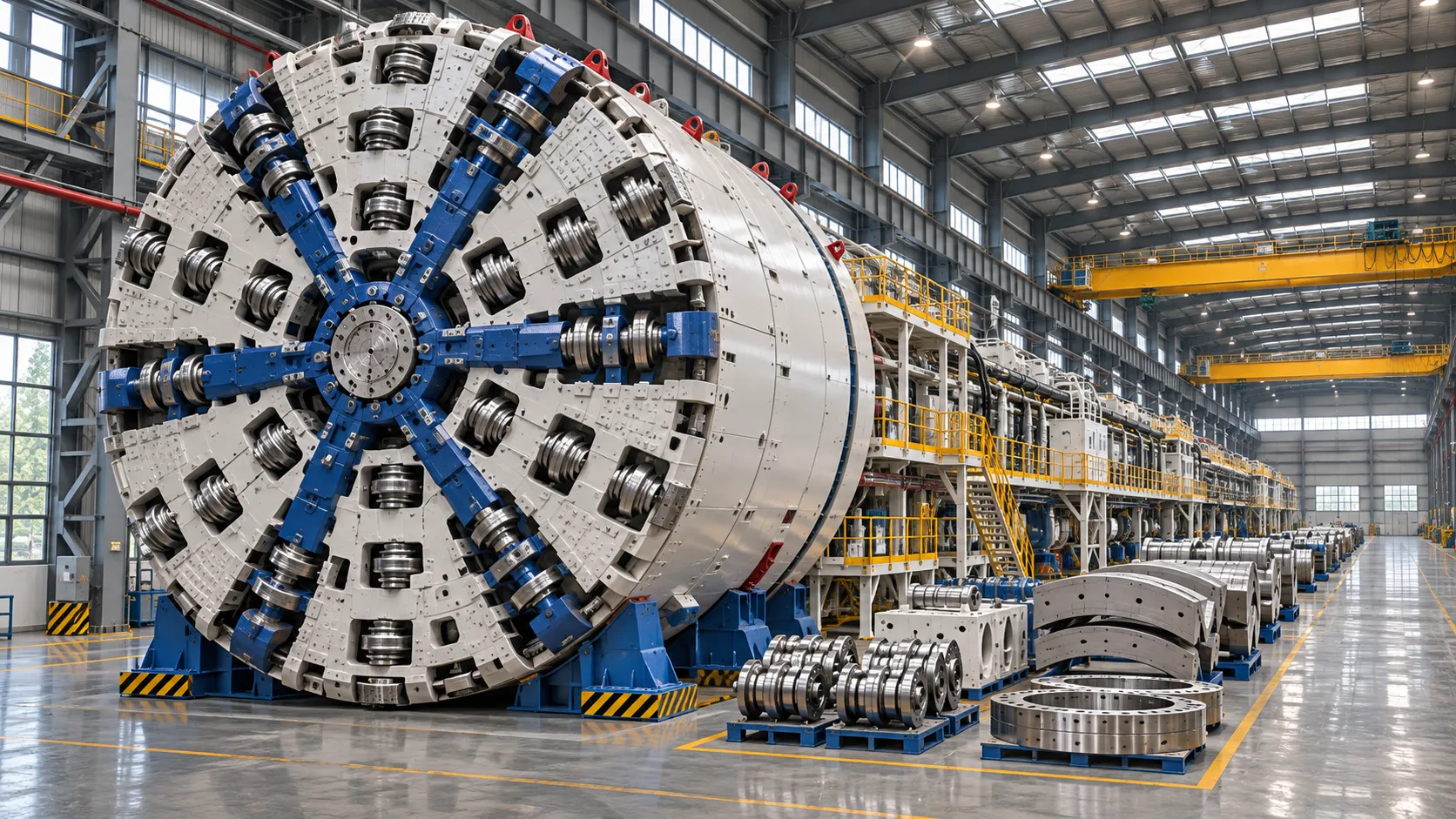
China's 70% TBM Share and Export Controls Challenge India's Local Production
China's TBM export controls could challenge India's local production and infrastructure sourcing. Explore the potential risks and procurement options.
Related News
- 00
0000-00
How TBM Excavation Works in Rock and Soft Ground: A Practical Guide - 00
0000-00
Choosing a Zero-Emission Underground Equipment Supplier: What to Check - 00
0000-00
Construction Starts on Germany's Pfaffensteig Rail Tunnel, With Two TBMs Planned - 00
0000-00
How Real-Time Underground Mapping Systems Work in Tunneling - 00
0000-00
First Mechanized Tunnel Crossing Beneath the Panama Canal Completed
Weekly Insights
Stay ahead with our curated technology reports delivered every Monday.