
Underground Load Haul Dump Machines in Peru: What Buyers Should Check Before Ordering





Underground Load Haul Dump Machines in Peru: What Buyers Should Check Before Ordering
For procurement teams evaluating Underground Load Haul Dump Machines in Peru, the right order goes far beyond payload and price.
In Peru’s demanding underground mining conditions, buyers need to verify battery or diesel suitability, tunnel compatibility, automation options, maintenance support, and total lifecycle cost before committing.
This guide highlights the key checkpoints that help reduce risk, improve uptime, and secure long-term value.
Start With Peru’s Mine Conditions, Not the Brochure
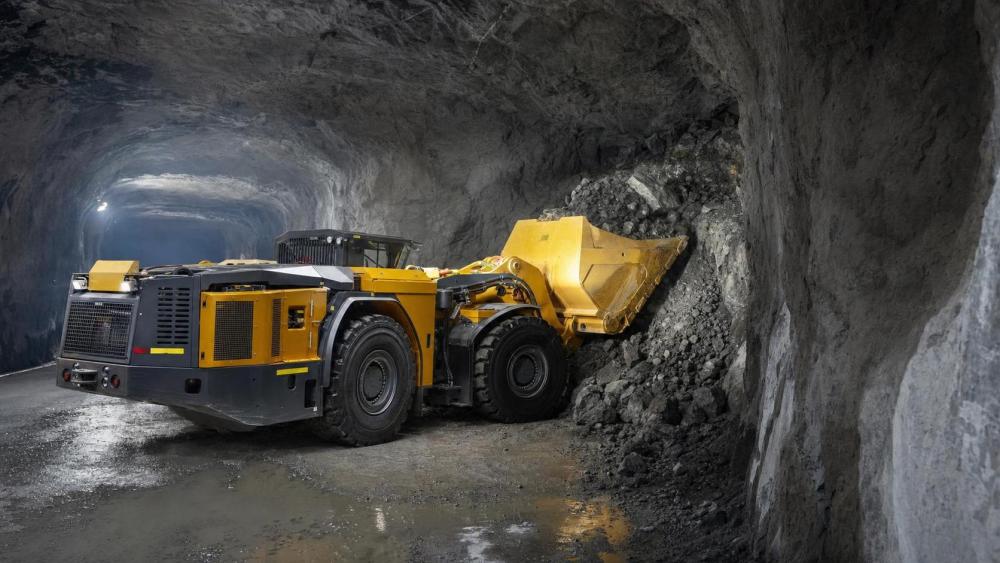
Underground Load Haul Dump Machines in Peru work in very different conditions from one mine to another.
Some operations face narrow drifts, steep ramps, wet ground, and frequent stop-start cycles.
Others need longer haul distances, higher altitude performance, and strict ventilation control.
That is why the first buying step is not comparing brands. It is mapping the real operating profile.
Before requesting quotes, define these basic parameters clearly:
- Tunnel width, height, and turning radius
- Average and peak haul distance
- Ramp gradients and floor condition
- Ore density and fragmentation size
- Ventilation limits and emissions targets
- Shift length and expected daily utilization
In practice, many ordering mistakes begin with incomplete site data.
A machine that looks efficient on paper may become oversized, underpowered, or difficult to maintain underground.
Check Diesel Versus Battery Fit Early
One of the most important decisions for Underground Load Haul Dump Machines in Peru is powertrain selection.
Diesel LHDs still remain common because they are familiar, widely supported, and flexible in remote mining areas.
Battery-electric LHDs are gaining attention because they cut heat, emissions, and ventilation demand.
The better choice depends on the mine’s infrastructure and production rhythm.
When diesel may still make sense
- Charging or battery swap systems are not available
- Haul cycles are long and uninterrupted
- Local technicians mainly support diesel fleets
- Initial capital discipline is tighter than operating cost targets
When battery machines deserve closer review
- Ventilation cost is high
- Underground heat affects worker comfort and equipment uptime
- The mine has electrification or ESG targets
- Short-cycle loading supports battery swapping or fast charging
A useful buying rule is simple. Never compare diesel and battery units by purchase price alone.
Compare fuel, ventilation, maintenance, battery replacement, charging downtime, and expected asset life together.
Confirm Machine Geometry and Tunnel Compatibility
Many buyers focus on bucket size first. That can be expensive if the machine does not fit the mine cleanly.
Underground Load Haul Dump Machines in Peru often operate in constrained headings where geometry drives productivity.
A slightly larger loader may carry more ore, but lose time on turns, spotting, or ground clearance.
Review these dimensions before ordering:
- Overall width with tire profile
- Overall height with cab or canopy
- Articulation angle and inside turning radius
- Bucket breakout force and dump height
- Ground clearance on rough haul roads
It also helps to test the machine layout against the mine plan digitally.
A basic path simulation can reveal turning bottlenecks before the purchase order is signed.
Look Beyond Rated Payload to Real Productivity
Suppliers often lead with payload, engine power, or bucket capacity. Those figures matter, but they are not enough.
For Underground Load Haul Dump Machines in Peru, real productivity comes from cycle efficiency and uptime.
Ask vendors for site-based operating data, not just catalog specifications.
From a procurement standpoint, the best unit is often the one that delivers steady tons per hour with fewer interruptions.
Evaluate Automation, Safety, and Remote Capability
Automation is no longer a future-only feature. It is now part of many buying conversations in Peru.
Underground Load Haul Dump Machines in Peru increasingly need remote operation, onboard diagnostics, and traffic awareness.
This matters even more in deeper mines, complex ore bodies, and shift-change risk zones.
Key questions to ask suppliers include:
- Does the machine support line-of-sight and tele-remote modes?
- Can it integrate with mine fleet management systems?
- What collision avoidance or proximity detection functions are available?
- Are software updates and troubleshooting supported locally?
- What data can be exported for maintenance and production analysis?
A machine with useful automation can improve both operator safety and shift productivity.
Still, advanced features only pay back when training, connectivity, and support are in place.
Review Parts, Service, and Local Support Depth
This is where many purchasing decisions become stronger or weaker very quickly.
Underground Load Haul Dump Machines in Peru need dependable after-sales support more than impressive launch specifications.
A delayed hydraulic hose, controller, axle component, or battery module can stop production far longer than expected.
Check the support model carefully:
- Local spare parts inventory in Peru or nearby regions
- Field service response time commitments
- Technician training coverage for operators and maintenance crews
- Availability of major rebuild programs
- Warranty terms for high-wear underground applications
In real procurement work, support quality often separates a low-cost order from a high-value one.
Calculate Total Cost of Ownership Before Signing
Cost control should not stop at the quotation sheet.
When comparing Underground Load Haul Dump Machines in Peru, total cost of ownership gives a much clearer decision basis.
This is especially important when comparing imported units, local support packages, and battery versus diesel configurations.
A solid ownership model should include:
- Purchase price and commissioning cost
- Freight, import, and tax exposure
- Fuel or electricity consumption
- Ventilation-related operating cost
- Consumables, tires, and wear parts
- Planned maintenance and unplanned downtime
- Expected resale value or rebuild value
More buyers are also adding carbon and compliance factors into procurement scoring.
That makes Underground Load Haul Dump Machines in Peru a strategic asset decision, not just an equipment purchase.
Use a Structured Pre-Order Checklist
A disciplined checklist keeps supplier discussions practical and comparable.
Before ordering Underground Load Haul Dump Machines in Peru, confirm these points in writing:
- Machine size matches tunnel geometry
- Payload fits the mine’s production target
- Diesel or battery choice matches infrastructure
- Automation features match operational readiness
- Maintenance access and parts support are verified
- Lifecycle cost is modeled across several years
- Supplier guarantees, lead times, and training are documented
The strongest orders usually come from buyers who slow down before they commit.
That extra discipline reduces surprises after delivery and improves fleet performance from the first production month.
For anyone sourcing Underground Load Haul Dump Machines in Peru, the smartest move is simple.
Match the machine to the mine, test the support model, and calculate the full operating picture before placing the order.
Related News
How to Evaluate Articulated Dump Trucks Payload for Haul Road Conditions and Cycle Efficiency
Articulated Dump Trucks payload evaluation starts with real haul road conditions, not brochure numbers. Learn how to balance payload, traction, grades, and cycle efficiency for safer, higher output.
How Pipe Fittings Material and Pressure Class Affect Water Line Selection
Pipe fittings selection starts with material and pressure class. Learn how these factors affect water line reliability, corrosion resistance, installation, and long-term cost.
What Drives TBM Excavation Cost in Urban Tunneling Projects?
tbm excavation cost in urban tunneling depends on geology, shafts, segment lining, logistics, and risk. Discover the key cost drivers and compare bids with greater confidence.
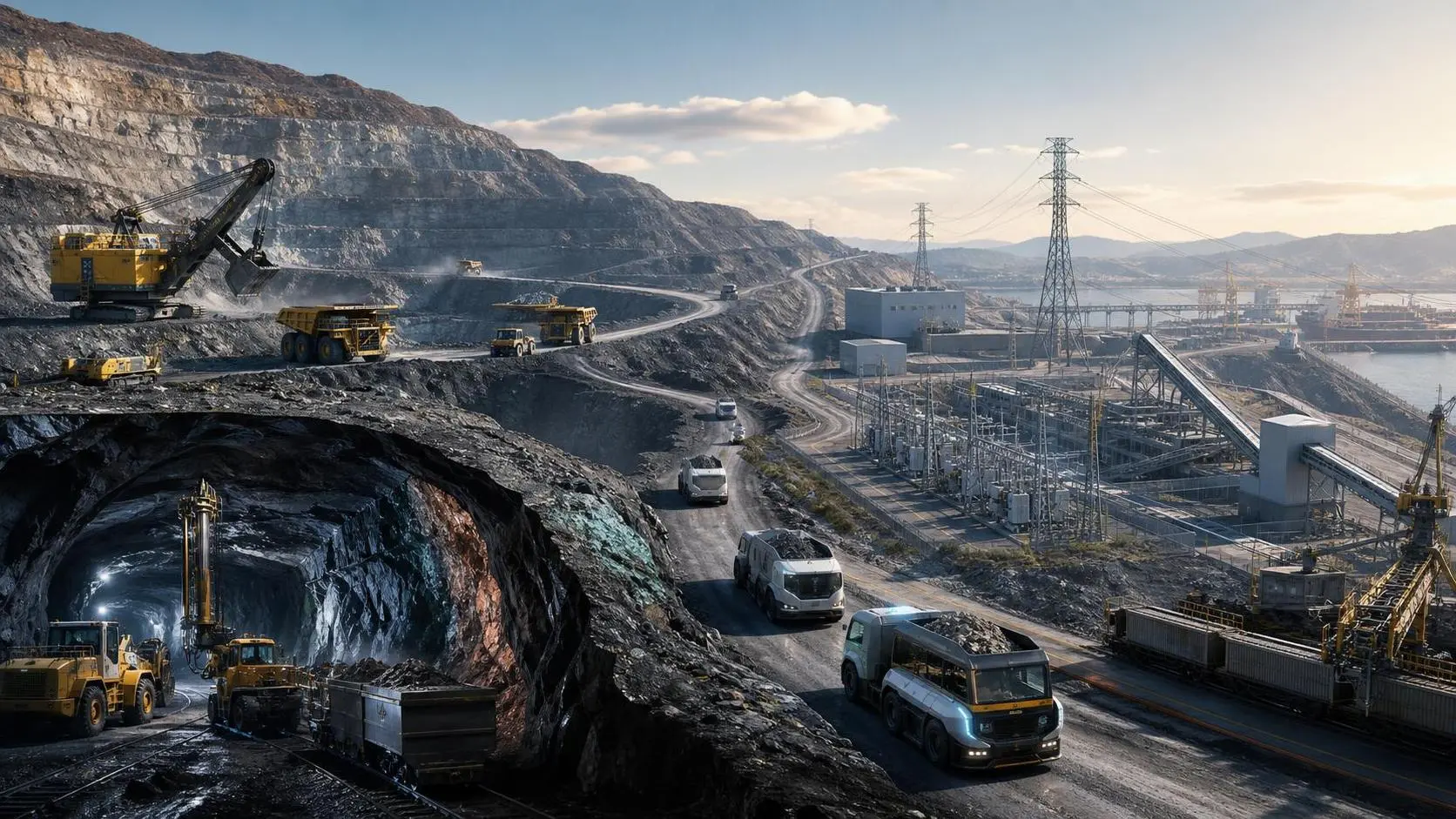
What Does Energy Metals Mining in Australia Mean for Supply, Cost, and Project Risk?
Energy metals mining Australia is reshaping supply, cost, and project risk. Discover what it means for buyers, investors, and operators.
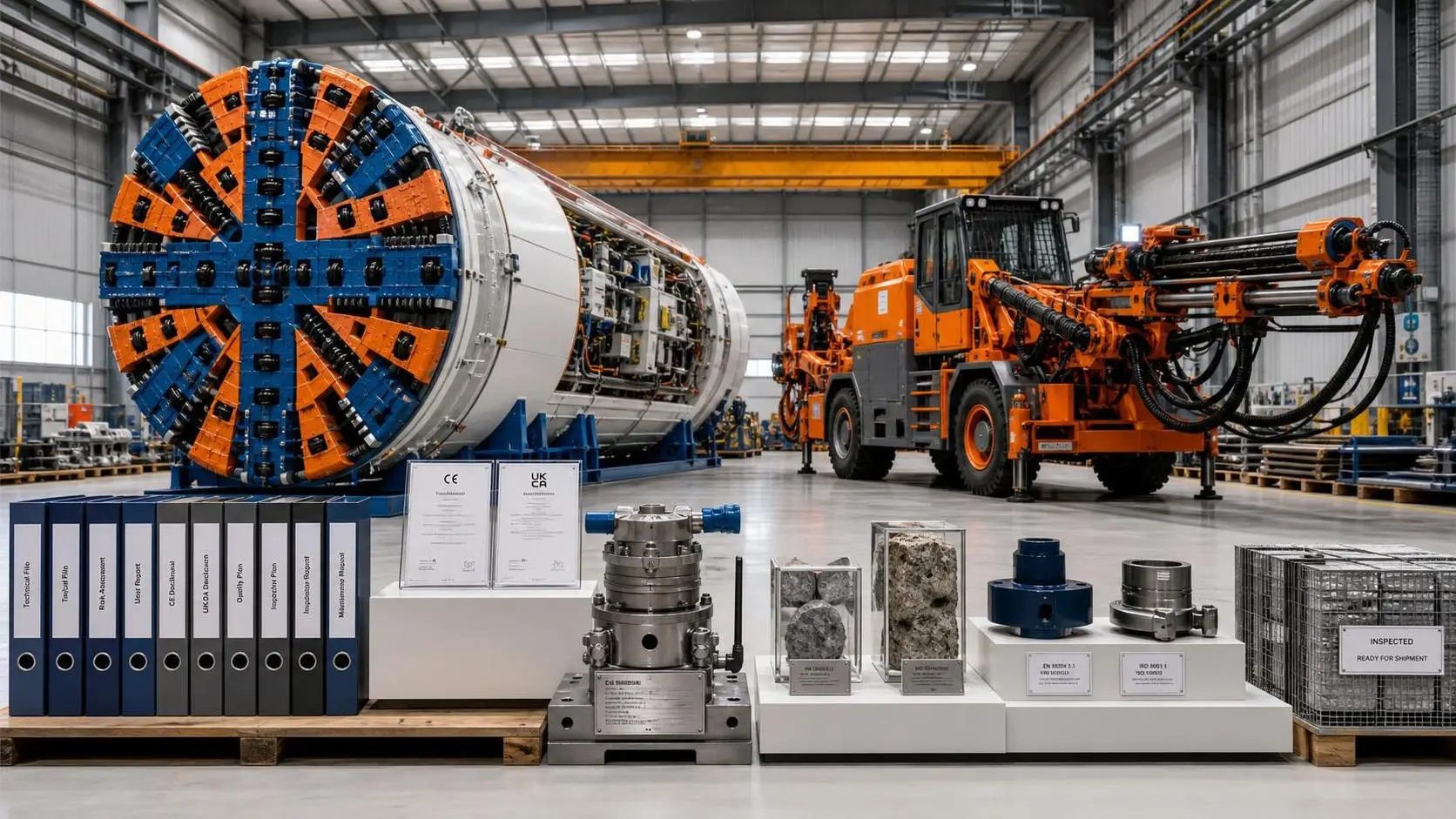
EU Eases Dual CE and UKCA Path for Chinese Tunnel Boring Equipment
EU eases CE and UKCA certification for Chinese tunnel boring equipment, cutting compliance time and helping importers move faster.
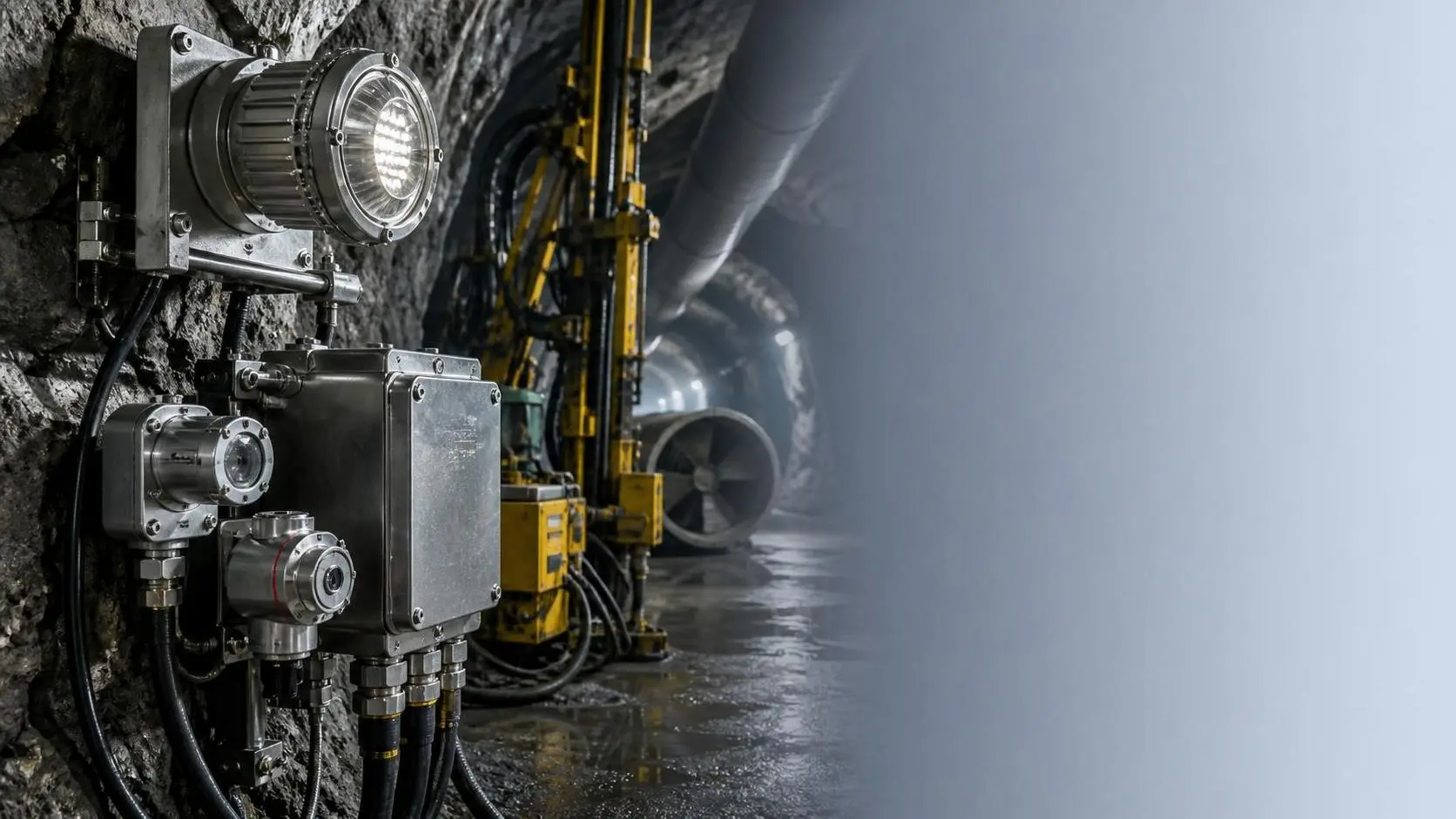
Flameproof Underground Safety Equipment: What Mine Teams Should Check Before Buying
Underground Safety Equipment flameproof buying guide: learn how mine teams should verify certification, durability, serviceability, and supplier support before purchase.
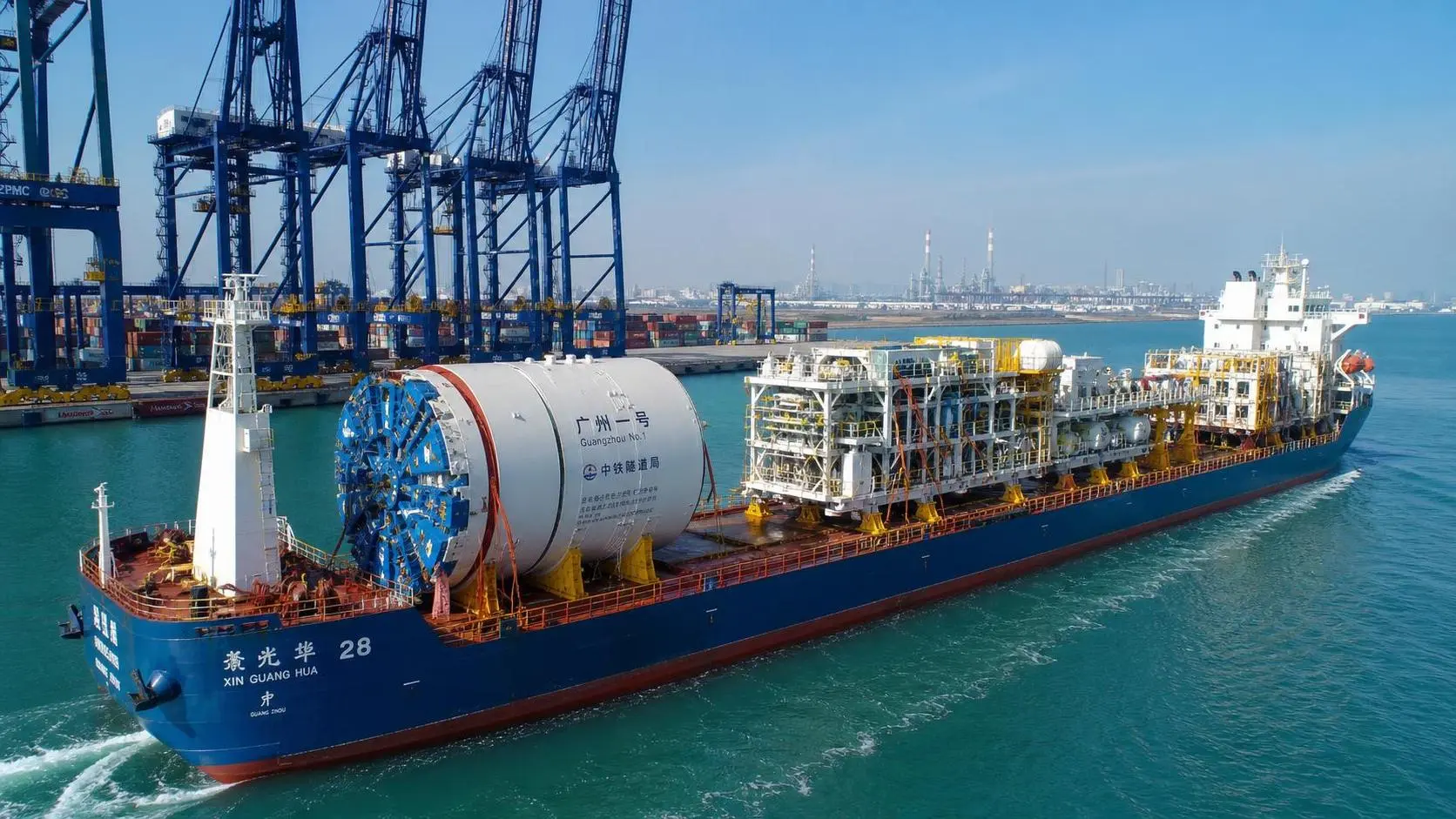
China-UAE Direct Sea Route Cuts TBM and Large Tunneling Equipment Lead Times
China-UAE direct sea route shortens TBM and large tunneling equipment lead times by 12–15 days, improving delivery predictability for major infrastructure projects. Read the full impact.
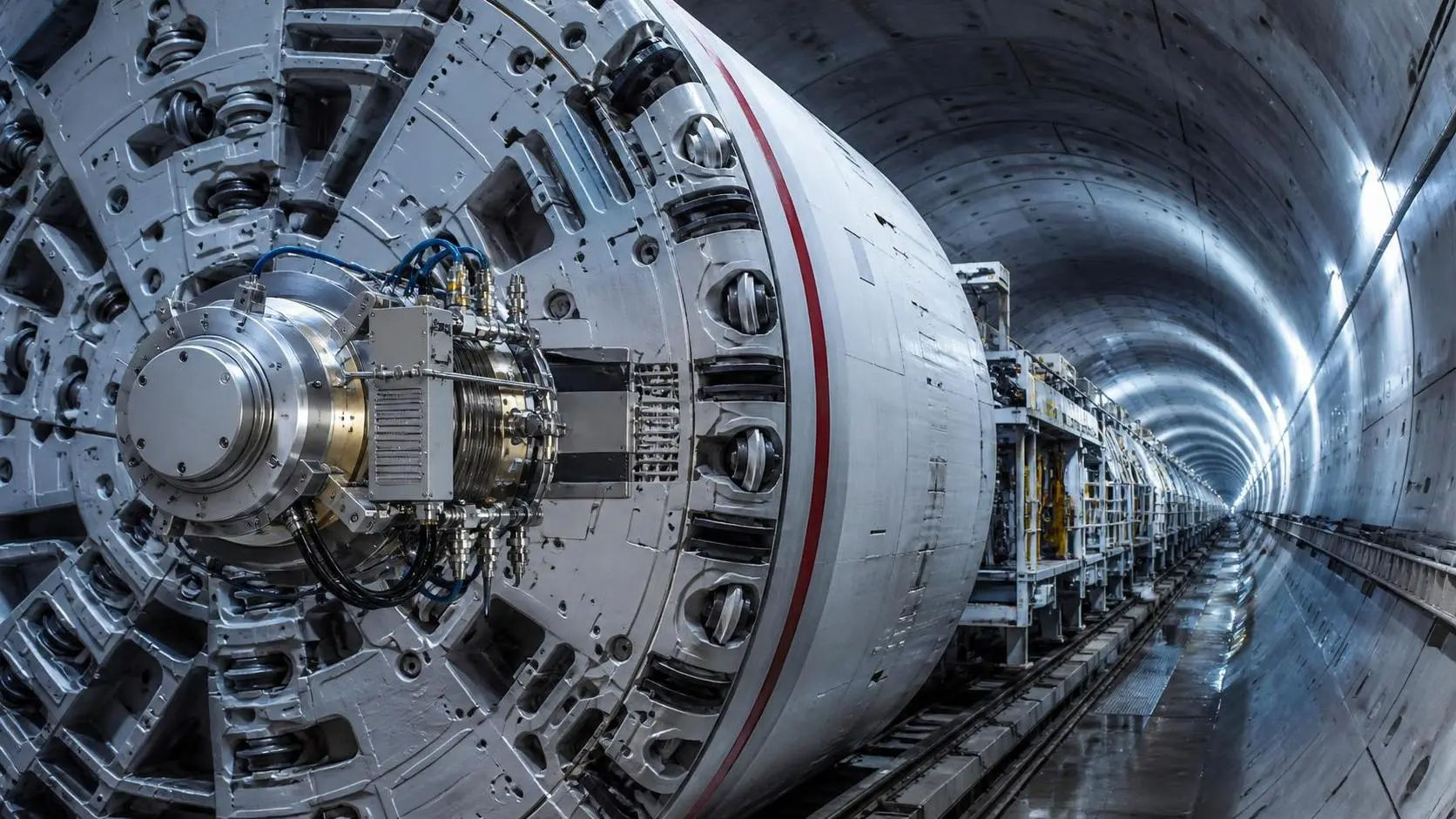
What Is a TBM Guidance System Gyroscope, and Why Does It Matter Underground?
TBM Guidance Systems gyroscope improves underground accuracy, reduces drift, and helps tunnel boring machines stay on line in harsh conditions.
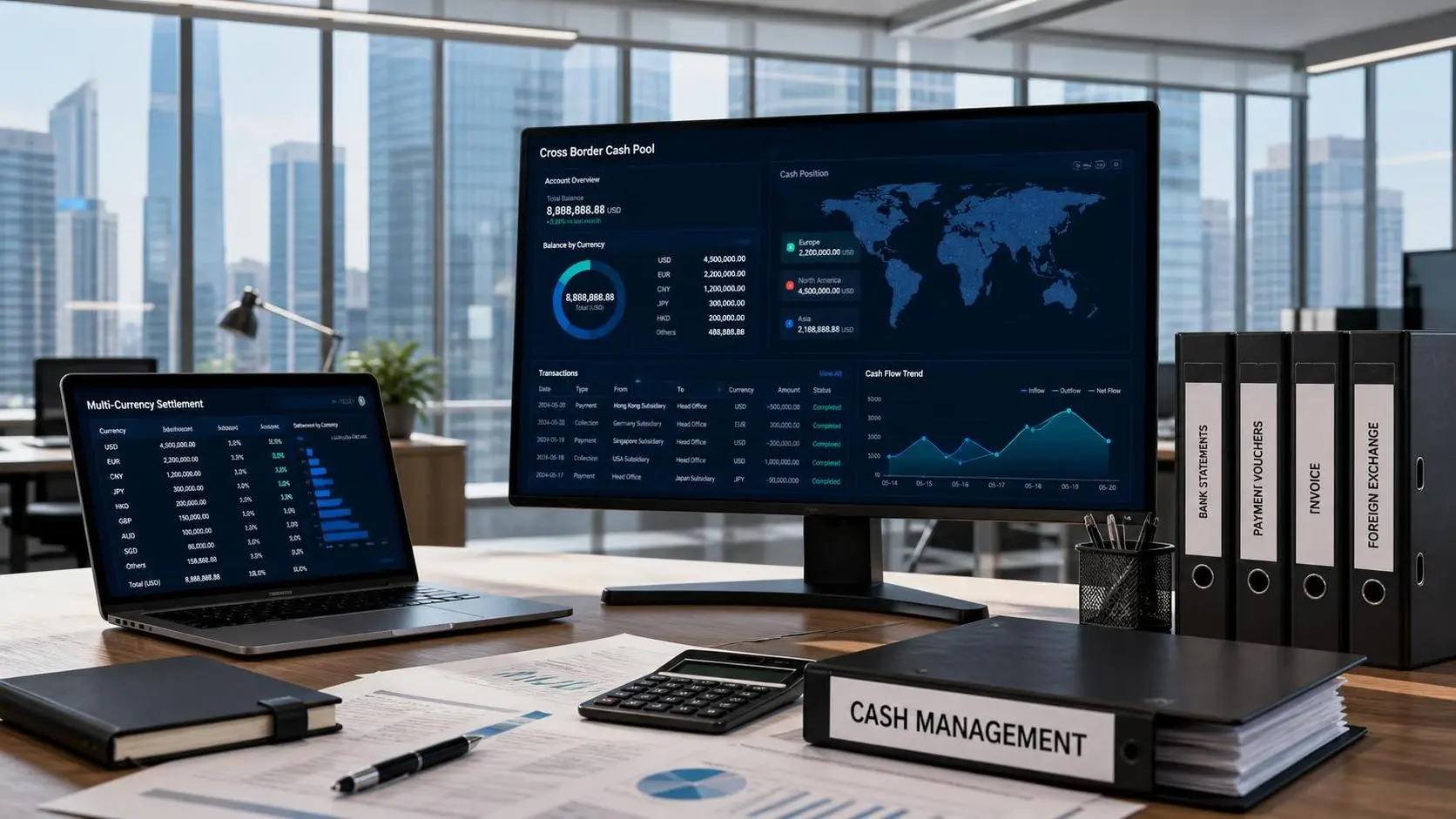
China to Roll Out Nationwide Local and Foreign Currency Cash Pools for Multinationals on Sept. 14
China will roll out nationwide local and foreign currency cash pools for multinationals on Sept. 14, streamlining cross-border treasury management and boosting liquidity efficiency.
Related News
- 00
0000-00
How to Evaluate Articulated Dump Trucks Payload for Haul Road Conditions and Cycle Efficiency - 00
0000-00
How Pipe Fittings Material and Pressure Class Affect Water Line Selection - 00
0000-00
What Drives TBM Excavation Cost in Urban Tunneling Projects? - 00
0000-00
What Does Energy Metals Mining in Australia Mean for Supply, Cost, and Project Risk? - 00
0000-00
EU Eases Dual CE and UKCA Path for Chinese Tunnel Boring Equipment
Weekly Insights
Stay ahead with our curated technology reports delivered every Monday.