
Australia Tightens Remote LHD Safety Setup Rules





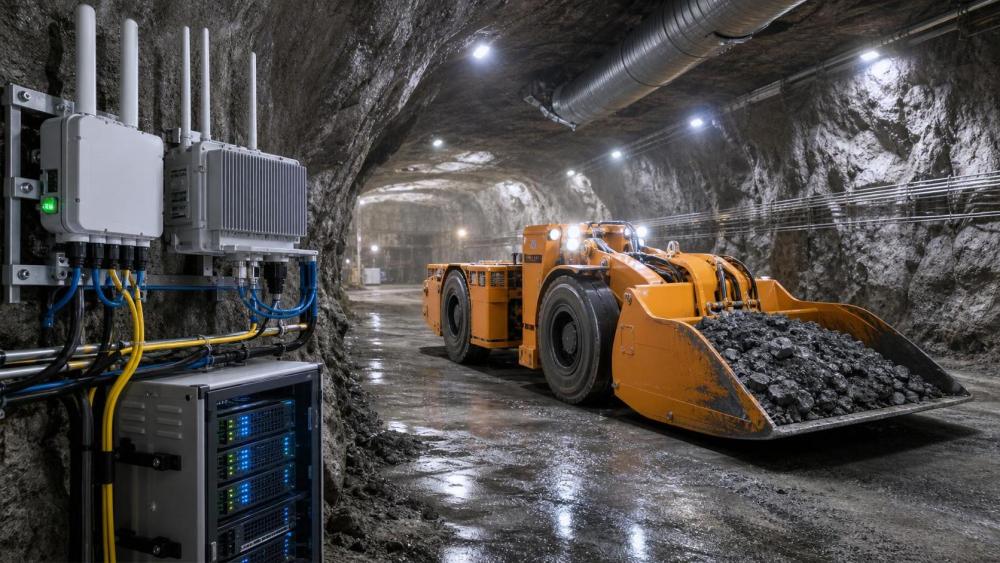
On June 30, 2026, the Minerals Association of Australia (MAA) updated its safety implementation guidance for Autonomous LHDs to version 3.2, introducing a clearer technical baseline for remote takeover capability in Australian operations. The change matters because it links system architecture requirements directly to future mine licensing review, which means equipment suppliers, mine project developers, communications integrators, local deployment teams, and compliance-focused procurement functions will need to treat dual-link communications and on-site edge computing not as optional design choices, but as issues that can affect project acceptance and delivery planning.
What the updated guidance now requires
The confirmed facts are limited but clear. MAA released the latest Autonomous LHDs safety implementation guidance (v3.2) on June 30, 2026. Under this update, all remotely controlled LHD systems operating in Australia must be equipped with a dual-redundant communications setup consisting of 5G-R and fiber. The guidance also requires deployment of a local edge computing server at the mine site to support millisecond-level emergency takeover. In addition, the requirement will be incorporated into licensing review terms for all new mines starting in 2027.
Where the operational pressure is likely to emerge
Equipment and system suppliers face a tighter technical bid baseline
From an industry perspective, suppliers of remote-controlled LHD systems may be affected first because the updated guidance changes what can reasonably be treated as a compliant system configuration in the Australian market. The impact is likely to appear in technical specification alignment, bid documentation, architecture design, and delivery scope definition. What deserves closer attention is whether product packages, integration proposals, and technical files clearly address dual-redundant 5G-R plus fiber connectivity and mine-site edge server deployment, since these points are now directly tied to future license review conditions for new mines.
Mine developers and procurement teams may need earlier scope confirmation
For mine project owners, developers, and procurement functions, the rule change may affect how remote LHD packages are specified and purchased. Analysis shows the practical issue is not only equipment selection, but also whether communications infrastructure and local computing capability are included early enough in procurement and project design. Teams involved in purchasing, contracting, and project delivery should pay attention to technical schedules, interface definitions, supplier qualification materials, and contractual descriptions of takeover capability, because these are the areas where compliance expectations are most likely to surface.
Integration, deployment, and service providers may see more documentation demands
Companies involved in system integration, on-site deployment, after-sales support, and operational handover may also be affected because the updated guidance points to a more explicit requirement for local emergency takeover readiness. Observably, this can increase the importance of configuration records, commissioning documents, maintenance procedures, and traceable technical documentation. Even without further execution detail in the current input, businesses supporting deployment in Australia should assume that documentation quality and system verification evidence may become more important in project review and customer acceptance discussions.
What companies should watch next in practice
Check whether compliance files match the new architecture requirement
Analysis shows companies serving Australian mining projects should review whether their current technical files, product descriptions, and proposal materials explicitly reflect the required 5G-R plus fiber dual-link setup and local edge server deployment. Where current documents describe remote control capability in broader terms, the gap may become commercially relevant in tenders, customer audits, or licensing-related review.
Track how licensing language is reflected in project documents
The confirmed fact is that the requirement will be incorporated into licensing review terms for new mines from 2027. What deserves closer attention is how that principle is later expressed in formal review language, project specifications, and tender documents. Until that wording is visible in downstream documents, companies should avoid assuming a fully settled execution standard and instead monitor how the requirement is translated into practical review checkpoints.
Review procurement timing and delivery dependencies
For businesses involved in supply and project delivery, the updated guidance may affect procurement sequencing. Communications links, local server deployment, and remote takeover readiness may need to be considered together rather than as separate work packages. Observably, this can influence supplier coordination, technical clarification cycles, and acceptance planning, especially where multiple vendors contribute to the operating system.
Prepare for closer scrutiny of support and traceability
Companies providing installation support, maintenance, or post-delivery service should pay attention to whether records for system configuration, local deployment, and emergency takeover performance can be presented clearly. The current input does not provide detailed enforcement mechanics, so this should not be read as an established audit outcome. It is, however, a reasonable compliance watchpoint for businesses that expect to serve Australian remote LHD operations.
Why this looks like an execution signal rather than a broad policy statement
From an industry perspective, this update is more appropriate to understand as a concrete execution signal than as a general policy discussion. The reason is that the guidance does not stay at the level of safety intent; it identifies specific infrastructure and system deployment elements and connects them to future licensing review for new mines. At the same time, analysis also shows that the market still needs to watch how this requirement is interpreted in practice, including later compliance wording, procurement treatment, and industry response once 2027-related reviews begin to influence project documentation.
How this update is best understood for now
At this stage, the development should be read as a real rule-linked change with practical implications for system design, procurement coordination, and compliance preparation in Australian remote LHD operations. It does not yet justify broad conclusions about full market outcomes, but it clearly raises the importance of communications redundancy, local edge deployment, and documentation readiness. The most balanced reading is that this is already a meaningful implementation change, while the exact execution path still requires continued observation.
Basis of this article and what still needs verification
This article is based on the user-provided news title, event date, and event summary. For developments of this type, commonly relevant source categories may include official announcements, regulator publications, industry association releases, standard-setting documents, trade or customs authority information, and reporting from established sector media. A specific official source link was not provided in the input, so the underlying text and any later implementation detail still require ongoing verification. Items that remain worth monitoring include detailed compliance wording, certification or review interpretation, changes in tender documents, industry feedback, and how companies implement the requirement in actual project delivery.
Related News
Tunnel Boring Machine Costs: Budgeting for Purchase, Operation, and Project Risk
Tunnel Boring Machines cost more than purchase price. Learn how to budget lifecycle costs, downtime, logistics, wear, and project risk for smarter TBM decisions.

Open-Pit Haulage Cost Analysis: How Mine Managers Can Cut Cost per Tonne
Open pit haulage cost analysis: discover practical ways to reduce cost per tonne through payload control, cycle-time optimization, road performance, and smarter fleet decisions.

Tunnel Construction Innovations That Reduce Risk and Schedule Delays on Urban Projects
Tunnel construction innovation for urban projects: discover smarter TBMs, real-time monitoring, trenchless methods, and automation that reduce risk and protect schedules.

TBM Disc Cutter Design: Key Geometry and Load Factors for Hard Rock Tunnelling
TBM disc cutter design explained: explore geometry, spacing, load distribution and maintenance factors for reliable, efficient hard-rock tunnelling performance.
Hydraulic Tipping Stability Risks in Multi-Axle Dump Special Trailers
Dump special trailers: discover key hydraulic tipping stability risks, multi-axle load dynamics, and practical safety controls for safer, smarter bulk hauling.
When rock reinforcement in tunnel construction must change after blasting
Rock reinforcement in tunnel construction must change when blasting reveals overbreak, weak joints, water inflow, or deformation. Discover key post-blast support decisions.
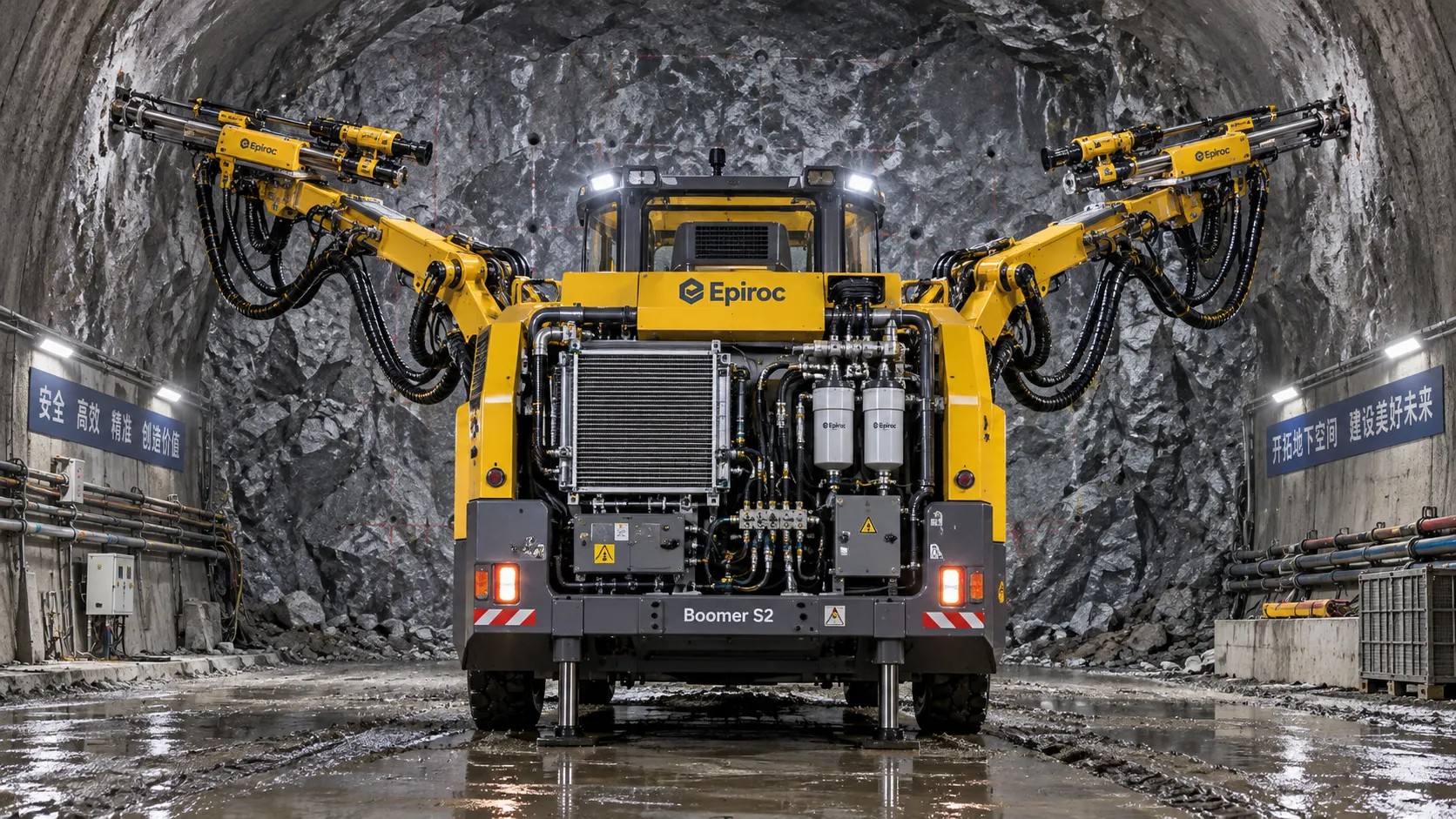
How tunnel hydraulic systems influence drill jumbo uptime underground
Tunnel hydraulic systems directly influence drill jumbo uptime. Explore how stable pressure, clean oil, cooling, and maintainable design reduce underground downtime.
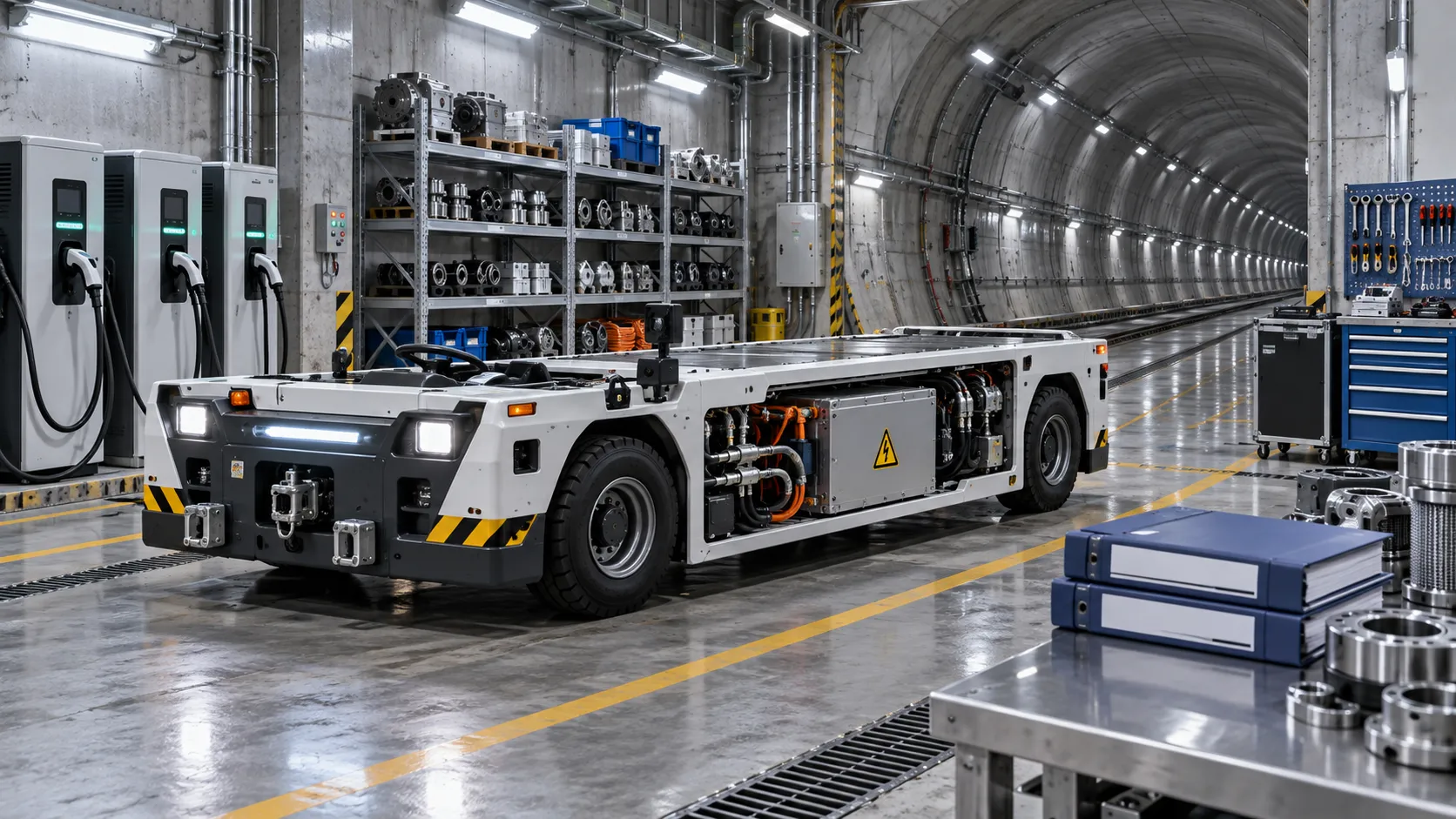
What to verify before appointing a tunneling vehicles manufacturer
Choosing a tunneling vehicles manufacturer? Verify application fit, reliability, compliance, parts support, training, and channel terms before appointing a partner.
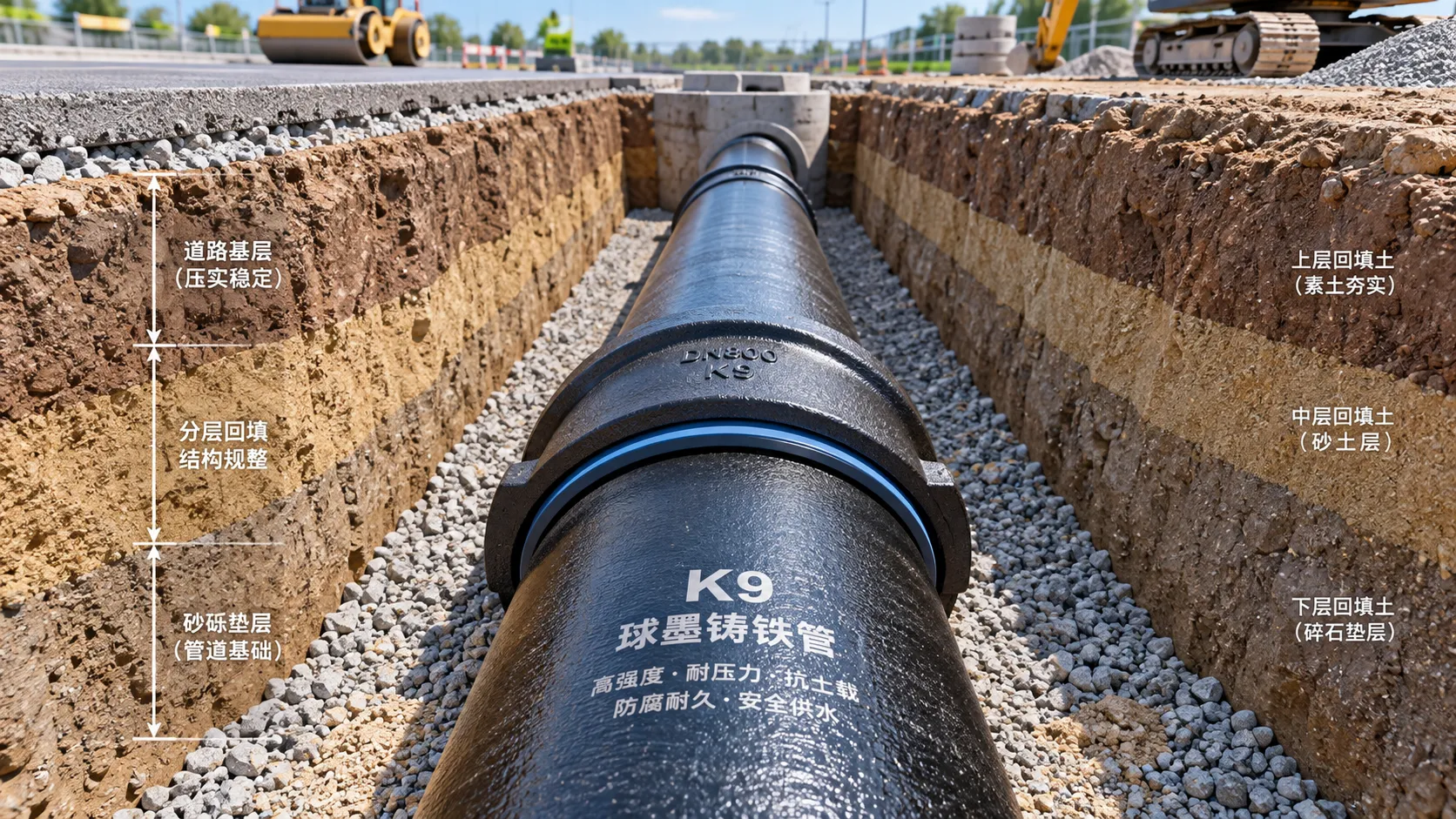
Selecting K9 Ductile Iron Pipe for Buried Water Pipeline Conditions
K9 ductile iron pipe selection for buried water pipelines: compare pressure duty, joints, soil loads, corrosion protection, and installation controls for reliable long-term performance.
Related News
- 00
0000-00
Tunnel Boring Machine Costs: Budgeting for Purchase, Operation, and Project Risk - 00
0000-00
Open-Pit Haulage Cost Analysis: How Mine Managers Can Cut Cost per Tonne - 00
0000-00
Tunnel Construction Innovations That Reduce Risk and Schedule Delays on Urban Projects - 00
0000-00
TBM Disc Cutter Design: Key Geometry and Load Factors for Hard Rock Tunnelling - 00
0000-00
Hydraulic Tipping Stability Risks in Multi-Axle Dump Special Trailers
Weekly Insights
Stay ahead with our curated technology reports delivered every Monday.