
Where Autonomous Mining Loaders Deliver the Most Value in Underground Operations





Autonomous Mining Loaders deliver their greatest value where underground operations face persistent safety exposure, ventilation constraints, long haul cycles, and rising productivity targets. For project managers and engineering leaders, the question is rarely whether autonomy is technically possible. The more consequential question is where an autonomous LHD fleet should be deployed first so that the change improves the mine plan rather than adding another layer of complexity.
In underground hard-rock mining, loading, hauling, and dumping are tightly connected to development rates, stope availability, backfill timing, and ore delivery. A loader stopped at a drawpoint can affect far more than one production heading. It can leave trucks waiting, reduce mill feed consistency, delay re-entry after blasting, and force supervisors into continual recovery mode. Autonomous mining loaders are most valuable in the parts of this chain where work is repetitive, exposure is high, and the operating environment can be made sufficiently predictable for reliable machine control.
That does not mean every heading should be automated immediately. A selective, zone-based deployment usually creates more practical value than a mine-wide rollout announced too early. The strongest applications tend to share a common feature: the loader is doing essential work in a place people would prefer not to occupy for long.
Start with the areas people should leave first
The clearest case for autonomous LHD deployment is in active production areas following blasting. Even when a site has well-established clearance procedures, returning personnel to recently blasted stopes or drawpoints involves uncertainty: rockfall potential, smoke and diesel particulates, uneven ground conditions, and changing visibility. Remote operation already reduces some of that exposure. Autonomy extends the benefit by allowing the loader to continue a defined loading-and-hauling cycle without requiring an operator to remain at a control station for every bucket.
For project leaders, the value is not simply “removing the operator from the cab.” It is creating a more deliberate re-entry sequence. The mine can establish confirmation points for ventilation, gas clearance, ground condition, communications, and route availability, then authorize autonomous production within a defined geofenced area. Personnel enter when inspection, maintenance, or exceptional intervention is genuinely needed—not because the routine loading cycle demands their physical presence.
This approach is particularly relevant in high-stress ground, narrow-vein operations, and drawpoints with a history of frequent rehabilitation. In those settings, autonomous mining loaders should not be treated as a substitute for geotechnical discipline. They work best alongside it. The system can reduce routine exposure, while ground control teams retain authority over exclusion zones, operating limits, and re-entry decisions.
Long, repetitive haul cycles are where consistency becomes commercial
A loader working a short, highly variable route may gain safety benefits from tele-remote control, but it may not be the best first candidate for full autonomy. In contrast, a repeated cycle between a stope loading point, ore pass, truck bay, or dumping pocket is well suited to autonomous operation when the route geometry is stable and interactions can be controlled.
These cycles often look simple on a mine plan, yet they consume thousands of small decisions: approaching the pile, filling the bucket, reversing, controlling speed on grades, negotiating intersections, aligning at the dump point, and returning for the next pass. Differences in driving style, shift changes, fatigue, congestion, and poor visibility can create wide variation in cycle time. An autonomous LHD system does not eliminate all variation, but it can make the core cycle more repeatable.
That predictability matters to planners. More stable cycle performance improves confidence in daily production forecasts and helps dispatch teams identify whether the constraint is really loading capacity, downstream dumping availability, maintenance readiness, or traffic interference. The objective is not to chase the lowest theoretical cycle time. A consistently achievable rate is often more valuable than occasional peaks followed by delays and recovery work.
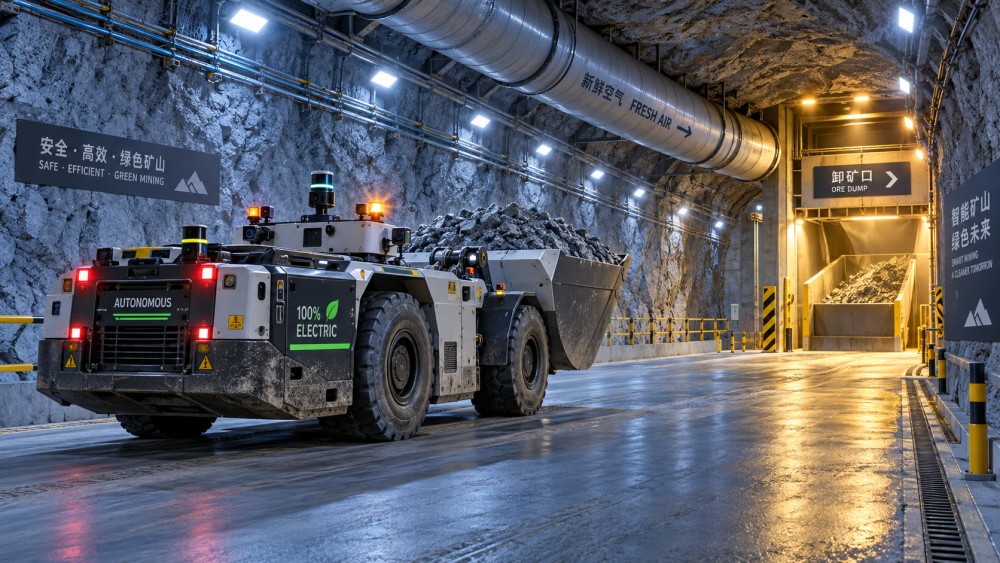
Before selecting a haul loop for automation, assess it as an operational system rather than a machine route. Ask whether the route has reliable ground conditions, sufficient turning geometry, protected intersections, clearly defined dump behavior, and a plan for abnormal events. A route that requires frequent manual judgment—such as changing muck piles, irregular stockpile faces, or frequent mixed traffic—may still benefit from remote operation, but it may not yet justify an autonomous production mode.
Ventilation-constrained workings change the business case
Underground ventilation is not merely an environmental compliance issue; it shapes production capacity. Diesel equipment operating in confined headings can require substantial airflow, and ventilation delays can limit how quickly crews return after blasting or how many machines can work in a district at once. Battery-electric LHDs paired with autonomous control can be especially valuable where ventilation demand has become a practical bottleneck.
Battery-electric power removes diesel exhaust at the point of operation. Autonomy then helps make use of that cleaner operating environment during periods when personnel access would otherwise be limited or inefficient. In a planned autonomous zone, loaders can continue handling ore while ventilation systems support the wider mine schedule rather than being driven solely by the presence of diesel equipment and operators in every active area.
The battery strategy must be considered early. A battery-swap loader can reduce the idle time associated with charging, but only if the swap station location, traffic rules, battery availability, and maintenance workflow are designed around the production schedule. It is easy to focus on the loader’s nominal operating time and overlook the infrastructure around it. A poorly located battery bay can turn a promising autonomous route into a queue.
Project managers should therefore model energy logistics alongside haulage cycles. Consider when batteries are exchanged, who has authority to release a machine after a swap, how state-of-charge information reaches dispatch, and whether the route remains productive when one charger, battery, or swap position is unavailable. The best electrification plans treat power supply, machine movement, and maintenance access as one integrated underground system.
Where autonomous mining loaders support isolated production zones
Deep mines frequently develop production areas far from workshops, refuge stations, and main travelways. As operations extend deeper or laterally, travel time for operators and support crews increases. A shift can lose meaningful productive time before the first bucket is moved, particularly when access depends on cages, vehicles, multiple levels, or strict blasting windows.
Autonomous mining loaders can add value in these remote districts by decoupling routine material movement from repeated personnel travel. Operators may supervise machines from a surface control room or a protected underground control station, depending on the site’s communications architecture and operating philosophy. This can allow the mine to use skilled people more effectively across multiple work areas, while keeping direct physical access focused on work that cannot be performed remotely.
However, isolated zones are not automatically good autonomy zones. Communications redundancy, network coverage, emergency-stop design, machine recovery procedures, and local maintenance access become even more important when a loader is operating far from the main mine infrastructure. If a machine loses positioning confidence or detects an obstruction, the response process must be clear. Who is notified? Can the machine move to a safe state? Does an operator take over remotely? When must personnel enter the area? These details determine whether remoteness becomes an advantage or a source of avoidable downtime.
Production continuity during shift transitions and restricted access windows
Many mines experience small but costly interruptions at shift change, blasting clearance, inspections, or temporary access restrictions. Each event may be manageable on its own. Together, they can fragment the production day and make planned tonnes harder to achieve. Autonomous LHD systems are particularly useful when they can maintain approved work during these transitions without compromising safety controls.
For example, if a production block has been inspected, mapped, and declared ready for automated operation, an autonomous loader may continue a pre-approved cycle while personnel complete handover activities elsewhere. The advantage is not that the mine operates without people; it is that people are no longer required to be physically present for every minute of a routine cycle.
This is also why change management matters as much as machine capability. Operators, dispatchers, maintenance technicians, ventilation personnel, and shift bosses need a shared understanding of what the autonomous system will do, what it will not do, and when human intervention is required. Ambiguity causes conservative stoppages. Clear operating rules create trust.
Mixed traffic is often the dividing line between promise and frustration
Autonomy performs best in managed environments. Underground mines, however, are rarely static. Service vehicles, light vehicles, graders, drill rigs, cable handlers, and pedestrians may all need access to nearby areas. When uncontrolled mixed traffic enters an autonomous loader’s operating zone, the system may respond correctly by slowing down or stopping—yet production suffers if these interactions are frequent.
For that reason, successful deployment often begins with segregated loops, dedicated production horizons, or time-based access windows. Geofencing, digital right-of-way rules, intersection controls, personnel tags, and vehicle detection systems all have a role, but technology should reinforce a practical traffic plan rather than compensate for its absence.
A useful test is simple: can the mine explain, in operational terms, who is allowed into the autonomous zone, why they need access, how that access is requested, and what the loader does when it encounters them? If the answer is vague, the zone is likely not ready for high-utilization autonomous operation.
Choosing the first deployment zone: a project manager’s screening lens
Rather than beginning with the newest equipment or the most visible production area, screen potential zones against a balanced set of criteria. The right pilot should be meaningful enough to reveal operational value, yet controlled enough that the team can learn without placing the wider schedule at risk.
- Safety exposure: Does the task regularly place operators near unsupported ground, blast-affected areas, diesel emissions, or congested travelways?
- Cycle repeatability: Are loading, dumping, and travel patterns stable across most of the shift?
- Route readiness: Can the haul loop be mapped, maintained, geofenced, and protected from unpredictable access?
- Network reliability: Is there resilient underground connectivity for command, monitoring, and exception handling?
- Energy and maintenance support: For battery-electric equipment, are charging or swapping processes aligned with the actual production rhythm?
- Downstream capacity: Will ore passes, trucks, crushers, or stockpiles absorb the additional consistency, or will the bottleneck simply move?
- Workforce readiness: Are supervisors and operators involved in designing procedures, recovery protocols, and performance measures?
These questions are not a barrier to implementation. They are a way of protecting the investment from being judged too early. An autonomous loader may perform well technically while the surrounding mine system remains unprepared. In that situation, the project can appear disappointing even though the real issue is route design, communications, traffic governance, or downstream coordination.
Measure the operating system, not just the machine
When evaluating autonomous mining loaders, avoid relying on a single headline metric. Tonnes per hour matter, but they do not explain whether the system is improving the operation. Track productive loading time, cycle-time variation, unplanned stops, remote interventions, access delays, battery-change duration, route availability, and the causes of every exception. Compare these measures by shift, zone, and operating condition.
Safety indicators deserve the same practical attention. Look beyond injury statistics to exposure hours removed from hazardous areas, manual entries required after blasting, emergency recovery events, and compliance with exclusion-zone rules. The goal is to understand whether autonomy is changing the risk profile in the way the project intended.
UTMD’s view of smart underground transport is that autonomy should be treated as an engineering transition, not a standalone equipment purchase. Loader automation, battery-electric power, SLAM-based positioning, fleet coordination, and underground communications all meet at the production face. Their value emerges when mine design, work processes, and equipment decisions are stitched together with the same discipline applied to drilling, ventilation, and ground support.
Deploy autonomy where it solves a real constraint
The most valuable autonomous LHD applications are rarely the most dramatic on a presentation slide. They are the everyday production zones where people face repeated exposure, haul cycles are stable, ventilation is under pressure, and lost minutes accumulate into missed tonnes. In these environments, autonomy can create a calmer and more controllable operating rhythm: fewer unnecessary entries, more consistent material movement, and clearer visibility into where the mine is actually losing time.
For engineering leaders, the practical path is to choose one route that is operationally ready, define its boundaries rigorously, prepare the energy and communications backbone, and measure the whole system from the first shift. Autonomous mining loaders deliver the most value not when they are asked to solve every underground challenge at once, but when they are assigned to the work they are uniquely suited to do.
Related News
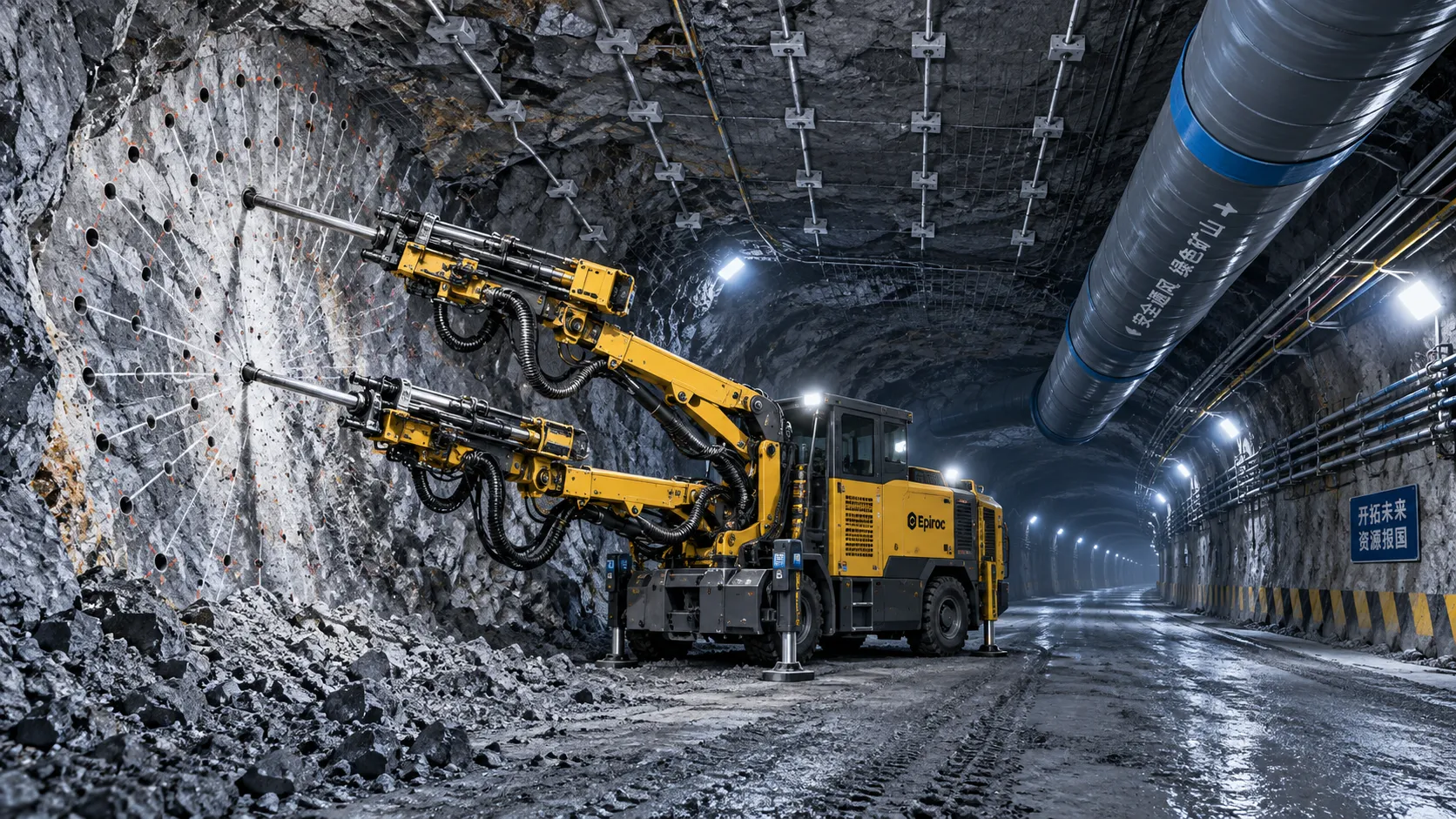
Underground Drilling for Mining: Selecting Methods for Rock Conditions and Mine Layout
Underground drilling for mining: learn how to match drilling methods to rock conditions, mine layout, accuracy needs, ground support, and cycle efficiency.
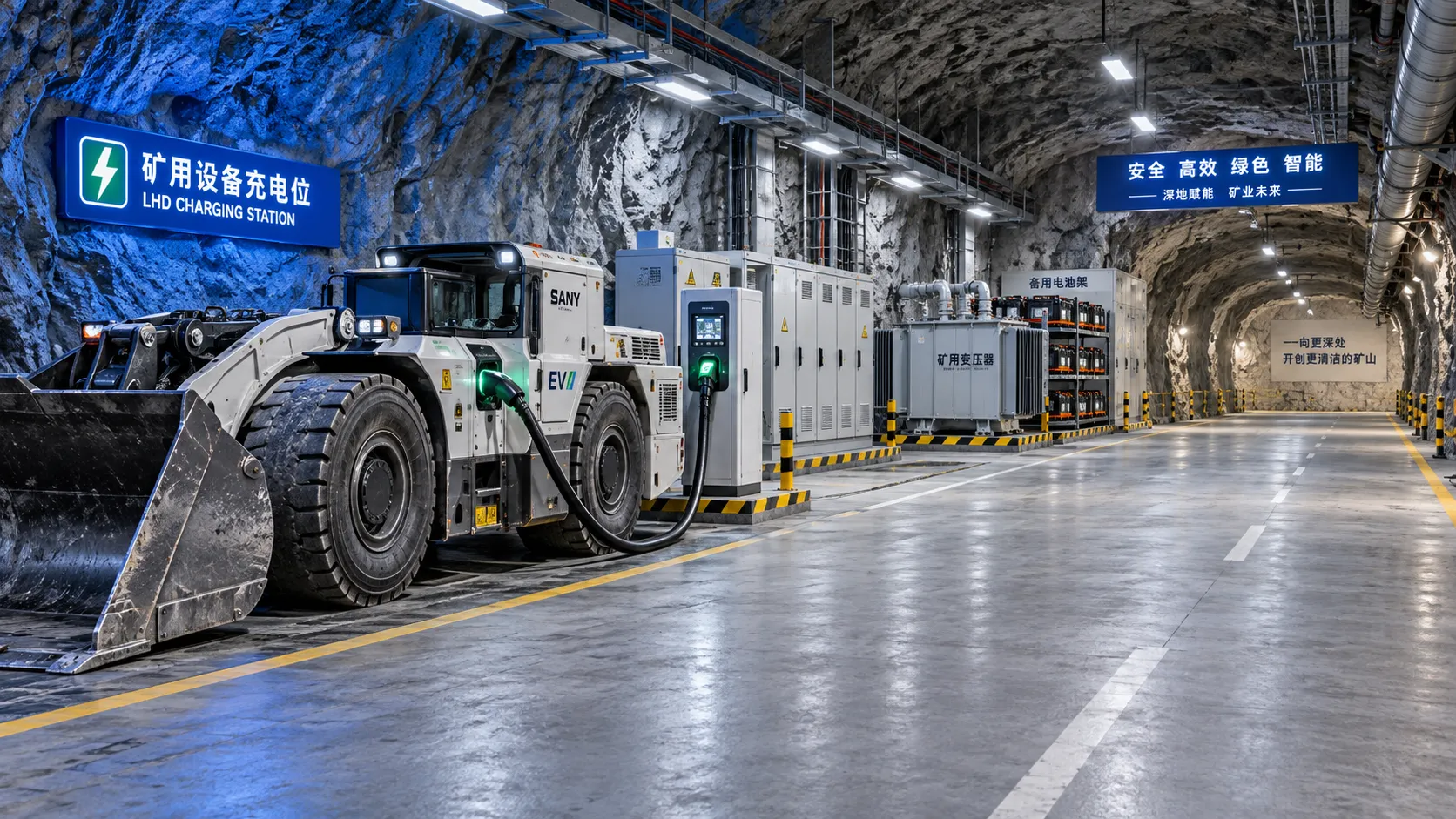
Underground Mine Electrification: How to Size Battery Fleets and Charging Capacity
Mining electrification for underground mines: learn how to size battery fleets, chargers, and power capacity to prevent queues, peak-load issues, and production downtime.
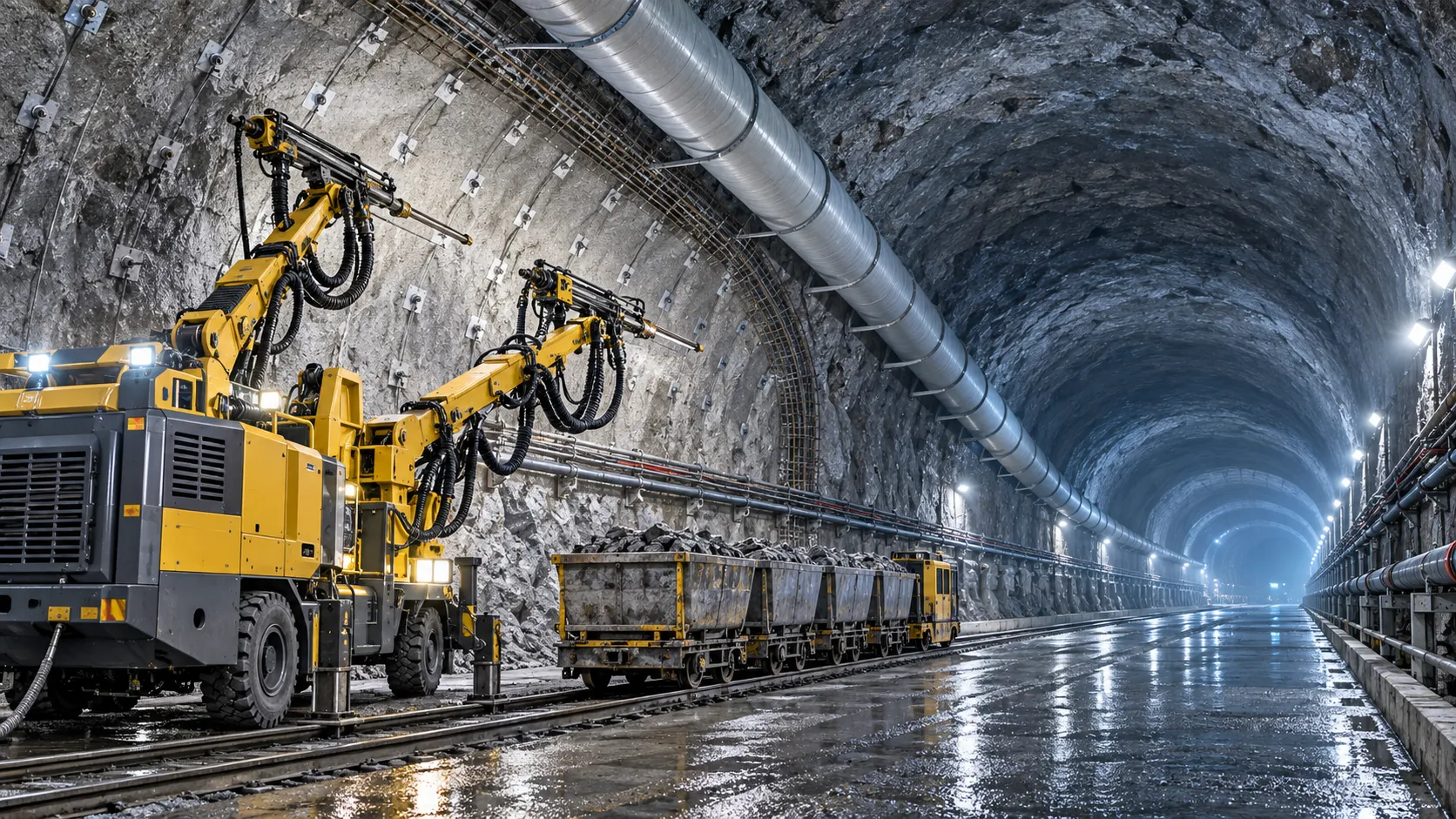
How to Evaluate European Drill-and-Blast Tunnelling Contractors for Complex Projects
Drill and blast tunnelling contractors Europe: learn how to assess geology expertise, blast control, equipment reliability, safety, and programme resilience for complex projects.
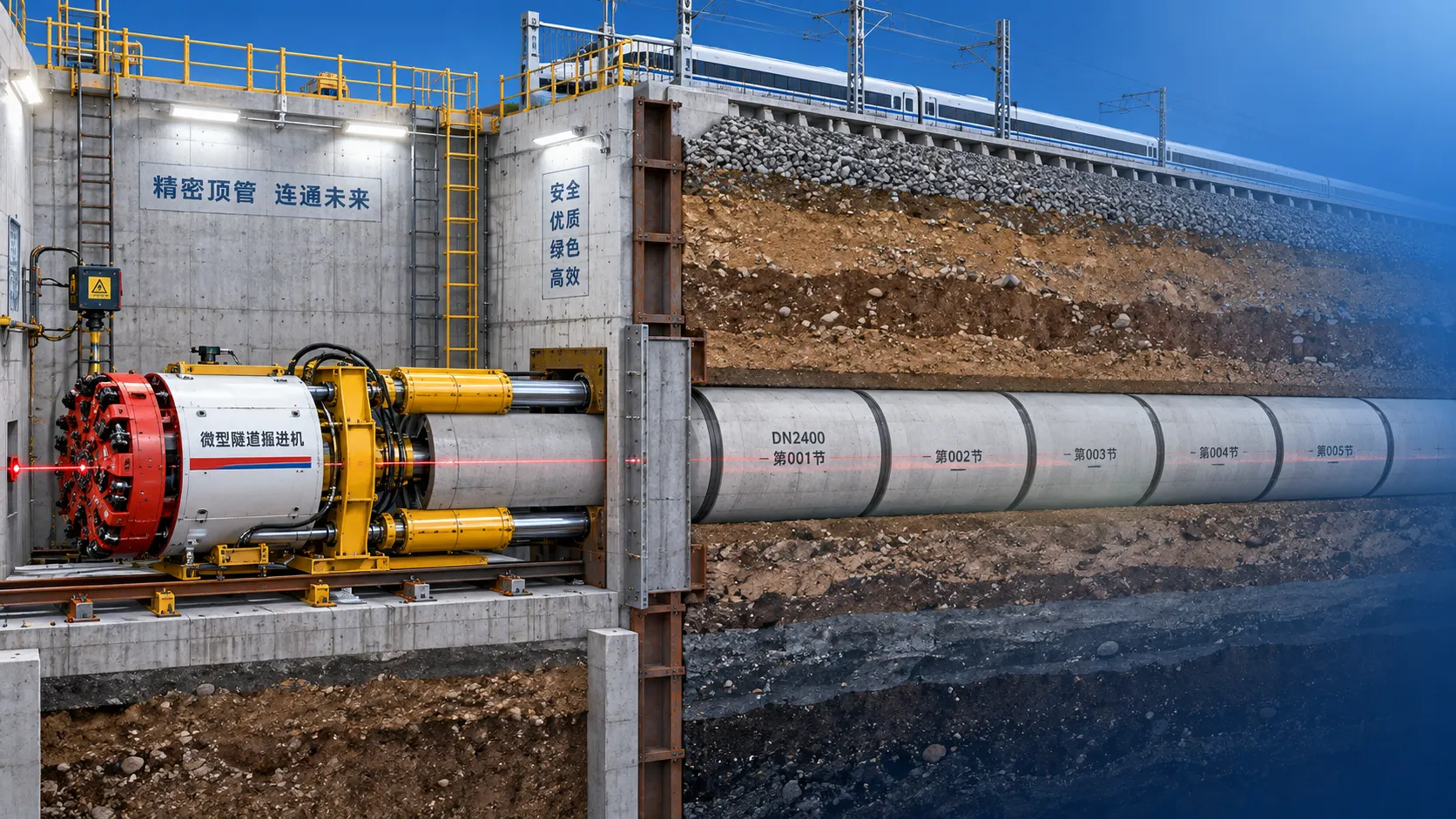
Which Trenchless Construction Technique Fits Your Utility Crossing Conditions?
Trenchless construction techniques compared for utility crossings: choose HDD, microtunnelling, pipe jacking, or auger boring based on ground, accuracy, access, and risk.
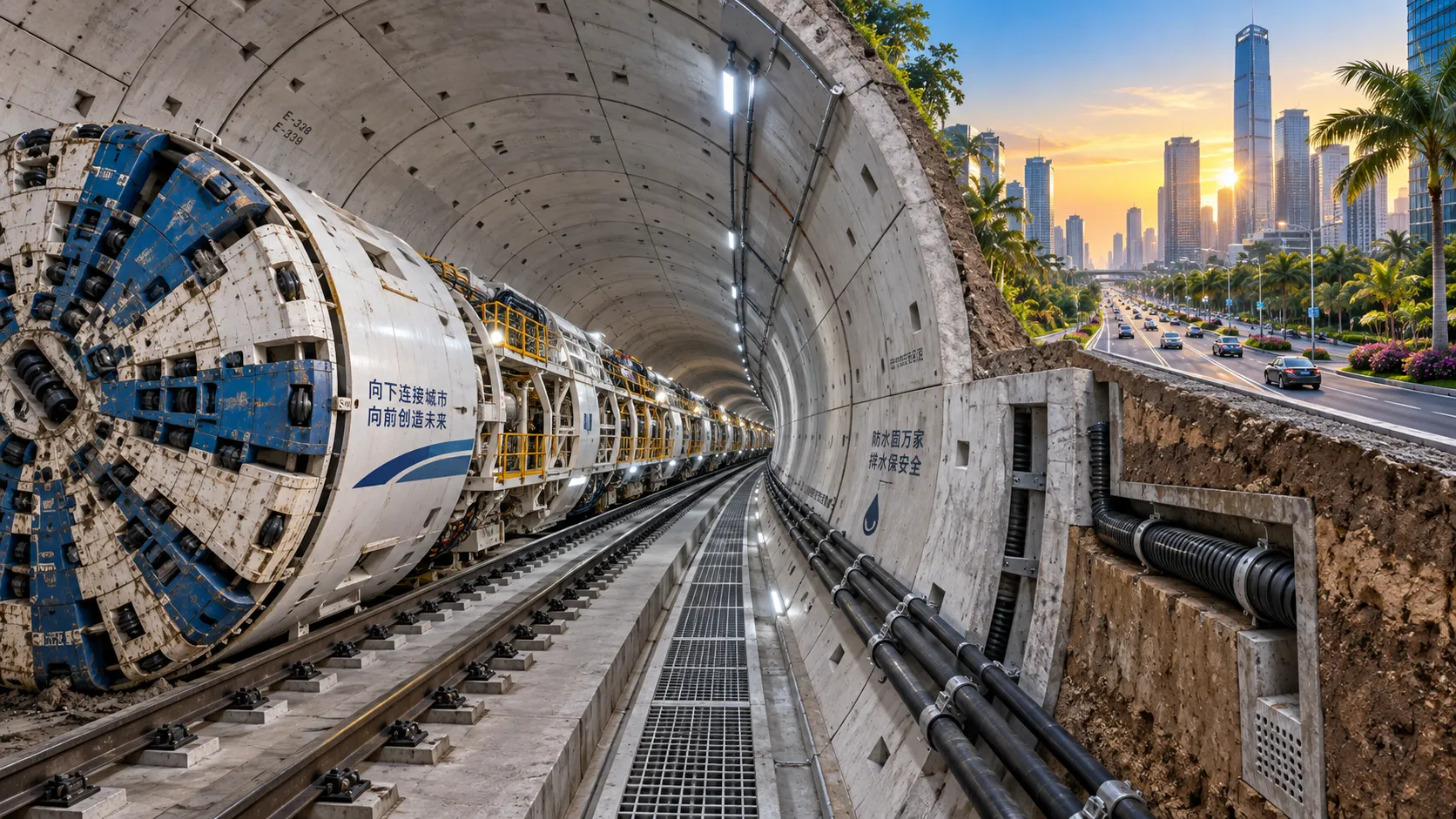
What Is Driving Metro Tunnelling Demand Across Southeast Asia’s Major Cities?
Metro tunnelling Southeast Asia is accelerating as major cities tackle congestion, flooding, and connectivity. Explore the market forces, technical risks, and opportunities shaping demand.
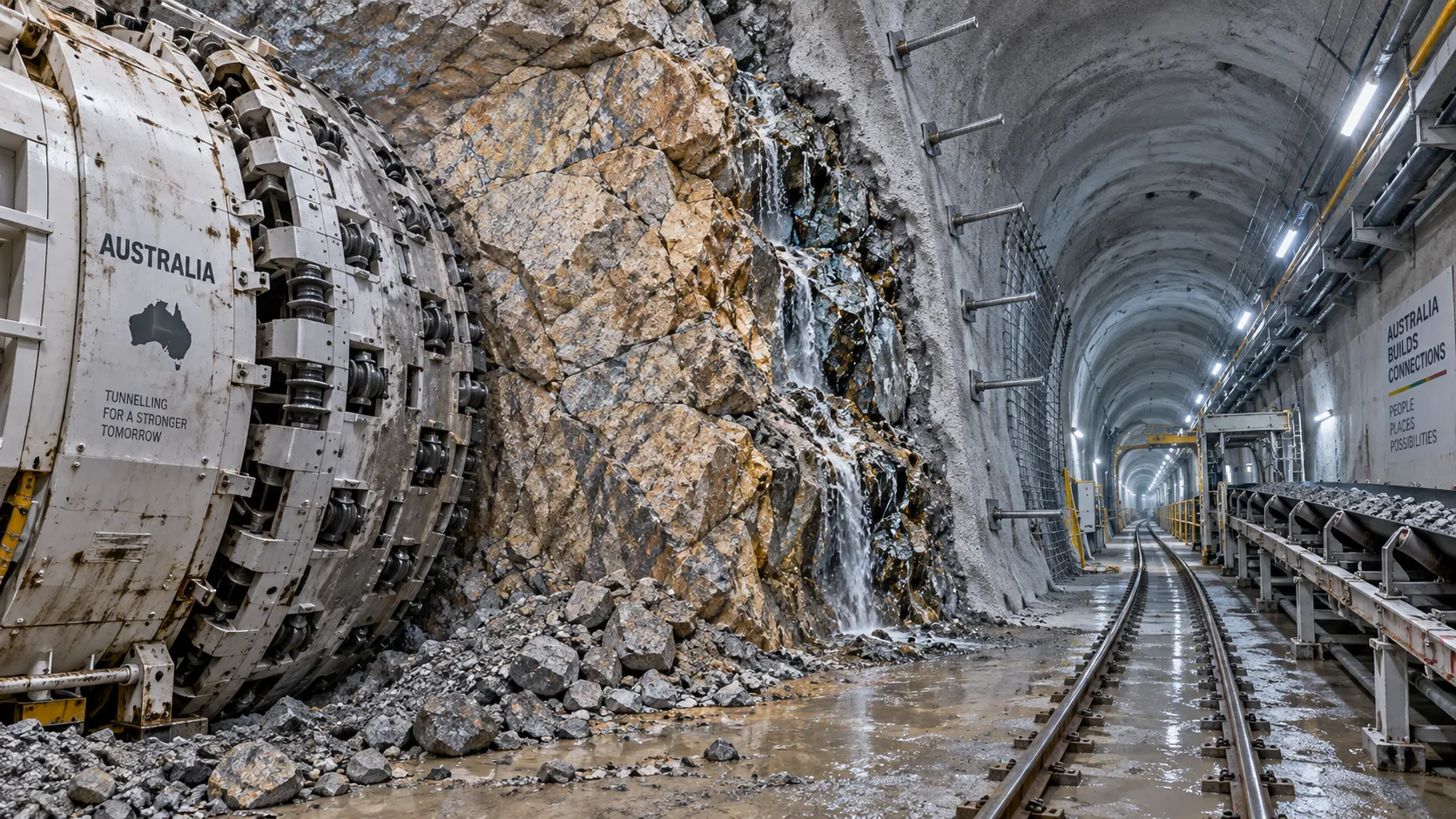
Hard Rock Tunnelling in Australia: Selecting Methods for Variable Ground Conditions
Hard rock tunnelling in Australia: compare TBM, drill-and-blast and hybrid methods to manage variable ground, reduce risk and protect project costs.
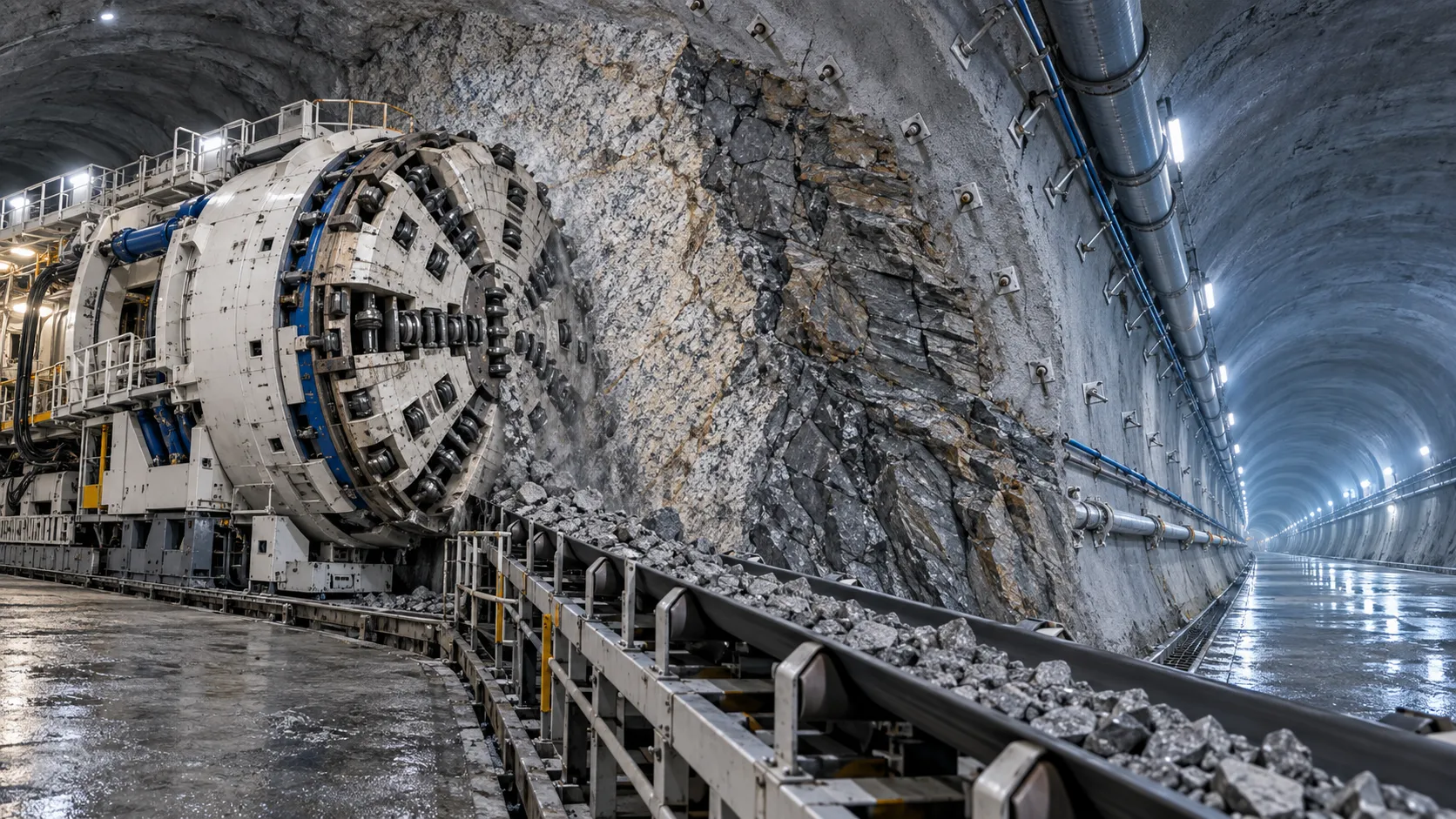
Hydropower Tunnel Excavation: Selecting Methods for Variable Rock Conditions
Hydropower tunnel excavation methods for variable rock conditions: compare TBM, drill-and-blast, and hybrid strategies to improve safety, progress, and project control.
How to Select Underground Safety Equipment for Tunnelling by Hazard and Work Zone
Underground Safety Equipment for tunnelling: match protection to hazards, work zones, compliance, and emergency needs with this practical selection guide.
EPB or Slurry Shield? Selecting Soft-Ground Tunnelling Equipment by Soil Conditions
Tunnel Excavation Equipment for soft ground: compare EPB and slurry shields by soil, groundwater, settlement risk, and project logistics to choose confidently.
Related News
- 00
0000-00
Where Autonomous Mining Loaders Deliver the Most Value in Underground Operations - 00
0000-00
Underground Drilling for Mining: Selecting Methods for Rock Conditions and Mine Layout - 00
0000-00
Underground Mine Electrification: How to Size Battery Fleets and Charging Capacity - 00
0000-00
How to Evaluate European Drill-and-Blast Tunnelling Contractors for Complex Projects - 00
0000-00
Which Trenchless Construction Technique Fits Your Utility Crossing Conditions?
Weekly Insights
Stay ahead with our curated technology reports delivered every Monday.