
Battery Electric Loaders in Underground Mines: Where Emissions Are Reduced





For underground mine project managers, reducing diesel exhaust without compromising production is a practical challenge. Battery Electric Loaders offer a low emissions alternative at the point of operation, eliminating diesel exhaust in confined headings while supporting safer working conditions.
Their impact extends beyond air quality: charging infrastructure, battery management, ventilation planning, and equipment availability all influence project outcomes. This article examines where these loaders reduce emissions and what engineering teams should consider when integrating them into underground operations.
Where Do Battery Electric Loaders Reduce Emissions?
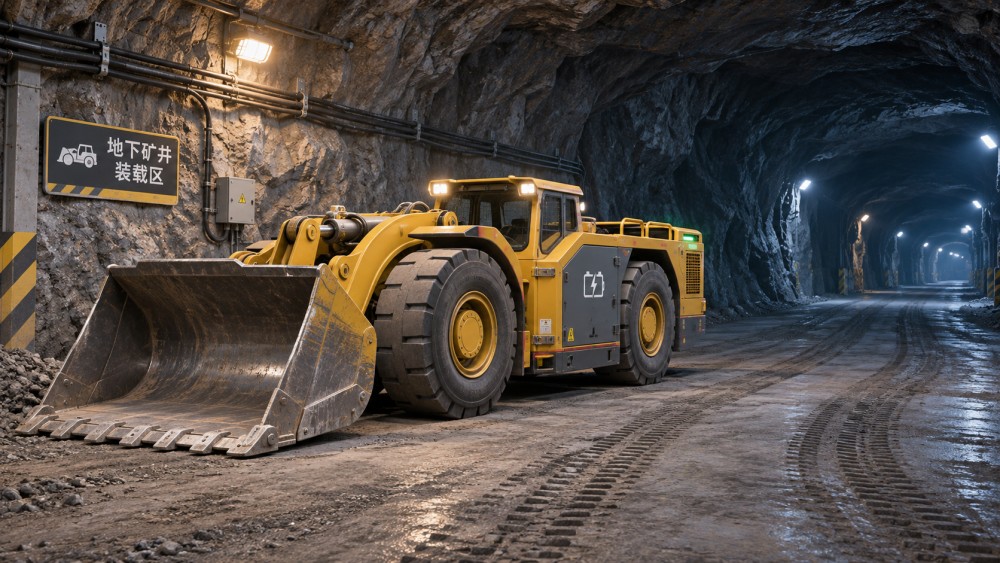
Battery electric loaders eliminate diesel exhaust from the machine while it operates underground. That removes a local source of diesel particulate matter, nitrogen oxides, and carbon monoxide.
The immediate benefit is most relevant where loaders work near people, especially in confined headings, loading areas, and routes with limited airflow or frequent equipment interaction.
Cleaner exhaust conditions can reduce exposure associated with the replaced diesel loader. Actual worker exposure still depends on other equipment, blasting, dust, airflow, and work practices.
Electric loaders also produce less heat from their powertrain during operation than comparable diesel machines in many applications. The effect on mine cooling must be assessed for the specific duty cycle.
Some heat moves to charging stations, electrical equipment, or battery handling areas. Engineers should account for where and when that heat is released before estimating cooling savings.
Battery operation also removes tailpipe carbon dioxide emissions underground. Whether it reduces total greenhouse gas emissions depends on electricity generation, charging losses, equipment manufacturing, and battery production.
These boundaries matter when presenting a project business case: local exhaust elimination is a direct machine-level outcome, while broader carbon savings require a defined calculation.
Can Electric Loaders Reduce Ventilation Costs?
Replacing diesel equipment may reduce the airflow needed to dilute diesel contaminants. This can create an opportunity to lower fan energy or defer ventilation upgrades.
However, the required airflow is determined by the most restrictive applicable requirement. Personnel, blasting fumes, dust, heat, radon, and remaining diesel machines may still set the minimum.
A single electric loader rarely justifies assuming an immediate reduction in mine-wide ventilation. The benefit is more credible when several diesel machines leave the same ventilation circuit.
For each affected area, compare the existing ventilation model with a proposed fleet schedule. Include simultaneous equipment operation, occupancy, development activity, and seasonal operating conditions.
Engage the mine ventilation engineer and relevant regulator before changing airflow. Site rules and jurisdictional requirements determine which operating changes can be approved and implemented.
Translate any approved airflow reduction into fan energy and maintenance savings using measured operating hours and power demand. Avoid counting a theoretical reduction that cannot be achieved operationally.
Where ventilation is already constrained, the greater value may be additional production capacity rather than lower electricity consumption. Quantify that opportunity separately and check downstream bottlenecks.
Will a Battery Electric Loader Maintain Production?
Production performance depends on the complete loading cycle, not simply rated bucket capacity. Compare payload, fill factor, travel speed, gradients, haul distance, and dumping time.
Electric drivetrains can provide strong torque and responsive control, but a favorable specification sheet does not guarantee higher tonnes per shift in a particular mine.
Build a duty-cycle model using representative routes and material conditions. Include loaded uphill travel, return trips, idle time, operator breaks, and variations between production areas.
Battery energy consumption changes with payload, road condition, grade, driving behavior, and auxiliary loads. Request measured consumption data from comparable applications and validate it on site.
Regenerative braking may recover energy on suitable downhill segments, but recovery depends on route geometry, battery acceptance, and machine control. Treat it as a measured contribution.
Then compare available operating time with charging or battery-swap time, including travel to the facility and queues. A fast connection alone does not eliminate production interruptions.
Use tonnes per scheduled shift and cost per tonne as primary comparisons. Also track availability, utilization, and the proportion of planned cycles completed on time.
Test performance across representative shifts and production areas. A pilot restricted to a short, level route may underestimate the energy and scheduling demands of full deployment.
What Charging and Battery Infrastructure Is Needed?
The first decision is whether to charge the battery in the machine, swap depleted batteries, or use a combination. The right choice depends on the operating schedule.
In-machine charging can reduce battery handling requirements, particularly when predictable breaks provide sufficient charging windows. Its impact on production depends on charging power and available dwell time.
Battery swapping can return a loader to service quickly when the system is designed for it. It also requires spare batteries, handling equipment, space, and coordinated logistics.
Compare the full cycle for both options: travel, connection or handling, charging, inspection, and return to work. Include the cost and availability of spare batteries.
Locate charging or swapping facilities near suitable operating areas without obstructing traffic, emergency access, or maintenance work. Consider ground conditions, water ingress, dust, and future mine development.
Electrical capacity must cover simultaneous charging, other mine loads, and future fleet growth. A load study should identify transformer, distribution, protection, and backup power requirements.
Charging several machines at once can increase peak demand even when total electricity use is manageable. Staggering charge times may reduce that peak without affecting production.
Battery storage and charging arrangements should follow manufacturer requirements and applicable site and jurisdictional rules. Address monitoring, isolation, emergency response, and access for trained personnel.
Coordinate the design with the mine’s fire protection and emergency teams. Consider credible battery incidents, detection, evacuation routes, equipment isolation, and the consequences for adjacent workings.
How Should Project Managers Compare Costs and Emissions?
A useful comparison follows a consistent operating period and production target. Start with a diesel baseline that reflects actual fuel use, maintenance, availability, and work completed.
For the electric option, include the loader, chargers, electrical upgrades, installation, spare batteries, training, maintenance equipment, and any production disruption during construction or commissioning.
Operating costs include electricity, battery maintenance or replacement, machine servicing, and infrastructure upkeep. Use the mine’s actual electricity tariff, including demand charges where applicable.
Estimate battery life using supplier warranty terms and expected duty cycles, but model replacement as a separate scenario. Temperature, charging practices, and utilization can affect service life.
Credit ventilation or cooling savings only when the operating plan and engineering review support them. Record whether each benefit is realized cash savings, avoided capital, or potential capacity.
For an operational greenhouse gas comparison, estimate diesel emissions from fuel consumption and electricity-related emissions from metered charging energy using an appropriate grid or contractual factor.
State the emissions boundary and factor source. If the assessment includes fuel supply, equipment manufacturing, or battery production, apply comparable lifecycle boundaries to both alternatives.
Compare results per tonne moved as well as per year. This prevents a less productive machine from appearing favorable solely because it performs less work.
Run sensitivity cases for electricity prices, diesel prices, battery life, utilization, and infrastructure costs. Identify which assumptions would change the investment decision and who will validate them.
Which Underground Applications Are the Best Fit?
Strong candidates often have concentrated diesel activity, constrained ventilation, predictable routes, and access to electrical infrastructure. These conditions make both exposure benefits and operating schedules easier to assess.
A loader serving a consistent production area may have reliable charging windows and manageable travel distances. Stable conditions also make pilot measurements more representative of future operation.
Deep or hot mines may find value in reducing diesel-related ventilation and cooling loads, provided the displaced heat and remaining cooling requirements are included in the model.
Challenging applications include long, steep, variable routes or rapidly advancing headings far from power. They may require additional charging capacity, spare batteries, or a revised deployment sequence.
Sites with limited electrical capacity should assess upgrade cost and delivery time early. A technically suitable loader can still face a weak business case if infrastructure is delayed.
Mixed fleets are often practical during transition, but remaining diesel equipment may limit ventilation savings. Define the fleet threshold at which a circuit-level benefit becomes achievable.
How Can a Mine Introduce Electric Loaders With Less Project Risk?
Begin with a baseline study covering production cycles, diesel consumption, air quality, ventilation, maintenance, and electrical capacity. Use measurements from the intended operating area wherever possible.
Select a pilot with a clear production role and a defined comparison period. Involve operators, maintenance personnel, ventilation engineers, electrical specialists, and emergency responders from the start.
Agree on acceptance criteria before delivery: tonnes per shift, energy per tonne, charging time, availability, and performance on representative gradients. Set targets appropriate to site conditions.
Track diesel exhaust indicators and ventilation conditions alongside production results. Changes in other equipment or airflow should be recorded so that observed improvements are interpreted correctly.
Confirm maintenance responsibilities, diagnostic access, parts supply, battery warranty conditions, and service response times. Train personnel for electrical isolation and battery handling before commissioning.
Review pilot results against the original business case, including unplanned downtime and infrastructure performance. Scale up only after correcting material gaps and updating the fleet schedule.
Making the Investment Decision
Battery electric loaders provide a clear local emissions benefit by removing diesel exhaust from their operating areas. Their wider financial and carbon benefits depend on mine-specific conditions.
The strongest decision combines a realistic duty-cycle trial, an approved ventilation assessment, a credible infrastructure plan, and a transparent comparison of lifecycle costs and emissions.
For project managers, the decisive question is whether the complete system can deliver required tonnes safely and reliably while producing benefits that the mine can actually capture.
Related News
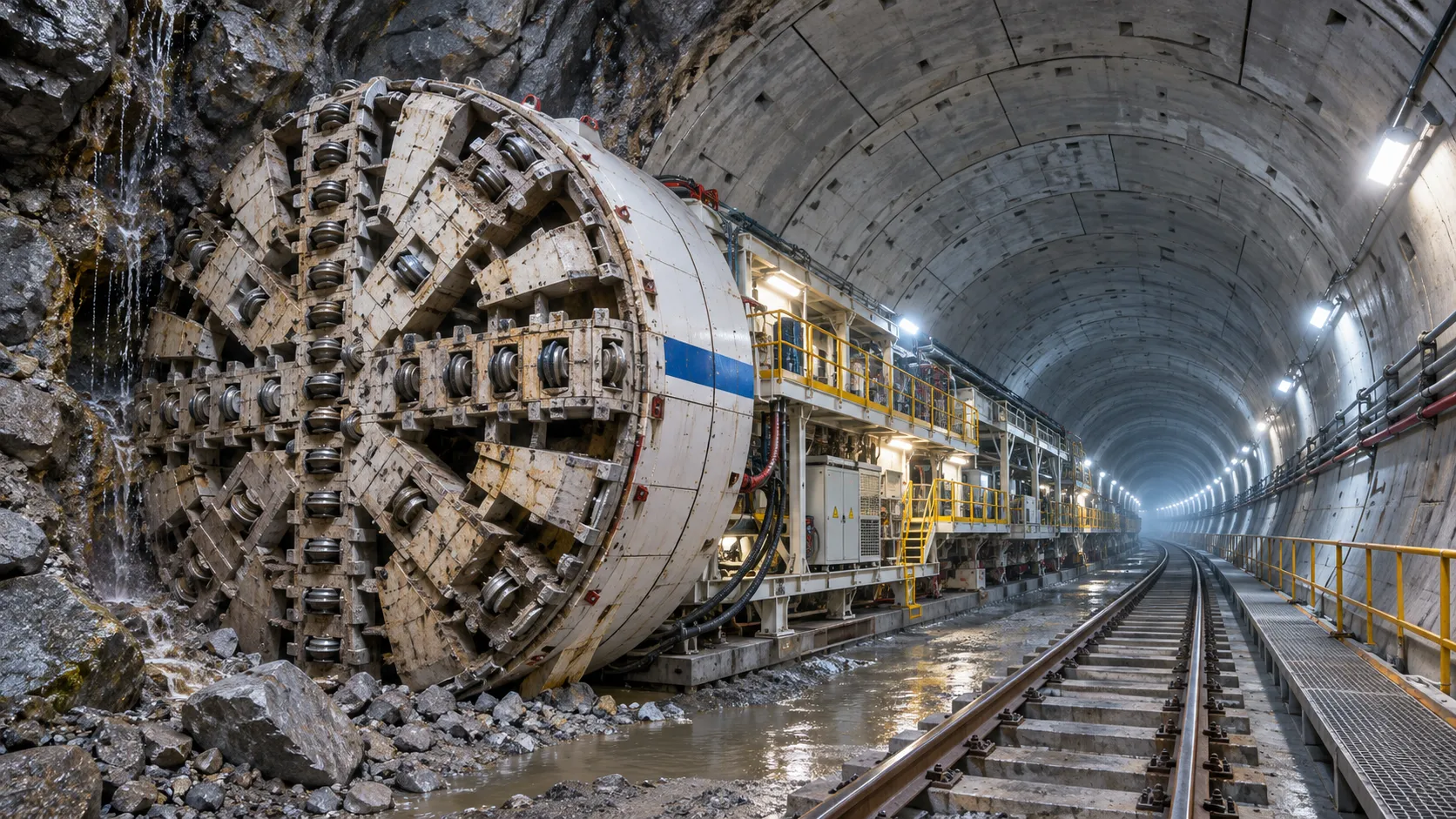
Mega Tunnel Contractors: How to Evaluate Experience and Project Risks
Evaluate mega tunnel contractors with confidence. Learn how to assess relevant experience, ground risks, construction plans, and bid assumptions before award.
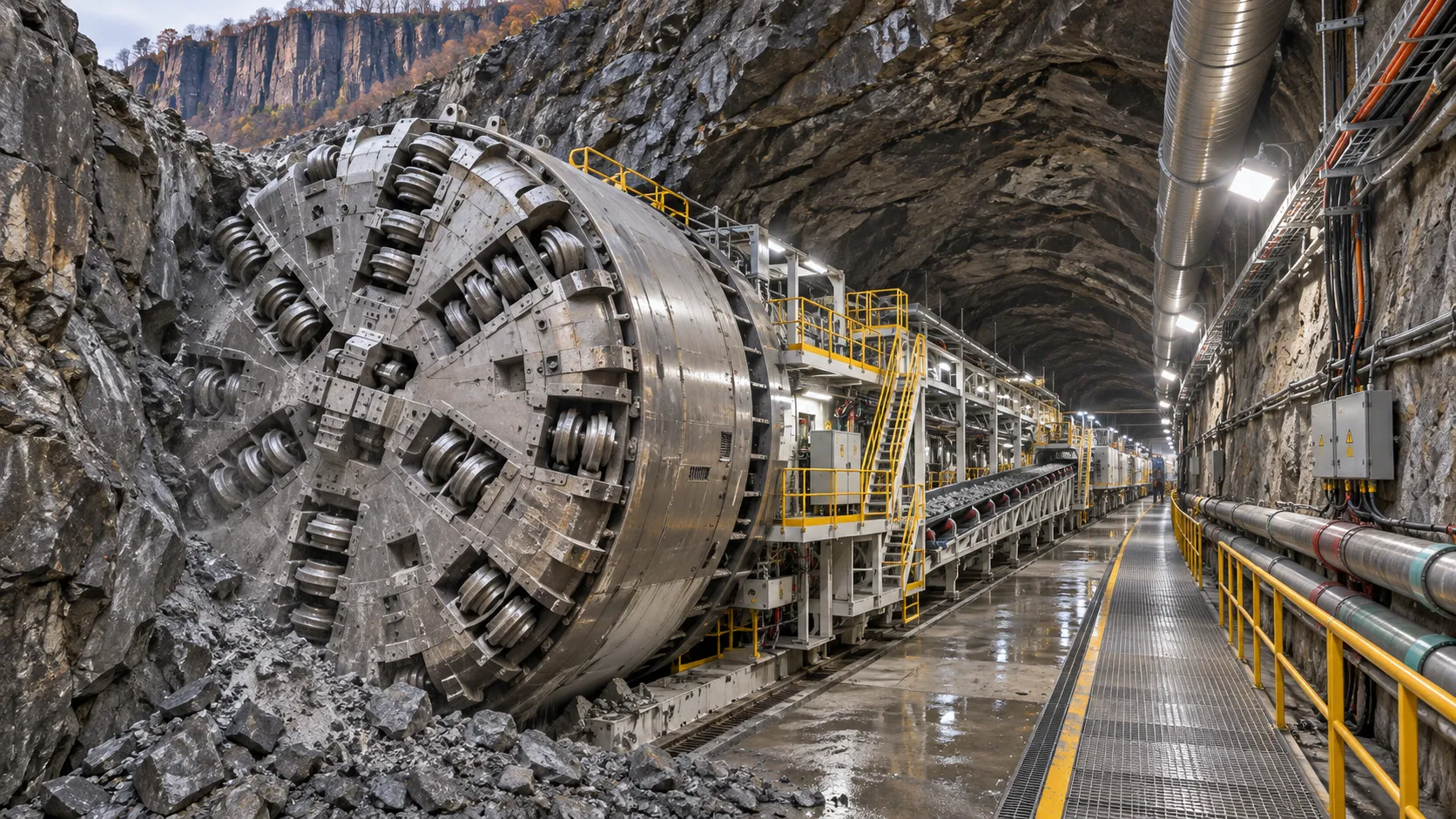
Hudson Tunnel Project’s Second TBM Begins Excavating South Tunnel
Hudson Tunnel Project’s second TBM begins south tunnel excavation. Explore what this milestone could mean for contractors and suppliers.
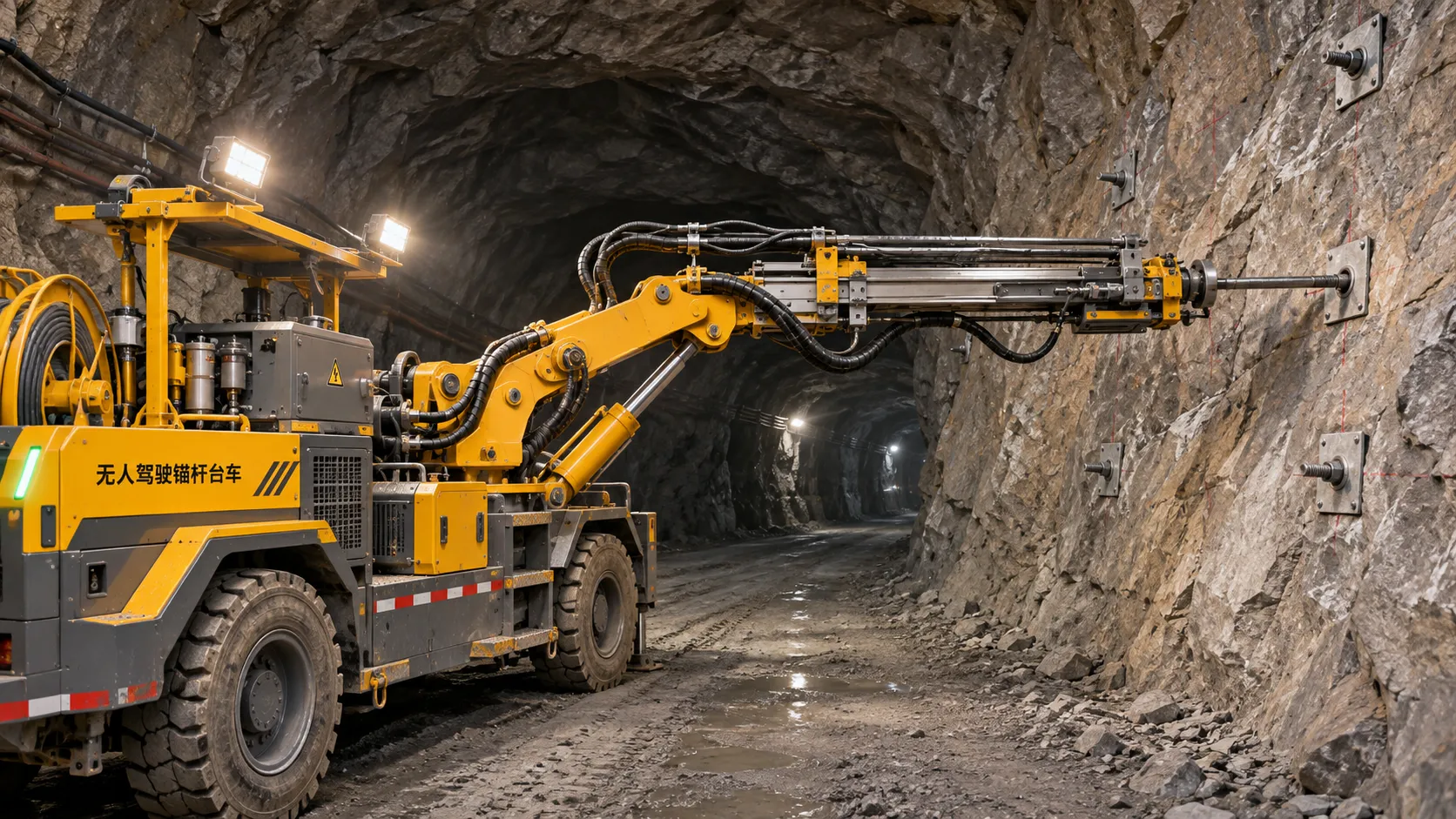
How Bolting Jumbo Automation Works in Underground Rock Support
Explore how bolting jumbo automation coordinates drilling and rock support, and discover what to assess for safer, more consistent underground operations.
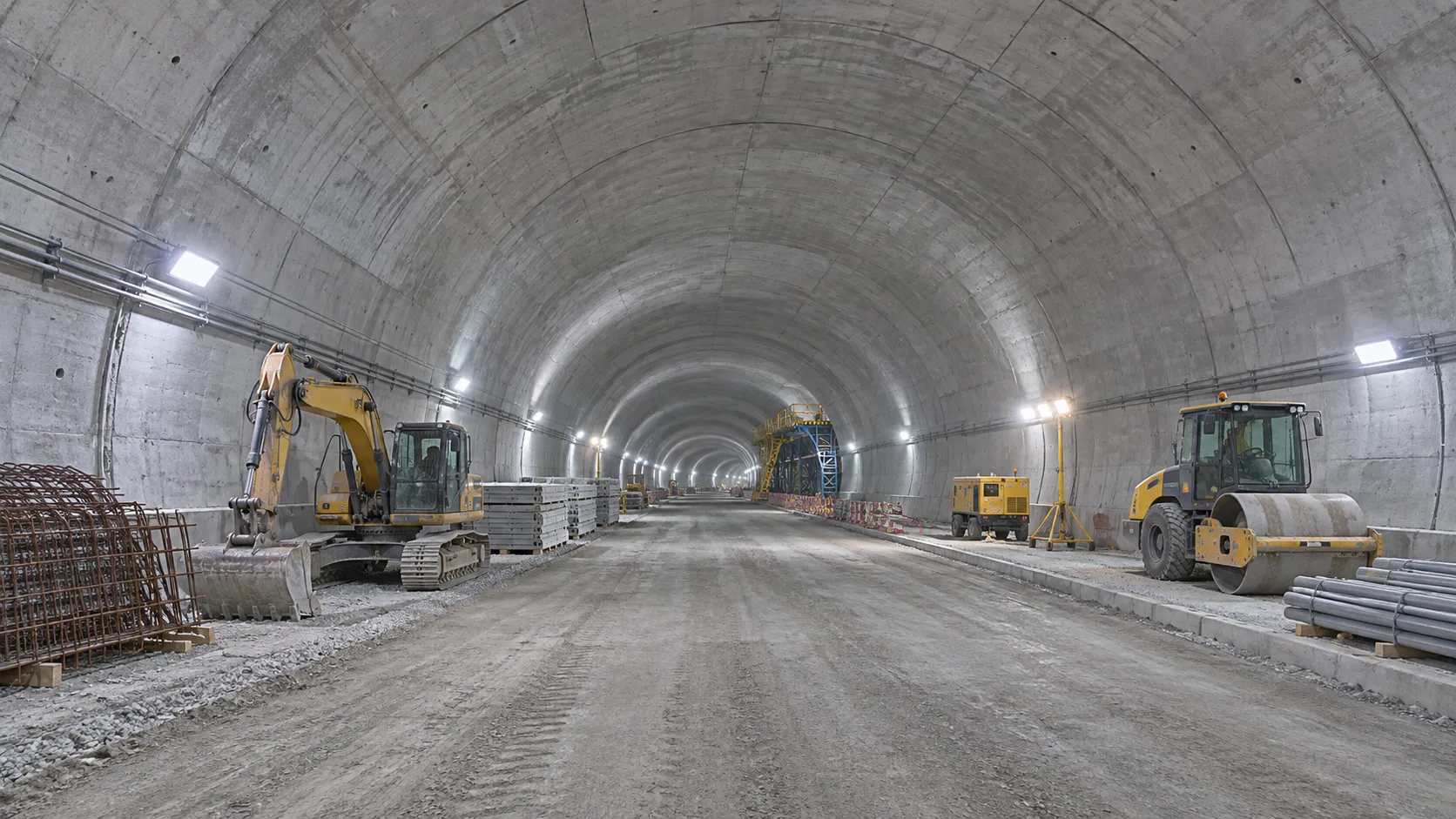
China’s Transport Ministry Issues Highway Tunnel Upgrade Standard
China’s highway tunnel upgrade standard takes effect December 1, 2026. Explore potential implications for contractors, project owners and equipment suppliers.
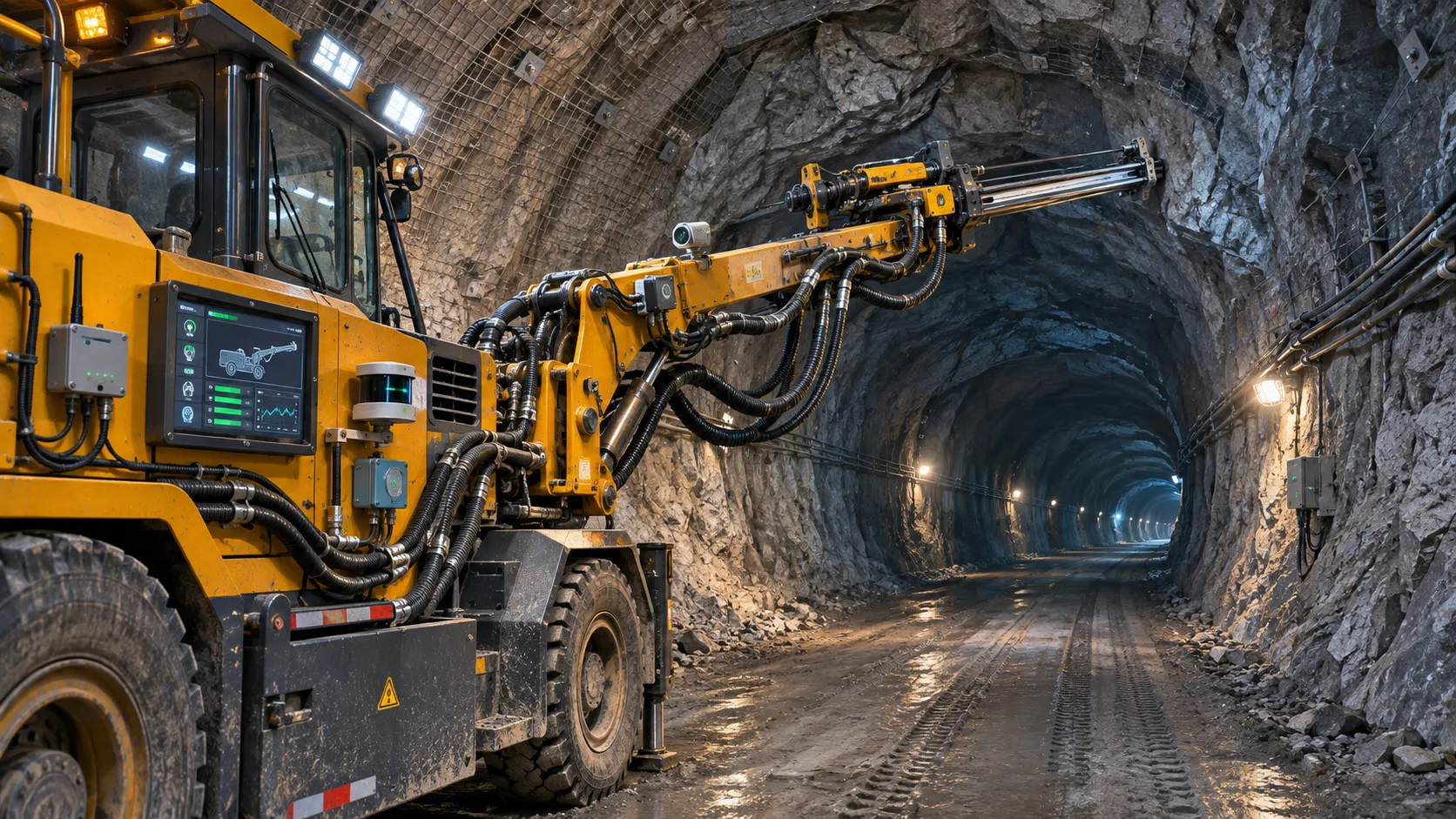
Smart Underground Mining Analytics: Using Equipment Data to Reduce Downtime
Smart underground mining analytics turns equipment data into actionable insights. Discover how to reduce downtime and improve maintenance decisions.
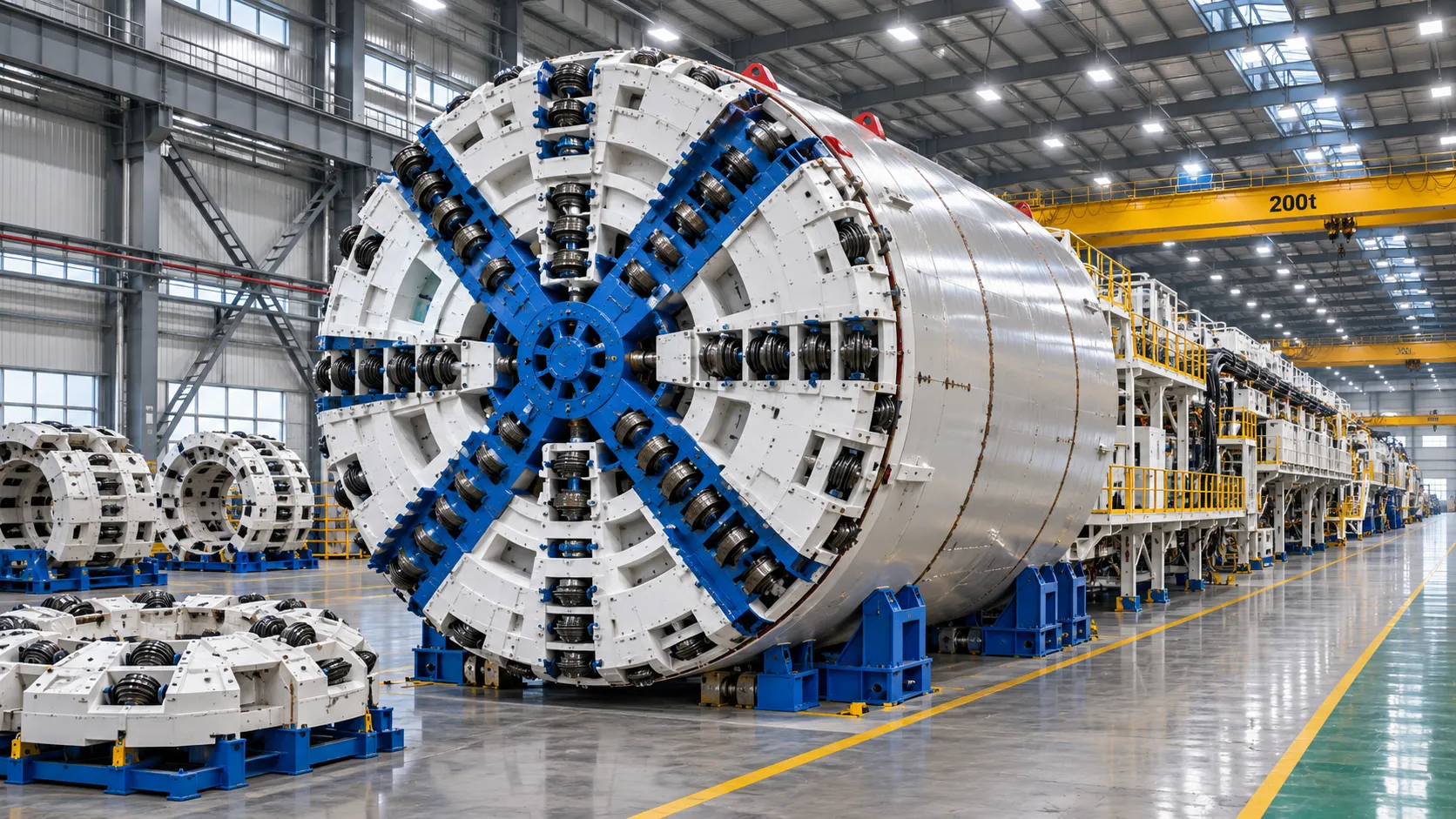
Three Export Control Notices Take Effect November 18, Adding Tunnel Boring Machines
China export controls add tunnel boring machines to the dual-use list. Explore potential licensing implications for equipment, components and project delivery.
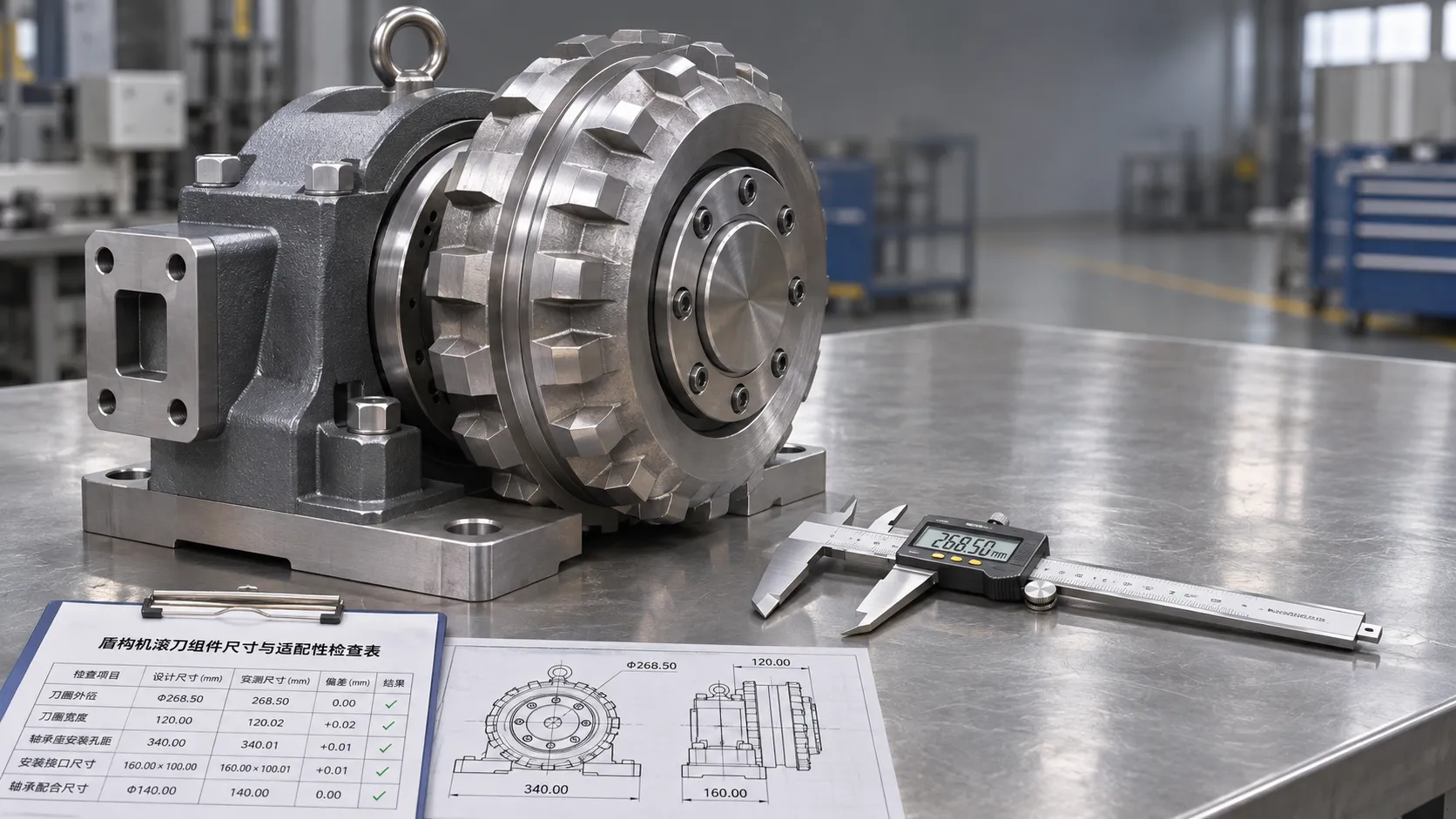
Choosing a TBM Components Supplier: Lead Times, Quality and Compatibility
Choose a TBM components supplier with confidence. Compare lead times, quality evidence and compatibility to reduce procurement risk and keep your project moving.
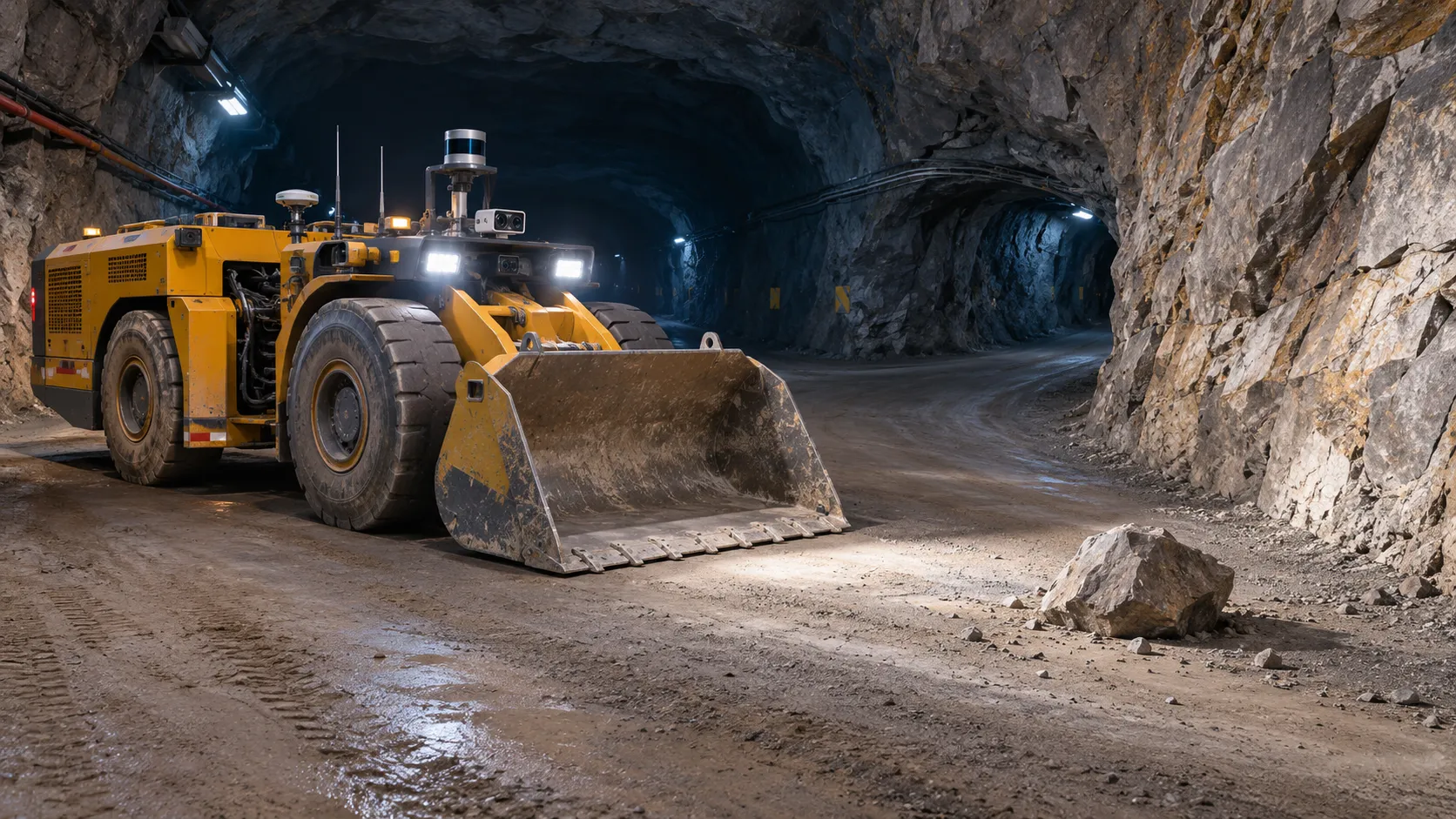
How Autonomous LHD Collision Avoidance Works in Underground Mines
Discover how autonomous LHD collision avoidance combines sensing, positioning and braking to manage underground hazards and support safer mine operations.
Mining Equipment Market Could Reach $19.42 Billion by 2033, Report Says
Mining equipment market could reach $19.42 billion by 2033. Explore how electrification, automation and surface mining demand are shaping the industry's outlook.
Related News
- 00
0000-00
Mega Tunnel Contractors: How to Evaluate Experience and Project Risks - 00
0000-00
Hudson Tunnel Project’s Second TBM Begins Excavating South Tunnel - 00
0000-00
How Bolting Jumbo Automation Works in Underground Rock Support - 00
0000-00
China’s Transport Ministry Issues Highway Tunnel Upgrade Standard - 00
0000-00
Smart Underground Mining Analytics: Using Equipment Data to Reduce Downtime
Weekly Insights
Stay ahead with our curated technology reports delivered every Monday.