
Diesel vs. Battery LHDs: Choosing Underground Loaders for Ventilation-Limited Mines





Battery-electric LHDs are the stronger option when diesel exhaust or engine heat is the constraint preventing a mine from deploying enough loading capacity. They are not an automatic solution to every ventilation shortage. If airflow is governed by blasting fumes, dust, rock heat, or statutory minimums, replacing diesel loaders may release less ventilation capacity than expected. The decision starts with identifying what limits production in the relevant ventilation district—not with comparing engine power against motor power.
Diesel remains a credible choice where available airflow can support the required fleet and where charging or battery swapping would disrupt production. Battery-electric equipment becomes more compelling when it can remove a binding ventilation constraint without introducing a new bottleneck in electrical supply, battery logistics, or machine availability. The correct comparison is therefore tonnes delivered under the mine’s actual airflow and infrastructure limits.
Identify the ventilation constraint before selecting the loader
A mine-wide airflow total is insufficient for evaluating Underground Load Haul Dump Equipment. A loader operates within a particular network of intake routes, working areas, auxiliary ducts, and return airways. Adequate air at the shaft does not prove that enough reaches a production heading, especially where leakage, recirculation, or high network resistance reduces effective delivery.
The baseline should establish the conditions in each district during the production schedule: which diesel machines operate simultaneously, their engine loads, measured contaminants, air temperatures, humidity, and airflow distribution. Include trucks and support equipment. Electrifying one LHD does not eliminate exhaust from the rest of the district.
Diesel ventilation requirements must reflect applicable local rules and the machine’s approved configuration. Some jurisdictions use engine-power-based requirements alongside contaminant limits; compliance cannot be inferred from fuel consumption alone. Exhaust aftertreatment can reduce specific pollutants, but it does not remove the engine’s heat contribution or automatically permit lower airflow.
For battery equipment, removing tailpipe emissions changes the ventilation calculation, not the obligation to ventilate. Dust generated during loading and travel, blasting clearance, ambient heat, and emergency arrangements remain relevant. Airflow can only be reduced after a revised ventilation assessment demonstrates acceptable conditions and satisfies regulatory requirements.
This distinction separates two benefits that should not be confused: reducing fan energy and making room for additional production. A battery fleet may allow more machines to operate at existing airflow without enabling a material reduction in that airflow.
Heat reduction matters, but “zero exhaust” is not “zero heat”
A diesel loader releases heat through exhaust, cooling systems, drivetrain losses, and work performed underground. Battery-electric equipment avoids combustion losses at the machine and generally needs less input energy for equivalent mechanical work. However, motors, inverters, batteries, hydraulics, tyres, and brakes still generate heat. Much of the mechanical work ultimately becomes heat within the mine as well.
The useful comparison is a district heat balance over the operating cycle. It should include loader energy consumption, the location of losses, charging equipment, cooling systems, and any heat transferred outside the district. Installing chargers underground can move part of the thermal burden from the loader to a charging bay rather than remove it from the mine.
An illustrative sensible-heat calculation shows the scale involved. Using air density of 1.2 kg/m³ and specific heat of approximately 1.0 kJ/kg·K, removing a hypothetical 100 kW heat load corresponds to about 16.7 m³/s of airflow if the permitted temperature rise is 5°C:
Airflow = heat load ÷ (air density × specific heat × temperature rise).
This is not a design airflow requirement or an expected saving from a particular loader. It excludes humidity effects, rock heat exchange, other equipment, and regulatory constraints. At depth, actual air density and psychrometric conditions must be used. Its value is to show why heat reduction can matter even after exhaust contaminants are controlled.
Battery cooling also needs close examination. A machine that performs well in a moderate-temperature test can encounter power derating in a hot heading. Request allowable ambient conditions, coolant requirements, and sustained performance limits—not just peak motor output.
Compare productive cycles, not nominal payload and power
Equal bucket capacities do not guarantee equal output. Breakout force, traction, hydraulic response, travel speed on grade, load stability, and dumping geometry determine the working cycle. Battery mass and its distribution can affect axle loads and floor requirements; machine dimensions can change turning clearances and passing arrangements.
Build the comparison around representative routes. Record loading time, loaded travel, dumping, empty return, waiting, and operational delays. Include gradients, rolling resistance, road deterioration, and payload variation. A short shuttle between a stope and an orepass presents a different energy problem from an extended uphill haul.
Regenerative braking can recover energy during deceleration and downhill travel, but its value depends on route direction and payload. A loaded uphill journey followed by an empty downhill return offers less recovery potential than loaded downhill transport. Recovery is also constrained by battery state of charge, temperature, traction, and charge-acceptance limits. Service brakes must remain capable of safely controlling the machine when regeneration is restricted.
For battery sizing, use energy per representative cycle and cycles per operating block, with allowances for auxiliary systems, variability, and battery ageing. Nameplate capacity is not the same as usable operating energy: state-of-charge limits, reserve requirements, and thermal controls reduce the energy available for production.
Required operating energy = cycle energy × planned cycles + auxiliary consumption + operating reserve.
A selection based only on a new battery’s best-case runtime can become inadequate as capacity declines. Require demonstrated performance at the contractual end-of-life condition and specified operating temperature. Also examine sustained power at low charge: sufficient remaining energy does not necessarily mean sufficient power for the final loaded climb.
Diesel machines need equivalent scrutiny. Refuelling may be quicker than charging, but travel to fuel bays, queuing, filter regeneration where applicable, maintenance, and restrictions on simultaneous operation all reduce effective production time.
Charging and swapping must work at fleet scale
A battery LHD’s runtime is only one part of the availability calculation. The energy system must return a ready machine to work at the rate production consumes it. This requires a fleet schedule linking operating blocks, charging duration, battery cooling, maintenance, and spare-pack availability.
Opportunity charging suits operations with predictable idle windows and accessible chargers. It is less attractive when interruptions are irregular or charging requires a substantial detour. Higher charging power shortens some charging windows but increases electrical demand and may be restricted by battery temperature or state of charge.
Swapping can separate machine utilisation from charging time. Its benefit depends on the complete swap process, including travel, positioning, handling, connection checks, and queues. Additional packs, lifting or automated handling systems, storage space, and pack maintenance must be included in the equipment scope.
Electrical design should assess simultaneous demand rather than charger ratings in isolation. Transformers, cables, protection, earthing, power quality, and upstream supply capacity need verification. Load-managed charging may reduce peak demand, but it must still replenish enough energy before the next operating block.
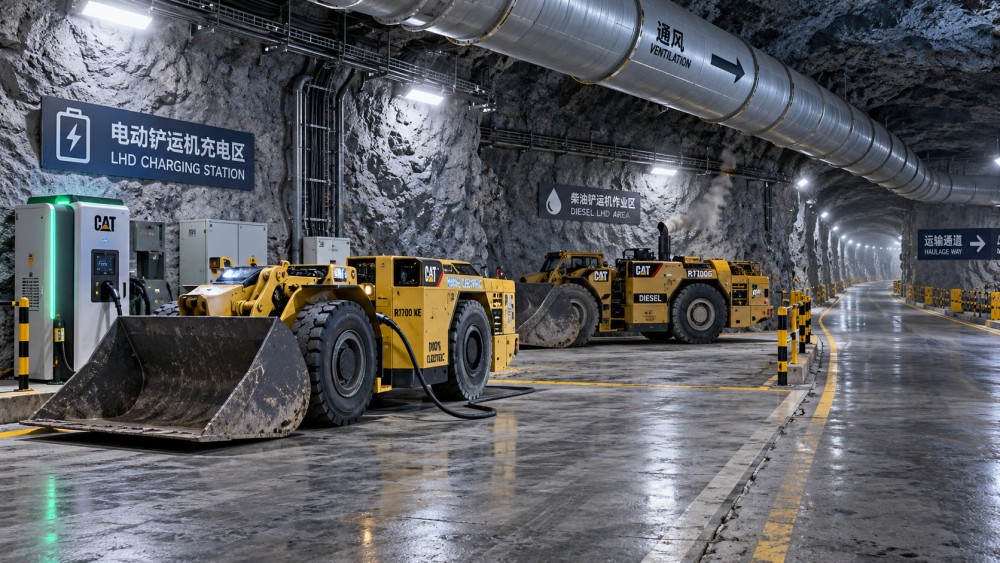
Locate charging and swapping facilities against the ventilation network and transport layout together. A convenient bay can be unsuitable if it obstructs traffic, exposes critical electrical equipment to water or impact, or allows incident smoke to affect occupied workings or escape routes.
Battery systems require a chemistry- and design-specific risk assessment covering thermal runaway, electrical isolation, damaged-pack handling, fire detection, emergency response, and recovery of a disabled loader. Battery-management protection does not replace a mine-level emergency plan. Where explosive atmospheres are relevant, verify equipment approvals for that environment rather than assuming that removing diesel makes a machine permissible.
Measure ventilation savings at the fan and the production face
Fan power depends on airflow, pressure, and efficiency. Under idealised conditions in an unchanged network, reducing airflow can substantially reduce fan power because network pressure losses vary approximately with airflow squared. Actual savings depend on fan controls, operating points, fixed airflow obligations, and how the network is reconfigured.
It is therefore unsafe to assign a standard percentage ventilation saving to each battery loader. Removing diesel demand from one branch may not allow the main fan to slow down if another branch remains critical. Savings may instead appear as reduced auxiliary ventilation demand or avoided future upgrades.
Evaluate at least the diesel operating case and the proposed battery case against the same production target. Then assess whether the battery case enables additional production at existing airflow. This exposes whether electrification creates an energy saving, a capacity benefit, or both.
Production gains need another constraint check. Extra loading capacity has limited value if orepasses, trucks, crushers, or hoisting are already saturated. Credit additional tonnes only where the downstream system can handle them.
Cost the complete operating system
A meaningful lifecycle comparison includes the loader, infrastructure, maintenance capability, and production consequences. Diesel costs include fuel delivery, exhaust-system maintenance, ventilation and cooling attributable to operation, and engine or drivetrain work. Battery costs include electricity, chargers, distribution upgrades, spare packs, handling facilities, battery replacement, and specialist support.
Battery replacement assumptions deserve particular attention. Degradation depends on chemistry, temperature, energy throughput, charge rate, and operating windows. Warranty duration alone does not establish production suitability. Examine the warranted capacity threshold, operating exclusions, measurement method, and remedy if a pack no longer supports the required duty cycle.
Compare cost per delivered tonne at the required fleet availability, not merely energy cost per machine-hour. A cheaper energy source does not compensate for lost output if charging queues or thermal derating interrupt critical loading periods. Conversely, a higher equipment price may be justified when it avoids a ventilation expansion or enables otherwise constrained tonnes.
Keep those benefits separate to avoid double-counting. Reduced airflow and increased production at unchanged airflow are different operating cases. Sensitivity testing should vary electricity tariffs and demand charges, diesel cost, battery replacement timing, cooling requirements, and achievable availability.
Use a site acceptance test to settle the choice
The decisive evidence is a representative production trial with agreed acceptance conditions. Measure payload, cycle time, delivered tonnes, energy consumption, temperatures, state of charge, charging or swapping delays, faults, and maintenance interventions. Define whether availability includes the energy infrastructure; excluding charger downtime can conceal a system-level weakness.
Test the difficult operating conditions, not only the convenient route: hot workings, long loaded climbs, low-charge operation, and restricted regeneration. Include the supplier’s provisions for degraded battery capacity and verify that the proposed infrastructure can support the planned fleet, not just a single demonstration machine.
Battery-electric LHDs are justified when verified exhaust and heat reductions release useful ventilation capacity, while the complete energy system sustains the required output. Diesel remains defensible when airflow is adequate and its established operating system delivers better availability under the site’s constraints. A staged conversion can also be appropriate, targeting districts where diesel demand is binding while retaining diesel elsewhere. The selection should follow the limiting district, validated duty cycle, and infrastructure readiness—not a mine-wide preference for either powertrain.
Related News
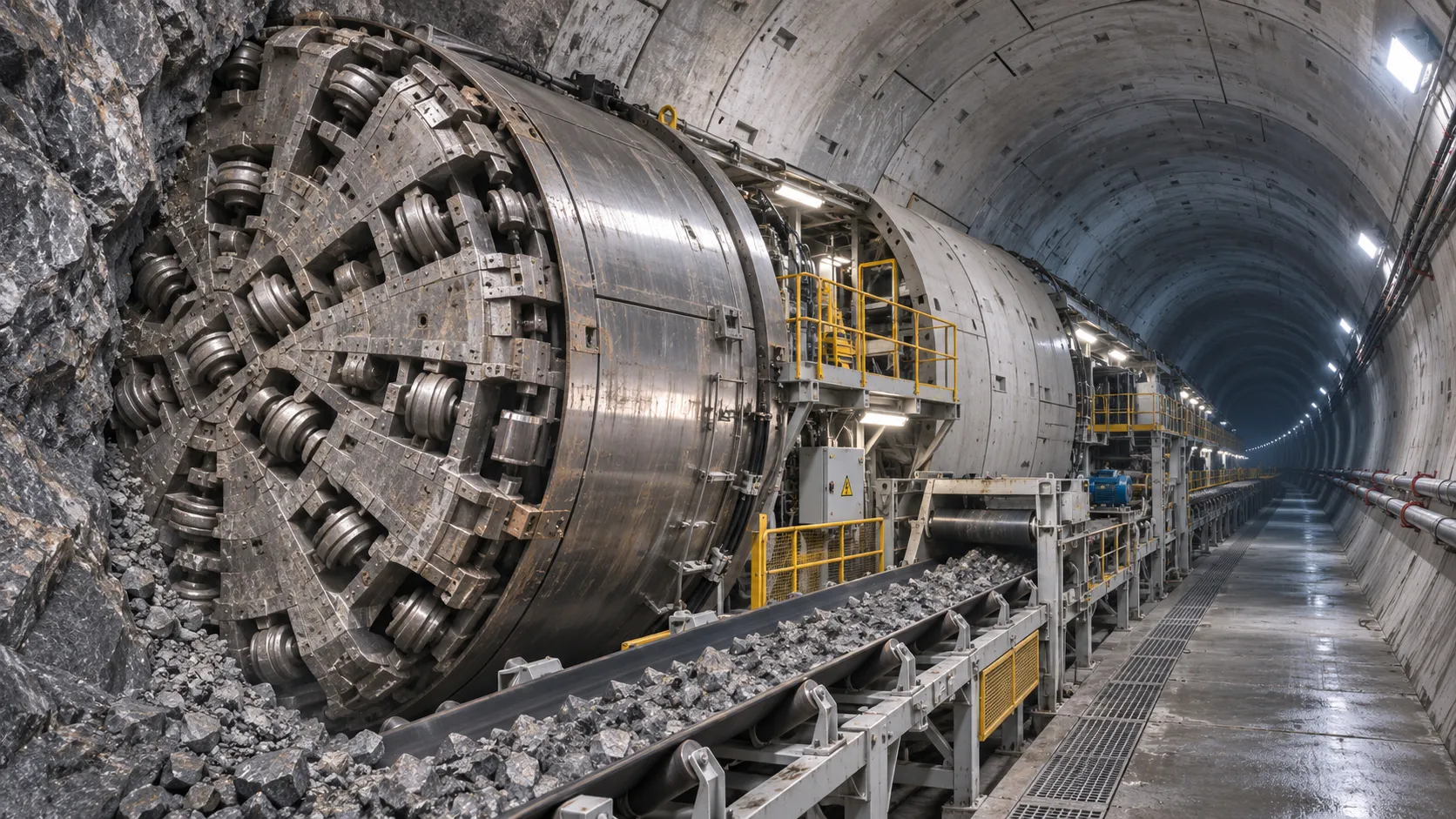
How TBM Excavation Works in Rock and Soft Ground: A Practical Guide
TBM Excavation in rock and soft ground explained: compare machine types, ground support, spoil removal, and the factors that guide smarter project planning.
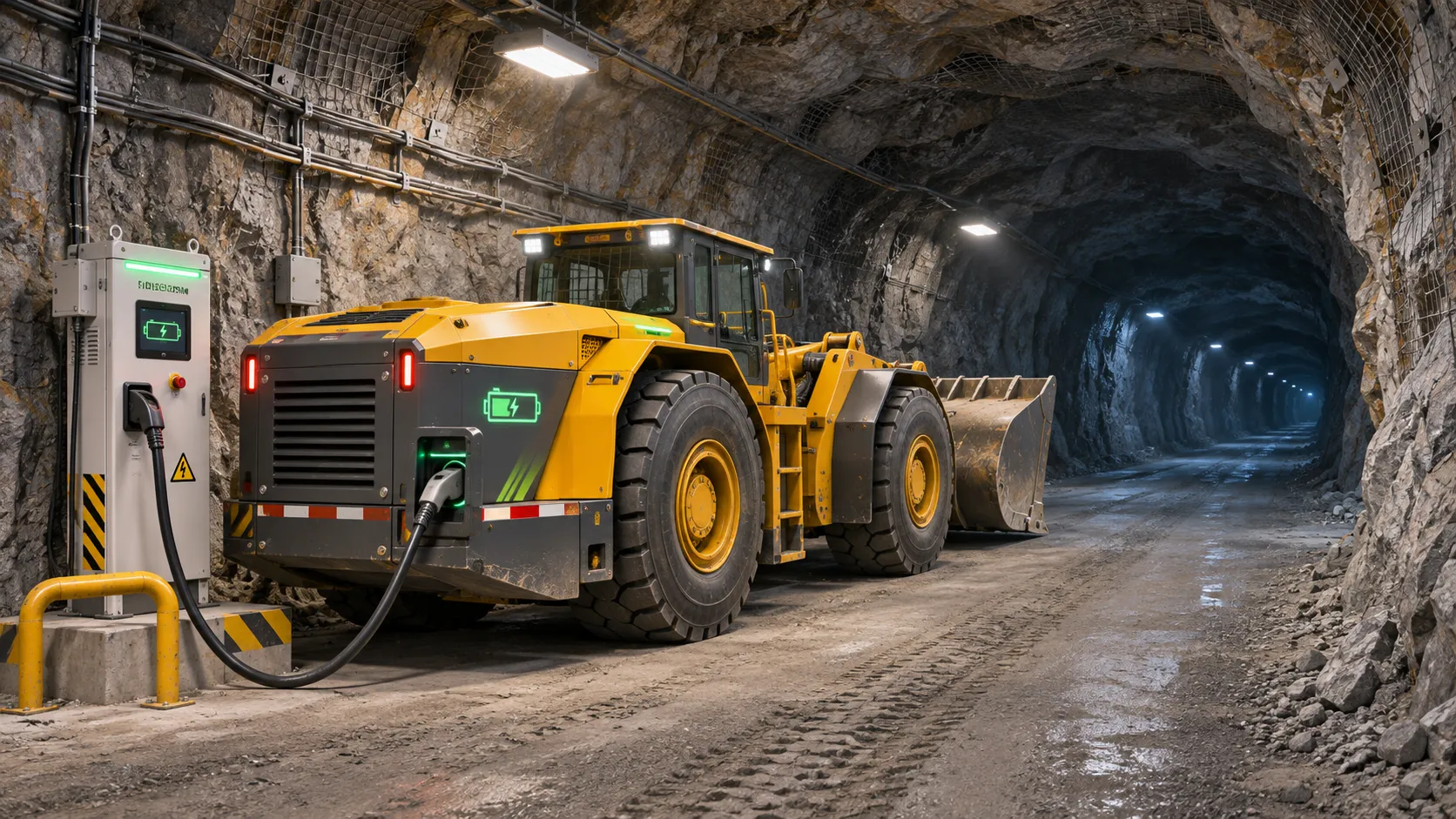
Choosing a Zero-Emission Underground Equipment Supplier: What to Check
Choosing a zero emission underground equipment supplier? Compare duty-cycle performance, charging, safety, total costs and support before you commit.
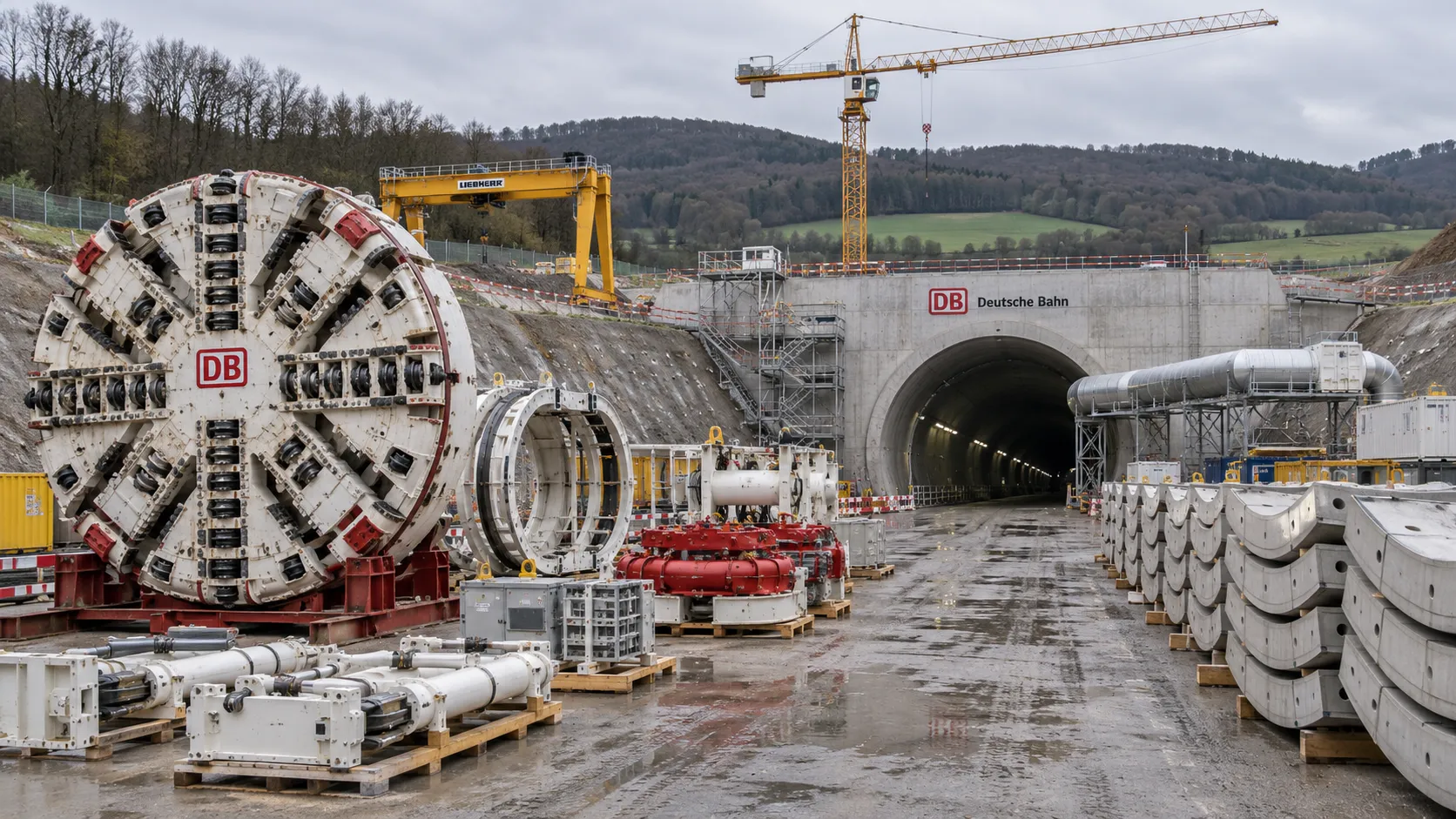
Construction Starts on Germany's Pfaffensteig Rail Tunnel, With Two TBMs Planned
Pfaffensteig rail tunnel construction is underway in Germany. Discover how two planned TBMs will support the 11-kilometre project near Stuttgart.
How Real-Time Underground Mapping Systems Work in Tunneling
Discover how real-time underground mapping systems guide tunneling teams, integrate sensor data, and support confident decisions with verified accuracy.
First Mechanized Tunnel Crossing Beneath the Panama Canal Completed
Panama Canal tunnel crossing: Explore the reported Metro Line 3 milestone and what it could mean for future underwater tunneling projects.
Underground Utility Construction Equipment: Choosing by Ground Conditions
Choose underground utility construction equipment with confidence. Compare trenching, HDD, microtunnelling and TBMs by ground conditions, risk and cost.
China Sets Tunnel Boring Machine Export Controls as India Pushes Local Production
China tunnel boring machine export controls could reshape procurement as India pushes local production. Explore potential supply and project impacts.
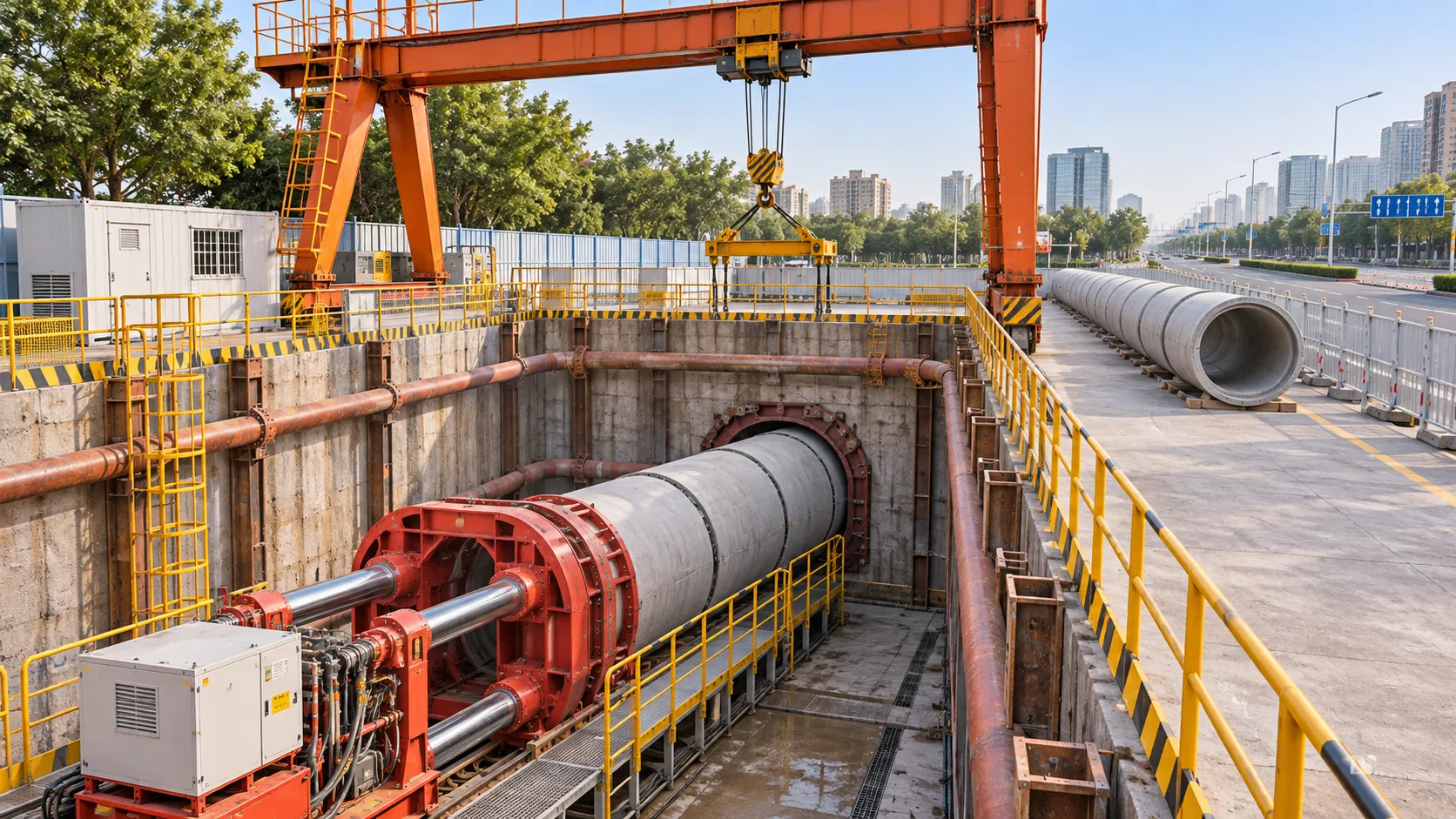
Choosing a Trenchless Pipeline Installation Contractor: Key Qualifications
Choose a trenchless pipeline installation contractor with confidence. Learn how to assess experience, equipment, safety, costs, and project risks before you hire.
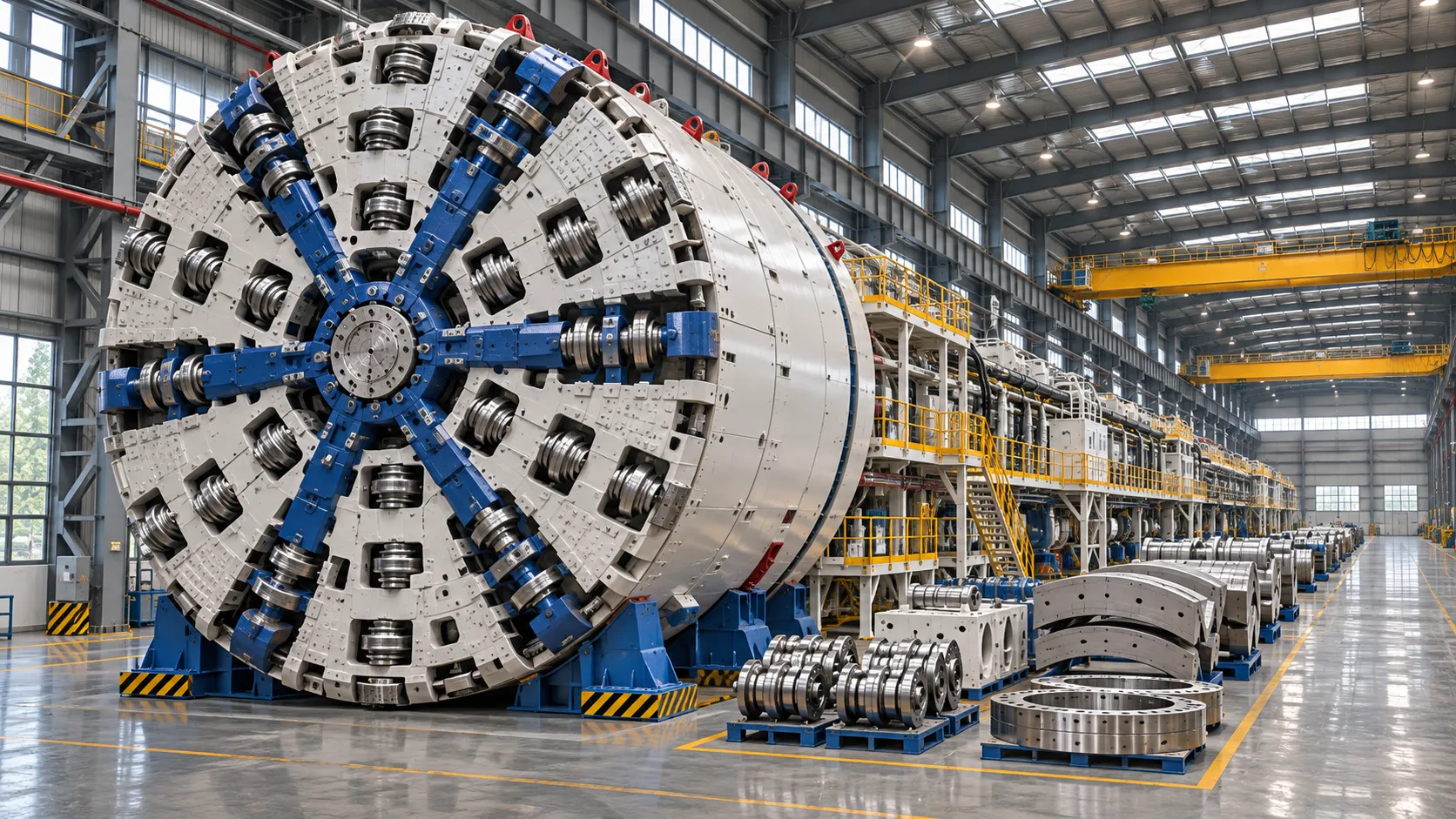
China's 70% TBM Share and Export Controls Challenge India's Local Production
China's TBM export controls could challenge India's local production and infrastructure sourcing. Explore the potential risks and procurement options.
Related News
- 00
0000-00
How TBM Excavation Works in Rock and Soft Ground: A Practical Guide - 00
0000-00
Choosing a Zero-Emission Underground Equipment Supplier: What to Check - 00
0000-00
Construction Starts on Germany's Pfaffensteig Rail Tunnel, With Two TBMs Planned - 00
0000-00
How Real-Time Underground Mapping Systems Work in Tunneling - 00
0000-00
First Mechanized Tunnel Crossing Beneath the Panama Canal Completed
Weekly Insights
Stay ahead with our curated technology reports delivered every Monday.