
EU CE Access Rule Tightens for Battery LHDs





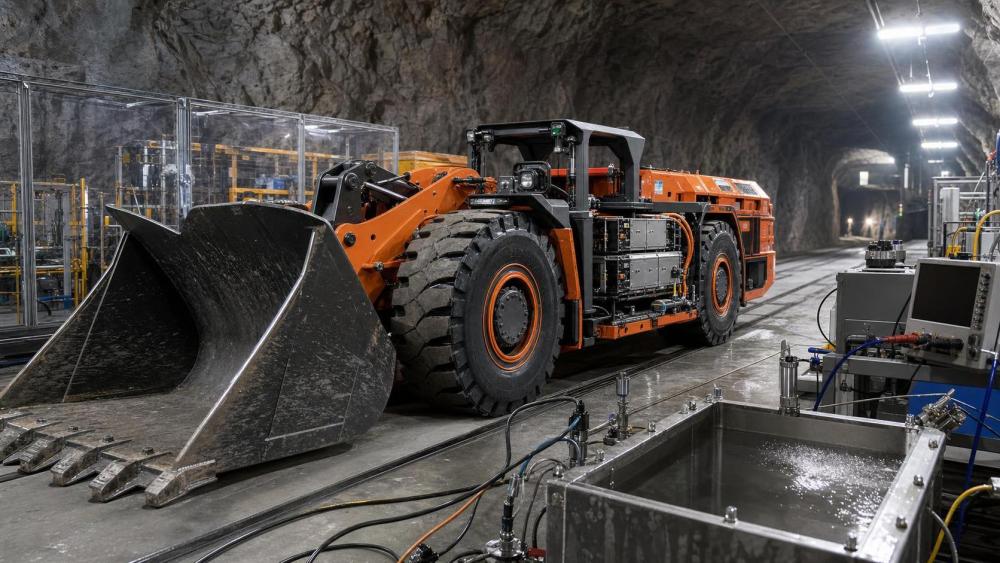
From July 1, 2026, the EU market has begun applying a new access requirement to underground battery-powered load haul dump machines (Battery LHDs): imported products must complete three mandatory battery-system safety tests under UL 2580:2026 before CE marking and customs clearance can proceed. For manufacturers, exporters, certification teams, and buyers working with underground equipment, this is not just a compliance update but a direct operational issue because it affects delivery timing, type-approval cost, and the ability to ship into the EU at all.
What the new requirement formally changes
The confirmed change is specific and immediate. As of July 1, 2026, Battery LHDs entering the EU market are subject to a new market-entry condition tied to CE-related access. Under the information provided, all imported products in this category must pass three mandatory tests under UL 2580:2026: thermal runaway propagation blocking, IP68+ explosion-proof sealing, and exhaust compliance for enclosed underground spaces.
The same information also makes clear that products without this certification result cannot complete CE mark application and customs clearance. It further indicates that the requirement directly affects export delivery schedules and type-certification costs for Chinese manufacturers.
Where the pressure will be felt across the business chain
Export-facing manufacturers will face the first compliance bottleneck
From an industry perspective, the most direct impact falls on manufacturers shipping Battery LHDs to the EU. The reason is straightforward: the new rule attaches market access to mandatory testing, so compliance now sits directly inside the delivery path rather than outside it as a later documentation issue. The main pressure points are likely to be certification preparation, test scheduling, model approval planning, and shipment timing.
What deserves closer attention is whether existing product configurations, battery-system documentation, and delivery commitments can still align with the new testing requirement without causing order delays.
Trading companies and import-export coordinators will need tighter document control
For trading entities and export operations teams, the impact is likely to concentrate on customs and transaction execution. Since products that do not obtain the required certification cannot complete CE marking and clearance, the commercial risk is no longer limited to technical nonconformity; it extends to whether a shipment can move at all.
Analysis shows that these businesses should pay close attention to the completeness of certification files, the timing of compliance confirmation, and the handoff between factory, certification process, and customs paperwork.
Buyers and project-side procurement teams may face schedule uncertainty
For buyers sourcing Battery LHDs for EU use, the immediate concern is not only product selection but delivery certainty. If certification becomes a gating condition before customs release, procurement timelines may be affected when products are not fully prepared under the new test framework.
Observably, the business impact here is likely to appear in order confirmation, acceptance planning, and communication around expected delivery dates rather than in purchasing price alone.
Supply-chain service providers will need earlier coordination windows
Service providers involved in compliance support, logistics coordination, or delivery scheduling may also be affected because the rule shifts more risk to the pre-shipment stage. When certification timing becomes part of market entry, any disconnect between testing progress and shipping plans can create avoidable delays.
What deserves closer attention is whether internal timelines now need to be moved forward to accommodate compliance review before final booking and dispatch decisions.
What companies should watch in practice now
Separate confirmed requirements from later interpretation
The confirmed requirement is the mandatory passage of three UL 2580:2026-related tests for imported Battery LHDs entering the EU market from July 1, 2026. Analysis shows companies should distinguish this clear compliance threshold from any later operational interpretation, such as how individual projects or customers may apply additional review standards in practice.
Recheck delivery promises against certification timing
Because the provided information explicitly links the rule to export lead times, companies should review whether current shipment commitments assume a certification path that is no longer realistic. This is especially relevant where orders are already in planning or where delivery dates were agreed before the new requirement took effect.
Pay closer attention to model approval cost exposure
The information provided states that type-certification cost will be directly affected. From a business standpoint, that means companies should watch not only total compliance cost but also where cost pressure appears inside model planning, market-entry preparation, and customer quotation logic.
Strengthen communication with customers and supply partners
Where Battery LHD projects involve multiple parties, the practical issue is often timing rather than principle. Analysis shows exporters, certification handlers, and customers should align early on the status of required tests, documentation readiness, and expected clearance conditions so that compliance gaps do not surface only at the shipping stage.
Why this looks like more than a routine procedural update
Observably, this development is more appropriate to understand as an active market-access signal rather than a minor documentation adjustment. The reason is that the new requirement is tied directly to whether products can complete CE marking and customs clearance, which gives it immediate commercial effect.
At the same time, it is still important to treat some implications as areas for continued observation rather than settled outcomes. The provided information confirms the rule, the test items, and the effect on certification and customs access, but broader impacts on product strategy, supplier selection, or longer-term export structure would still need to be assessed case by case.
How the industry should read this development for now
At this stage, the most balanced reading is that the EU requirement creates a clear compliance threshold for Battery LHD imports and brings battery-system safety testing closer to the center of export execution. It should not be overstated as a complete reshaping of the sector, but it should also not be treated as a narrow paperwork matter.
More appropriately, this is a near-term operational change with longer-term signaling value. In the short term, it affects certification cost, lead time, and shipment readiness. Over a longer horizon, it signals that underground battery equipment entering regulated markets may face increasingly specific technical entry conditions tied to safety performance.
Basis of this article and points still requiring verification
This article is based on the user-provided news title, event date, and event summary. The confirmed inputs used here are the July 1, 2026 effective date, the EU market-entry requirement for Battery LHDs, the three mandatory UL 2580:2026 test items, and the stated consequences for CE marking, customs clearance, export lead time, and type-certification cost.
For this kind of industry update, relevant source types would typically include official notices, company announcements, industry association releases, authoritative media reporting, and standard-organization documents. No specific official source link was provided in the input, so the precise official publication path still needs continued verification. Follow-up attention should remain on any later official wording, implementation clarification, and practical certification guidance affecting Battery LHD exports to the EU.
Related News
Tunnel Boring Machine Costs: Budgeting for Purchase, Operation, and Project Risk
Tunnel Boring Machines cost more than purchase price. Learn how to budget lifecycle costs, downtime, logistics, wear, and project risk for smarter TBM decisions.
Open-Pit Haulage Cost Analysis: How Mine Managers Can Cut Cost per Tonne
Open pit haulage cost analysis: discover practical ways to reduce cost per tonne through payload control, cycle-time optimization, road performance, and smarter fleet decisions.
Tunnel Construction Innovations That Reduce Risk and Schedule Delays on Urban Projects
Tunnel construction innovation for urban projects: discover smarter TBMs, real-time monitoring, trenchless methods, and automation that reduce risk and protect schedules.
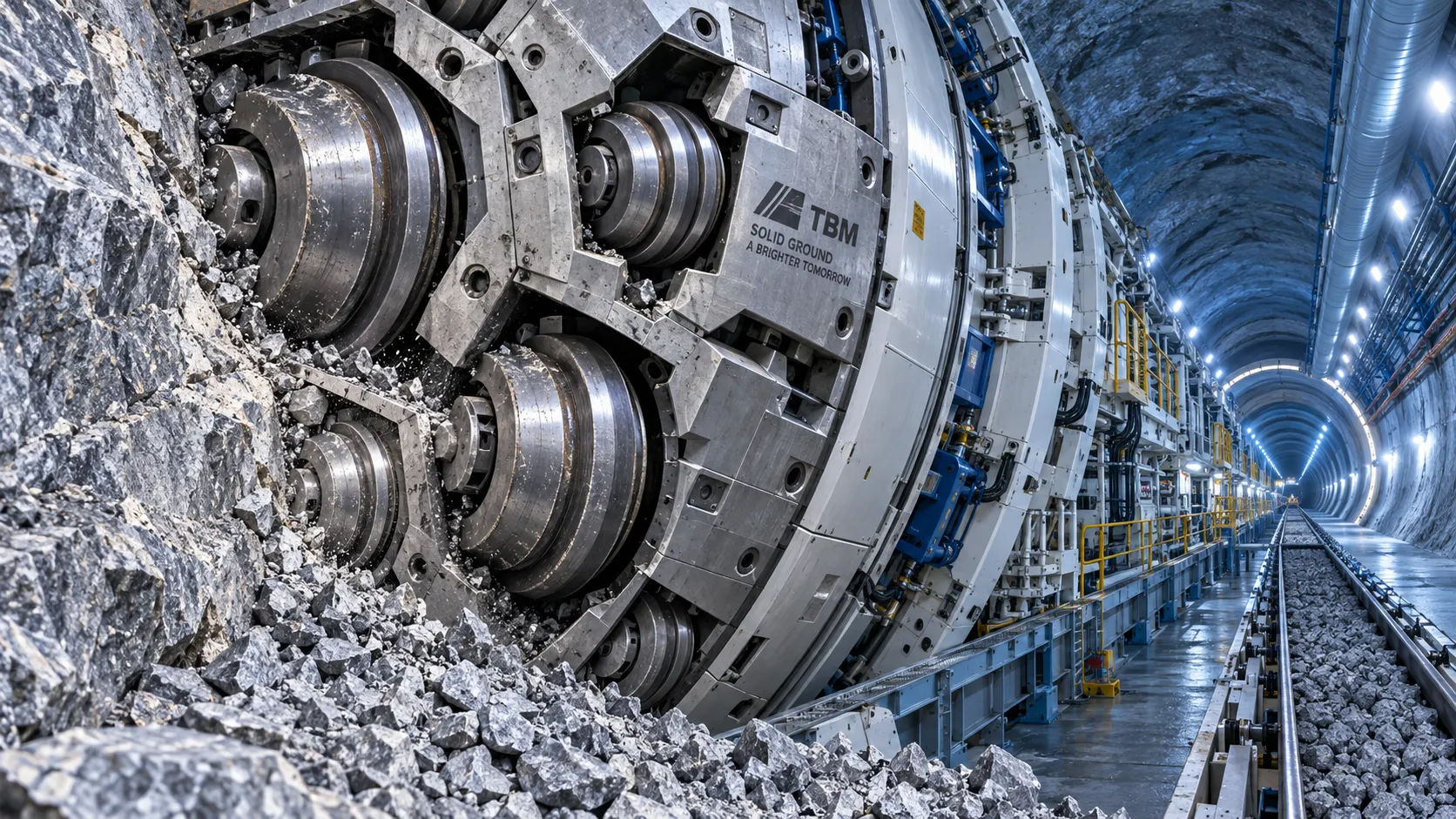
TBM Disc Cutter Design: Key Geometry and Load Factors for Hard Rock Tunnelling
TBM disc cutter design explained: explore geometry, spacing, load distribution and maintenance factors for reliable, efficient hard-rock tunnelling performance.
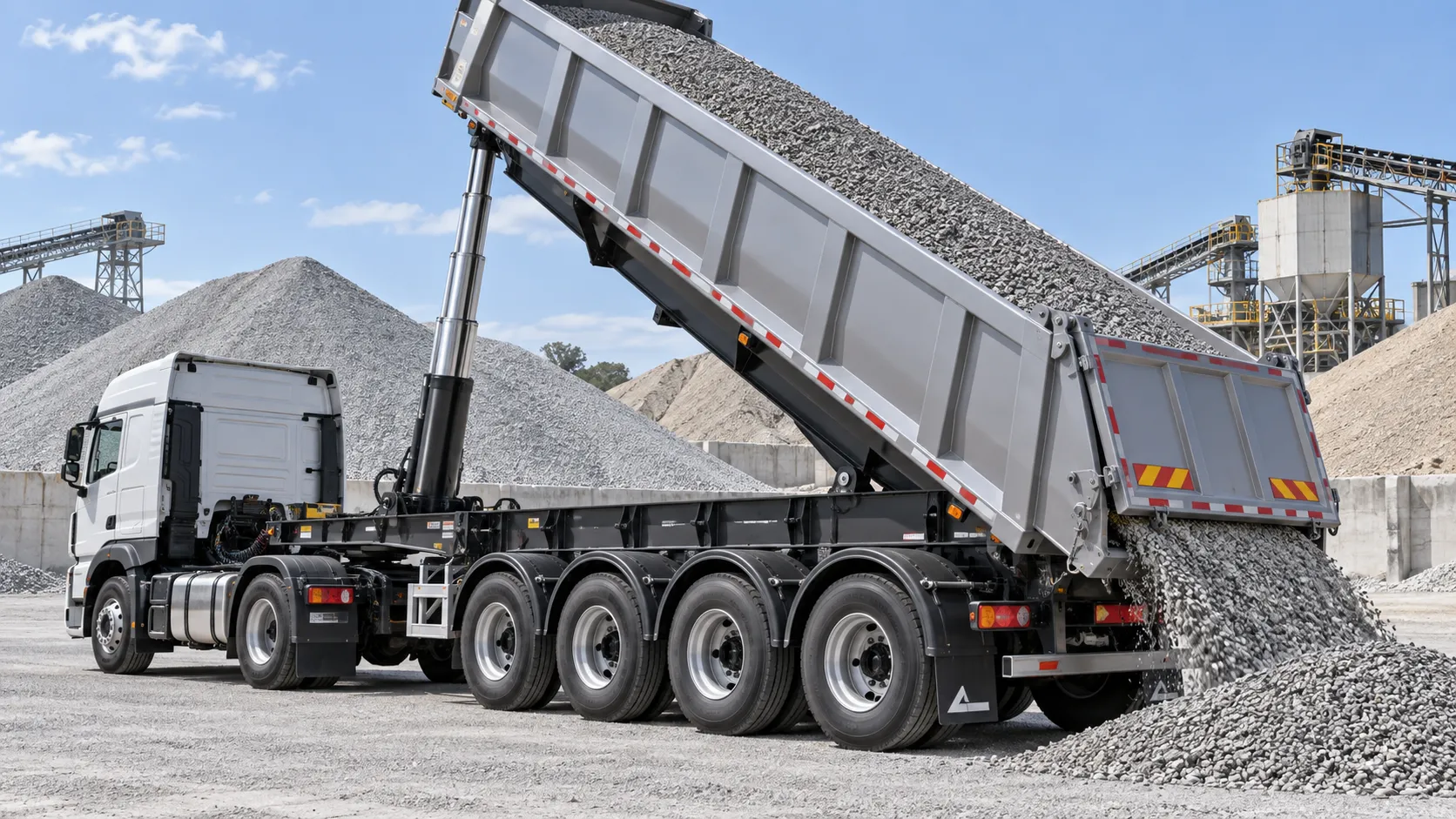
Hydraulic Tipping Stability Risks in Multi-Axle Dump Special Trailers
Dump special trailers: discover key hydraulic tipping stability risks, multi-axle load dynamics, and practical safety controls for safer, smarter bulk hauling.
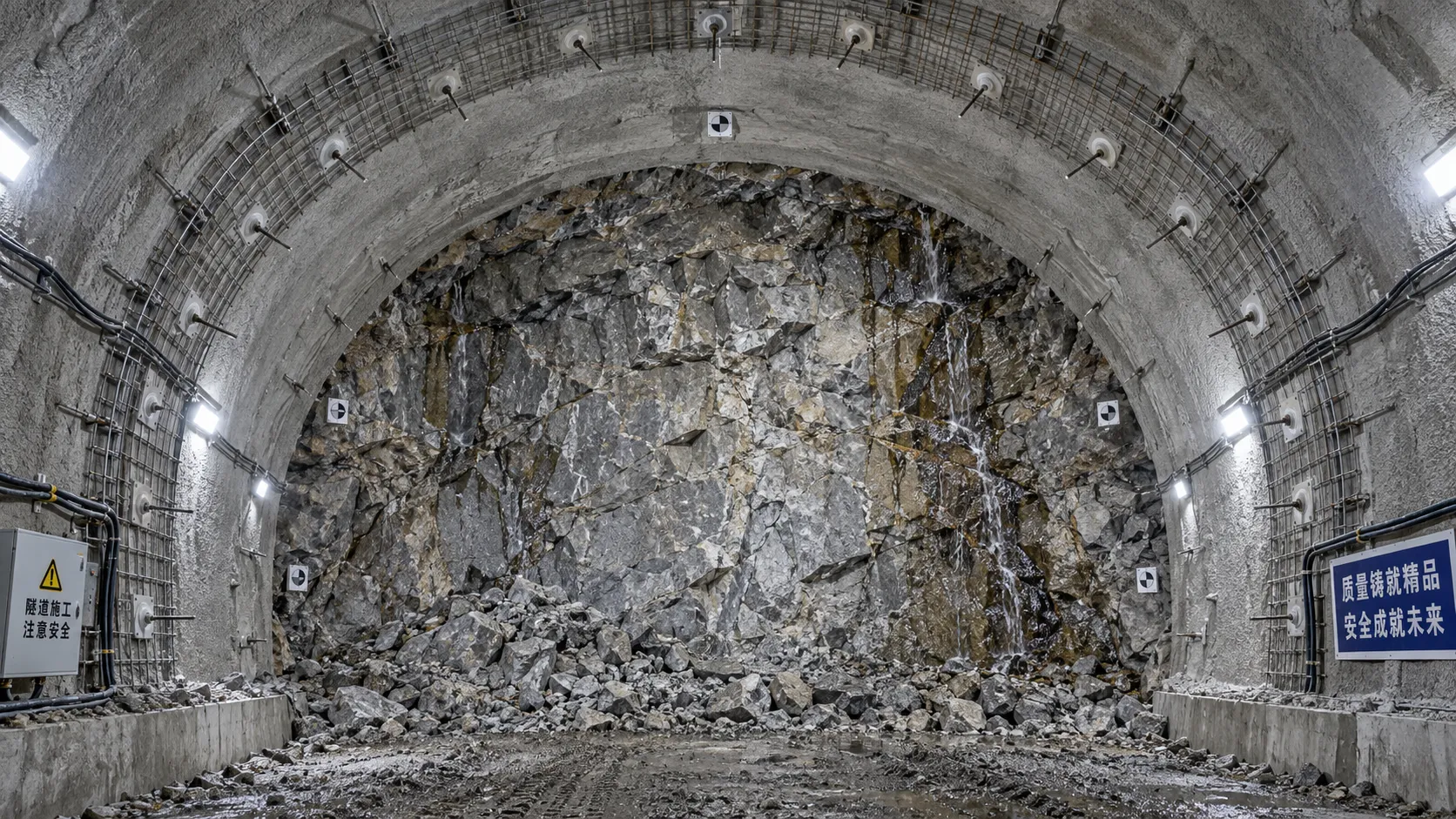
When rock reinforcement in tunnel construction must change after blasting
Rock reinforcement in tunnel construction must change when blasting reveals overbreak, weak joints, water inflow, or deformation. Discover key post-blast support decisions.
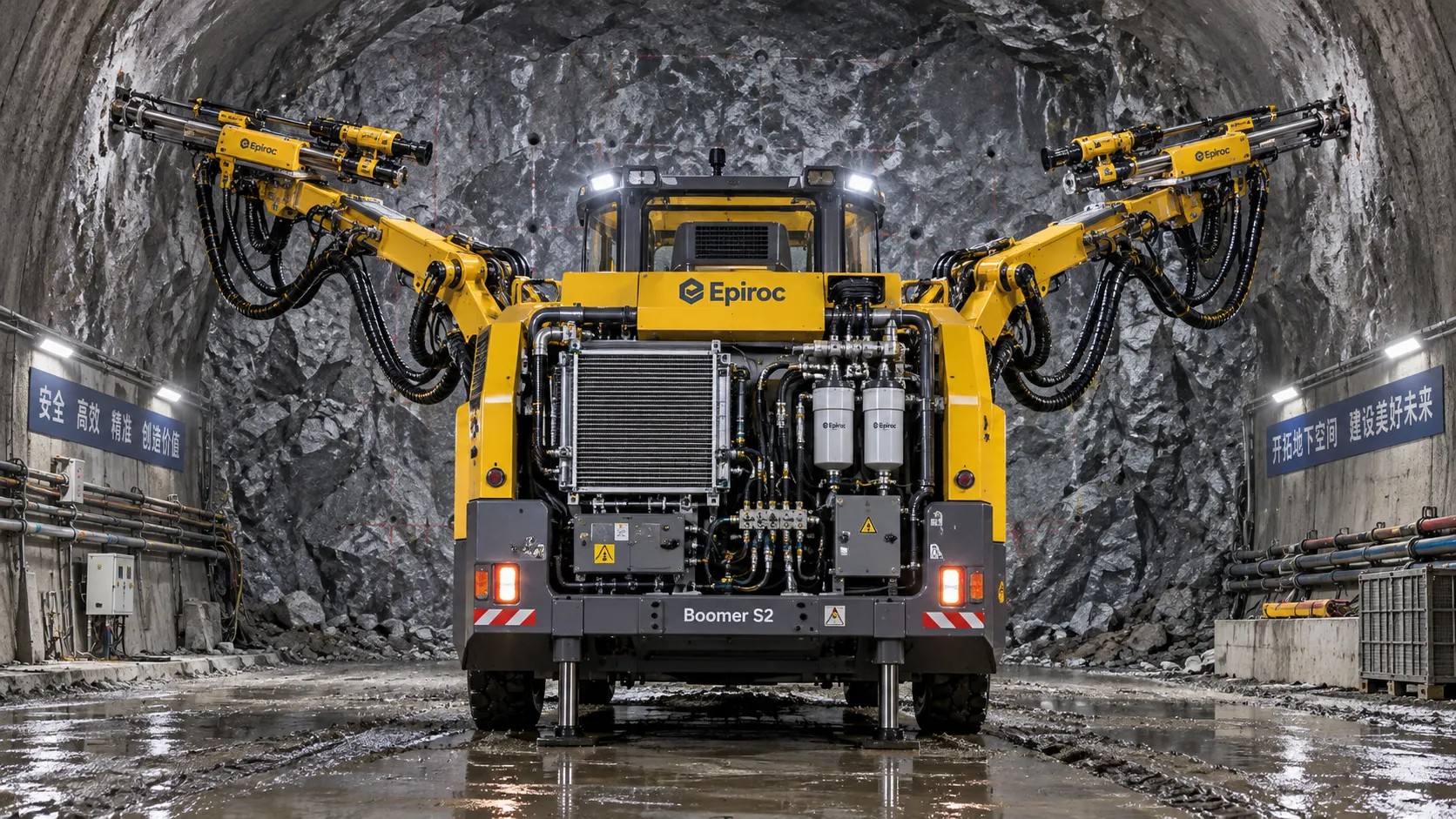
How tunnel hydraulic systems influence drill jumbo uptime underground
Tunnel hydraulic systems directly influence drill jumbo uptime. Explore how stable pressure, clean oil, cooling, and maintainable design reduce underground downtime.
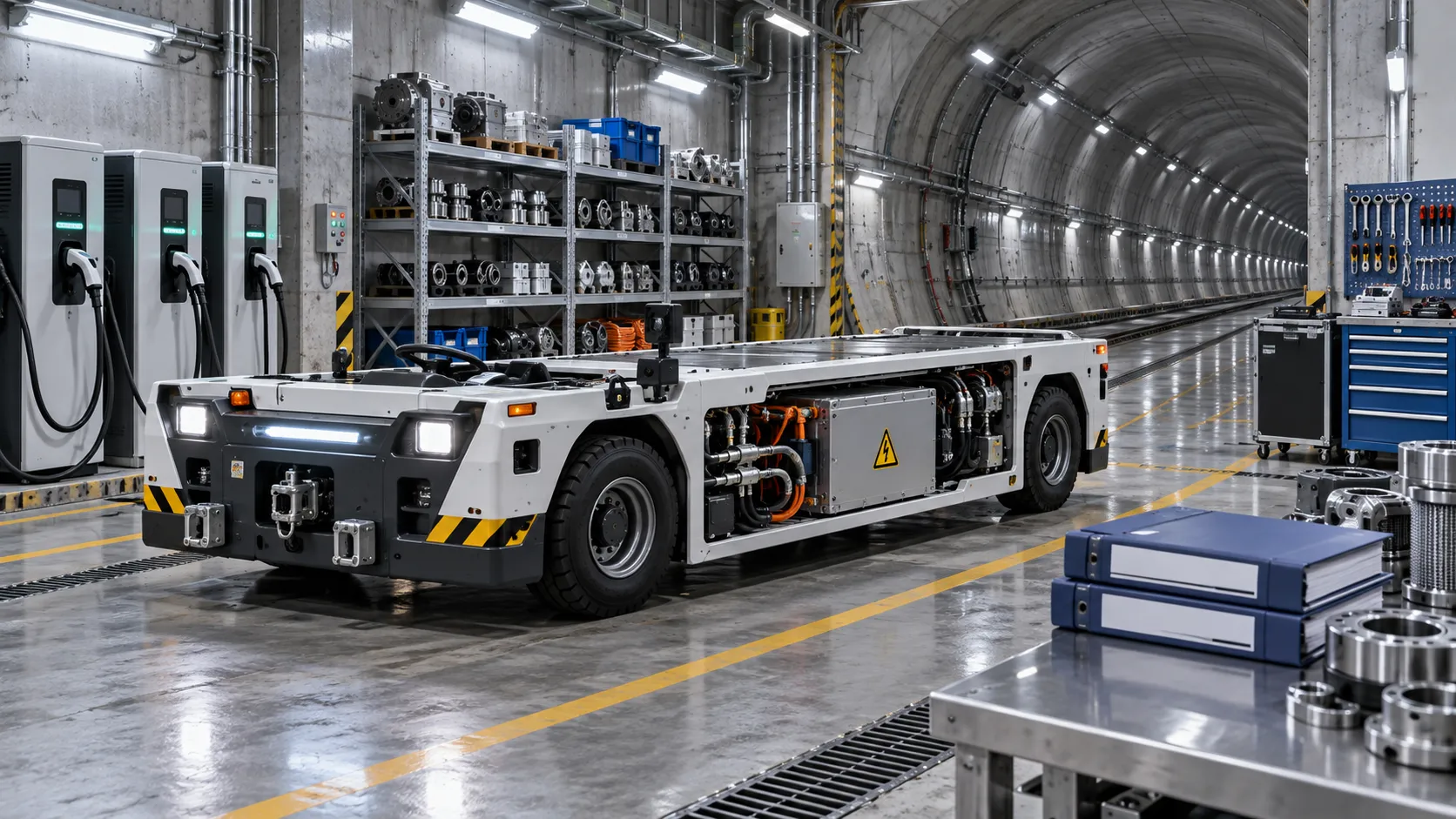
What to verify before appointing a tunneling vehicles manufacturer
Choosing a tunneling vehicles manufacturer? Verify application fit, reliability, compliance, parts support, training, and channel terms before appointing a partner.
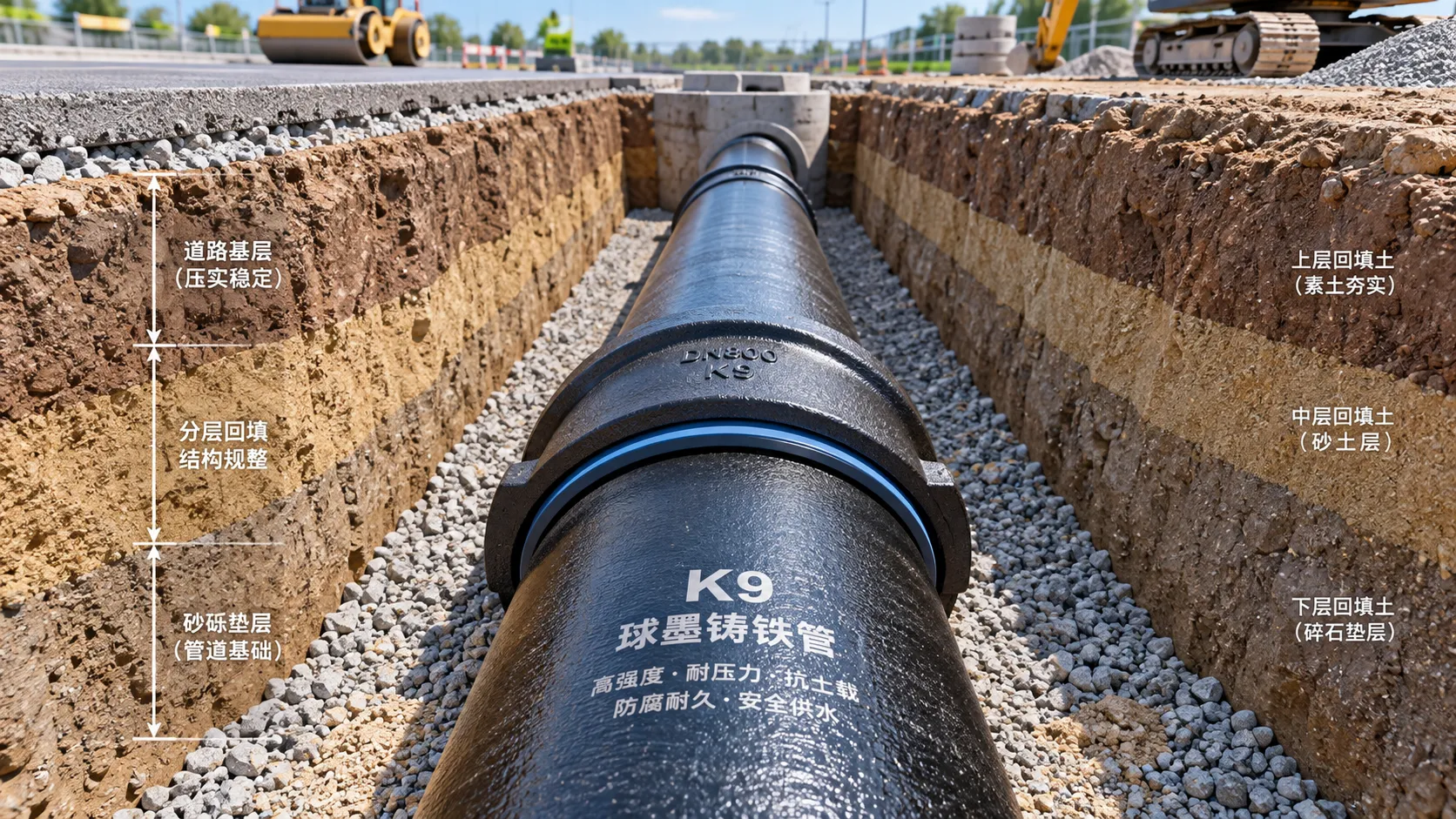
Selecting K9 Ductile Iron Pipe for Buried Water Pipeline Conditions
K9 ductile iron pipe selection for buried water pipelines: compare pressure duty, joints, soil loads, corrosion protection, and installation controls for reliable long-term performance.
Related News
- 00
0000-00
Tunnel Boring Machine Costs: Budgeting for Purchase, Operation, and Project Risk - 00
0000-00
Open-Pit Haulage Cost Analysis: How Mine Managers Can Cut Cost per Tonne - 00
0000-00
Tunnel Construction Innovations That Reduce Risk and Schedule Delays on Urban Projects - 00
0000-00
TBM Disc Cutter Design: Key Geometry and Load Factors for Hard Rock Tunnelling - 00
0000-00
Hydraulic Tipping Stability Risks in Multi-Axle Dump Special Trailers
Weekly Insights
Stay ahead with our curated technology reports delivered every Monday.