
Codelco Tenders 42 Battery LHDs for Q1 2027 Delivery





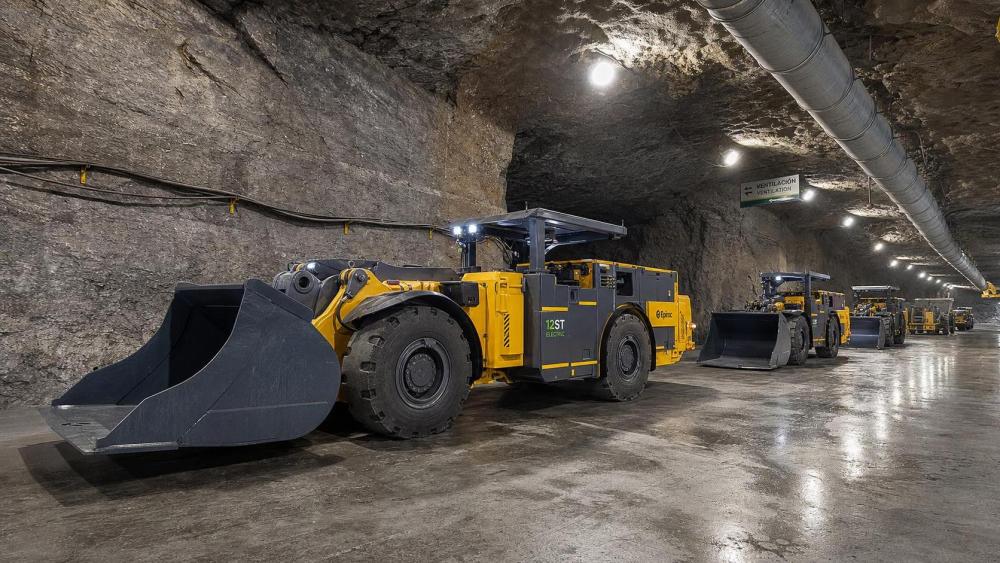
On July 2, 2026, Chile’s state-owned copper producer Codelco issued an urgent global tender for 42 battery-powered 12-tonne LHDs, with all units required to be delivered and commissioned for operations in the Chuquicamata underground section by the first quarter of 2027. For mining equipment suppliers, battery system providers, certification teams, and underground safety service partners, the notice stands out not only because of the fleet size and delivery timetable, but also because it ties procurement directly to specific battery certification and thermal-runaway mitigation requirements.
A procurement notice with clear technical and timing conditions
According to the information provided, Codelco released urgent tender Ref: COD-EMT-2026-089 on July 2, 2026. The tender seeks 42 Battery LHDs in the 12-tonne rated payload class. The equipment is required to be delivered on site and placed into operation in the Chuquicamata deep underground mining area within the first quarter of 2027.
The tender also specifies two compliance conditions for bidders: proof of UL 2580:2026 battery system certification and proof of an underground remote thermal-runaway suppression module. These requirements are part of the confirmed tender conditions described in the input information.
Why the tender matters across the mining equipment chain
OEMs and mining equipment integrators face a compressed response window
From an industry perspective, the most immediate impact is on original equipment manufacturers and vehicle integrators capable of supplying battery LHDs in the 12-tonne class. The influence is likely to appear in bid preparation, configuration confirmation, documentation readiness, and delivery planning. What deserves closer attention is whether suppliers can align product specifications, certification records, and commissioning schedules with a relatively near-term operational deadline.
Battery and safety system suppliers may see documentation become a gating factor
Analysis shows that battery system partners and providers of underground fire or thermal event mitigation technology may be affected through qualification support rather than equipment volume alone. In this case, the tender language highlights that technical proof is not peripheral; it is central to bid admissibility. That shifts attention toward certification files, system traceability, and evidence packages that can be reviewed quickly by a mining buyer.
Mine operators and procurement teams will watch how EV deployment standards are being defined
Observably, this is also relevant to mine procurement departments, project teams, and operators evaluating underground electrification pathways. The impact is likely to be felt in supplier screening, technical risk review, and acceptance criteria for battery-powered underground equipment. The combination of an urgent tender, a fixed commissioning target, and explicit safety documentation may become a practical reference point for how similar purchases are structured.
What companies should track from here
Bid compliance should be treated as a front-end issue
Analysis shows that suppliers interested in this opportunity need to focus first on whether they can present the exact certification and safety proof requested, rather than assuming commercial competitiveness alone will carry a bid. Where tenders specify named standards and functional safety modules, missing or incomplete documentation can become an immediate barrier.
Delivery promises need to match commissioning reality
What deserves closer attention is the difference between shipment timing and operational readiness. The input information states that the units must be delivered on site and put into operation by Q1 2027. For bidders and service partners, that makes installation, testing, and site handover preparation part of the commercial risk, not just factory output.
Customer communication should stay tightly aligned with tender wording
From a practical business perspective, sales teams, tender managers, and channel partners should avoid broad positioning claims and instead align proposals with the stated payload class, delivery timing, certification requirement, and underground thermal-runaway suppression proof. In tenders of this type, precision in scope description is likely to matter more than generic electrification messaging.
Further official clarifications may matter as much as the initial notice
Observably, companies should continue monitoring whether any subsequent official clarifications, amendments, or procedural notes appear around the tender. This is particularly relevant when timing is short and technical compliance language is specific, because small changes in interpretation can affect bid strategy, partner selection, and document preparation.
How this should be read at this stage
Analysis shows that this development is best read as a concrete procurement signal rather than a completed market outcome. The confirmed fact is that Codelco has launched an urgent tender with a defined equipment quantity, operating location, delivery deadline, and technical proof requirements. It is more appropriate to understand this as evidence that underground mining electrification is being translated into executable purchasing conditions, while the commercial outcome, supplier selection, and broader market impact still require continued observation.
At the same time, the inclusion of UL 2580:2026 certification and remote thermal-runaway suppression proof indicates that safety validation is being framed as part of the purchasing threshold, not only as a later operational matter. For industry participants, that is a meaningful point to monitor even before the tender result is known.
A short-term procurement move with longer-term signaling value
In summary, the tender is immediately relevant because it combines scale, urgency, and explicit technical requirements in one procurement event. For equipment makers, battery-related suppliers, safety solution providers, and mine procurement teams, the near-term issue is execution readiness. From a broader industry perspective, it is more appropriate to understand this news as a short-term procurement action that also carries a longer-term signal about how underground battery equipment may increasingly be evaluated and contracted.
Basis of this report and points for continued verification
This article is based on the user-provided news title, event date, and event summary concerning Codelco’s July 2, 2026 urgent tender for 42 battery-powered 12-tonne LHDs. For this type of industry update, commonly relevant source categories include official tender notices, company announcements, industry association updates, authoritative media coverage, and standards organization documents. A specific official source link was not provided in the input, so the exact original publication path still requires ongoing verification. Follow-up attention should remain on any official tender clarifications, rule adjustments, and later procurement outcomes related to Ref: COD-EMT-2026-089.
Related News
Tunnel Boring Machine Costs: Budgeting for Purchase, Operation, and Project Risk
Tunnel Boring Machines cost more than purchase price. Learn how to budget lifecycle costs, downtime, logistics, wear, and project risk for smarter TBM decisions.
Open-Pit Haulage Cost Analysis: How Mine Managers Can Cut Cost per Tonne
Open pit haulage cost analysis: discover practical ways to reduce cost per tonne through payload control, cycle-time optimization, road performance, and smarter fleet decisions.
Tunnel Construction Innovations That Reduce Risk and Schedule Delays on Urban Projects
Tunnel construction innovation for urban projects: discover smarter TBMs, real-time monitoring, trenchless methods, and automation that reduce risk and protect schedules.
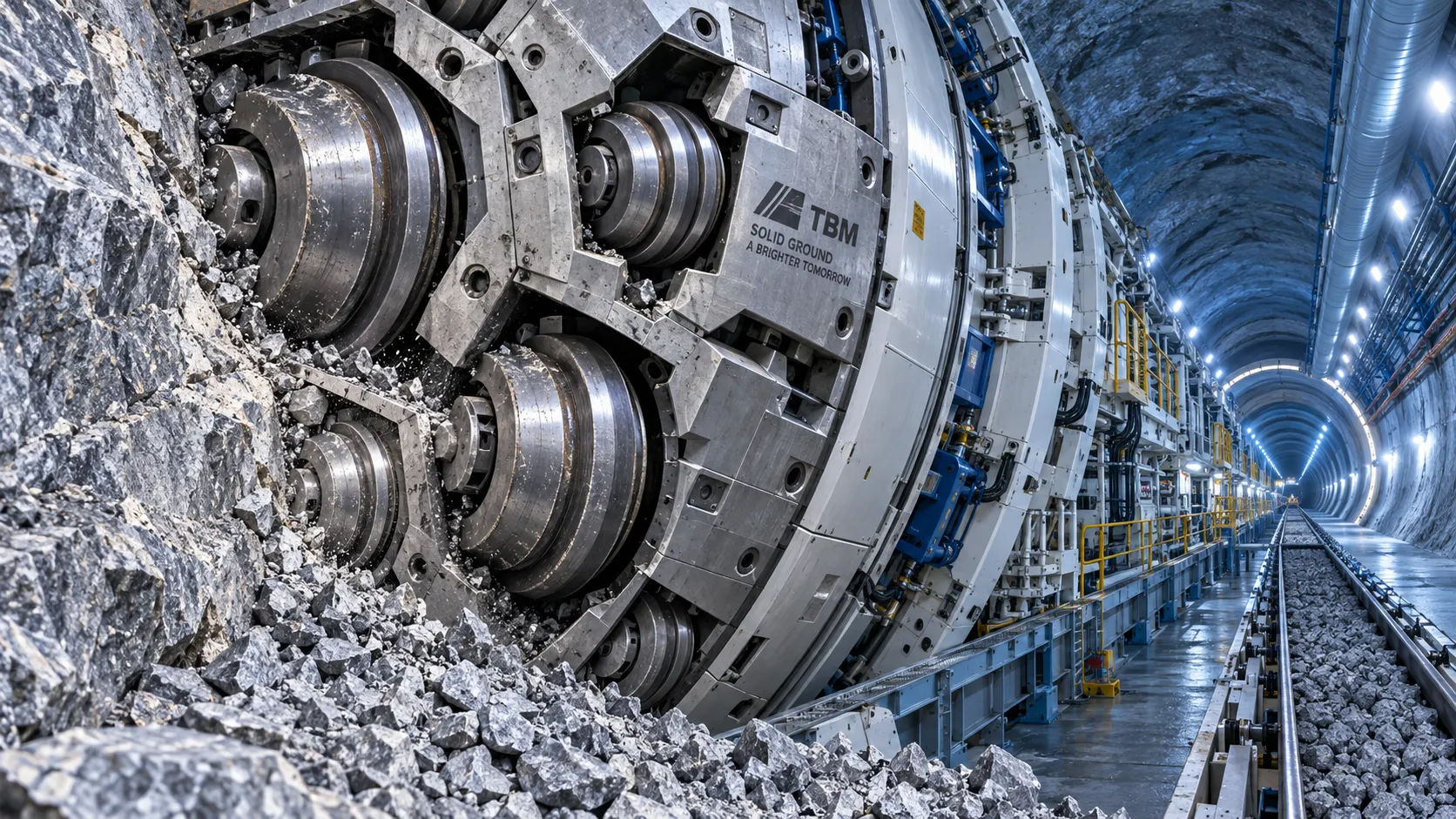
TBM Disc Cutter Design: Key Geometry and Load Factors for Hard Rock Tunnelling
TBM disc cutter design explained: explore geometry, spacing, load distribution and maintenance factors for reliable, efficient hard-rock tunnelling performance.
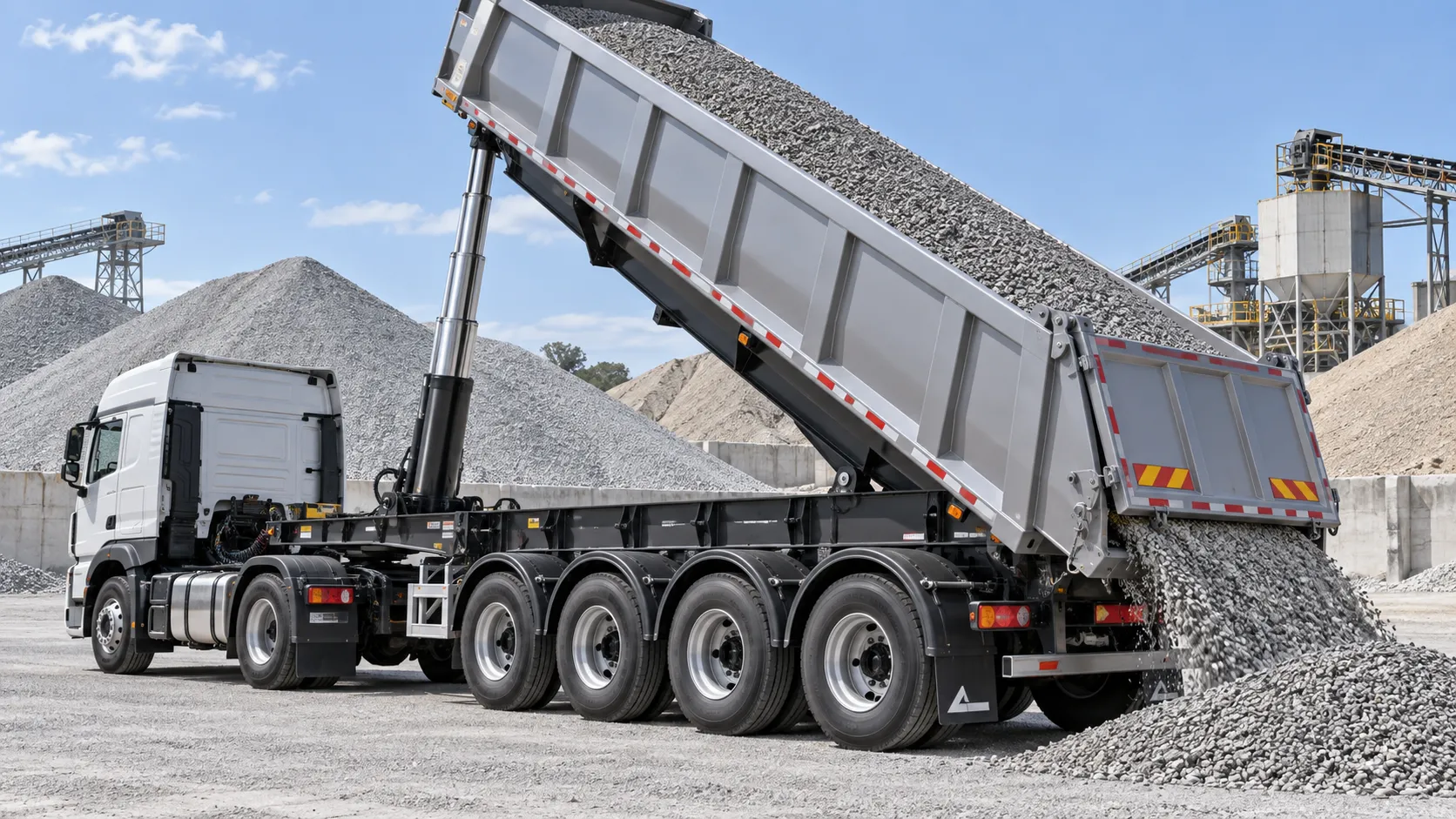
Hydraulic Tipping Stability Risks in Multi-Axle Dump Special Trailers
Dump special trailers: discover key hydraulic tipping stability risks, multi-axle load dynamics, and practical safety controls for safer, smarter bulk hauling.
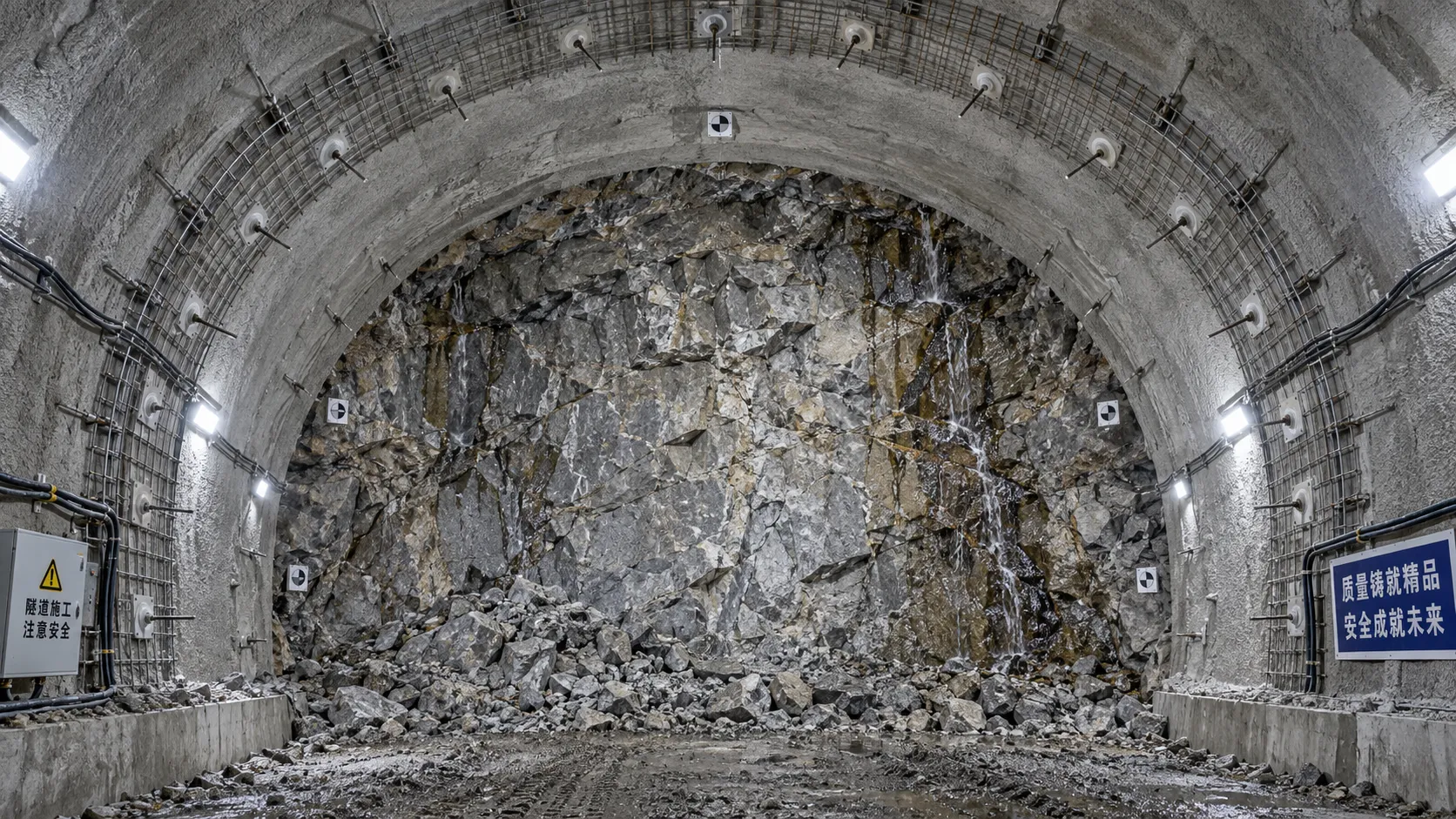
When rock reinforcement in tunnel construction must change after blasting
Rock reinforcement in tunnel construction must change when blasting reveals overbreak, weak joints, water inflow, or deformation. Discover key post-blast support decisions.
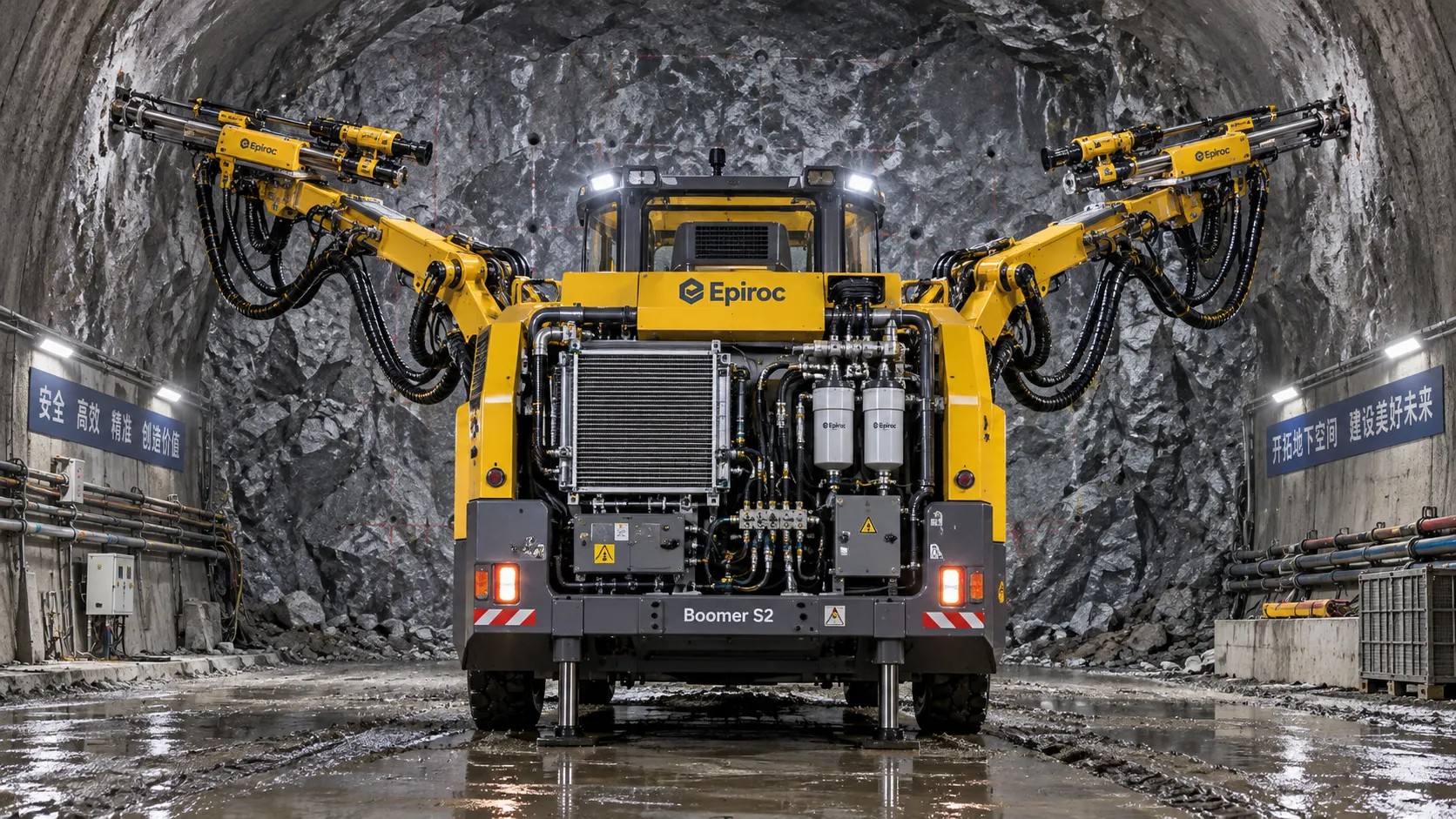
How tunnel hydraulic systems influence drill jumbo uptime underground
Tunnel hydraulic systems directly influence drill jumbo uptime. Explore how stable pressure, clean oil, cooling, and maintainable design reduce underground downtime.
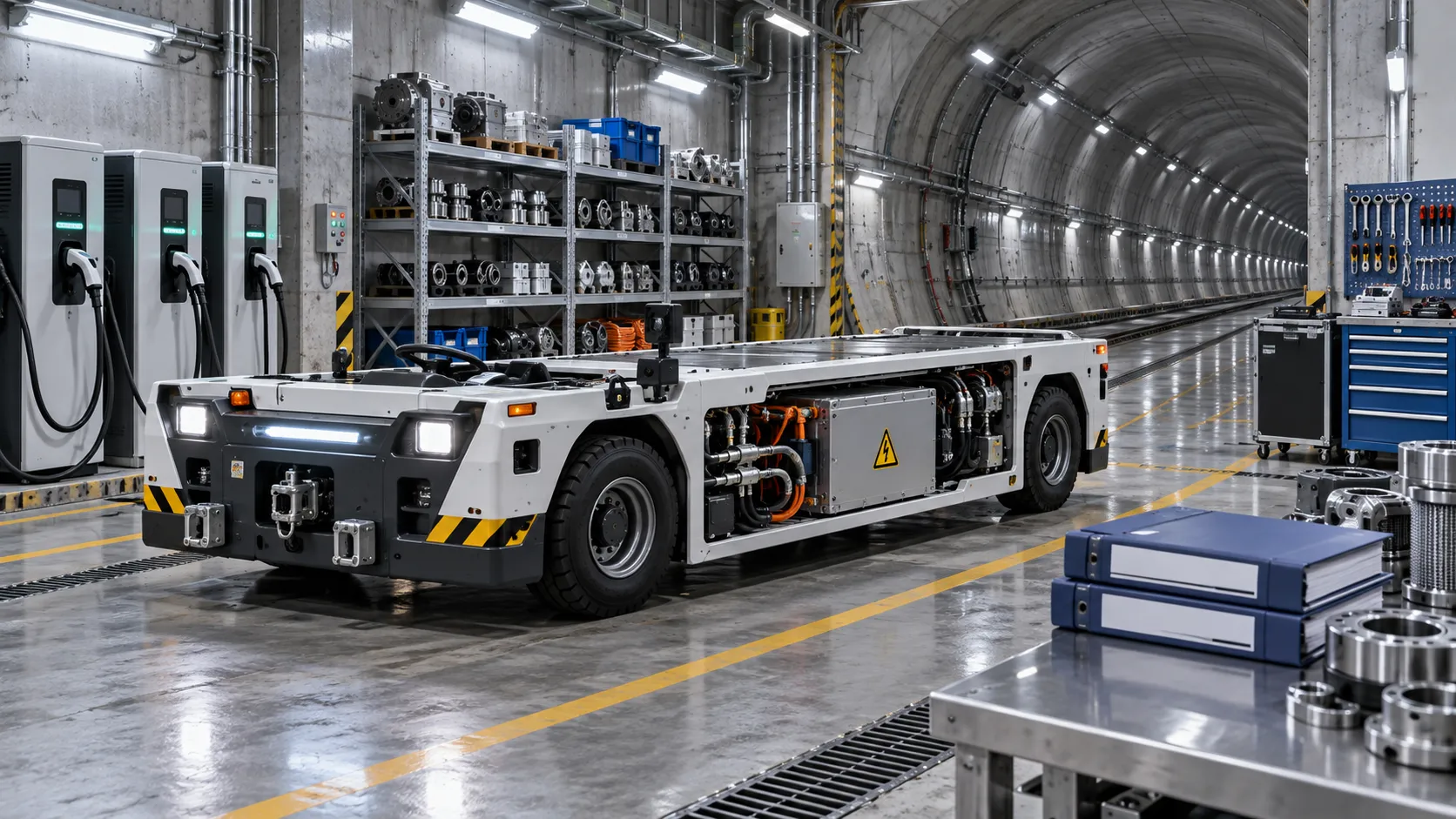
What to verify before appointing a tunneling vehicles manufacturer
Choosing a tunneling vehicles manufacturer? Verify application fit, reliability, compliance, parts support, training, and channel terms before appointing a partner.
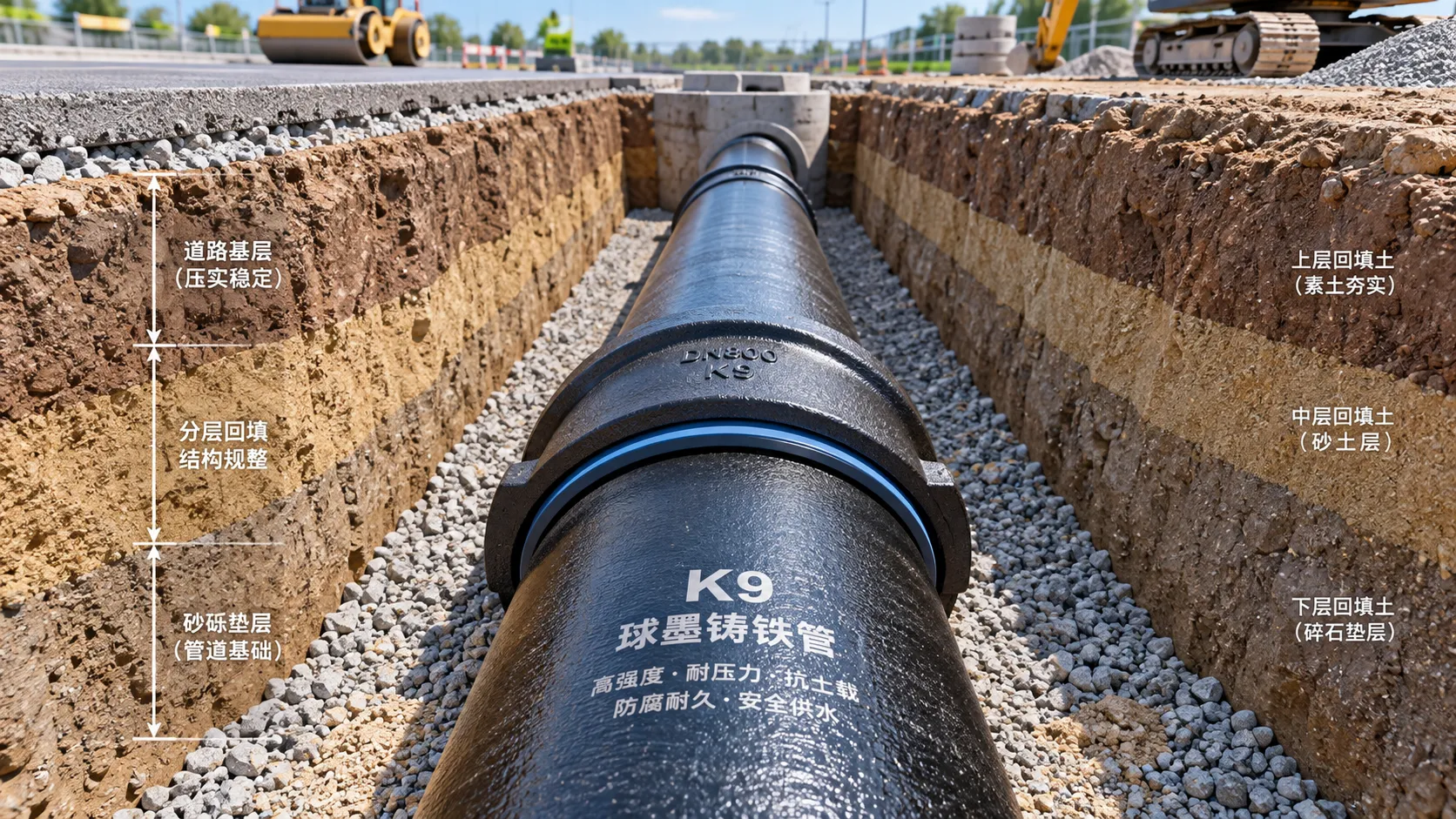
Selecting K9 Ductile Iron Pipe for Buried Water Pipeline Conditions
K9 ductile iron pipe selection for buried water pipelines: compare pressure duty, joints, soil loads, corrosion protection, and installation controls for reliable long-term performance.
Related News
- 00
0000-00
Tunnel Boring Machine Costs: Budgeting for Purchase, Operation, and Project Risk - 00
0000-00
Open-Pit Haulage Cost Analysis: How Mine Managers Can Cut Cost per Tonne - 00
0000-00
Tunnel Construction Innovations That Reduce Risk and Schedule Delays on Urban Projects - 00
0000-00
TBM Disc Cutter Design: Key Geometry and Load Factors for Hard Rock Tunnelling - 00
0000-00
Hydraulic Tipping Stability Risks in Multi-Axle Dump Special Trailers
Weekly Insights
Stay ahead with our curated technology reports delivered every Monday.