
PSA Singapore Opens 24-Hour Fast Lane for Battery LHD Parts





From June 28, 2026, PSA Singapore has introduced a green clearance lane for core Battery LHD components used in TBM-related shipments, cutting customs release time to 24 hours for qualifying goods. The move deserves close attention from exporters, component manufacturers, compliance teams, and logistics providers because the faster release window is tied directly to both technical certification and carbon-footprint documentation, making customs speed increasingly dependent on upstream compliance preparation.
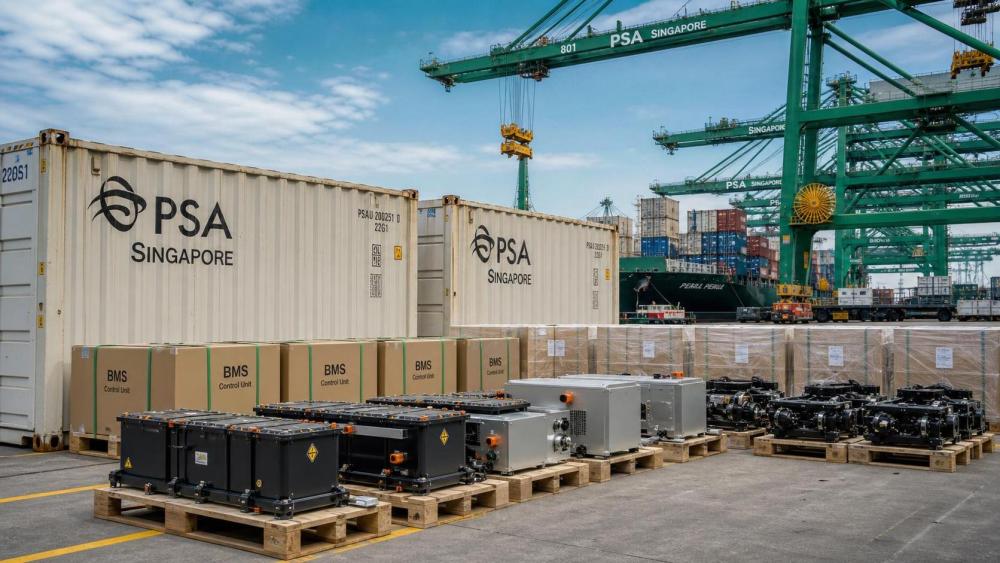
What the new clearance arrangement covers
According to the provided information, PSA Singapore began offering a 24-hour fast clearance service on June 28, 2026 for core Battery LHD components that meet UL 2580:2025 and IEC 62619:2022 requirements. The covered components are battery packs, BMS controllers, and hydraulic drive units.
The fast-track arrangement applies only where the required supporting materials are submitted at the same time. In addition to compliance with the cited standards, shippers must provide a carbon-footprint declaration covering Scope 2 and Scope 3, issued by either SGS or TUV Rheinland.
The provided information also states that Chinese exporters need to complete third-party carbon accounting before shipment.
Where the immediate impact is likely to be felt
Exporters facing a tighter documentation threshold
From an industry perspective, direct trading companies and exporters are likely to feel the change first because the benefit of 24-hour release depends on whether shipment files are complete before cargo arrives. The operational impact is likely to show up in pre-shipment document preparation, booking coordination, and customer delivery commitments.
What deserves closer attention is that faster customs handling does not remove compliance work; it shifts more of it to the front end of the shipment process.
Component manufacturers under dual compliance pressure
Manufacturers of battery packs, BMS controllers, and hydraulic drive units may be affected because access to the green lane is linked to both product standards and carbon-footprint disclosure. The main impact is likely to appear in testing readiness, certification alignment, and the ability to support customers with auditable documentation before export.
Observably, this creates a practical link between product qualification and carbon reporting in the same transaction flow.
Supply chain and customs service providers needing earlier coordination
Logistics companies, customs brokers, and related service providers may need to adjust timelines because document review can no longer be treated as a late-stage task if customers want to use the 24-hour channel. The likely pressure points are cargo cut-off planning, declaration sequencing, and exception handling when required certificates or carbon statements are incomplete.
For these service roles, the key change is less about transport capacity and more about document timing and accuracy.
What companies should watch in practice
Check whether shipments truly qualify before booking
Companies should first verify whether the relevant goods fall within the stated scope of core Battery LHD components and whether the applicable standards are already met. In practice, this is the starting point for deciding whether a shipment can realistically target the faster release window.
Prepare carbon accounting ahead of shipment
The provided information makes pre-shipment third-party carbon accounting a concrete requirement for Chinese exporters. That means the carbon-footprint statement is not a supporting item to add later, but part of the shipment readiness process itself.
Distinguish between policy access and operational execution
Analysis shows that having a green lane available is not the same as obtaining accelerated release in every case. Companies should pay attention to whether internal document workflows, supplier inputs, and external verification timing are aligned well enough to support actual use of the channel.
Keep customer and supplier communication tightly aligned
Where delivery timing matters, procurement teams, suppliers, and customers should coordinate early on certification status and carbon documentation. The practical issue is not only whether the shipment can move, but whether promised lead times still hold if any verification item is delayed.
Why this looks like a compliance-linked logistics signal
Analysis shows that this development is not only about a shorter customs timeline. It also points to a more operational connection between port-side facilitation, technical standards, and carbon disclosure. That matters because the clearance advantage appears to be granted selectively, based on the quality and completeness of compliance evidence.
It is more appropriate to understand this as a near-term operational change with longer-term signaling value. The immediate fact is the 24-hour fast-track option at PSA Singapore for qualifying Battery LHD components. The broader industry question is whether similar arrangements increasingly tie customs efficiency to both safety certification and emissions-related documentation.
At this stage, continued observation is still necessary. The provided information confirms the new channel and its documentation conditions, but longer-term trade effects should not be treated as established outcomes yet.
How the market is likely to read this for now
For the industry, the clearest takeaway is that faster clearance is becoming more conditional on upstream readiness. The change is relevant not only to exporters shipping to or through Singapore, but also to suppliers and service partners whose documents directly affect customs release timing.
A neutral reading is that this is best understood as a concrete process change with broader strategic implications still unfolding. It offers a measurable operational advantage, but only for shipments that can meet the stated technical and carbon-reporting conditions in full.
About the basis of this article
This article is based on the user-provided news title, event date, and event summary. No additional facts, market data, company statements, or source links have been added beyond the supplied information.
For this type of industry update, relevant source categories would usually include official port notices, company announcements, industry association updates, authoritative media coverage, and standards documentation. However, a specific official source link was not provided in the input, so further verification remains necessary.
What should continue to be monitored includes any later official clarification on implementation details, document interpretation, and whether the scope or procedural requirements of the fast-clearance arrangement change over time.
Related News
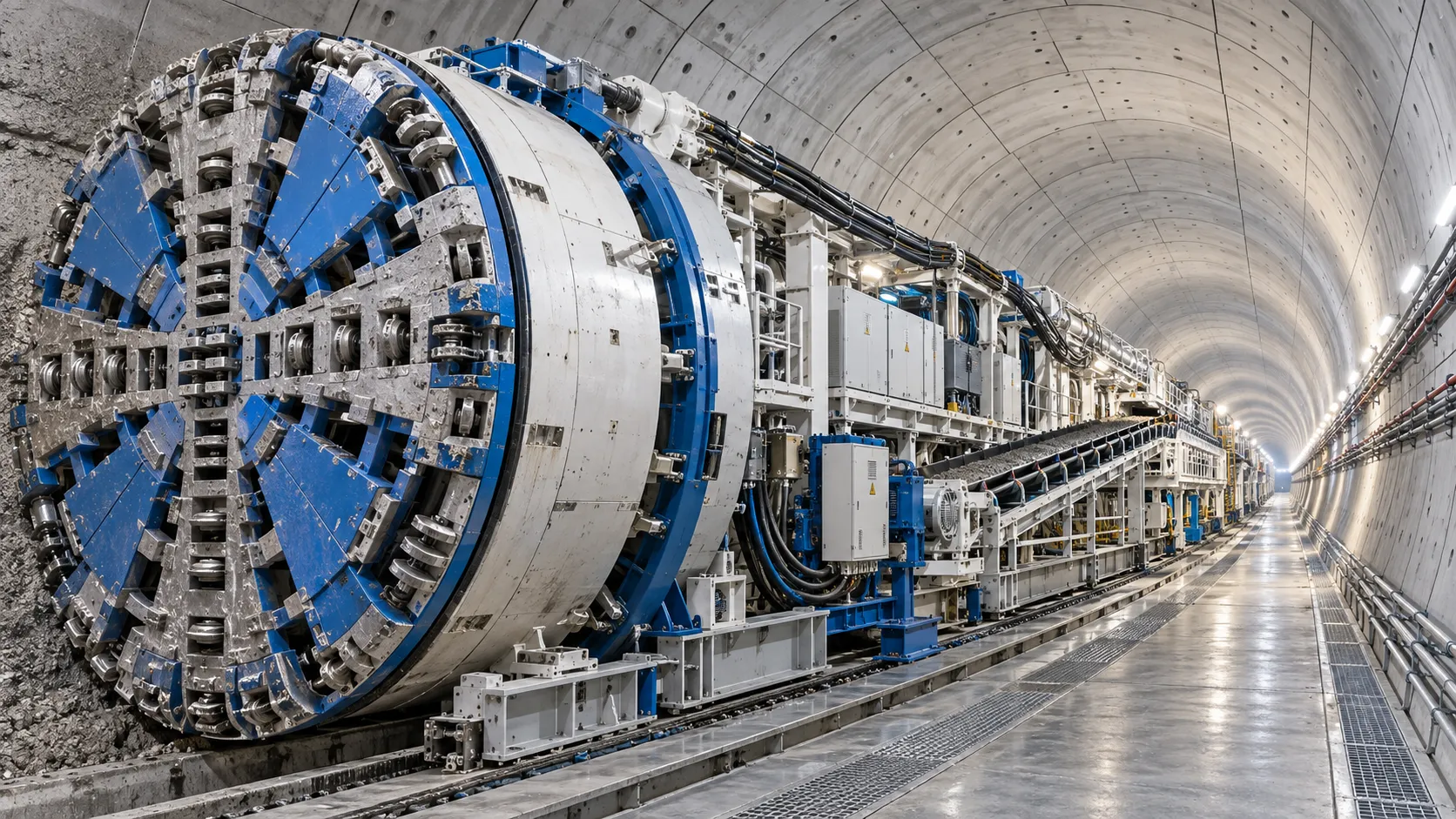
Tunnel Boring Machine Costs: Budgeting for Purchase, Operation, and Project Risk
Tunnel Boring Machines cost more than purchase price. Learn how to budget lifecycle costs, downtime, logistics, wear, and project risk for smarter TBM decisions.
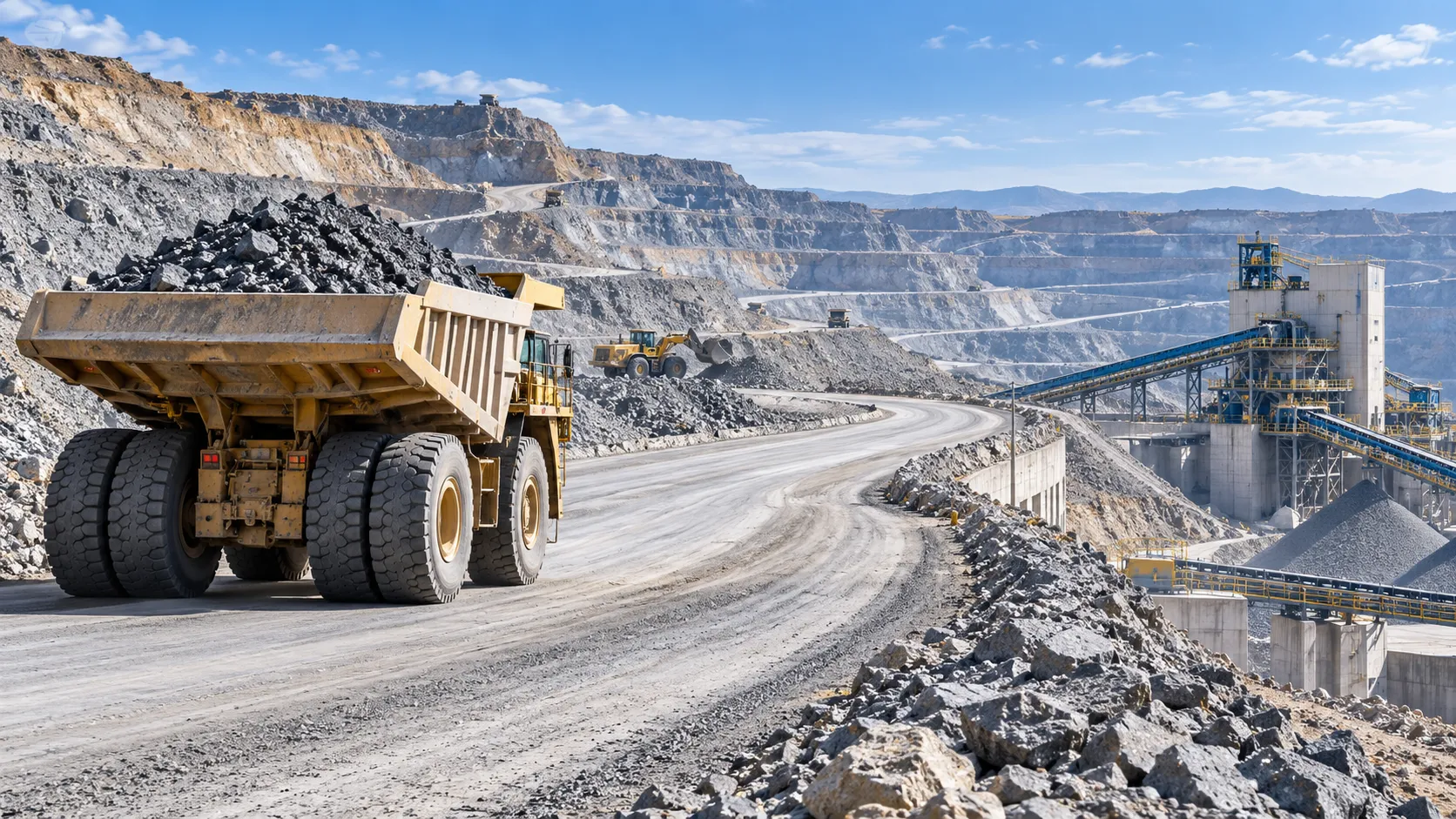
Open-Pit Haulage Cost Analysis: How Mine Managers Can Cut Cost per Tonne
Open pit haulage cost analysis: discover practical ways to reduce cost per tonne through payload control, cycle-time optimization, road performance, and smarter fleet decisions.
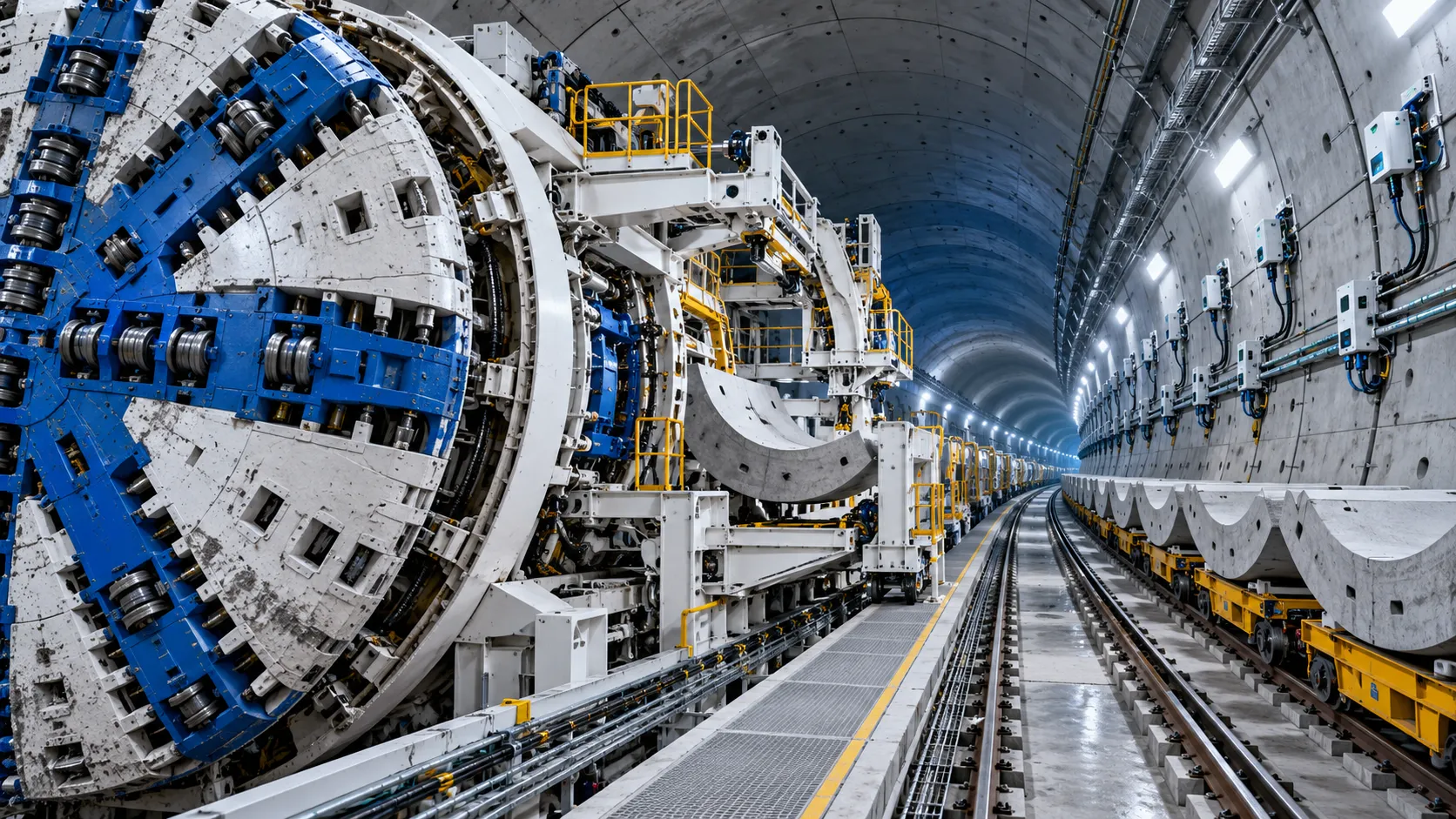
Tunnel Construction Innovations That Reduce Risk and Schedule Delays on Urban Projects
Tunnel construction innovation for urban projects: discover smarter TBMs, real-time monitoring, trenchless methods, and automation that reduce risk and protect schedules.
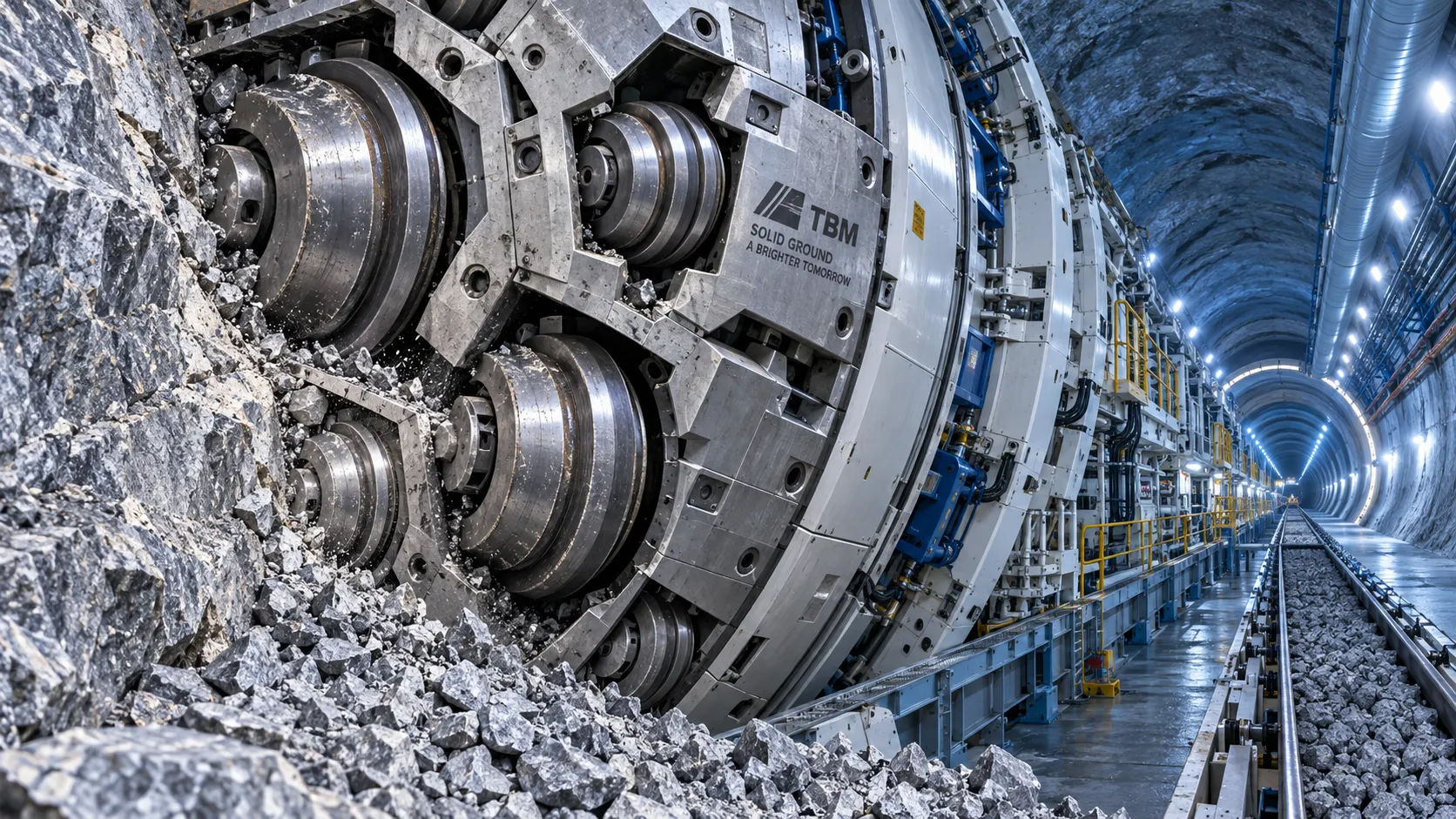
TBM Disc Cutter Design: Key Geometry and Load Factors for Hard Rock Tunnelling
TBM disc cutter design explained: explore geometry, spacing, load distribution and maintenance factors for reliable, efficient hard-rock tunnelling performance.
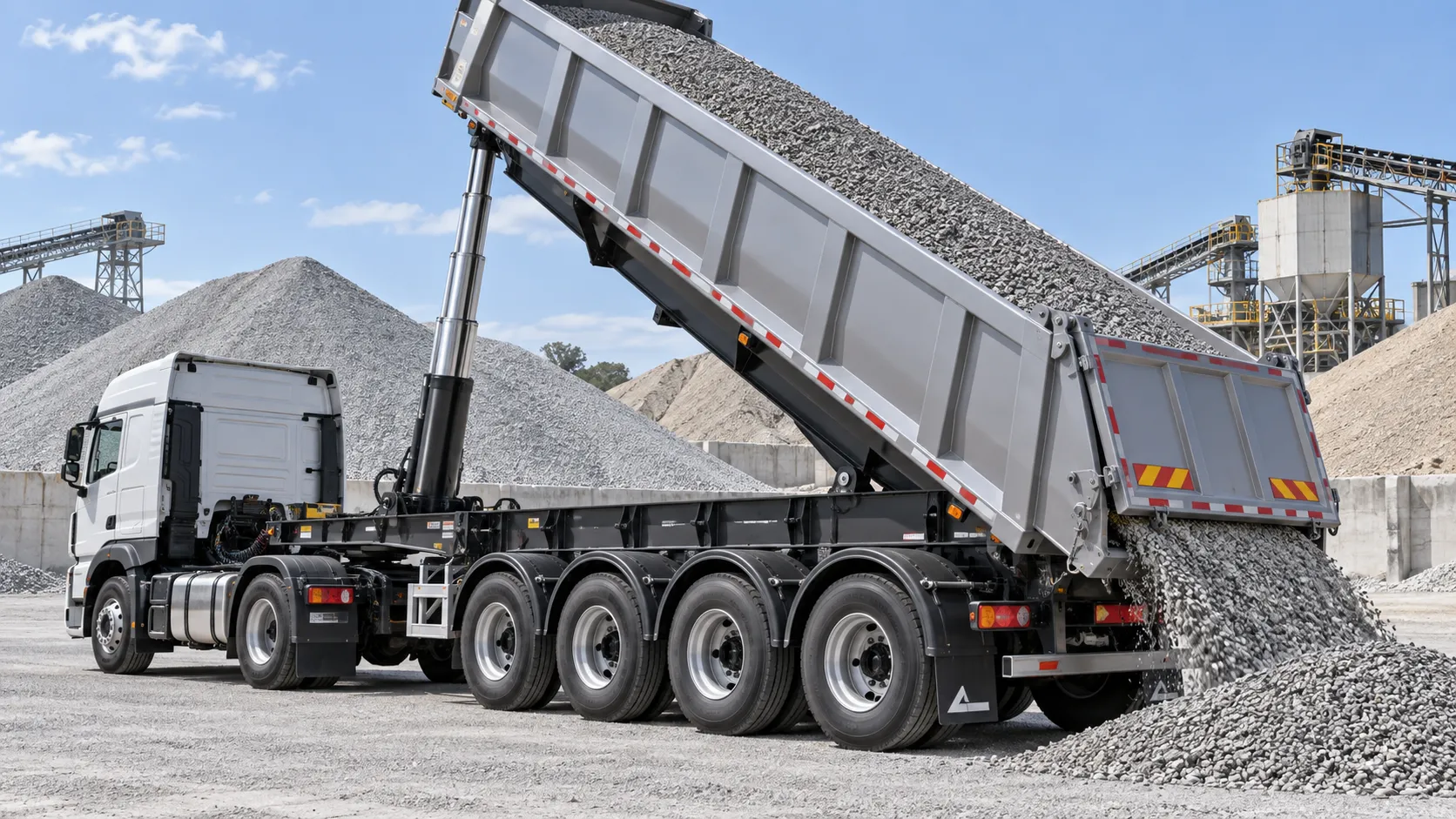
Hydraulic Tipping Stability Risks in Multi-Axle Dump Special Trailers
Dump special trailers: discover key hydraulic tipping stability risks, multi-axle load dynamics, and practical safety controls for safer, smarter bulk hauling.
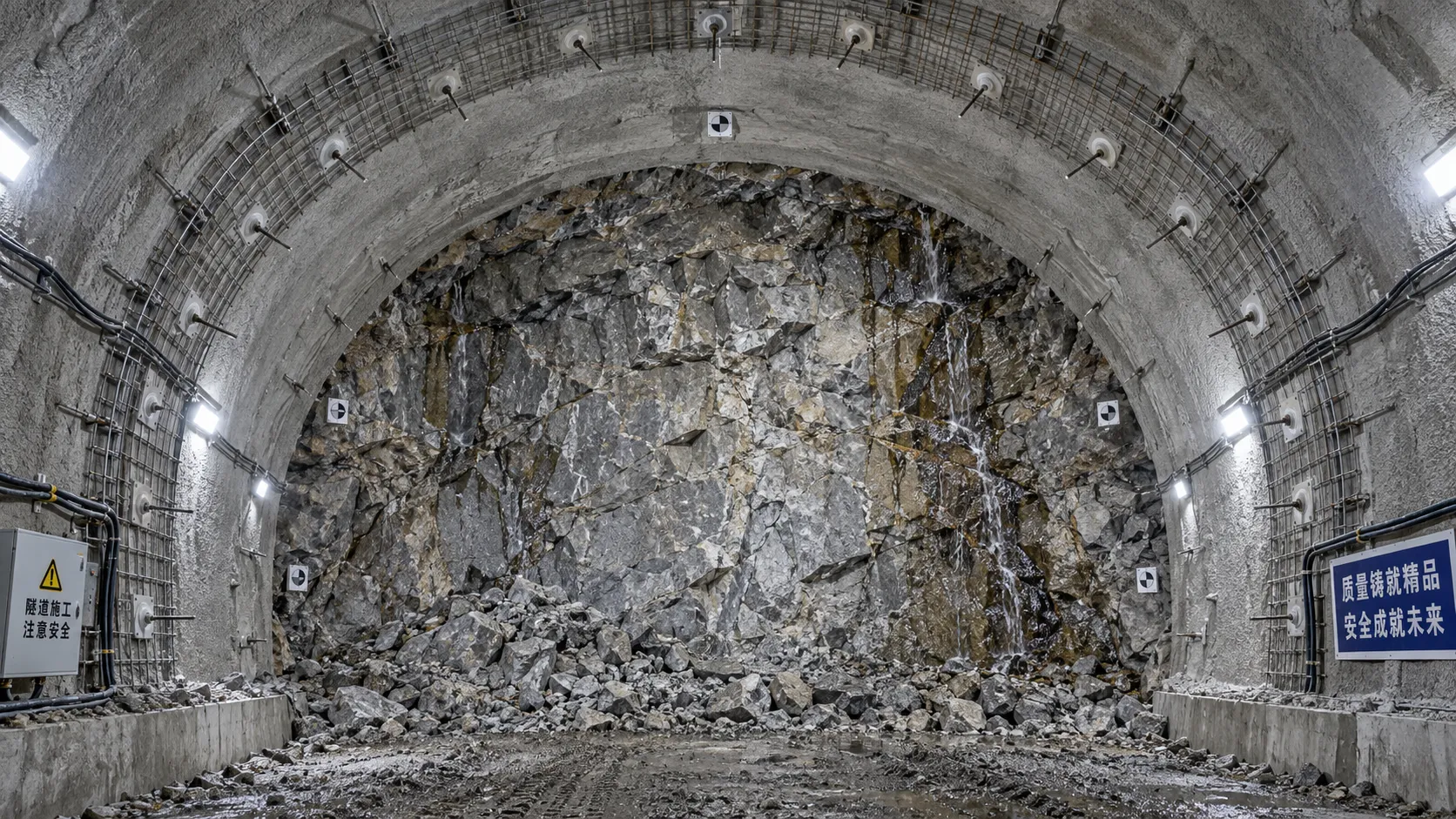
When rock reinforcement in tunnel construction must change after blasting
Rock reinforcement in tunnel construction must change when blasting reveals overbreak, weak joints, water inflow, or deformation. Discover key post-blast support decisions.
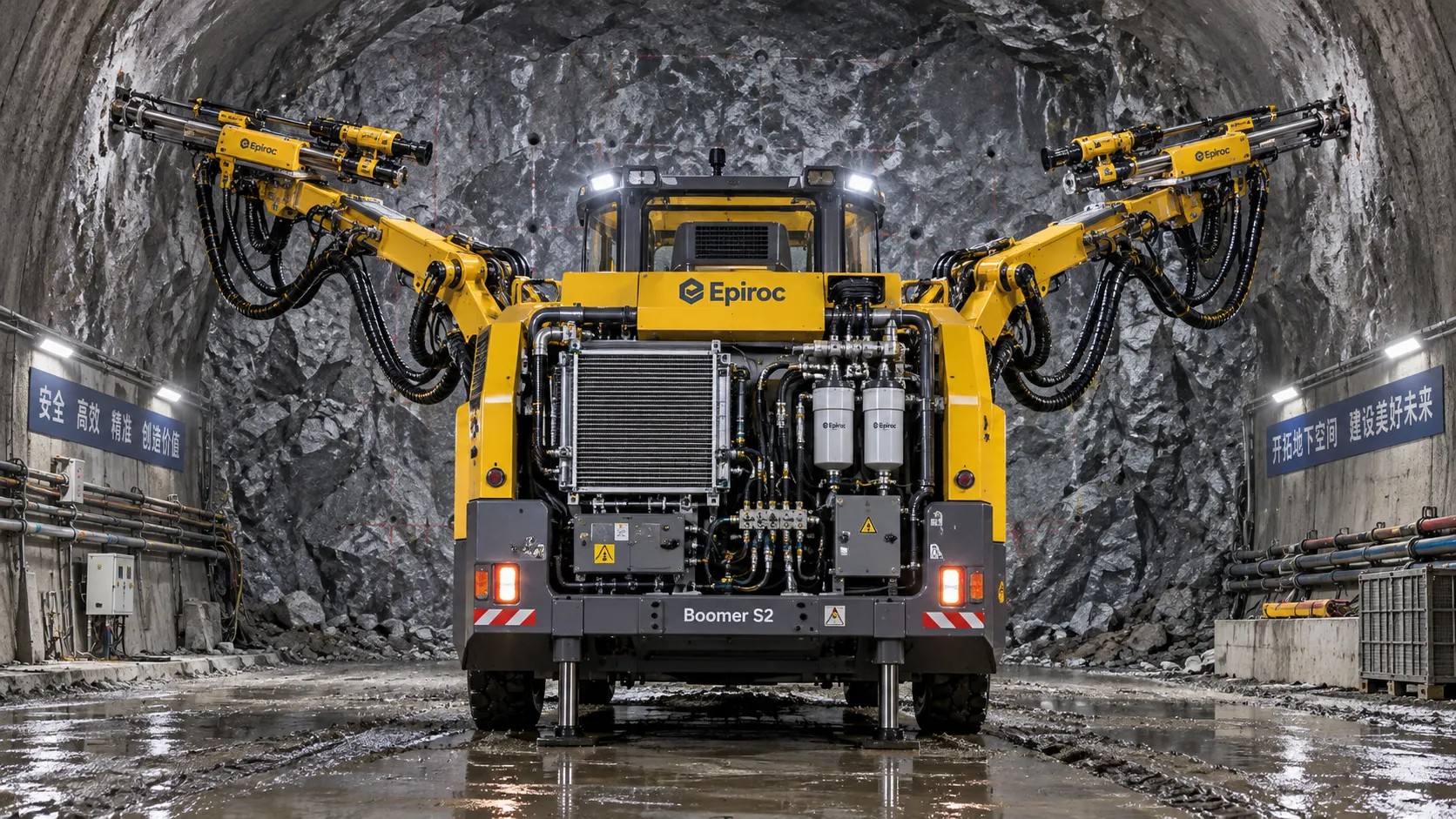
How tunnel hydraulic systems influence drill jumbo uptime underground
Tunnel hydraulic systems directly influence drill jumbo uptime. Explore how stable pressure, clean oil, cooling, and maintainable design reduce underground downtime.
What to verify before appointing a tunneling vehicles manufacturer
Choosing a tunneling vehicles manufacturer? Verify application fit, reliability, compliance, parts support, training, and channel terms before appointing a partner.
Selecting K9 Ductile Iron Pipe for Buried Water Pipeline Conditions
K9 ductile iron pipe selection for buried water pipelines: compare pressure duty, joints, soil loads, corrosion protection, and installation controls for reliable long-term performance.
Related News
- 00
0000-00
Tunnel Boring Machine Costs: Budgeting for Purchase, Operation, and Project Risk - 00
0000-00
Open-Pit Haulage Cost Analysis: How Mine Managers Can Cut Cost per Tonne - 00
0000-00
Tunnel Construction Innovations That Reduce Risk and Schedule Delays on Urban Projects - 00
0000-00
TBM Disc Cutter Design: Key Geometry and Load Factors for Hard Rock Tunnelling - 00
0000-00
Hydraulic Tipping Stability Risks in Multi-Axle Dump Special Trailers
Weekly Insights
Stay ahead with our curated technology reports delivered every Monday.