
Codelco Revises Tender Terms for Battery LHD Remote Takeover





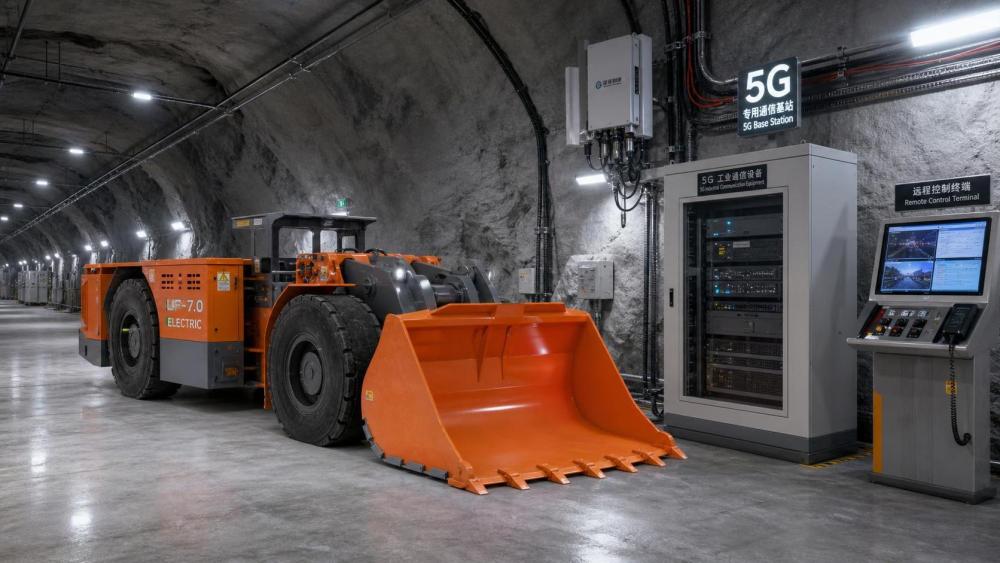
On June 29, 2026, Codelco issued a supplemental tender notice to global suppliers for the El Teniente deep expansion project, changing the technical baseline for Battery LHD bids. The update requires compatibility with SUBTEL-approved 5G-R dedicated spectrum and remote takeover response latency of no more than 120 ms, replacing the earlier 4G-LTE redundancy approach. For mining equipment OEMs, communications partners, procurement teams, and cross-border suppliers, the development is worth close attention because it shifts tender competitiveness from vehicle electrification alone toward verified communications compliance and control performance.
The Tender Change Now in Force
According to the provided event information, Codelco sent a supplemental tender letter on June 29, 2026 to global suppliers participating in the El Teniente deep expansion project.
The revised requirement applies to Battery LHD equipment offered into the tender. Bidding units must be compatible with the 5G-R dedicated frequency band approved by Chile's telecommunications regulator, SUBTEL.
The same notice also requires remote takeover capability with response latency at or below 120 ms. This condition replaces the original 4G-LTE redundancy scheme referenced in the earlier tender framework.
The provided information further states that Chinese suppliers must work with local communications partners to complete radio-frequency certification.
Where the Pressure Will Be Felt First
Equipment bidders now face a narrower compliance path
From an industry perspective, Battery LHD manufacturers and bidding integrators are the first group directly affected. The change matters because eligibility is no longer only about machine specification and battery platform readiness; it now extends into local network compatibility and measurable remote takeover performance. The main impact is likely to appear in bid preparation, technical validation, and solution packaging.
What deserves closer attention is whether suppliers can demonstrate both spectrum compatibility and latency performance within tender timelines, especially where vehicle controls and communications architecture were previously aligned to 4G-LTE assumptions.
Local communications partners become more important in bid execution
For communications service providers and technical integration partners in Chile, the update increases their practical role in the bidding chain. The requirement for compatibility with a SUBTEL-approved 5G-R band means that radio, certification, and interoperability work become part of commercial readiness rather than a later implementation detail.
The likely effect is concentrated in pre-certification coordination, testing support, and local technical documentation. Suppliers that lack an established local partner may face additional coordination pressure even before commercial terms are finalized.
Procurement and project teams must compare bids on a different basis
For project procurement teams and owner-side evaluators, the tender revision may change how comparable bids are assessed. Analysis shows that communications compliance and remote takeover responsiveness are now embedded in the equipment requirement itself, which can alter the weighting of technical risk, deployment readiness, and vendor deliverability.
This means procurement attention may shift toward evidence of compliance, integration scope, and readiness to meet local technical conditions, rather than relying mainly on a broader redundancy concept under 4G-LTE.
Cross-border suppliers may see certification become a commercial issue
For overseas suppliers, especially Chinese manufacturers named in the provided information, the certification path is no longer a peripheral regulatory matter. Observably, the need to complete radio-frequency certification with local communications partners can affect bid timing, documentation flow, and partner selection.
The business impact is most likely to emerge in market-entry preparation, local cooperation arrangements, and customer communication around delivery confidence.
What Companies Should Track From Here
Watch for any further clarification in tender wording
Companies involved in the tender should closely track whether Codelco issues any additional clarification on the scope of compatibility, testing method, or proof format for the 120 ms remote takeover requirement. Analysis shows that even when the core rule is clear, practical bid compliance often depends on how verification is defined in later tender communication.
Separate network compliance from general automation claims
Suppliers should avoid treating this update as a generic remote-operation requirement. What deserves closer attention is the difference between having a remote-control function in principle and proving compatibility with the specified SUBTEL-approved 5G-R band under the tender terms. In practical terms, commercial teams, engineering teams, and local partners need aligned language when responding to customer questions.
Prepare certification and partner coordination early
For suppliers that need local support, especially Chinese manufacturers referenced in the event summary, early coordination with Chile-based communications partners appears necessary. The immediate issue is not broad market strategy but operational readiness: certification sequencing, responsibility boundaries, and the documents needed to support a compliant bid.
Review delivery assumptions tied to the old 4G-LTE path
Because the new requirement replaces the original 4G-LTE redundancy approach, companies should recheck any internal assumptions built around that earlier framework. This includes technical design alignment, bid documentation, and any schedule commitments that may have depended on a different communications architecture.
Why This Looks Like More Than a Minor Tender Edit
Observably, this development should not be read as a routine wording adjustment. The combination of a specified local 5G-R band and a defined remote takeover latency threshold indicates that communications performance has moved into the core equipment requirement for this tender.
Analysis shows that the immediate significance is practical rather than symbolic: suppliers must now prove a tighter fit between mining equipment, local spectrum conditions, and remote intervention capability. At the same time, it is still more appropriate to understand this as a project-specific and procurement-stage signal, not as a confirmed market-wide rule beyond the scope stated in the provided information.
For that reason, the industry still needs to watch whether similar requirements appear in later procurement language, follow-up notices, or comparable project settings.
How This News Is Best Understood Now
At this stage, the Codelco tender adjustment is best understood as a concrete procurement change with immediate consequences for Battery LHD bidders and their communications partners. It does not, on its own, prove a broad market shift, but it clearly raises the importance of local network compatibility, remote takeover responsiveness, and certification readiness in project bidding.
A neutral reading is that this is both a short-term operational issue for current participants and a longer-term signal worth monitoring. The strongest near-term effect is on bid compliance and partner coordination; the broader industry meaning still depends on whether similar requirements are repeated elsewhere.
Basis of This Article
This article is based on the user-provided news title, event date, and event summary concerning Codelco's supplemental tender notice dated June 29, 2026.
For this type of industry update, commonly relevant source categories may include official tender notices, company announcements, telecommunications regulatory disclosures, industry association information, authoritative media reporting, and technical standard documents. No specific official source link was provided in the input, so the exact original publication path remains subject to further verification.
Areas that still warrant follow-up include whether additional tender clarifications are issued, how compliance proof is defined in practice, and whether similar communications requirements appear in subsequent procurement documents.
Related News

Tunnel Boring Machine Costs: Budgeting for Purchase, Operation, and Project Risk
Tunnel Boring Machines cost more than purchase price. Learn how to budget lifecycle costs, downtime, logistics, wear, and project risk for smarter TBM decisions.

Open-Pit Haulage Cost Analysis: How Mine Managers Can Cut Cost per Tonne
Open pit haulage cost analysis: discover practical ways to reduce cost per tonne through payload control, cycle-time optimization, road performance, and smarter fleet decisions.

Tunnel Construction Innovations That Reduce Risk and Schedule Delays on Urban Projects
Tunnel construction innovation for urban projects: discover smarter TBMs, real-time monitoring, trenchless methods, and automation that reduce risk and protect schedules.

TBM Disc Cutter Design: Key Geometry and Load Factors for Hard Rock Tunnelling
TBM disc cutter design explained: explore geometry, spacing, load distribution and maintenance factors for reliable, efficient hard-rock tunnelling performance.

Hydraulic Tipping Stability Risks in Multi-Axle Dump Special Trailers
Dump special trailers: discover key hydraulic tipping stability risks, multi-axle load dynamics, and practical safety controls for safer, smarter bulk hauling.
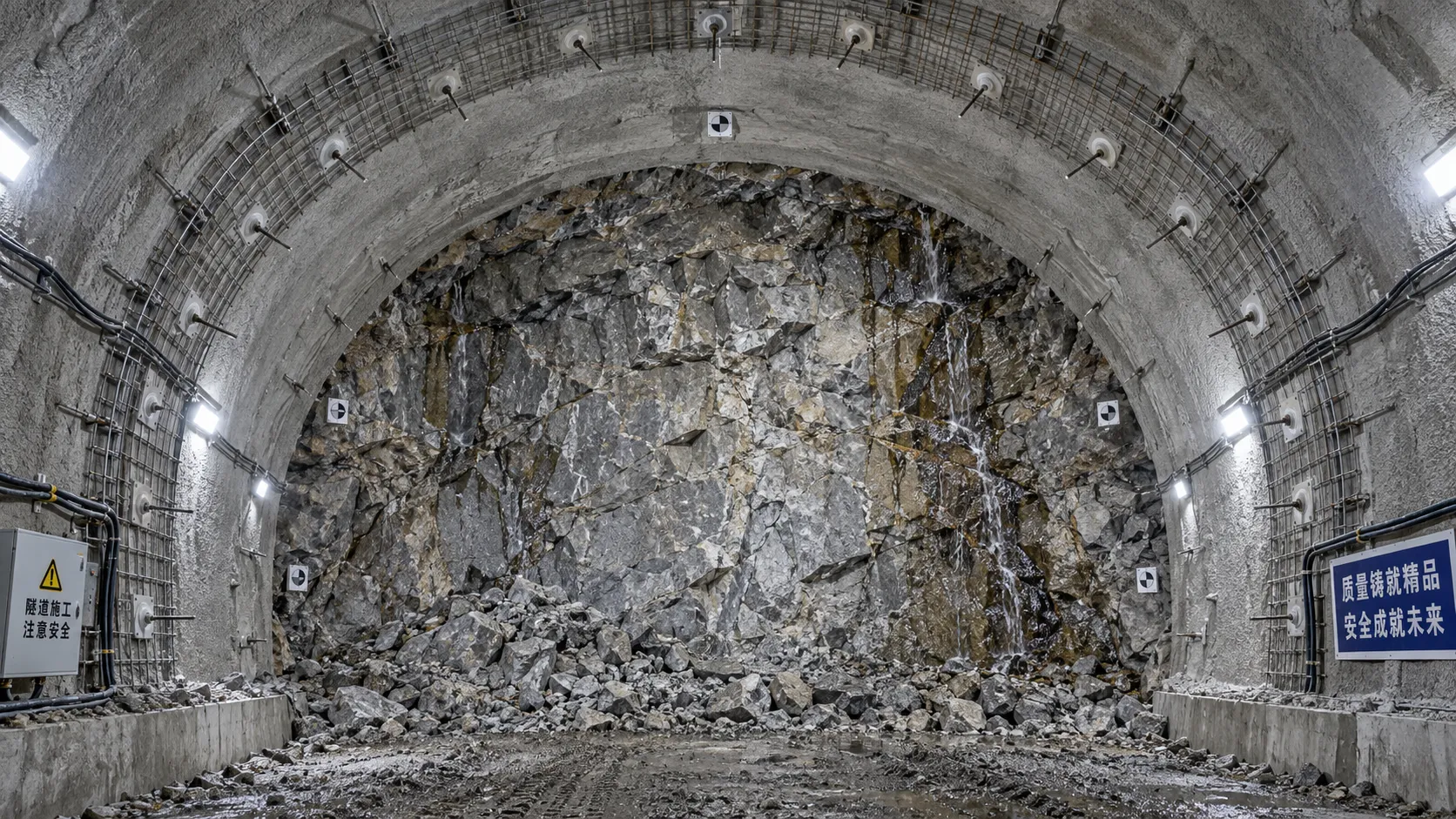
When rock reinforcement in tunnel construction must change after blasting
Rock reinforcement in tunnel construction must change when blasting reveals overbreak, weak joints, water inflow, or deformation. Discover key post-blast support decisions.
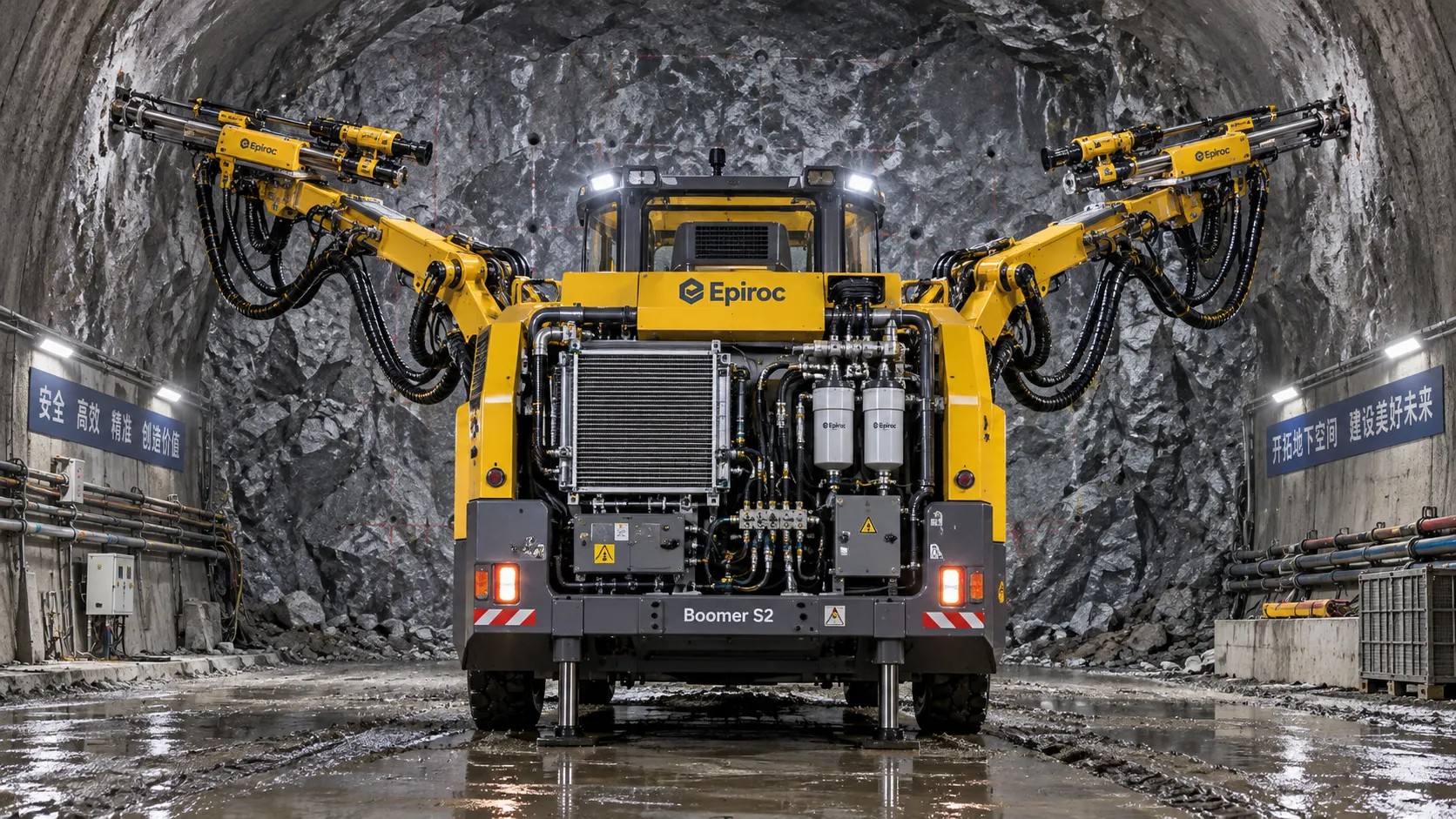
How tunnel hydraulic systems influence drill jumbo uptime underground
Tunnel hydraulic systems directly influence drill jumbo uptime. Explore how stable pressure, clean oil, cooling, and maintainable design reduce underground downtime.
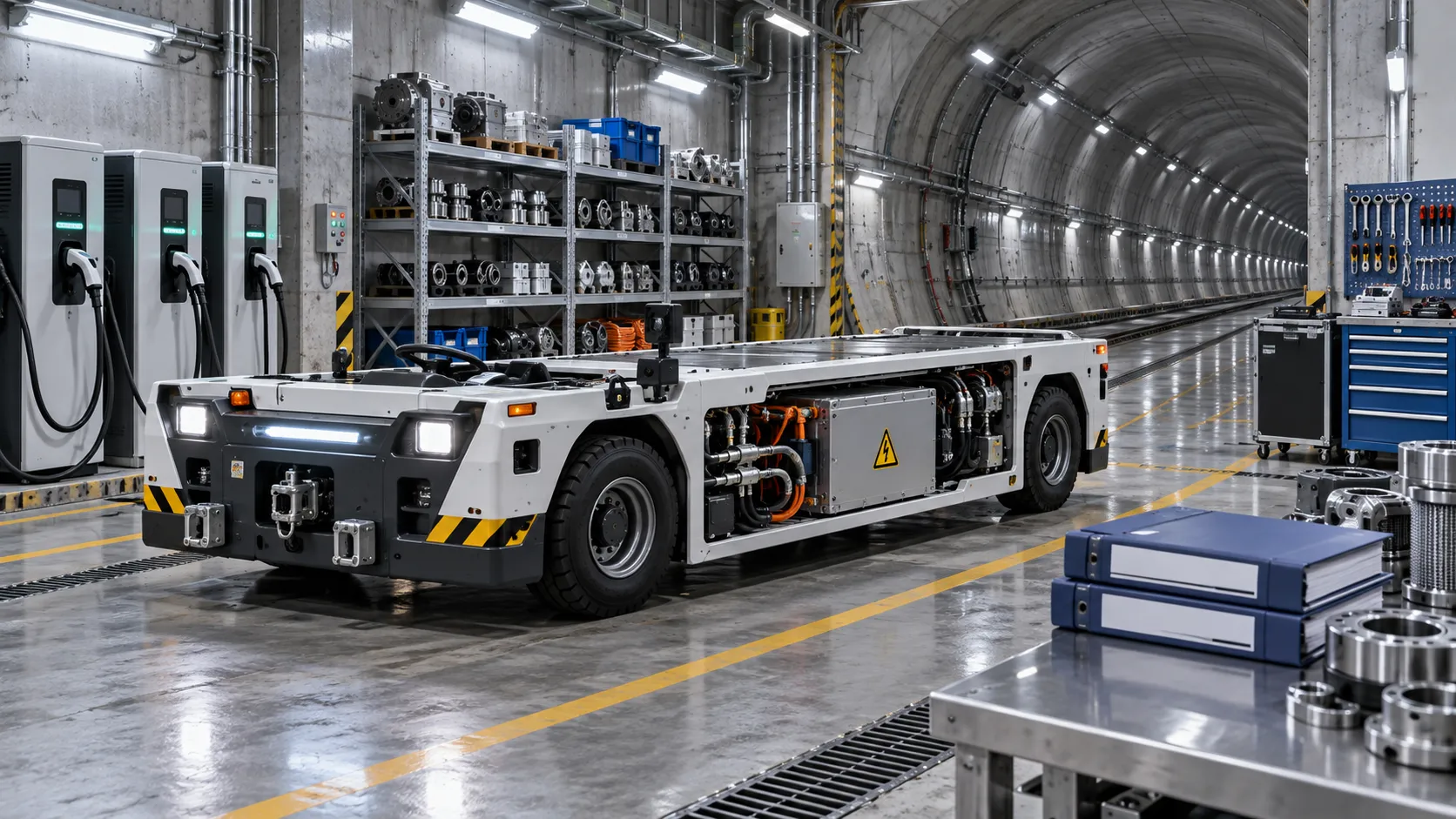
What to verify before appointing a tunneling vehicles manufacturer
Choosing a tunneling vehicles manufacturer? Verify application fit, reliability, compliance, parts support, training, and channel terms before appointing a partner.
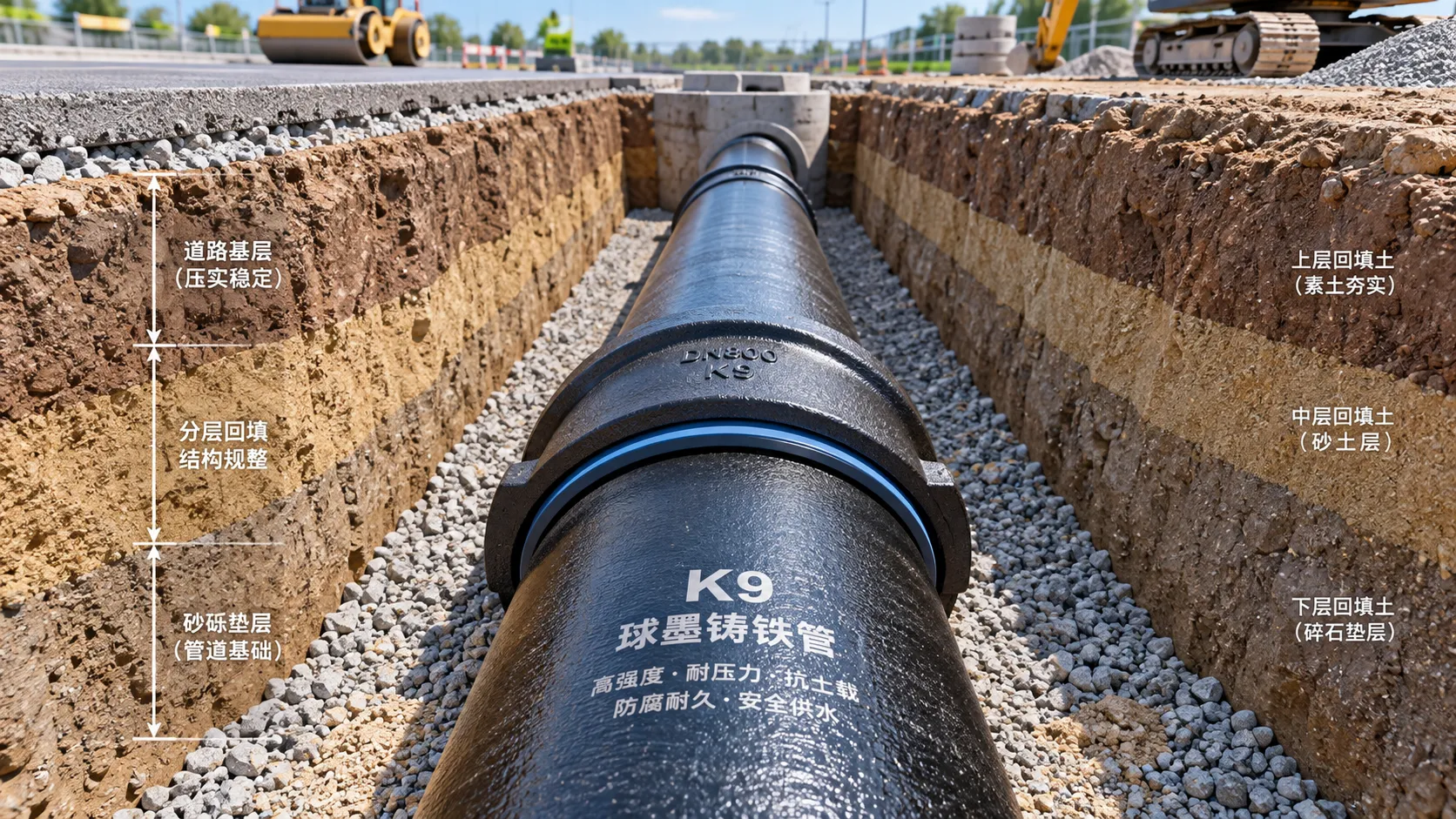
Selecting K9 Ductile Iron Pipe for Buried Water Pipeline Conditions
K9 ductile iron pipe selection for buried water pipelines: compare pressure duty, joints, soil loads, corrosion protection, and installation controls for reliable long-term performance.
Related News
- 00
0000-00
Tunnel Boring Machine Costs: Budgeting for Purchase, Operation, and Project Risk - 00
0000-00
Open-Pit Haulage Cost Analysis: How Mine Managers Can Cut Cost per Tonne - 00
0000-00
Tunnel Construction Innovations That Reduce Risk and Schedule Delays on Urban Projects - 00
0000-00
TBM Disc Cutter Design: Key Geometry and Load Factors for Hard Rock Tunnelling - 00
0000-00
Hydraulic Tipping Stability Risks in Multi-Axle Dump Special Trailers
Weekly Insights
Stay ahead with our curated technology reports delivered every Monday.