
Why Underground LHD Loaders fail safety checks





Underground LHD Loaders often fail safety checks not because of one obvious defect, but due to a chain of issues involving braking systems, visibility limits, electrical safety, battery performance, and operator-assist controls. For quality control and safety managers, understanding these failure points is essential to reducing downtime, preventing incidents, and ensuring compliance in demanding underground mining environments.
In modern underground mining, an LHD loader works in headings with limited clearance, wet floors, sharp gradients, and airborne dust. Under these conditions, even a minor fault can trigger a failed inspection, a production delay of 4 to 12 hours, or a shutdown of an entire loading zone.
For UTMD readers responsible for quality control, safety assurance, and operational readiness, the key issue is not only why Underground LHD Loaders fail safety checks, but how to identify weak points early, verify corrective actions, and reduce repeat non-conformities across mixed diesel, electric, and battery-powered fleets.
The most common safety check failures in Underground LHD Loaders
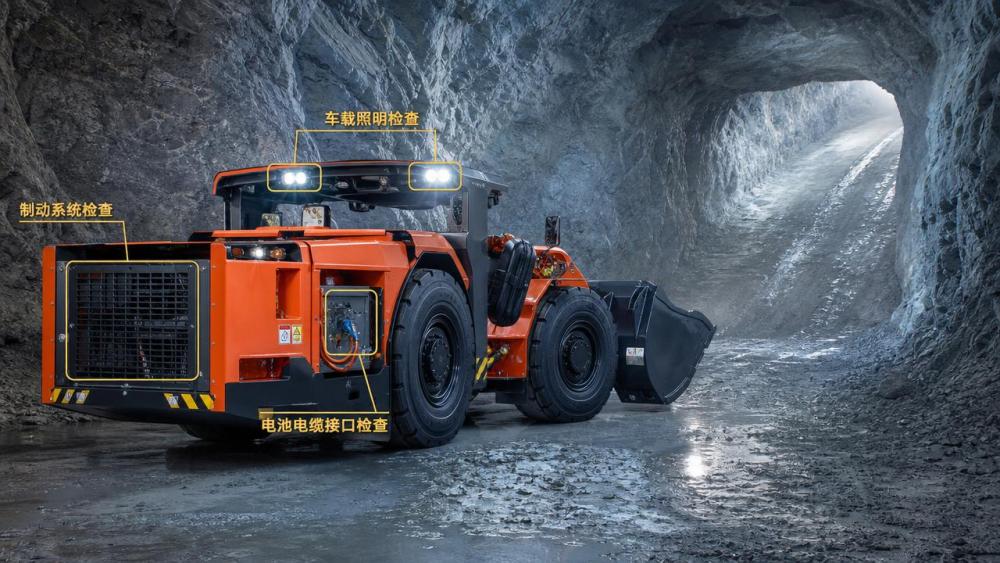
Most failed inspections can be grouped into 5 core systems: braking, steering, visibility, electrical integrity, and emergency response functions. In practice, failures rarely appear in isolation. A machine with weak service brakes often also shows hydraulic leakage, delayed alarm response, or poor tire and axle condition.
Brake performance is still the top rejection factor
On underground ramps, braking systems are tested under harsher conditions than in surface equipment yards. Safety checks usually assess service brakes, parking brakes, emergency stopping response, and brake line condition. A stopping delay of even 1 to 2 seconds can be enough to trigger a non-compliance finding on a loaded machine.
Common causes include worn pads, hydraulic contamination, overheating during repeated downhill cycles, and insufficient pressure retention after shutdown. For battery-electric Underground LHD Loaders, inspectors also review how regenerative braking interacts with mechanical braking, especially on long declines where thermal buildup can occur after multiple haul cycles.
Typical brake-related non-conformities
- Parking brake cannot hold on gradients commonly ranging from 10% to 15%
- Brake pedal travel exceeds internal maintenance limits
- Hydraulic hoses show abrasion, seepage, or cracked outer layers
- Regenerative braking settings are not calibrated to mine route conditions
- Emergency stop response is delayed beyond site acceptance thresholds
Visibility and proximity awareness failures are increasing
As mines adopt tele-remote and semi-autonomous loading, visibility checks have moved beyond windshield cleanliness and lighting output. Inspectors now review camera coverage, monitor latency, blind-zone alerts, reversing alarms, beacon operation, and sensor contamination from mud, dust, and water spray.
A loader may pass a static inspection yet fail a functional safety check if the camera image lags by more than a fraction of a second, if side illumination is inadequate in cross-cuts, or if object-detection sensors misread reflective surfaces. In headings under 5 meters wide, these problems become high-priority risks.
The table below outlines frequent failure points that quality and safety teams should verify during pre-acceptance checks, daily inspections, and post-maintenance release testing.
The key takeaway is that safety failures usually sit at the intersection of mechanical wear and control-system reliability. For Underground LHD Loaders, passing inspection depends on proving that all linked systems perform consistently, not just that a single component appears serviceable.
Electrical integrity is now a higher-stakes inspection item
With more electric and battery-swap fleets entering underground operations, inspectors have expanded checks on high-voltage isolation, cable routing, charger interface protection, grounding continuity, and thermal events around enclosures. These checks are especially strict where humidity remains high for 8 to 16 hours per shift.
Safety managers should pay close attention to cable chafing near articulation points, degraded sealing around battery packs, and contamination in plug interfaces. Even if the machine is still productive, these issues often fail formal release checks because they elevate fire or electric shock exposure in confined spaces.
Why these failures happen in real underground operating conditions
The underground environment accelerates hidden degradation. Water ingress, vibration, shock loading, and repeated thermal cycles create faults that may not be visible during routine walkarounds. Underground LHD Loaders working 2 or 3 shifts per day accumulate wear much faster than standard service intervals sometimes assume.
Harsh duty cycles expose weak maintenance assumptions
A loader operating on a 400 to 800 meter haul route may brake, reverse, articulate, and dump dozens of times per shift. Under these cycles, a component rated for a nominal interval can still fail early if haul gradients are steep, muck density varies, or operators regularly make abrupt directional changes.
This is why some Underground LHD Loaders fail safety checks shortly after scheduled service. The issue is not always poor maintenance quality; often the original service plan does not reflect actual duty severity, road condition, or the thermal profile of electrified drivetrains in stop-start production headings.
High-risk operating variables
- Ramp gradients above 12%
- Ambient underground temperatures exceeding 30°C near active headings
- Water and slurry exposure for more than 25% of the route
- Frequent battery swapping or charging interruptions
- Mixed manual and tele-remote use on the same machine within one week
Software, sensors, and operator-assist systems create new failure modes
Earlier safety checks focused mainly on structural condition and hydraulics. Today, they also examine speed limiting logic, traction control, interlocks, diagnostic reporting, and fail-safe behavior after communication loss. A loader can be mechanically sound and still fail because the system does not transition safely when a sensor drops offline.
For tele-remote Underground LHD Loaders, signal stability matters. If command latency spikes during handover between underground network zones, or if camera feeds degrade under dust loading, safety functions may no longer meet mine acceptance criteria. These are difficult failures because they may only appear during live operational testing.
The following matrix helps QC and safety teams connect site conditions with likely inspection failures before the loader enters production.
This table shows why one mine may see repeated electrical failures while another struggles mainly with braking or visibility. The failure pattern usually reflects route design, ventilation quality, water management, and how the site combines automation with manual operation.
How quality control and safety managers can reduce failed inspections
Reducing failed checks requires a structured approach before the machine reaches the shift line. Effective sites do not rely on annual audits alone. They build a layered process covering incoming inspection, pre-shift verification, post-maintenance testing, and trend review every 2 to 4 weeks.
Build a 4-stage release process for Underground LHD Loaders
A practical release model includes four stages. First, verify mechanical integrity after maintenance. Second, confirm electrical and control-system health. Third, perform a functional test under load or simulated load. Fourth, document sign-off with defect coding so recurring issues can be tracked by component and by operating zone.
This process is especially useful for battery-electric Underground LHD Loaders, where a machine may appear ready after charging or battery exchange but still carry unresolved issues in thermal management, isolation alarms, or software interlocks. Release discipline can prevent avoidable rejections within the first 24 hours of return to service.
Recommended inspection checkpoints
- Brake hold test on representative ramp conditions
- Emergency stop and safe-stop verification in both local and remote modes
- Camera, lighting, horn, beacon, and reversing alarm function check
- Battery connector, cable routing, and enclosure seal inspection
- Diagnostic scan review for active and historical fault codes
- Steering articulation response and hydraulic leakage confirmation
Use defect trends instead of isolated pass-fail records
Many operations record inspection outcomes but do not analyze recurring failure patterns. A better method is to track top 10 defect types by machine hours, location, and shift. Over a 30 to 90 day period, this reveals whether failures are tied to one route, one maintenance team, one battery bay, or one operator group.
For example, if 35% of rejected Underground LHD Loaders show lamp, camera, or alarm faults after wet-season weeks, the problem may be enclosure sealing or cleaning practice rather than component quality alone. Trend analysis turns safety inspections from a compliance exercise into a prevention tool.
Align procurement specifications with real safety verification needs
Procurement teams often compare payload, battery runtime, and turnaround time first. Those metrics matter, but quality and safety managers should also specify access for inspection, clarity of fault diagnostics, emergency isolation design, and maintainability of brake and visibility systems. These details strongly affect pass rates over the first 6 to 12 months.
When evaluating new Underground LHD Loaders, ask whether the machine supports clear event logs, fast sensor replacement, protected cable routing, and practical cleaning access for cameras and lamps. Safety performance in underground mines depends as much on serviceability as on headline machine specifications.
What to ask suppliers, service teams, and internal stakeholders
The most effective safety programs connect procurement, maintenance, operations, and OEM support. If those groups work in separate silos, failed checks will continue to repeat. The goal is to create a shared acceptance language around braking consistency, electrical integrity, visibility coverage, and control-system fail-safe behavior.
Key questions before acceptance or fleet expansion
- What are the recommended inspection intervals under 2-shift and 3-shift duty cycles?
- How is brake performance validated on ramps rather than flat workshop floors?
- What connector protection and sealing measures are used in wet underground headings?
- How are camera systems and proximity sensors protected from dust loading and impact?
- What happens if communication drops during tele-remote operation for 3 to 5 seconds?
- Can the diagnostic system export fault history for trend analysis across the fleet?
Common management mistake
A frequent mistake is treating every failed safety check as an isolated maintenance lapse. In reality, repeated failures in Underground LHD Loaders usually point to a system-level mismatch between machine design, route conditions, servicing method, and operating discipline. Unless all four are reviewed together, corrective action stays temporary.
Underground LHD Loaders fail safety checks when multiple small weaknesses combine under real mine conditions: heat, water, restricted space, heavy cycle counts, and increasing dependence on electronics and remote controls. For quality control and safety managers, the most effective response is a structured inspection regime, defect trend analysis, and procurement criteria that prioritize verifiable safety performance over brochure-level claims.
UTMD tracks the technical evolution of underground haulage systems, from battery-swapping architecture to SLAM-enabled navigation and braking efficiency on decline routes. If you need deeper guidance on evaluating Underground LHD Loaders, comparing safety-critical configurations, or building a more robust inspection framework, contact us now to get a tailored solution and explore more underground equipment intelligence.
Related News
What Drives TBM Excavation Cost in Urban Tunneling Projects?
tbm excavation cost in urban tunneling depends on geology, shafts, segment lining, logistics, and risk. Discover the key cost drivers and compare bids with greater confidence.
What Does Energy Metals Mining in Australia Mean for Supply, Cost, and Project Risk?
Energy metals mining Australia is reshaping supply, cost, and project risk. Discover what it means for buyers, investors, and operators.
EU Eases Dual CE and UKCA Path for Chinese Tunnel Boring Equipment
EU eases CE and UKCA certification for Chinese tunnel boring equipment, cutting compliance time and helping importers move faster.
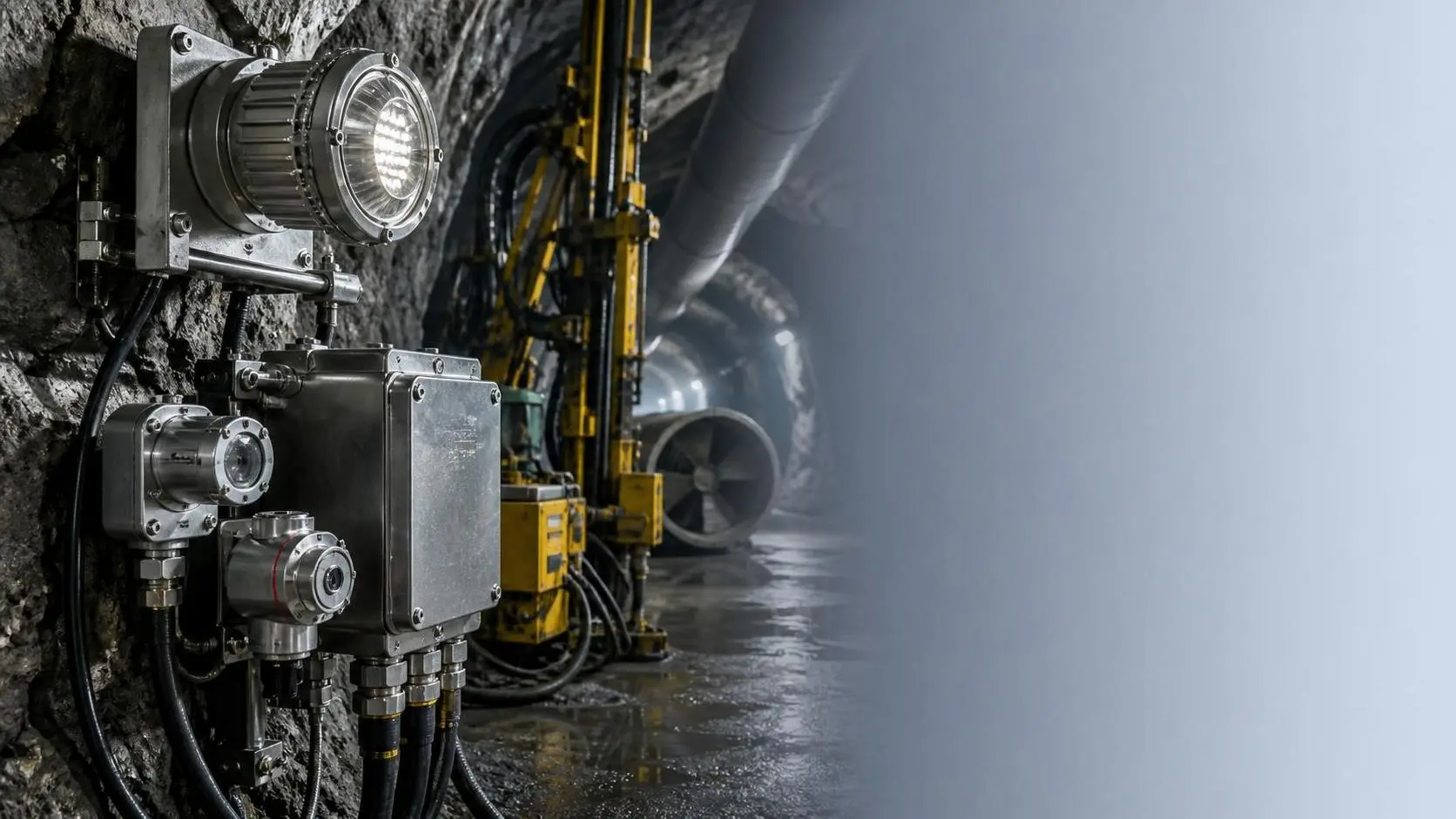
Flameproof Underground Safety Equipment: What Mine Teams Should Check Before Buying
Underground Safety Equipment flameproof buying guide: learn how mine teams should verify certification, durability, serviceability, and supplier support before purchase.
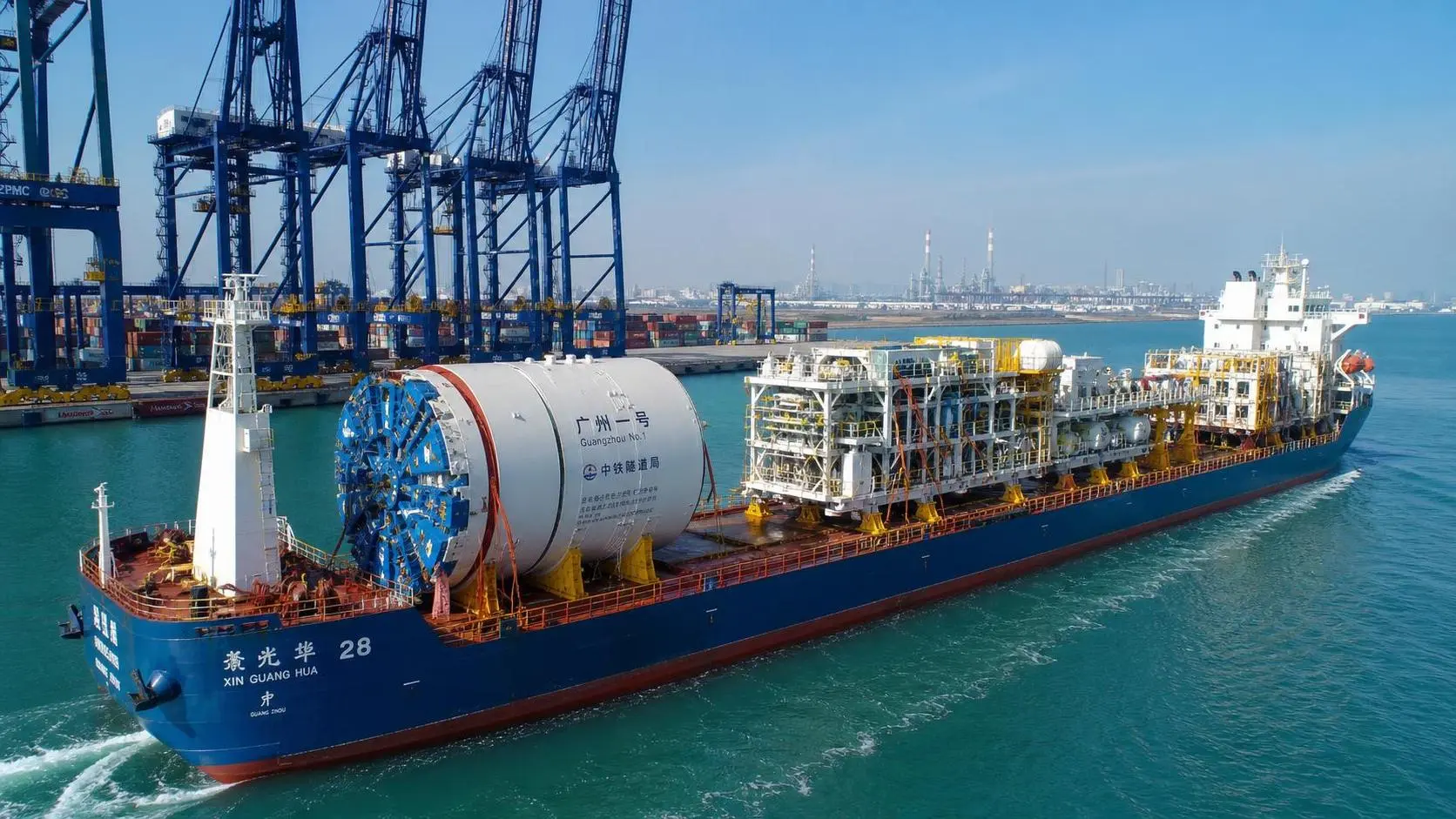
China-UAE Direct Sea Route Cuts TBM and Large Tunneling Equipment Lead Times
China-UAE direct sea route shortens TBM and large tunneling equipment lead times by 12–15 days, improving delivery predictability for major infrastructure projects. Read the full impact.
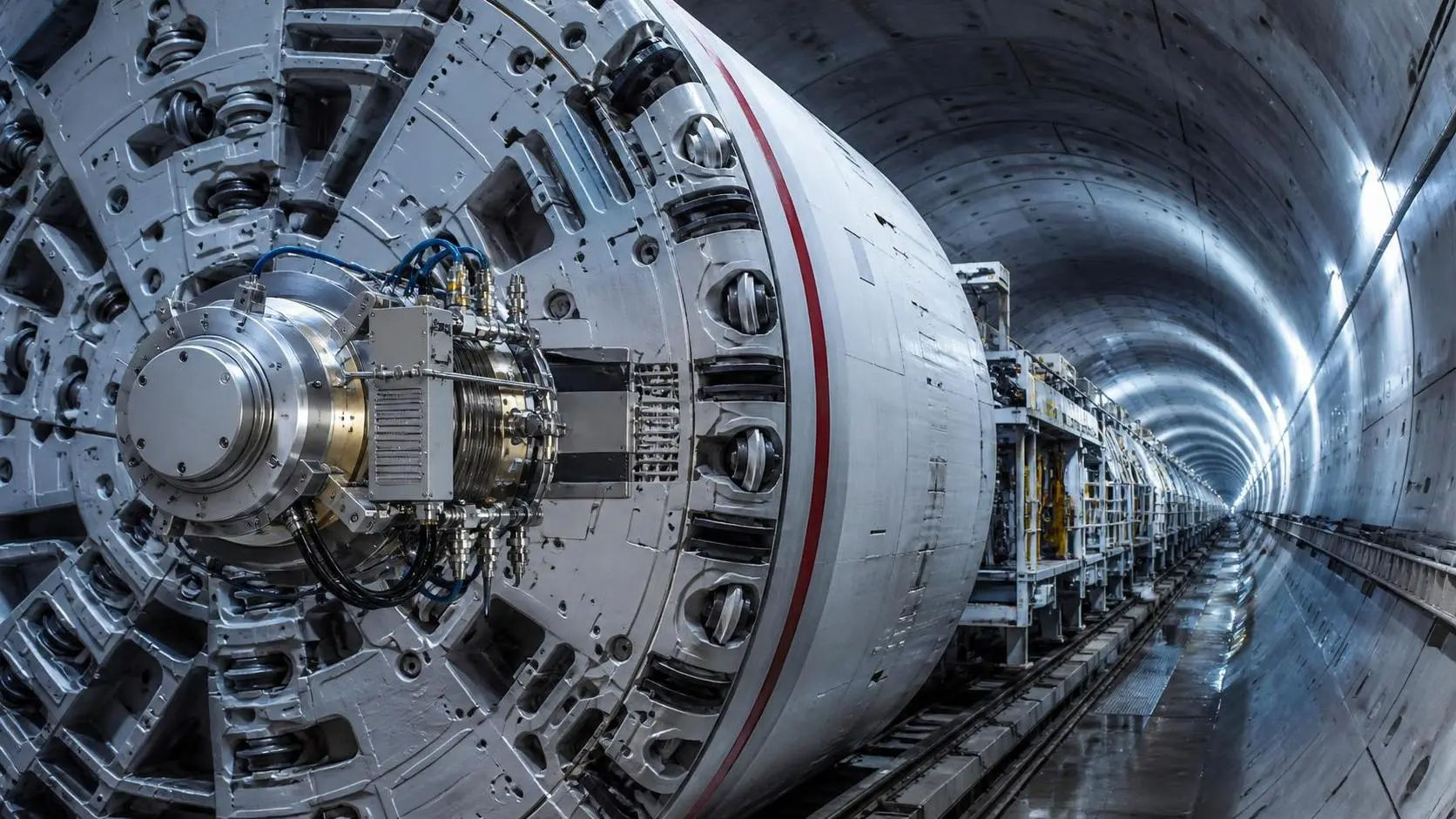
What Is a TBM Guidance System Gyroscope, and Why Does It Matter Underground?
TBM Guidance Systems gyroscope improves underground accuracy, reduces drift, and helps tunnel boring machines stay on line in harsh conditions.

China to Roll Out Nationwide Local and Foreign Currency Cash Pools for Multinationals on Sept. 14
China will roll out nationwide local and foreign currency cash pools for multinationals on Sept. 14, streamlining cross-border treasury management and boosting liquidity efficiency.
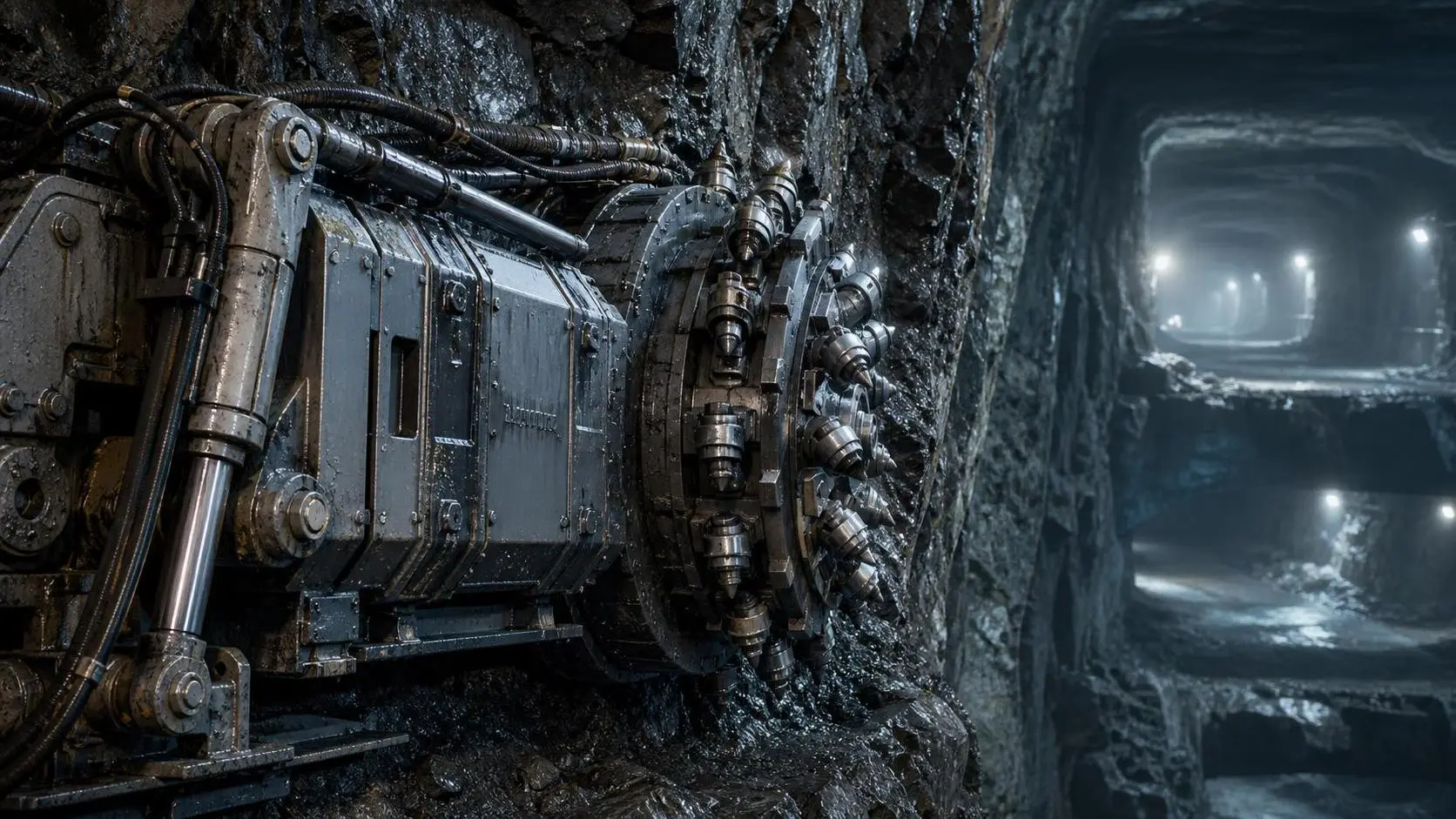
How to Choose a Reliable Underground Mining Equipment Supplier for Harsh Site Conditions
Find a reliable underground mining equipment supplier for harsh site conditions with rugged, maintainable solutions that boost uptime, reduce risk, and support long-term production.
China Customs Tightens TBM Export Checks from Aug. 16
China Customs tightens TBM export checks from Aug. 16, 2026. Learn how new mandatory inspections may affect tunnelling equipment shipments, compliance, and delivery plans.
Related News
- 00
0000-00
What Drives TBM Excavation Cost in Urban Tunneling Projects? - 00
0000-00
What Does Energy Metals Mining in Australia Mean for Supply, Cost, and Project Risk? - 00
0000-00
EU Eases Dual CE and UKCA Path for Chinese Tunnel Boring Equipment - 00
0000-00
Flameproof Underground Safety Equipment: What Mine Teams Should Check Before Buying - 00
0000-00
China-UAE Direct Sea Route Cuts TBM and Large Tunneling Equipment Lead Times
Weekly Insights
Stay ahead with our curated technology reports delivered every Monday.