
Drilling Jumbos vs Manual Drilling: Which Delivers Better Face Coverage





When tunnel advance, blast accuracy, and worker safety are all on the line, the choice between Drilling Jumbos and manual drilling becomes a critical operational decision. For quality control and safety managers, this comparison goes beyond speed—it directly affects face coverage consistency, hole precision, rework risk, and underground exposure. Understanding which method delivers better performance is essential for safer, more efficient drill-and-blast operations.
In modern underground mining and tunnel development, face coverage is not just a production metric. It is a quality indicator tied to fragmentation results, overbreak control, charging consistency, scaling workload, ventilation demand, and worker positioning at the face. For operations evaluating Drilling Jumbos against manual drilling, the real question is not whether mechanization is faster in theory, but whether it creates a safer and more repeatable drilling pattern under daily operating pressures.
For safety managers, reduced exposure time near unsupported ground is often the first concern. For quality personnel, pattern accuracy, burden spacing, collaring precision, and hole deviation matter just as much. In both cases, better face coverage means the blast design is executed with fewer blind zones, fewer missed holes, and tighter control of the intended excavation profile.
Why Face Coverage Matters More Than Simple Drilling Speed
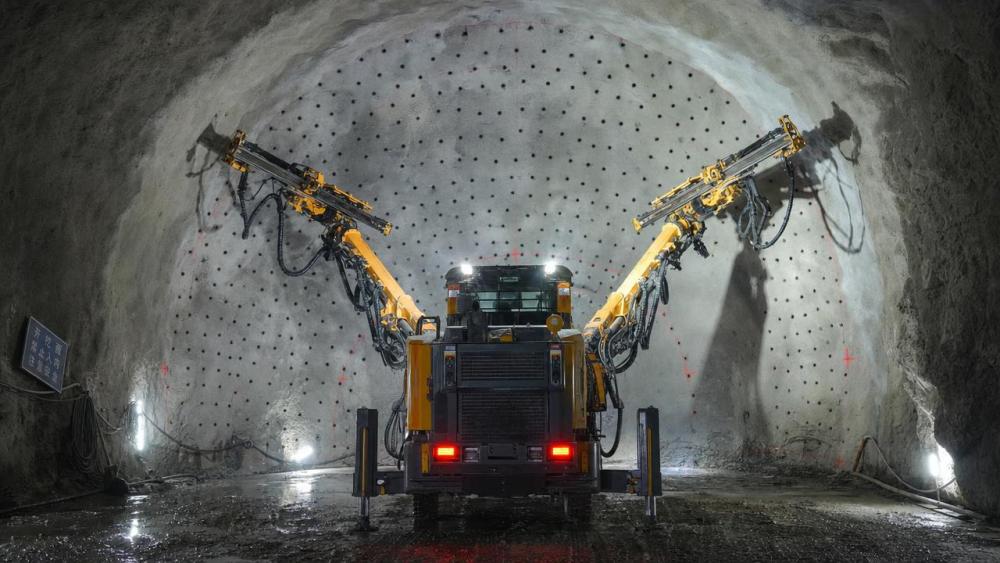
Face coverage refers to how completely and accurately the drilling pattern reaches the designed tunnel or heading profile. In a typical drill-and-blast cycle, even a 5% to 10% shortfall in effective coverage can trigger downstream issues such as uneven fragmentation, toe formation, localized overbreak, and additional secondary breaking. For teams working in hard rock headings, these deviations can add 15 to 45 minutes per cycle in clean-up and corrective work.
Manual drilling can still be viable in narrow headings, small crosscuts, or low-volume development zones. However, it often depends heavily on operator experience, body positioning, visibility, and face accessibility. As tunnel dimensions increase or geology becomes less uniform, maintaining full pattern execution manually becomes more difficult, especially when operators must reposition equipment repeatedly across a 20 m² to 60 m² face.
The Quality-Control View of Coverage
From a QC standpoint, face coverage is tied to three measurable outcomes: hole placement accuracy, hole depth consistency, and hole angle control. If the burden is inconsistent by even 50 mm to 100 mm across several rows, explosive energy distribution changes. That can produce underbroken pockets in one area and excessive damage in another, reducing profile quality and increasing support demand.
- Missed or shallow holes can leave toes and require re-drilling.
- Incorrect hole angle can distort the round and reduce advance per blast.
- Poor collaring on perimeter holes can increase overbreak and shotcrete consumption.
The Safety-Management View of Coverage
Safety managers typically evaluate drilling methods through exposure reduction, ergonomic load, visibility, and repeatability. Manual drilling puts workers closer to unsupported faces, water, dust, vibration, and rockfall risk. In many headings, the difference is not minor: a jumbo operator can work from a protected cabin or controlled platform, while manual crews may spend significantly longer inside the active face zone during drilling, rod handling, and repositioning.
When face conditions are wet, fractured, or poorly illuminated, the gap widens further. Manual methods often require more physical adjustments and more time under the brow. That directly increases the chance of inconsistent drilling execution and raises the exposure window that safety teams aim to compress within every blast cycle.
Drilling Jumbos vs Manual Drilling: Operational Comparison for Underground Faces
The table below compares Drilling Jumbos and manual drilling across the parameters that most directly influence face coverage, inspection quality, and worker safety. These are the areas quality and safety managers usually monitor during equipment selection, method review, or contractor performance audits.
The key conclusion is clear: Drilling Jumbos generally deliver better face coverage because they improve pattern completeness and reduce operator-to-operator variation. Manual drilling can still support certain niche conditions, but its coverage quality is harder to standardize over multiple shifts, especially where advance targets and safety controls are strict.
Where Drilling Jumbos Gain a Measurable Edge
A jumbo’s advantage is not limited to penetration rate. The larger gain often comes from setup control. Dual-boom or multi-boom machines can reach crown, springline, and perimeter zones with fewer repositioning steps, helping crews execute 30, 40, or even 60-plus holes with more uniform spacing. In contrast, manual drilling frequently loses accuracy at the upper perimeter and sidewall extremities, where access becomes awkward and collaring is less stable.
Another advantage is reduced fatigue drift. On long shifts, manual crews may maintain acceptable quality in the first half of the round, then lose consistency in the final rows. Jumbos reduce the physical burden of holding and aligning drilling equipment, which improves repeatability across the entire face rather than only the easiest-to-access zones.
Typical indicators that favor jumbo drilling
- Heading size above 20 m² with complex perimeter control requirements.
- Need to complete 25 to 50 rounds per month with consistent blast outcomes.
- Strict overbreak control where support material consumption must be limited.
- Operations seeking lower exposure hours at the face per shift.
How Drilling Method Affects Blast Quality, Rework, and Safety Performance
For underground quality and safety teams, the drilling method should be assessed across the full blast cycle, not in isolation. A face that is drilled 20% faster but requires scaling, toe blasting, and perimeter repair can still be less efficient overall. In many operations, the hidden cost is not the drill time itself, but the rework created by poor pattern execution.
Common rework pathways caused by weak face coverage
If the cut holes are off line, the round may pull unevenly. If easers or lifters are under-drilled, the floor may retain hard toes. If perimeter holes are misaligned, profile correction can require extra scaling and more shotcrete. Each of these outcomes adds time and risk. A 2-hour blast cycle can quickly extend by another 30 to 90 minutes once post-blast corrections begin.
- Toe removal increases equipment interaction at the face after blasting.
- Overbreak raises support demand and can increase material handling volume.
- Irregular fragmentation slows mucking and affects downstream haulage efficiency.
Safety implications beyond direct drilling exposure
The safety impact of weak face coverage extends beyond the drilling stage. Poorly broken rock can increase scaling time, force more personnel near unstable areas, and create more hang-up or loose-ground intervention. That means a drilling decision made at the start of the round can affect exposure across 3 to 5 later activities, including charging, blasting recovery, scaling, and ground support installation.
Drilling Jumbos support tighter process control because they align with planned patterns more reliably. This gives safety managers cleaner audit points: hole count, spacing, row order, machine positioning, and operator procedure can all be checked more consistently than in labor-intensive manual setups.
Selection Criteria for Quality and Safety Managers
Choosing between Drilling Jumbos and manual drilling should follow a structured review rather than a simple cost comparison. Procurement, site engineering, QC, and safety teams typically need to weigh at least 4 dimensions: heading geometry, production target, rock condition, and exposure control objectives. The table below provides a practical decision framework for those reviews.
This framework shows that the strongest case for manual drilling usually appears in constrained, intermittent, or low-output work zones. Where production consistency, safety compliance, and profile control are critical, Drilling Jumbos typically align better with both operational and governance requirements.
A 5-point review before final method selection
- Measure actual face dimensions and identify inaccessible zones.
- Review the last 10 to 20 rounds for overbreak, underbreak, and toe frequency.
- Compare worker exposure hours per cycle under each method.
- Check whether training, maintenance, and spare support can be sustained.
- Validate whether the chosen method supports blast design repeatability.
Implementation Tips: Turning Better Coverage into Better Site Results
Even the best equipment will not deliver strong face coverage without disciplined implementation. Sites that upgrade to Drilling Jumbos sometimes expect immediate gains, but the real improvement usually depends on pattern standardization, operator training, pre-start inspections, and post-round feedback. Most operations need a 2- to 6-week stabilization period before performance becomes reliable.
What quality managers should standardize
QC teams should define measurable acceptance checks for each round. These may include planned versus actual hole count, depth variance bands, perimeter collaring position, and visible missed-hole rate. A practical approach is to set 3 inspection layers: pre-drill setup, in-process spot check, and post-drill verification before charging.
- Use pattern sheets with hole IDs, spacing references, and target depths.
- Record deviations above agreed thresholds such as 50 mm spacing drift or depth shortfall.
- Link drilling inspection results to blast outcome review in the next cycle meeting.
What safety managers should monitor
Safety performance should be reviewed through exposure time, operator access, visibility, dust suppression, and face stability controls. For Drilling Jumbos, the focus often shifts toward machine guarding, boom movement awareness, maintenance isolation, and traffic interaction underground. For manual drilling, the emphasis remains on direct exposure, ergonomic stress, and longer time under the brow.
A useful practice is to compare the two methods over a 30-day period using the same headings or similar geology. Track 6 indicators: rounds completed, average drilling time, rework events, overbreak observations, reported exposure hours, and safety interventions. This gives management a practical basis for method selection without relying on assumptions alone.
Common mistakes to avoid
- Comparing methods only on purchase price or labor count.
- Ignoring rework cost caused by weak hole placement quality.
- Underestimating training needs for mechanized drilling teams.
- Failing to document coverage gaps until blast results deteriorate.
Which Method Delivers Better Face Coverage?
For most production tunnels and underground mine headings, Drilling Jumbos deliver better face coverage than manual drilling. The advantage comes from more consistent reach, better angle control, improved pattern repeatability, and lower worker exposure during drilling. These strengths matter most where every round must meet profile, safety, and cycle-time expectations under variable rock conditions.
Manual drilling still has a place in selective applications, particularly where headings are small, utilization is low, or site constraints make full mechanization impractical. But for quality control and safety management, it is generally harder to standardize and audit. When the goal is to reduce rework, improve blast execution, and tighten underground risk control, Drilling Jumbos are usually the stronger operational choice.
UTMD closely tracks the evolution of underground drilling systems, mechanized excavation workflows, and smart mining equipment strategies that help operators improve reliability and compliance in confined rock environments. If you are assessing drilling method upgrades, reviewing face quality issues, or building a safer drill-and-blast workflow, contact us to explore tailored insights, compare solutions, and learn more about practical underground equipment strategies.
Related News
Where Autonomous Mining Loaders Deliver the Most Value in Underground Operations
Autonomous Mining Loaders deliver greater underground value through safer blast-zone work, repeatable haul cycles, and improved ventilation efficiency. Discover the best deployment zones.
Underground Drilling for Mining: Selecting Methods for Rock Conditions and Mine Layout
Underground drilling for mining: learn how to match drilling methods to rock conditions, mine layout, accuracy needs, ground support, and cycle efficiency.
Underground Mine Electrification: How to Size Battery Fleets and Charging Capacity
Mining electrification for underground mines: learn how to size battery fleets, chargers, and power capacity to prevent queues, peak-load issues, and production downtime.
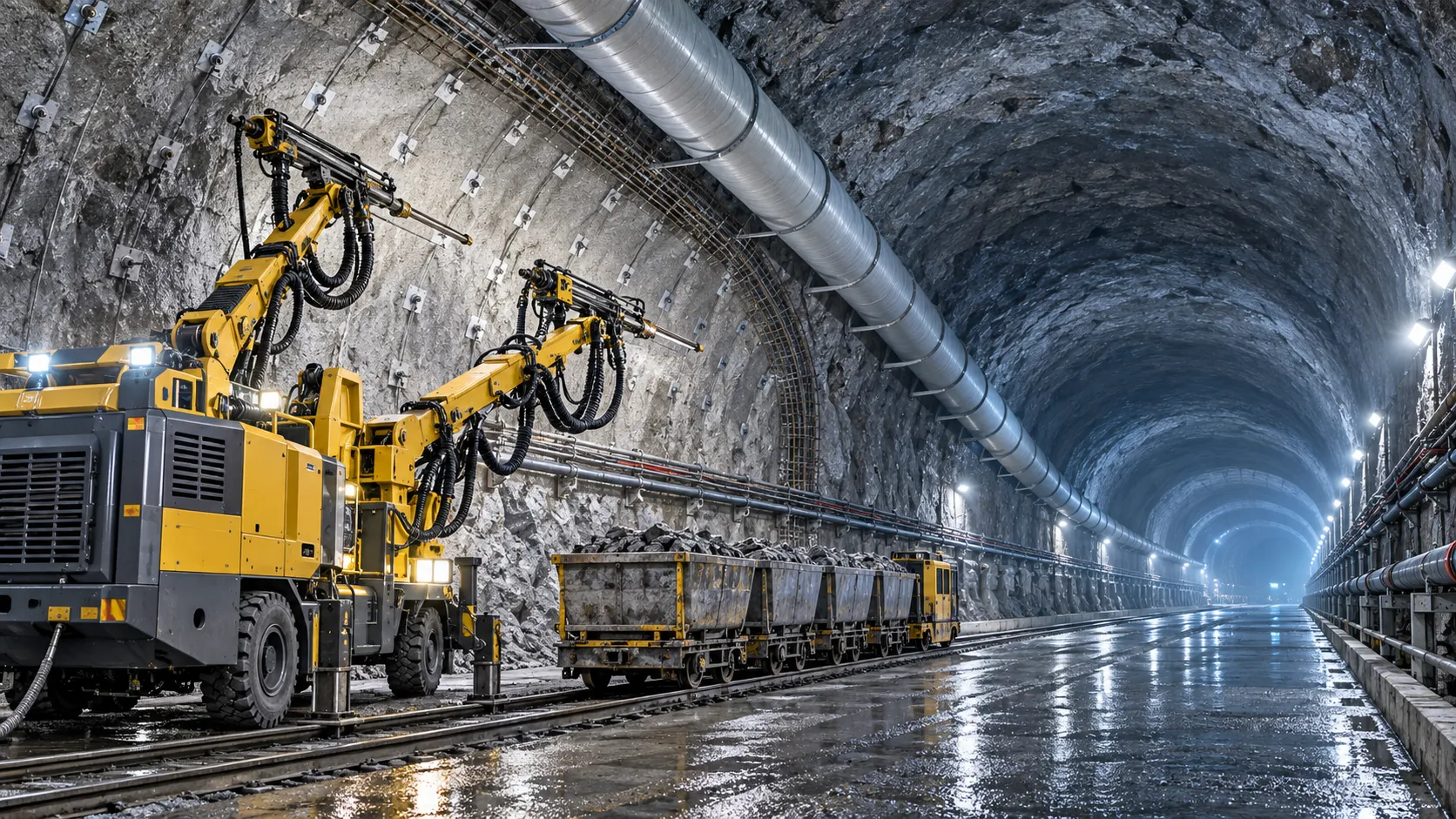
How to Evaluate European Drill-and-Blast Tunnelling Contractors for Complex Projects
Drill and blast tunnelling contractors Europe: learn how to assess geology expertise, blast control, equipment reliability, safety, and programme resilience for complex projects.
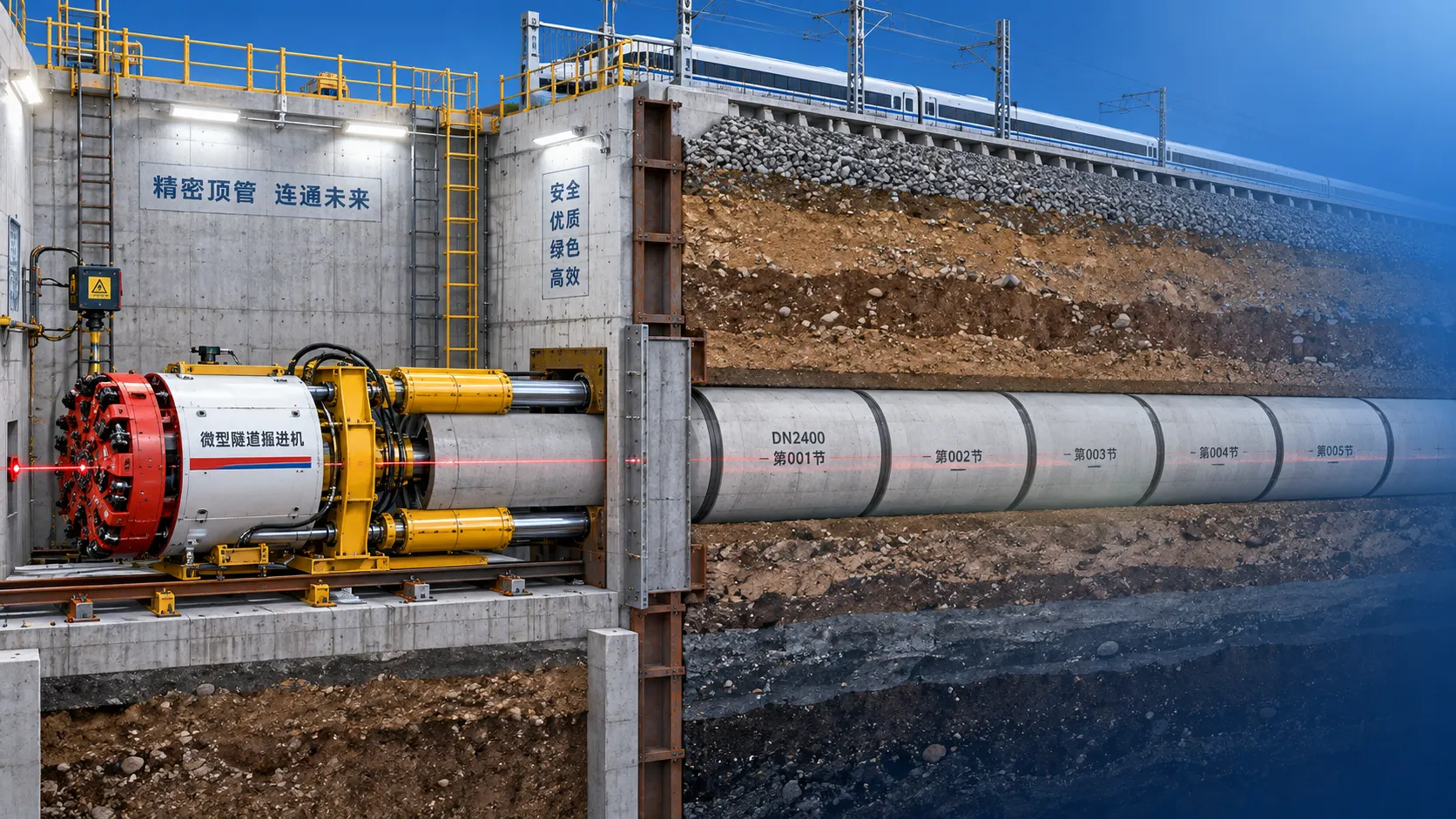
Which Trenchless Construction Technique Fits Your Utility Crossing Conditions?
Trenchless construction techniques compared for utility crossings: choose HDD, microtunnelling, pipe jacking, or auger boring based on ground, accuracy, access, and risk.
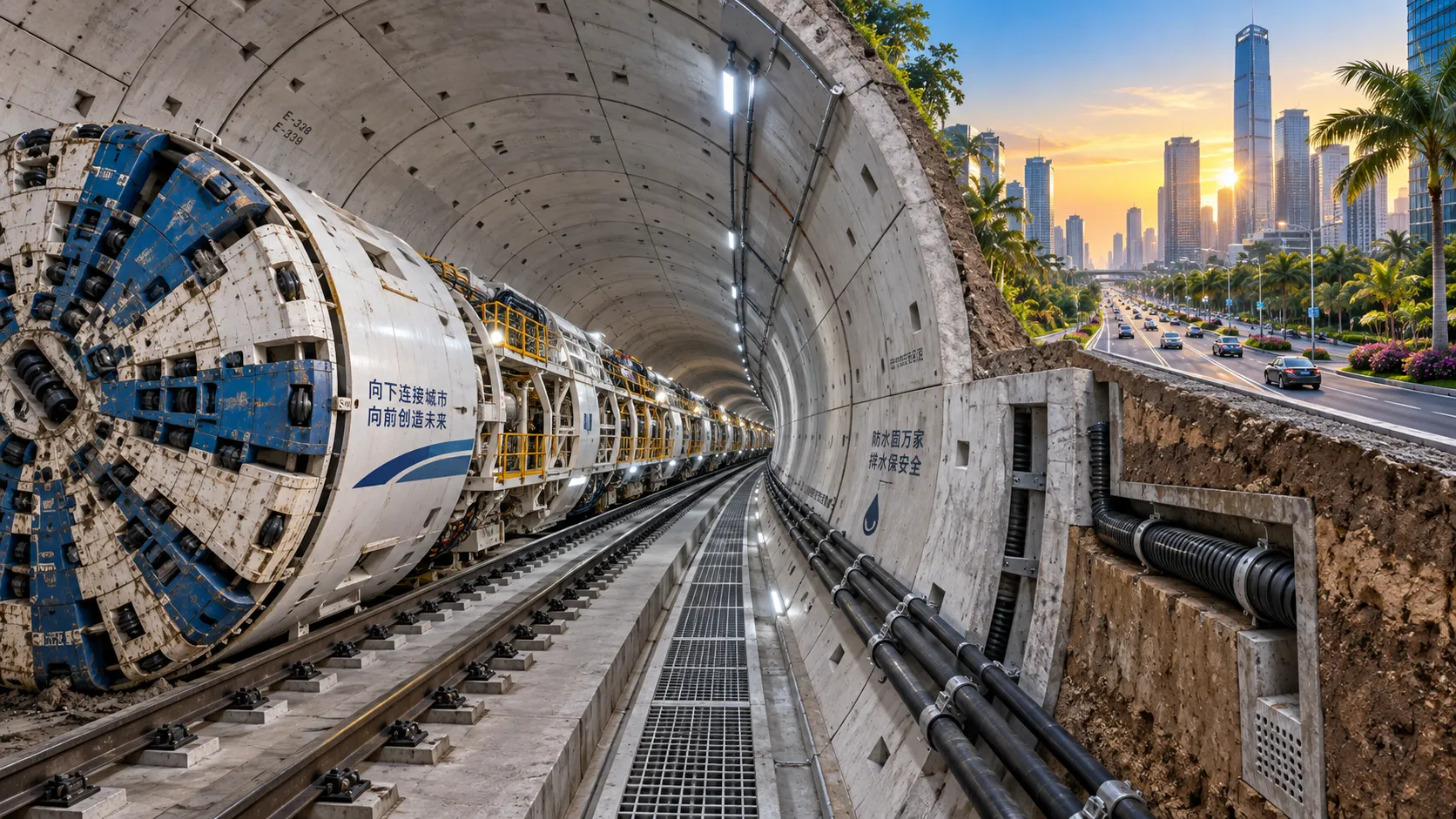
What Is Driving Metro Tunnelling Demand Across Southeast Asia’s Major Cities?
Metro tunnelling Southeast Asia is accelerating as major cities tackle congestion, flooding, and connectivity. Explore the market forces, technical risks, and opportunities shaping demand.
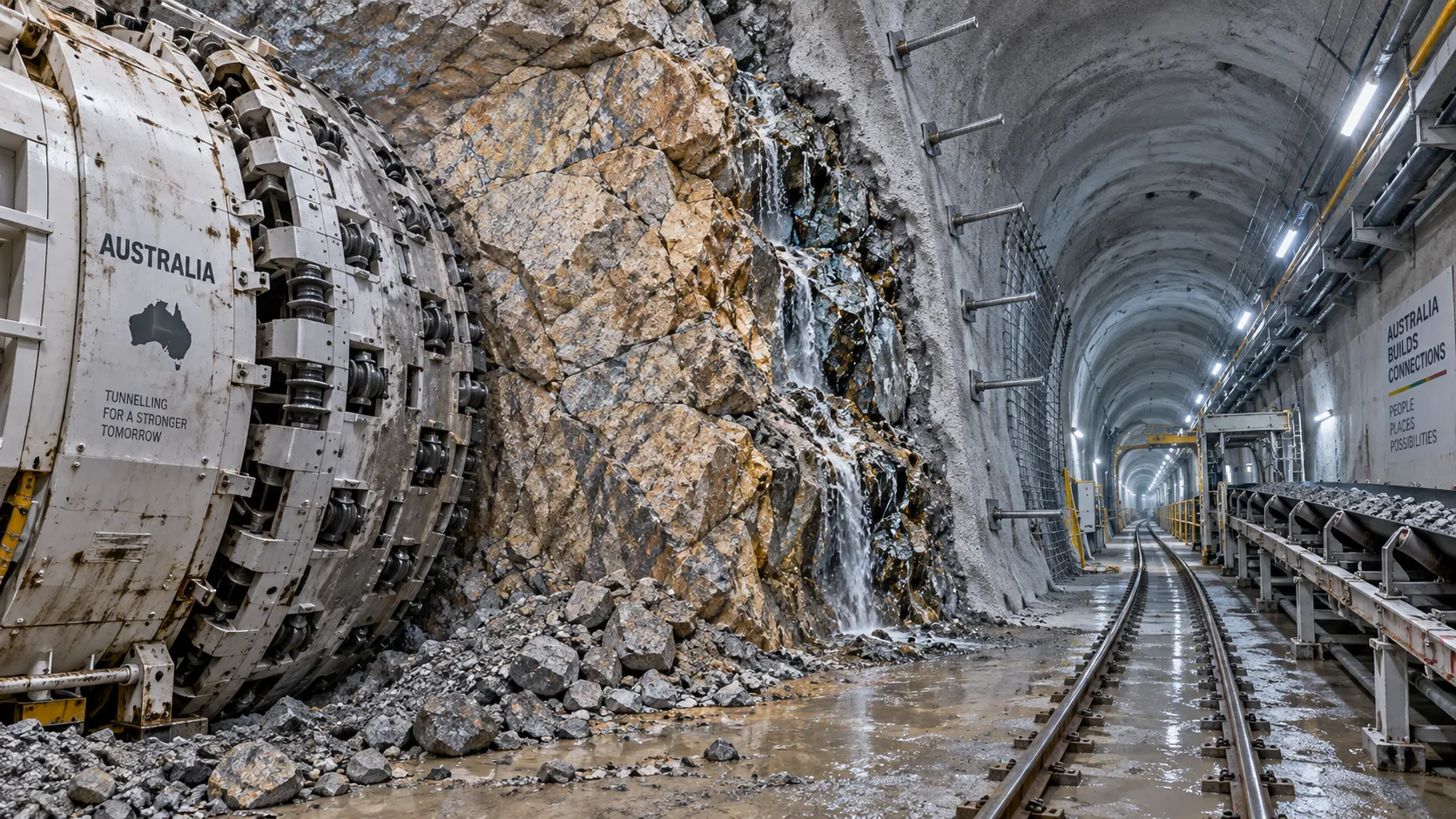
Hard Rock Tunnelling in Australia: Selecting Methods for Variable Ground Conditions
Hard rock tunnelling in Australia: compare TBM, drill-and-blast and hybrid methods to manage variable ground, reduce risk and protect project costs.
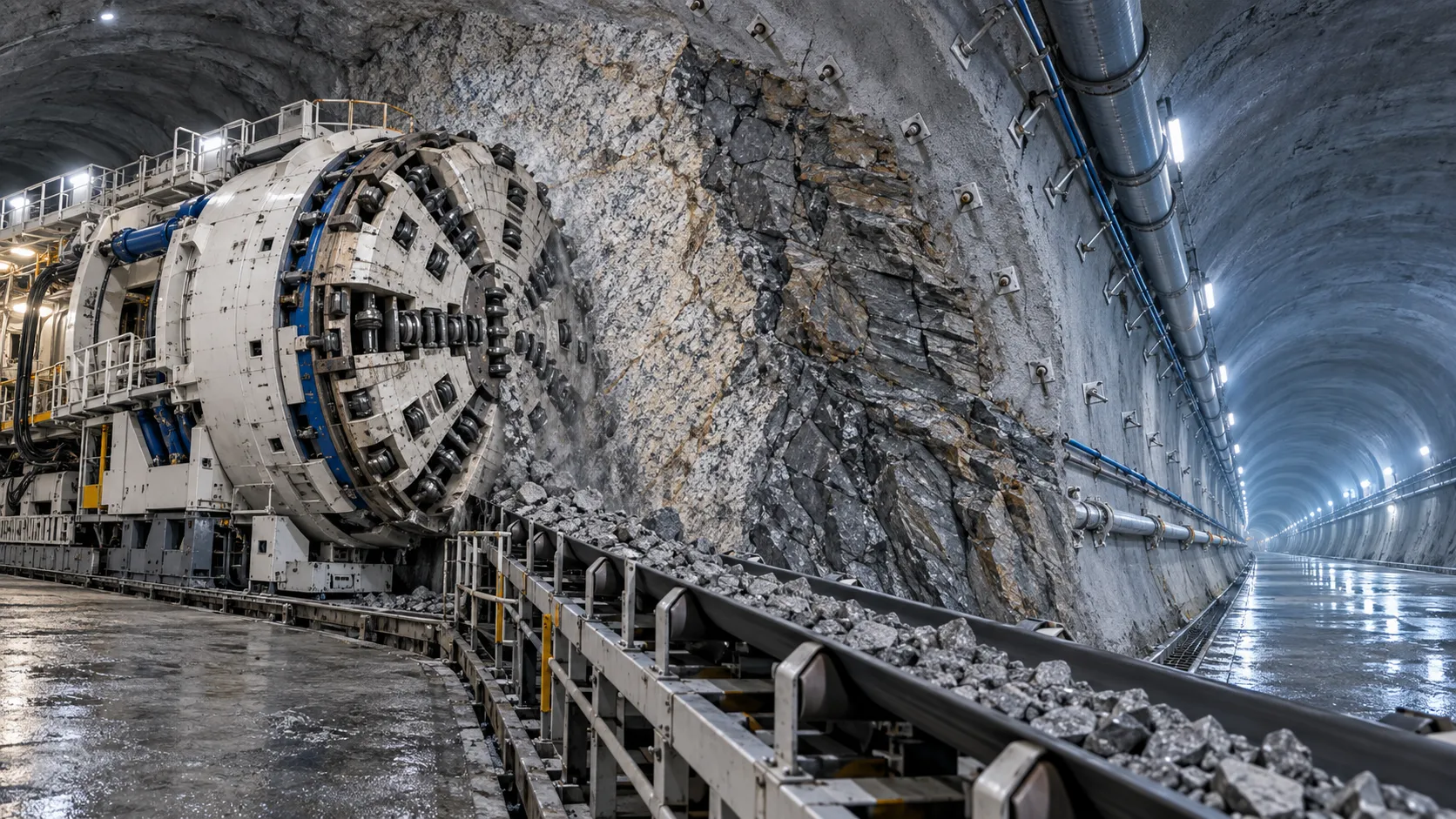
Hydropower Tunnel Excavation: Selecting Methods for Variable Rock Conditions
Hydropower tunnel excavation methods for variable rock conditions: compare TBM, drill-and-blast, and hybrid strategies to improve safety, progress, and project control.
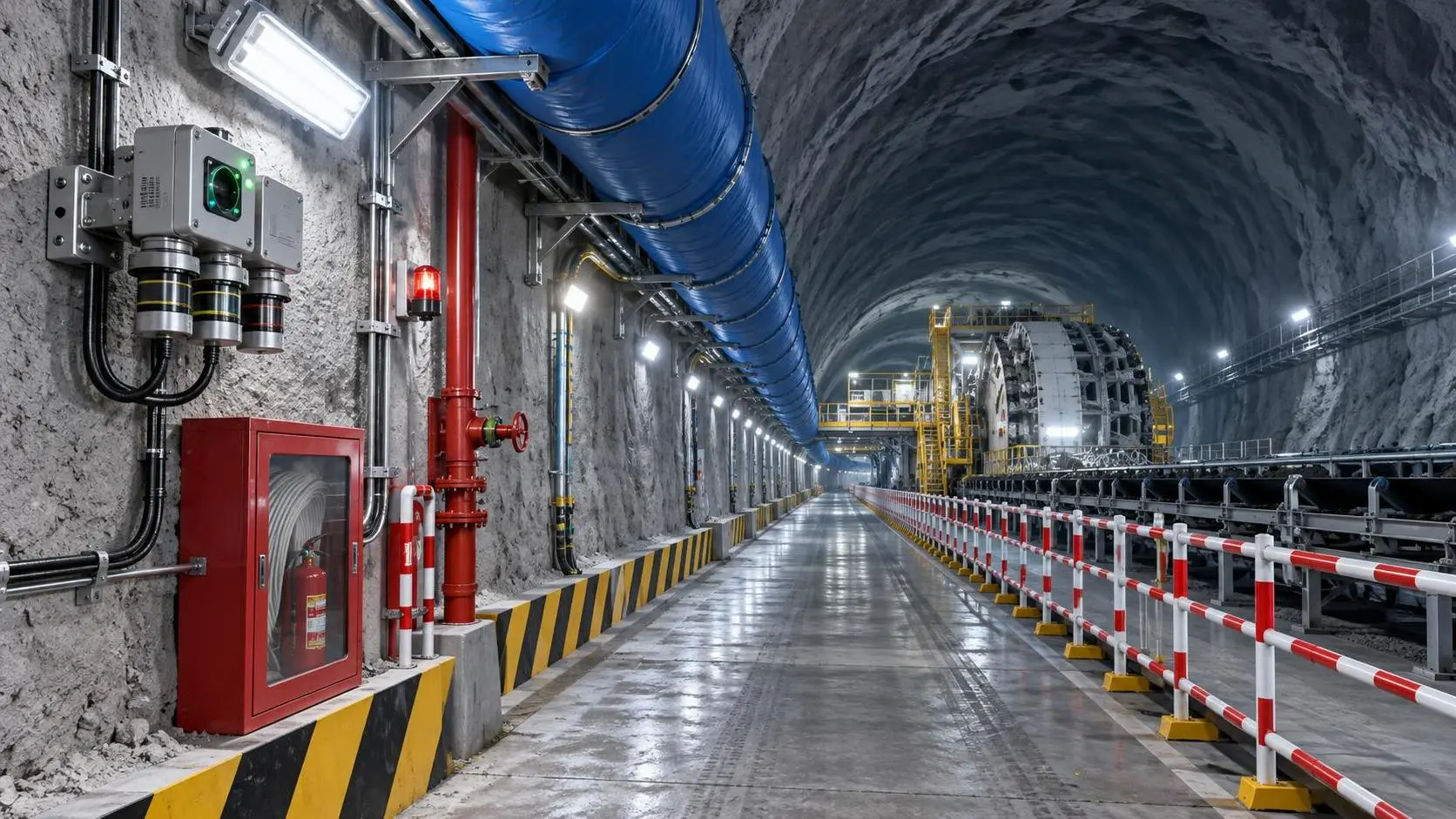
How to Select Underground Safety Equipment for Tunnelling by Hazard and Work Zone
Underground Safety Equipment for tunnelling: match protection to hazards, work zones, compliance, and emergency needs with this practical selection guide.
Related News
- 00
0000-00
Where Autonomous Mining Loaders Deliver the Most Value in Underground Operations - 00
0000-00
Underground Drilling for Mining: Selecting Methods for Rock Conditions and Mine Layout - 00
0000-00
Underground Mine Electrification: How to Size Battery Fleets and Charging Capacity - 00
0000-00
How to Evaluate European Drill-and-Blast Tunnelling Contractors for Complex Projects - 00
0000-00
Which Trenchless Construction Technique Fits Your Utility Crossing Conditions?
Weekly Insights
Stay ahead with our curated technology reports delivered every Monday.