
Friction Rock Bolts Explained: Where They Work Best and Common Installation Mistakes





Friction Rock Bolts Explained: Where They Work Best and Common Installation Mistakes
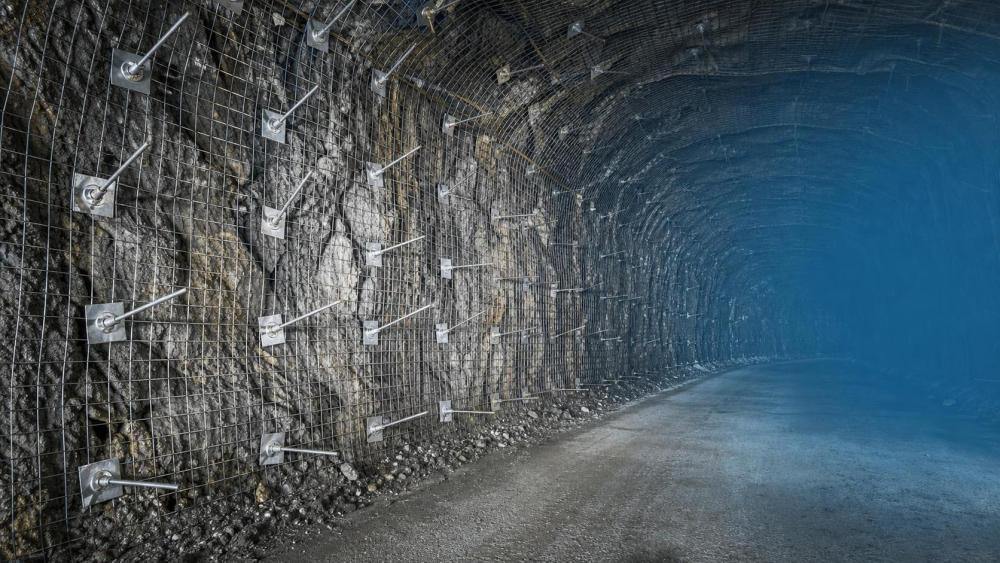
Friction rock bolts are a standard support choice in tunnelling and mining for one simple reason: they work fast.
When the heading is moving, crews need reinforcement that can be installed quickly and start working immediately.
That is where friction rock bolts stand out, especially in drill-and-blast tunnels, mine development drives, and temporary support zones.
Still, speed alone is not enough. Poor hole quality, wrong sizing, and rushed installation can reduce anchorage and create a false sense of security.
In practical terms, understanding where friction rock bolts perform best helps crews balance advance rate, safety, and long-term ground control.
This also matters as underground projects become deeper, more automated, and more tightly managed under safety and ESG requirements.
What friction rock bolts actually do underground
Friction rock bolts stabilize rock by creating radial pressure against the borehole wall.
Instead of relying on resin or grout, the bolt gains holding power from mechanical contact and friction along its length.
Common types include split set bolts and friction stabilizers.
Once driven into a slightly smaller hole, the steel tube compresses and presses outward against the rock.
That contact helps bind fractured layers, limit loosening, and control small rock movement near the excavation boundary.
In many operations, friction rock bolts are paired with mesh and shotcrete to create a complete surface support system.
The result is not always permanent support, but it is often the fastest way to secure freshly exposed ground.
Where friction rock bolts work best
Friction rock bolts are most effective when conditions suit their load transfer method.
They are often a strong fit in these situations:
- Moderately fractured rock where fast confinement is needed right after blasting or excavation.
- Short-cycle development headings where installation speed directly affects shift output.
- Temporary or intermediate support zones before permanent lining or grouted reinforcement is installed.
- Areas with limited time for hole cleaning and curing, where resin systems may slow the cycle.
- Operations using mechanized bolting rigs that can maintain repeatable hole diameter and insertion force.
From a production view, friction rock bolts make sense where support must keep pace with excavation.
That is one reason they remain common in metal mines, access tunnels, declines, and civil headings with variable ground.
More importantly, they give visible feedback during installation. If the bolt slides too easily, something is already wrong.
When friction rock bolts are a weaker choice
Friction rock bolts are not universal. Their limitations need to be understood before they are treated as a default support method.
They are less suitable in heavily squeezing ground, very weak broken material, or long-term corrosive environments without protection.
If the borehole enlarges, sloughs, or becomes polished, the friction mechanism loses reliability.
They can also be a poor fit where high dynamic loading is expected unless the full support design accounts for that risk.
In deeper mines, seismicity and stress redistribution may require energy-absorbing or fully grouted systems instead.
That is why friction rock bolts should be selected through ground conditions, design intent, and support life, not habit.
The most common installation mistakes
Most friction rock bolt failures start during installation, not after loading.
Several mistakes show up again and again across headings and crews.
1. Incorrect hole diameter
This is the biggest issue. Friction rock bolts need a hole size that matches the bolt design range.
If the hole is too large, the bolt will not generate enough radial pressure.
If the hole is too small, insertion becomes difficult and the bolt may deform improperly or stop short.
2. Poor drilling accuracy
Misaligned holes reduce contact quality and can damage plates, mesh seating, or bolt ends during driving.
In uneven backs and walls, bad angles also leave unsupported wedges between bolt patterns.
3. Installing into dirty or unstable holes
Excess cuttings, water, and loose fragments can interfere with full contact.
While friction rock bolts are more forgiving than some systems, they still need competent wall contact to hold properly.
4. Under-driving the bolt
A partially installed bolt does not deliver full anchorage length.
This often happens when crews rush, equipment loses impact energy, or hole depth is inconsistent.
5. Ignoring plate and mesh seating
Even when the friction rock bolt is installed correctly, poor plate contact leaves surface rock uncontrolled.
Support is a system, not a single steel element.
6. Using damaged or corroded bolts
Bent tubes, split ends, and corrosion reduce performance before the bolt even enters the hole.
Storage, handling, and stock rotation matter more than many sites admit.
How to install friction rock bolts correctly
A reliable installation routine does not need to be complicated, but it does need discipline.
- Confirm the support pattern, bolt length, and hole diameter before drilling starts.
- Use bits and drilling settings that hold the required diameter consistently.
- Check hole depth and angle, especially in shoulders, brows, and irregular backs.
- Remove loose cuttings where practical and inspect for collapse or overbreak.
- Drive the friction rock bolt to full depth with the correct tool and insertion energy.
- Seat plates and mesh firmly against the rock surface.
- Record exceptions, including oversized holes, damaged bolts, or weak ground that needs escalation.
In high-output headings, these checks are often the difference between fast support and repeated rehabilitation.
Quick field checks that improve bolt performance
Small checks in the field can prevent large support problems later.
These checks are simple, but they sharpen decisions at the face and reduce support variability across shifts.
Why this matters more in modern underground operations
Recent changes in underground engineering make friction rock bolts more important to understand, not less.
Deeper mines, tighter schedules, electrified fleets, and digital reporting all push support work toward greater consistency.
A missed bolt issue today is no longer just a local problem. It affects cycle time, inspection records, rework, and exposure to risk.
For operations tracked through smart mining systems, installation quality is becoming a measurable production variable.
That creates a clearer signal: friction rock bolts deliver value when installation standards are controlled at the face, not only on paper.
Final takeaway
Friction rock bolts work best where rapid support, predictable drilling, and immediate ground control are essential.
They are highly practical, but only when hole size, bolt condition, insertion depth, and surface support are managed carefully.
If holding power seems inconsistent, start with the basics: diameter, depth, contact, and ground change.
In most cases, the safest and fastest improvement comes from tightening installation discipline before changing the whole support design.
That approach keeps friction rock bolts doing what they are meant to do: providing fast, reliable reinforcement where underground operations need it most.
Related News
Tunnel Boring Machine Costs: Budgeting for Purchase, Operation, and Project Risk
Tunnel Boring Machines cost more than purchase price. Learn how to budget lifecycle costs, downtime, logistics, wear, and project risk for smarter TBM decisions.
Open-Pit Haulage Cost Analysis: How Mine Managers Can Cut Cost per Tonne
Open pit haulage cost analysis: discover practical ways to reduce cost per tonne through payload control, cycle-time optimization, road performance, and smarter fleet decisions.
Tunnel Construction Innovations That Reduce Risk and Schedule Delays on Urban Projects
Tunnel construction innovation for urban projects: discover smarter TBMs, real-time monitoring, trenchless methods, and automation that reduce risk and protect schedules.
TBM Disc Cutter Design: Key Geometry and Load Factors for Hard Rock Tunnelling
TBM disc cutter design explained: explore geometry, spacing, load distribution and maintenance factors for reliable, efficient hard-rock tunnelling performance.
Hydraulic Tipping Stability Risks in Multi-Axle Dump Special Trailers
Dump special trailers: discover key hydraulic tipping stability risks, multi-axle load dynamics, and practical safety controls for safer, smarter bulk hauling.
When rock reinforcement in tunnel construction must change after blasting
Rock reinforcement in tunnel construction must change when blasting reveals overbreak, weak joints, water inflow, or deformation. Discover key post-blast support decisions.
How tunnel hydraulic systems influence drill jumbo uptime underground
Tunnel hydraulic systems directly influence drill jumbo uptime. Explore how stable pressure, clean oil, cooling, and maintainable design reduce underground downtime.
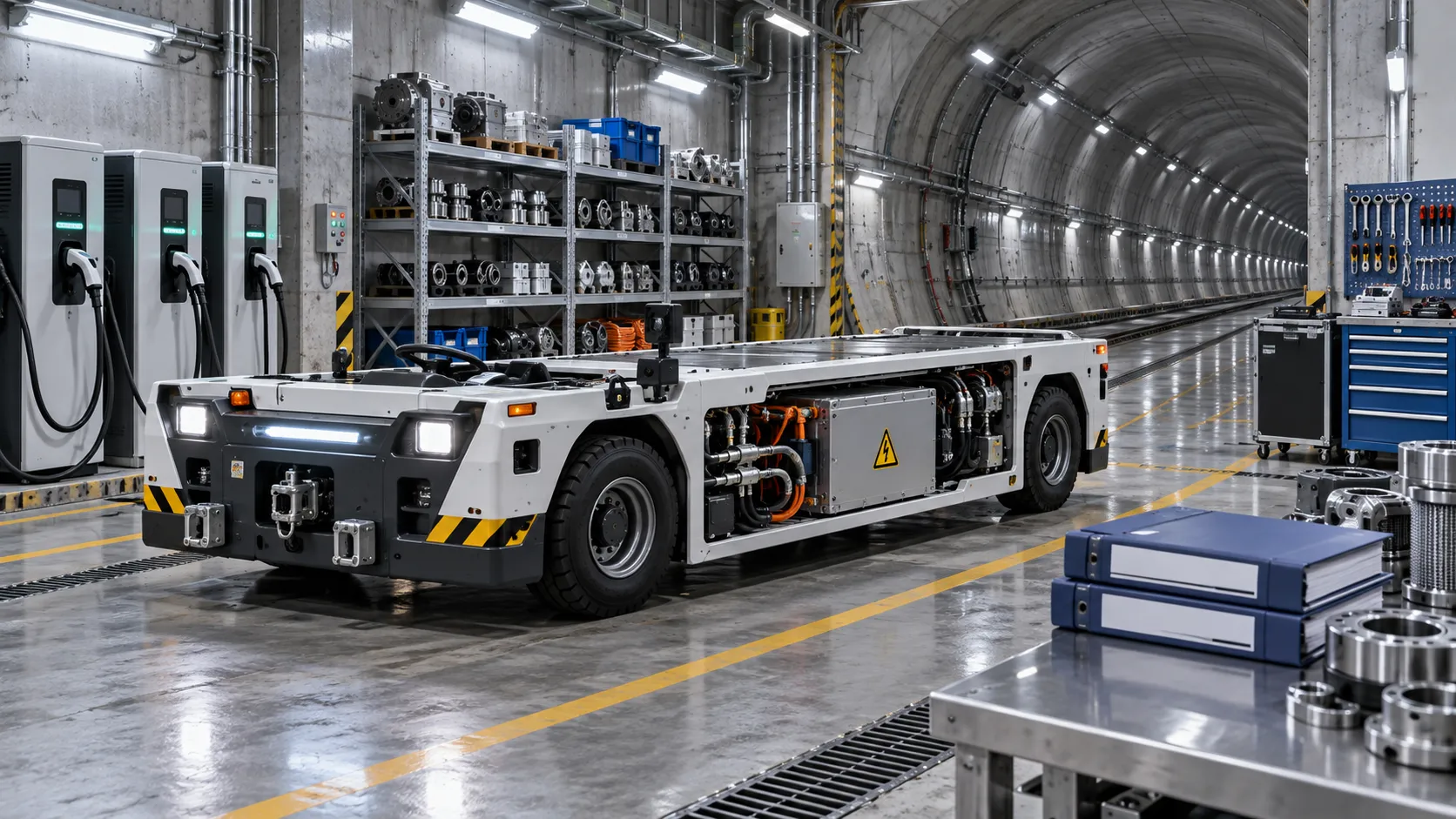
What to verify before appointing a tunneling vehicles manufacturer
Choosing a tunneling vehicles manufacturer? Verify application fit, reliability, compliance, parts support, training, and channel terms before appointing a partner.
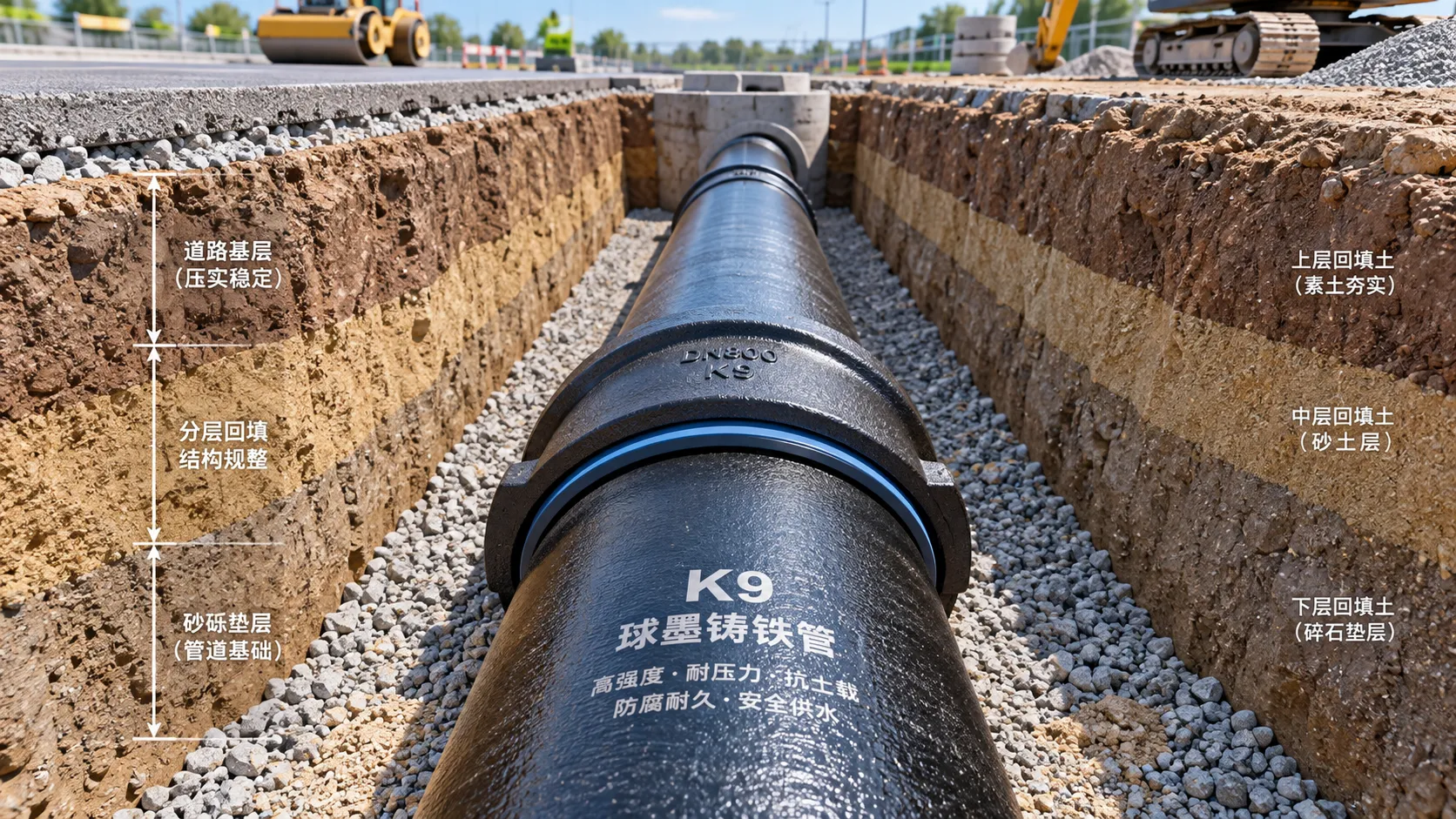
Selecting K9 Ductile Iron Pipe for Buried Water Pipeline Conditions
K9 ductile iron pipe selection for buried water pipelines: compare pressure duty, joints, soil loads, corrosion protection, and installation controls for reliable long-term performance.
Related News
- 00
0000-00
Tunnel Boring Machine Costs: Budgeting for Purchase, Operation, and Project Risk - 00
0000-00
Open-Pit Haulage Cost Analysis: How Mine Managers Can Cut Cost per Tonne - 00
0000-00
Tunnel Construction Innovations That Reduce Risk and Schedule Delays on Urban Projects - 00
0000-00
TBM Disc Cutter Design: Key Geometry and Load Factors for Hard Rock Tunnelling - 00
0000-00
Hydraulic Tipping Stability Risks in Multi-Axle Dump Special Trailers
Weekly Insights
Stay ahead with our curated technology reports delivered every Monday.