
Underground Rock Stability Explained: Key Factors, Failure Modes, and Monitoring





Underground rock stability sits behind nearly every underground project decision, even when it is not named directly in boardroom updates or daily shift reports.
In tunnels, shafts, drifts, and pipe jacking drives, rock mass behavior influences safety exposure, support demand, machine utilization, and schedule confidence.
That makes the topic especially relevant in a market shaped by deeper excavations, harder rock, electrified equipment, and tighter performance expectations.
For operations linked to TBMs, drilling jumbos, underground loaders, and smart transport systems, ground response is not only a geotechnical issue.
It is a project control issue.
What underground rock stability really means in practice
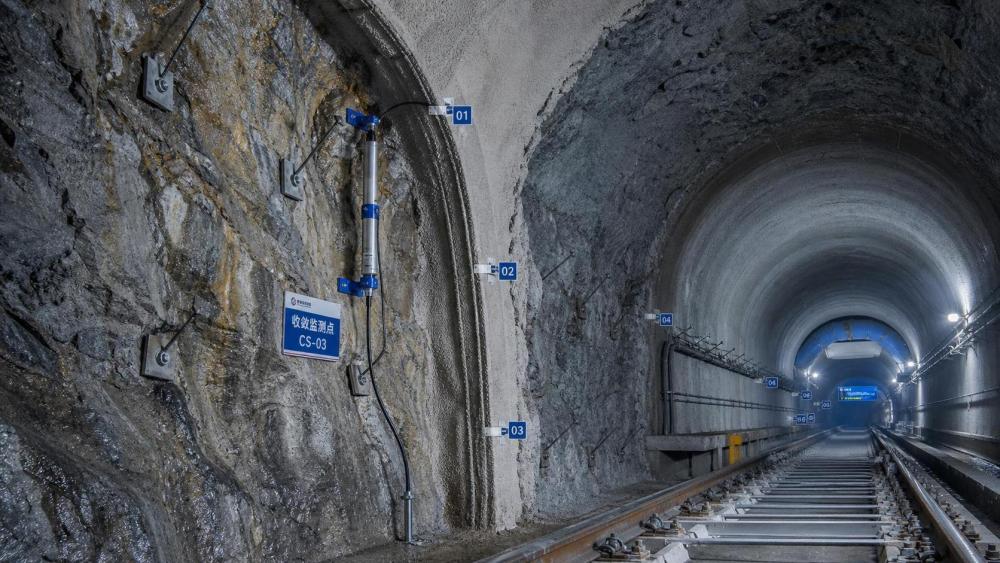
At a basic level, underground rock stability describes whether the rock surrounding an excavation can maintain an acceptable condition during and after excavation.
Acceptable does not mean perfect.
Some deformation is normal.
The key question is whether movement stays predictable, limited, and compatible with the excavation method, installed support, and operating equipment.
This is why underground rock stability should be understood as a rock-support-machine system, not as a property of rock alone.
A competent rock mass can still become unstable under poor sequencing, excessive overbreak, delayed support, or unfavorable water conditions.
Likewise, fractured ground can often be managed successfully through careful excavation control, timely reinforcement, and disciplined monitoring.
Why the topic matters more in current underground development
Several industry shifts are making underground rock stability more visible in project planning and asset strategy.
Projects are going deeper, urban corridors are more constrained, and mines are pushing further into complex stress environments.
At the same time, operators expect more automation, lower emissions, and higher equipment availability in confined underground spaces.
That combination raises the cost of poor ground decisions.
For a TBM drive, unstable ground can increase cutter wear, reduce advance rates, complicate segment installation, and trigger unplanned interventions.
In drill-and-blast headings, it can disrupt blast design assumptions, increase scaling and bolting demand, and expose crews and machinery to falling ground.
In smart mining systems, unstable rock also affects traffic routing, loader access, ventilation planning, and the reliability of remote or autonomous operations.
This broader operational context is exactly why intelligence-led platforms such as UTMD place ground behavior alongside machine dynamics and equipment transition trends.
The main factors that control rock mass behavior
Underground rock stability is rarely controlled by one variable.
It usually reflects the interaction of geology, stress, water, excavation geometry, and execution quality.
Rock mass structure
Joint spacing, bedding, foliation, faults, shear zones, and weathered bands often matter more than intact rock strength alone.
A strong rock with persistent discontinuities can fail faster than a weaker but more massive formation.
In-situ stress
As depth increases, stress redistribution becomes a dominant issue.
High horizontal stress can cause spalling, slabbing, or squeezing, depending on the ground type and excavation profile.
Groundwater
Water can reduce effective stress, weaken infill along joints, carry fines, and accelerate instability in fractured zones.
It also complicates access, support installation, and equipment reliability.
Excavation method and sequence
The same rock mass may behave differently under TBM excavation, drill-and-blast advance, or pipe jacking operations.
Advance length, round size, face exposure time, and support timing all influence underground rock stability.
Support compatibility
Rock bolts, mesh, shotcrete, ribs, steel sets, and segment liners must match the actual failure mechanism.
Support that is strong but poorly matched can underperform.
Failure modes that deserve close attention
Not all instability looks dramatic at first.
Some failures develop gradually and only become obvious after support loads rise or production starts to slow.
Structurally controlled falls
These include wedge failures, block falls, and roof unraveling where joints or bedding planes define removable rock volumes.
They are common in headings, intersections, and enlarged caverns.
Stress-induced failure
This mode appears in deep hard rock where excavation releases stress and the rock fails by slabbing or spalling.
In severe cases, rockburst risk must be considered.
Squeezing and time-dependent deformation
Weak, schistose, altered, or high-clay ground may deform continuously after excavation.
Clearances reduce, support loads increase, and machine movement becomes more difficult.
Water-related instability
Localized inflows can trigger ravelling, erosion, support deterioration, and sudden face deterioration in mixed or faulted ground.
- Watch for fresh cracking, increased scaling volume, or new wet zones after each advance.
- Track convergence trends, not only single readings.
- Separate cosmetic damage from support distress, because the response priorities differ.
- Treat intersections and transitions between lithologies as higher-risk locations.
How monitoring turns uncertainty into usable control
Monitoring is where underground rock stability becomes manageable rather than theoretical.
Good monitoring does not produce more data than a project can use.
It produces earlier decisions.
Typical tools include convergence measurements, extensometers, piezometers, stress cells, load cells, seismic systems, and systematic mapping.
Instrument choice depends on the expected failure mode.
For squeezing ground, deformation rate matters.
For stress-driven failure, microseismic activity and brittle damage indicators may be more valuable.
For water-sensitive zones, inflow volume and pore pressure changes become critical.
The strongest programs combine instruments with field observation, machine feedback, and disciplined reporting.
This aligns with the wider UTMD view of underground systems, where mechanical performance, sensing, and operating intelligence should inform one another.
Useful monitoring questions
- Is movement accelerating or stabilizing after support installation?
- Are readings consistent with the predicted ground class?
- Do machine parameters suggest deteriorating face conditions?
- Is the response threshold tied to a clear action, not only an alert?
Where this changes project outcomes
The business value of underground rock stability becomes clear when ground assumptions are linked to actual delivery metrics.
In tunnelling, stable ground improves excavation continuity, lowers re-support demand, and protects segment or lining quality.
In mining, it supports safer access, cleaner production flow, and more reliable use of battery-electric loaders, jumbos, and haulage systems.
It also affects maintenance planning.
Repeated instability increases equipment damage, delays inspection windows, and reduces the value of automation investments.
From a commercial perspective, the cost of underestimating ground risk usually appears in delay claims, support escalation, lower utilization, and unplanned redesign.
That is why underground rock stability deserves continuous review from feasibility through operation, not only during initial ground investigation.
A practical way to assess the next step
A useful starting point is to compare three things side by side: predicted ground behavior, actual excavation response, and support performance.
If those three do not align, the issue may sit in the model, the method, or the execution discipline.
Review whether the monitoring plan matches the leading failure risk, whether trigger levels are actionable, and whether machine data is being used as an early warning source.
For deeper review, it also helps to follow intelligence covering TBM wear, trenchless methods, underground automation, and mine electrification, because ground stability increasingly affects all of them.
In other words, better underground rock stability decisions start with a clearer connection between geotechnical evidence, excavation choices, and operating strategy.
Related News
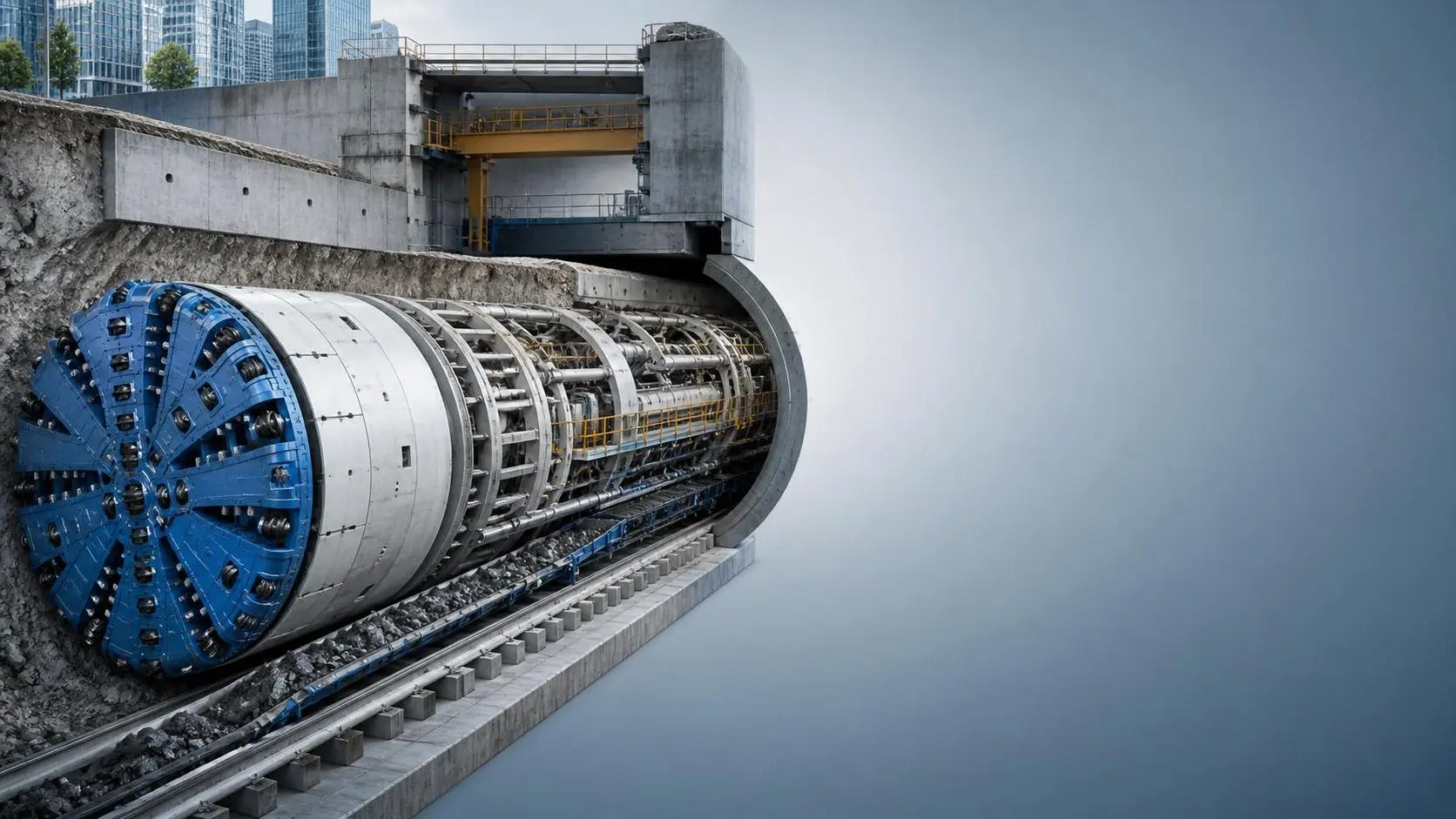
What Drives TBM Excavation Cost in Urban Tunneling Projects?
tbm excavation cost in urban tunneling depends on geology, shafts, segment lining, logistics, and risk. Discover the key cost drivers and compare bids with greater confidence.
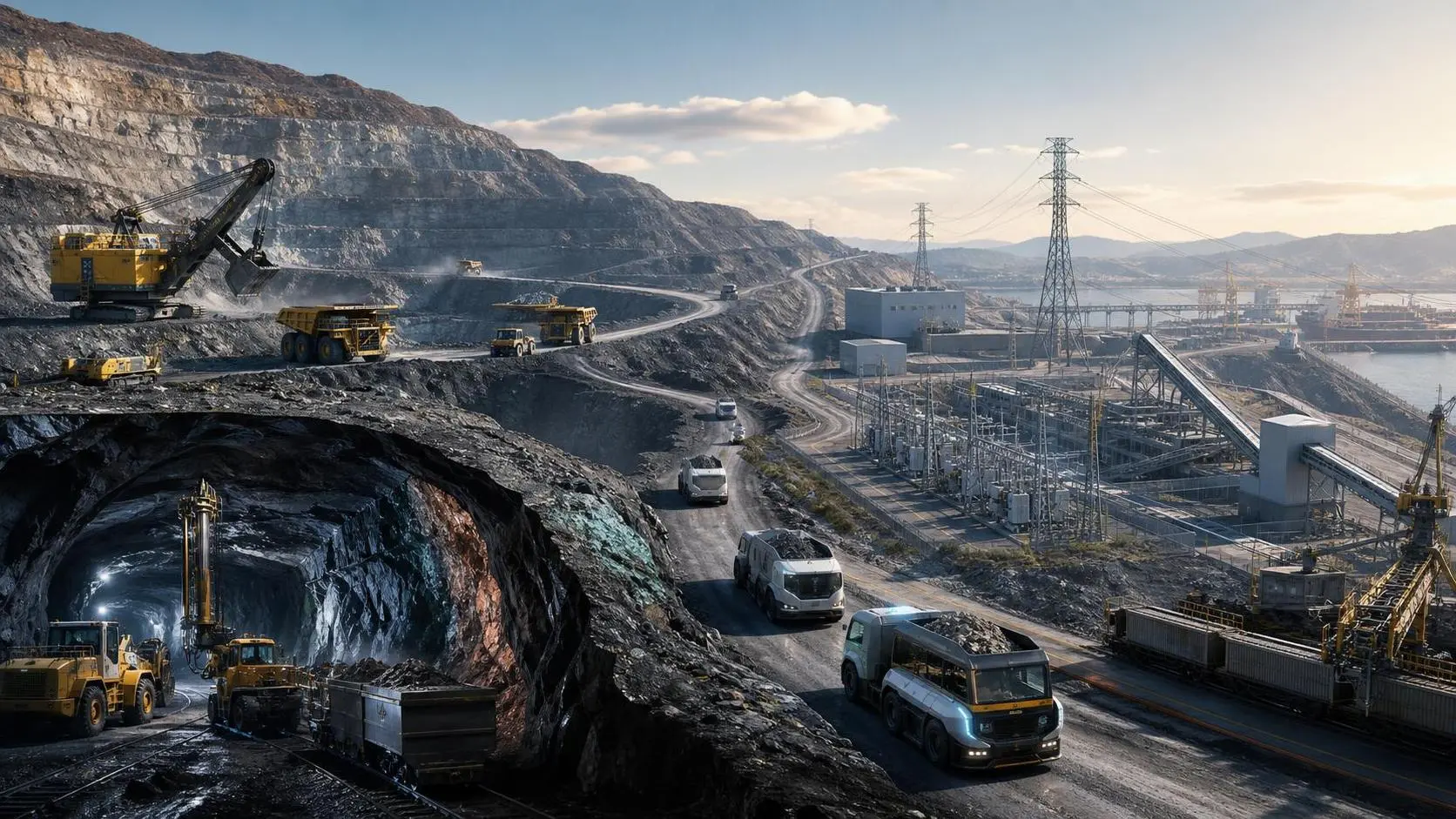
What Does Energy Metals Mining in Australia Mean for Supply, Cost, and Project Risk?
Energy metals mining Australia is reshaping supply, cost, and project risk. Discover what it means for buyers, investors, and operators.
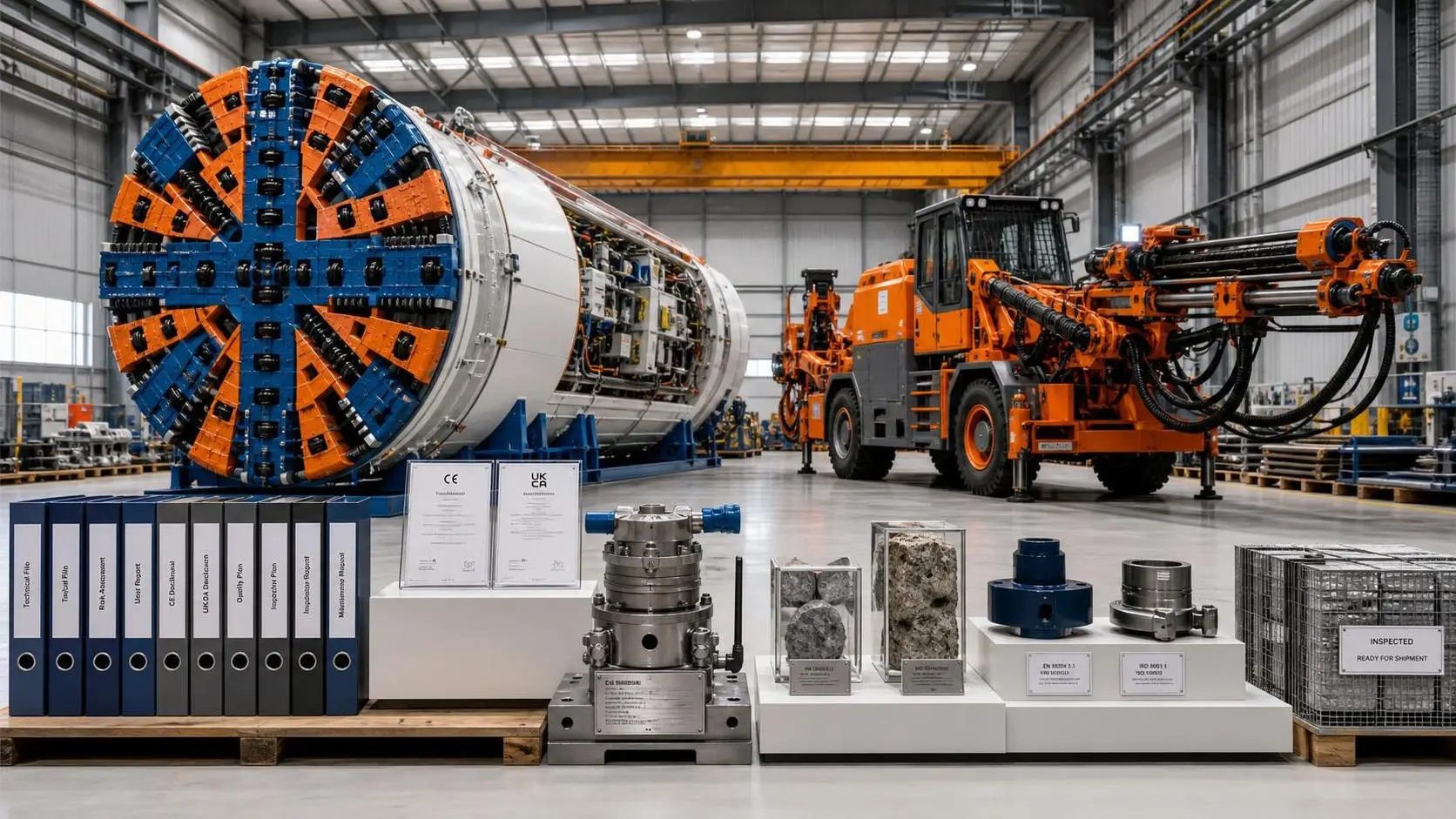
EU Eases Dual CE and UKCA Path for Chinese Tunnel Boring Equipment
EU eases CE and UKCA certification for Chinese tunnel boring equipment, cutting compliance time and helping importers move faster.
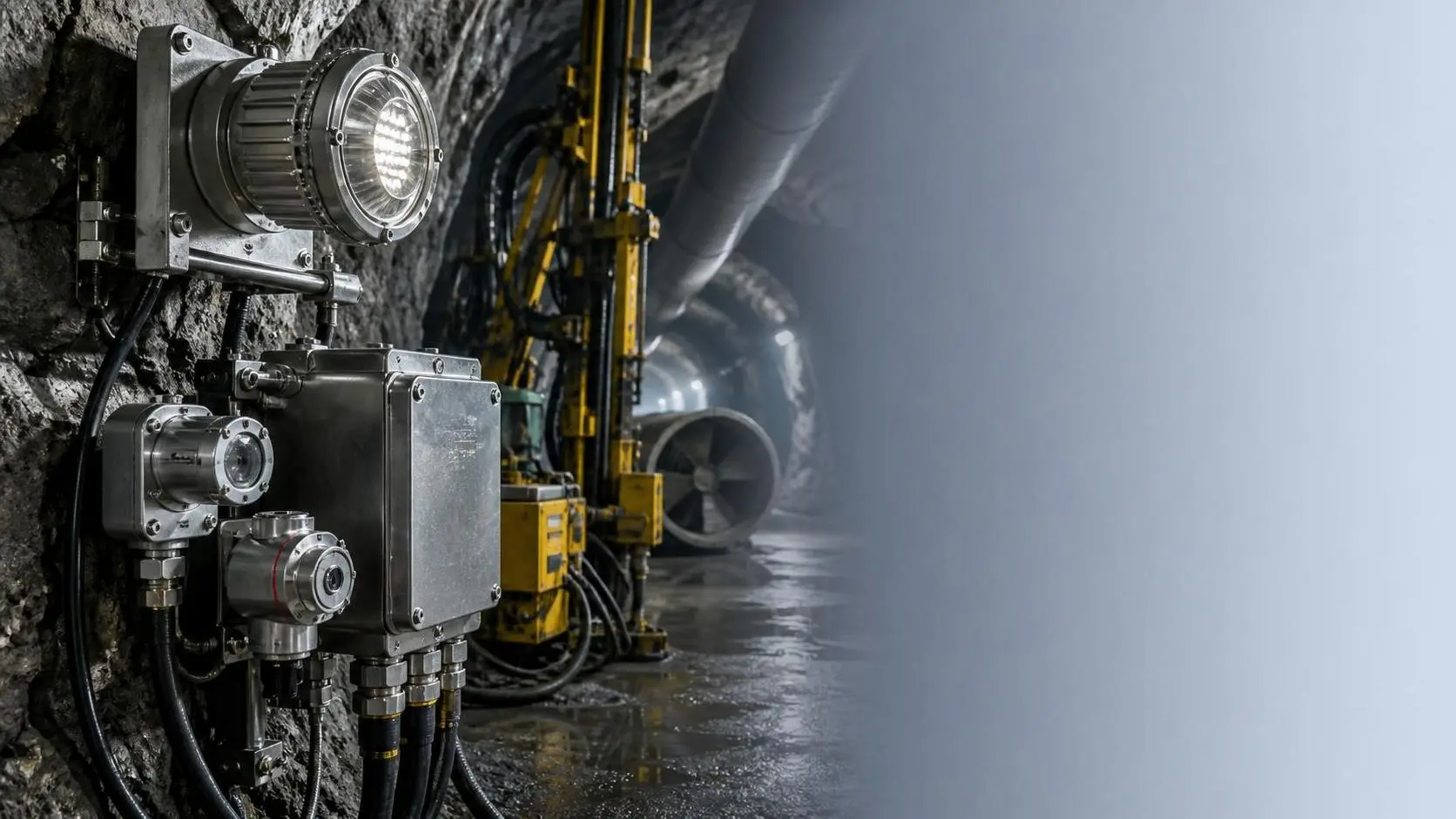
Flameproof Underground Safety Equipment: What Mine Teams Should Check Before Buying
Underground Safety Equipment flameproof buying guide: learn how mine teams should verify certification, durability, serviceability, and supplier support before purchase.
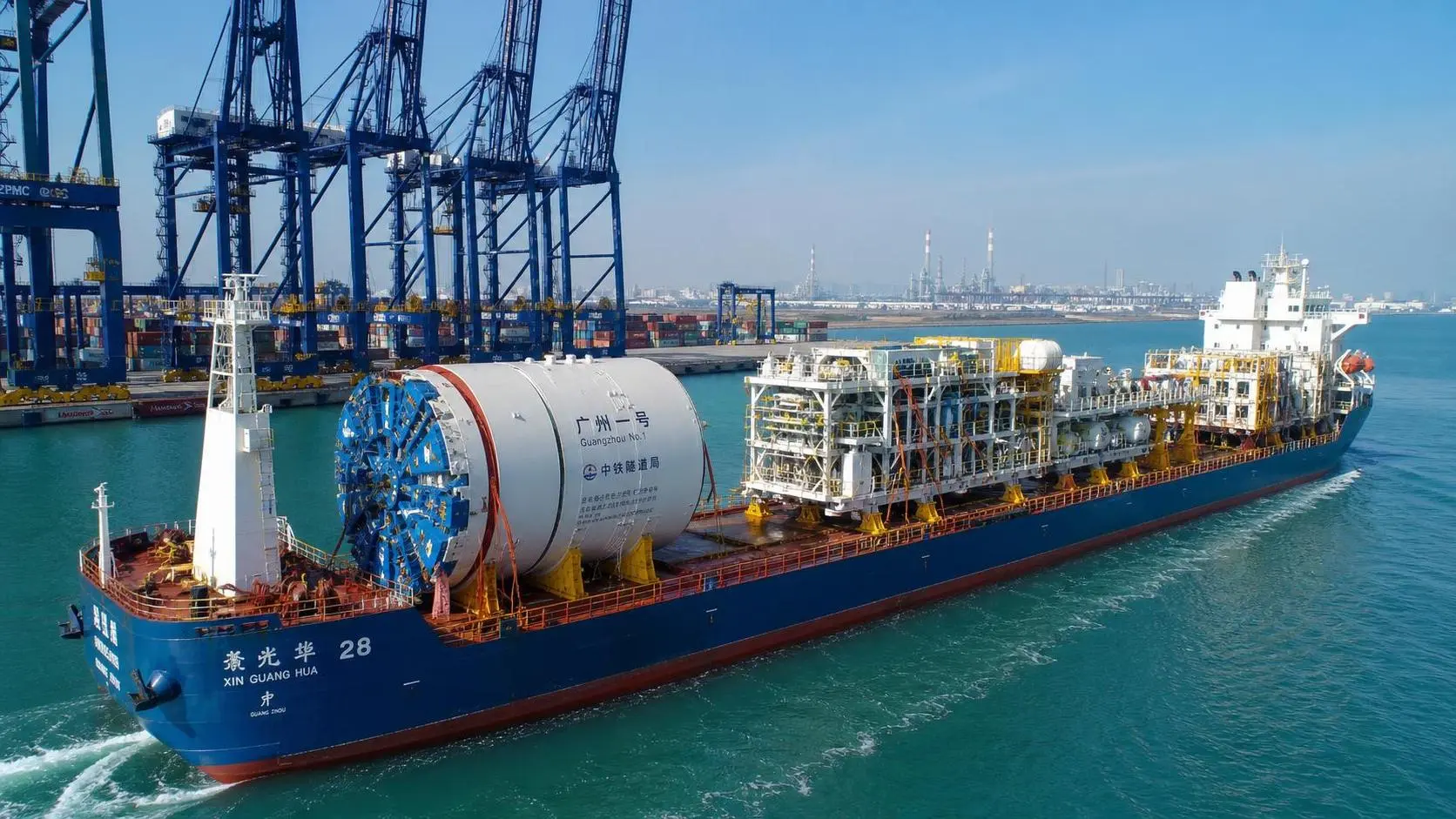
China-UAE Direct Sea Route Cuts TBM and Large Tunneling Equipment Lead Times
China-UAE direct sea route shortens TBM and large tunneling equipment lead times by 12–15 days, improving delivery predictability for major infrastructure projects. Read the full impact.
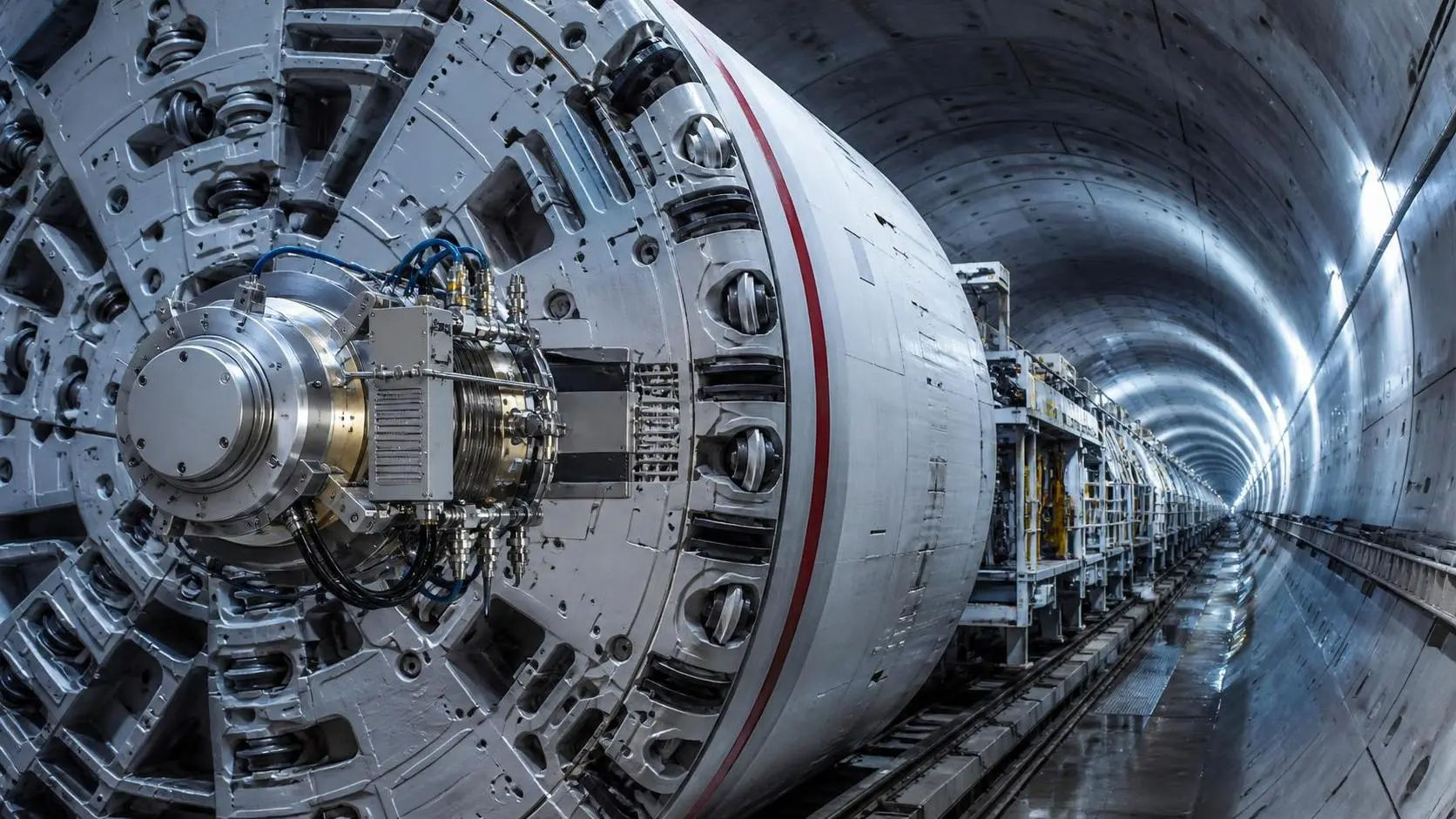
What Is a TBM Guidance System Gyroscope, and Why Does It Matter Underground?
TBM Guidance Systems gyroscope improves underground accuracy, reduces drift, and helps tunnel boring machines stay on line in harsh conditions.

China to Roll Out Nationwide Local and Foreign Currency Cash Pools for Multinationals on Sept. 14
China will roll out nationwide local and foreign currency cash pools for multinationals on Sept. 14, streamlining cross-border treasury management and boosting liquidity efficiency.
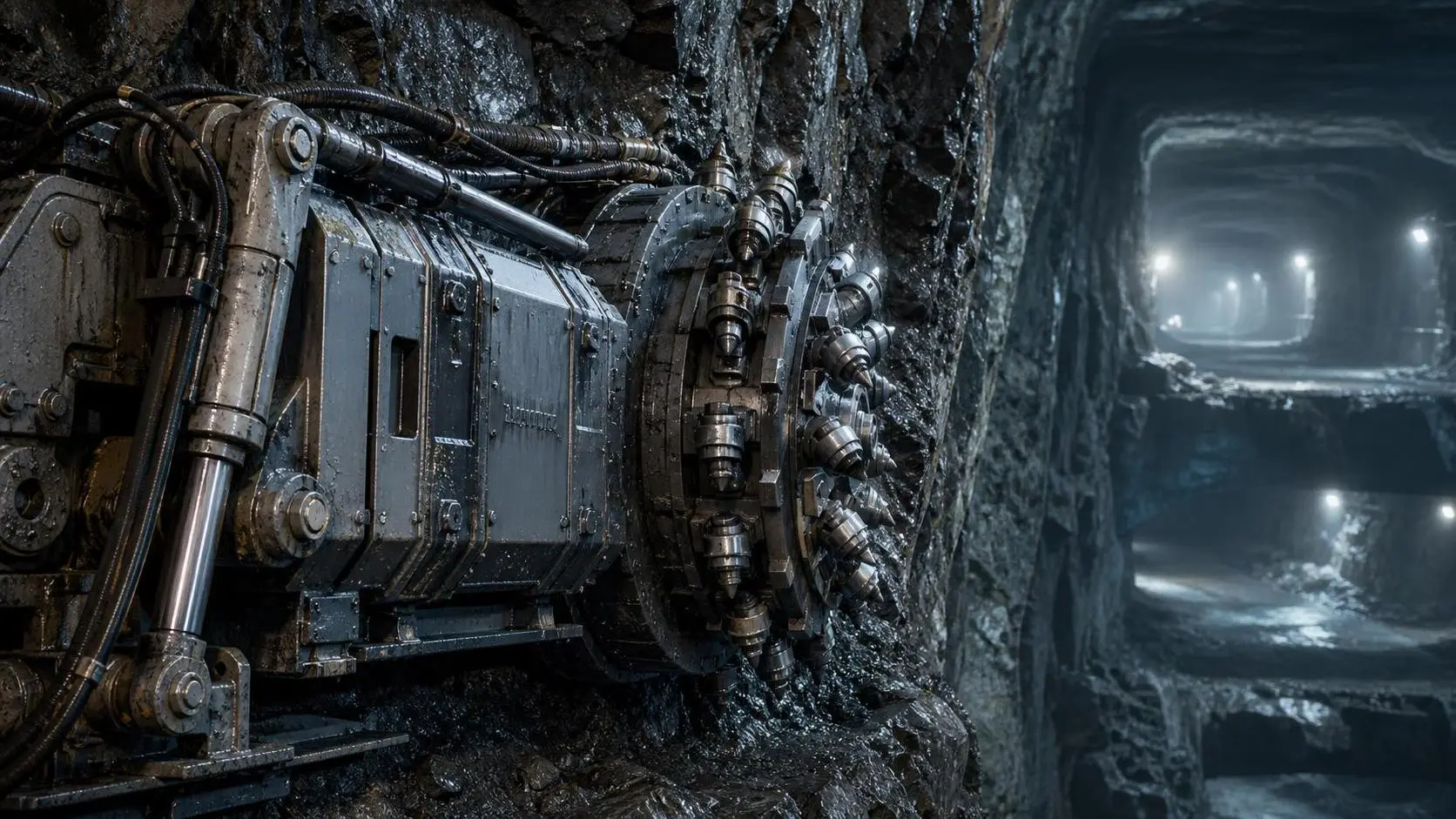
How to Choose a Reliable Underground Mining Equipment Supplier for Harsh Site Conditions
Find a reliable underground mining equipment supplier for harsh site conditions with rugged, maintainable solutions that boost uptime, reduce risk, and support long-term production.
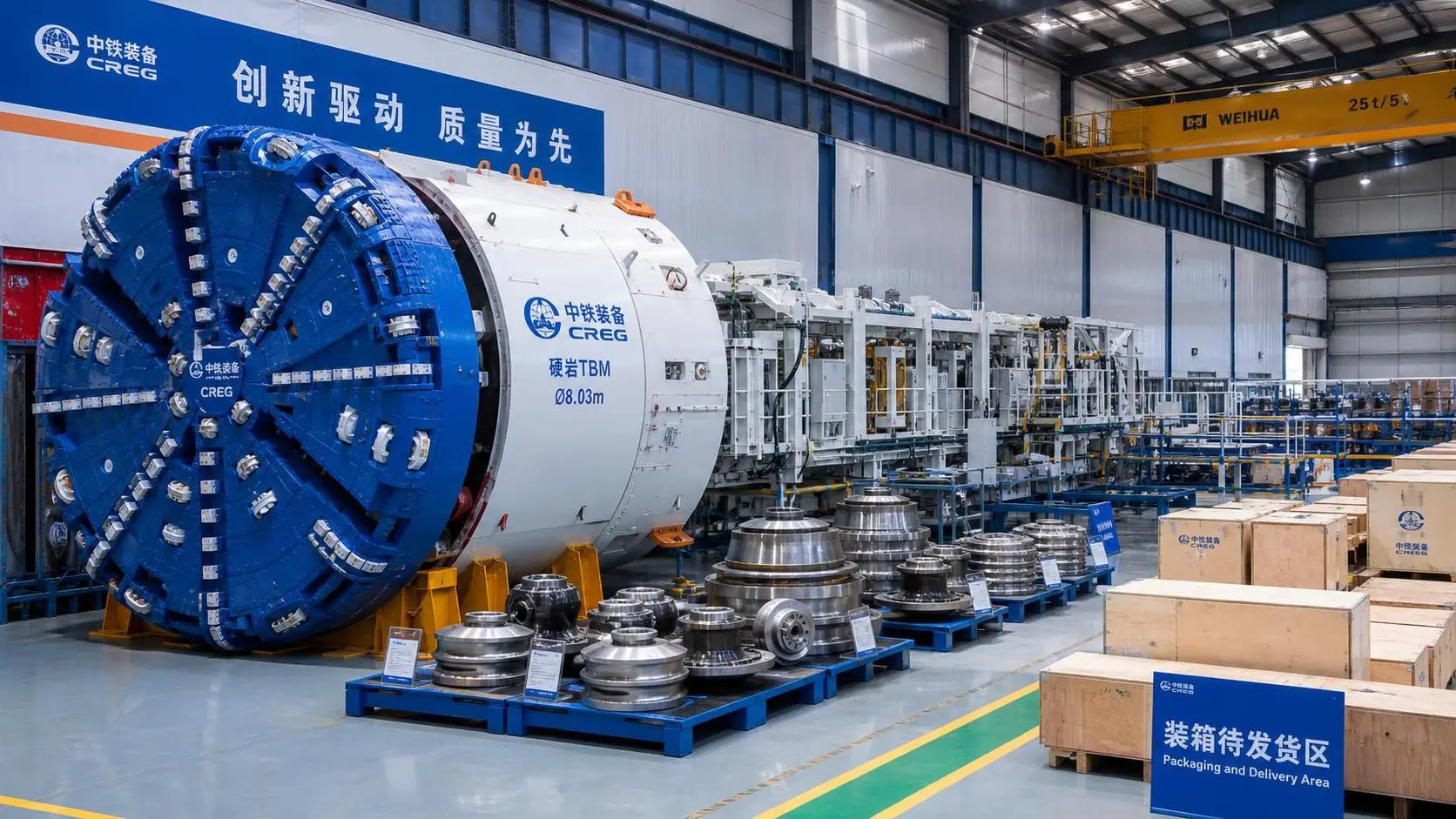
China Customs Tightens TBM Export Checks from Aug. 16
China Customs tightens TBM export checks from Aug. 16, 2026. Learn how new mandatory inspections may affect tunnelling equipment shipments, compliance, and delivery plans.
Related News
- 00
0000-00
What Drives TBM Excavation Cost in Urban Tunneling Projects? - 00
0000-00
What Does Energy Metals Mining in Australia Mean for Supply, Cost, and Project Risk? - 00
0000-00
EU Eases Dual CE and UKCA Path for Chinese Tunnel Boring Equipment - 00
0000-00
Flameproof Underground Safety Equipment: What Mine Teams Should Check Before Buying - 00
0000-00
China-UAE Direct Sea Route Cuts TBM and Large Tunneling Equipment Lead Times
Weekly Insights
Stay ahead with our curated technology reports delivered every Monday.