What Is Rock Reinforcement Monitoring and Which Tunnel Risks Can It Detect Early?





In underground construction and mining, ground conditions rarely fail without warning. The problem is that early warning signs are often subtle, scattered, and easy to miss during routine inspection. That is why rock reinforcement monitoring has moved from a specialist tool to a practical control layer for tunnels, shafts, caverns, and production drifts.
At its core, rock reinforcement monitoring tracks how reinforced ground behaves after support is installed. It follows bolt load, rock movement, convergence, stress redistribution, and deformation trends. When those signals change faster than expected, teams can detect loosening zones, support overstress, excessive displacement, or local instability before a visible failure develops.
For a sector shaped by TBMs, pipe jacking systems, drilling jumbos, and smart underground haulage, the topic matters because excavation is becoming more continuous, data-driven, and asset-intensive. In that context, UTMD’s focus on rock dynamics, equipment reliability, and digital underground operations makes rock reinforcement monitoring more than a geotechnical topic. It becomes part of operational decision-making.
What rock reinforcement monitoring actually covers
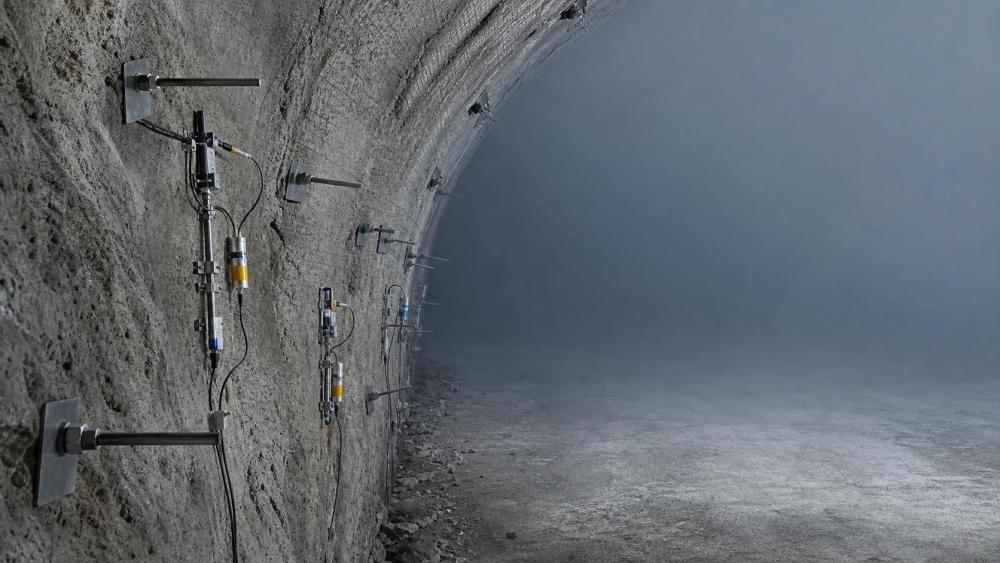
The phrase sounds narrow, but the scope is wider than checking whether a rock bolt is still in place. Rock reinforcement monitoring looks at the interaction between rock mass, installed support, excavation sequence, and time.
In practical terms, it usually includes instrumented bolts, load cells, extensometers, convergence stations, displacement sensors, stress cells, and sometimes wireless data nodes. The goal is not to collect readings for their own sake. The goal is to understand whether the reinforced ground is stabilizing as designed.
That distinction matters. A tunnel can look stable on the surface while hidden deformation continues behind the supported zone. Rock reinforcement monitoring helps reveal that concealed behavior.
Why the industry is paying closer attention
Modern underground projects are pushing deeper, longer, and faster. Stress levels rise with depth. Geological uncertainty remains high. Schedules leave less room for conservative over-support everywhere.
At the same time, projects now rely on more automation. TBM drives, digital mine development, remote equipment, and electrified fleets all benefit from predictable ground conditions. Unplanned instability interrupts production, damages support systems, and creates knock-on effects across ventilation, logistics, and maintenance planning.
Rock reinforcement monitoring supports a shift from reactive response to measured anticipation. Instead of waiting for cracking, spalling, or visible convergence, teams can work from trend data and threshold logic.
This is also why intelligence platforms such as UTMD increasingly connect mechanical excavation, sensing, automation, and underground reliability in one discussion. Rock behavior is not isolated from machine performance. It shapes advance rates, cutter wear, support cycles, access safety, and asset utilization.
Which tunnel risks can be detected early
The value of rock reinforcement monitoring becomes clearer when linked to specific failure pathways. It does not eliminate uncertainty, but it can shorten the time between hidden change and operational response.
1. Loosening zones behind the supported surface
A reinforced wall may appear intact while fractures propagate deeper into the rock. Extensometer readings and changing bolt loads can show that the supported shell is losing confinement.
This is especially relevant in jointed rock, faulted ground, and blast-damaged perimeters.
2. Support overload or uneven load sharing
When a few bolts start carrying sharply rising loads, the support pattern may no longer be working as intended. The issue may come from installation quality, local geology, or redistribution after adjacent excavation.
Without rock reinforcement monitoring, overload may stay hidden until bolt yielding or plate failure appears.
3. Excessive convergence in tunnels and drifts
Convergence data is often one of the clearest indicators of deteriorating stability. If sidewalls or crown continue moving beyond the design trend, that suggests the support-rock system has not reached equilibrium.
In squeezing ground, the rate of movement can be more important than the absolute value.
4. Progressive failure around intersections and enlargements
Crosscuts, junctions, niches, and cavern transitions create complex stress paths. These areas often fail progressively rather than suddenly. Local monitoring can reveal whether deformation is spreading from one structural zone into another.
5. Delayed instability after excavation
Not all failures happen close to the face. Time-dependent deformation, water influence, stress relaxation, and creep can produce delayed movement days or weeks later. Rock reinforcement monitoring is useful because it keeps attention on what happens after initial acceptance.
6. Potential collapse precursors
A collapse rarely arrives as a single signal. More often, several indicators align: accelerating displacement, increasing bolt load, widening deformation range, and unstable stress trends. Monitoring makes that pattern visible earlier.
Where it matters most in tunnelling and mining
The same monitoring logic applies across different underground systems, but the risk profile changes with the excavation method and asset layout.
In operations that rely on automated loaders, battery haulage, or remote access, these areas deserve even closer attention. Ground control problems can stop not just excavation, but also transport and production continuity.
What useful monitoring looks like in practice
Effective rock reinforcement monitoring is not defined by the number of sensors installed. It is defined by whether the monitoring plan matches the ground model and the decision points on site.
Usually, the strongest programs share a few traits:
- They place instruments in high-consequence zones, not only in convenient locations.
- They link readings to trigger levels and predefined responses.
- They compare actual behavior with design assumptions and support classes.
- They review rate of change, not just isolated measurements.
- They combine sensor data with mapping, inspection, and excavation records.
This last point is easy to underestimate. A load increase may reflect a stabilizing support response, or it may signal worsening instability. Context decides which interpretation is correct.
Common mistakes in reading the data
Rock reinforcement monitoring produces useful signals, but poor interpretation can still lead to weak decisions.
- Treating one stable reading as proof of long-term stability.
- Ignoring installation quality and calibration issues.
- Looking only at peak values and missing acceleration trends.
- Using the same thresholds for different lithologies or excavation stages.
- Separating monitoring data from production and support records.
In mixed ground or highly fractured rock, interpretation should also account for blast effects, water ingress, and nearby excavation influence. The signal is rarely geological alone.
How to judge the next step
When reviewing a rock reinforcement monitoring program, a useful starting point is simple. Ask whether the data can answer three operational questions with confidence.
- Is the reinforced ground stabilizing as expected?
- If not, where is the deviation starting and how fast is it growing?
- What response should follow from that deviation?
If those answers are unclear, the issue may not be sensor quantity. It may be monitoring layout, trigger design, or weak integration with support strategy.
For tunnels, shafts, and mine development headings under tighter cost and reliability pressure, rock reinforcement monitoring is best treated as a decision tool, not a reporting obligation. The most useful next move is to map risk zones, align readings with support assumptions, and define response thresholds before instability becomes visible.
That approach fits the broader direction of underground engineering: better sensing, clearer interpretation, and fewer surprises in the rock mass that machines, infrastructure, and people depend on every day.
Related News
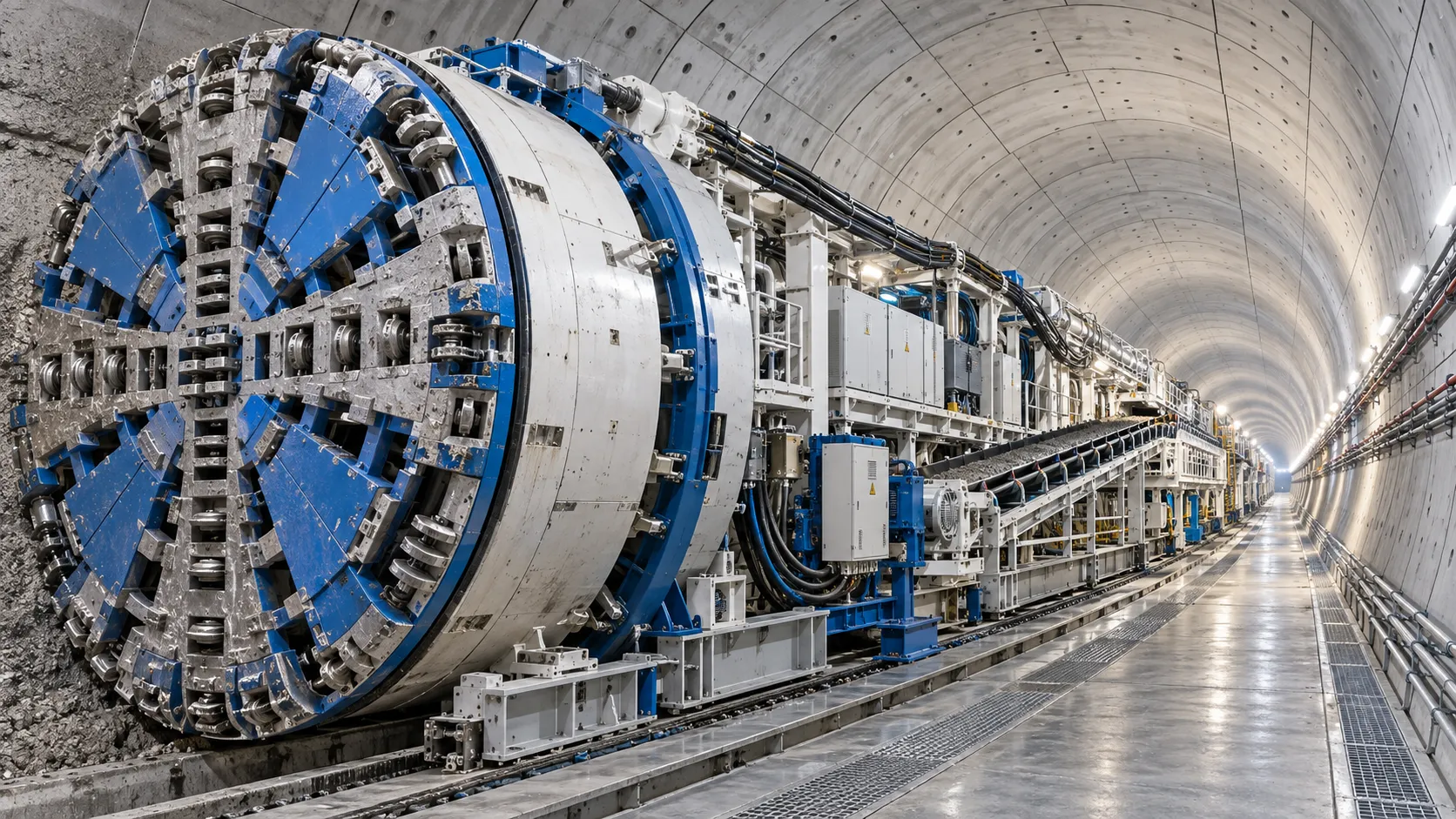
Tunnel Boring Machine Costs: Budgeting for Purchase, Operation, and Project Risk
Tunnel Boring Machines cost more than purchase price. Learn how to budget lifecycle costs, downtime, logistics, wear, and project risk for smarter TBM decisions.
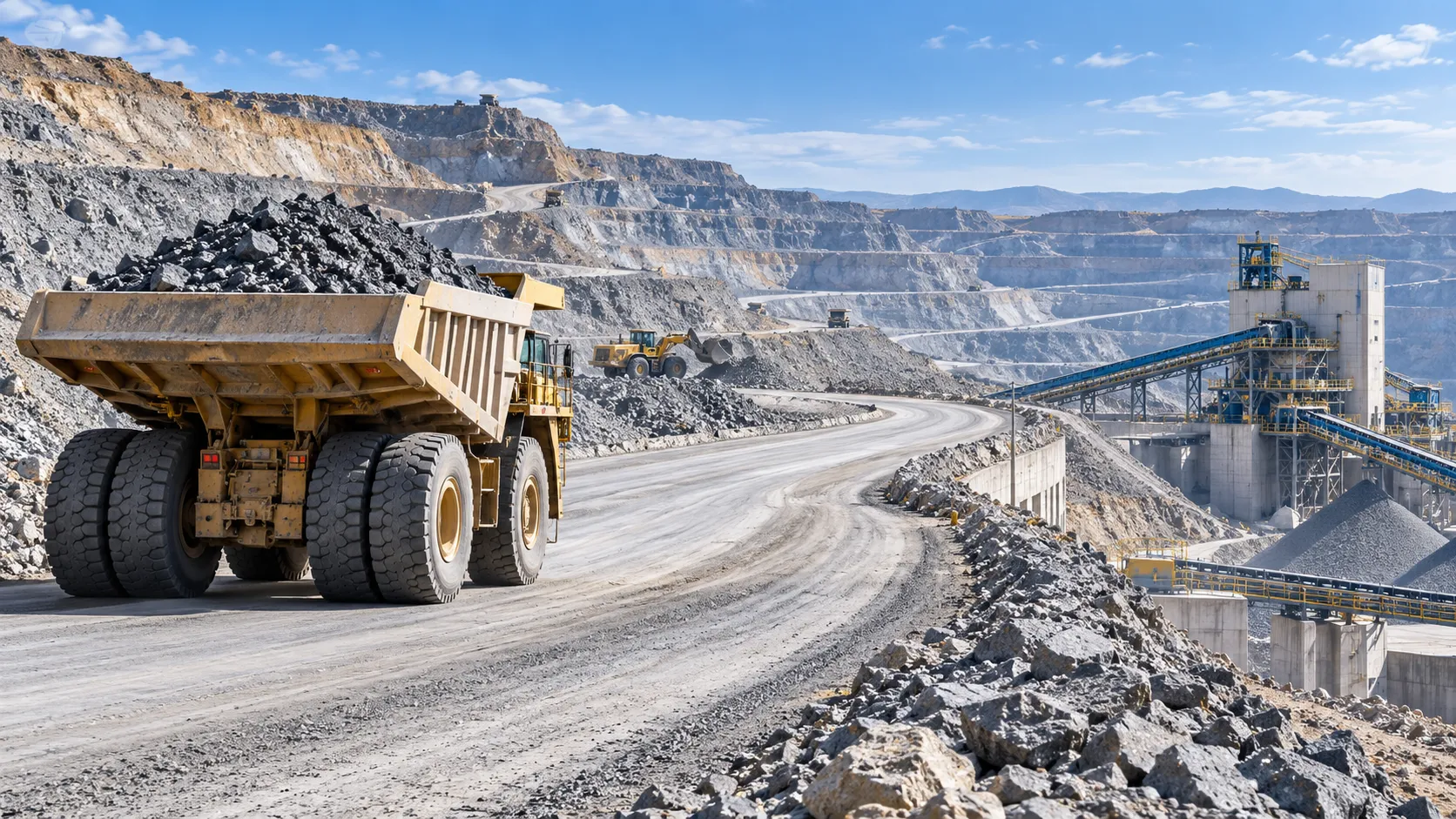
Open-Pit Haulage Cost Analysis: How Mine Managers Can Cut Cost per Tonne
Open pit haulage cost analysis: discover practical ways to reduce cost per tonne through payload control, cycle-time optimization, road performance, and smarter fleet decisions.
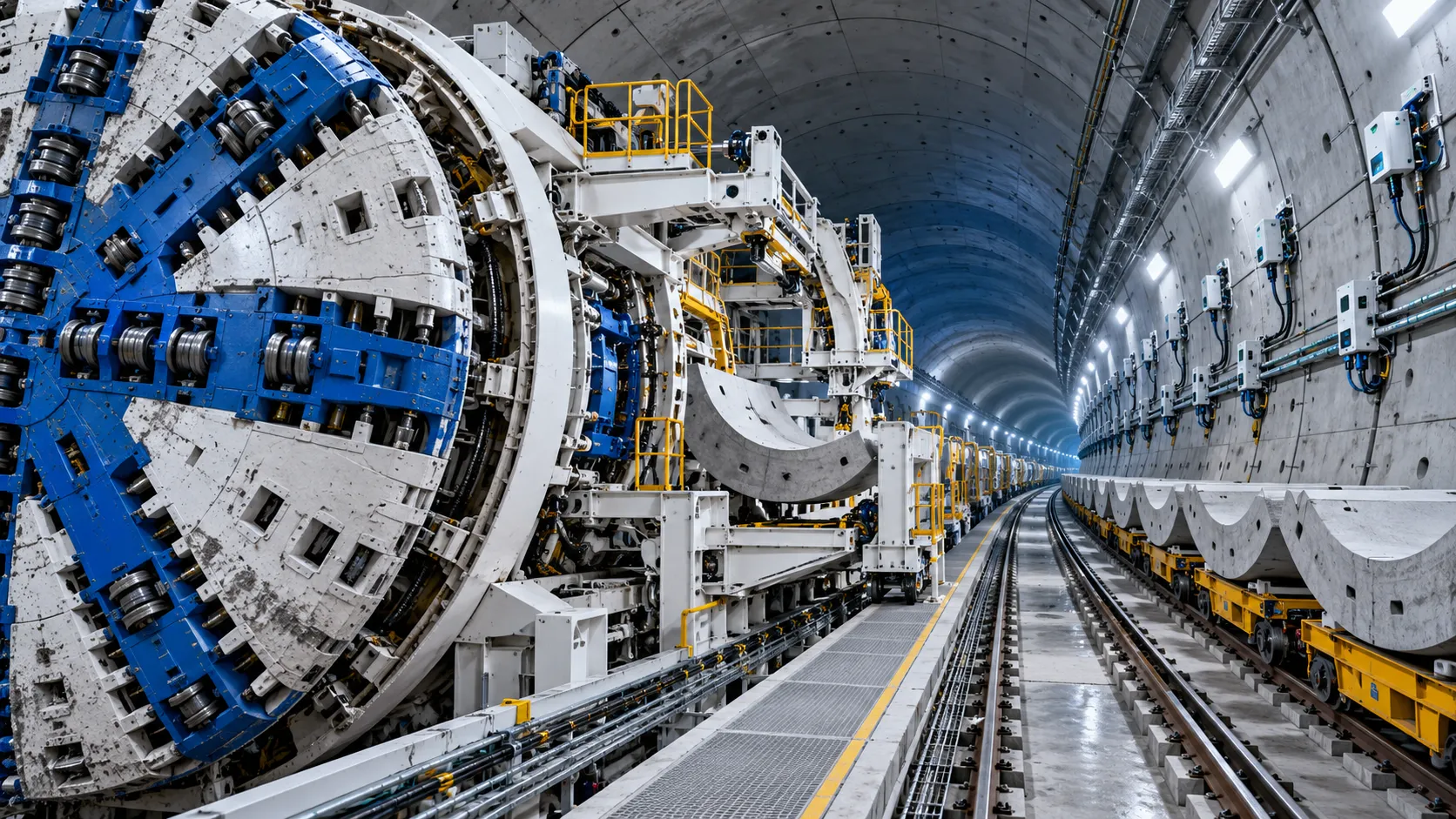
Tunnel Construction Innovations That Reduce Risk and Schedule Delays on Urban Projects
Tunnel construction innovation for urban projects: discover smarter TBMs, real-time monitoring, trenchless methods, and automation that reduce risk and protect schedules.
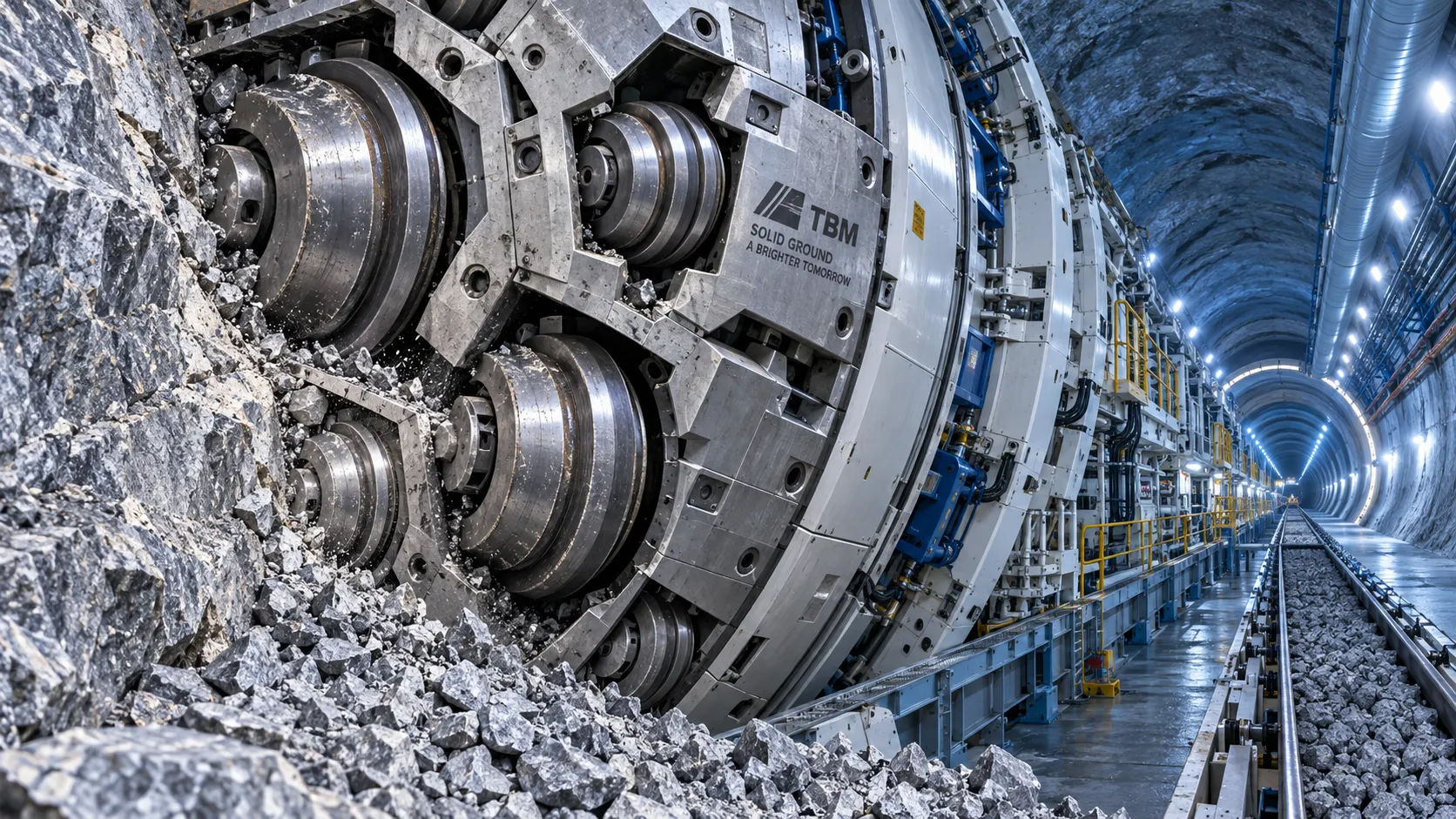
TBM Disc Cutter Design: Key Geometry and Load Factors for Hard Rock Tunnelling
TBM disc cutter design explained: explore geometry, spacing, load distribution and maintenance factors for reliable, efficient hard-rock tunnelling performance.
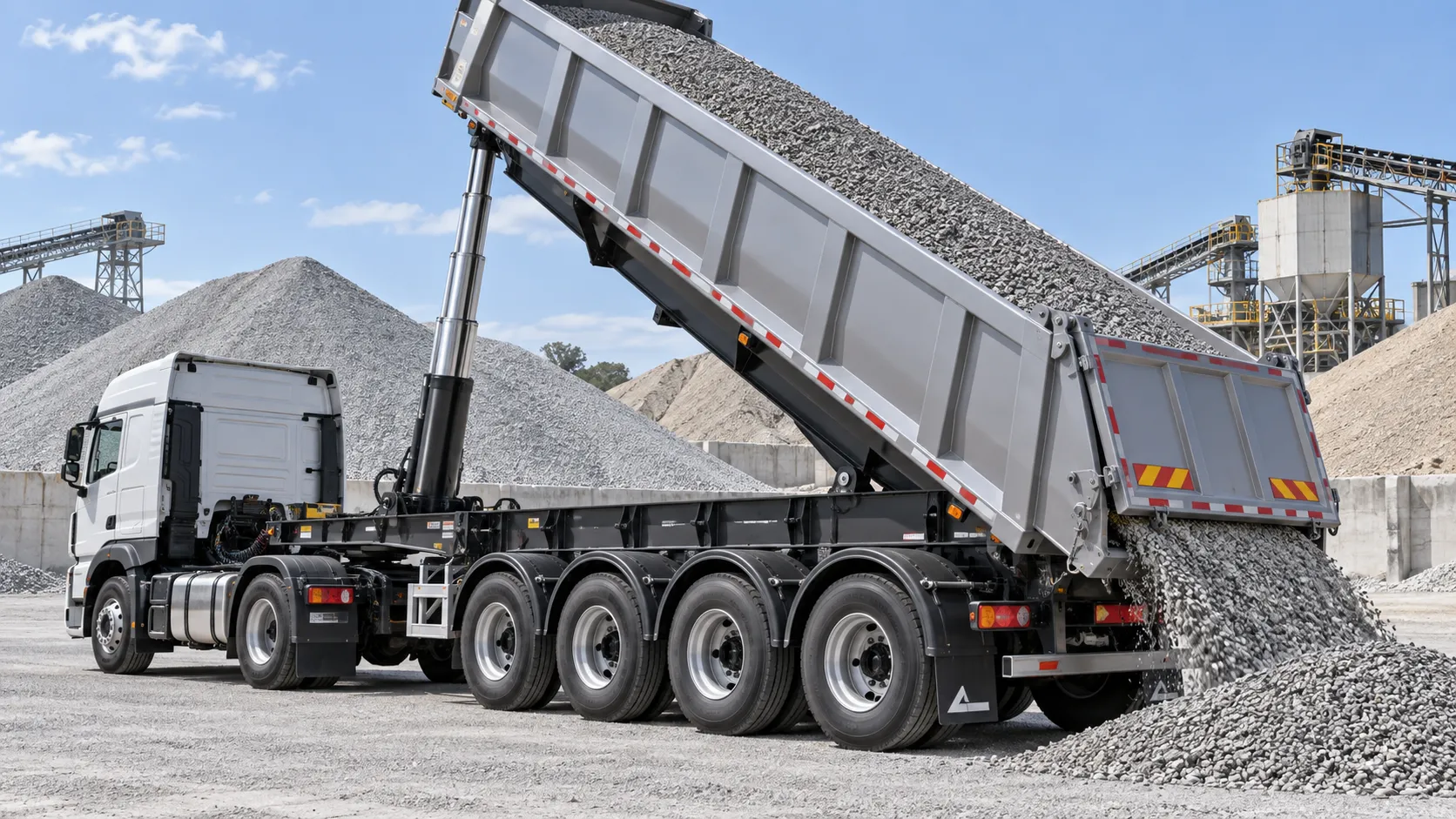
Hydraulic Tipping Stability Risks in Multi-Axle Dump Special Trailers
Dump special trailers: discover key hydraulic tipping stability risks, multi-axle load dynamics, and practical safety controls for safer, smarter bulk hauling.
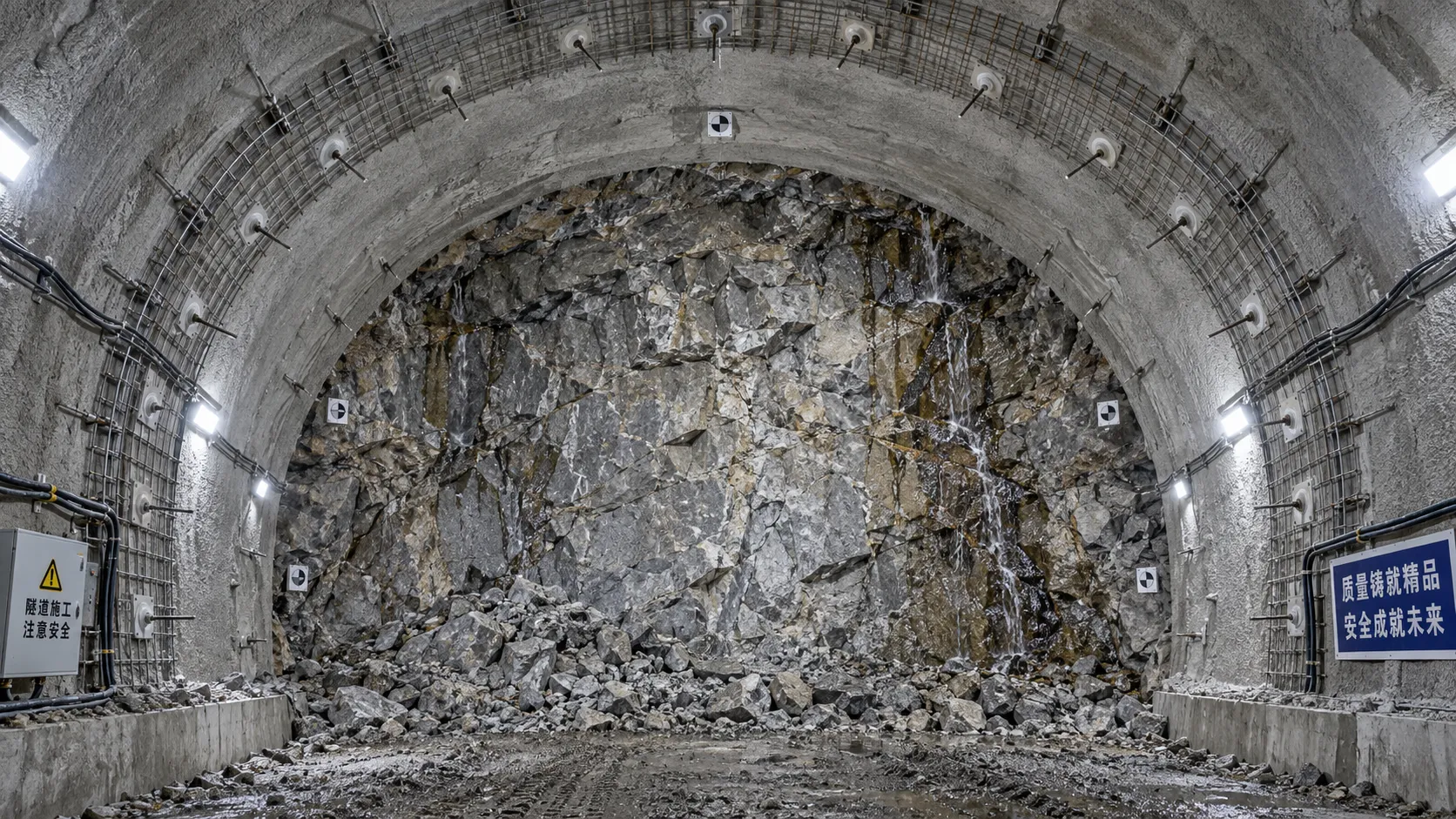
When rock reinforcement in tunnel construction must change after blasting
Rock reinforcement in tunnel construction must change when blasting reveals overbreak, weak joints, water inflow, or deformation. Discover key post-blast support decisions.
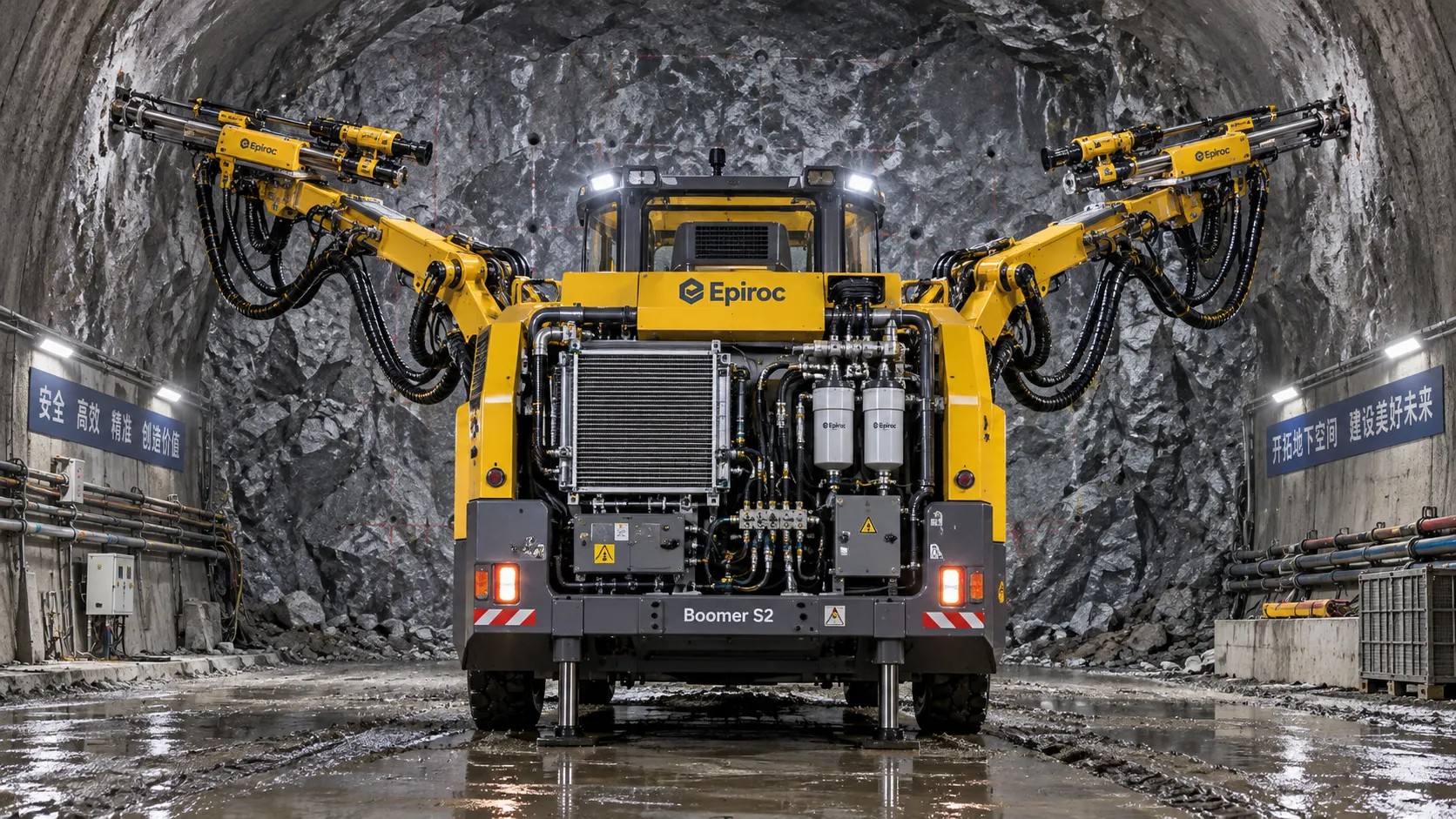
How tunnel hydraulic systems influence drill jumbo uptime underground
Tunnel hydraulic systems directly influence drill jumbo uptime. Explore how stable pressure, clean oil, cooling, and maintainable design reduce underground downtime.
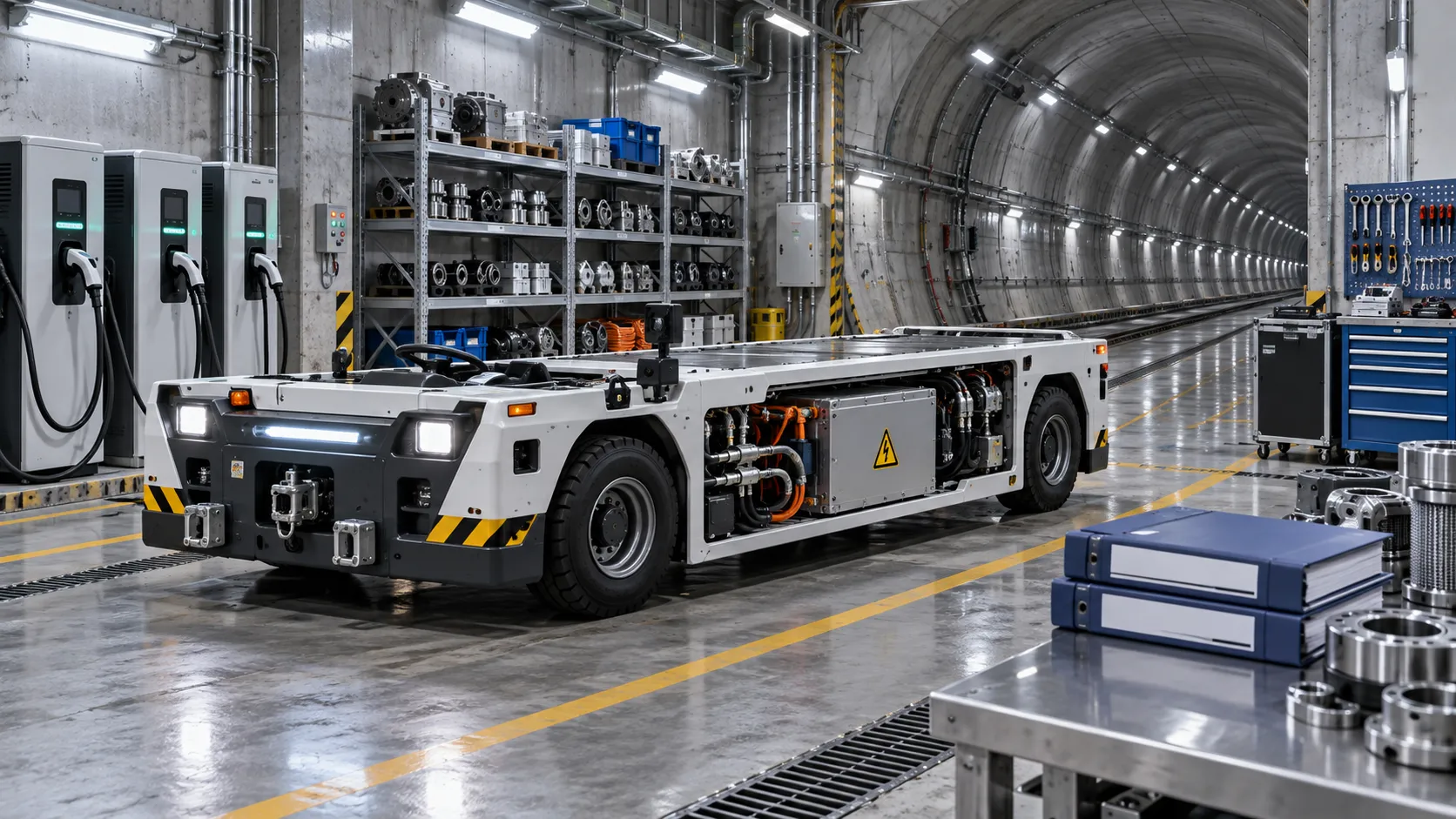
What to verify before appointing a tunneling vehicles manufacturer
Choosing a tunneling vehicles manufacturer? Verify application fit, reliability, compliance, parts support, training, and channel terms before appointing a partner.
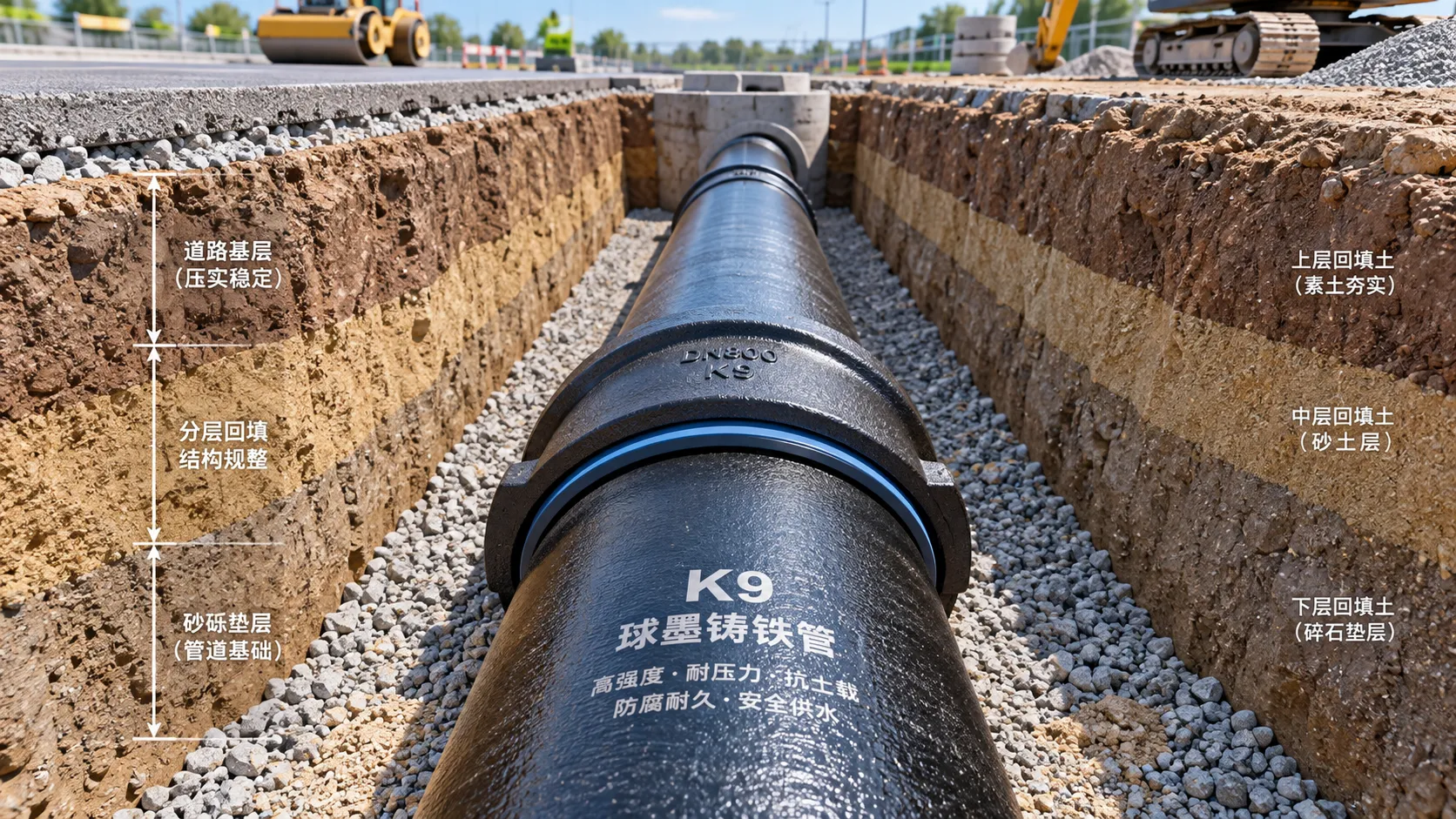
Selecting K9 Ductile Iron Pipe for Buried Water Pipeline Conditions
K9 ductile iron pipe selection for buried water pipelines: compare pressure duty, joints, soil loads, corrosion protection, and installation controls for reliable long-term performance.
Related News
- 00
0000-00
Tunnel Boring Machine Costs: Budgeting for Purchase, Operation, and Project Risk - 00
0000-00
Open-Pit Haulage Cost Analysis: How Mine Managers Can Cut Cost per Tonne - 00
0000-00
Tunnel Construction Innovations That Reduce Risk and Schedule Delays on Urban Projects - 00
0000-00
TBM Disc Cutter Design: Key Geometry and Load Factors for Hard Rock Tunnelling - 00
0000-00
Hydraulic Tipping Stability Risks in Multi-Axle Dump Special Trailers
Weekly Insights
Stay ahead with our curated technology reports delivered every Monday.