
How to Choose Rock Bolting Equipment for Tunnels: Key Drill, Bolt, and Safety Factors





Choosing Rock Bolting Equipment for tunnels is rarely a simple machine comparison. Drill accuracy, bolt compatibility, cycle time, and operator protection all shape ground support quality. In today’s tunnel and mining market, where deeper headings, tighter ESG requirements, and higher automation targets are converging, selection decisions need to connect rock mechanics with practical underground operating limits.
That is why this topic draws sustained attention across drill-and-blast tunnels, mine development drives, and hybrid underground projects. Rock Bolting Equipment sits at the intersection of excavation progress, support reliability, and workforce safety. For a platform such as UTMD, which tracks drilling jumbos, TBMs, trenchless systems, and zero-emission underground fleets, bolting technology is part of a larger shift toward smarter, more reliable underground production.
Why equipment choice matters beyond installation speed
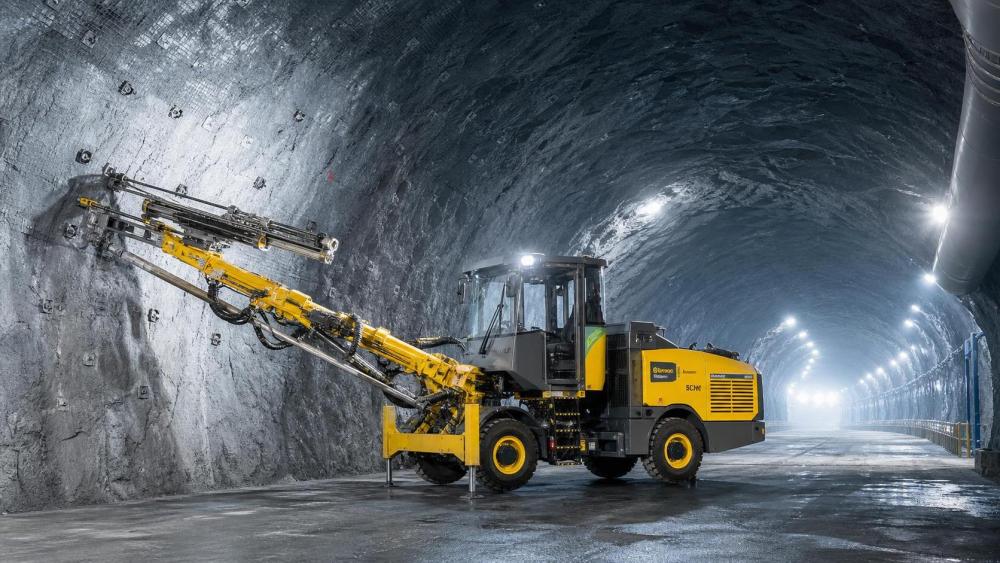
A tunnel bolt is only as effective as the process used to install it. Poor hole deviation, inconsistent resin mixing, weak torque control, or limited access can reduce support performance long before a failure becomes visible.
In practical terms, Rock Bolting Equipment influences four linked outcomes:
- how well the support pattern matches the geotechnical design;
- how quickly crews can stabilize freshly exposed ground;
- how much rework appears due to misdrilled or unusable holes;
- how much exposure remains near unsupported faces and moving steel.
That broader impact explains why the best choice is not always the highest percussion power or the largest carrier. The right system is the one that holds performance under actual tunnel constraints.
Start with the ground, not the brochure
Any serious evaluation begins with geology, stress regime, and excavation method. Rock Bolting Equipment that works well in competent granite headings may underperform in fractured sedimentary rock or squeezing ground.
Several site variables usually drive the selection path:
- rock strength and abrasiveness;
- joint spacing, orientation, and water inflow;
- excavation profile and tunnel height;
- required bolt density and support sequence;
- available ventilation and power infrastructure.
This matters because drilling in unstable ground is not only a penetration-rate issue. Hole collapse, flushing quality, and bit wear can directly affect whether bolts achieve the intended load transfer.
In high-frequency production tunnels, small deviations compound quickly. A machine that maintains boom stability and collaring precision often delivers more value than one that looks stronger on paper.
Key drill factors that deserve close comparison
Drill performance is central to Rock Bolting Equipment selection, but comparison should stay specific. Evaluating “drilling capacity” as a single line item usually hides the real differences.
Percussion and feed control
Impact energy, rotation torque, and feed pressure must match expected hole diameter and rock condition. Oversized power can damage consumables or reduce accuracy in fractured zones.
Boom reach and positioning
Boom geometry determines whether the machine can reach crown, shoulder, and wall positions without repeated repositioning. In restricted headings, smooth articulation can save more time than raw travel speed.
Hole alignment and repeatability
Laser guidance, onboard pattern control, and boom angle feedback help reduce deviation. This becomes especially important when support design tolerances are tight or when mesh and shotcrete follow immediately.
Dust suppression and flushing
Underground air quality is now a larger selection issue. Effective water flushing, dust collection, and cleaner energy systems support both safety compliance and better visibility during bolting cycles.
Bolt system compatibility is a selection issue, not a detail
A common mistake is treating the bolter as separate from the bolt. In reality, Rock Bolting Equipment must be assessed against the complete support package, including bolt type, hole size, installation chemistry, and pull-test expectations.
Different tunnel projects may rely on friction bolts, resin-grouted rebar, self-drilling anchors, mechanical anchors, or cable bolts. Each option changes machine requirements.
Resin systems, for example, place more emphasis on insertion timing and rotation control. Self-drilling anchors shift attention toward flushing behavior and feed consistency. Long bolts or cable bolts may demand a different handling arrangement altogether.
This is where integrated design review becomes valuable. UTMD’s broader coverage of drilling jumbos and underground automation reflects an industry reality: support equipment performs best when drill steel, bolt media, carrier layout, and digital controls are evaluated together.
Questions that usually clarify fit
- What bolt lengths and diameters will dominate the advance cycle?
- Is mesh handling required at the same workstation?
- Will wet conditions affect grout, resin, or hole stability?
- How often will support designs change along the alignment?
Safety now includes machine architecture and energy choice
Safety in Rock Bolting Equipment should not be limited to guarding and emergency stops. Underground support work takes place close to fresh excavation, suspended loads, rough surfaces, and limited visibility.
The stronger safety choices often come from system architecture:
- enclosed or reinforced operator stations;
- remote boom control from protected positions;
- automated bolt handling to reduce manual lifting;
- collision awareness and machine interlocks;
- battery-electric or low-emission drivetrains for confined headings.
The energy question is becoming more relevant. As mine electrification and zero-exhaust tunnel operations expand, cleaner carriers are no longer niche options. They can reduce ventilation burden, improve working conditions, and support longer-term compliance goals.
That trend aligns with the same forces UTMD monitors across underground LHD loaders, EV mining trucks, and next-generation tunnelling fleets: reliability, emissions control, and digital visibility now influence procurement as much as mechanical capability.
Automation, data, and serviceability often decide lifecycle value
When two machines can both install bolts, the better long-term choice often depends on what happens between cycles, shifts, and maintenance windows.
Useful digital functions include drill pattern storage, installation logging, onboard diagnostics, consumable tracking, and remote support access. These features help convert field performance into measurable support quality.
Serviceability deserves equal weight. Hydraulic layout, access to wear parts, local parts support, and technician availability can influence effective utilization more than catalog specifications.
In tunnel programs with multiple headings, data consistency also matters. If Rock Bolting Equipment can record deviation, cycle time, and installation events, support decisions become easier to audit and improve.
A practical way to compare options
A disciplined comparison process usually produces better results than a feature-by-feature shortlist. The aim is to test fit against the support task, not just to rank machine specifications.
A workable approach usually includes:
- define the dominant tunnel profile, rock class, and support pattern;
- map bolt types to drilling, handling, and installation requirements;
- review boom coverage with actual heading geometry;
- compare safety architecture under expected underground constraints;
- check maintainability, digital reporting, and supplier support depth.
Field trials remain important, especially where mixed geology or changing support classes are expected. A short trial can reveal positioning limits, bolt handling delays, and operator workload issues that specification sheets miss.
The next step is usually to build a weighted evaluation matrix around rock condition, bolt system, safety exposure, and lifecycle support. That creates a clearer basis for comparing Rock Bolting Equipment in the context that actually matters: stable ground, repeatable installation, and dependable underground progress.
Related News
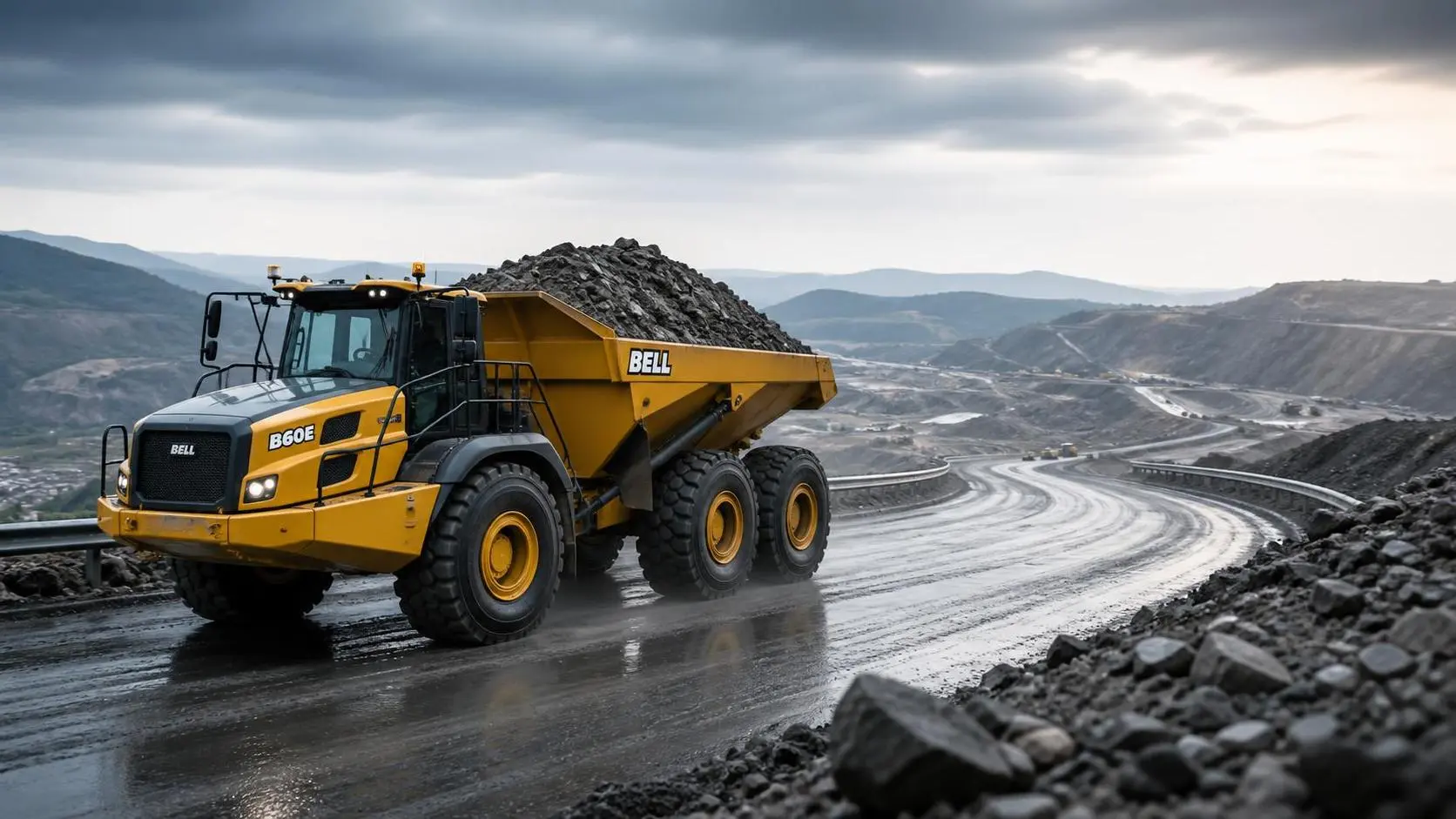
How to Evaluate Articulated Dump Trucks Payload for Haul Road Conditions and Cycle Efficiency
Articulated Dump Trucks payload evaluation starts with real haul road conditions, not brochure numbers. Learn how to balance payload, traction, grades, and cycle efficiency for safer, higher output.
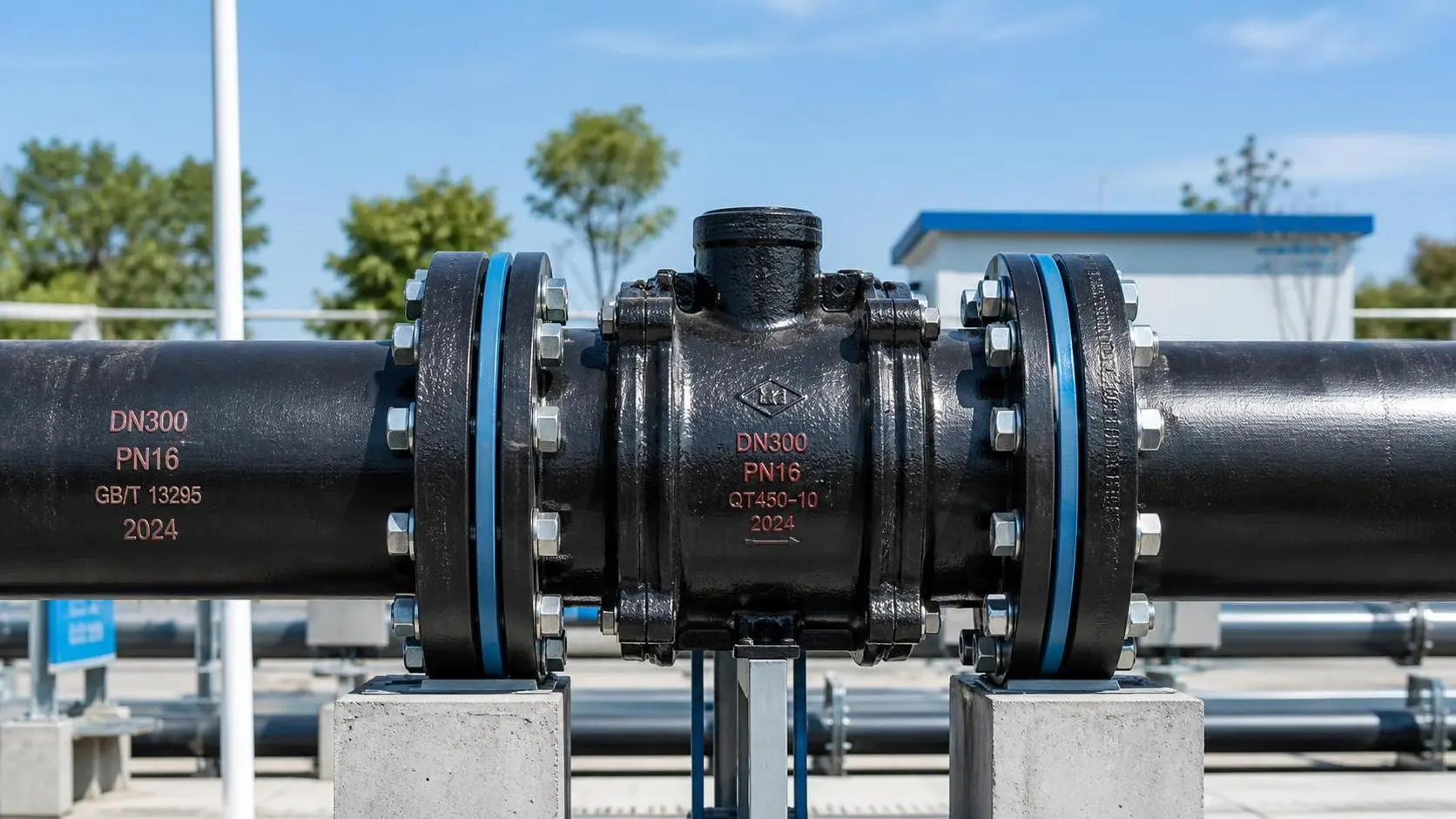
How Pipe Fittings Material and Pressure Class Affect Water Line Selection
Pipe fittings selection starts with material and pressure class. Learn how these factors affect water line reliability, corrosion resistance, installation, and long-term cost.
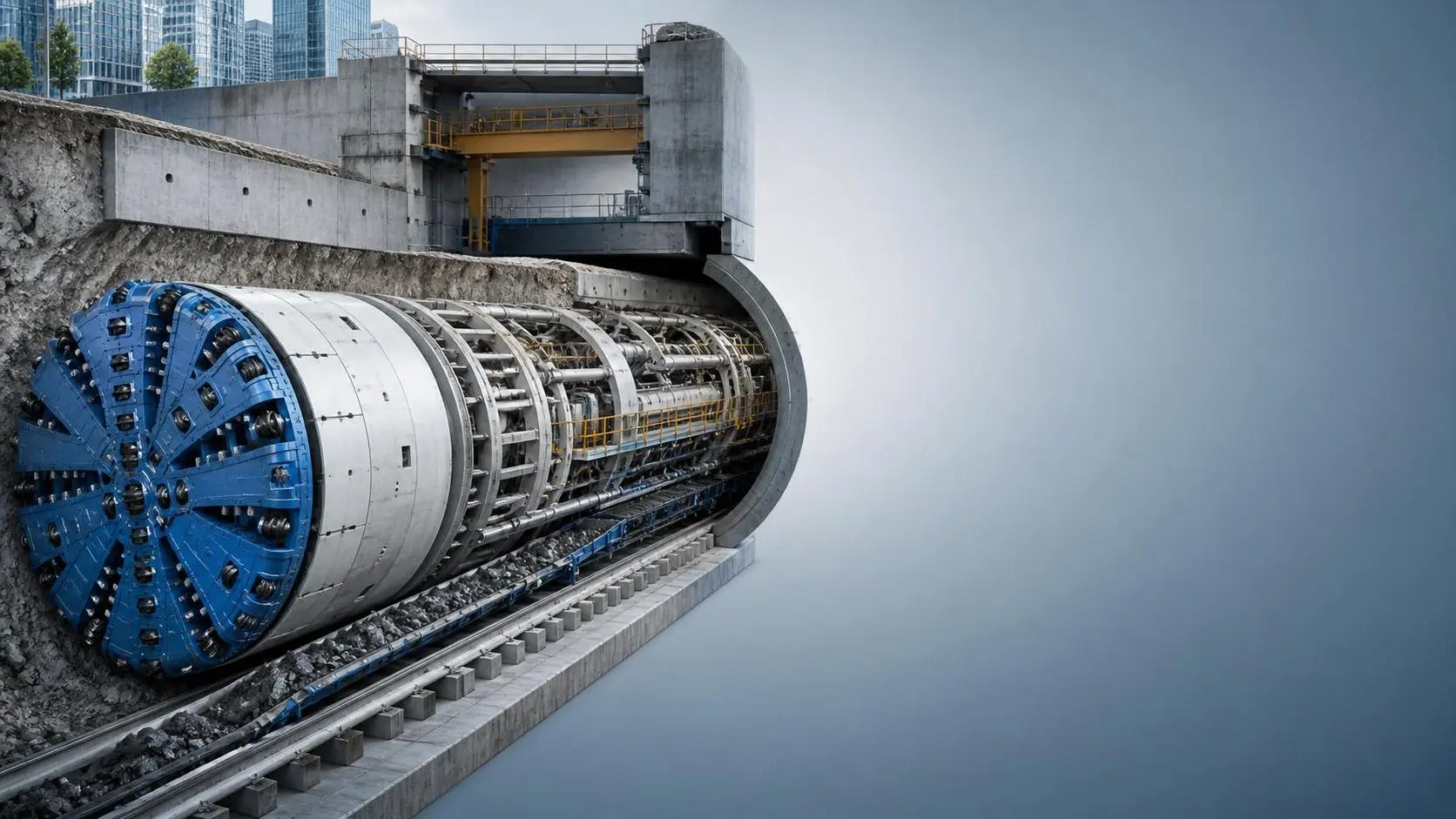
What Drives TBM Excavation Cost in Urban Tunneling Projects?
tbm excavation cost in urban tunneling depends on geology, shafts, segment lining, logistics, and risk. Discover the key cost drivers and compare bids with greater confidence.
What Does Energy Metals Mining in Australia Mean for Supply, Cost, and Project Risk?
Energy metals mining Australia is reshaping supply, cost, and project risk. Discover what it means for buyers, investors, and operators.
EU Eases Dual CE and UKCA Path for Chinese Tunnel Boring Equipment
EU eases CE and UKCA certification for Chinese tunnel boring equipment, cutting compliance time and helping importers move faster.
Flameproof Underground Safety Equipment: What Mine Teams Should Check Before Buying
Underground Safety Equipment flameproof buying guide: learn how mine teams should verify certification, durability, serviceability, and supplier support before purchase.
China-UAE Direct Sea Route Cuts TBM and Large Tunneling Equipment Lead Times
China-UAE direct sea route shortens TBM and large tunneling equipment lead times by 12–15 days, improving delivery predictability for major infrastructure projects. Read the full impact.
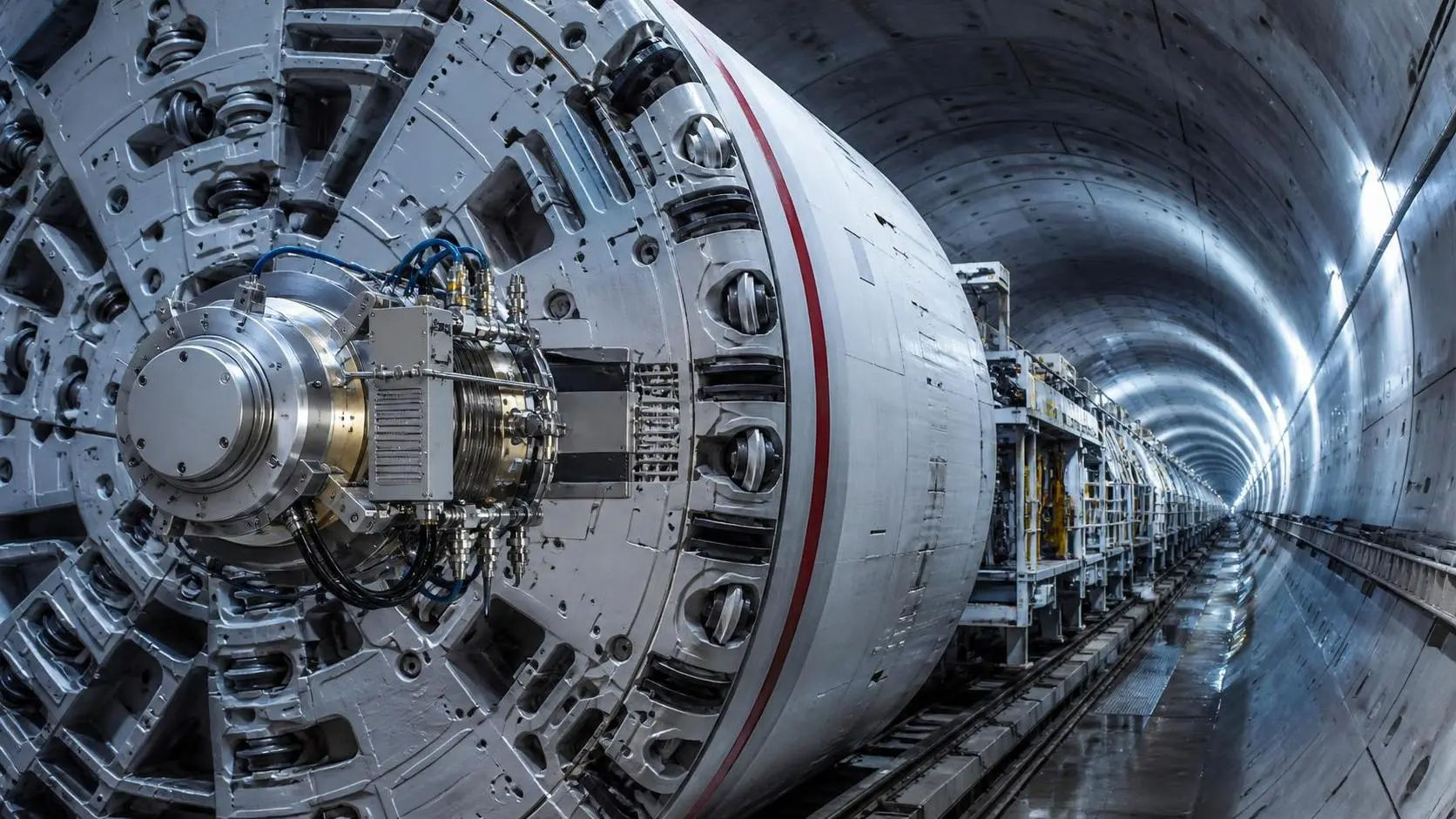
What Is a TBM Guidance System Gyroscope, and Why Does It Matter Underground?
TBM Guidance Systems gyroscope improves underground accuracy, reduces drift, and helps tunnel boring machines stay on line in harsh conditions.
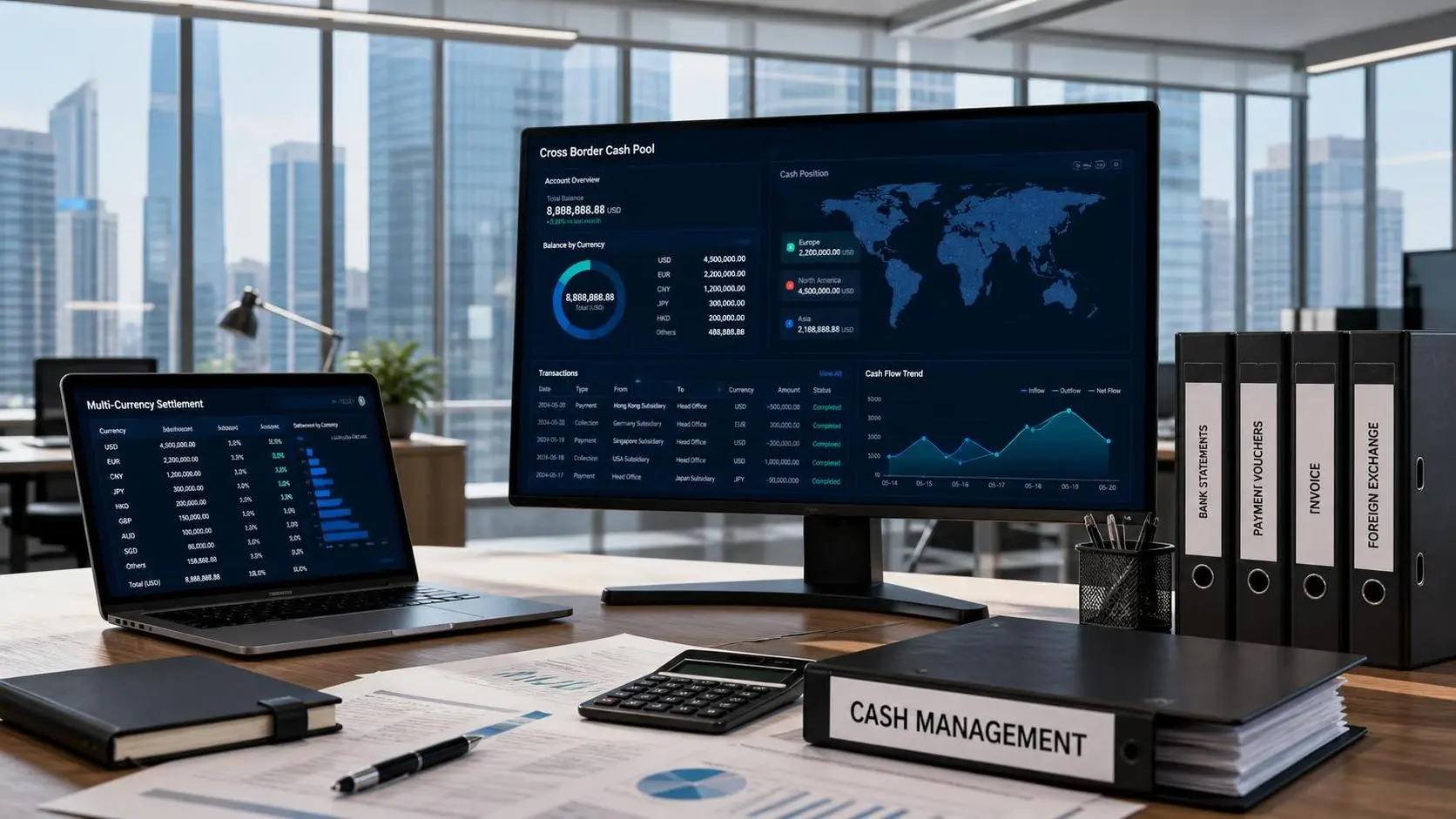
China to Roll Out Nationwide Local and Foreign Currency Cash Pools for Multinationals on Sept. 14
China will roll out nationwide local and foreign currency cash pools for multinationals on Sept. 14, streamlining cross-border treasury management and boosting liquidity efficiency.
Related News
- 00
0000-00
How to Evaluate Articulated Dump Trucks Payload for Haul Road Conditions and Cycle Efficiency - 00
0000-00
How Pipe Fittings Material and Pressure Class Affect Water Line Selection - 00
0000-00
What Drives TBM Excavation Cost in Urban Tunneling Projects? - 00
0000-00
What Does Energy Metals Mining in Australia Mean for Supply, Cost, and Project Risk? - 00
0000-00
EU Eases Dual CE and UKCA Path for Chinese Tunnel Boring Equipment
Weekly Insights
Stay ahead with our curated technology reports delivered every Monday.