
PSA Approval Reshapes Automated Bolting Supply Requirements





On July 6, 2026, the Petroleum Safety Authority (PSA) issued a Class A certification to the AutoBolt-X9 computerized Jumbo system jointly developed by Sweden-based Epiroc and a Chinese partner, marking a notable compliance development for automated bolting and drilling equipment. What deserves closer attention is not only the certification itself, but the fact that the approval explicitly ties drill arm modules to a specified vibration-spectrum durability verification under ISO 5344:2026 Annex D. For equipment makers, component suppliers, exporters, procurement teams, and certification-related service providers, this points to a more concrete compliance threshold that can affect qualification, sourcing, delivery preparation, and market access discussions.
What Has Been Confirmed So Far
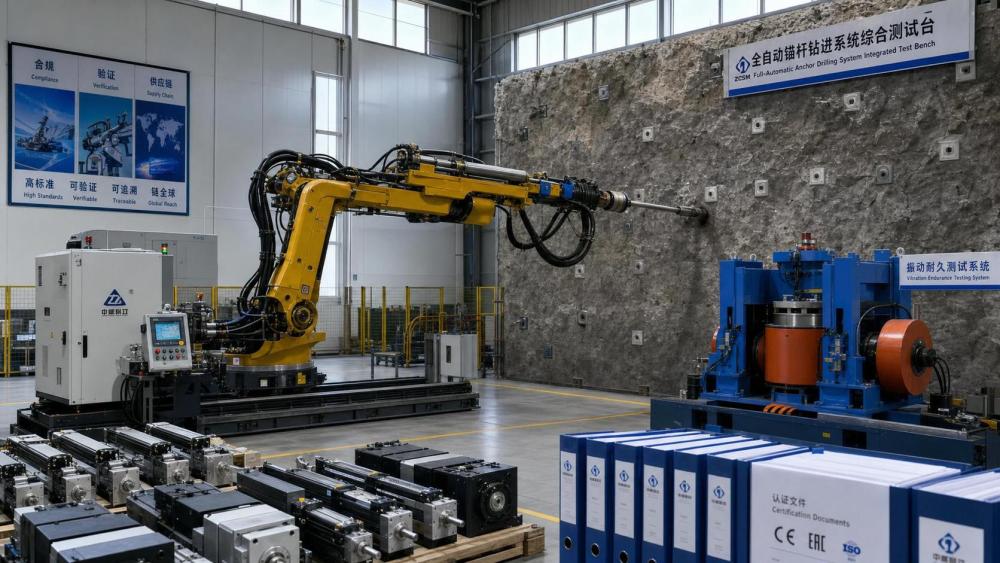
According to the information provided, the PSA granted the world's first Class A certification for a fully automated rock-bolting support system to the AutoBolt-X9 on July 6, 2026. The system was jointly developed by Epiroc of Sweden and a Chinese partner. It uses a high-precision servo drill arm supplied by a leading Chinese manufacturer, with repeat positioning accuracy of plus or minus 0.3 mm.
The same information states that the supplier's Q2 export orders increased by 210% quarter on quarter after the development gained market traction. The certification also explicitly requires all drill arm modules to pass durability verification under a PSA-specified vibration spectrum referenced as ISO 5344:2026 Annex D.
Why the Requirement Matters Across the Supply Chain
For component makers, the compliance bar now sits deeper in the module level
Analysis shows that the most immediate impact is on manufacturers of drill arms and other critical subassemblies. The certification language provided here does not stop at system-level recognition; it directly points to module-level durability verification. That means suppliers involved in precision mechanical assemblies, servo-controlled motion units, and related export-facing production may need to align technical files, test evidence, and product qualification records more closely with the stated verification requirement.
For exporters and sales teams, market access discussions may shift toward proof packages
From an industry perspective, export activity may be influenced not only by product capability but by the ability to present auditable compliance materials. Where buyers or project owners reference PSA-recognized standards or similar safety expectations, commercial discussions may increasingly turn on whether the drill arm module has already been verified against the required vibration spectrum, and whether supporting documentation is available in a form suitable for tendering, review, or delivery acceptance.
For procurement and project delivery, supplier qualification could become more document-driven
Observably, procurement teams and integrators may need to look beyond lead time and price when selecting drill arm suppliers for automated bolting systems. If the PSA requirement becomes a repeated reference point in technical procurement, purchasing decisions may place more weight on prior verification status, durability test records, and the completeness of technical submission packages. This can affect sourcing plans, incoming qualification checks, and delivery sequencing where certified or certification-ready modules are preferred.
For testing and certification support services, demand may become more specific
The stated reference to ISO 5344:2026 Annex D suggests that testing and certification-related service providers may see demand move toward narrower, specification-linked validation work. The practical effect is not yet confirmed beyond this case, but service providers involved in durability testing, technical documentation review, or conformity support should pay attention to whether buyers and manufacturers begin asking for evidence mapped directly to this vibration-spectrum requirement.
What Companies Should Watch Next
Check whether module documentation is certification-ready
Analysis shows that suppliers connected to automated bolting and drilling platforms should review whether their drill arm documentation can support customer or regulator scrutiny. The key issue is whether technical files, durability verification records, and specification statements clearly match the PSA-linked requirement already cited in this case.
Track how buyers and tender documents describe compliance
It is more appropriate to understand this development as a concrete execution signal rather than a universal market rule. Even so, companies should monitor whether tender documents, procurement specifications, and supplier questionnaires begin referencing PSA certification language, ISO 5344:2026 Annex D, or equivalent durability expectations for drill arm modules.
Prepare for pressure on delivery planning and export coordination
The reported 210% quarter-on-quarter rise in Q2 export orders for the Chinese drill arm supplier indicates that certification-linked demand can quickly affect order flow. Companies involved in export sales, production scheduling, and after-sales support should therefore pay attention to whether compliance verification becomes a gating item for shipment readiness, customer acceptance, or replacement-part qualification.
Keep traceability and after-sales records in usable order
From a practical standpoint, firms supplying certified systems or critical modules may need stronger traceability around tested configurations, delivered units, and supporting reports. The input does not provide a broader enforcement framework, so this should not be treated as a confirmed universal requirement. Still, maintaining clear records would help if customers, auditors, or project teams request alignment between delivered modules and the verified design basis.
How This Development Should Be Read
Observably, this news is best understood as a rule-application signal with immediate commercial relevance, not merely as a product milestone. The certification appears to connect automated system approval with a named durability verification pathway for drill arm modules, which is a meaningful detail for suppliers trying to enter or stay in high-specification projects.
At the same time, analysis shows that it is too early to generalize beyond the confirmed facts provided here. The current information supports close attention to certification wording, technical qualification practice, and buyer response, but it does not by itself establish how widely the requirement will be copied across future tenders, markets, or product categories.
A Practical Reading for the Market
For the industry, the main significance of this case is that a high-profile automated bolting and drilling approval is now explicitly linked to a defined durability verification requirement at the drill arm module level. That makes the event relevant not only to system developers, but also to exporters, procurement teams, component manufacturers, and certification support providers.
Current evidence suggests this is more appropriate to understand as an implemented compliance signal with possible downstream effects on sourcing and qualification, while the broader execution scope still requires observation. The market should therefore treat the development as actionable in documentation and supplier review terms, while continuing to watch for further clarification through certification practice, procurement language, and industry feedback.
Basis of This Article
This article is generated from the user-provided news title, event date, and event summary. The facts used here are limited to the stated certification decision, the named parties, the specified drill arm accuracy, the reported Q2 export order increase, and the requirement tied to ISO 5344:2026 Annex D.
For this type of event, relevant source categories would typically include official regulator announcements, notices from certification or supervisory authorities, industry association releases, standard-setting documents, trade or customs-related information, and reporting by authoritative industry media. No specific official source link was provided in the input, so the official source chain still needs to be verified on an ongoing basis.
What still requires follow-up includes any later clarification of certification wording, how the requirement is applied in procurement or bidding documents, whether market participants adopt the same compliance language, and how companies implement documentation, testing, and delivery controls in response.
Related News
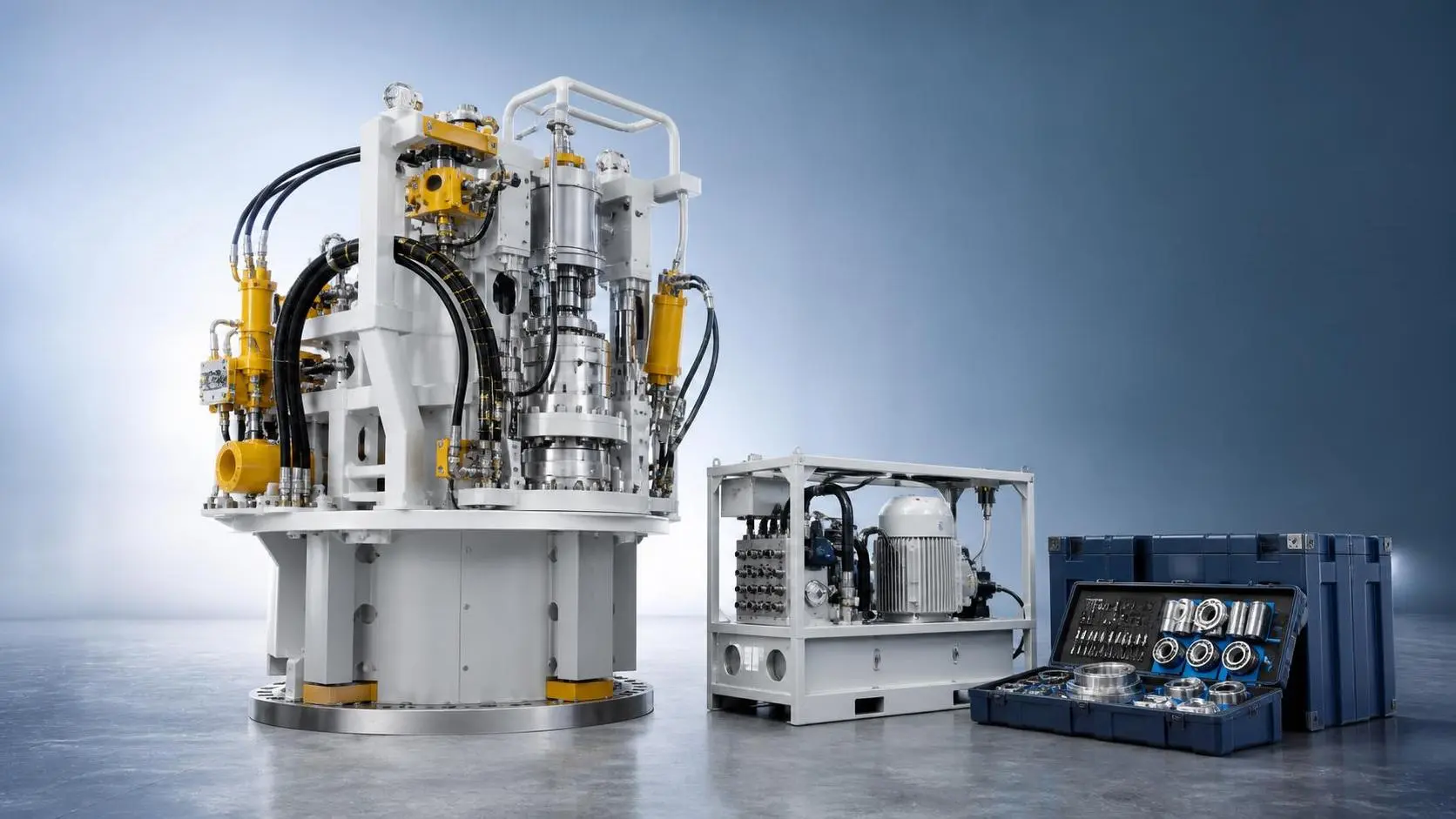
How to Evaluate a Pipe Jacking Equipment Distributor for Project Support and Uptime
Pipe jacking equipment distributor evaluation made practical: learn how to assess parts support, service response, training, and technical readiness to reduce downtime and protect project uptime.
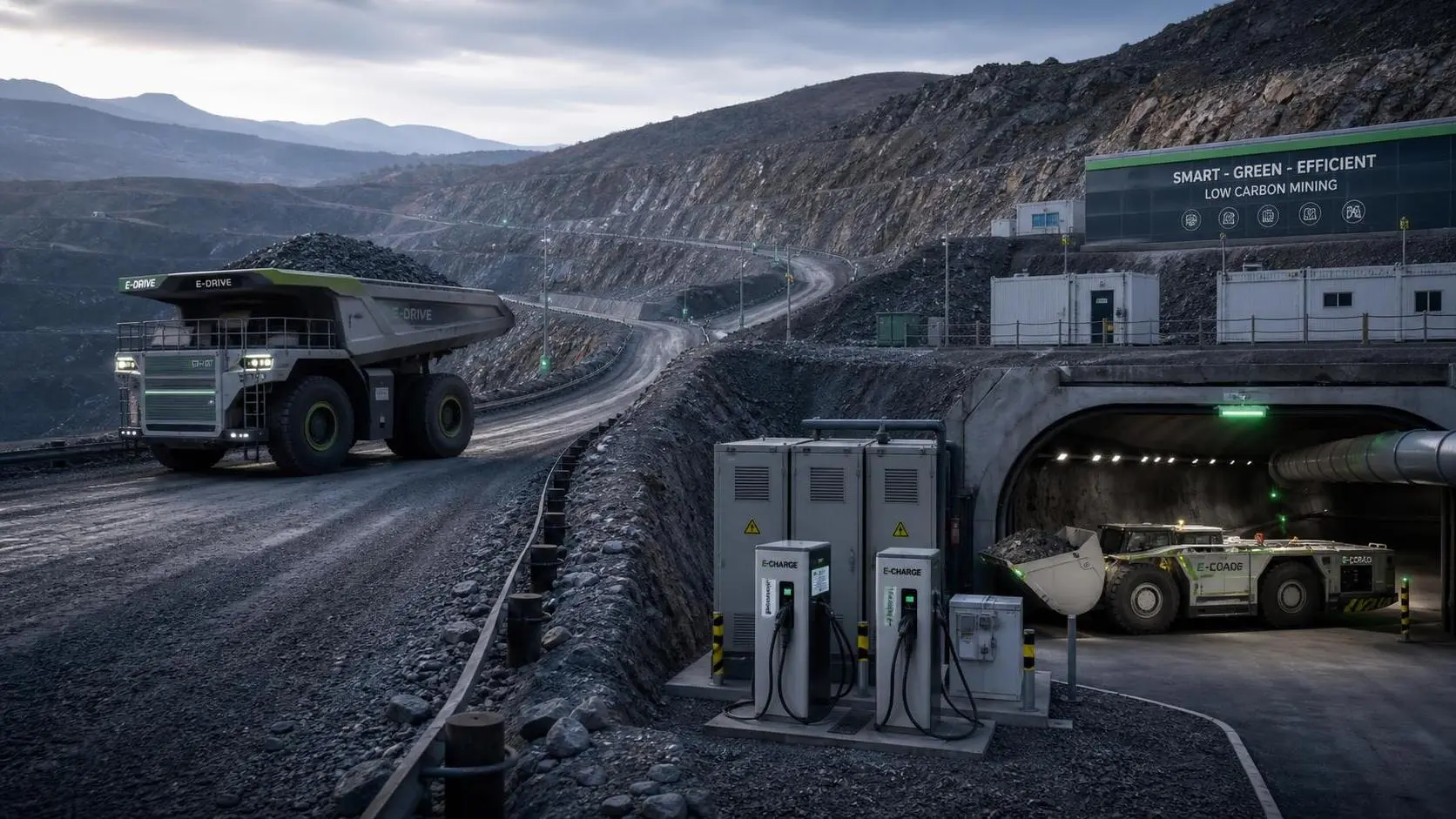
How to Build a Mining Decarbonization Strategy That Balances Emissions, Cost, and Fleet Reality
Mining decarbonization strategy starts with fleet reality. Learn how to cut emissions, control cost, and align power, ventilation, and production for a practical mine transition.

How to Evaluate Articulated Dump Trucks Payload for Haul Road Conditions and Cycle Efficiency
Articulated Dump Trucks payload evaluation starts with real haul road conditions, not brochure numbers. Learn how to balance payload, traction, grades, and cycle efficiency for safer, higher output.
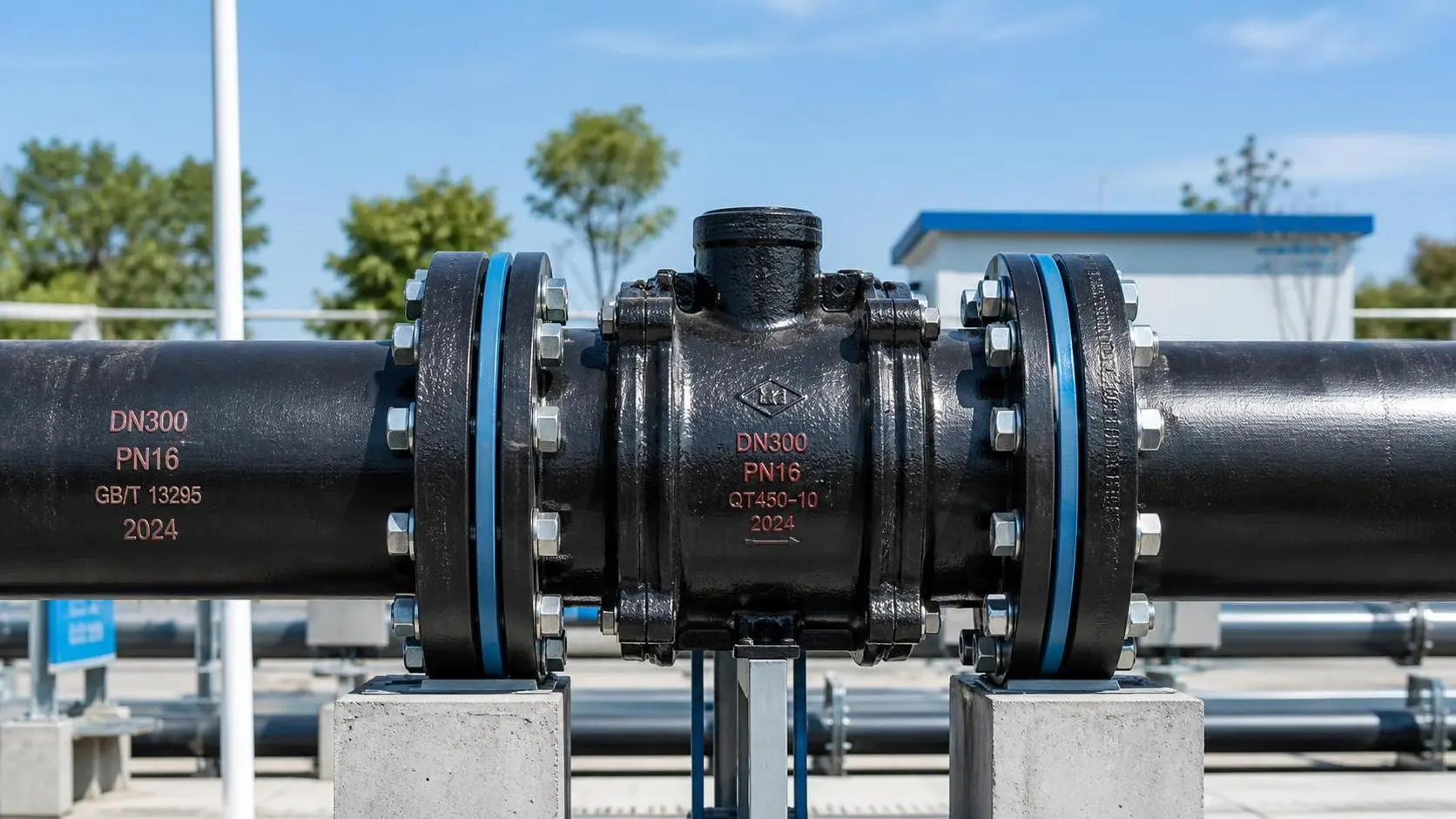
How Pipe Fittings Material and Pressure Class Affect Water Line Selection
Pipe fittings selection starts with material and pressure class. Learn how these factors affect water line reliability, corrosion resistance, installation, and long-term cost.
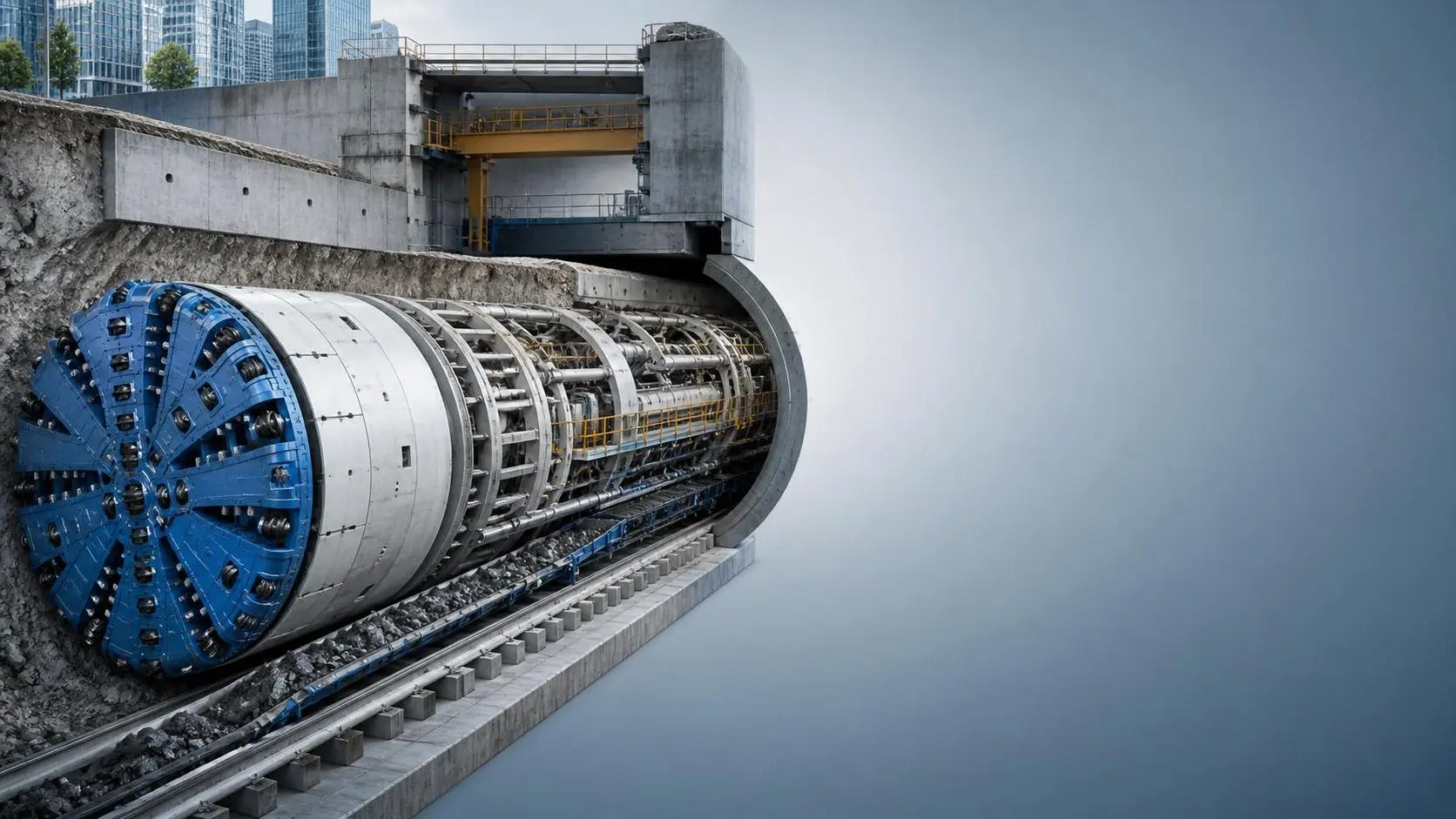
What Drives TBM Excavation Cost in Urban Tunneling Projects?
tbm excavation cost in urban tunneling depends on geology, shafts, segment lining, logistics, and risk. Discover the key cost drivers and compare bids with greater confidence.

What Does Energy Metals Mining in Australia Mean for Supply, Cost, and Project Risk?
Energy metals mining Australia is reshaping supply, cost, and project risk. Discover what it means for buyers, investors, and operators.

EU Eases Dual CE and UKCA Path for Chinese Tunnel Boring Equipment
EU eases CE and UKCA certification for Chinese tunnel boring equipment, cutting compliance time and helping importers move faster.
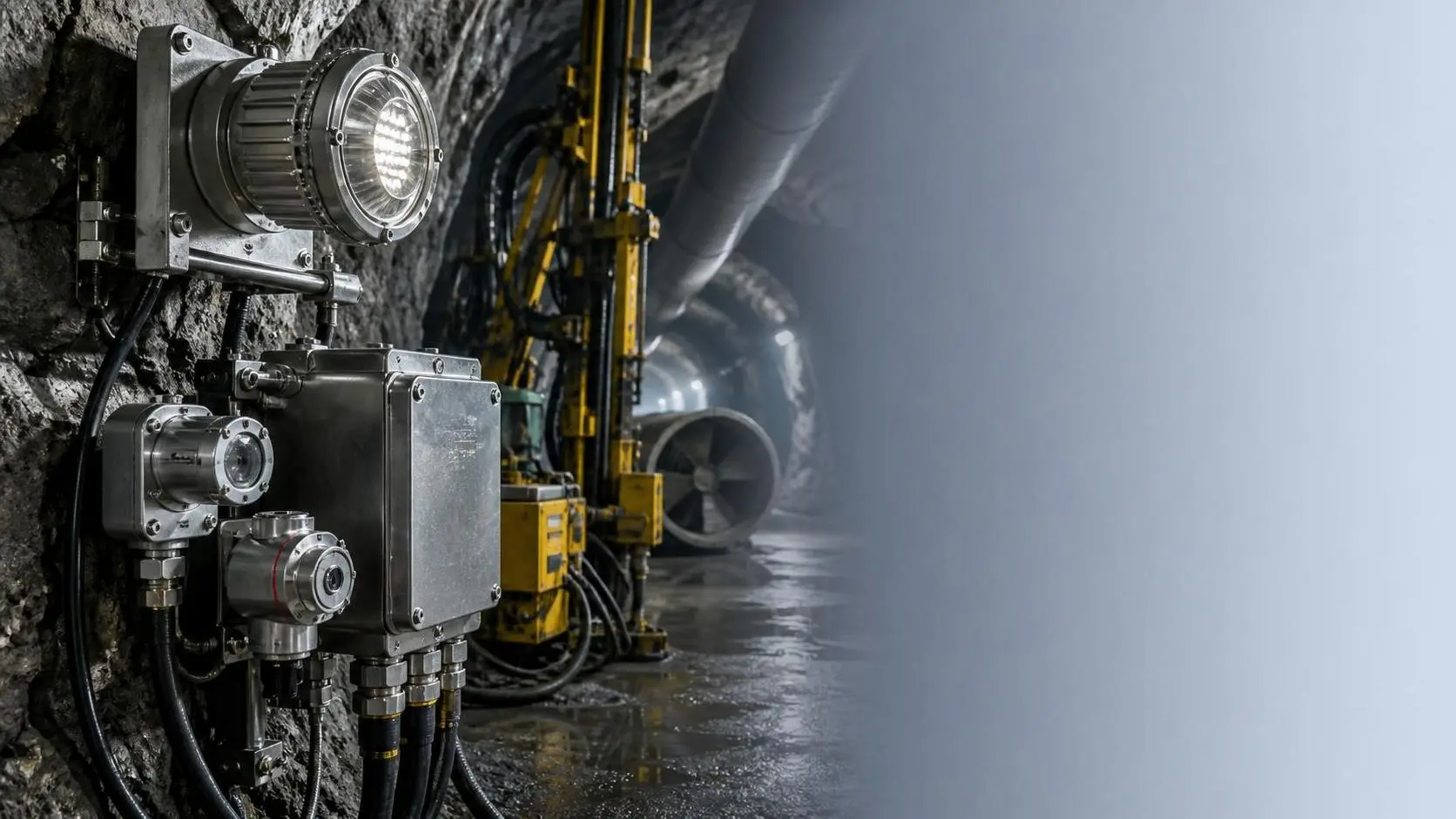
Flameproof Underground Safety Equipment: What Mine Teams Should Check Before Buying
Underground Safety Equipment flameproof buying guide: learn how mine teams should verify certification, durability, serviceability, and supplier support before purchase.
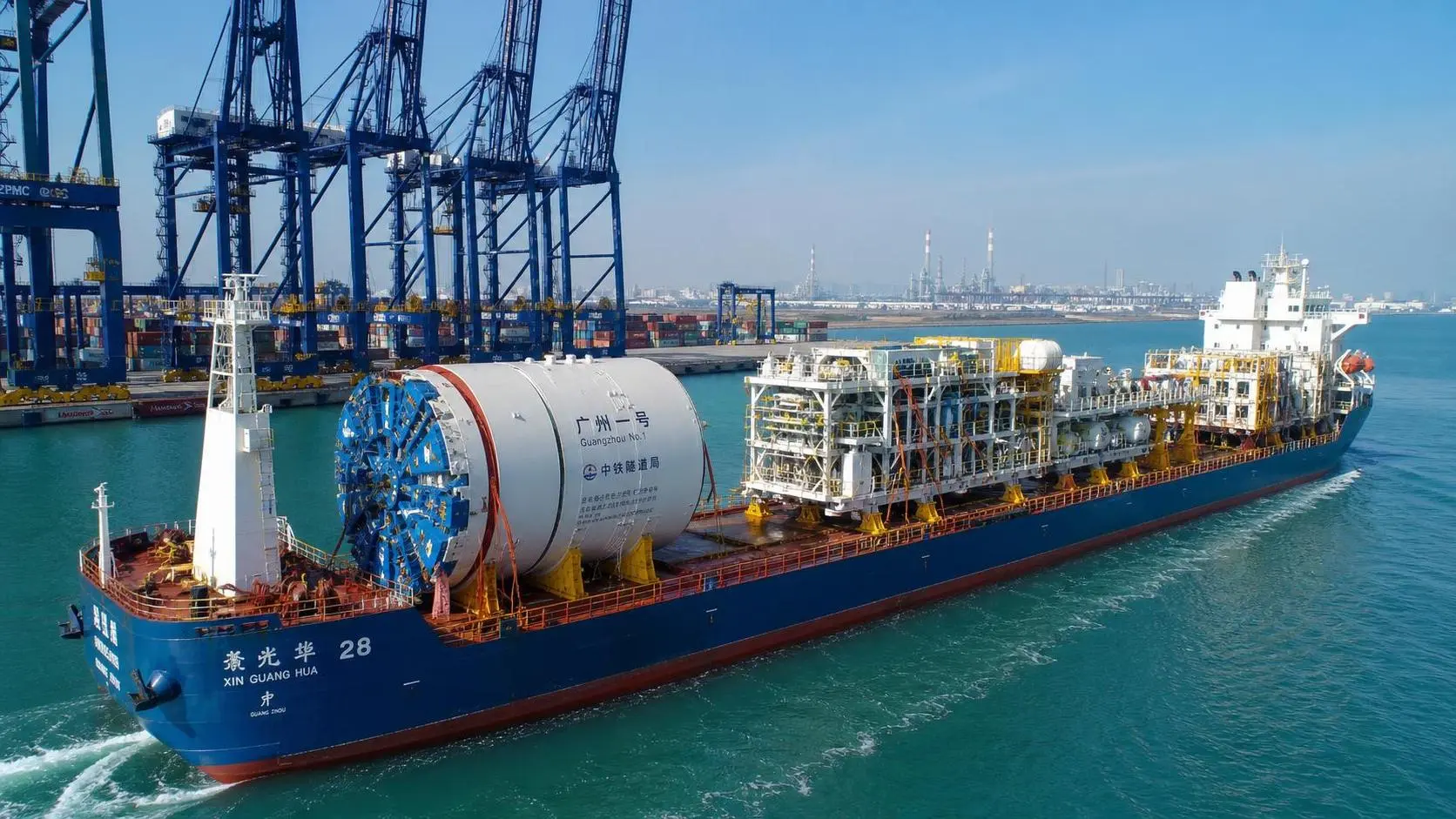
China-UAE Direct Sea Route Cuts TBM and Large Tunneling Equipment Lead Times
China-UAE direct sea route shortens TBM and large tunneling equipment lead times by 12–15 days, improving delivery predictability for major infrastructure projects. Read the full impact.
Related News
- 00
0000-00
How to Evaluate a Pipe Jacking Equipment Distributor for Project Support and Uptime - 00
0000-00
How to Build a Mining Decarbonization Strategy That Balances Emissions, Cost, and Fleet Reality - 00
0000-00
How to Evaluate Articulated Dump Trucks Payload for Haul Road Conditions and Cycle Efficiency - 00
0000-00
How Pipe Fittings Material and Pressure Class Affect Water Line Selection - 00
0000-00
What Drives TBM Excavation Cost in Urban Tunneling Projects?
Weekly Insights
Stay ahead with our curated technology reports delivered every Monday.