
What Affects Underground Drilling Accuracy? Key Factors in Hole Deviation Control





Why does underground drilling accuracy matter so much underground?
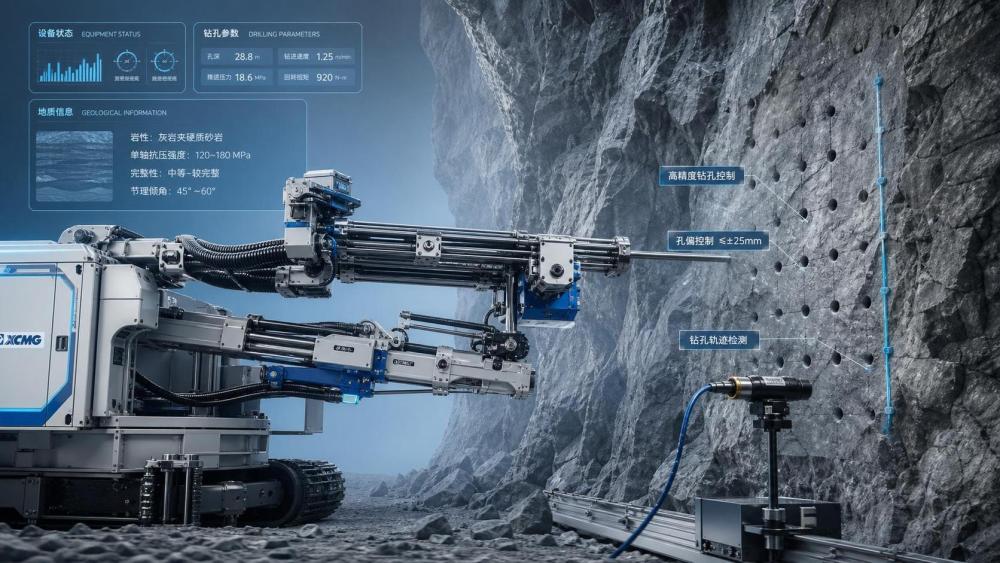
Underground drilling accuracy is not a cosmetic metric. It shapes blast results, support quality, cycle time, dilution, overbreak, and rework.
A hole that drifts only slightly can still miss the intended burden, spacing, or anchoring zone. That small error often multiplies downstream.
In tunnelling, deviation can weaken contour control and raise shotcrete consumption. In mining, it may reduce fragmentation quality or damage ore recovery.
This is why underground drilling accuracy is usually judged against design intent, not just against a single straightness number.
The more demanding the heading, the more critical that judgment becomes. Hard rock, fractured zones, water inflow, and tight profiles all reduce tolerance.
UTMD often tracks this topic across drilling jumbos, TBM support works, and trenchless access drilling because accuracy affects the full underground production chain.
In practice, the real question is rarely “Is the machine accurate?” It is “What is pushing the hole away from the plan?”
What usually causes hole deviation first: rock, machine, or operator?
The honest answer is all three, but not in equal proportions on every site.
Rock conditions often dominate early deviation. Variable hardness, joints, foliation, voids, and altered bands can push the bit away from the intended line.
Machine condition becomes more influential as wear accumulates. Feed beam alignment, boom stability, drifter performance, and bushing wear all affect underground drilling accuracy.
Operator input still matters, especially during collaring. Poor positioning, unstable contact, or rushed setup can create an error that continues through the entire hole.
A useful way to separate causes is to compare patterns. Random deviation often points to geology. Repeated directional bias suggests setup or equipment issues.
More advanced sites add measurement loops. They compare planned and actual hole traces, then review machine logs, rock mapping, and drilling parameters together.
That cross-check matters because underground drilling accuracy is rarely improved by one adjustment alone. It usually responds to a combination of mechanical and procedural control.
A quick field guide to the main deviation drivers
This kind of table is more useful than a generic checklist because it ties underground drilling accuracy to observable symptoms.
How much do drilling parameters really change underground drilling accuracy?
Usually more than teams expect. Even with the right jumbo and sound rock knowledge, poor parameter control can create avoidable deviation.
Rotation speed, percussion energy, feed force, and flushing volume must stay balanced. Too much feed can buckle the steel path. Too little can cause chatter.
Excessive impact energy in fractured ground may worsen wandering. Weak flushing lets cuttings build up, increasing friction and pushing the bit off line.
Collaring deserves special attention. Many deviation problems begin in the first short interval, when the bit has not yet stabilized inside the rock.
A more reliable approach is to tune parameters by ground class and hole purpose. Production holes, contour holes, and bolt holes do not behave the same way.
In data-rich fleets, parameter review should be linked to actual outcomes, not just machine presets. UTMD covers this shift as part of broader underground digitalization.
That matters because underground drilling accuracy improves faster when sites treat drilling data as a control loop instead of a maintenance archive.
- Match feed force to rock response, not to a fixed habit.
- Reduce aggressive starts during collaring on uneven faces.
- Verify flushing performance when holes deepen or water changes.
- Separate parameter recipes for contour, lifter, and support drilling.
When is the problem actually tooling and machine condition?
This question comes up when deviation remains even after parameter adjustments. In many cases, wear in the drilling system is the hidden source.
Bit wear changes contact behavior at the face. Worn rods and couplings can introduce small alignment losses that grow over length.
Feed beam straightness is another overlooked issue. A slight mechanical offset may be tolerated in short holes but becomes costly in deeper drilling.
Hydraulic instability also matters. If the drifter cannot deliver consistent energy, the bit may bounce, stall, or wander through mixed strata.
For underground drilling accuracy, maintenance should be linked to measured deviation trends. Calendar-based service alone is often too blunt.
A practical evaluation normally includes these checks:
- Tool wear rate by hole length and rock class
- Rod, shank, and coupling runout condition
- Boom holding stability during collaring and full feed
- Sensor and positioning calibration where automated guidance is used
That last point is increasingly important. As more underground fleets use navigation, automation, and remote monitoring, poor calibration can look like a drilling fault.
Can better planning and measurement reduce deviation before drilling starts?
Yes, and this is often where the best return appears.
Underground drilling accuracy is not protected only at the rig. It begins with face preparation, survey quality, pattern design, and realistic tolerance setting.
If the face is rough and poorly scaled, collar positioning becomes less repeatable. If the design ignores geological drift zones, drilling performance will look worse than it is.
A better planning method asks where deviation matters most. Contour control may need tighter limits than relief holes. Bolt holes may need different acceptance logic.
Measurement is the other half. Without actual trace or end-point verification, teams tend to debate causes with incomplete evidence.
Common measurement options range from manual bore checks to digital overbreak mapping and machine-integrated drilling reports. The right choice depends on hole length and risk.
In UTMD’s broader view of smart underground systems, the strongest sites connect drilling data with blasting, support, haulage, and production outcomes.
That creates a more credible picture of underground drilling accuracy than reviewing drilling in isolation.
Where to focus first when accuracy keeps slipping
What are the most common mistakes when evaluating underground drilling accuracy?
One common mistake is blaming the machine before checking geology and collaring quality. Another is treating every hole type with the same accuracy expectation.
Some teams also focus on average deviation only. That can hide a few severe outliers that create most of the operational damage.
A third mistake is separating drilling from downstream evidence. If fragmentation worsens, support consumption rises, or overbreak expands, those signals belong in the review.
It is also risky to copy parameter settings between headings without checking rock structure, water, and hole depth. Similar geology descriptions can still drill differently.
The better habit is to build a repeatable evaluation standard. Define tolerances by application, verify regularly, and link deviations to actual cost and safety impact.
That approach keeps underground drilling accuracy tied to project performance, which is the metric that ultimately matters.
So how should the next accuracy review be structured?
Start with the hole purpose and the required tolerance. A support hole, contour hole, and production hole should not be reviewed through the same lens.
Then map the likely drivers in sequence: ground condition, collaring quality, drilling parameters, tooling wear, machine alignment, and verification quality.
Where possible, compare actual hole behavior with blast results, support performance, and cycle efficiency. That gives underground drilling accuracy a practical context.
UTMD’s industry lens is useful here because drilling does not sit alone. It interacts with excavation systems, zero-emission fleet design, automation, and broader underground productivity goals.
A disciplined next step is simple:
- Review deviation by hole type, not by one blended average.
- Set trigger levels for tooling, alignment, and parameter changes.
- Use measurement evidence before changing equipment strategy.
- Track whether accuracy improvements reduce overbreak, dilution, or rework.
When those steps are in place, underground drilling accuracy becomes easier to diagnose, easier to improve, and far more valuable in real operations.
Related News
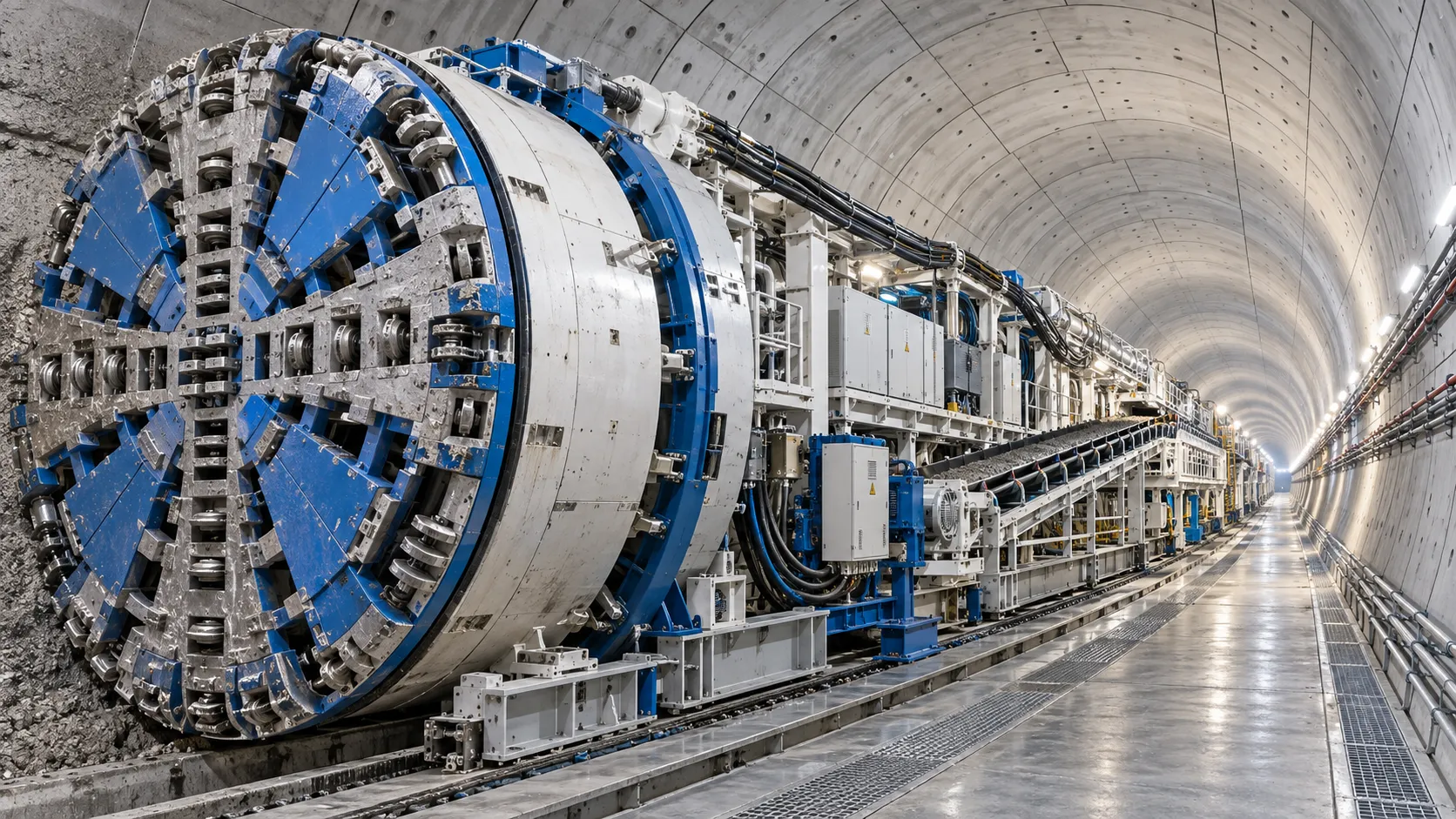
Tunnel Boring Machine Costs: Budgeting for Purchase, Operation, and Project Risk
Tunnel Boring Machines cost more than purchase price. Learn how to budget lifecycle costs, downtime, logistics, wear, and project risk for smarter TBM decisions.
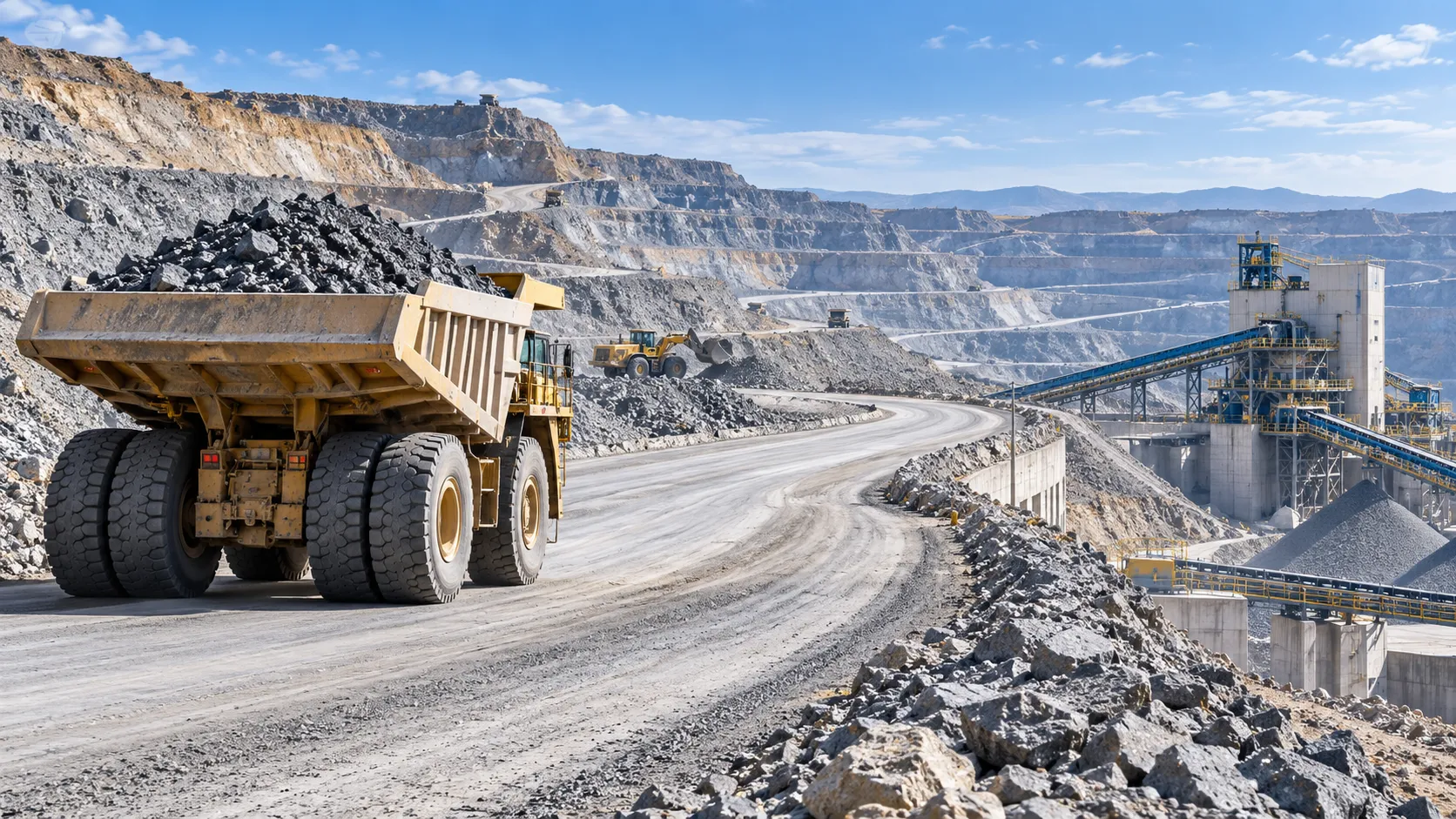
Open-Pit Haulage Cost Analysis: How Mine Managers Can Cut Cost per Tonne
Open pit haulage cost analysis: discover practical ways to reduce cost per tonne through payload control, cycle-time optimization, road performance, and smarter fleet decisions.
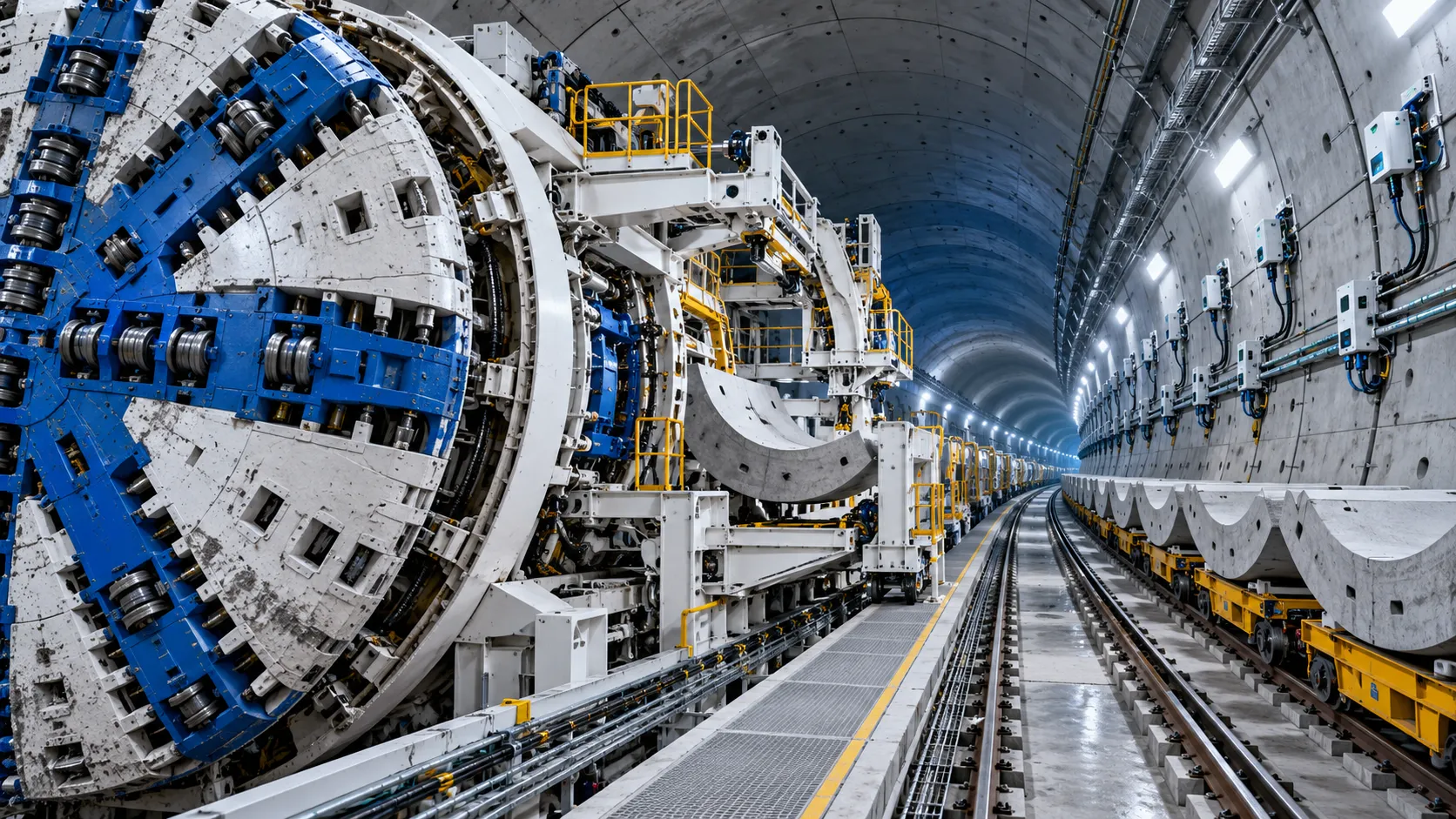
Tunnel Construction Innovations That Reduce Risk and Schedule Delays on Urban Projects
Tunnel construction innovation for urban projects: discover smarter TBMs, real-time monitoring, trenchless methods, and automation that reduce risk and protect schedules.
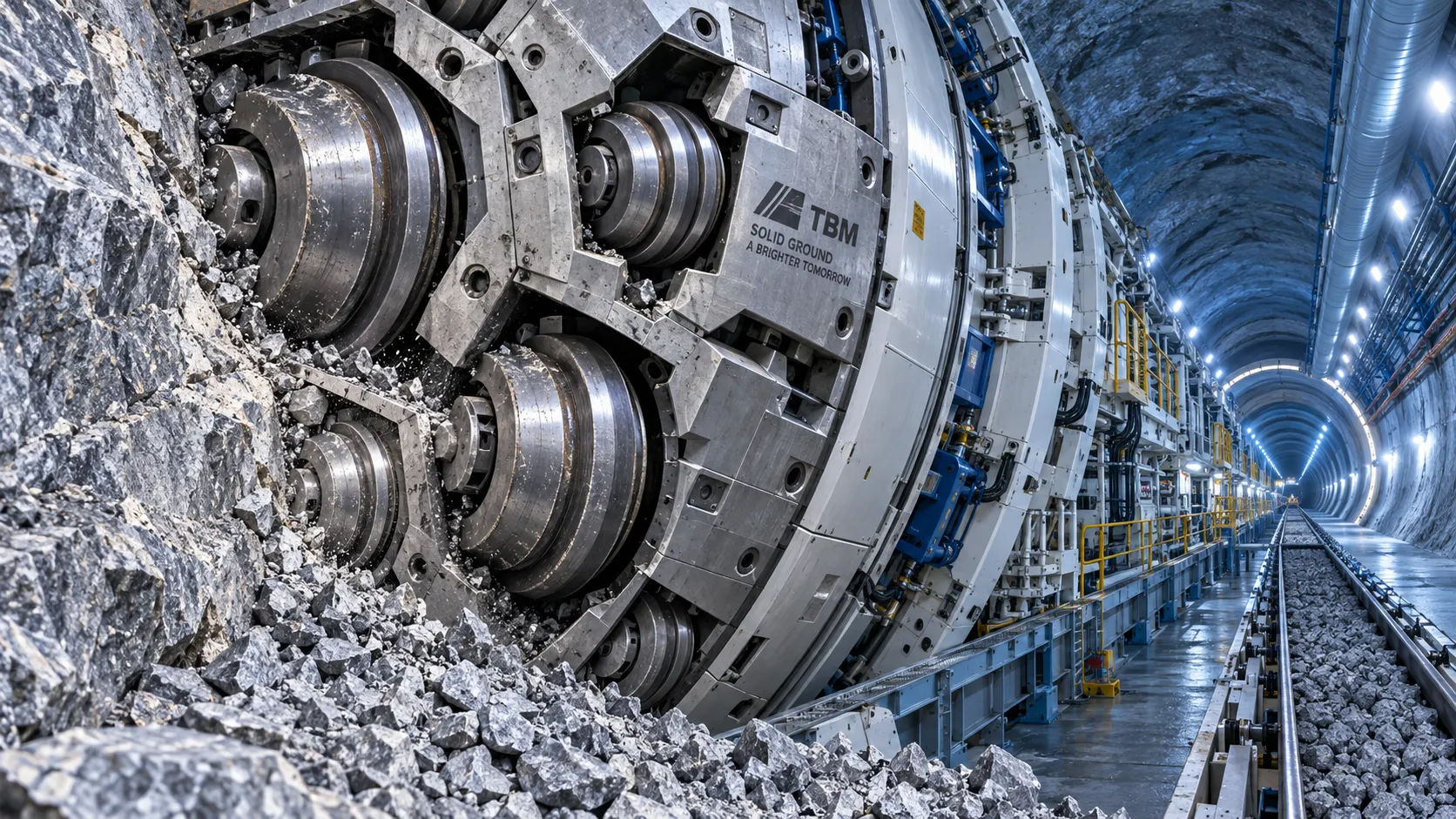
TBM Disc Cutter Design: Key Geometry and Load Factors for Hard Rock Tunnelling
TBM disc cutter design explained: explore geometry, spacing, load distribution and maintenance factors for reliable, efficient hard-rock tunnelling performance.
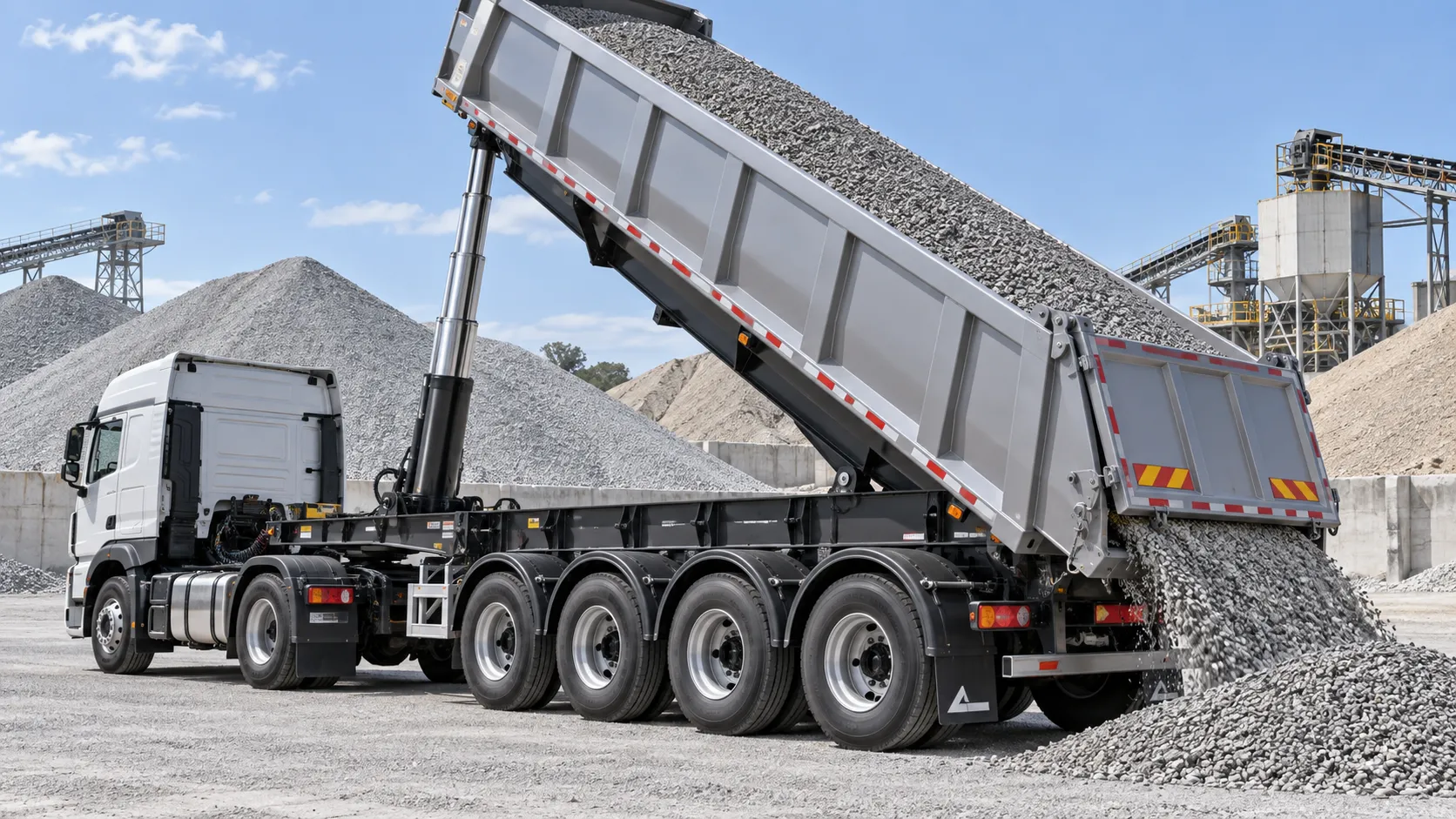
Hydraulic Tipping Stability Risks in Multi-Axle Dump Special Trailers
Dump special trailers: discover key hydraulic tipping stability risks, multi-axle load dynamics, and practical safety controls for safer, smarter bulk hauling.
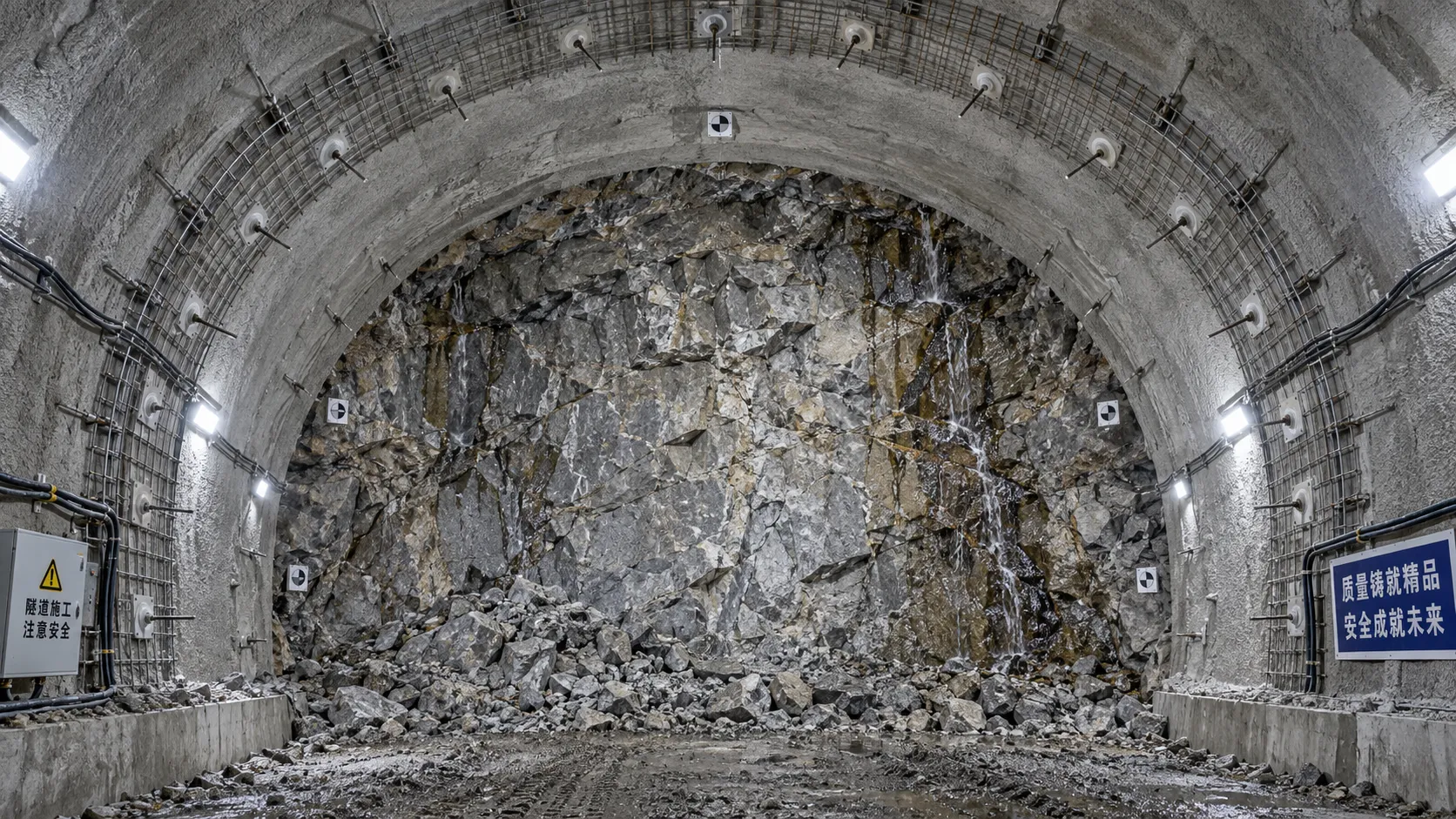
When rock reinforcement in tunnel construction must change after blasting
Rock reinforcement in tunnel construction must change when blasting reveals overbreak, weak joints, water inflow, or deformation. Discover key post-blast support decisions.
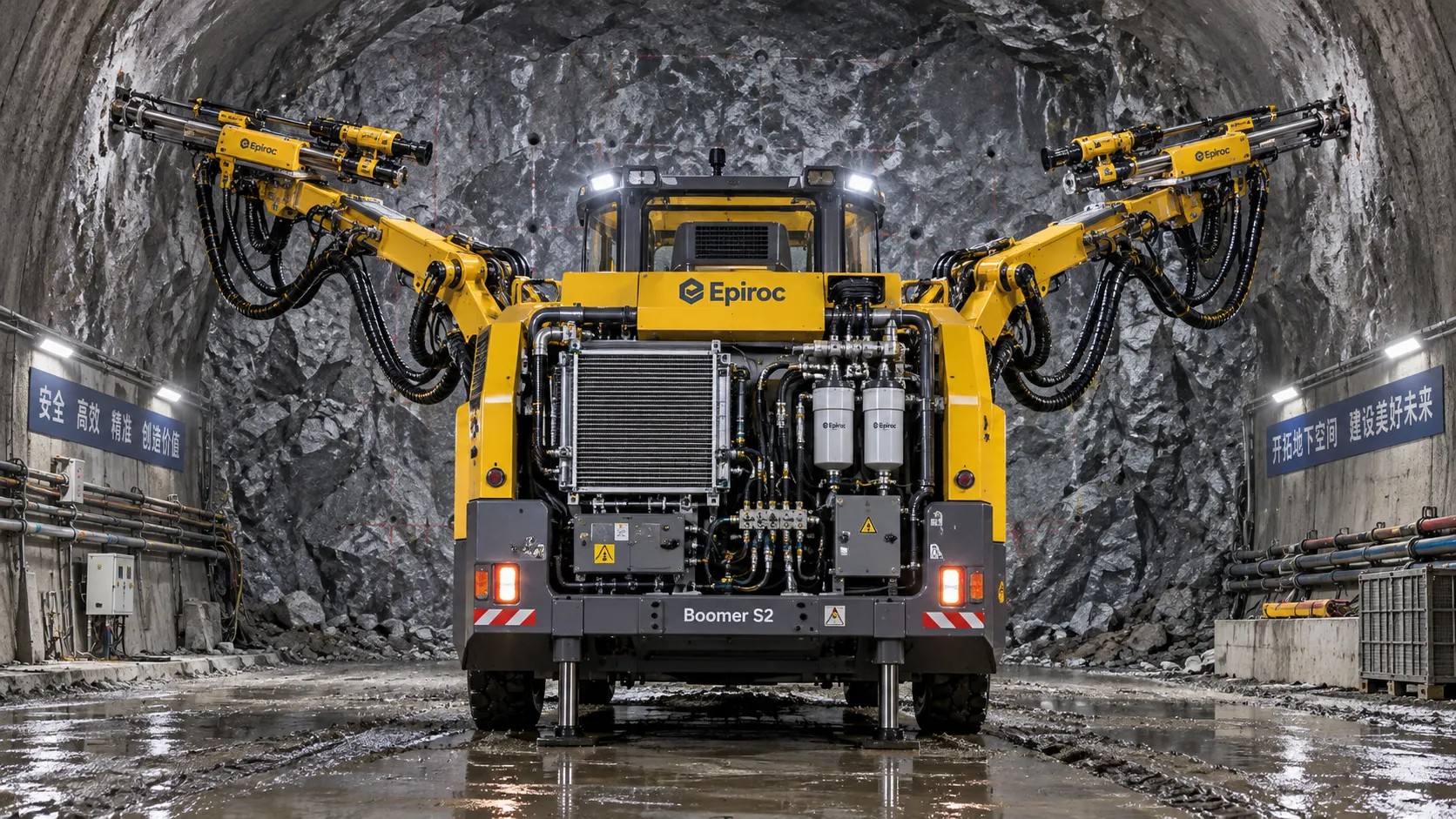
How tunnel hydraulic systems influence drill jumbo uptime underground
Tunnel hydraulic systems directly influence drill jumbo uptime. Explore how stable pressure, clean oil, cooling, and maintainable design reduce underground downtime.
What to verify before appointing a tunneling vehicles manufacturer
Choosing a tunneling vehicles manufacturer? Verify application fit, reliability, compliance, parts support, training, and channel terms before appointing a partner.
Selecting K9 Ductile Iron Pipe for Buried Water Pipeline Conditions
K9 ductile iron pipe selection for buried water pipelines: compare pressure duty, joints, soil loads, corrosion protection, and installation controls for reliable long-term performance.
Related News
- 00
0000-00
Tunnel Boring Machine Costs: Budgeting for Purchase, Operation, and Project Risk - 00
0000-00
Open-Pit Haulage Cost Analysis: How Mine Managers Can Cut Cost per Tonne - 00
0000-00
Tunnel Construction Innovations That Reduce Risk and Schedule Delays on Urban Projects - 00
0000-00
TBM Disc Cutter Design: Key Geometry and Load Factors for Hard Rock Tunnelling - 00
0000-00
Hydraulic Tipping Stability Risks in Multi-Axle Dump Special Trailers
Weekly Insights
Stay ahead with our curated technology reports delivered every Monday.