
Autonomous Computerized Jumbos Line Starts Output, Lead Time Cut to 8 Weeks





On July 1, 2026, a leading Chinese underground engineering equipment manufacturer said its intelligent drilling and blasting equipment industrial park in Xuzhou had officially started production on what it described as the world’s first fully autonomous mass-production line for Computerized Jumbos. The announcement matters to mining equipment buyers, component suppliers, cross-border equipment traders, and after-sales service providers because it combines two concrete signals in one event: full domestic integration from hydraulic rock drilling booms to SLAM navigation modules, and a reduction in standard overseas order lead time from 16 weeks to 8 weeks.
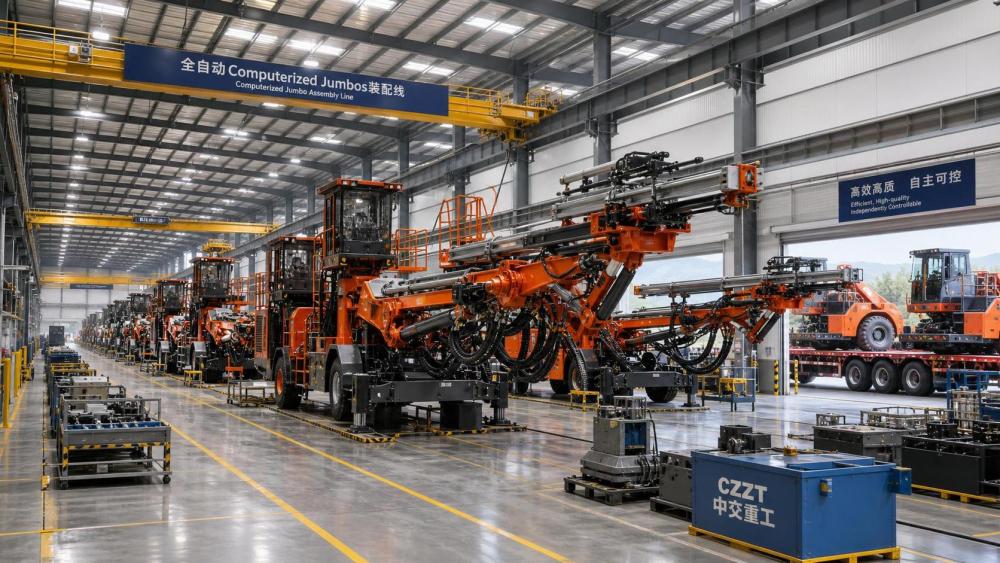
What the announcement confirms
According to the information provided, the manufacturer announced on July 1, 2026 that its intelligent drilling and blasting equipment industrial park in Xuzhou had formally entered production.
The company stated that the site is the world’s first fully autonomous production line for Computerized Jumbos.
The same announcement said the equipment line achieved 100% domestic integration covering core systems from hydraulic rock drilling booms to SLAM navigation modules.
For overseas orders, the lead time for standard-configuration models was reduced from 16 weeks to 8 weeks. The first batch of orders has already been shipped to the Länsi-Pohja mining area in Finland.
Where the impact may be felt first
Procurement teams may reassess delivery assumptions
From an industry perspective, mining companies and underground project operators that purchase Computerized Jumbos may be affected first in procurement planning. A shorter stated delivery cycle can influence tender timing, fleet replacement schedules, and the balance between ordering standard configurations and waiting for customized units. What deserves closer attention is whether buyers begin treating eight-week delivery for standard export models as a workable planning benchmark or as a case that still requires validation across more orders.
Suppliers will watch integration depth, not just output volume
For component and subsystem suppliers, the more relevant issue is the claim of full domestic integration from hydraulic rock drilling booms to SLAM navigation modules. Analysis shows this could affect supplier positioning in control systems, motion systems, and navigation-related assemblies because integration depth often changes qualification standards, sourcing relationships, and replacement part expectations. The immediate business question is not only who supplies what, but which parts remain tied to standard configurations and which may vary by export destination.
Traders and channel partners may need to reset customer communication
Direct trade companies and overseas channel partners may feel the impact through quotation practices and customer expectation management. If lead times are now shorter for standard models, dealers and trading intermediaries may need to revise how they communicate booking windows, shipment sequencing, and handover timing. Observably, the first batch being sent to Finland gives the market a concrete export reference point, but it does not by itself establish a broader pattern across all overseas regions or machine variants.
Service providers should focus on support readiness
After-sales and field service providers may also need to pay closer attention. When equipment production and export delivery accelerate, the pressure can shift downstream into commissioning preparation, spare-parts readiness, and technical documentation alignment. From an industry perspective, faster equipment arrival only creates commercial value if installation, training, and service response can keep pace.
What companies should monitor now
Watch for follow-up statements on standard versus non-standard models
The clearest practical issue is scope. The announced reduction applies to standard-configuration models for overseas orders. Companies involved in purchasing, trading, or support should therefore pay attention to any later clarification on which configurations are covered, how options affect timing, and whether the eight-week cycle is stable across future export batches.
Track how export execution develops after the first Finland shipment
The first batch has been sent to the Länsi-Pohja mining area in Finland, which makes actual export execution a key observation point. Businesses should focus on whether subsequent overseas deliveries follow a similar timeline and whether shipping, documentation, and acceptance processes remain aligned with the shorter production promise.
Review supplier documentation and service coordination
For suppliers and service partners, this announcement makes documentation discipline more important. If production is scaling under a fully autonomous line with domestically integrated systems, counterparties may need to confirm technical files, spare-parts lists, interface details, and service responsibilities earlier in the order cycle. That is especially relevant when customer-facing commitments are being made around compressed delivery windows.
Separate production capability from market-wide proof
Analysis shows companies should avoid reading a single launch announcement as proof that all lead-time, reliability, or localization questions have already been settled at market level. The practical response is to prepare for change in procurement and supply-chain planning while still validating execution details order by order.
How this news is best understood at this stage
Observably, this announcement carries more weight as an operational signal than as a general industry slogan. It points to two developments that the market tends to watch closely in underground equipment: whether domestic integration has reached core functional modules, and whether production organization can translate into faster export delivery.
It is more appropriate to understand this as a meaningful near-term signal with longer-term implications still requiring observation. The confirmed facts show that production has started, integration has been declared complete across named system boundaries, and export lead time for standard models has been shortened. What remains to be seen is how consistently those conditions hold across future orders, markets, and service cycles.
Why the industry will keep watching
This update is significant because it links manufacturing structure, component localization, and overseas delivery performance in one event rather than treating them as separate milestones. For market participants, the practical value lies less in headline novelty and more in whether shorter lead times and integrated system sourcing begin to affect real purchasing behavior, supplier coordination, and service planning.
At this point, the most balanced reading is that the development deserves close attention as a concrete production and delivery signal, while broader conclusions about competitive impact or market reordering should wait for more verified follow-through.
Basis of this article and points for verification
This article is based on the user-provided news title, event date, and event summary. The confirmed information used here is limited to the reported production launch in Xuzhou on July 1, 2026, the stated full domestic integration from hydraulic rock drilling booms to SLAM navigation modules, the reduction in standard overseas order lead time from 16 weeks to 8 weeks, and the first batch shipment to Finland’s Länsi-Pohja mining area.
For this type of industry update, commonly relevant source categories may include official company announcements, corporate disclosures, industry association updates, authoritative media reporting, and technical or standards-related documents. A specific official source link was not provided in the input, so the precise original publication still needs continued verification. Further attention should focus on follow-up disclosures about model scope, delivery consistency, and subsequent overseas shipments.
Related News
Tunnel Boring Machine Costs: Budgeting for Purchase, Operation, and Project Risk
Tunnel Boring Machines cost more than purchase price. Learn how to budget lifecycle costs, downtime, logistics, wear, and project risk for smarter TBM decisions.
Open-Pit Haulage Cost Analysis: How Mine Managers Can Cut Cost per Tonne
Open pit haulage cost analysis: discover practical ways to reduce cost per tonne through payload control, cycle-time optimization, road performance, and smarter fleet decisions.
Tunnel Construction Innovations That Reduce Risk and Schedule Delays on Urban Projects
Tunnel construction innovation for urban projects: discover smarter TBMs, real-time monitoring, trenchless methods, and automation that reduce risk and protect schedules.
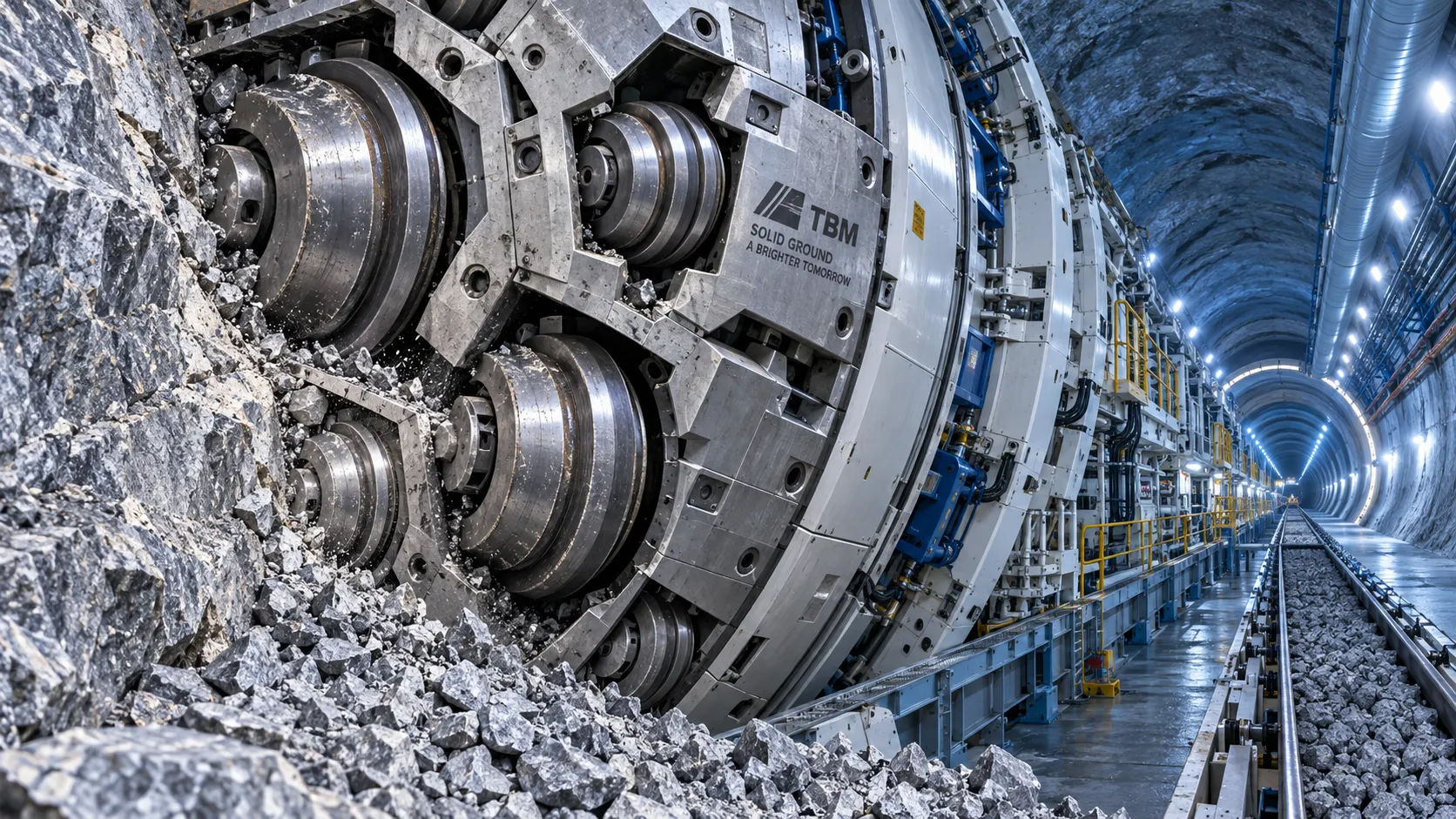
TBM Disc Cutter Design: Key Geometry and Load Factors for Hard Rock Tunnelling
TBM disc cutter design explained: explore geometry, spacing, load distribution and maintenance factors for reliable, efficient hard-rock tunnelling performance.
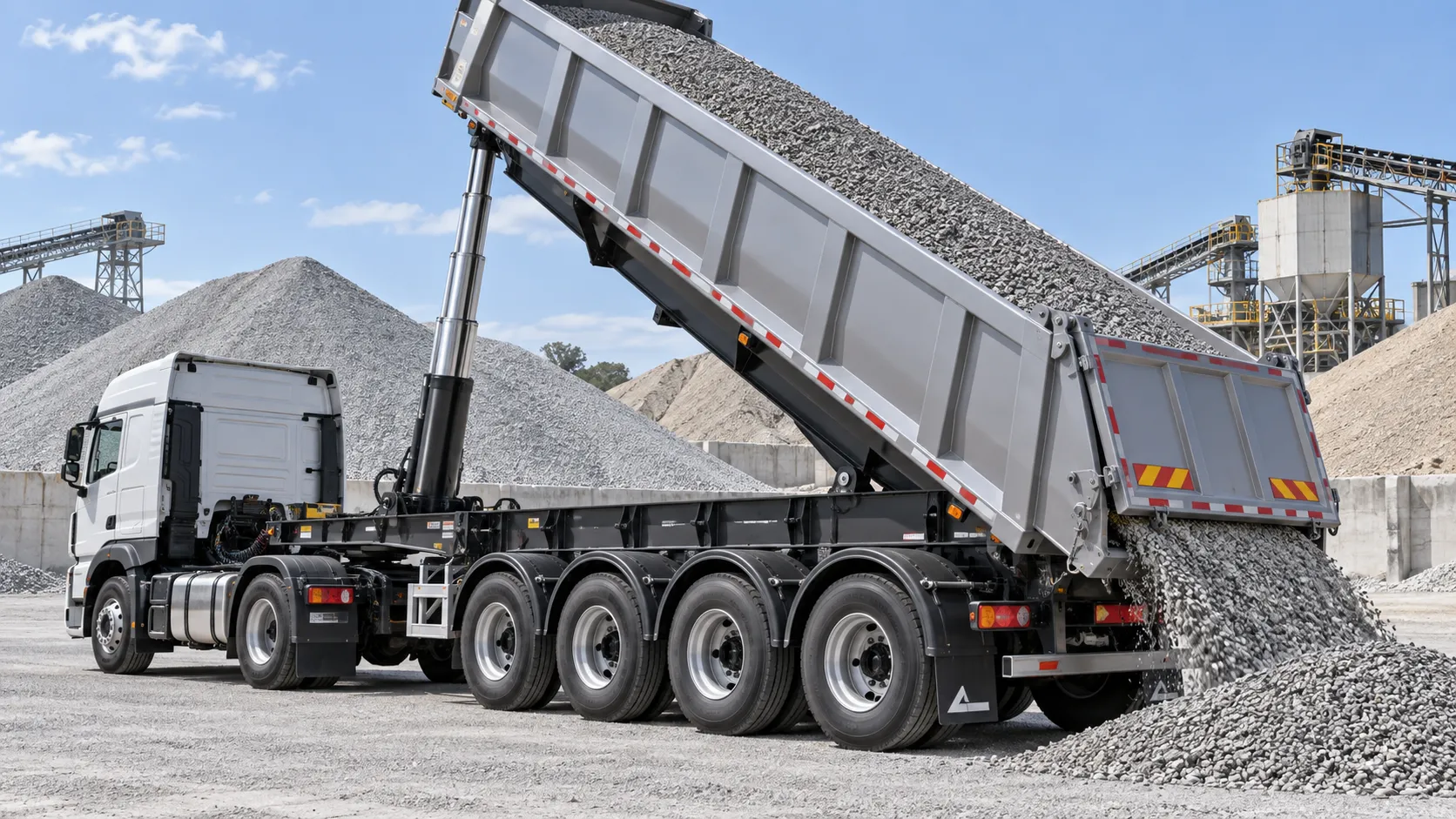
Hydraulic Tipping Stability Risks in Multi-Axle Dump Special Trailers
Dump special trailers: discover key hydraulic tipping stability risks, multi-axle load dynamics, and practical safety controls for safer, smarter bulk hauling.
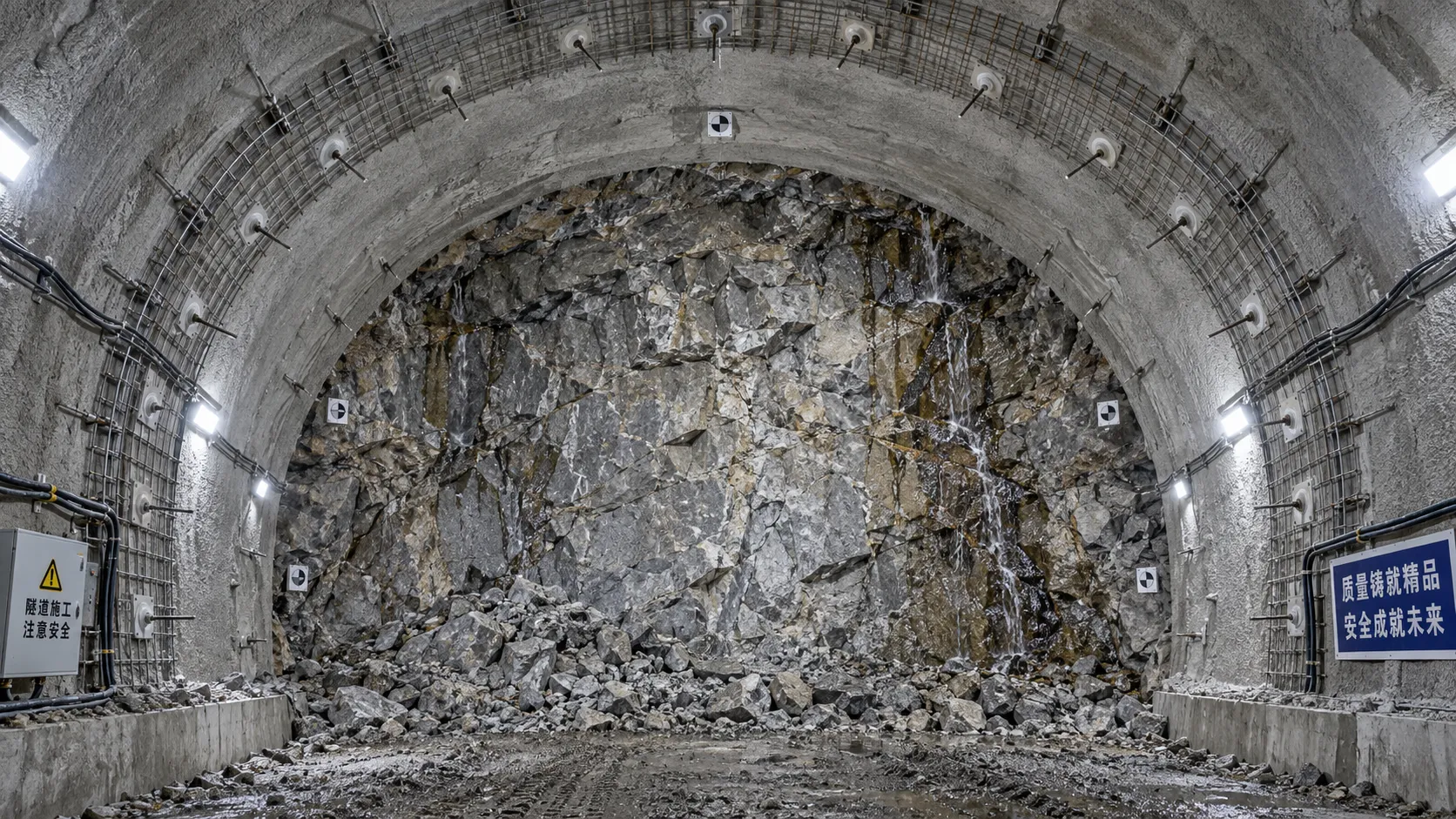
When rock reinforcement in tunnel construction must change after blasting
Rock reinforcement in tunnel construction must change when blasting reveals overbreak, weak joints, water inflow, or deformation. Discover key post-blast support decisions.
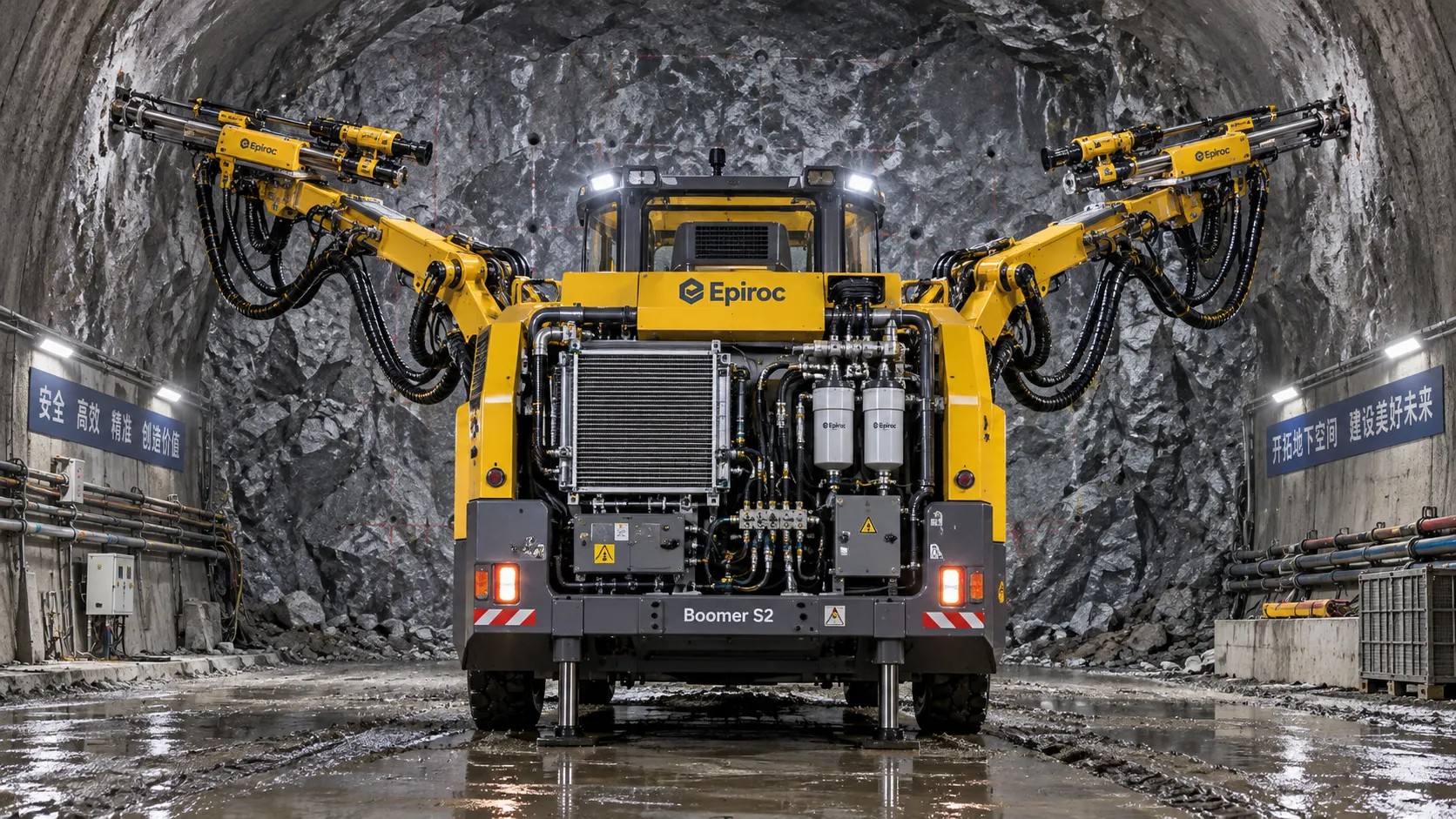
How tunnel hydraulic systems influence drill jumbo uptime underground
Tunnel hydraulic systems directly influence drill jumbo uptime. Explore how stable pressure, clean oil, cooling, and maintainable design reduce underground downtime.
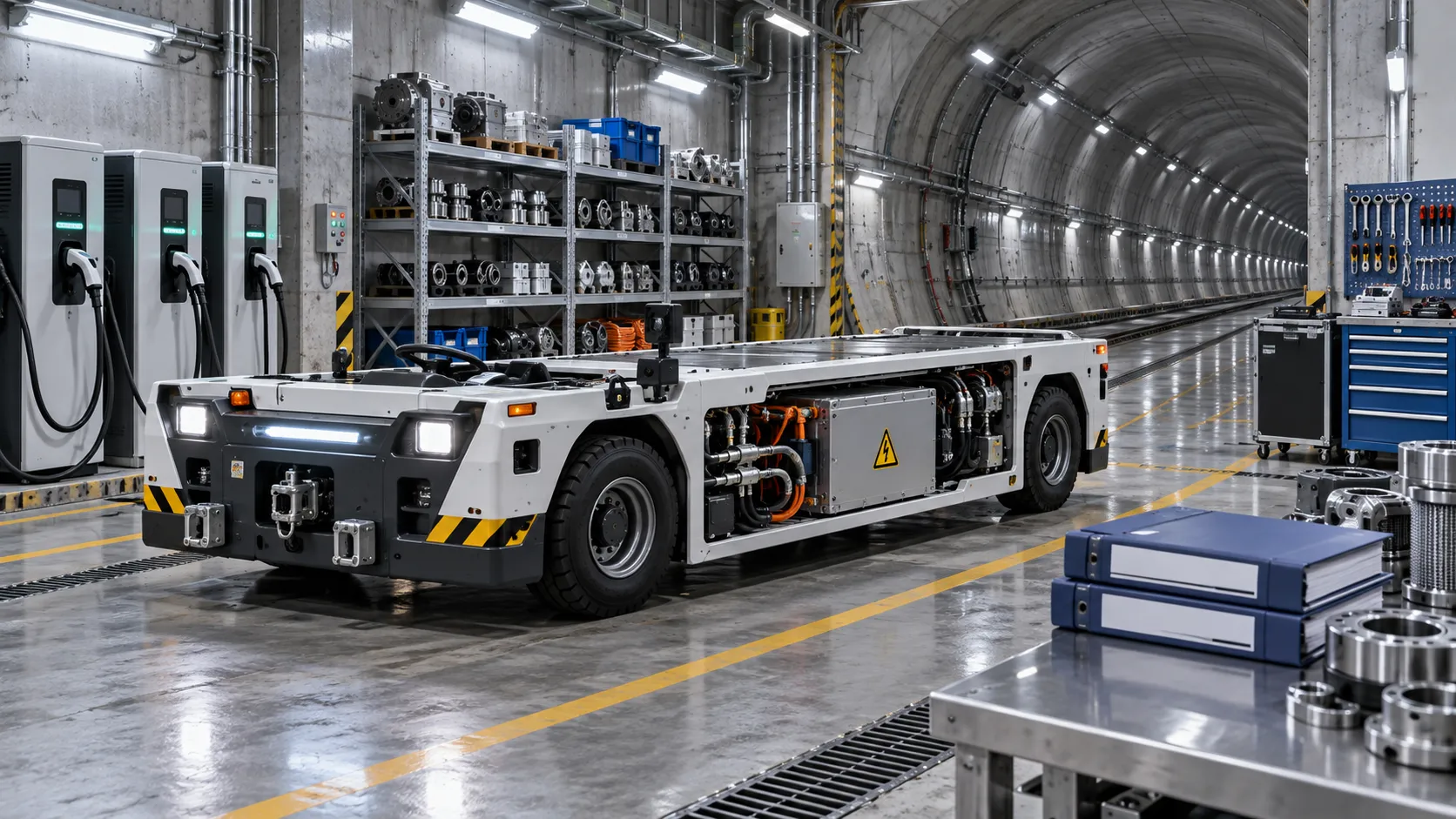
What to verify before appointing a tunneling vehicles manufacturer
Choosing a tunneling vehicles manufacturer? Verify application fit, reliability, compliance, parts support, training, and channel terms before appointing a partner.
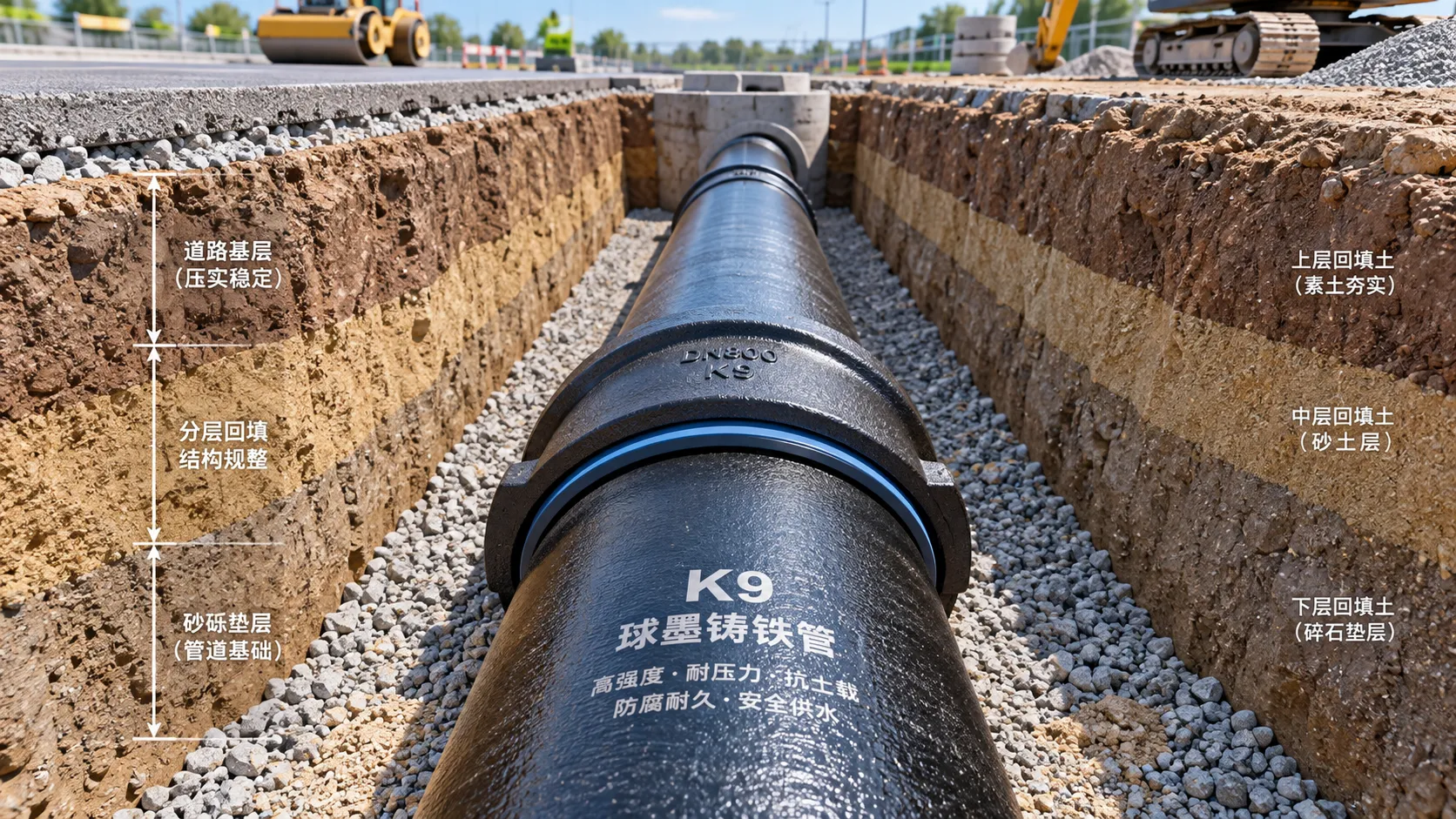
Selecting K9 Ductile Iron Pipe for Buried Water Pipeline Conditions
K9 ductile iron pipe selection for buried water pipelines: compare pressure duty, joints, soil loads, corrosion protection, and installation controls for reliable long-term performance.
Related News
- 00
0000-00
Tunnel Boring Machine Costs: Budgeting for Purchase, Operation, and Project Risk - 00
0000-00
Open-Pit Haulage Cost Analysis: How Mine Managers Can Cut Cost per Tonne - 00
0000-00
Tunnel Construction Innovations That Reduce Risk and Schedule Delays on Urban Projects - 00
0000-00
TBM Disc Cutter Design: Key Geometry and Load Factors for Hard Rock Tunnelling - 00
0000-00
Hydraulic Tipping Stability Risks in Multi-Axle Dump Special Trailers
Weekly Insights
Stay ahead with our curated technology reports delivered every Monday.