
Computerized Jumbos Line Cuts Lead Time to 8 Weeks





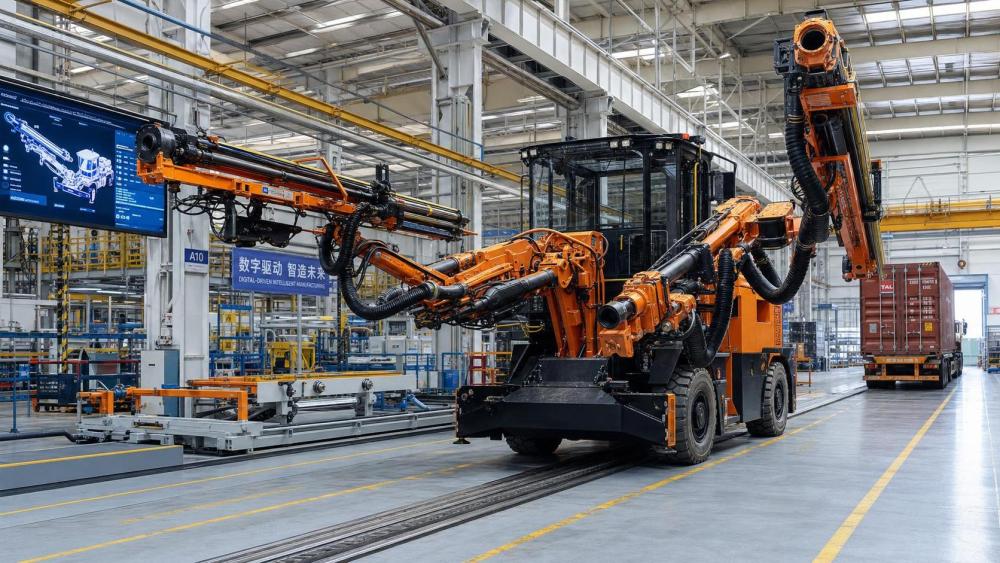
On July 1, 2026, XCMG Foundation put into operation what it described as the world’s first fully autonomous digital-twin mass production line for Computerized Jumbos in Xuzhou. The immediate point of industry attention is not only the launch itself, but the reported reduction in delivery time for a standard three-boom hydraulic drilling jumbo from an industry average of 24 weeks to 8 weeks. For equipment buyers, export-facing manufacturers, and after-sales service providers, this development is worth watching because it connects production speed, modular manufacturing, and remote diagnostic readiness in one move.
What Has Been Confirmed So Far
According to the information provided, the production line was launched on July 1, 2026, in Xuzhou by XCMG Foundation. It is described as the world’s first fully autonomous Computerized Jumbos digital-twin mass production line.
The line uses modular design and AI-based process optimization. Based on the same information, these changes reduced the delivery cycle for a standard three-boom hydraulic drilling jumbo from an industry average of 24 weeks to 8 weeks.
The first batch of orders has already been shipped to Canada, Kazakhstan, and Indonesia. All of those units are equipped with an ISO 15643-2:2025 remote diagnostic interface.
Why Different Market Participants Will Be Watching Closely
For equipment buyers, timing may become part of supplier evaluation
From an industry perspective, buyers of underground drilling equipment may pay closer attention to lead time as a competitive purchasing factor if the reported 8-week cycle proves repeatable in regular deliveries. The business impact would be most visible in procurement planning, project scheduling, and supplier comparison, especially where delivery windows affect site readiness or capital deployment.
What deserves closer attention is whether shortened production time is reflected consistently across standard configurations, export procedures, and after-sales preparation, rather than only in an initial production phase.
For competing manufacturers, the pressure is likely to center on production organization
Analysis shows this news is relevant to manufacturers because it links modular design and AI process optimization to a concrete delivery-cycle claim. That does not by itself prove an industry-wide shift, but it does raise the bar for how production efficiency may be discussed in the market.
The immediate area of attention for peers is likely to be manufacturing organization: whether their own product architecture, production scheduling, and digital systems can support shorter lead times without weakening delivery reliability or service readiness.
For export and service channels, the remote diagnostic interface matters alongside shipment speed
The first shipments going to Canada, Kazakhstan, and Indonesia indicate that the launch is already tied to overseas delivery. Observably, that makes the ISO 15643-2:2025 remote diagnostic interface commercially relevant, not just technically notable.
For distributors, service teams, and cross-border delivery partners, the practical implications may show up in documentation alignment, service workflows, and customer communication around diagnostics capability. The point to watch is not only faster shipment, but whether remote support expectations become part of normal deal requirements.
What Companies Should Track Next
Watch for consistency in official follow-up disclosures
Companies should focus on whether future official statements continue to describe the 8-week delivery cycle in the same scope and under the same product conditions. This matters because lead-time claims can influence procurement discussions, but business decisions usually depend on whether the claim applies to standard models, export orders, or broader product ranges.
Separate production speed from total fulfillment time
For procurement teams and supply-chain managers, the practical issue is to distinguish factory delivery cycle from end-to-end order fulfillment. Analysis shows that the reported reduction concerns delivery cycle for a standard three-boom hydraulic drilling jumbo, while buyers and channel partners still need to verify how that aligns with order confirmation, shipping, documentation, and service preparation.
Review readiness for diagnostic-interface requirements
Because the first batch is equipped with an ISO 15643-2:2025 remote diagnostic interface, manufacturers, distributors, and service partners should pay attention to how such interfaces are described in quotations, technical files, and customer handover materials. For service organizations in particular, the issue is whether teams are prepared to support equipment positioned around remote diagnostics.
Pay attention to which markets and configurations move first
The confirmed destinations in Canada, Kazakhstan, and Indonesia suggest that export deployment is part of the initial rollout. What deserves closer attention is whether future deliveries remain concentrated in certain markets or standard configurations, since that will affect how broadly the current production model can be interpreted by buyers and channel partners.
How This News Is Best Interpreted at This Stage
Observably, this development carries more weight as an operational signal than as a completed industry conclusion. The confirmed facts show a new production line, a shorter reported lead time, first overseas shipments, and the inclusion of a remote diagnostic interface. Those are meaningful indicators, but they do not yet establish how broadly the model will be replicated across suppliers or how durable the delivery advantage will be over time.
It is more appropriate to understand this as an early but concrete sign that production responsiveness and digital service compatibility may be moving closer to the center of competition in Computerized Jumbos. The industry still needs continued observation before treating it as a settled market pattern.
What This Means for the Market Right Now
At present, the clearest significance of this update is that a Chinese supplier has linked autonomous digital-twin production, modular design, AI process optimization, and export delivery into one verifiable event on a specific date. For the market, that makes lead time and diagnostic readiness more visible points of comparison than before.
A neutral reading is that this is neither a routine production update nor sufficient proof of a broad industry shift on its own. It is better understood as a development with immediate commercial relevance and longer-term strategic implications that still require follow-up verification.
Basis of This Article
This article is based on the user-provided news title, event date, and event summary. The confirmed facts used here come from the provided information about the July 1, 2026 launch in Xuzhou, the reported reduction in delivery cycle, the initial export destinations, and the use of the ISO 15643-2:2025 remote diagnostic interface.
For this type of industry update, commonly relevant source categories would include official company announcements, corporate disclosures, industry association information, authoritative media reporting, and standards-related documentation. A specific official source link was not provided in the input, so further verification is still necessary. Follow-up attention should remain on subsequent official disclosures, repeatability of the reported delivery cycle, and any additional information about market rollout or technical implementation.
Related News

What Drives TBM Excavation Cost in Urban Tunneling Projects?
tbm excavation cost in urban tunneling depends on geology, shafts, segment lining, logistics, and risk. Discover the key cost drivers and compare bids with greater confidence.

What Does Energy Metals Mining in Australia Mean for Supply, Cost, and Project Risk?
Energy metals mining Australia is reshaping supply, cost, and project risk. Discover what it means for buyers, investors, and operators.
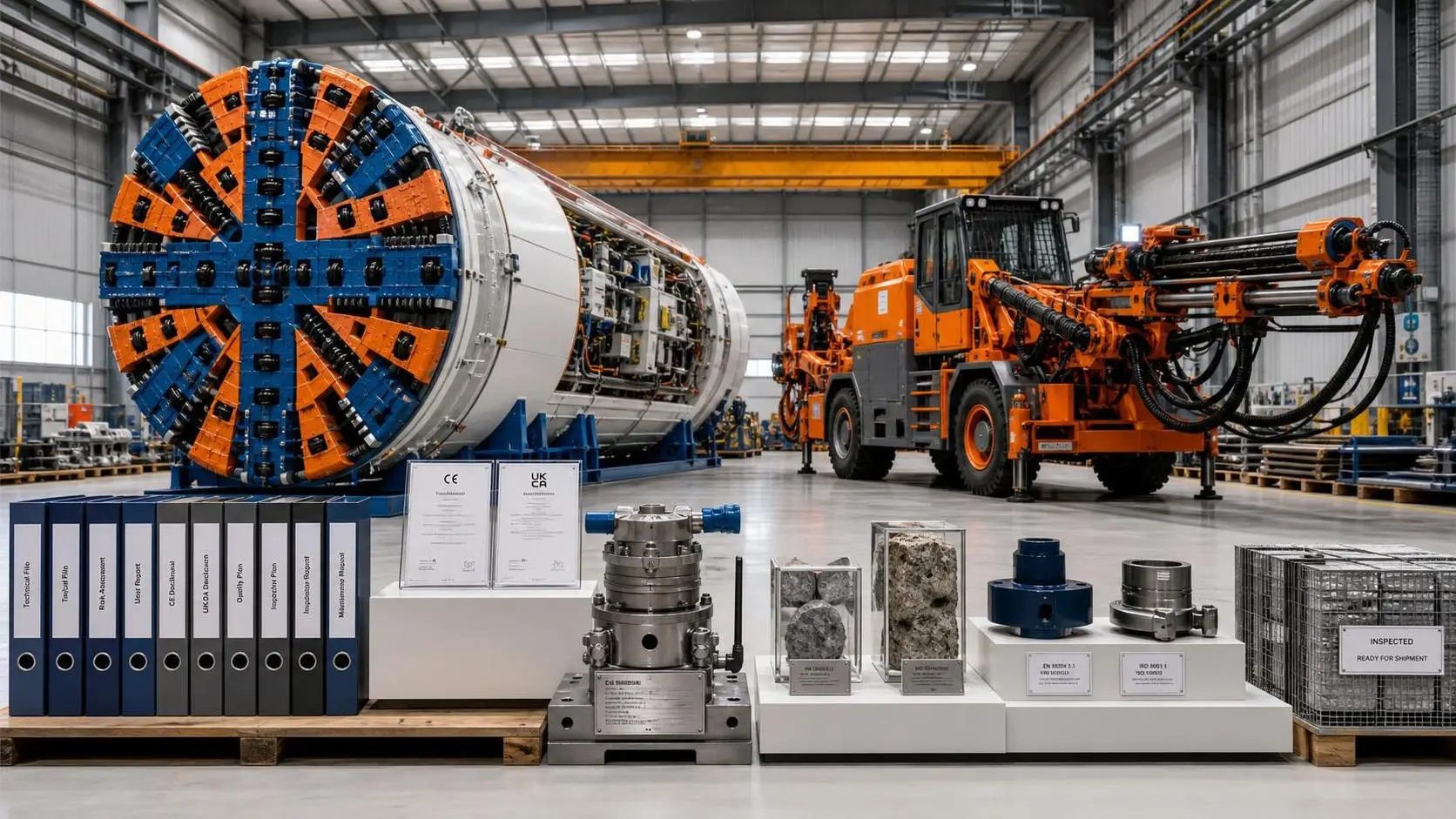
EU Eases Dual CE and UKCA Path for Chinese Tunnel Boring Equipment
EU eases CE and UKCA certification for Chinese tunnel boring equipment, cutting compliance time and helping importers move faster.
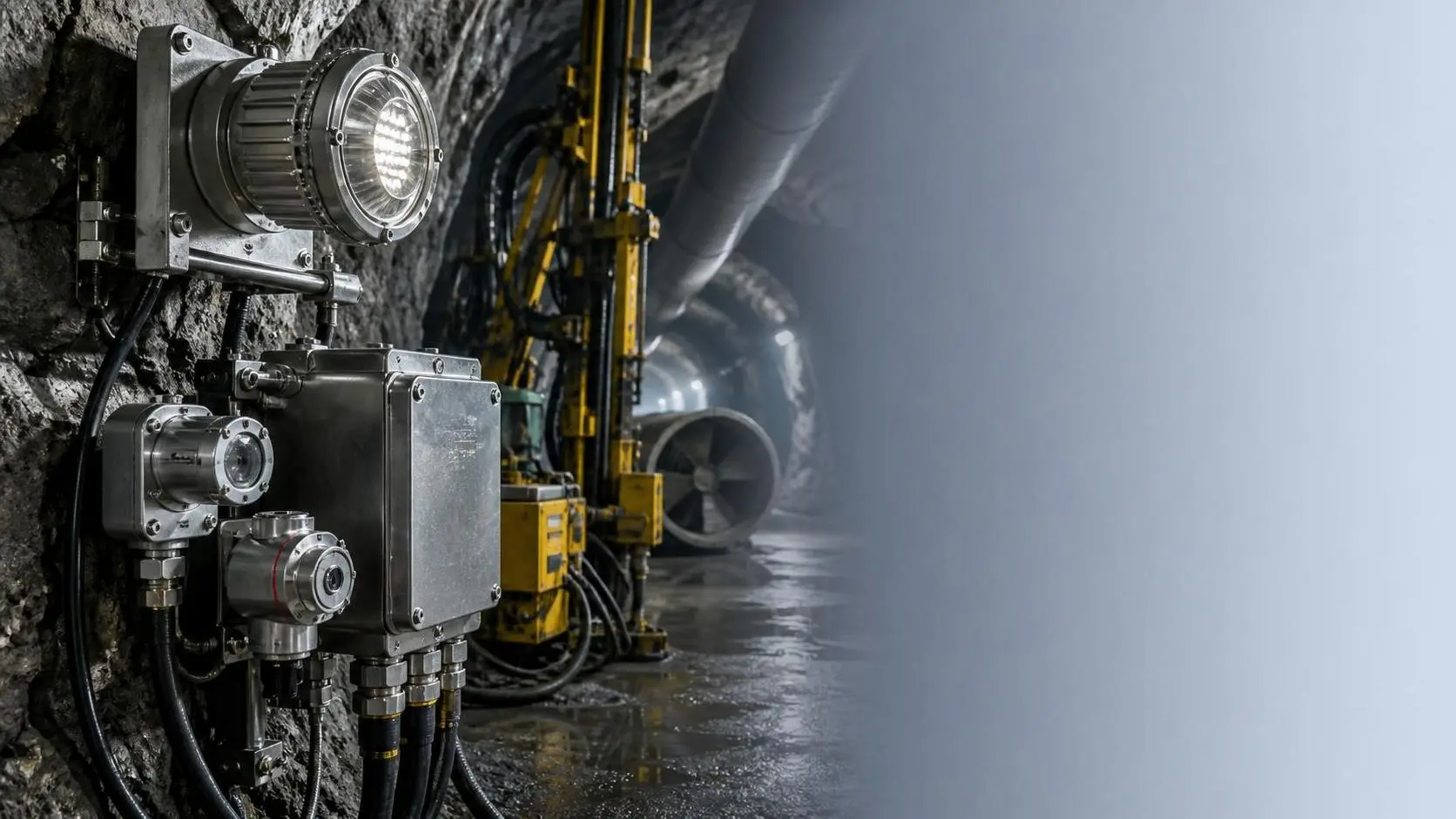
Flameproof Underground Safety Equipment: What Mine Teams Should Check Before Buying
Underground Safety Equipment flameproof buying guide: learn how mine teams should verify certification, durability, serviceability, and supplier support before purchase.
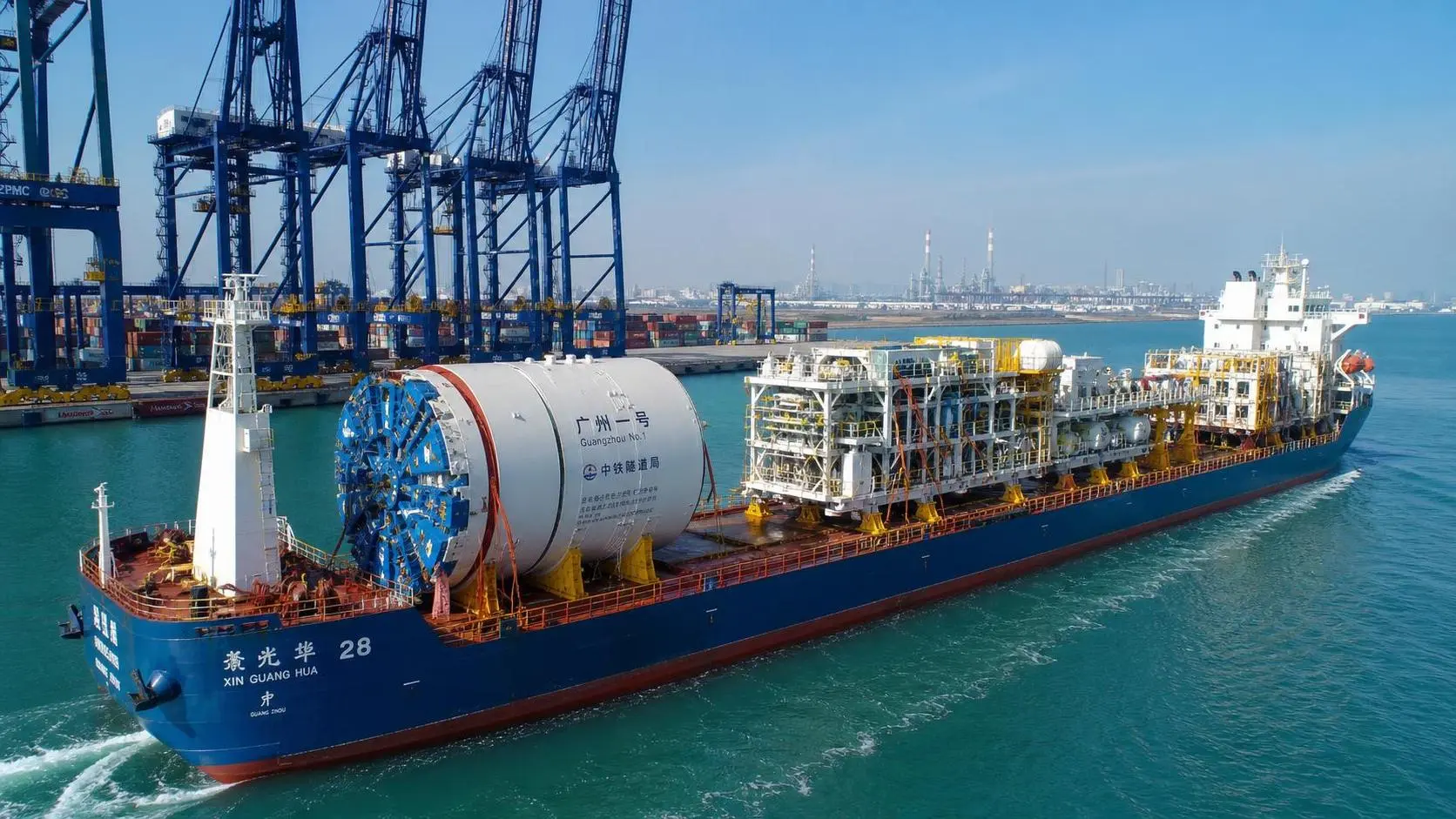
China-UAE Direct Sea Route Cuts TBM and Large Tunneling Equipment Lead Times
China-UAE direct sea route shortens TBM and large tunneling equipment lead times by 12–15 days, improving delivery predictability for major infrastructure projects. Read the full impact.

What Is a TBM Guidance System Gyroscope, and Why Does It Matter Underground?
TBM Guidance Systems gyroscope improves underground accuracy, reduces drift, and helps tunnel boring machines stay on line in harsh conditions.

China to Roll Out Nationwide Local and Foreign Currency Cash Pools for Multinationals on Sept. 14
China will roll out nationwide local and foreign currency cash pools for multinationals on Sept. 14, streamlining cross-border treasury management and boosting liquidity efficiency.

How to Choose a Reliable Underground Mining Equipment Supplier for Harsh Site Conditions
Find a reliable underground mining equipment supplier for harsh site conditions with rugged, maintainable solutions that boost uptime, reduce risk, and support long-term production.
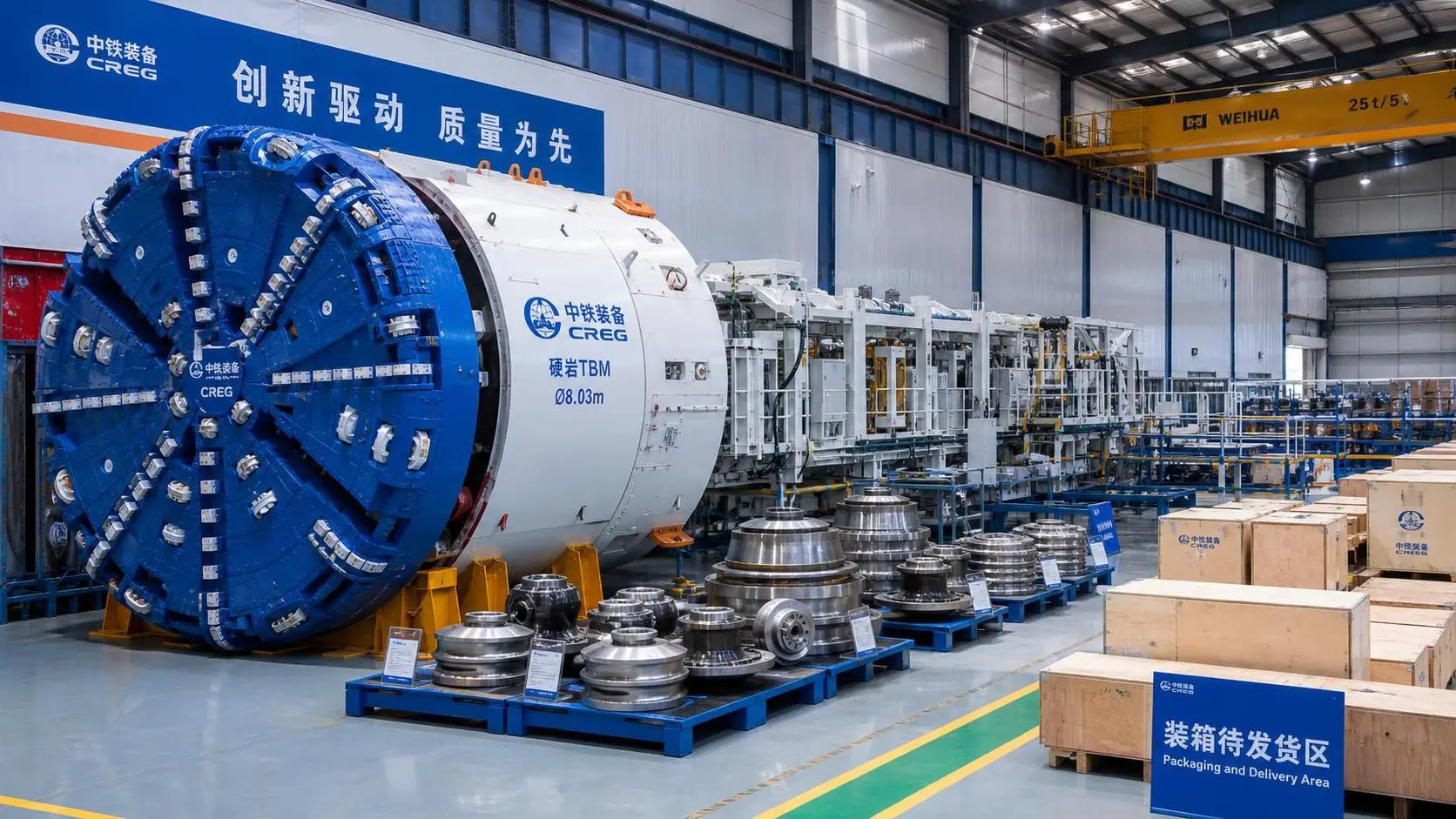
China Customs Tightens TBM Export Checks from Aug. 16
China Customs tightens TBM export checks from Aug. 16, 2026. Learn how new mandatory inspections may affect tunnelling equipment shipments, compliance, and delivery plans.
Related News
- 00
0000-00
What Drives TBM Excavation Cost in Urban Tunneling Projects? - 00
0000-00
What Does Energy Metals Mining in Australia Mean for Supply, Cost, and Project Risk? - 00
0000-00
EU Eases Dual CE and UKCA Path for Chinese Tunnel Boring Equipment - 00
0000-00
Flameproof Underground Safety Equipment: What Mine Teams Should Check Before Buying - 00
0000-00
China-UAE Direct Sea Route Cuts TBM and Large Tunneling Equipment Lead Times
Weekly Insights
Stay ahead with our curated technology reports delivered every Monday.