
Underground Drilling Jumbo Selection Guide: Boom Reach, Drill Coverage, and Rock Conditions





Selecting an underground drilling jumbo is rarely a simple matter of carrier size or installed power. In drill-and-blast tunnelling and hard rock mining, performance depends on how boom reach, drill coverage, hole accuracy, and rock conditions work together at the face.
That is why the topic matters now. Underground projects face tighter advance schedules, stricter safety targets, electrification pressure, and greater demand for reliable data. A well-matched underground drilling jumbo supports faster rounds, cleaner profiles, and more predictable downstream loading, hauling, and support cycles.
Why jumbo selection has become more demanding
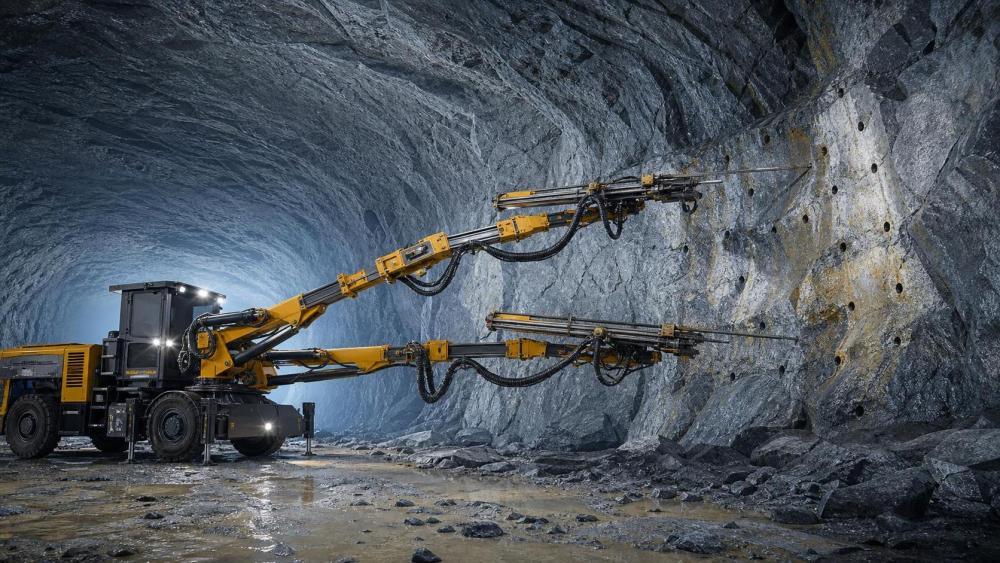
The machine sits at a critical point in the underground production chain. In a mine heading or tunnel face, drilling quality shapes blasting results, fragmentation, overbreak, ventilation needs, and the pace of ground support installation.
A poor match can look acceptable on paper. Yet once deployed, limited reach, awkward boom geometry, or unstable drilling in fractured rock quickly reduce effective utilization. The result is slower cycles and rising cost per advanced meter.
This is also where UTMD’s broader underground equipment view becomes useful. Drilling jumbos do not operate in isolation. Their output affects loaders, trucks, ventilation, blasting logistics, and digital mine planning across the entire underground system.
Start with the real job, not the brochure headline
An underground drilling jumbo should be assessed against the actual heading geometry and work method. Face width, height, corner access, drift curvature, and support timing matter more than headline drilling rate alone.
In practical terms, three questions usually frame the decision:
- Can the booms reach every planned hole position without unstable extension angles?
- Can the carrier and feed arrangement cover the face with minimal repositioning?
- Will the drilling system stay accurate under the site’s rock conditions?
These questions sound basic, but they often separate a productive unit from one that spends too much time correcting its own limitations.
Boom reach is about usable geometry
Boom reach is often reduced to maximum extension figures. That approach is misleading. What matters is usable reach across the drilling envelope while maintaining feed alignment, hole accuracy, and mechanical stability.
At the face, difficult holes are usually not the central ones. They are the perimeter holes, lifters, roof corners, and positions near irregular walls. A jumbo may technically reach them, yet only with awkward articulation that slows setup.
Two-boom and three-boom layouts must therefore be judged by overlap and interference, not just individual arm length. If the booms block one another, theoretical coverage turns into practical delay.
What to examine in boom kinematics
- Parallel holding capacity through the full feed travel
- Stability near roof and wall corners
- Boom overlap for simultaneous drilling patterns
- Clearance in narrow headings and curved drifts
- Ease of repositioning between cut, stoping, and contour holes
A capable underground drilling jumbo should make difficult holes routine. If the layout forces repeated manual correction, drilling quality becomes operator-dependent, which raises cycle variability.
Drill coverage shapes cycle time more than many expect
Drill coverage refers to how much of the planned face can be completed from one setup. This affects not only drilling duration, but also tramming interruptions, alignment checks, and the risk of pattern deviation after repositioning.
Coverage should be assessed against the blast design. A jumbo that covers a wide face efficiently in one project may be inefficient in another with different profile dimensions or support sequencing.
In many cases, a slightly smaller underground drilling jumbo with better real coverage outperforms a larger unit that needs repeated repositioning.
Rock conditions decide how much specification really converts into output
Rock hardness is only one part of the selection picture. Abrasiveness, jointing, water inflow, stress condition, and ground variability all influence penetration rate, hole deviation, tool wear, and feed control requirements.
In competent hard rock, the focus may shift toward impact power, hole straightness, and consumable life. In fractured or mixed ground, stability, anti-jamming response, and drilling control can matter even more.
Rock-related issues that affect jumbo choice
- Very hard rock may justify higher percussion energy and stronger feed systems.
- Highly abrasive formations can shift economics toward easier maintenance and lower consumable cost.
- Broken ground increases the value of precise boom control and fast collaring stability.
- Water-bearing zones demand protection for hydraulics, electrics, and automation sensors.
- Variable geology rewards adaptable control software more than peak drilling speed claims.
This is where digital control is becoming a stronger differentiator. Modern underground drilling jumbo platforms increasingly combine drilling automation, pattern guidance, and data logging to stabilize output across inconsistent ground.
Application context changes the right answer
The same underground drilling jumbo may behave very differently across mining drifts, development headings, hydro tunnels, civil access tunnels, and production stopes. Selection should reflect the actual excavation and support sequence.
For example, development tunnelling often values accurate contour drilling and reliable round repetition. Mining applications may place greater weight on mobility, rapid setup, and flexibility across multiple drift geometries.
Where bolting is integrated into the cycle, combined drilling and support capability can shift the equipment decision. In ESG-driven operations, battery-electric or low-emission machine architecture may also influence the shortlist.
That broader system logic aligns with UTMD’s industry lens. Zero-exhaust underground fleets, automated loading, and digital mine coordination all place new demands on drilling equipment consistency and data compatibility.
A practical comparison framework
A useful evaluation process compares machines against the heading, the rock, and the operating model at the same time. Looking at one dimension in isolation usually produces false confidence.
Useful checkpoints during comparison
- Map the exact face profile and check true drill coverage, not brochure coverage.
- Review boom positions for perimeter and lifter holes under realistic drift constraints.
- Match feed length and drill plan to round length and blast design.
- Test assumptions against expected rock classes, water conditions, and wear environment.
- Examine maintenance access, spare parts logic, and consumable compatibility.
- Check automation functions for repeatability, reporting, and integration with site systems.
- Estimate output based on full cycle performance, not only penetration rate.
This framework helps separate headline specification from operational value. The best underground drilling jumbo is usually the one that protects cycle consistency over months of work, not the one that looks strongest during a narrow demonstration.
What to carry into the next evaluation round
A sound selection process ties machine geometry to blast design, then tests both against the rock mass and site logistics. That creates a clearer basis for comparing capital cost, utilization, maintenance exposure, and expected advance performance.
For any underground drilling jumbo shortlist, the next useful step is to build a face-specific comparison sheet. Include boom reach maps, real drill coverage, ground condition assumptions, automation functions, and service requirements.
From there, decisions become more concrete. Instead of asking which model is larger or newer, the better question is which machine will keep drilling accurate, stable, and efficient in the headings that actually define project success.
Related News
What Should a Mine Decarbonization Roadmap Include to Cut Emissions Without Hurting Output?
Mine decarbonization roadmap essentials: learn how to cut mining emissions with phased electrification, ventilation planning, and infrastructure readiness—without sacrificing output.
How to Evaluate Underground Mine Automation Companies for Safety and ROI
Underground mine automation companies vary widely in safety, interoperability, and ROI. Learn how to compare vendors, reduce deployment risk, and choose a scalable solution.
How to Evaluate Underground Haulage Systems for Ore Output, Ramp Grade, and Ventilation Limits
Underground haulage systems should be evaluated by ore output, ramp grade, and ventilation limits—not brochures. Learn how to compare trucks, LHDs, and electric options for smarter mine planning.
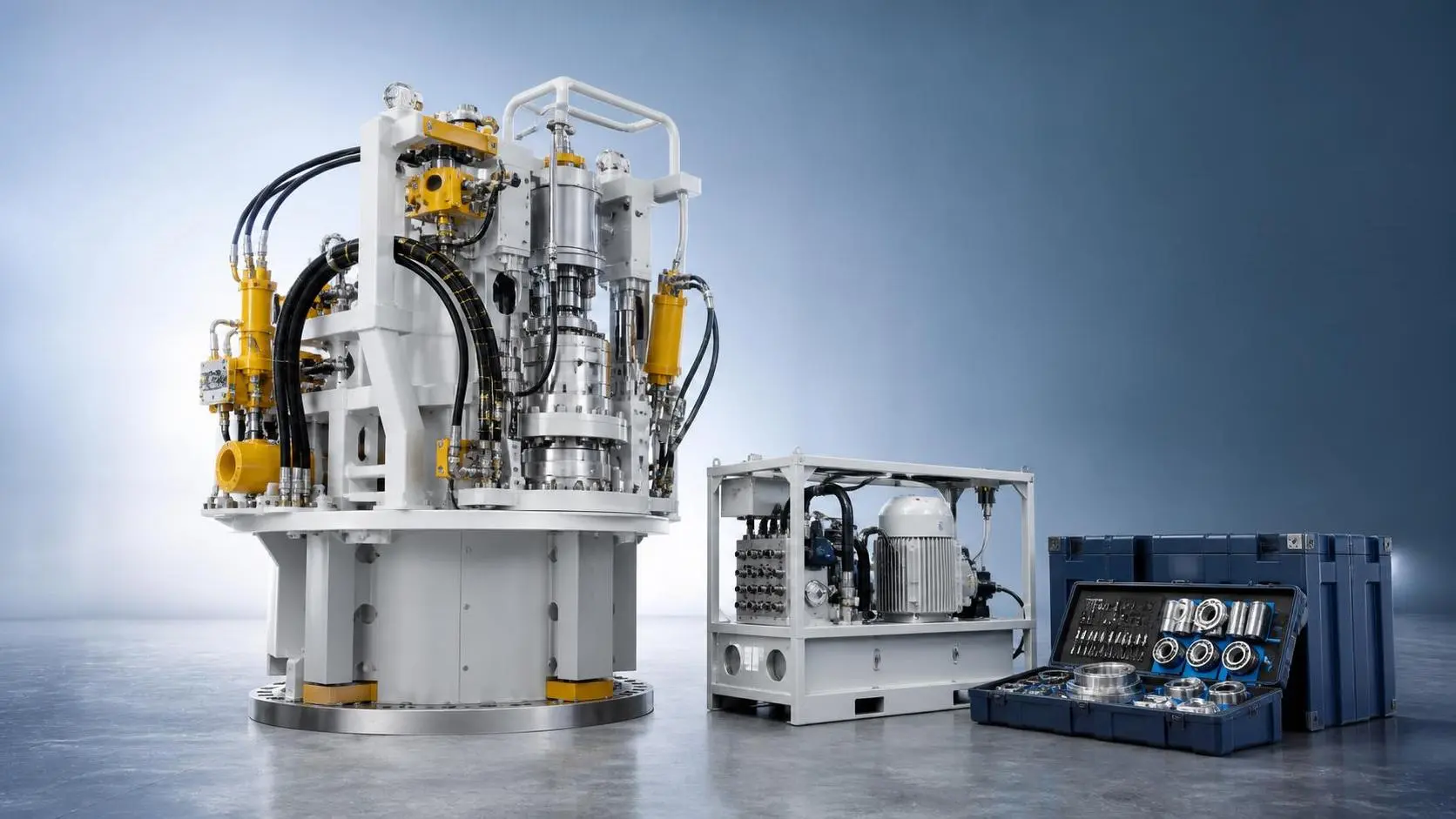
How to Evaluate a Pipe Jacking Equipment Distributor for Project Support and Uptime
Pipe jacking equipment distributor evaluation made practical: learn how to assess parts support, service response, training, and technical readiness to reduce downtime and protect project uptime.
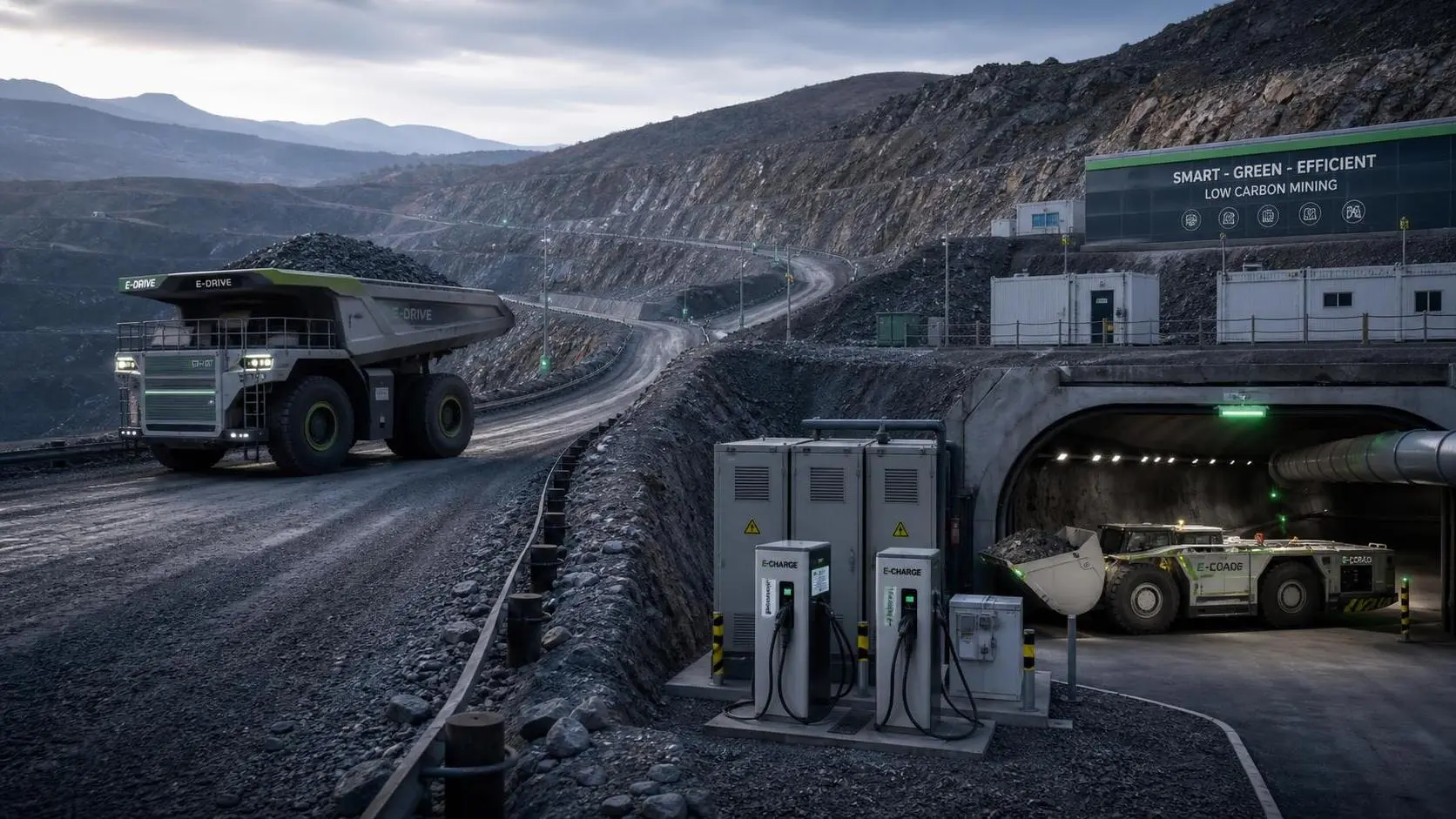
How to Build a Mining Decarbonization Strategy That Balances Emissions, Cost, and Fleet Reality
Mining decarbonization strategy starts with fleet reality. Learn how to cut emissions, control cost, and align power, ventilation, and production for a practical mine transition.
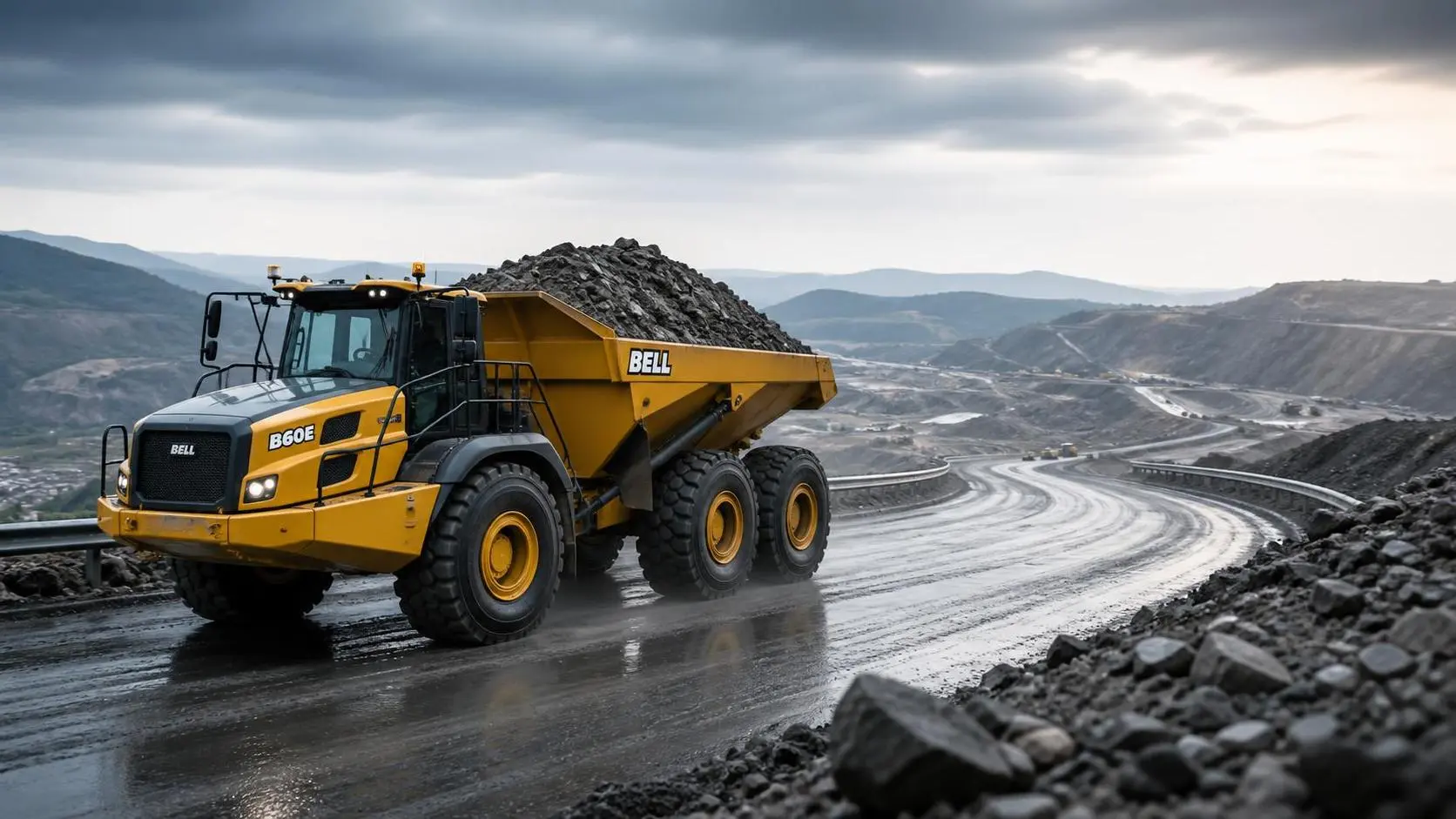
How to Evaluate Articulated Dump Trucks Payload for Haul Road Conditions and Cycle Efficiency
Articulated Dump Trucks payload evaluation starts with real haul road conditions, not brochure numbers. Learn how to balance payload, traction, grades, and cycle efficiency for safer, higher output.
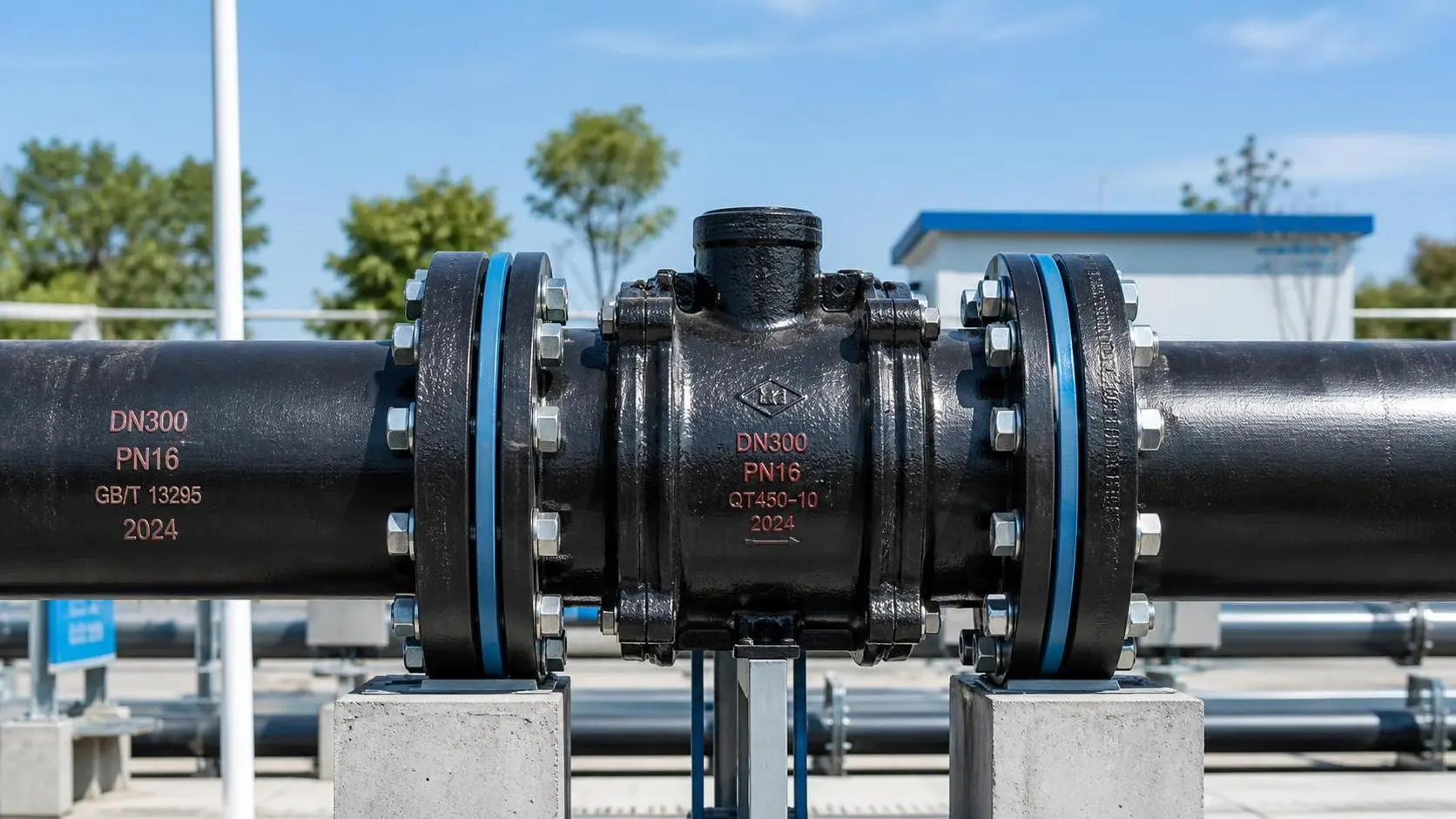
How Pipe Fittings Material and Pressure Class Affect Water Line Selection
Pipe fittings selection starts with material and pressure class. Learn how these factors affect water line reliability, corrosion resistance, installation, and long-term cost.
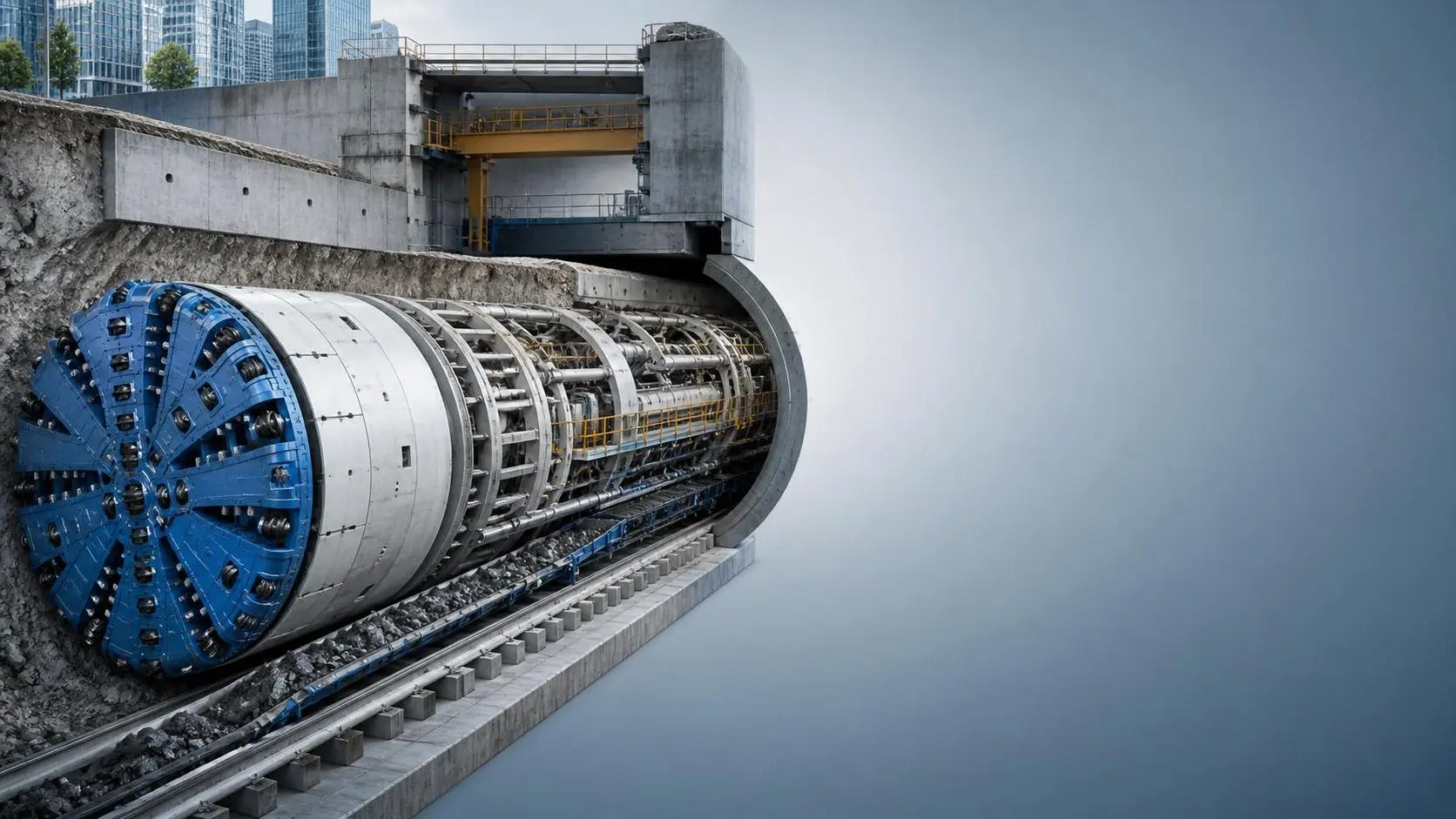
What Drives TBM Excavation Cost in Urban Tunneling Projects?
tbm excavation cost in urban tunneling depends on geology, shafts, segment lining, logistics, and risk. Discover the key cost drivers and compare bids with greater confidence.
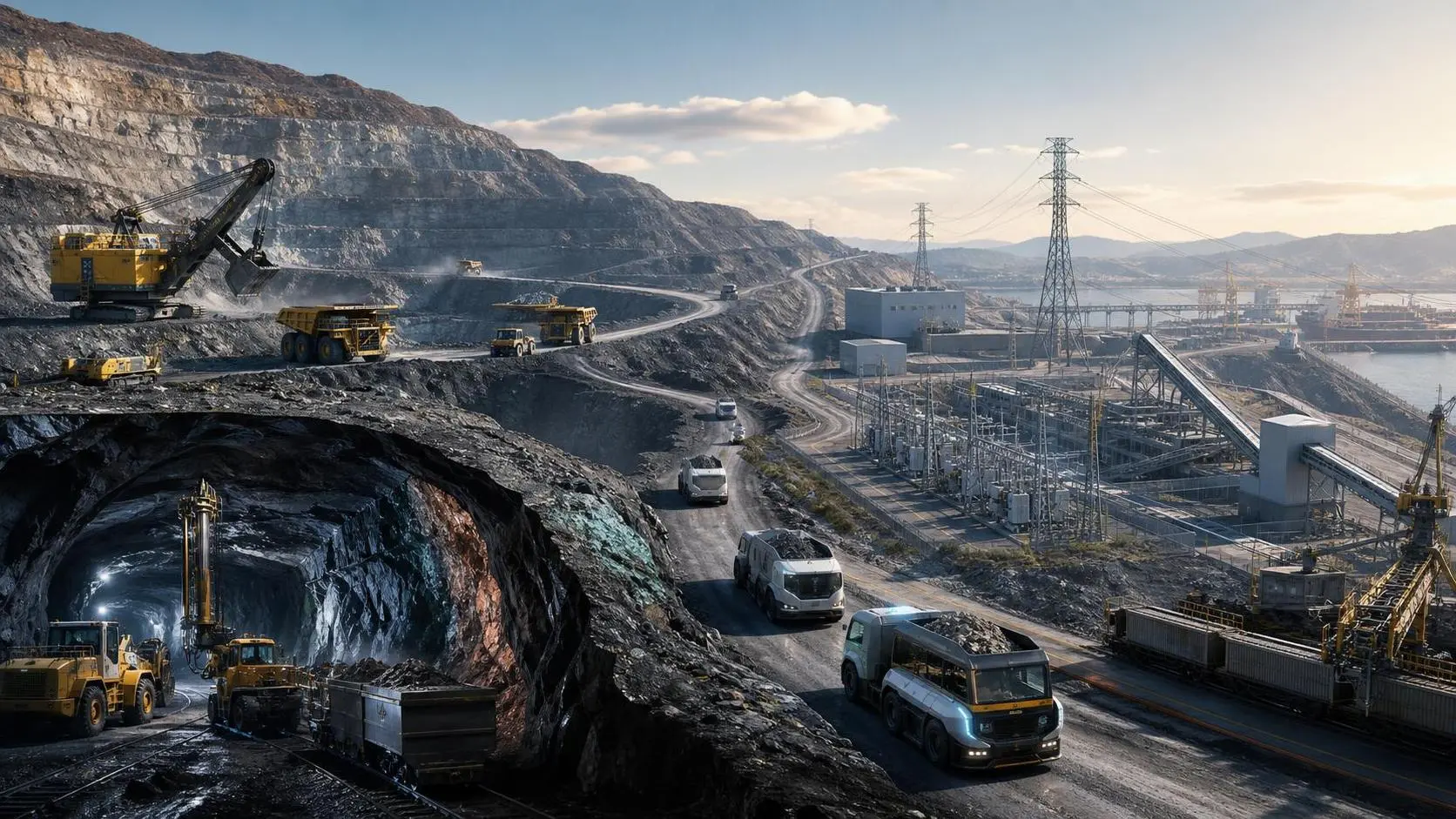
What Does Energy Metals Mining in Australia Mean for Supply, Cost, and Project Risk?
Energy metals mining Australia is reshaping supply, cost, and project risk. Discover what it means for buyers, investors, and operators.
Related News
- 00
0000-00
What Should a Mine Decarbonization Roadmap Include to Cut Emissions Without Hurting Output? - 00
0000-00
How to Evaluate Underground Mine Automation Companies for Safety and ROI - 00
0000-00
How to Evaluate Underground Haulage Systems for Ore Output, Ramp Grade, and Ventilation Limits - 00
0000-00
How to Evaluate a Pipe Jacking Equipment Distributor for Project Support and Uptime - 00
0000-00
How to Build a Mining Decarbonization Strategy That Balances Emissions, Cost, and Fleet Reality
Weekly Insights
Stay ahead with our curated technology reports delivered every Monday.