
EU Enforces EN 50625-3:2026 for Battery LHD Charging





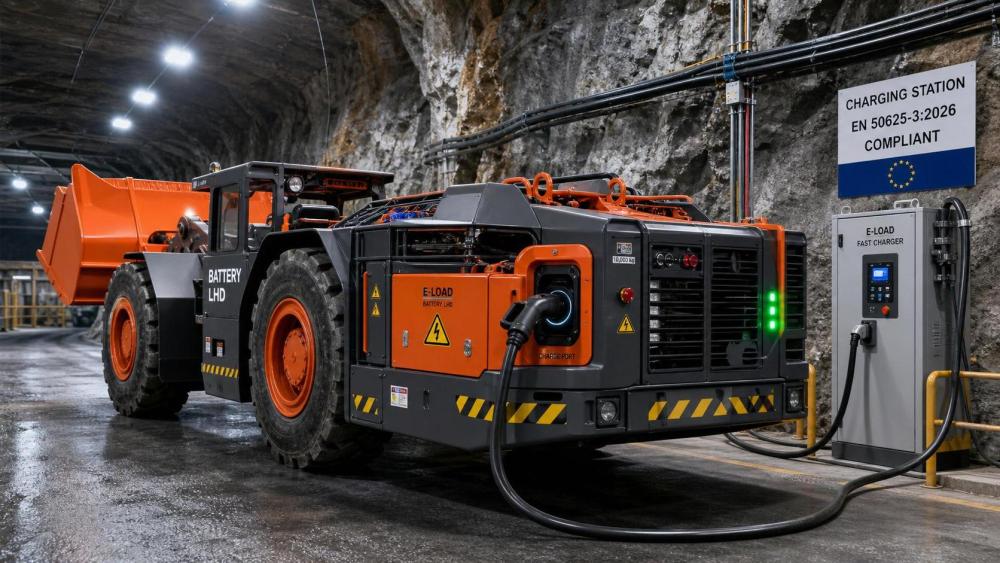
As of July 9, 2026, the EU has made EN 50625-3:2026 mandatory for battery-powered Load-Haul-Dump (LHD) equipment deployed in underground mines, with the immediate focus on onboard charging safety. For exporters, mine operators, and distribution channels involved in Battery LHD deliveries to the European market, the update matters because it directly affects compliance documentation, market access, and project continuity for equipment that does not meet the new charging-system requirements.
What the new requirement confirms
The confirmed change is that, from July 9, 2026, all battery-driven LHDs used in underground mines in the EU must ensure their onboard charging systems meet the requirements set out under EN 50625-3:2026.
According to the provided information, those charging systems must pass intrinsically safe explosion-protection certification and thermal runaway interlock shutdown testing. The same information also states that this requirement directly affects the compliance pathway for Chinese exporters supplying Battery LHDs to EU mine operators and distributors, including the need to update CE technical documentation.
The confirmed enforcement consequence is also clear: products that do not comply may be denied customs clearance or removed from projects that have already been delivered.
Where the impact is likely to be felt first
Export deliveries to EU mining customers
From an industry perspective, exporters serving EU underground mining projects are likely to face the most immediate pressure because the rule is tied directly to whether Battery LHDs can be placed into the market and accepted in delivery. The main pressure points are likely to be pre-shipment compliance review, customer acceptance, and project handover readiness.
Distribution and channel transactions
Distributors and channel partners may also be affected because the provided information links the new rule not only to mine operators but also to distributors. Analysis shows that the practical issue for this group is whether the product set they are marketing or holding for delivery aligns with the updated compliance route and supporting CE technical files.
On-site project execution and delivered equipment
What deserves closer attention is the reference to products being removed from already delivered projects if they do not meet the standard. Observably, this shifts the issue beyond new sales alone and into project execution, site acceptance, and post-delivery compliance exposure for equipment intended for underground use.
What companies should review now
Charging-system certification status
Analysis shows that companies involved in Battery LHD exports should first verify whether the onboard charging system has passed the intrinsically safe explosion-protection certification required under EN 50625-3:2026. This is a direct technical gate, not a secondary paperwork issue.
Thermal runaway shutdown test evidence
The second practical checkpoint is whether the equipment file includes valid evidence for thermal runaway interlock shutdown testing. For companies already in delivery cycles, this becomes important in customer communication, shipment release, and acceptance review.
CE technical documentation updates
The provided information explicitly connects the new rule to CE technical documentation updates. In practice, companies should pay close attention to whether existing files, declarations, and supporting technical materials still match the new mandatory standard before shipment or project submission.
Contract and delivery risk communication
Observably, the commercial risk is no longer limited to future bids. Because non-compliant units may be refused at customs or withdrawn from delivered projects, exporters, distributors, and procurement-facing teams should closely review how they communicate compliance status, delivery timing, and documentation readiness to EU customers.
Why this should be read as more than a routine compliance update
Analysis shows that this development is best understood as an immediate operational compliance change with longer-term signaling value. The immediate part is already defined by the enforcement date and the stated consequences for non-compliant products. The longer-term signal is that onboard charging safety in underground battery equipment is being treated as a concrete market-access issue rather than a background technical preference.
At the same time, it is more appropriate to understand this as a confirmed compliance threshold rather than a complete picture of future regulatory direction. The current information establishes what is mandatory now, but it does not, on its own, confirm how enforcement practices may vary across projects, customers, or later interpretations. That is why continued monitoring still matters.
How the market should frame this development
In practical terms, this update should be read as a live compliance requirement for Battery LHD trade into the EU underground mining segment, especially where onboard charging systems are concerned. It is not merely a short-term headline, because the requirement is already in force and tied to customs clearance, CE documentation, and project retention. A balanced reading is that the rule creates an immediate execution issue for affected suppliers while also signaling a stricter technical threshold for future market participation.
Basis of this article and what still needs verification
This article is based on the user-provided news title, event date, and event summary. For developments of this kind, source types commonly relevant to verification may include official notices, company disclosures, industry association updates, authoritative media reporting, and standard-organization documents.
No specific official source link was provided in the input, so the exact official publication path still needs continued verification. Follow-up attention should remain on any formal explanatory notices, implementation guidance, and documentation expectations connected to EN 50625-3:2026 and Battery LHD deliveries into the EU market.
Related News
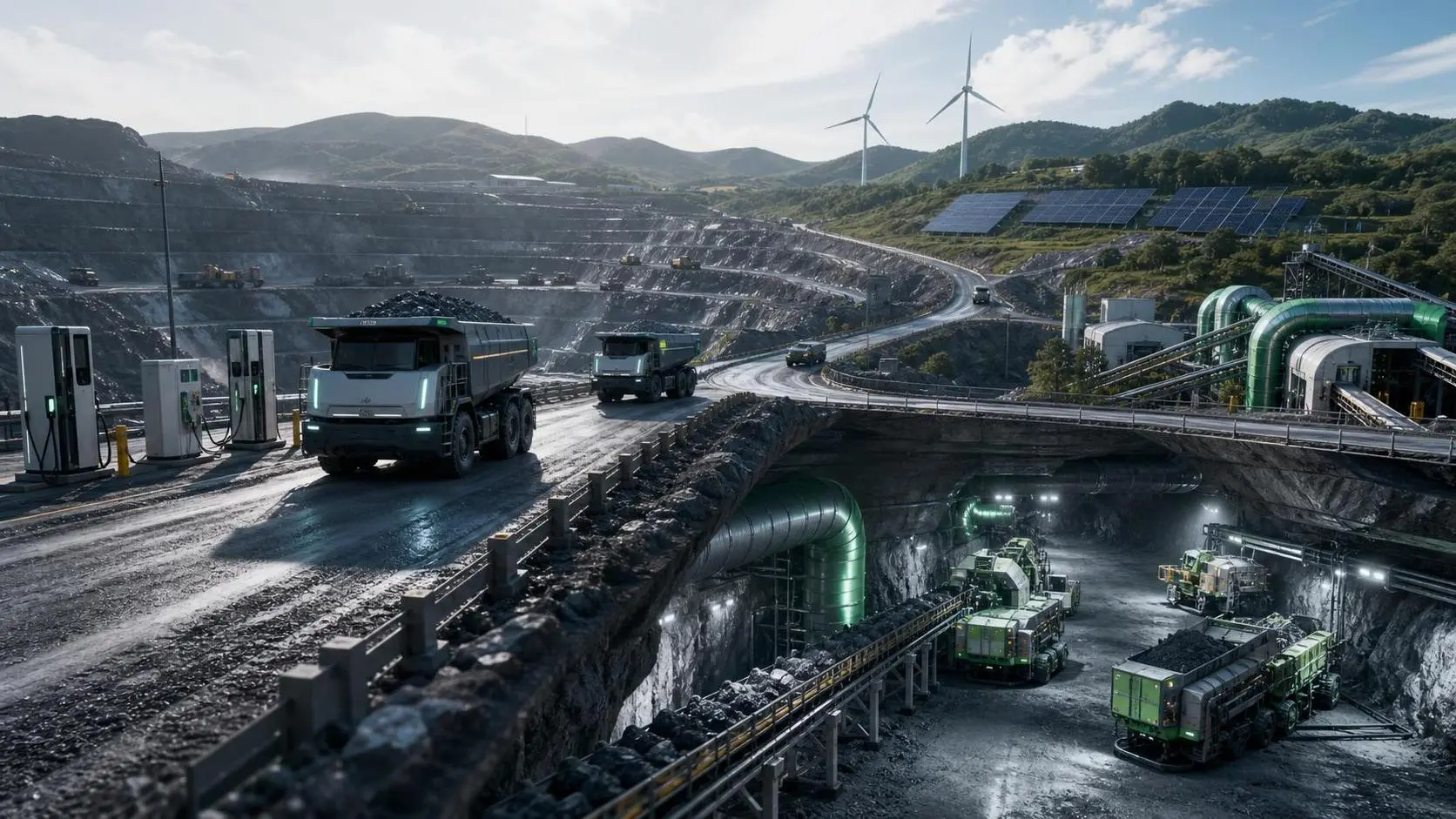
What Should a Mine Decarbonization Roadmap Include to Cut Emissions Without Hurting Output?
Mine decarbonization roadmap essentials: learn how to cut mining emissions with phased electrification, ventilation planning, and infrastructure readiness—without sacrificing output.
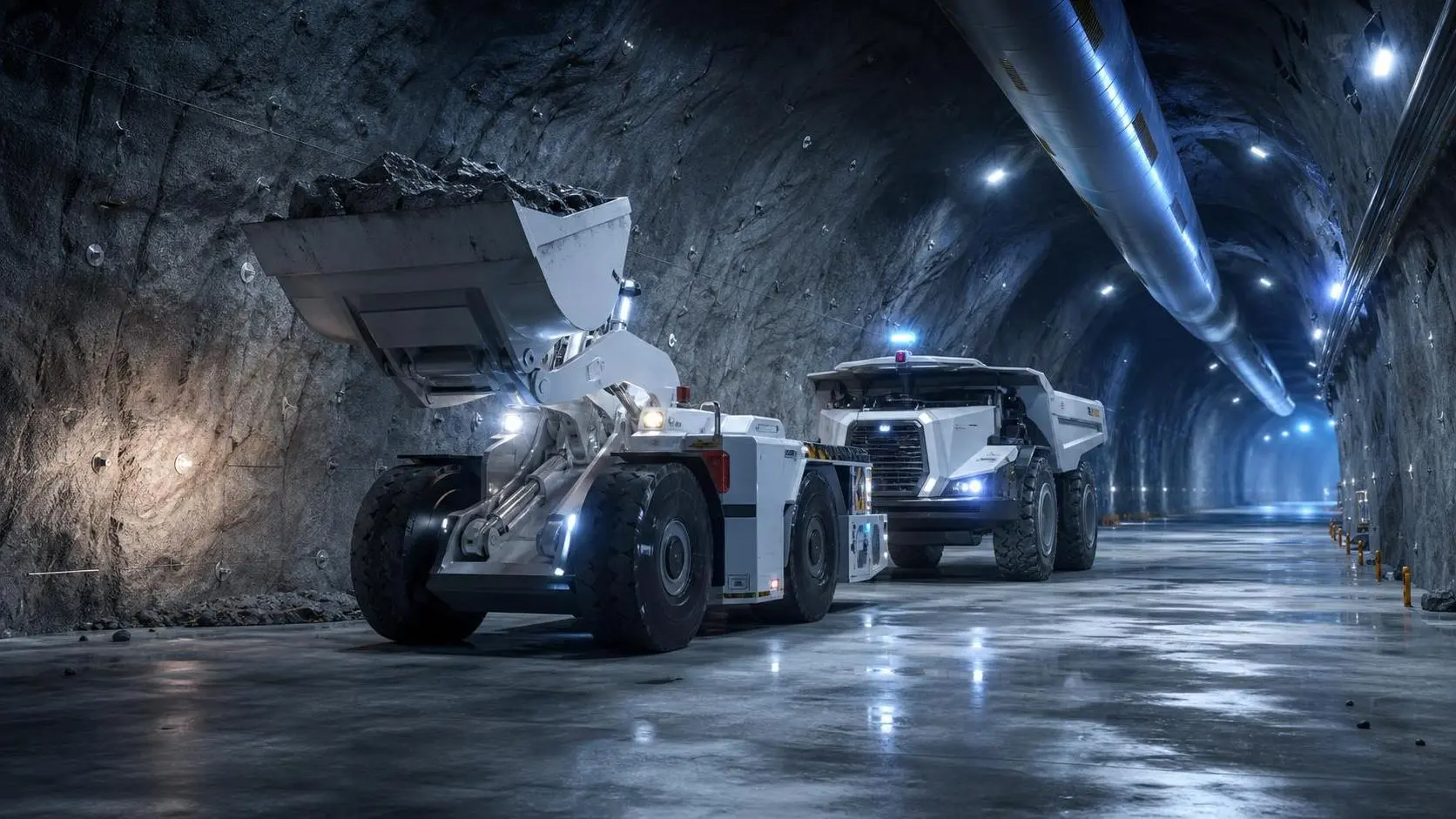
How to Evaluate Underground Mine Automation Companies for Safety and ROI
Underground mine automation companies vary widely in safety, interoperability, and ROI. Learn how to compare vendors, reduce deployment risk, and choose a scalable solution.
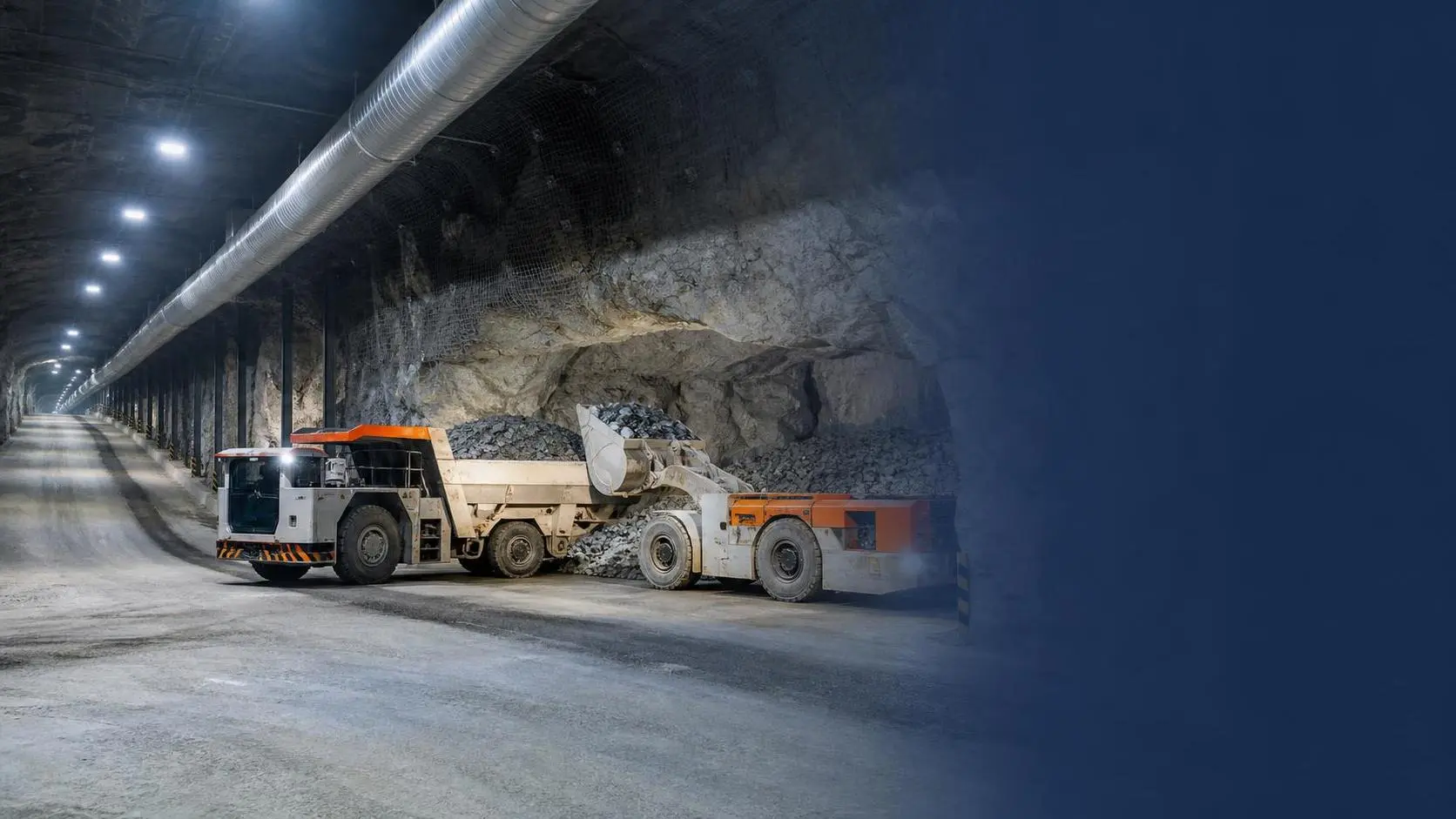
How to Evaluate Underground Haulage Systems for Ore Output, Ramp Grade, and Ventilation Limits
Underground haulage systems should be evaluated by ore output, ramp grade, and ventilation limits—not brochures. Learn how to compare trucks, LHDs, and electric options for smarter mine planning.
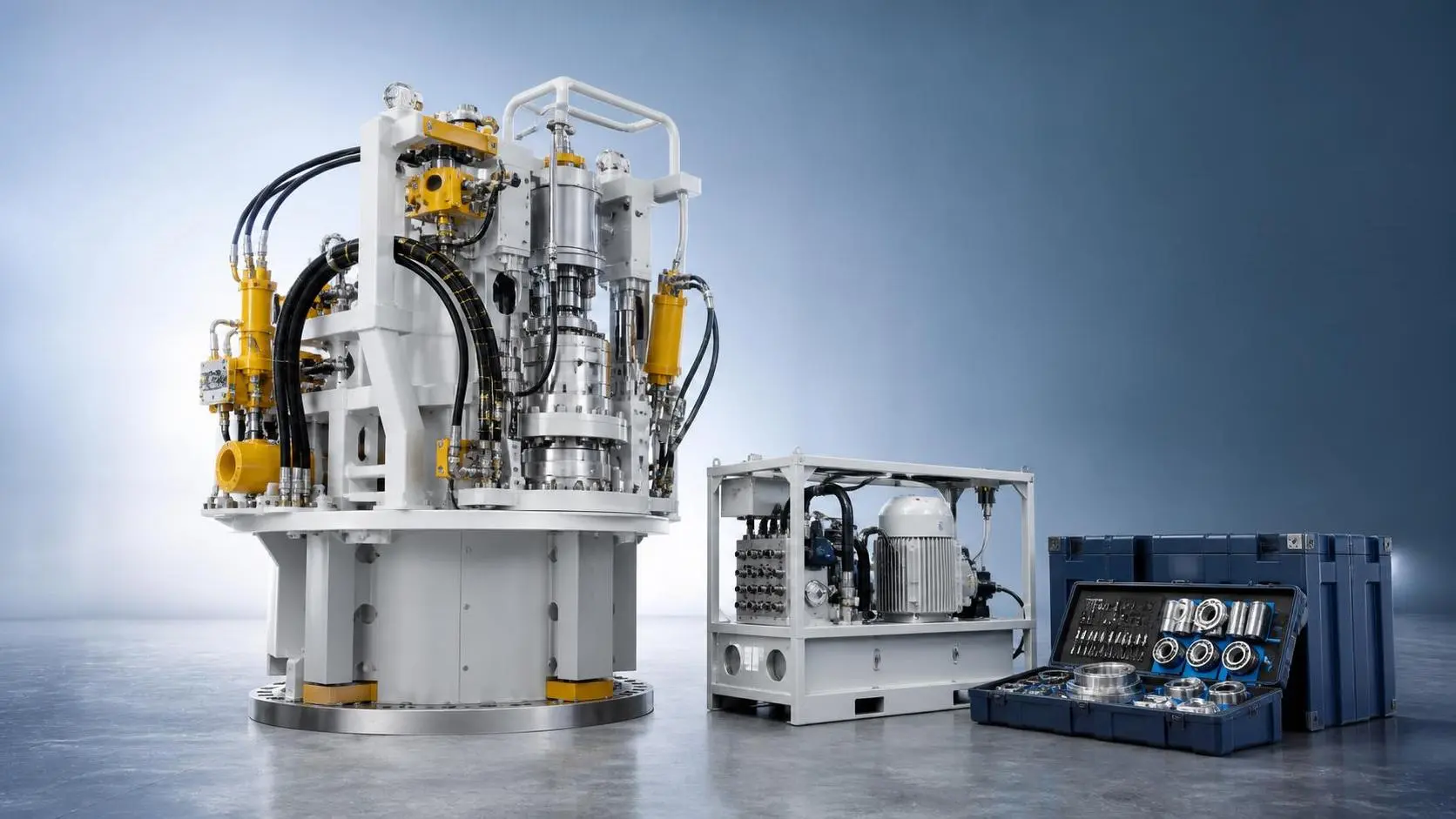
How to Evaluate a Pipe Jacking Equipment Distributor for Project Support and Uptime
Pipe jacking equipment distributor evaluation made practical: learn how to assess parts support, service response, training, and technical readiness to reduce downtime and protect project uptime.
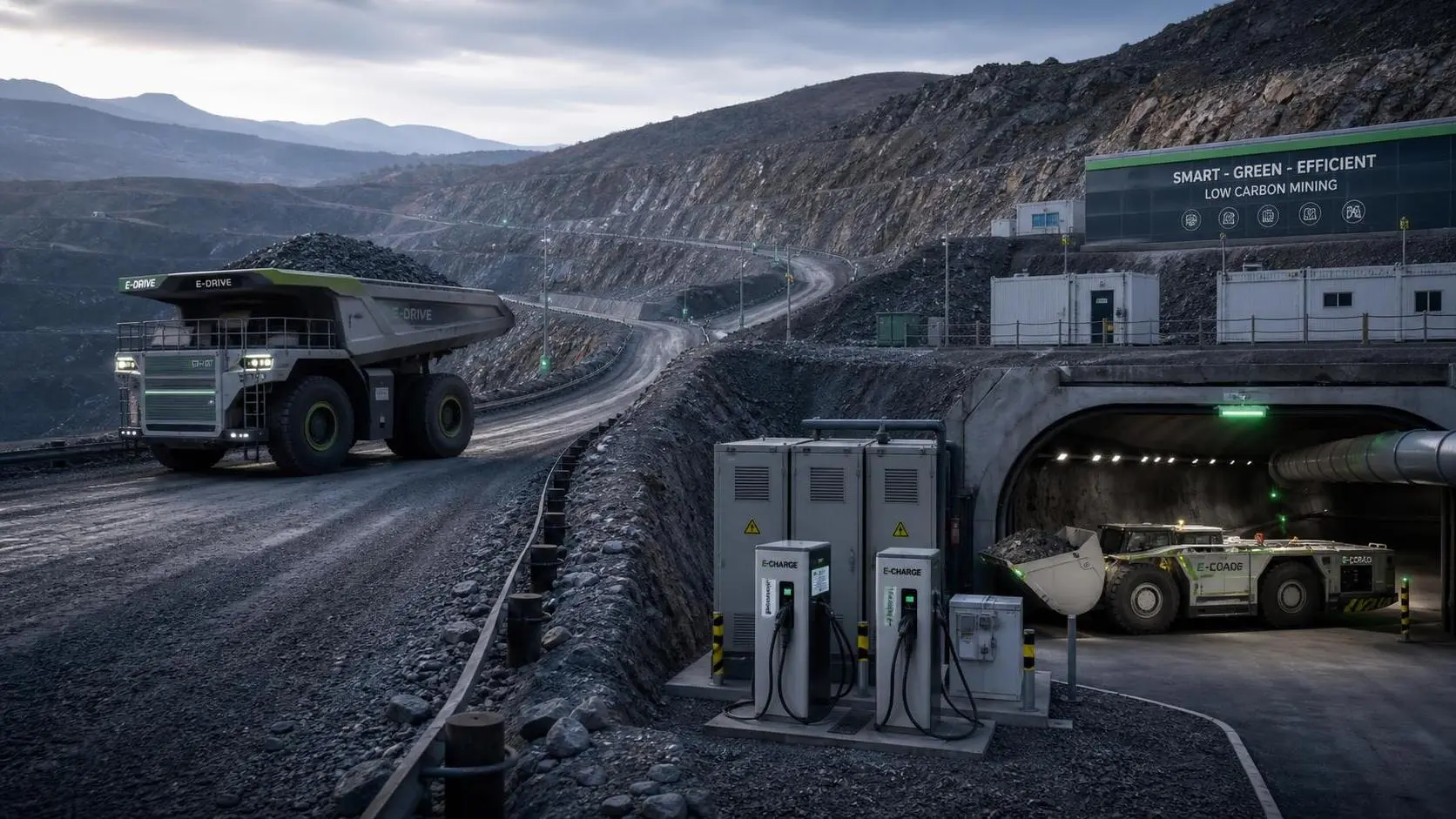
How to Build a Mining Decarbonization Strategy That Balances Emissions, Cost, and Fleet Reality
Mining decarbonization strategy starts with fleet reality. Learn how to cut emissions, control cost, and align power, ventilation, and production for a practical mine transition.
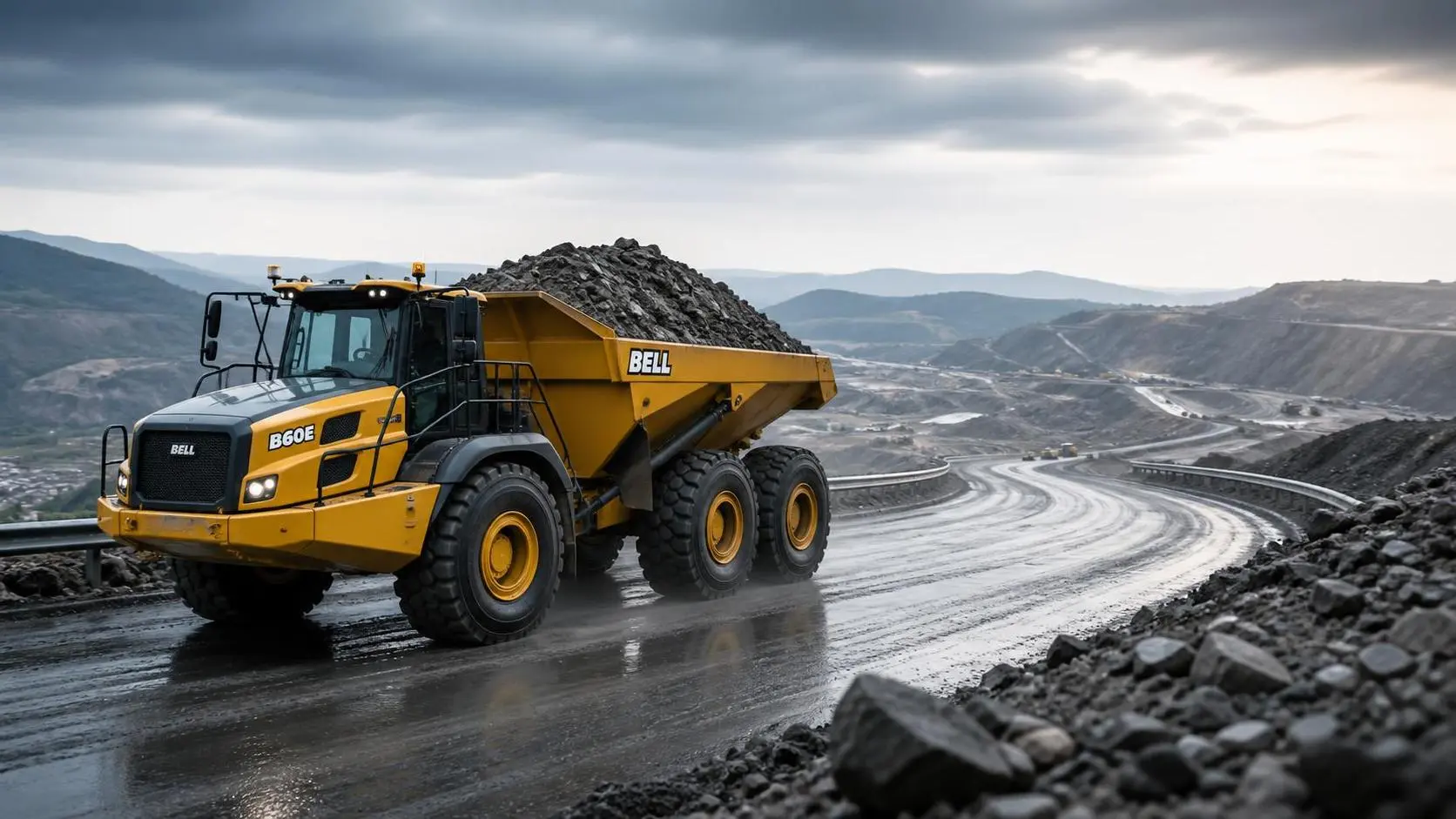
How to Evaluate Articulated Dump Trucks Payload for Haul Road Conditions and Cycle Efficiency
Articulated Dump Trucks payload evaluation starts with real haul road conditions, not brochure numbers. Learn how to balance payload, traction, grades, and cycle efficiency for safer, higher output.
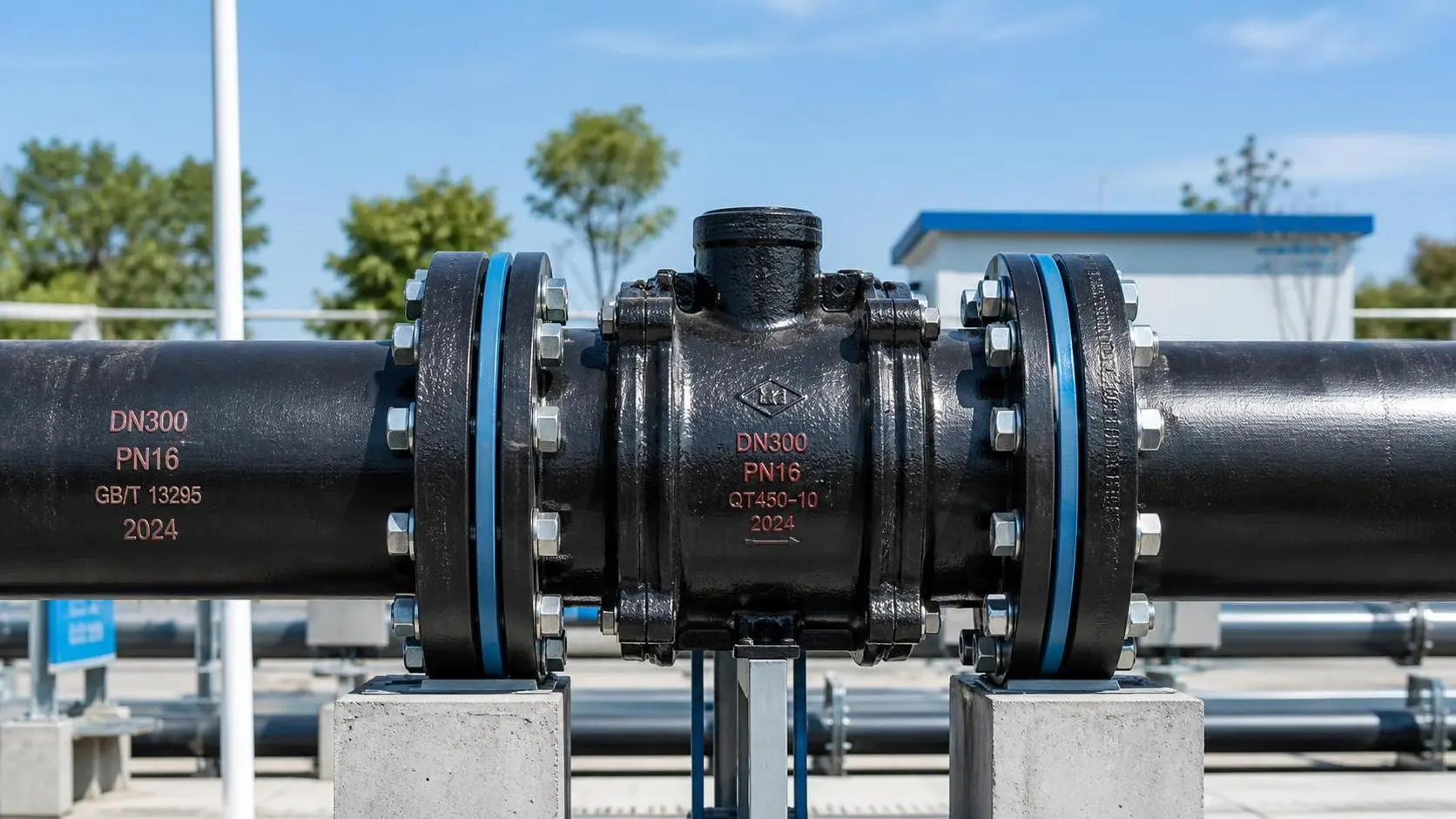
How Pipe Fittings Material and Pressure Class Affect Water Line Selection
Pipe fittings selection starts with material and pressure class. Learn how these factors affect water line reliability, corrosion resistance, installation, and long-term cost.
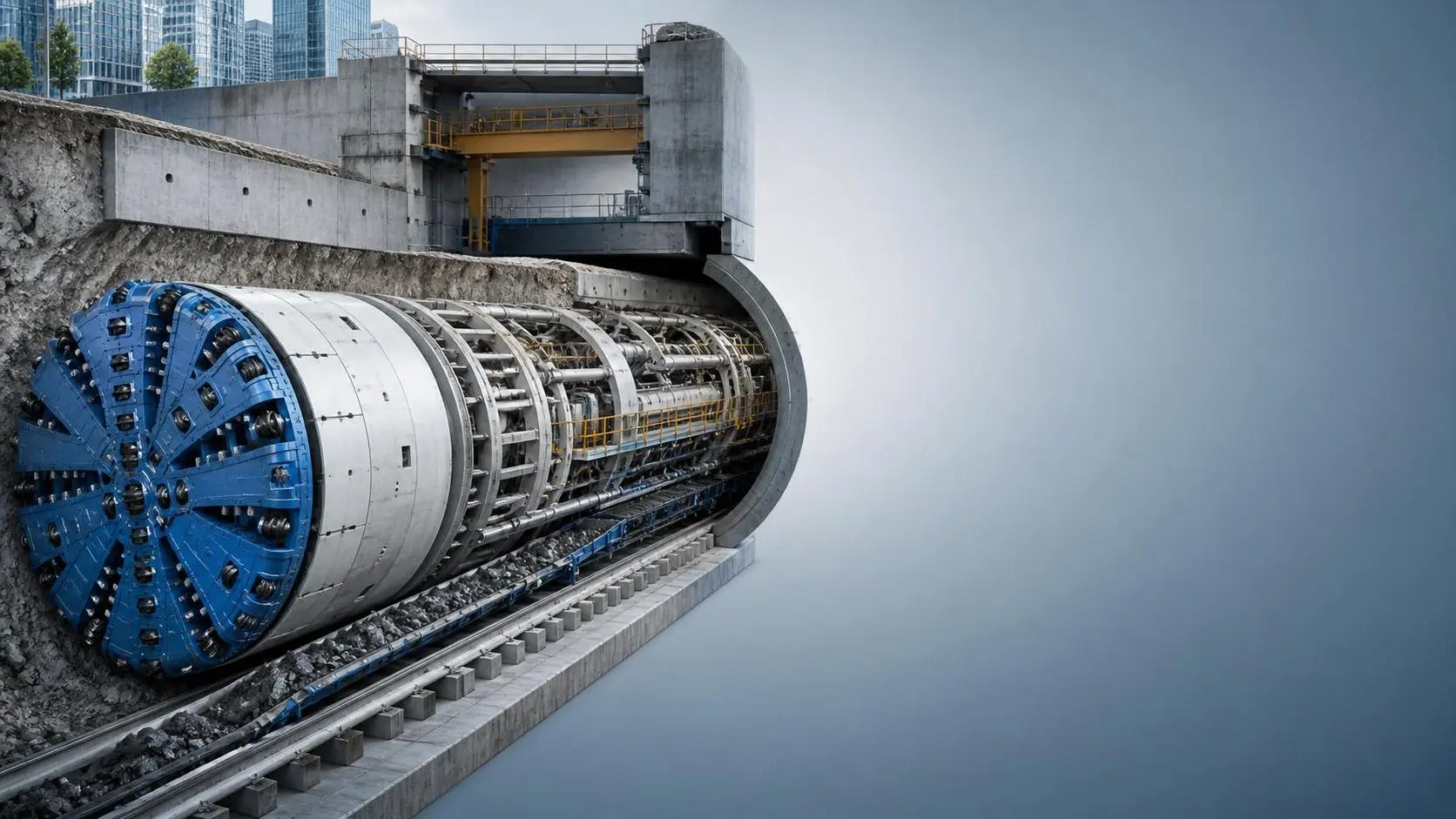
What Drives TBM Excavation Cost in Urban Tunneling Projects?
tbm excavation cost in urban tunneling depends on geology, shafts, segment lining, logistics, and risk. Discover the key cost drivers and compare bids with greater confidence.
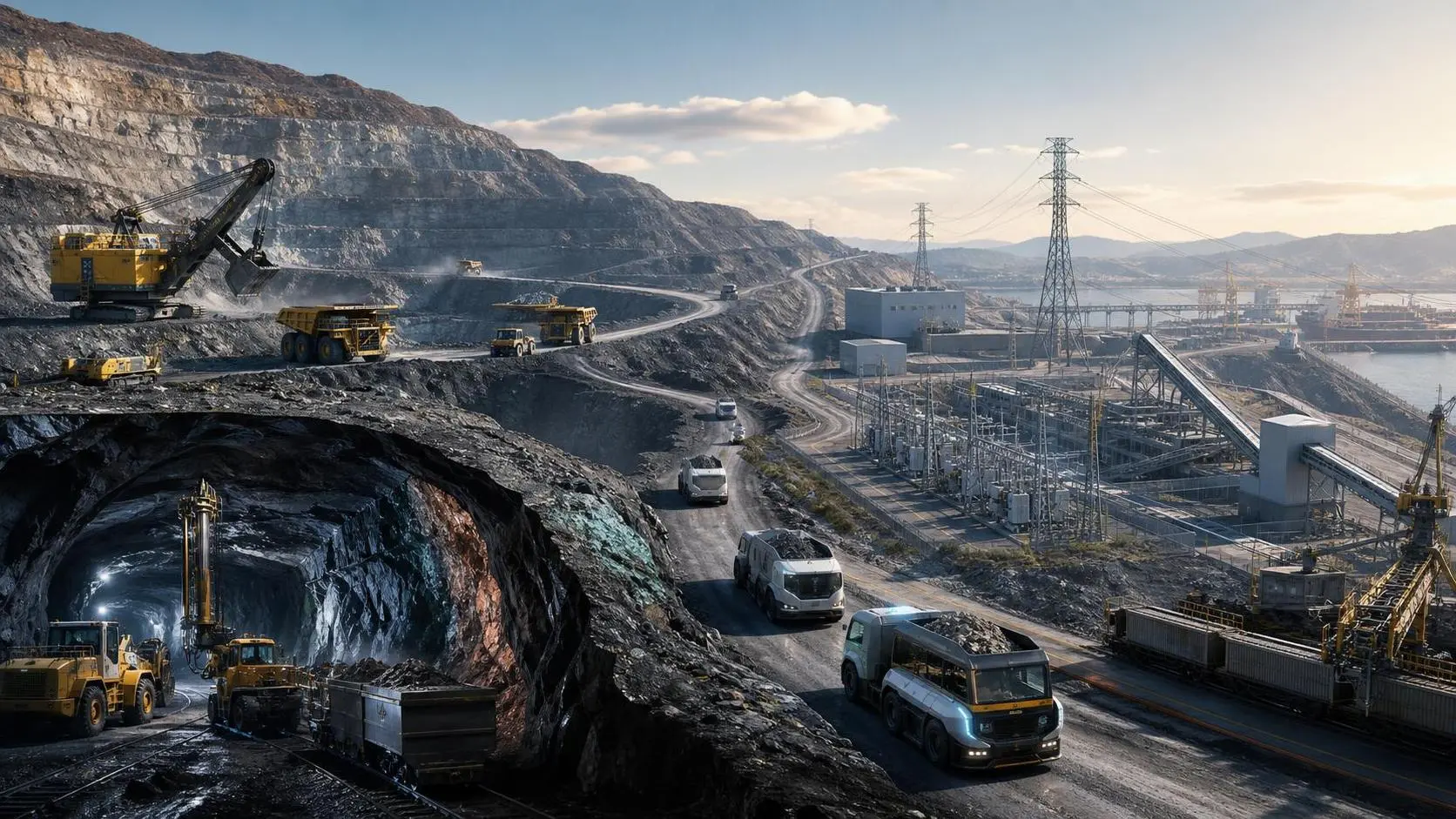
What Does Energy Metals Mining in Australia Mean for Supply, Cost, and Project Risk?
Energy metals mining Australia is reshaping supply, cost, and project risk. Discover what it means for buyers, investors, and operators.
Related News
- 00
0000-00
What Should a Mine Decarbonization Roadmap Include to Cut Emissions Without Hurting Output? - 00
0000-00
How to Evaluate Underground Mine Automation Companies for Safety and ROI - 00
0000-00
How to Evaluate Underground Haulage Systems for Ore Output, Ramp Grade, and Ventilation Limits - 00
0000-00
How to Evaluate a Pipe Jacking Equipment Distributor for Project Support and Uptime - 00
0000-00
How to Build a Mining Decarbonization Strategy That Balances Emissions, Cost, and Fleet Reality
Weekly Insights
Stay ahead with our curated technology reports delivered every Monday.