
Suez Fees Rise 18% as Slurry Pipe Jacking Shipping Jumps





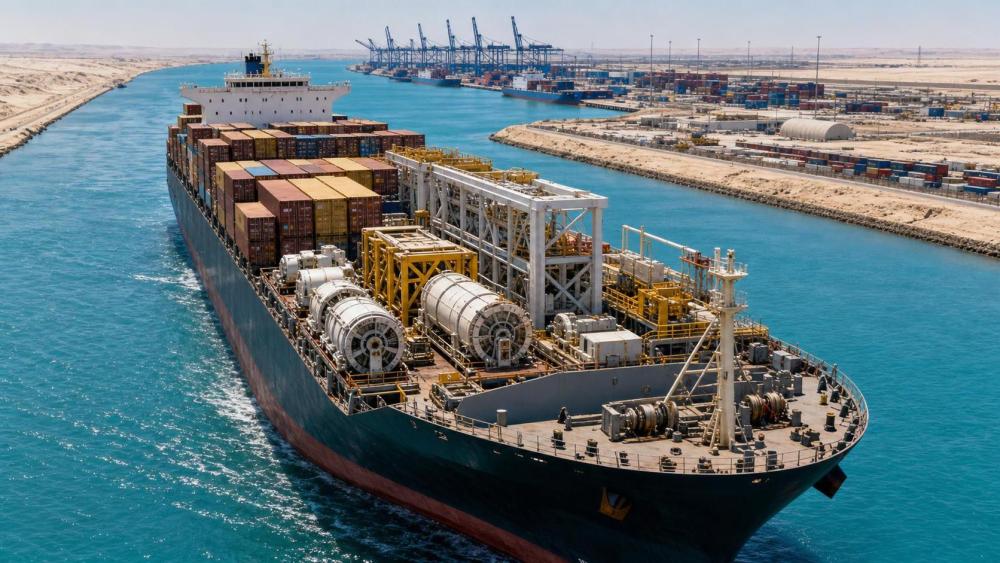
On July 9, 2026, the Suez Canal Authority (SCA) introduced an additional security transit charge for heavy engineering machinery cargo under HS Code 8430.69, pushing the average ocean freight cost for one 40-foot high-cube container of Slurry Pipe Jacking equipment up by $1,200. For municipal engineering contractors in Europe, equipment suppliers, and logistics planners, this matters because it directly affects procurement timing, route selection, and delivery planning for the second half of 2026.
What Has Been Confirmed So Far
The confirmed development is limited but commercially significant. The SCA announced on July 9, 2026 that, due to ongoing shipping risk, an additional security transit fee would apply immediately to heavy engineering machinery cargo classified under HS Code 8430.69.
According to the information provided, the average freight cost for a single 40-foot high-cube container carrying Slurry Pipe Jacking equipment has increased by $1,200. The same update also states that this change has already prompted several European municipal engineering contractors to reassess equipment purchasing schedules and logistics routes for the second half of 2026, with some shifting toward a combined China-Europe rail and Baltic feeder solution.
Why Different Parts of the Chain Are Paying Attention
Equipment buyers are facing a timing decision
From an industry perspective, procurement teams for municipal engineering projects may be affected first because the new surcharge changes the landed cost of equipment tied to Suez-linked ocean transport. The immediate pressure point is not only budget control, but also whether planned purchases for the second half of 2026 should proceed on the original timeline or be adjusted.
Manufacturers and exporters may need to revisit delivery commitments
For manufacturers and export-side suppliers of Slurry Pipe Jacking equipment, the main issue is fulfillment planning. A higher per-container freight cost can alter quotations, shipment batching, and delivery discussions with overseas customers. What deserves closer attention is whether customers begin asking for route changes, revised shipment windows, or staged dispatch arrangements.
Logistics service providers are under route-selection pressure
For freight forwarders and other supply chain service providers, the impact appears in route design and cost comparison. The information provided already indicates that some contractors are considering alternatives that combine China-Europe rail with Baltic feeder connections. That means service providers may need to pay closer attention to transit structure, handoff points, and the practical tradeoff between cost increase and route adjustment.
Operational Issues Companies Should Track Now
Watch for further clarification in official charging rules
Analysis shows that the first issue is the scope and wording of the surcharge itself. Companies handling cargo under HS Code 8430.69 should monitor whether future official language changes the application boundary, enforcement details, or cargo interpretation, because those points can directly affect quoting and shipment preparation.
Separate policy language from executable logistics plans
Observably, a fee announcement and an actual route switch are not the same thing. Even where companies are considering rail and Baltic feeder combinations, the practical question is whether the alternative can support required delivery timing, cargo handling needs, and project coordination. Businesses should assess route changes as an execution issue, not only as a pricing response.
Recheck procurement cadence and contract communication
For project owners, contractors, and suppliers, this development makes purchasing rhythm more important. The provided information already notes that European municipal engineering contractors are reassessing procurement pace for the second half of 2026. In practice, that means contract communication, shipment scheduling, and cost discussions may need to be revisited earlier than planned.
Prepare documentation and fulfillment coordination more carefully
Where shipments involve heavy engineering machinery classifications, businesses should pay closer attention to cargo classification consistency, shipping documents, and delivery-cycle communication with customers and service partners. Analysis shows that once freight cost assumptions change, document accuracy and expectation management become more important across the transaction chain.
How This Development Is Best Understood at This Stage
Analysis shows that this is more than a narrow freight adjustment, but it is not yet a complete industry reset. The immediate signal is that Red Sea-related shipping risk is still shaping transport costs for specialized engineering equipment, and that the impact is already strong enough to influence procurement reviews and route planning among European municipal engineering contractors.
It is more appropriate to understand this as a live operating signal rather than a settled long-term outcome. The confirmed facts show a direct cost increase and an early market response, but they do not yet prove that a broad and lasting modal shift has fully taken hold across the sector. That is why continued observation remains necessary.
A Short-Term Cost Change With Broader Planning Implications
At this point, the industry significance lies in the combination of three confirmed elements: a new Suez security surcharge, a measurable increase in per-container shipping cost for Slurry Pipe Jacking equipment, and an immediate reassessment of procurement and route choices by some European contractors. Taken together, these factors suggest a short-term logistics and purchasing adjustment with possible wider implications if the risk environment and charging framework persist.
For now, the most balanced reading is that this is a practical warning sign for equipment trade and project delivery planning, rather than a basis for broad conclusions about permanent structural change.
Basis of This Article and What Still Needs Verification
This article is based on the user-provided news title, event date, and event summary. The analysis draws only from the confirmed information provided: the July 9, 2026 SCA announcement, the 18% increase in Suez Canal transit fees referenced in the title, the added security charge for cargo under HS Code 8430.69, the average $1,200 increase in ocean freight for one 40-foot high-cube container of Slurry Pipe Jacking equipment, and the reported reassessment of procurement pace and route selection by some European municipal engineering contractors.
For this type of development, source categories typically worth checking include official notices, company announcements, industry association updates, authoritative media coverage, and relevant classification or standards documentation. No specific official source link was provided in the input, so the underlying notice and any follow-up clarification still require ongoing verification. Further attention should focus on whether official charging language changes, whether route-switching behavior expands, and whether procurement adjustments continue into later 2026.
Related News

What Should a Mine Decarbonization Roadmap Include to Cut Emissions Without Hurting Output?
Mine decarbonization roadmap essentials: learn how to cut mining emissions with phased electrification, ventilation planning, and infrastructure readiness—without sacrificing output.

How to Evaluate Underground Mine Automation Companies for Safety and ROI
Underground mine automation companies vary widely in safety, interoperability, and ROI. Learn how to compare vendors, reduce deployment risk, and choose a scalable solution.
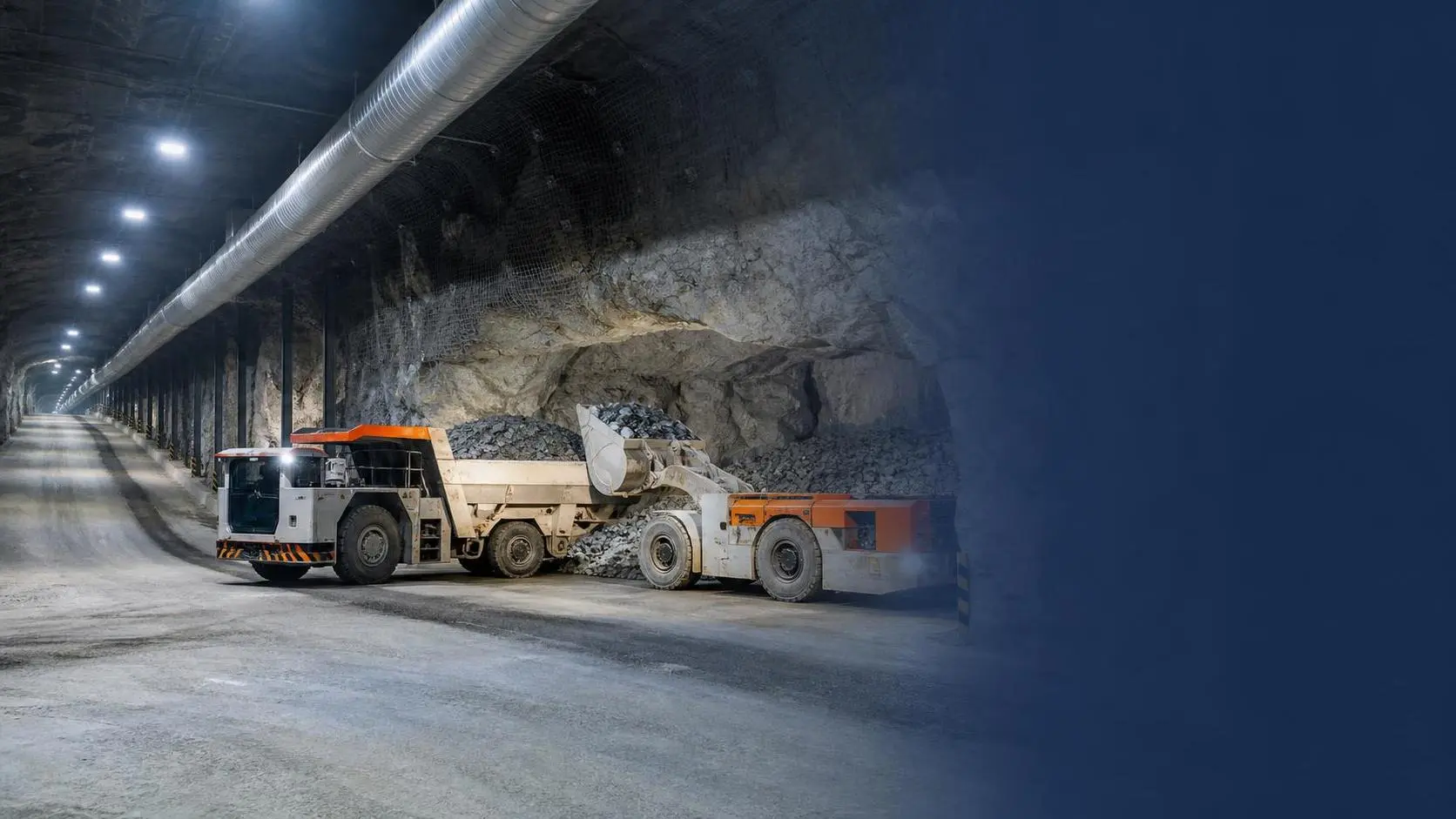
How to Evaluate Underground Haulage Systems for Ore Output, Ramp Grade, and Ventilation Limits
Underground haulage systems should be evaluated by ore output, ramp grade, and ventilation limits—not brochures. Learn how to compare trucks, LHDs, and electric options for smarter mine planning.

How to Evaluate a Pipe Jacking Equipment Distributor for Project Support and Uptime
Pipe jacking equipment distributor evaluation made practical: learn how to assess parts support, service response, training, and technical readiness to reduce downtime and protect project uptime.
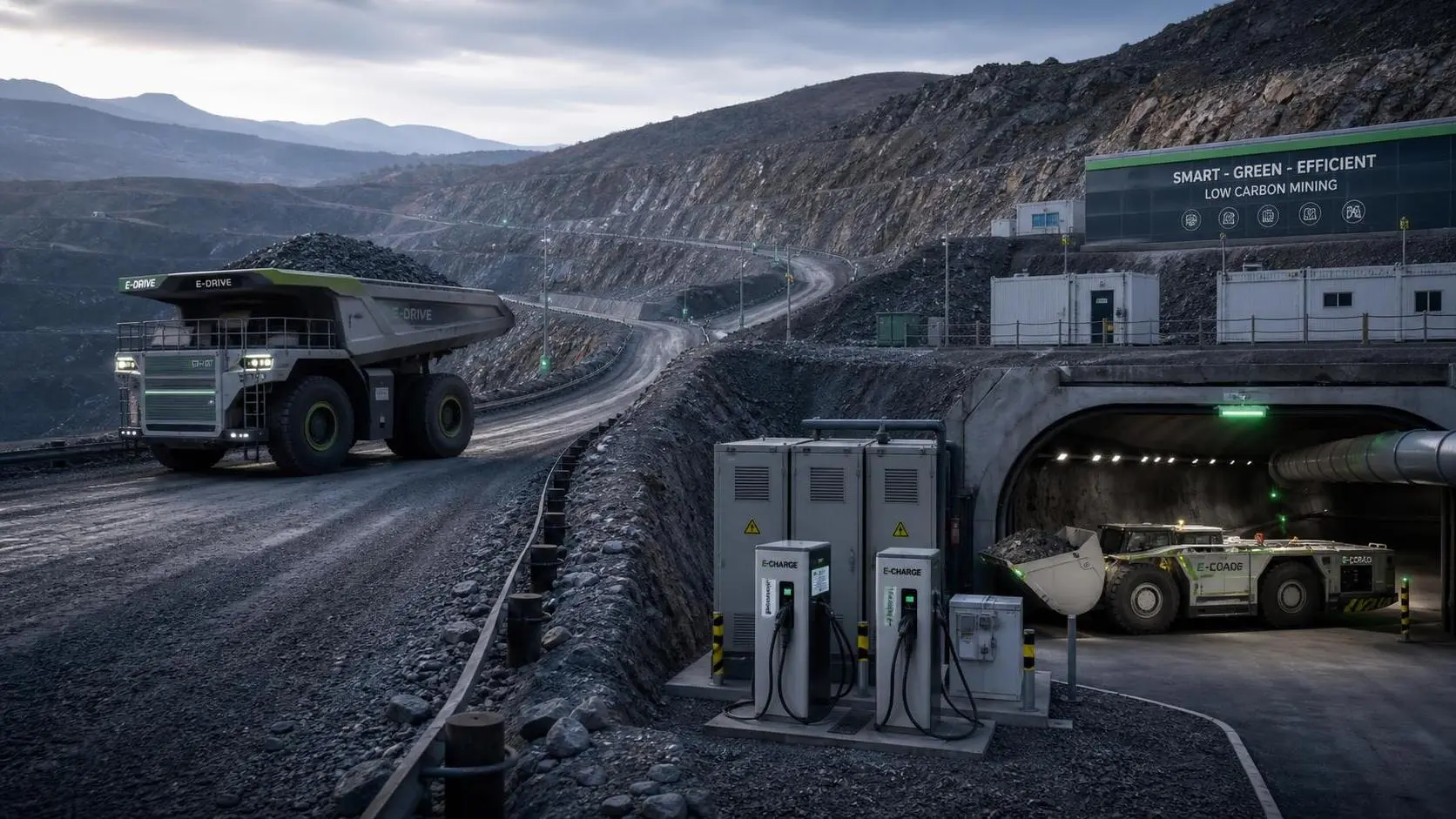
How to Build a Mining Decarbonization Strategy That Balances Emissions, Cost, and Fleet Reality
Mining decarbonization strategy starts with fleet reality. Learn how to cut emissions, control cost, and align power, ventilation, and production for a practical mine transition.

How to Evaluate Articulated Dump Trucks Payload for Haul Road Conditions and Cycle Efficiency
Articulated Dump Trucks payload evaluation starts with real haul road conditions, not brochure numbers. Learn how to balance payload, traction, grades, and cycle efficiency for safer, higher output.
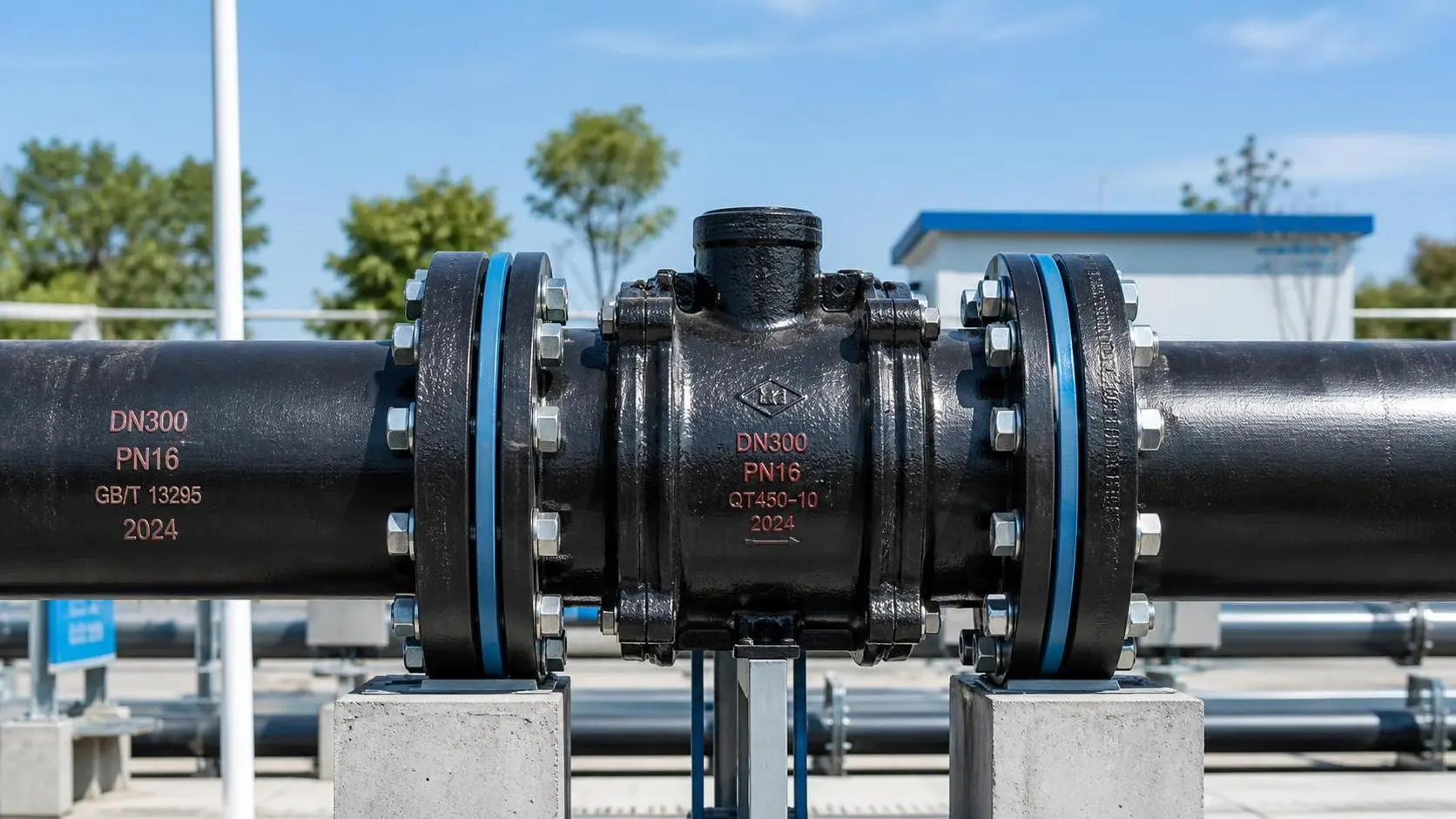
How Pipe Fittings Material and Pressure Class Affect Water Line Selection
Pipe fittings selection starts with material and pressure class. Learn how these factors affect water line reliability, corrosion resistance, installation, and long-term cost.
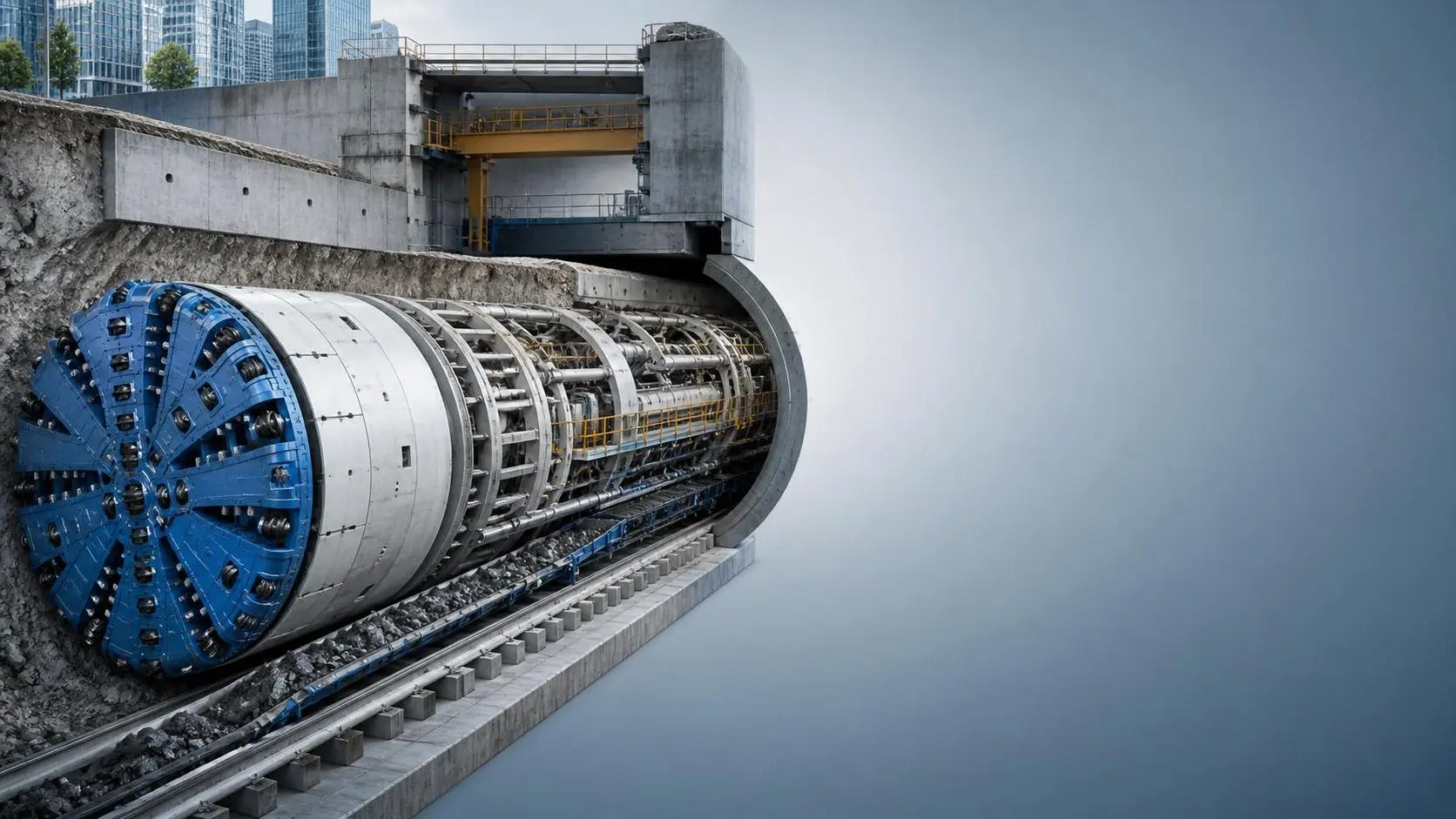
What Drives TBM Excavation Cost in Urban Tunneling Projects?
tbm excavation cost in urban tunneling depends on geology, shafts, segment lining, logistics, and risk. Discover the key cost drivers and compare bids with greater confidence.

What Does Energy Metals Mining in Australia Mean for Supply, Cost, and Project Risk?
Energy metals mining Australia is reshaping supply, cost, and project risk. Discover what it means for buyers, investors, and operators.
Related News
- 00
0000-00
What Should a Mine Decarbonization Roadmap Include to Cut Emissions Without Hurting Output? - 00
0000-00
How to Evaluate Underground Mine Automation Companies for Safety and ROI - 00
0000-00
How to Evaluate Underground Haulage Systems for Ore Output, Ramp Grade, and Ventilation Limits - 00
0000-00
How to Evaluate a Pipe Jacking Equipment Distributor for Project Support and Uptime - 00
0000-00
How to Build a Mining Decarbonization Strategy That Balances Emissions, Cost, and Fleet Reality
Weekly Insights
Stay ahead with our curated technology reports delivered every Monday.