
How to Evaluate Mining Equipment Automation Systems for Safer, Higher-Uptime Operations





Evaluating Mining Equipment Automation systems has become a board-level operational question, not a narrow controls upgrade. In underground mining, tunnelling, and heavy haulage, automation now shapes safety exposure, uptime stability, energy efficiency, and the pace of digital transformation.
That shift is especially visible across drilling jumbos, underground LHD loaders, mining dump trucks, TBM support fleets, and trenchless equipment. The right system does more than move machines automatically. It connects sensing, control, fleet logic, and site discipline into a more predictable operating model.
What Automation Really Means in Heavy Mining Equipment
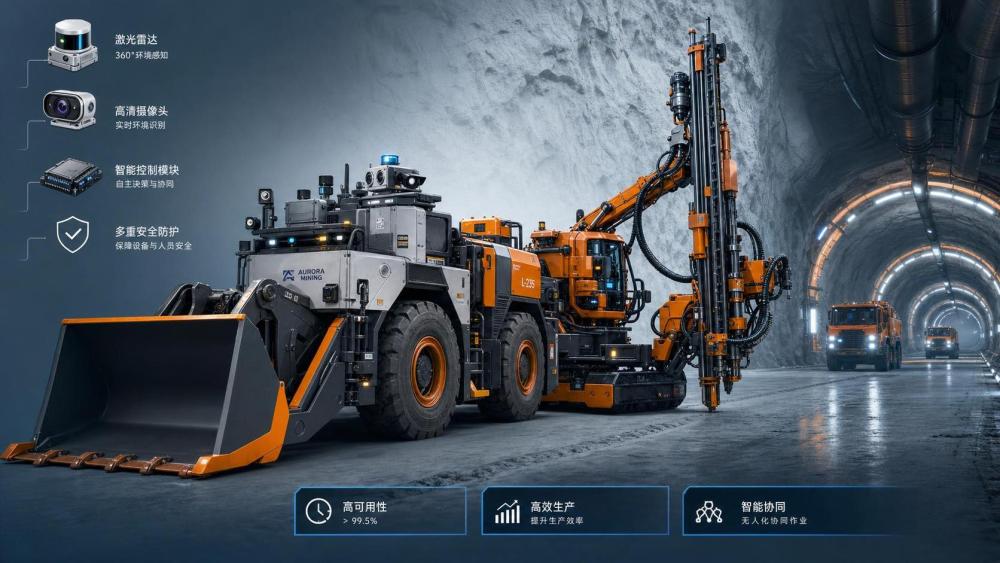
In practical terms, Mining Equipment Automation systems combine onboard controls, perception, communications, and supervisory software. Their purpose is to reduce human exposure in hazardous zones while maintaining consistent production under difficult geological and operating conditions.
Automation can range from assisted functions to tele-remote operation, traffic coordination, and full autonomous haulage or loading cycles. The most useful evaluations start by locating where a site sits on that maturity curve.
This matters because a tele-remote LHD in a narrow, battery-powered decline has different needs from an autonomous open-pit truck fleet. A tunnel boring support system also works under different constraints than a drill-and-blast heading.
Why the Topic Has Moved to the Center of Industry Strategy
The current wave is being driven by several pressures at once. Safety expectations are rising. Skilled operators remain hard to deploy across remote assets. Electrification is reshaping machine architecture. ESG demands are forcing cleaner and more traceable operations.
Underground sites feel these pressures most sharply. Confined spaces, poor visibility, heat, dust, and repeated vehicle interactions make automation attractive for risk reduction. At the same time, every minute of equipment downtime carries a disproportionate cost.
This is why intelligence platforms such as UTMD follow the subject so closely. Across TBM engineering, trenchless systems, drilling jumbos, battery LHDs, and autonomous haulage, the market is converging around reliability, electrification, and digital orchestration rather than isolated machine performance.
More importantly, automation is no longer judged only by labor substitution. It is judged by whether it can sustain production during shift changes, ventilation constraints, traffic congestion, and variable rock conditions.
The First Question: Which Problem Needs Solving
A weak evaluation often starts with features. A stronger one starts with bottlenecks. Some operations need safer mucking after blasting. Others need stable truck dispatch, reduced idle time, or reliable remote loading during re-entry delays.
Mining Equipment Automation systems should be mapped against the failure points that actually hurt the asset. Usually, those points fall into four groups:
- high-risk human exposure near unsupported ground, traffic routes, or blasting zones;
- production variability caused by operator differences or shift interruptions;
- downtime linked to poor machine coordination, weak diagnostics, or network instability;
- energy and ventilation penalties, especially in underground diesel-to-electric transitions.
If the problem statement remains vague, technology selection becomes reactive. That usually leads to overbuying autonomy in one area and underinvesting in the site infrastructure that makes it work.
Core Evaluation Dimensions That Affect Safety and Uptime
The strongest evaluations examine the full operating stack. Machine autonomy alone is not enough. Uptime comes from interaction between sensors, control logic, communications, maintenance response, and operator workflow.
Functional fit
The system should match the duty cycle. A drilling jumbo needs repeatable boom positioning and drilling accuracy. An underground loader needs navigation confidence, bucket-cycle consistency, and collision avoidance in irregular headings.
Environmental robustness
Dust, water ingress, vibration, reflective surfaces, and changing tunnel geometry can degrade automation quickly. In underground settings, SLAM performance, localization recovery, and sensor cleaning strategy deserve close attention.
Network dependence
Many Mining Equipment Automation systems rely on Wi-Fi, LTE, private 5G, or hybrid edge architectures. The evaluation should test what happens during latency spikes, dead zones, and backhaul interruptions.
Safety architecture
A credible platform defines stop states, fallback logic, geofencing, personnel detection, and traffic separation clearly. The key issue is not whether emergency stop exists. It is whether the system fails safely and predictably.
Serviceability
When faults occur, diagnostics should identify the root cause quickly. Otherwise, automation adds a new downtime layer. Spare parts strategy, remote support response, software update governance, and site technician training all affect real uptime.
Different Equipment Classes Need Different Judgments
It is risky to evaluate all Mining Equipment Automation systems with one scorecard. The operating logic changes by machine type, haul route, and interaction density.
For underground LHD loaders, the main value often comes from remote or autonomous loading in active production zones. Priority metrics include re-entry delay reduction, bucket-fill consistency, tramming accuracy, and battery swap coordination.
For drilling jumbos, automation is closely tied to pattern accuracy, repeatability, and shift-to-shift quality. The return may appear not only in cycle speed but also in downstream blasting results and ground support execution.
For mining dump trucks, especially electrified or autonomous fleets, dispatch logic, road condition sensing, braking control, and energy recovery on long downhill hauls become central. Safety and productivity are inseparable here.
In tunnel and trenchless projects, support equipment automation should also be read against TBM or pipe jacking continuity. Even a capable subsystem loses value if it interrupts the broader excavation sequence.
Where Business Value Actually Shows Up
The clearest value usually appears in operational stability. Mining Equipment Automation systems can reduce unplanned stops, smooth shift changes, and lower exposure to high-consequence incidents that disrupt production for days, not minutes.
Another benefit is data quality. Automated cycles generate more structured operating data. That improves maintenance planning, ventilation modeling, route optimization, and fleet utilization analysis.
There is also a strategic link to electrification. Battery-electric loaders and trucks perform best when movement, charging, swapping, and queuing are coordinated intelligently. Automation helps turn electrified equipment from a pilot asset into a scalable operating system.
UTMD’s sector focus reflects this broader pattern. Reliability, zero-emission operation in confined spaces, advanced sensing, and machine intelligence are no longer separate themes. They are converging into one capital allocation decision.
A Practical Evaluation Framework
A useful comparison process should stay disciplined and evidence-based. In most cases, five steps are enough to separate a promising system from an expensive demonstration.
- Define the target outcome in operational terms, such as fewer exclusion-zone hours or higher effective tons per available hour.
- Map the physical environment, including gradients, intersections, dust load, network coverage, and visibility constraints.
- Test the vendor claim against failure scenarios, not only ideal-cycle demonstrations.
- Review integration with fleet management, maintenance systems, energy infrastructure, and safety procedures.
- Measure pilot results using uptime, intervention frequency, recovery speed, and productivity consistency.
This approach keeps the discussion grounded. It also creates a common language between operations, safety, maintenance, and technology teams.
What to Watch Before Expanding Deployment
Pilot success does not automatically translate into fleet-wide success. Scaling Mining Equipment Automation systems often exposes hidden issues in change management, site communications, maintenance capacity, and mixed-fleet interoperability.
Software governance deserves more attention than many buyers expect. Version control, cybersecurity posture, remote access rules, and validation procedures can all affect uptime as much as the machine hardware itself.
It is also worth checking whether the vendor roadmap aligns with the operation’s next five years. That includes battery-electric transitions, deeper workings, more autonomous traffic, and broader integration into digital mine planning.
The next step is usually simple: build a site-specific scorecard, compare systems by scenario rather than brochure, and demand proof under real operating conditions. That is the most reliable way to judge whether Mining Equipment Automation systems will deliver safer, higher-uptime operations at scale.
Related News
What Should a Mine Decarbonization Roadmap Include to Cut Emissions Without Hurting Output?
Mine decarbonization roadmap essentials: learn how to cut mining emissions with phased electrification, ventilation planning, and infrastructure readiness—without sacrificing output.
How to Evaluate Underground Mine Automation Companies for Safety and ROI
Underground mine automation companies vary widely in safety, interoperability, and ROI. Learn how to compare vendors, reduce deployment risk, and choose a scalable solution.
How to Evaluate Underground Haulage Systems for Ore Output, Ramp Grade, and Ventilation Limits
Underground haulage systems should be evaluated by ore output, ramp grade, and ventilation limits—not brochures. Learn how to compare trucks, LHDs, and electric options for smarter mine planning.
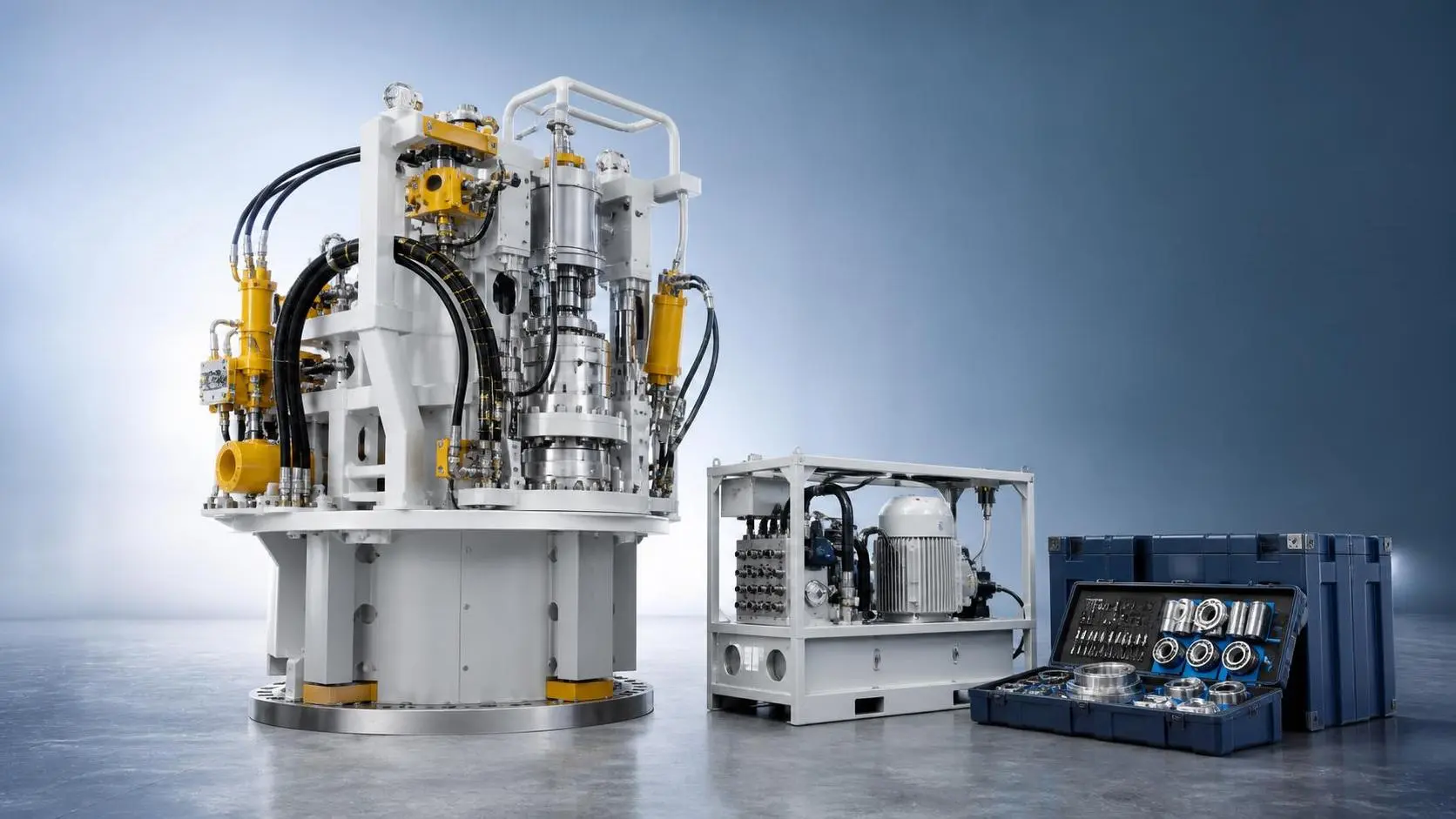
How to Evaluate a Pipe Jacking Equipment Distributor for Project Support and Uptime
Pipe jacking equipment distributor evaluation made practical: learn how to assess parts support, service response, training, and technical readiness to reduce downtime and protect project uptime.
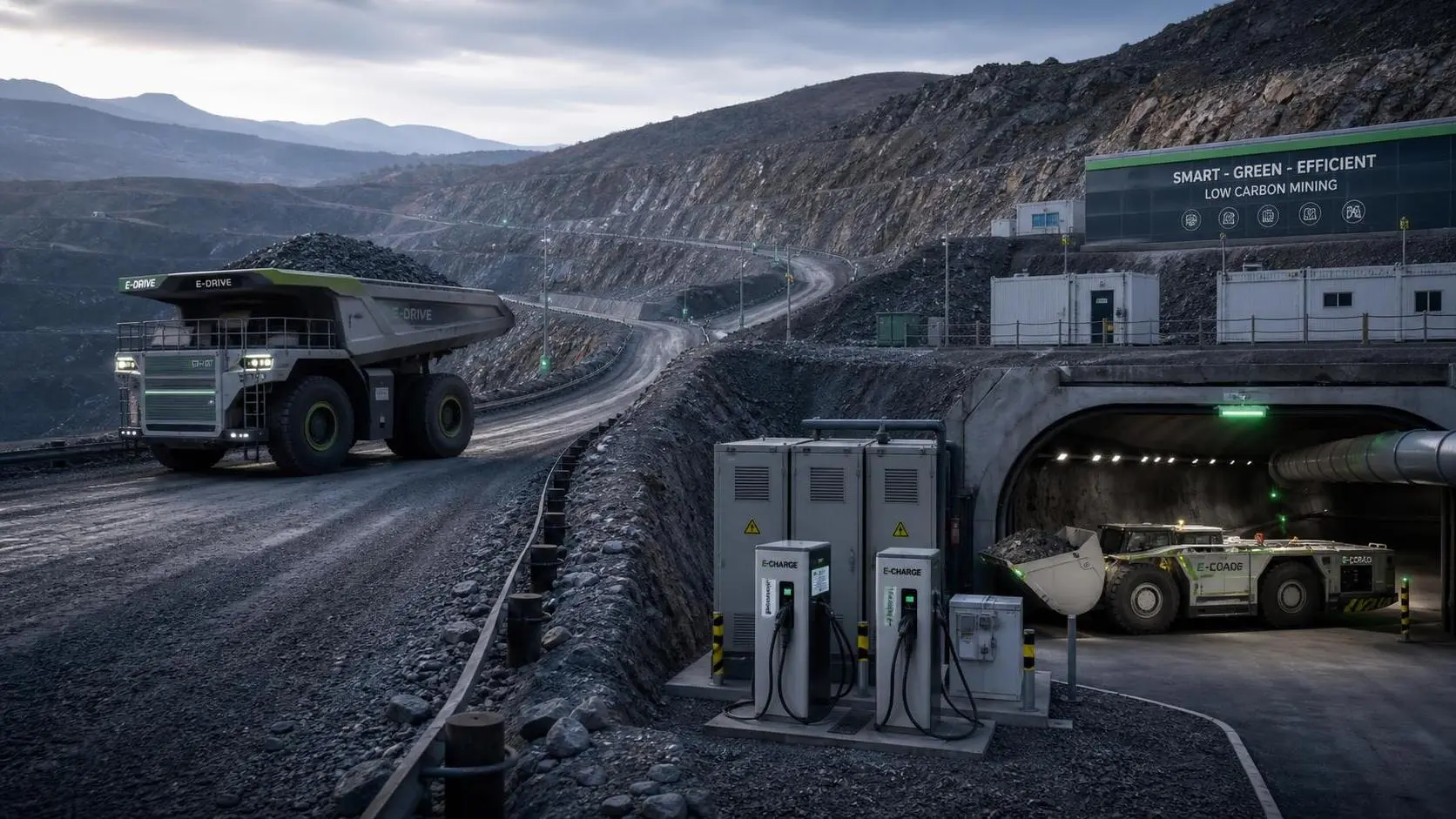
How to Build a Mining Decarbonization Strategy That Balances Emissions, Cost, and Fleet Reality
Mining decarbonization strategy starts with fleet reality. Learn how to cut emissions, control cost, and align power, ventilation, and production for a practical mine transition.
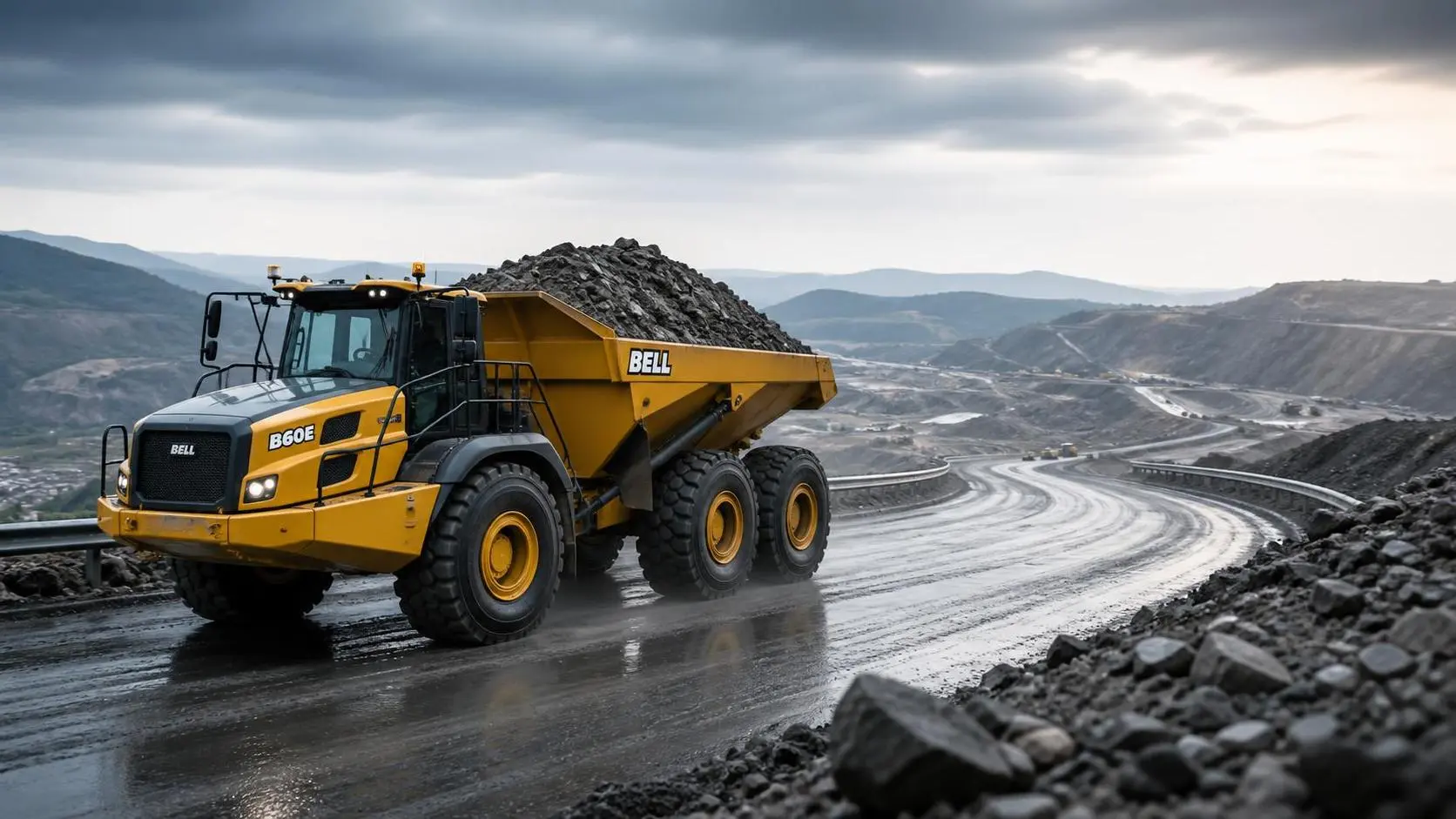
How to Evaluate Articulated Dump Trucks Payload for Haul Road Conditions and Cycle Efficiency
Articulated Dump Trucks payload evaluation starts with real haul road conditions, not brochure numbers. Learn how to balance payload, traction, grades, and cycle efficiency for safer, higher output.
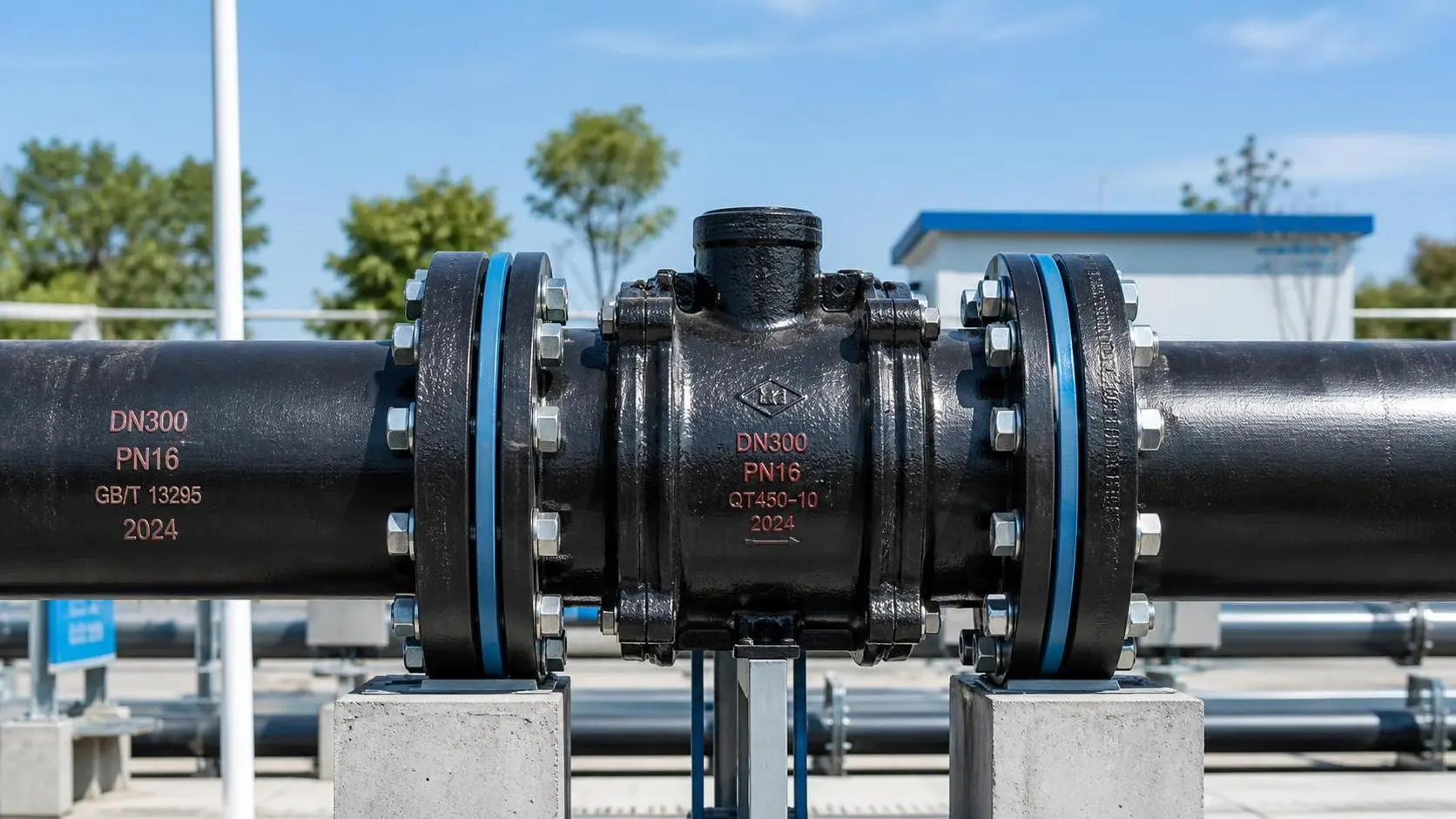
How Pipe Fittings Material and Pressure Class Affect Water Line Selection
Pipe fittings selection starts with material and pressure class. Learn how these factors affect water line reliability, corrosion resistance, installation, and long-term cost.
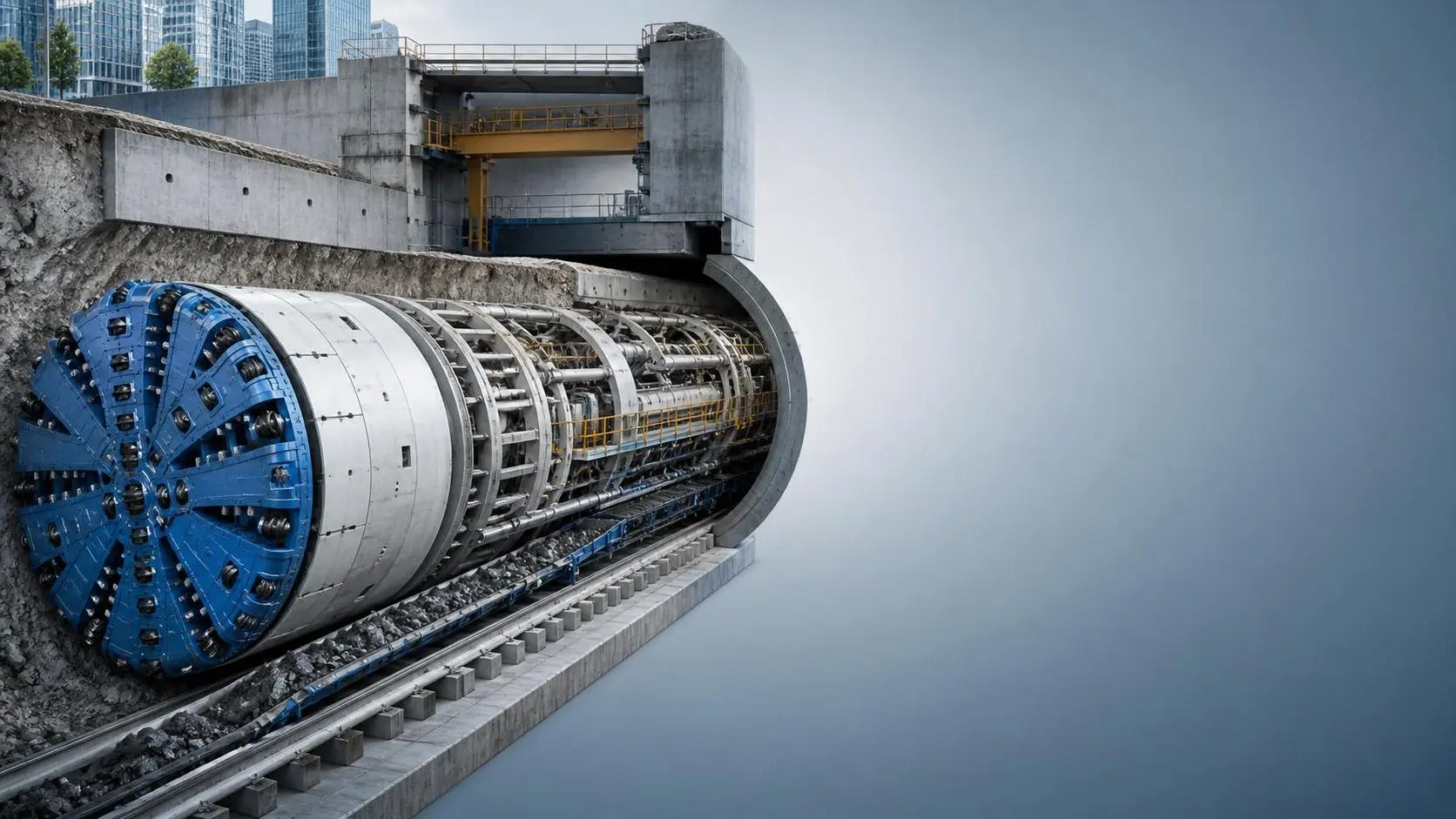
What Drives TBM Excavation Cost in Urban Tunneling Projects?
tbm excavation cost in urban tunneling depends on geology, shafts, segment lining, logistics, and risk. Discover the key cost drivers and compare bids with greater confidence.
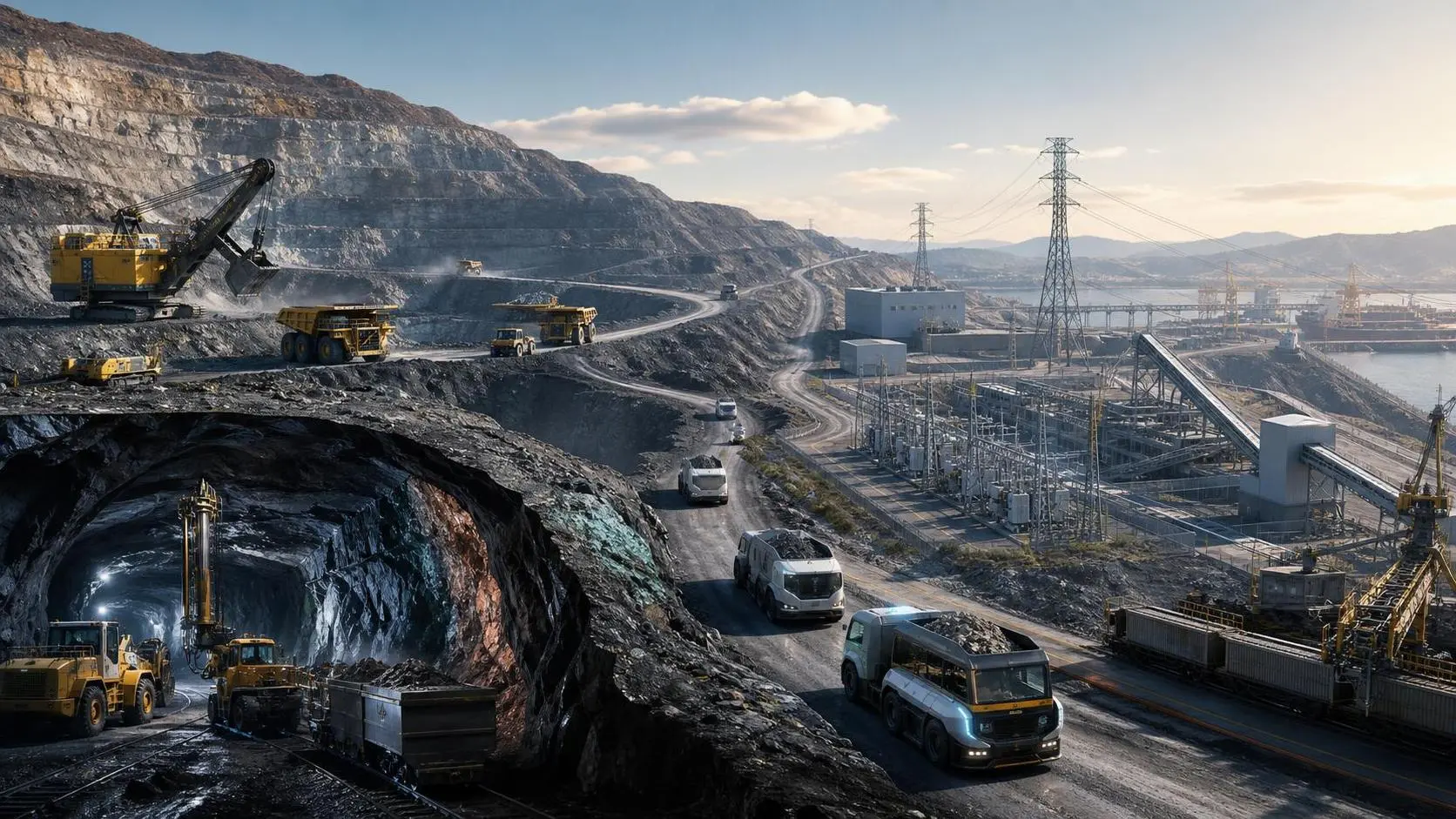
What Does Energy Metals Mining in Australia Mean for Supply, Cost, and Project Risk?
Energy metals mining Australia is reshaping supply, cost, and project risk. Discover what it means for buyers, investors, and operators.
Related News
- 00
0000-00
What Should a Mine Decarbonization Roadmap Include to Cut Emissions Without Hurting Output? - 00
0000-00
How to Evaluate Underground Mine Automation Companies for Safety and ROI - 00
0000-00
How to Evaluate Underground Haulage Systems for Ore Output, Ramp Grade, and Ventilation Limits - 00
0000-00
How to Evaluate a Pipe Jacking Equipment Distributor for Project Support and Uptime - 00
0000-00
How to Build a Mining Decarbonization Strategy That Balances Emissions, Cost, and Fleet Reality
Weekly Insights
Stay ahead with our curated technology reports delivered every Monday.