
Mixed Ground Tunnelling Methods Explained: How to Choose for Variable Soil and Rock Sections





Mixed ground tunnelling methods sit at the center of many schedule, safety, and cost decisions in underground construction. When a drive passes through soft soil, weathered rock, hard rock, groundwater pockets, and faulted zones within one alignment, the excavation strategy can no longer rely on a single simplified assumption.
That is why this topic matters across transport tunnels, utility corridors, metro extensions, pipe jacking works, and mine access development. The practical challenge is not only how to excavate, but how to adapt machine behavior, face support, lining, logistics, and monitoring before changing ground conditions turn into claims or stoppages.
What mixed ground really means in practice
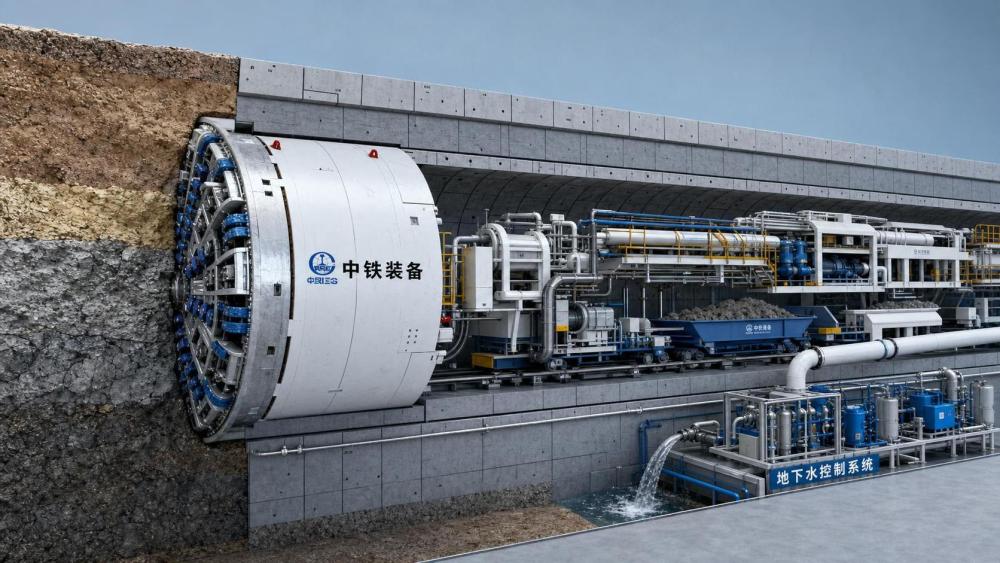
In tunnel engineering, mixed ground usually describes a face or alignment containing materials with sharply different mechanical behavior. One side of the cutterhead may encounter competent rock, while the other side cuts loose soil or fractured material.
The term also covers transitions along the tunnel length. A project may begin in alluvium, cross into weathered rock, then move into intact hard rock with localized water-bearing seams. Each transition changes loading on the machine and support system.
This is where mixed ground tunnelling methods become more than a technical label. They represent a coordinated approach to excavation mode selection, support timing, spoil handling, and risk controls under variable conditions.
Why the industry is watching this more closely
Projects are moving deeper, denser, and closer to sensitive urban assets. At the same time, contract pressure is stronger, tolerances are tighter, and downtime is more expensive. Ground uncertainty now affects not only engineering outcomes, but financing, procurement, and public delivery commitments.
For intelligence-led platforms such as UTMD, this topic connects directly with the broader evolution of underground engineering. Full-face TBMs, trenchless equipment, drilling systems, and digital monitoring tools are all being pushed to operate more reliably in changing geologies.
The same shift is visible in mining and civil infrastructure. More projects demand automation, lower emissions in confined spaces, and better asset utilization. Mixed ground tunnelling methods are increasingly judged by how well they support those wider operational targets.
The main method families and where they fit
There is no universal best method. The right choice depends on face stability, groundwater, tunnel diameter, alignment sensitivity, and how often the geology changes.
Shielded TBM approaches
Earth Pressure Balance machines are often used where fine-grained soils dominate and pressure control at the face is critical. They can still work in mixed faces, but performance drops when large rock blocks or abrasive sections become frequent.
Slurry shields are better suited to unstable, permeable, and water-bearing ground. In mixed sections, they offer strong face support, though separation systems, slurry treatment, and operational control become more demanding.
Hard rock or convertible TBMs are often chosen when projects expect repeated transitions. These systems can be designed for mode changes, cutterhead intervention planning, and flexible support installation.
Sequential excavation and drill-and-blast
Where geometry is complex or geology is highly variable, sequential excavation methods can offer more local control. Advance rounds can be adjusted quickly, and support can be tailored to each section.
Drill-and-blast remains relevant in hard rock transitions, mine development, and areas where large TBM mobilization is not justified. In mixed formations, however, blast damage control and overbreak management require close discipline.
Pipe jacking and microtunnelling
For municipal and trenchless corridors, mixed ground tunnelling methods often involve pipe jacking or microtunnelling systems. These are effective when surface disruption must stay minimal, but they are highly sensitive to alignment control and obstruction risk.
What usually goes wrong in variable soil and rock sections
Most failures do not come from one dramatic event. They usually emerge from a mismatch between predicted ground behavior and the chosen operating window.
- Unbalanced cutterhead loading when part of the face is rock and part is soft ground.
- Unexpected settlement after face pressure is set for one material, but the next section behaves differently.
- Rapid cutter wear in abrasive rock bands hidden within longer soil stretches.
- Water inflow through fractured seams or faulted zones.
- Spoil conditioning problems that affect conveyor, screw, slurry, or separation performance.
- Delays during mode changes, interventions, and support redesign.
These issues are familiar in metro tunnels, cross passages, deep utility corridors, and mine declines. The lesson is consistent: mixed ground tunnelling methods must be selected as operating systems, not just machine categories.
A practical framework for choosing the method
Method selection improves when the team compares ground conditions against execution constraints, not only against excavation theory. The table below helps structure that comparison.
In practical reviews, the strongest option is often the one with fewer hidden transition penalties. A slightly slower advance rate can still be the better commercial choice if it reduces interventions, claims exposure, and unplanned treatment works.
How equipment strategy changes the outcome
Mixed ground tunnelling methods are heavily influenced by equipment detail. Cutterhead opening ratio, disc cutter arrangement, ripping tools, conditioning injection points, articulation, and backup logistics all matter.
This is one reason UTMD’s coverage of TBMs, pipe jacking systems, drilling jumbos, and underground transport is relevant beyond equipment news. In variable geology, machine selection cannot be separated from spoil evacuation, maintenance access, digital sensing, and downstream haulage capacity.
A tunnel drive that transitions frequently needs more than raw cutting power. It needs controllability, robust data capture, predictable wear behavior, and a support chain able to respond without slowing the whole project.
What to verify before procurement and construction
Too many teams lock in mixed ground tunnelling methods before the uncertainty has been reduced enough. Better front-end preparation usually pays back faster than late-stage redesign.
- Reconcile borehole data with likely face conditions, not only average alignment geology.
- Map transition zones and faulted intervals as separate risk packages.
- Test whether the proposed machine can tolerate abrupt changes in abrasion, strength, and permeability.
- Review intervention plans, hyperbaric needs, spare parts strategy, and access constraints.
- Check whether monitoring thresholds match real ground behavior rather than contract defaults.
- Confirm that mucking, slurry treatment, or haulage systems will not become the hidden bottleneck.
This review should continue into construction. Ground interpretation, penetration data, torque trends, wear rates, and settlement response all provide feedback on whether the chosen mixed ground tunnelling methods remain valid.
Where the smarter decisions are coming from
The industry is moving toward better integration of geotechnical models, machine data, and operational intelligence. That shift matters because mixed ground tunnelling methods are rarely static after launch.
Real value comes from recognizing transitions early and adjusting with discipline. Sensor-rich TBMs, better cutter wear analytics, improved localization underground, and more reliable low-emission support fleets all contribute to steadier execution.
For the next decision cycle, the useful starting point is simple: define the likely transition zones, rank the consequences of being wrong, and compare mixed ground tunnelling methods by controllability as much as by speed. That creates a stronger basis for design refinement, procurement alignment, and construction planning.
Related News
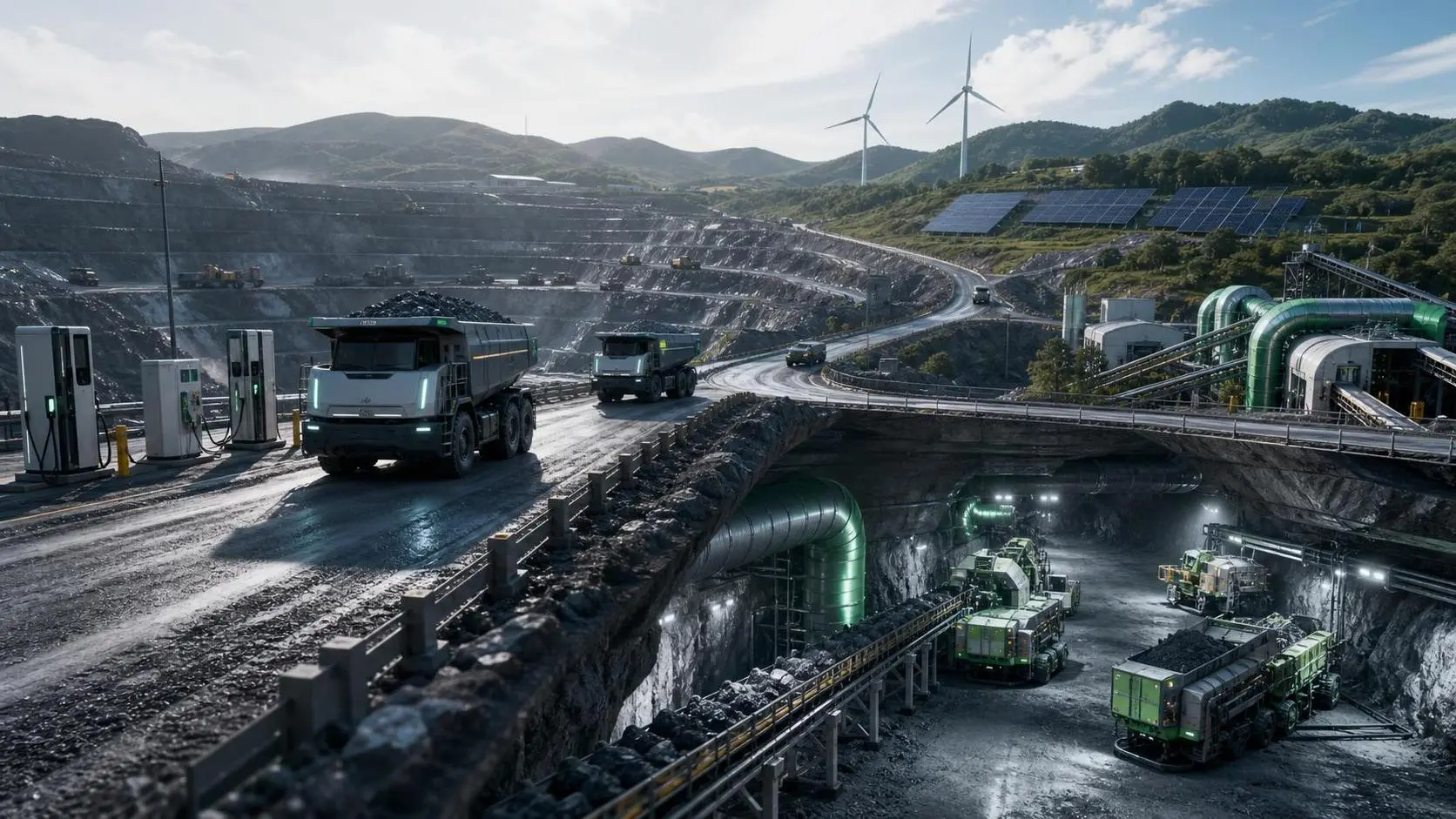
What Should a Mine Decarbonization Roadmap Include to Cut Emissions Without Hurting Output?
Mine decarbonization roadmap essentials: learn how to cut mining emissions with phased electrification, ventilation planning, and infrastructure readiness—without sacrificing output.
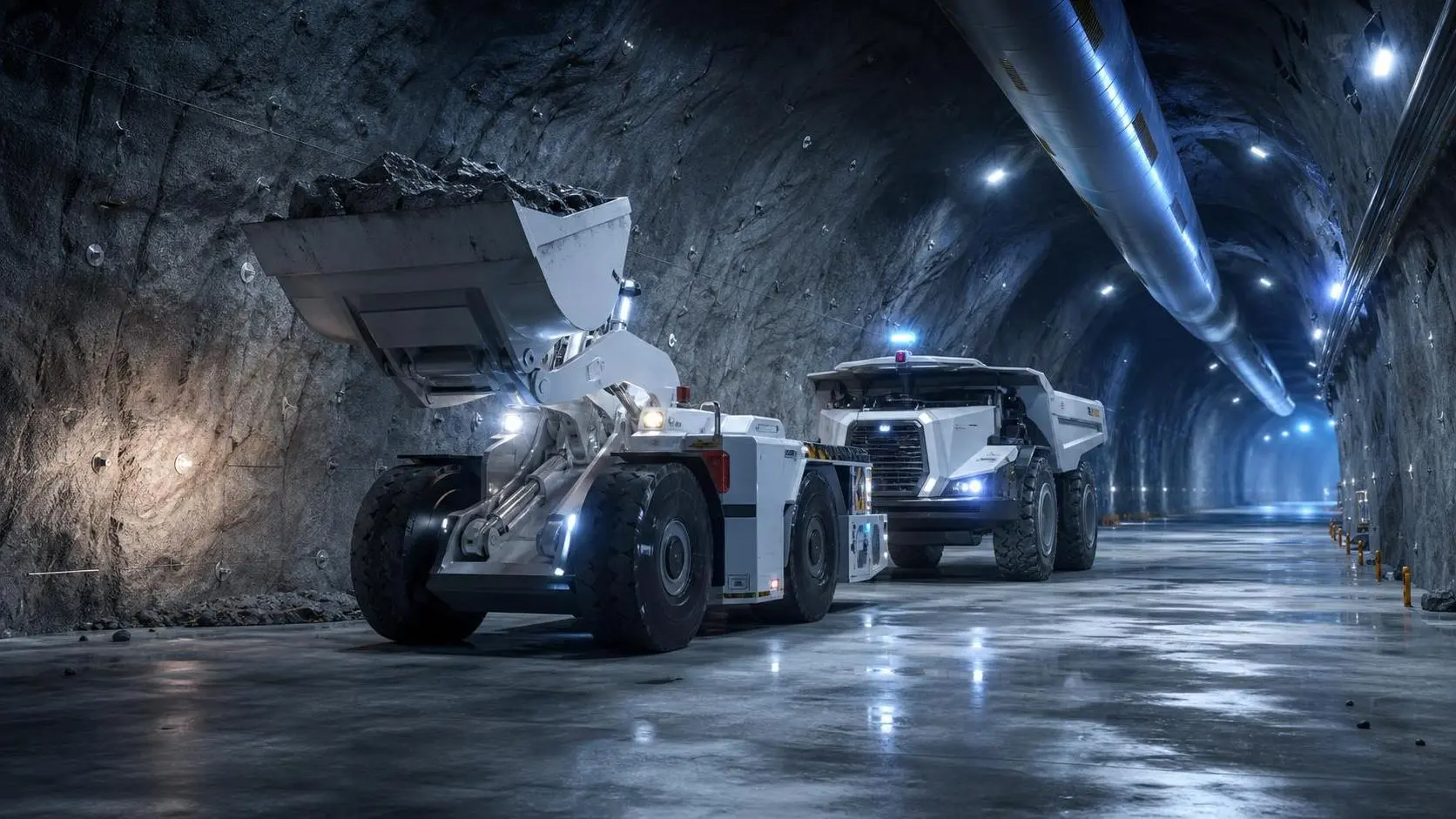
How to Evaluate Underground Mine Automation Companies for Safety and ROI
Underground mine automation companies vary widely in safety, interoperability, and ROI. Learn how to compare vendors, reduce deployment risk, and choose a scalable solution.
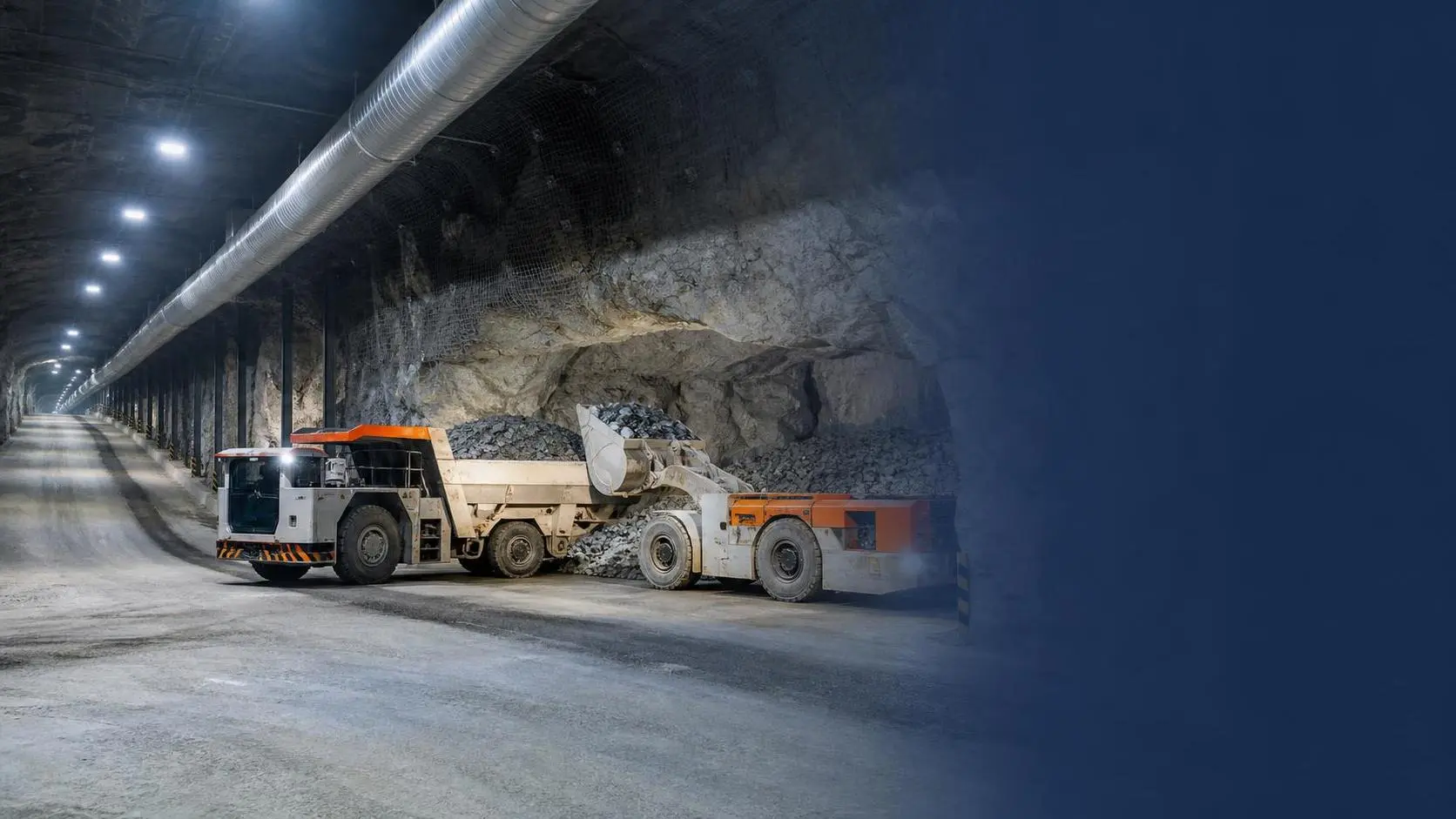
How to Evaluate Underground Haulage Systems for Ore Output, Ramp Grade, and Ventilation Limits
Underground haulage systems should be evaluated by ore output, ramp grade, and ventilation limits—not brochures. Learn how to compare trucks, LHDs, and electric options for smarter mine planning.
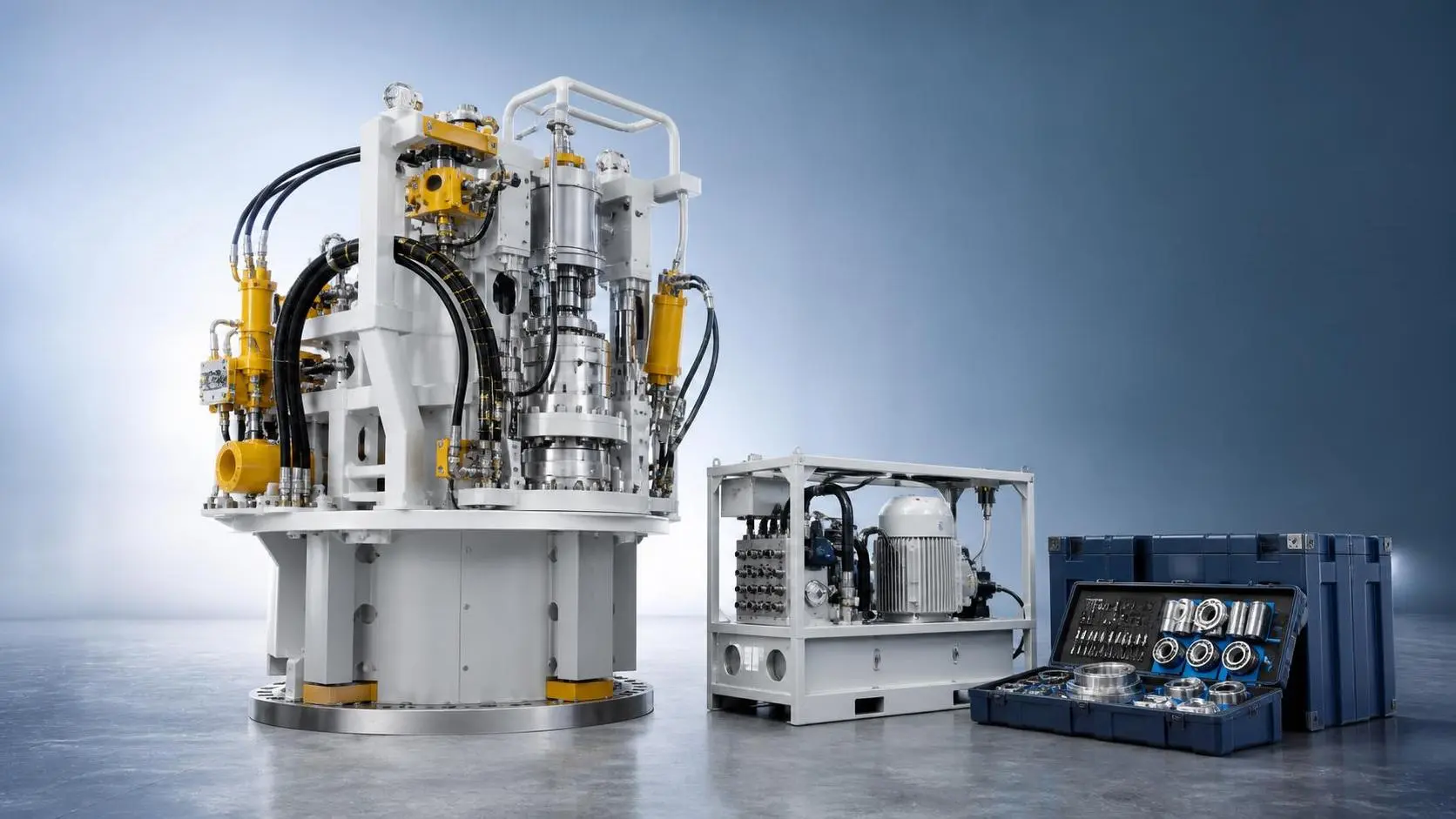
How to Evaluate a Pipe Jacking Equipment Distributor for Project Support and Uptime
Pipe jacking equipment distributor evaluation made practical: learn how to assess parts support, service response, training, and technical readiness to reduce downtime and protect project uptime.
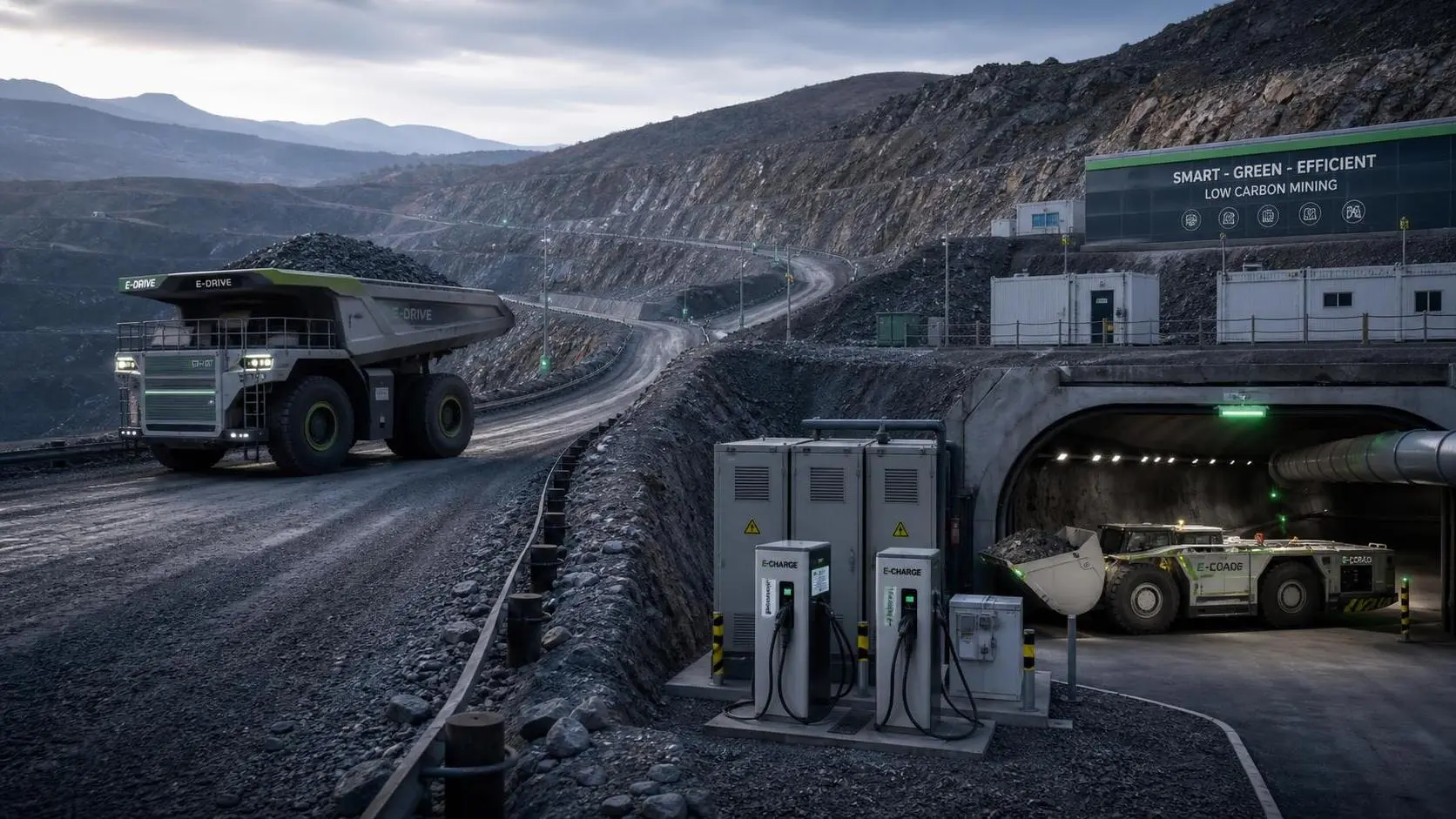
How to Build a Mining Decarbonization Strategy That Balances Emissions, Cost, and Fleet Reality
Mining decarbonization strategy starts with fleet reality. Learn how to cut emissions, control cost, and align power, ventilation, and production for a practical mine transition.
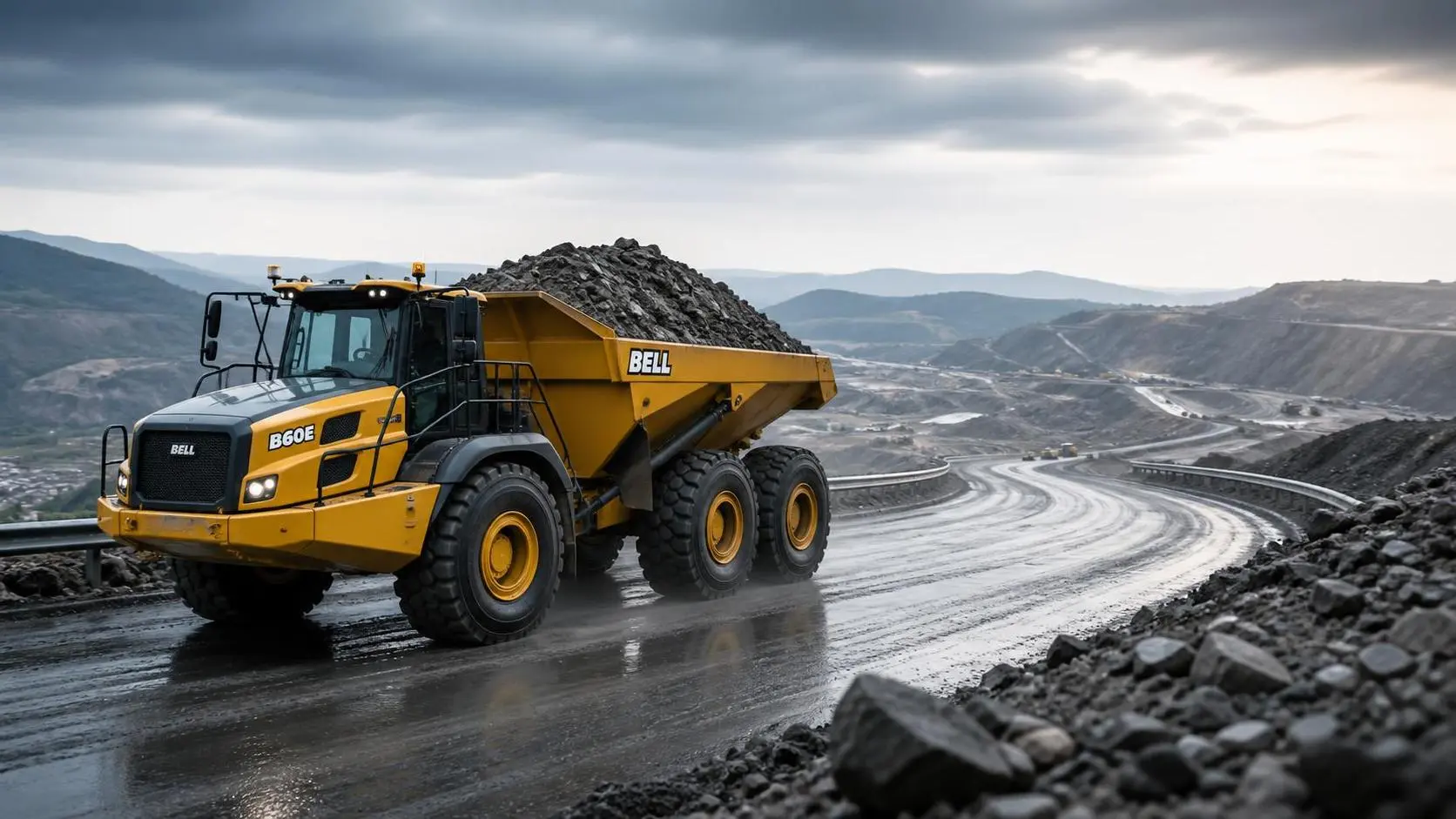
How to Evaluate Articulated Dump Trucks Payload for Haul Road Conditions and Cycle Efficiency
Articulated Dump Trucks payload evaluation starts with real haul road conditions, not brochure numbers. Learn how to balance payload, traction, grades, and cycle efficiency for safer, higher output.
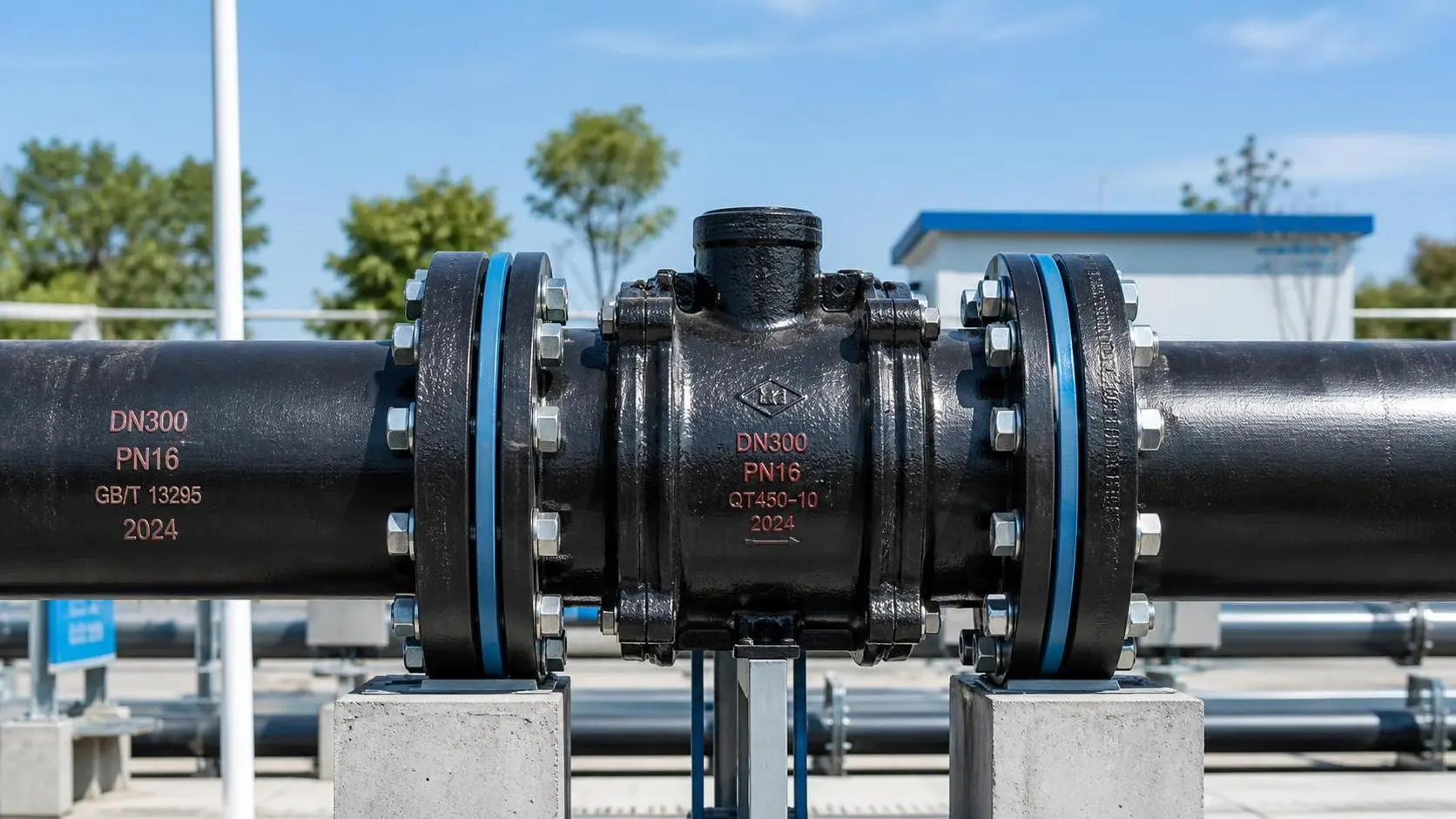
How Pipe Fittings Material and Pressure Class Affect Water Line Selection
Pipe fittings selection starts with material and pressure class. Learn how these factors affect water line reliability, corrosion resistance, installation, and long-term cost.
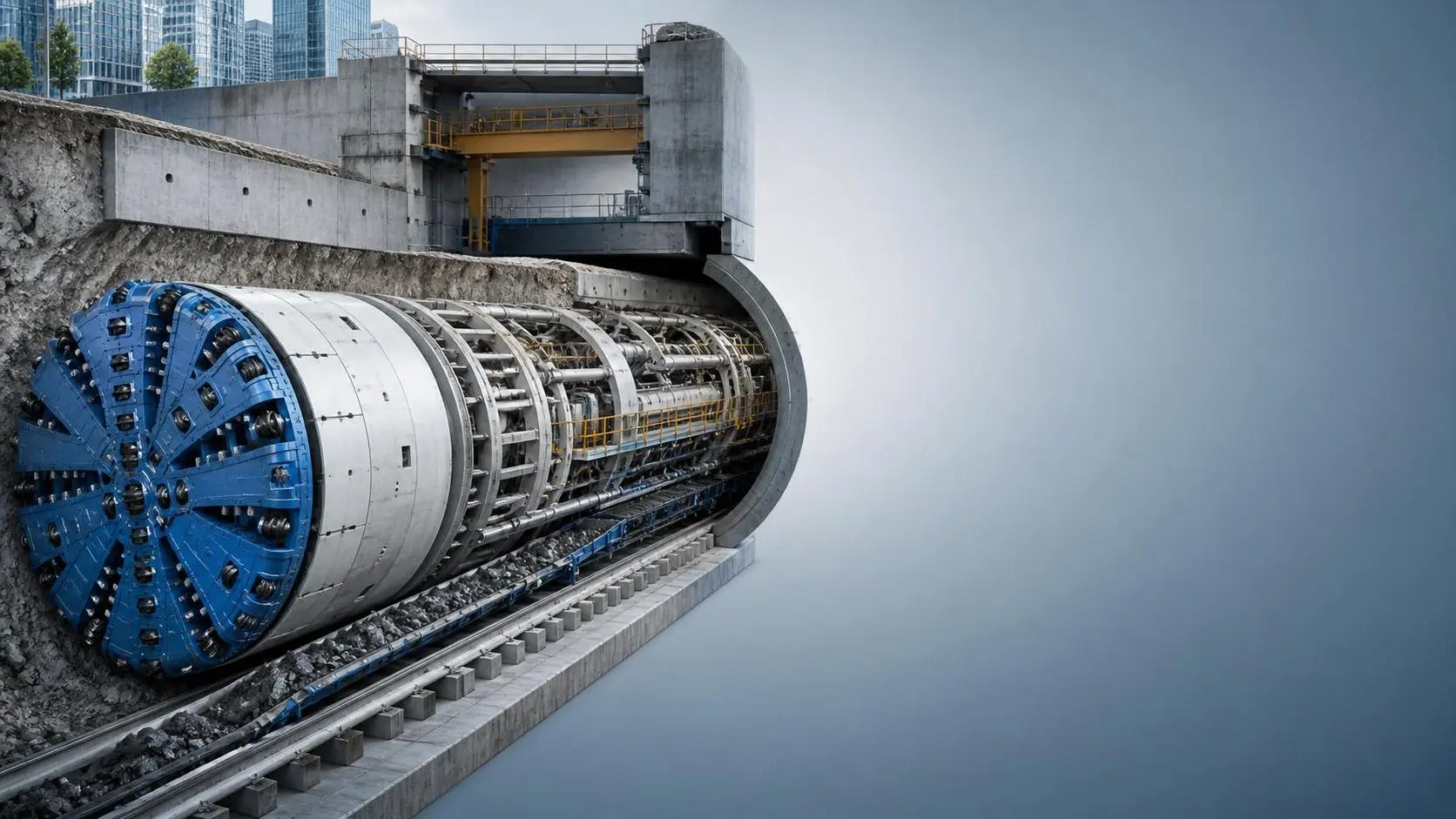
What Drives TBM Excavation Cost in Urban Tunneling Projects?
tbm excavation cost in urban tunneling depends on geology, shafts, segment lining, logistics, and risk. Discover the key cost drivers and compare bids with greater confidence.
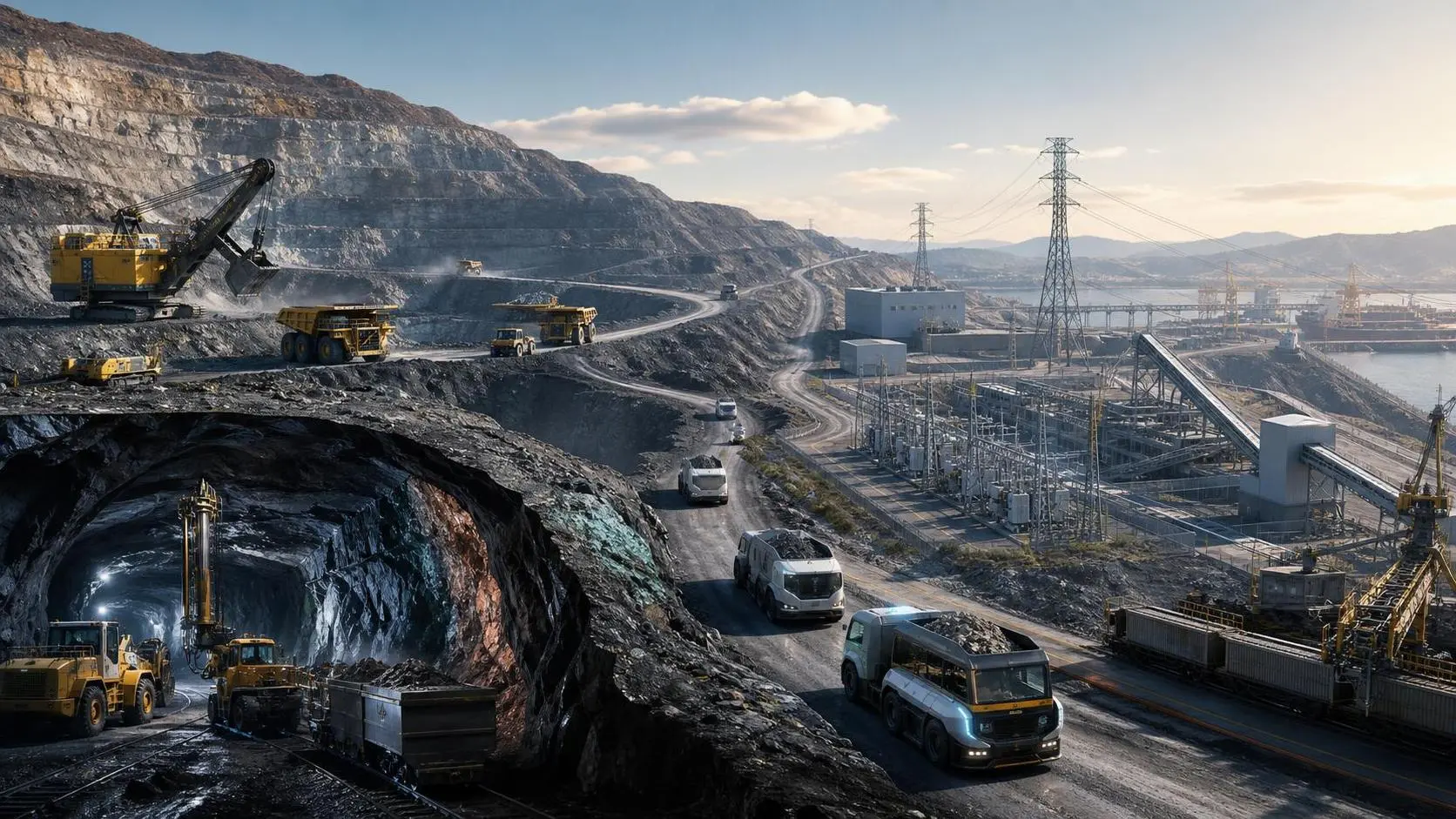
What Does Energy Metals Mining in Australia Mean for Supply, Cost, and Project Risk?
Energy metals mining Australia is reshaping supply, cost, and project risk. Discover what it means for buyers, investors, and operators.
Related News
- 00
0000-00
What Should a Mine Decarbonization Roadmap Include to Cut Emissions Without Hurting Output? - 00
0000-00
How to Evaluate Underground Mine Automation Companies for Safety and ROI - 00
0000-00
How to Evaluate Underground Haulage Systems for Ore Output, Ramp Grade, and Ventilation Limits - 00
0000-00
How to Evaluate a Pipe Jacking Equipment Distributor for Project Support and Uptime - 00
0000-00
How to Build a Mining Decarbonization Strategy That Balances Emissions, Cost, and Fleet Reality
Weekly Insights
Stay ahead with our curated technology reports delivered every Monday.