
How Real-Time Underground Mapping Improves Drift Development Accuracy and Rework Control





How Real-Time Underground Mapping Improves Drift Development Accuracy and Rework Control
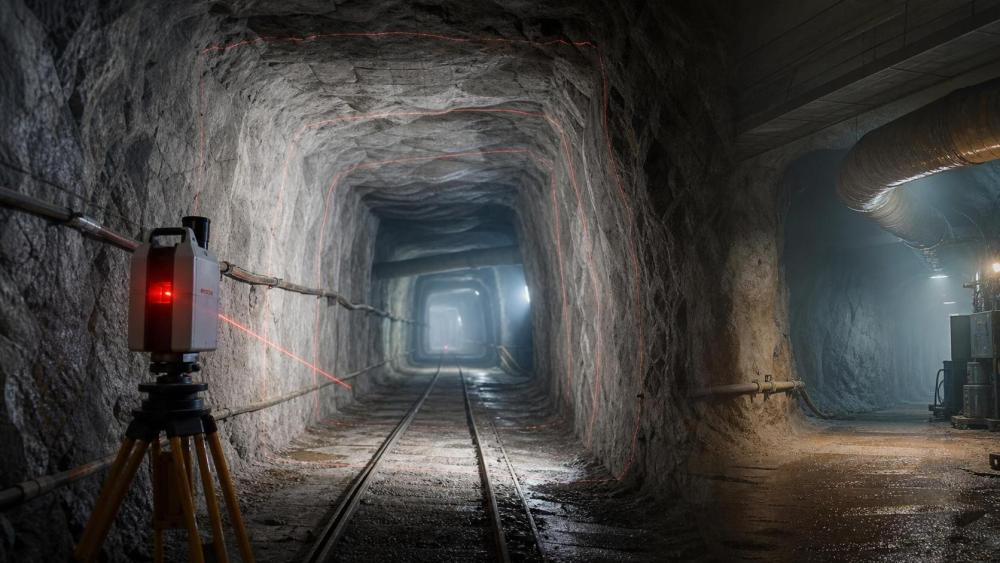
In drift development, small positioning errors rarely stay small for long. A few centimeters off line can affect blasting, ground support, ventilation routing, and haulage efficiency.
That is why real time underground mapping is becoming a practical control tool, not just a survey upgrade. It gives teams current spatial data while headings are still advancing.
When leaders can see drift position, profile, and deviation early, they can act before mistakes harden into rework. The result is better accuracy, steadier development, and fewer avoidable delays.
For underground projects under pressure to deliver meters safely and predictably, this shift matters. It turns spatial control into a daily operating discipline instead of a late-stage correction exercise.
Why Drift Development Errors Multiply So Quickly
Drift development depends on alignment. Every round, every support pattern, and every equipment pass assumes the heading is where the plan says it should be.
When survey updates arrive too late, the heading may already be drifting off centerline. By then, overbreak, underbreak, and profile distortion often have spread into several downstream tasks.
In practical terms, that can create four common problems:
- blast rounds that no longer match the intended geometry
- extra scaling and shotcrete work after overbreak
- misalignment with ore access, ventilation raises, or service corridors
- rework that consumes crews, equipment time, and development budget
More importantly, these issues are connected. A heading that wanders can reduce drilling efficiency, complicate loading, and increase cycle-time variability across shifts.
This is where real time underground mapping changes the conversation. Instead of asking what went wrong after the round, teams can ask what is changing right now.
What Real Time Underground Mapping Actually Delivers
Real time underground mapping combines frequent spatial capture with fast processing and clear visualization. Depending on the site, that may involve mobile scanners, SLAM-based systems, survey control, and machine-linked positioning.
The value is not the sensor alone. The value comes from getting usable drift geometry into operational decisions before the next cycle locks in the error.
A strong real time underground mapping workflow usually provides:
- up-to-date heading position against mine design
- cross-section and profile checks after each advance
- deviation alerts before tolerance is exceeded
- shared visibility across survey, geology, mining, and planning teams
- traceable records for progress, quality, and contractor control
This also supports more disciplined communication. Instead of debating whose estimate is correct, teams work from a common spatial picture that is recent enough to act on.
How Better Spatial Intelligence Reduces Rework
Rework in underground development is expensive because access is constrained and production windows are short. Correcting alignment later usually costs far more than correcting it immediately.
Real time underground mapping lowers that risk in several direct ways.
Early deviation detection
Small line and grade drift can be caught after a round, not after several days. That shortens the correction distance and keeps remedial work manageable.
Cleaner drill and blast feedback
When actual excavation shape is visible quickly, crews can adjust drilling patterns, charging practices, and perimeter control before poor fragmentation becomes a repeating issue.
Better support installation accuracy
Ground support is more reliable when the heading profile is known accurately. Bolt coverage, mesh fit, and shotcrete quantities can be planned against real conditions instead of rough assumptions.
Reduced design conflict downstream
Misalignment creates problems later at intersections, ore drives, service installations, and equipment clearances. Real time underground mapping helps prevent those conflicts from building unnoticed.
From a cost perspective, this is one of the clearest returns. Fewer corrections mean fewer lost shifts, fewer unplanned support changes, and less disruption to development sequencing.
Where Project Control Improves Most
The strongest impact of real time underground mapping often appears in project control, not just technical accuracy. Current spatial visibility improves decisions at both shift level and planning level.
A useful side effect is schedule realism. When spatial data updates faster, planning assumptions become more grounded, and recovery actions can be taken before milestone pressure becomes acute.
How to Apply Real Time Underground Mapping Without Disrupting Production
Adoption works best when it solves a specific control problem first. Sites that try to digitize everything at once often create noise instead of value.
A more effective rollout usually follows five steps.
- Define the drift development tolerances that matter most for line, grade, and profile.
- Select capture points in the cycle where real time underground mapping can influence the next decision.
- Set alert thresholds that trigger action, not just reporting.
- Link mapping outputs to shift supervisors, survey teams, and planners in the same workflow.
- Review exception trends weekly to find repeatable causes of deviation and rework.
In many operations, the first win comes from one or two headings with chronic variance. Once the team sees faster corrections and cleaner progress data, expansion becomes easier to justify.
This is also where intelligence platforms such as UTMD add context. Site decisions improve when teams can compare field needs with broader technology trends in underground automation, sensing, and mine development control.
Common Implementation Risks and How to Avoid Them
Real time underground mapping is powerful, but it is not automatic. Results depend on process discipline as much as technical capability.
The most common problems are usually operational:
- data arrives fast, but nobody owns the response decision
- mapping output is too complex for shift-level use
- survey control quality is inconsistent across headings
- deviation thresholds are unclear or too loose
- teams treat mapping as reporting, not active production control
The fix is usually straightforward. Keep the workflow simple, define accountable actions, and focus each update on what must change in the next cycle.
In actual operations, the most useful screens are often the simplest ones. A clear comparison between planned and actual heading shape can drive better action than a dense technical model.
Why This Matters More as Underground Projects Get Smarter
Underground development is moving toward tighter integration between machines, sensors, planning systems, and emissions-conscious operations. That trend raises the value of reliable spatial intelligence.
As mines and tunnelling projects adopt more automation, poor location data becomes a larger constraint. Equipment guidance, traffic flow, digital twins, and remote coordination all depend on trustworthy geometry.
Real time underground mapping supports that transition by making drift development more measurable and more controllable. It improves not only where the heading goes, but how confidently the entire project can move around it.
For teams responsible for delivery, the practical takeaway is clear. Use real time underground mapping where alignment errors are expensive, correction windows are short, and development reliability directly affects project outcomes.
Start with the headings that generate the most variance. Build fast feedback into the development cycle. When spatial decisions happen earlier, drift accuracy improves, rework falls, and execution becomes much more predictable.
Related News
Tunnel Boring Machine Costs: Budgeting for Purchase, Operation, and Project Risk
Tunnel Boring Machines cost more than purchase price. Learn how to budget lifecycle costs, downtime, logistics, wear, and project risk for smarter TBM decisions.
Open-Pit Haulage Cost Analysis: How Mine Managers Can Cut Cost per Tonne
Open pit haulage cost analysis: discover practical ways to reduce cost per tonne through payload control, cycle-time optimization, road performance, and smarter fleet decisions.
Tunnel Construction Innovations That Reduce Risk and Schedule Delays on Urban Projects
Tunnel construction innovation for urban projects: discover smarter TBMs, real-time monitoring, trenchless methods, and automation that reduce risk and protect schedules.
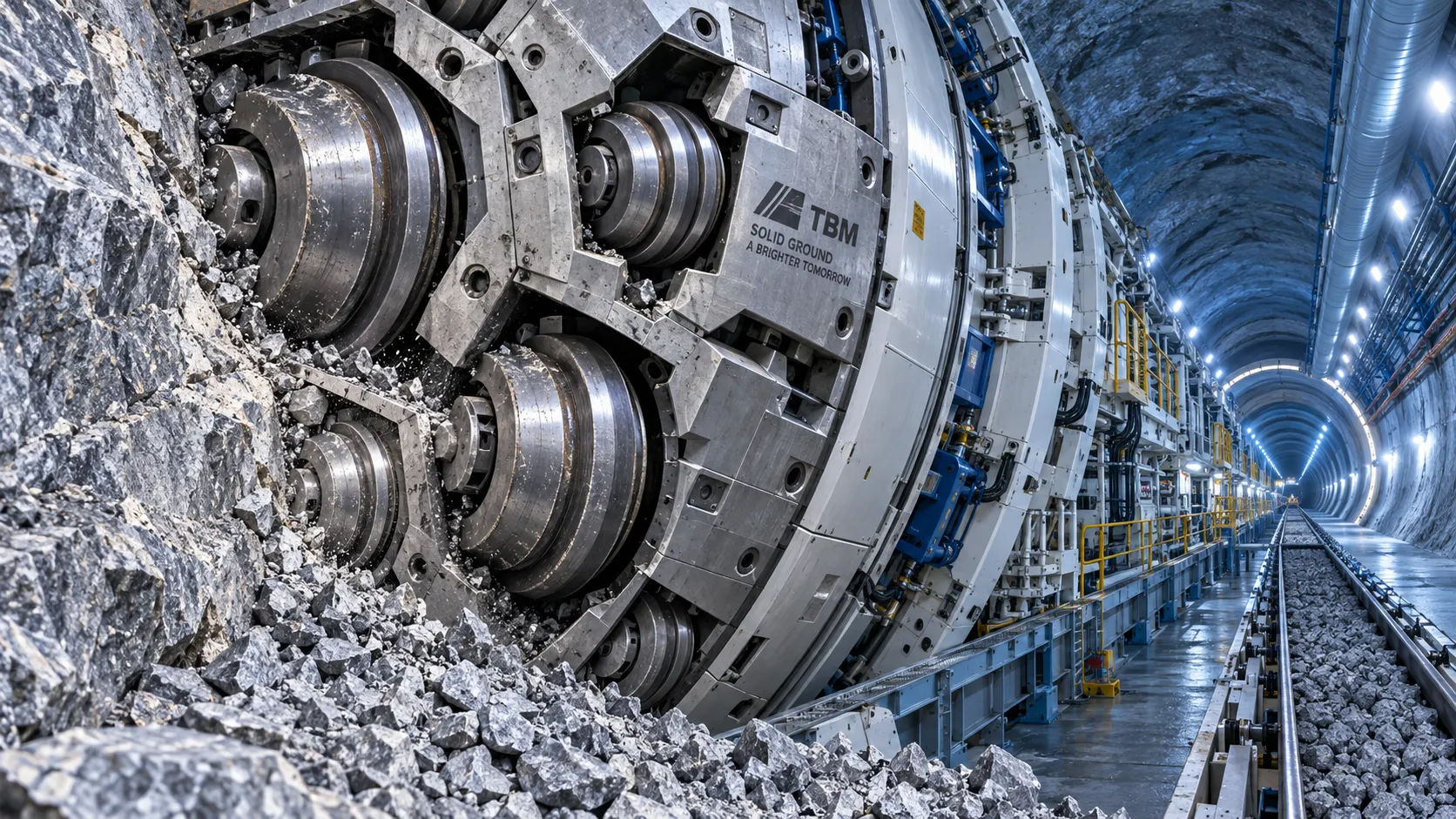
TBM Disc Cutter Design: Key Geometry and Load Factors for Hard Rock Tunnelling
TBM disc cutter design explained: explore geometry, spacing, load distribution and maintenance factors for reliable, efficient hard-rock tunnelling performance.
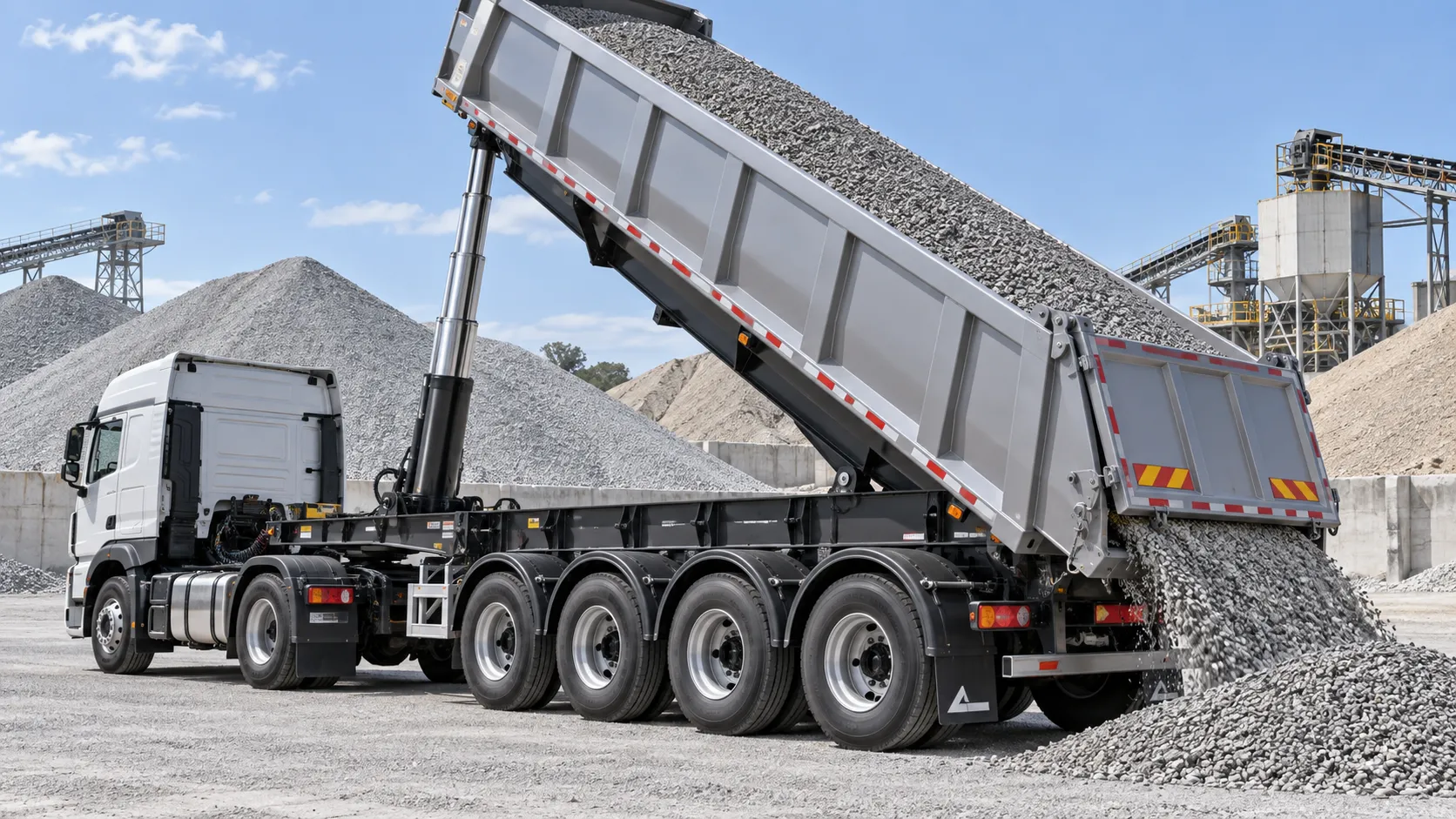
Hydraulic Tipping Stability Risks in Multi-Axle Dump Special Trailers
Dump special trailers: discover key hydraulic tipping stability risks, multi-axle load dynamics, and practical safety controls for safer, smarter bulk hauling.
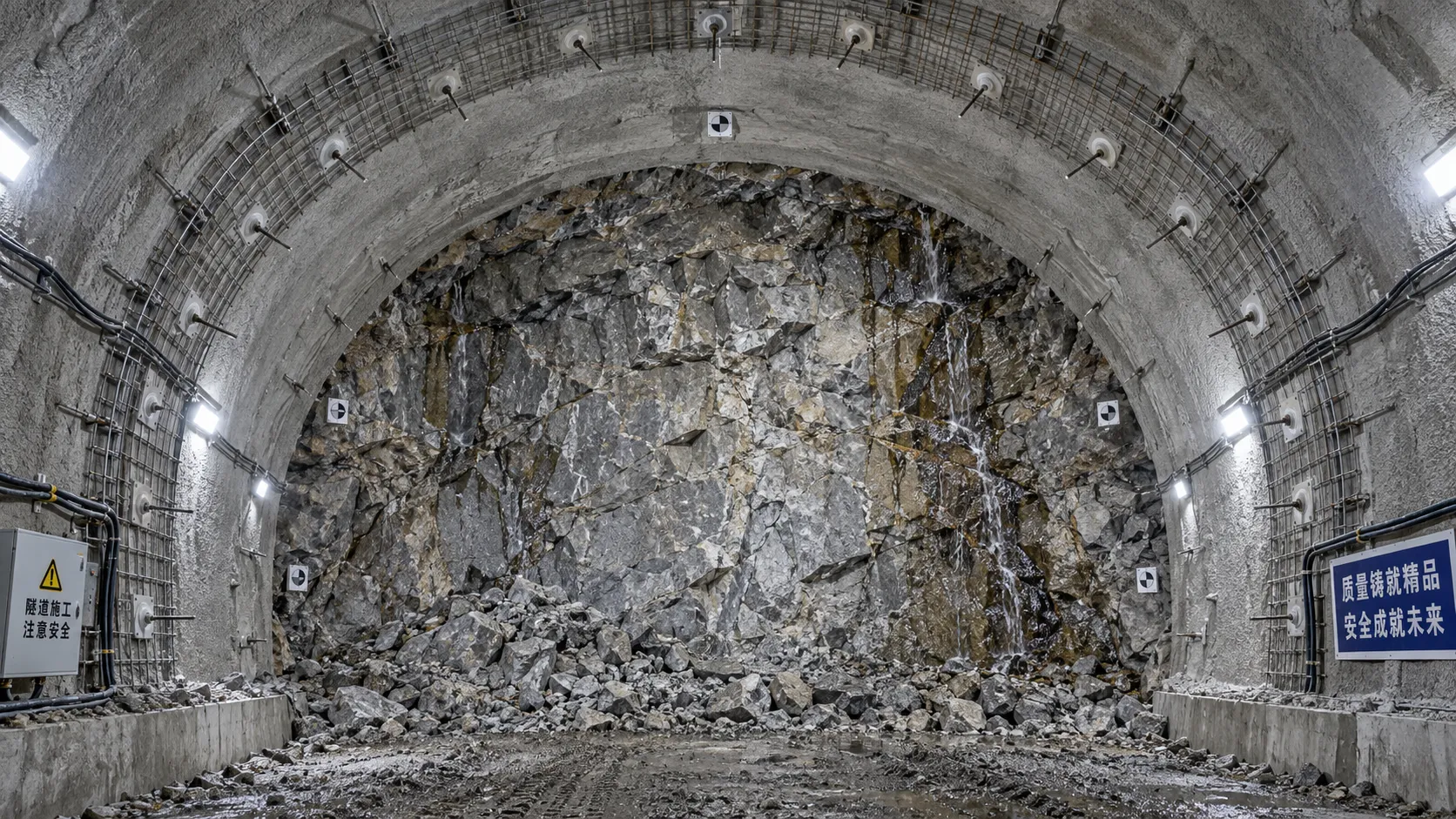
When rock reinforcement in tunnel construction must change after blasting
Rock reinforcement in tunnel construction must change when blasting reveals overbreak, weak joints, water inflow, or deformation. Discover key post-blast support decisions.
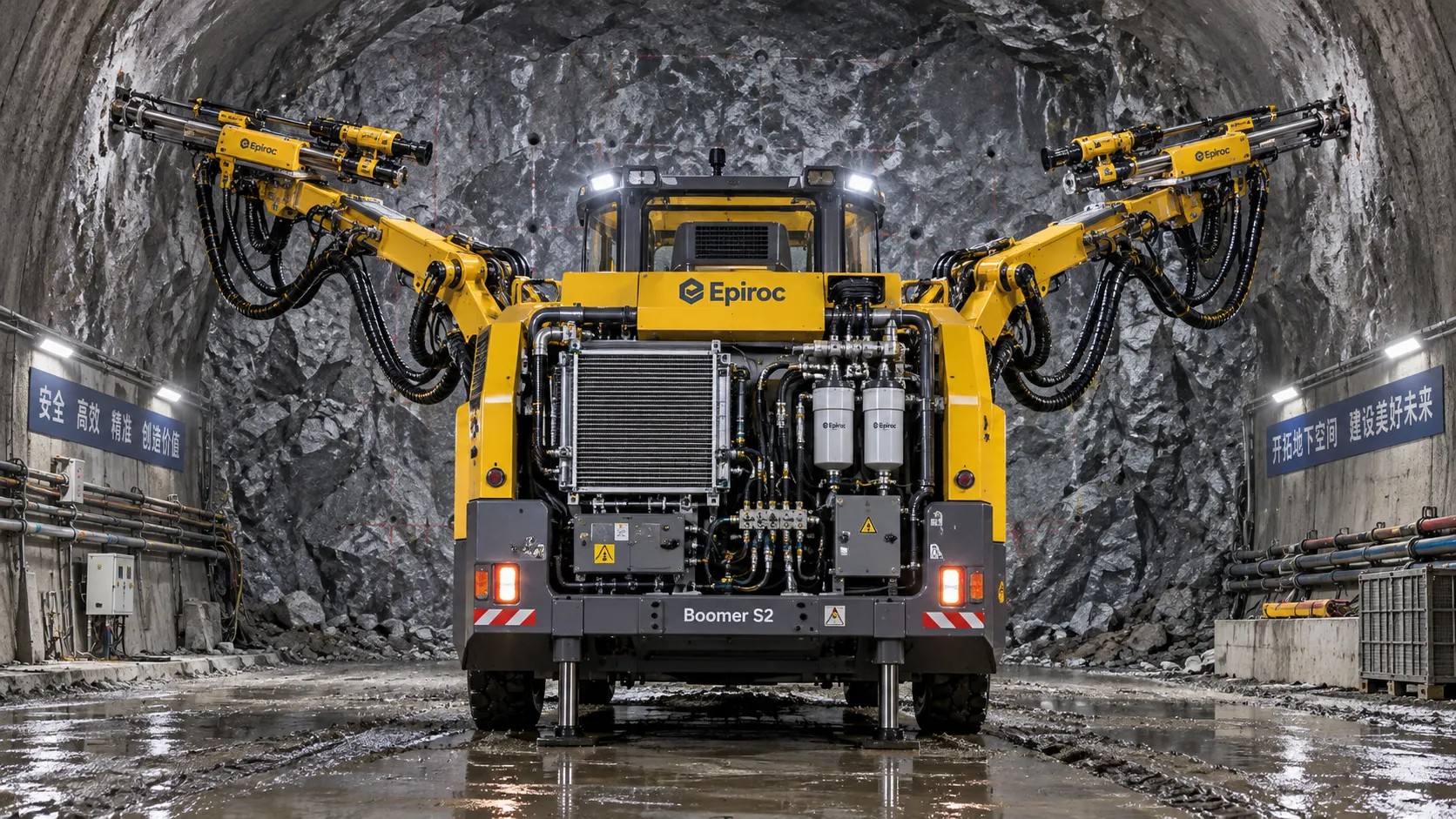
How tunnel hydraulic systems influence drill jumbo uptime underground
Tunnel hydraulic systems directly influence drill jumbo uptime. Explore how stable pressure, clean oil, cooling, and maintainable design reduce underground downtime.
What to verify before appointing a tunneling vehicles manufacturer
Choosing a tunneling vehicles manufacturer? Verify application fit, reliability, compliance, parts support, training, and channel terms before appointing a partner.
Selecting K9 Ductile Iron Pipe for Buried Water Pipeline Conditions
K9 ductile iron pipe selection for buried water pipelines: compare pressure duty, joints, soil loads, corrosion protection, and installation controls for reliable long-term performance.
Related News
- 00
0000-00
Tunnel Boring Machine Costs: Budgeting for Purchase, Operation, and Project Risk - 00
0000-00
Open-Pit Haulage Cost Analysis: How Mine Managers Can Cut Cost per Tonne - 00
0000-00
Tunnel Construction Innovations That Reduce Risk and Schedule Delays on Urban Projects - 00
0000-00
TBM Disc Cutter Design: Key Geometry and Load Factors for Hard Rock Tunnelling - 00
0000-00
Hydraulic Tipping Stability Risks in Multi-Axle Dump Special Trailers
Weekly Insights
Stay ahead with our curated technology reports delivered every Monday.