
Mining Electrification Solutions: How to Compare Power Demand, Ventilation, and ROI





Mining Electrification Solutions: where should comparison really begin?
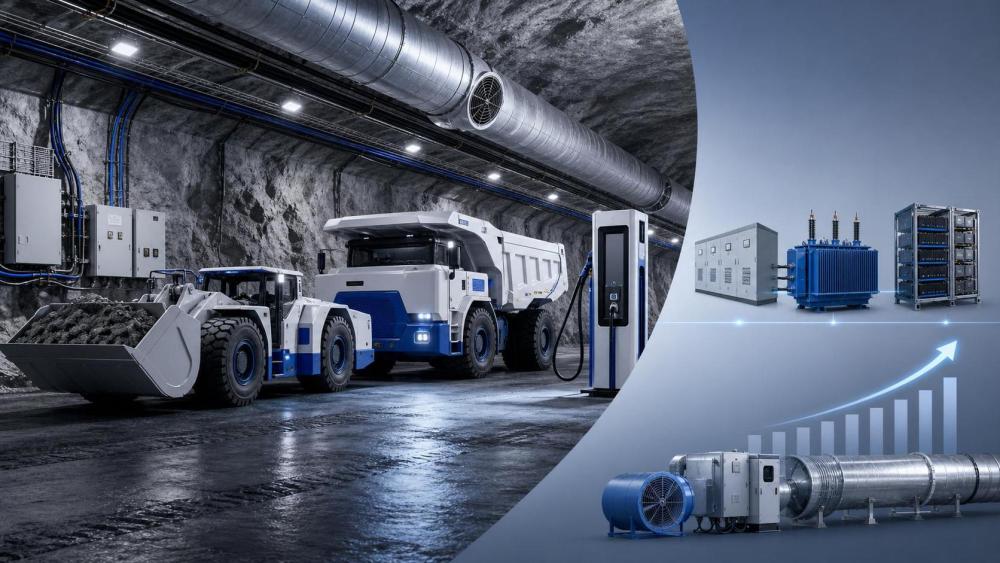
Mining electrification solutions have moved from pilot programs to board-level capital decisions.
The pressure comes from three directions at once: ESG commitments, diesel-related ventilation cost, and the need for steadier underground productivity.
That is why the first comparison should not start with equipment brochures.
It should start with the operating system of the mine itself.
In practical terms, that means mapping power demand, airflow dependency, duty cycles, haul profiles, and infrastructure constraints before ranking any vendor.
For underground fleets, the biggest value often comes from replacing diesel exposure in the most ventilation-sensitive zones first.
For surface fleets, the logic may shift toward energy cost, autonomous readiness, and regenerative braking potential.
UTMD tracks this shift across tunnelling and mining equipment because electrification is no longer an isolated machine choice.
It now touches TBM support systems, drilling jumbos, underground LHD loaders, and even heavy dump truck replacement strategies.
The useful question is not whether to electrify.
The useful question is which mining electrification solutions fit the mine’s geometry, energy network, and payback expectations.
What counts as a strong mining electrification solution in real operations?
A credible solution is broader than battery equipment alone.
It usually combines vehicles, charging or swapping strategy, grid upgrades, ventilation redesign, digital fleet control, and maintenance planning.
This matters because electric performance underground is shaped by system interactions.
An LHD with strong battery range can still underperform if charging windows disrupt the loading cycle.
A haul truck with excellent drive efficiency can still disappoint if substation capacity is weak or peak demand penalties are ignored.
More mature mining electrification solutions usually include these building blocks:
- Fleet segmentation by application, not one-size-fits-all replacement.
- Load profiling by shift, ramp grade, and idle time.
- Ventilation modeling linked to diesel displacement.
- Safety protocols for thermal events, cable routing, and isolation.
- Digital monitoring for battery health, cycle efficiency, and uptime.
UTMD’s coverage of underground transport systems highlights the same pattern repeatedly.
Electrification succeeds faster when planners treat it as an operating model redesign, not a simple engine substitution.
How do you compare power demand without underestimating hidden constraints?
This is where many early comparisons become misleading.
Nameplate power is useful, but it is not enough for evaluating mining electrification solutions.
A better approach is to compare operational demand across four layers.
In actual projects, the hidden constraint is often not total available power.
It is where that power can be delivered, at what time, and with what redundancy.
That is especially true in deep mines with long cable runs, mobile charging points, or expanding production blocks.
A practical review should ask whether electrification supports today’s mine plan and the next development stage.
That forward view is common in UTMD reporting on mega underground projects, where infrastructure bottlenecks shape equipment choices years ahead.
Why is ventilation still one of the strongest decision drivers?
Because underground airflow is expensive, energy-intensive, and directly tied to diesel heat and exhaust.
When evaluating mining electrification solutions, ventilation savings should be modeled with the same discipline as power demand.
The benefit is not only lower fan energy.
Reduced diesel emissions can improve development flexibility, working conditions, and access to deeper headings.
That said, ventilation savings are rarely uniform across the mine.
They are usually highest where equipment density is high, tunnel cross-sections are tight, or heat rejection already stresses the airflow design.
Underground LHD fleets often sit near the top of the priority list for this reason.
Battery swapping or fast charging can remove recurring diesel exhaust from the most constrained haulage loops.
The same logic influences tunnel support fleets around TBM and drill-and-blast operations.
Low-emission support equipment can reduce airflow burden in confined construction zones.
A simple check is whether the ventilation model is static or dynamic.
If it assumes fixed airflow regardless of fleet change, the business case may be understated or distorted.
Is ROI mainly about fuel savings, or is that too narrow?
It is too narrow.
Fuel displacement matters, but ROI for mining electrification solutions usually comes from several value streams working together.
The strongest cases tend to combine direct and indirect gains.
- Lower diesel consumption and reduced fuel logistics underground.
- Lower ventilation power and cooling burden.
- Higher equipment availability through fewer mechanical wear points.
- Better ramp efficiency from regenerative braking on long declines.
- Improved productivity from cleaner headings and less ventilation delay.
- Stronger ESG position for permits, financing, and offtake negotiations.
The weaker cases usually miss one of two issues.
Either infrastructure capital is underestimated, or utilization assumptions are too optimistic.
For example, if charging downtime cuts effective fleet hours, the payback can slip quickly.
If regenerative braking is available on long downhill hauls, the economics can improve sharply.
UTMD has followed this closely in EV mining truck analysis, where route profile often matters as much as machine specification.
A realistic ROI model should cover at least five years, include battery replacement assumptions, and test three production scenarios.
Which mistakes make mining electrification solutions look better on paper than underground?
The most common mistake is evaluating a pilot machine outside the mine’s real bottlenecks.
A short demonstration route may hide grade severity, congestion, and charging interference.
Another mistake is treating all fleet categories the same.
Drilling jumbos, support vehicles, LHDs, and haul trucks behave differently in energy and downtime terms.
Need-to-check items are usually more revealing than headline claims:
- Can the site absorb simultaneous charging during shift change?
- How will battery performance vary in heat, dust, and long gradients?
- What happens to output during planned maintenance or a charger outage?
- Does the ventilation model convert diesel reduction into real operating savings?
- Are software, training, and spares included in the business case?
A final warning concerns timing.
Some mines rush into full-scale replacement before validating charging logistics at production pace.
A phased rollout often produces a better result than a dramatic but fragile transition.
What is the smartest next step before choosing a supplier?
Build a mine-specific comparison framework first.
That framework should rank mining electrification solutions against the mine’s own technical and financial constraints.
A useful shortlist normally includes:
- Priority fleet segments by ventilation impact and utilization.
- Power distribution limits by level, ramp, and charger location.
- Expected ROI under base, high, and stressed production cases.
- Battery service strategy, lifecycle cost, and replacement timing.
- Interoperability with autonomy, remote control, and digital fleet tools.
This is also where independent market intelligence becomes valuable.
UTMD’s perspective across TBMs, trenchless systems, mining trucks, and underground LHD platforms is useful because electrification signals rarely stay in one equipment silo.
The same mine may be planning cleaner haulage, digital mapping, and future automation in parallel.
Mining electrification solutions should therefore be compared as part of a broader underground transition roadmap.
When the comparison is grounded in power demand, ventilation reality, and measured ROI, the shortlist becomes much more defensible.
The next move is straightforward: define the duty cycles, test the infrastructure assumptions, and compare options against the mine plan rather than the sales deck.
Related News
Tunnel Boring Machine Costs: Budgeting for Purchase, Operation, and Project Risk
Tunnel Boring Machines cost more than purchase price. Learn how to budget lifecycle costs, downtime, logistics, wear, and project risk for smarter TBM decisions.
Open-Pit Haulage Cost Analysis: How Mine Managers Can Cut Cost per Tonne
Open pit haulage cost analysis: discover practical ways to reduce cost per tonne through payload control, cycle-time optimization, road performance, and smarter fleet decisions.
Tunnel Construction Innovations That Reduce Risk and Schedule Delays on Urban Projects
Tunnel construction innovation for urban projects: discover smarter TBMs, real-time monitoring, trenchless methods, and automation that reduce risk and protect schedules.
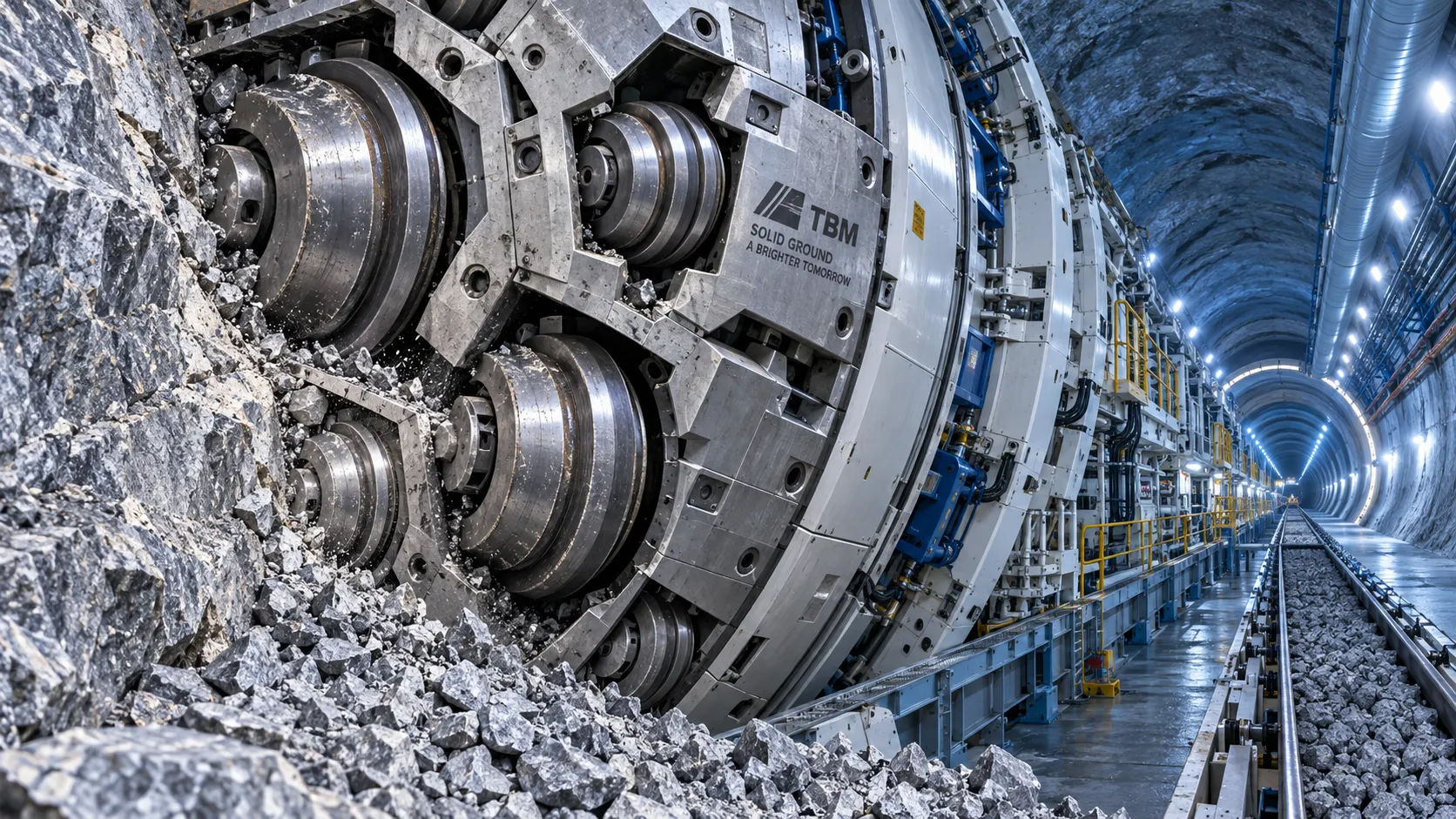
TBM Disc Cutter Design: Key Geometry and Load Factors for Hard Rock Tunnelling
TBM disc cutter design explained: explore geometry, spacing, load distribution and maintenance factors for reliable, efficient hard-rock tunnelling performance.
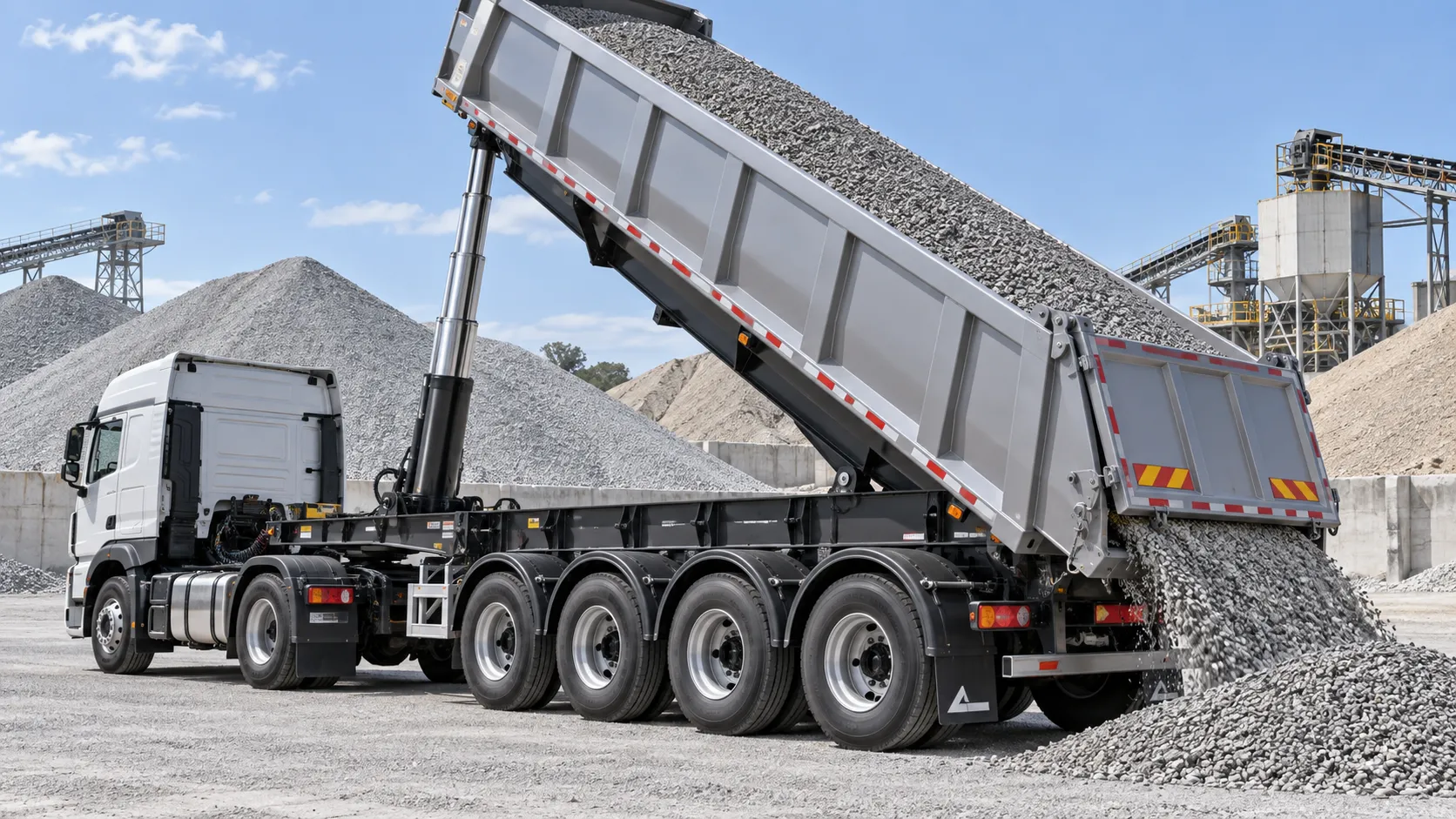
Hydraulic Tipping Stability Risks in Multi-Axle Dump Special Trailers
Dump special trailers: discover key hydraulic tipping stability risks, multi-axle load dynamics, and practical safety controls for safer, smarter bulk hauling.
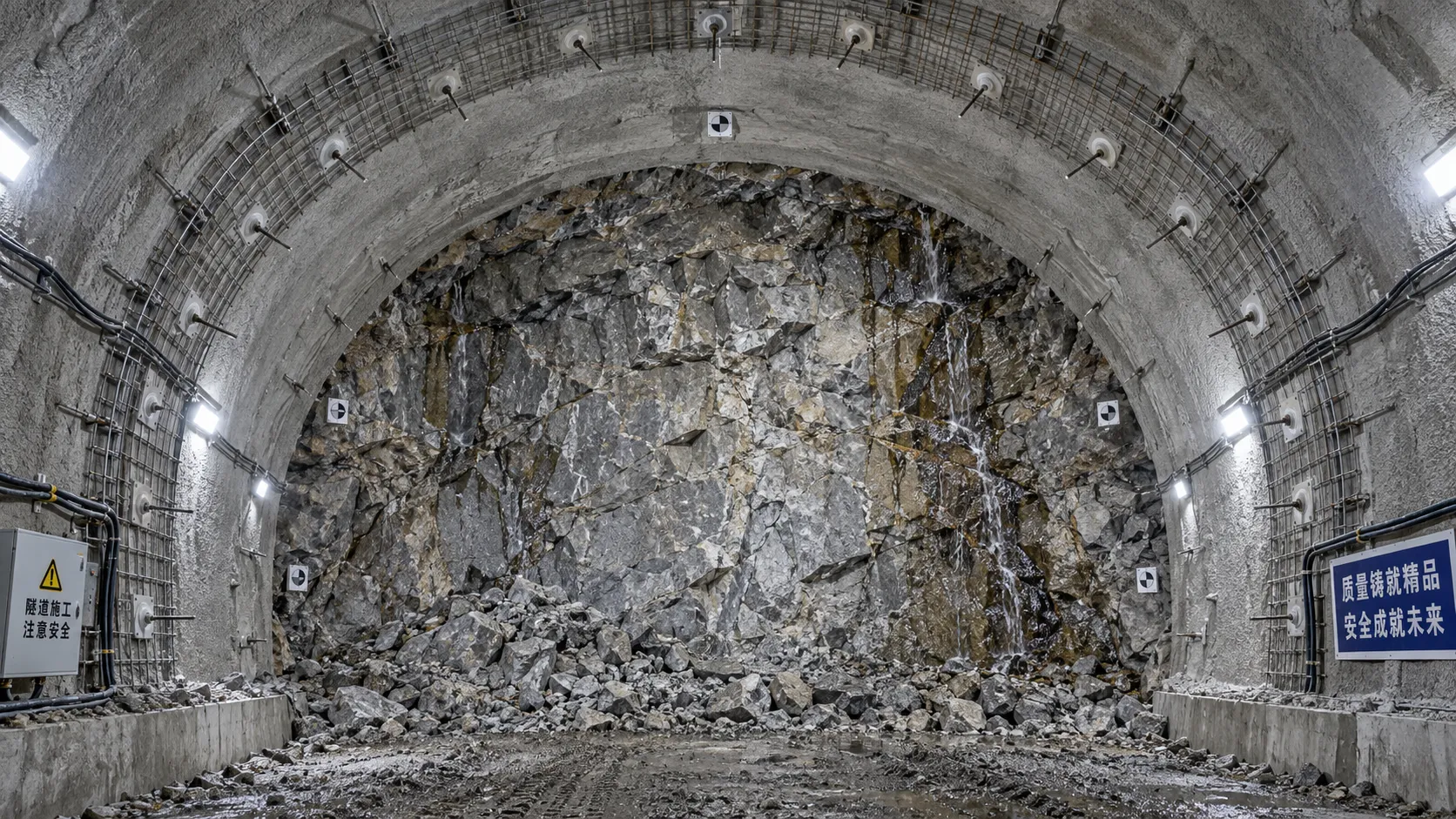
When rock reinforcement in tunnel construction must change after blasting
Rock reinforcement in tunnel construction must change when blasting reveals overbreak, weak joints, water inflow, or deformation. Discover key post-blast support decisions.
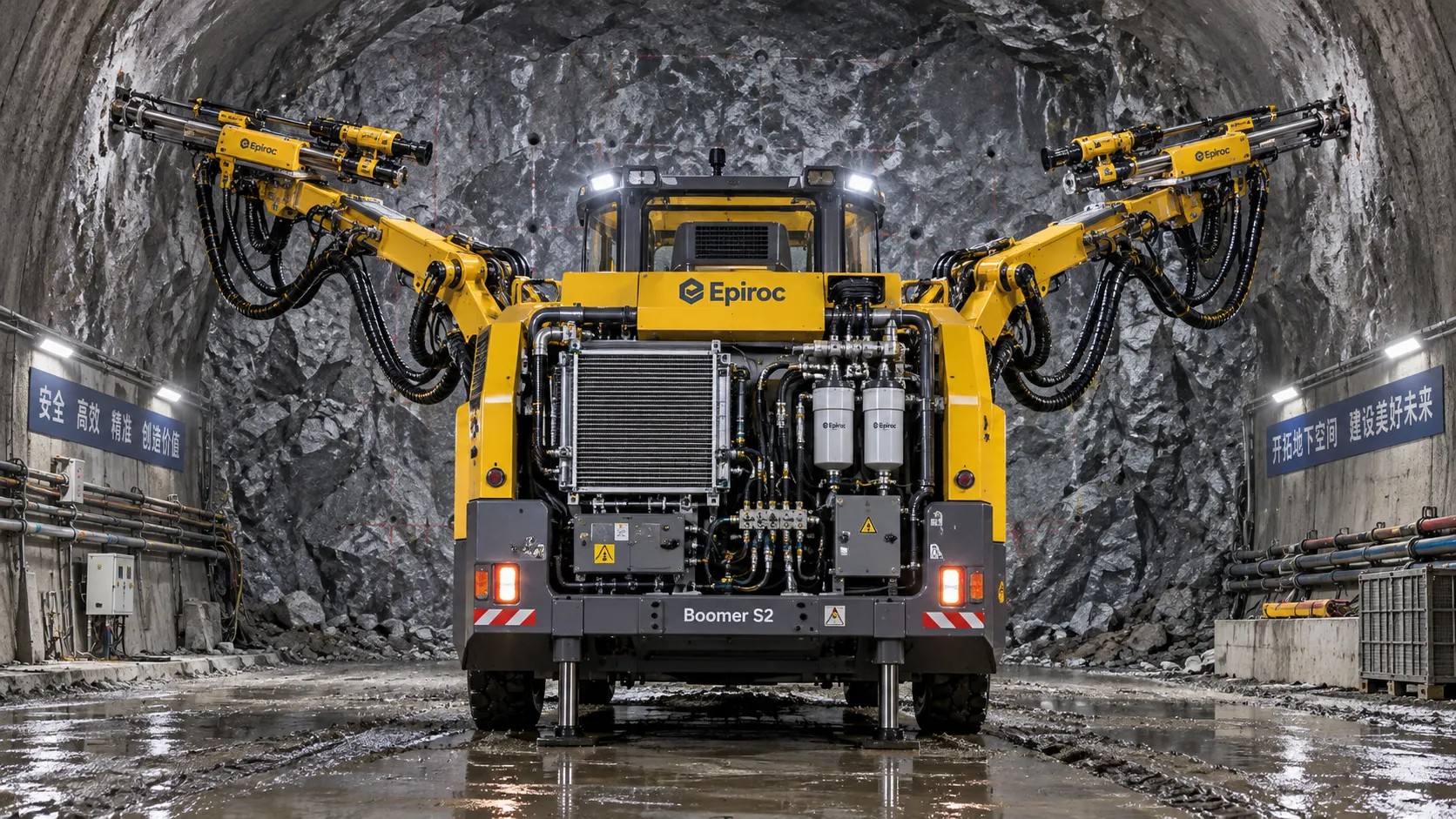
How tunnel hydraulic systems influence drill jumbo uptime underground
Tunnel hydraulic systems directly influence drill jumbo uptime. Explore how stable pressure, clean oil, cooling, and maintainable design reduce underground downtime.
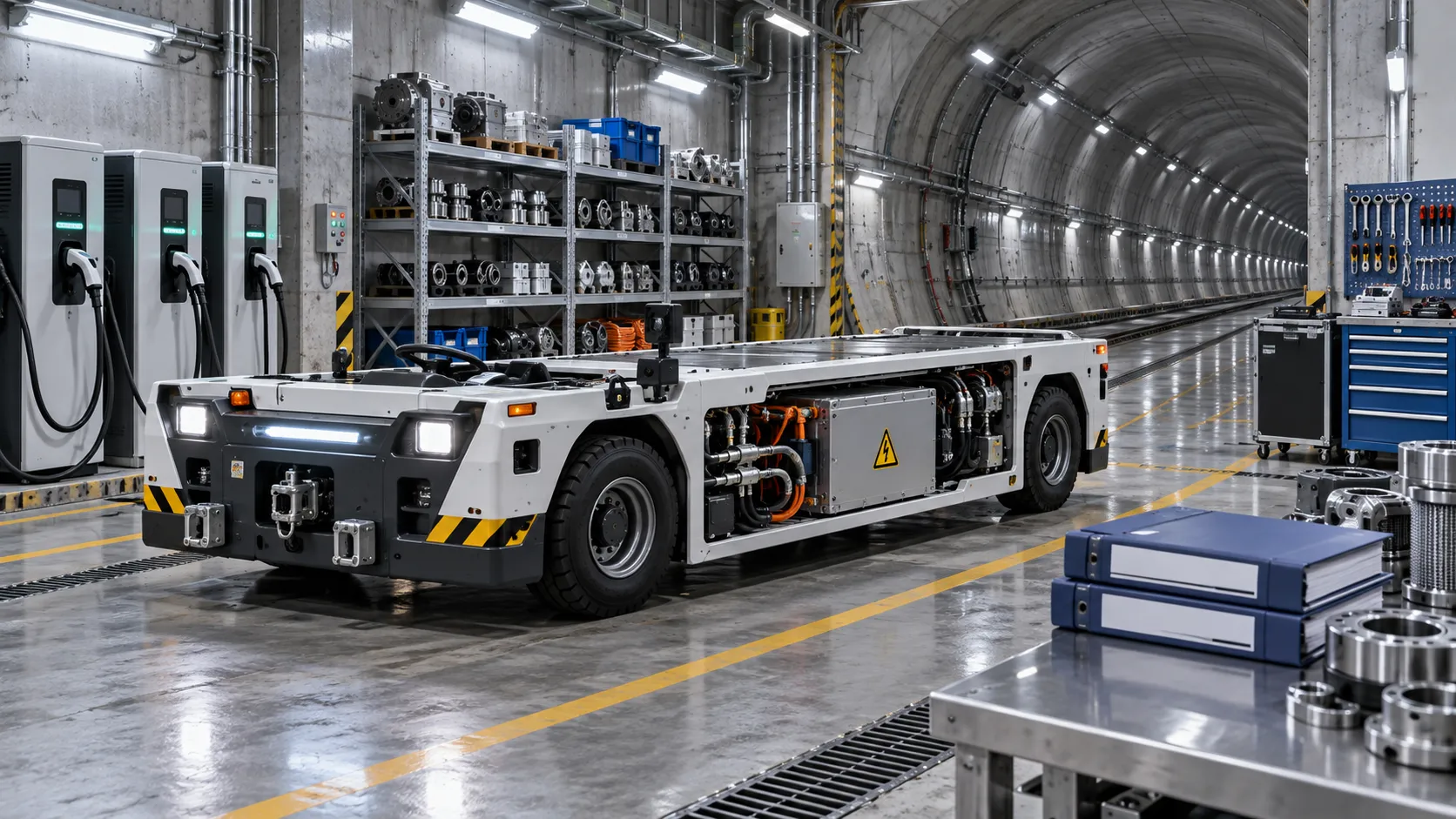
What to verify before appointing a tunneling vehicles manufacturer
Choosing a tunneling vehicles manufacturer? Verify application fit, reliability, compliance, parts support, training, and channel terms before appointing a partner.
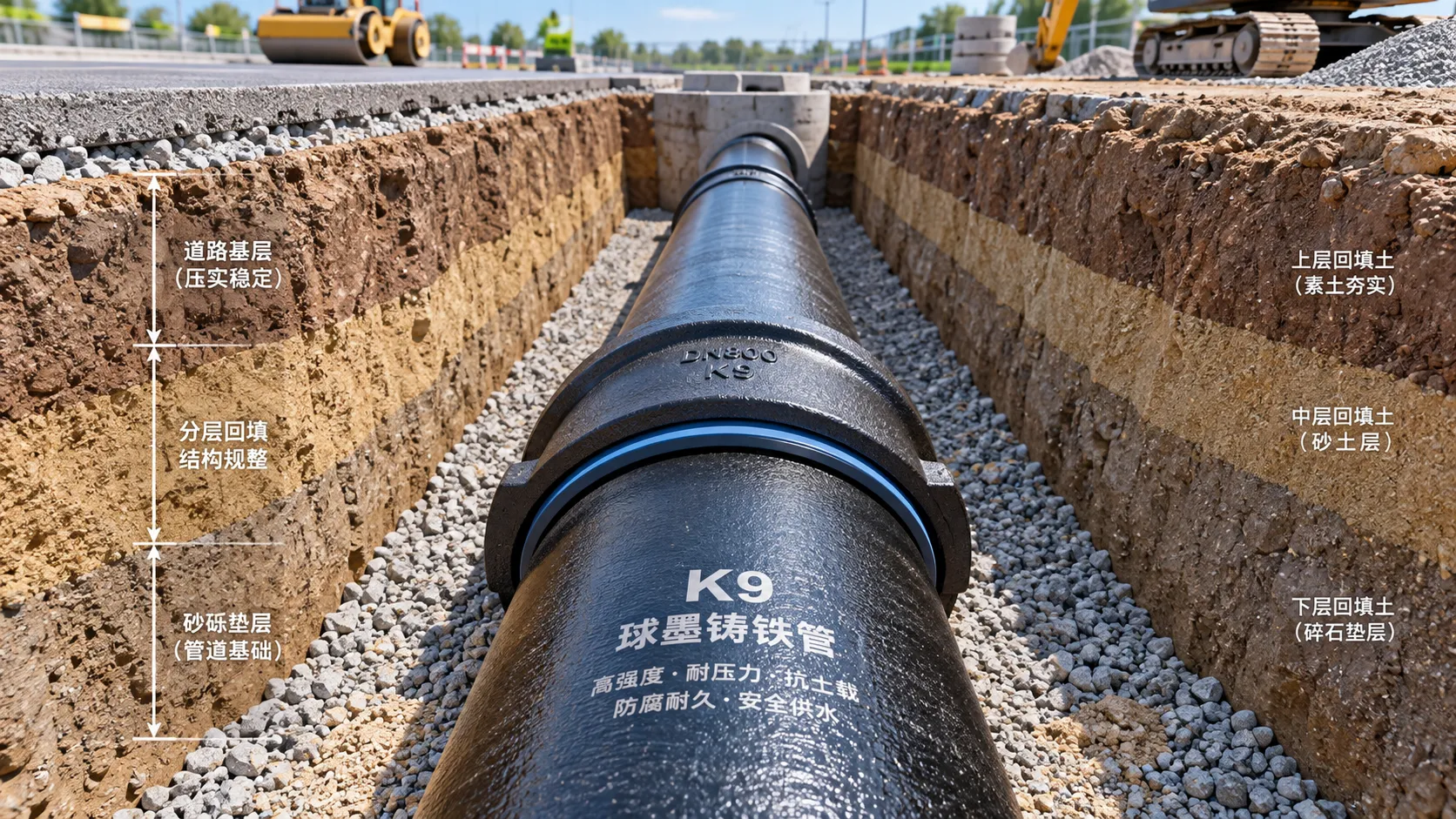
Selecting K9 Ductile Iron Pipe for Buried Water Pipeline Conditions
K9 ductile iron pipe selection for buried water pipelines: compare pressure duty, joints, soil loads, corrosion protection, and installation controls for reliable long-term performance.
Related News
- 00
0000-00
Tunnel Boring Machine Costs: Budgeting for Purchase, Operation, and Project Risk - 00
0000-00
Open-Pit Haulage Cost Analysis: How Mine Managers Can Cut Cost per Tonne - 00
0000-00
Tunnel Construction Innovations That Reduce Risk and Schedule Delays on Urban Projects - 00
0000-00
TBM Disc Cutter Design: Key Geometry and Load Factors for Hard Rock Tunnelling - 00
0000-00
Hydraulic Tipping Stability Risks in Multi-Axle Dump Special Trailers
Weekly Insights
Stay ahead with our curated technology reports delivered every Monday.