
How Smart Mine Operations in Chile Are Reshaping Copper Productivity and Fleet Planning





Chile’s copper mines are turning operational intelligence into output discipline
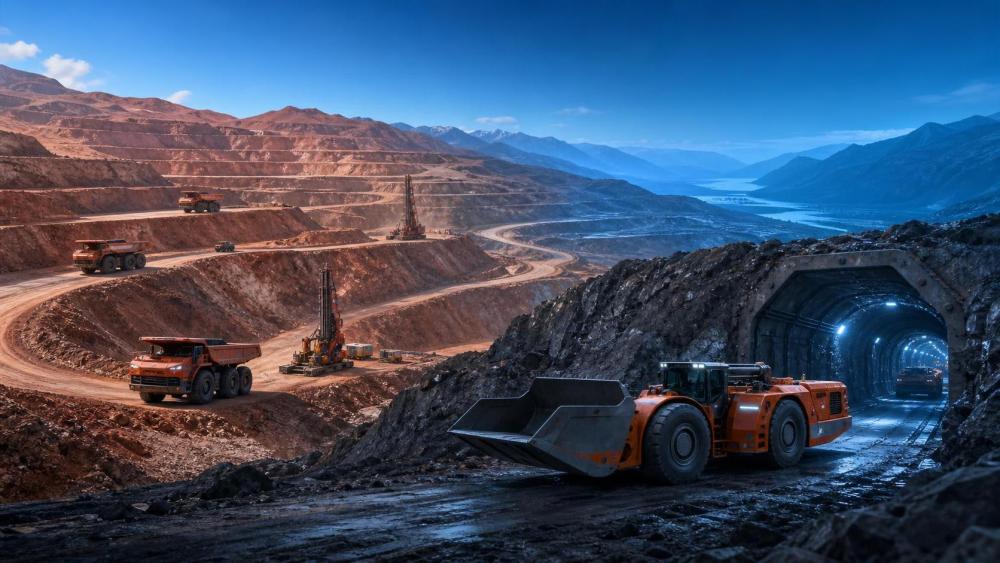
Smart mine operations in Chile are no longer a pilot story. They are becoming part of how copper productivity is defended in a tougher cost, energy, and labor environment.
That shift matters well beyond one geography. Chile remains a reference market for copper scale, fleet intensity, and operating complexity across both open-pit and underground systems.
What stands out now is not just automation. It is the tighter connection between production planning, haulage performance, ventilation limits, maintenance data, and electrification timing.
In practice, smart mine operations in Chile are changing how mines measure productive hours, how they choose trucks and loaders, and how they sequence replacement cycles.
For UTMD, this is a familiar pattern. Deep mining performance increasingly depends on stitched intelligence across rock-cutting systems, underground transport, zero-emission constraints, and asset reliability.
Chile shows that this convergence is moving from technical ambition into daily operating discipline, especially where copper margins depend on consistent throughput rather than occasional peak output.
The recent signals are more operational than symbolic
The strongest signal is that digital systems are being judged by tonnage movement, cycle stability, and downtime reduction, not by dashboard visibility alone.
More Chilean operations are linking dispatch data, equipment health records, and real-time location intelligence to daily decisions on loading, hauling, and shift design.
This matters because copper mines are facing a narrower tolerance for fragmentation between planning teams and equipment teams. Lost minutes now scale into meaningful annual volume losses.
Underground environments make that even more visible. Ventilation capacity, constrained headings, and equipment queuing can erase productivity gains if transport systems are not synchronized.
That is where UTMD’s lens on drilling jumbos, underground LHD loaders, and zero-exhaust haulage becomes useful. Fleet value is increasingly defined by system fit, not standalone machine ratings.
- Autonomous haulage is being assessed against route consistency and congestion control.
- Electrified fleets are being compared by charging logic, battery logistics, and ventilation savings.
- Underground transport planning is being tied more closely to blast cycles and drawpoint availability.
- Maintenance planning is moving toward predictive intervention windows instead of fixed service intervals.
Why smart mine operations in Chile are accelerating now
Several forces are arriving at the same time. Copper demand expectations remain constructive, yet capital discipline is tighter and social license expectations are stronger.
That combination pushes operators toward smarter utilization before they commit to large-scale physical expansion. Better productivity from existing assets is often the fastest lever.
Energy is another driver. In Chile, electrification is not only an emissions story. It also affects heat load, ventilation design, and the economics of underground movement.
Labor availability and safety expectations are also reshaping decisions. Remote operation, autonomous haulage, and assisted drilling reduce exposure in hazardous zones while improving repeatability.
What is changing fastest is the definition of a productive fleet. Mines are no longer asking only how much a truck can carry. They are asking how reliably the whole transport chain can perform.
The impact is spreading across more than one mining function
One common mistake is to view smart mine operations in Chile as a fleet automation topic only. The operational impact is broader and more structural.
At the mine planning level, better data granularity changes short-interval control. Dispatch can react faster to route disruption, shovel mismatch, or underground congestion.
At the equipment level, health monitoring is changing maintenance economics. Components are being managed against actual duty cycles, terrain stress, and thermal behavior.
At the infrastructure level, electrification decisions now affect substations, charging nodes, ventilation strategies, and workshop layouts. These are not secondary design issues anymore.
For underground transport, the implications are especially sharp. Battery-electric LHD loaders, remote control, and SLAM-enabled navigation only create value when the mine network supports continuous flow.
This is why UTMD tracks not only trucks and loaders, but also drilling jumbos, tunnel systems, and adjacent underground engineering technologies. Productivity comes from an integrated physical system.
Where the pressure becomes visible first
- Haul roads and ramps with variable cycle times become priority automation corridors.
- Underground headings with high ventilation cost become early targets for zero-exhaust equipment.
- Aging fleets with rising service complexity become candidates for phased digital replacement.
- Mixed fleets reveal data integration problems that previously stayed hidden.
Fleet planning is becoming a systems question, not a unit purchase question
This may be the most important commercial lesson from smart mine operations in Chile. Fleet planning is shifting away from isolated equipment comparisons.
What matters now is compatibility between haulage logic, mine geometry, charging or fueling strategy, software stack, and maintenance capability.
For open-pit fleets, autonomous dump trucks change traffic design, staffing models, and maintenance rhythms. Their value depends on route discipline and dispatch quality.
For underground fleets, battery swapping, remote operation, and loader availability must be designed together. Otherwise, mines simply move bottlenecks from diesel exhaust to idle time.
That is why replacement demand is becoming more selective. Buyers are placing greater weight on uptime analytics, interoperability, and long-horizon operating fit.
In Chile, this is already influencing how mines evaluate expansion phases, contractor interfaces, and the transition path from mixed fleets to digitally coordinated fleets.
What deserves closer attention over the next planning cycle
The next phase will likely be less about headline announcements and more about execution quality. Mines that connect data to operating routines will widen the gap.
A useful starting point is to monitor where productivity gains are truly coming from. In many cases, the answer is not raw machine speed but reduced interruption.
Another point is to separate electrification ambition from infrastructure readiness. A battery-electric fleet without stable charging logic can weaken availability instead of improving it.
It is also worth watching how underground and surface transport strategies converge. Copper operations increasingly need one planning language across both environments.
For organizations following smart mine operations in Chile, several near-term questions can sharpen judgment:
- Which bottlenecks are data-visible but still operationally unmanaged?
- How much downtime comes from coordination failure rather than component failure?
- Is the current fleet architecture ready for phased autonomy or electrification?
- Which assets create the highest ventilation or energy penalty underground?
- Where does software interoperability limit productivity more than machine specification?
A practical way to respond before the market moves further
Chile is offering a clear operating signal. Copper productivity is being reshaped by smarter coordination between machines, energy systems, and production control.
The mines that benefit most will not simply own newer equipment. They will align fleet planning with mine design, digital visibility, and zero-emission operating realities.
For those tracking smart mine operations in Chile, the next step is practical. Review bottlenecks by transport stage, test infrastructure readiness, and compare fleet options as integrated systems.
It also makes sense to follow intelligence sources that connect copper expansion, underground mobility, and heavy equipment transition with engineering depth rather than headline noise.
That is where UTMD’s perspective becomes relevant: not as a sales layer, but as a structured view of how rock mechanics, smart haulage, and electrified underground operations are starting to move together.
The strategic task now is straightforward. Build a staged response plan, watch the operational signals closely, and judge future fleet decisions by system productivity, not by machine size alone.
Related News
Tunnel Boring Machine Costs: Budgeting for Purchase, Operation, and Project Risk
Tunnel Boring Machines cost more than purchase price. Learn how to budget lifecycle costs, downtime, logistics, wear, and project risk for smarter TBM decisions.
Open-Pit Haulage Cost Analysis: How Mine Managers Can Cut Cost per Tonne
Open pit haulage cost analysis: discover practical ways to reduce cost per tonne through payload control, cycle-time optimization, road performance, and smarter fleet decisions.
Tunnel Construction Innovations That Reduce Risk and Schedule Delays on Urban Projects
Tunnel construction innovation for urban projects: discover smarter TBMs, real-time monitoring, trenchless methods, and automation that reduce risk and protect schedules.
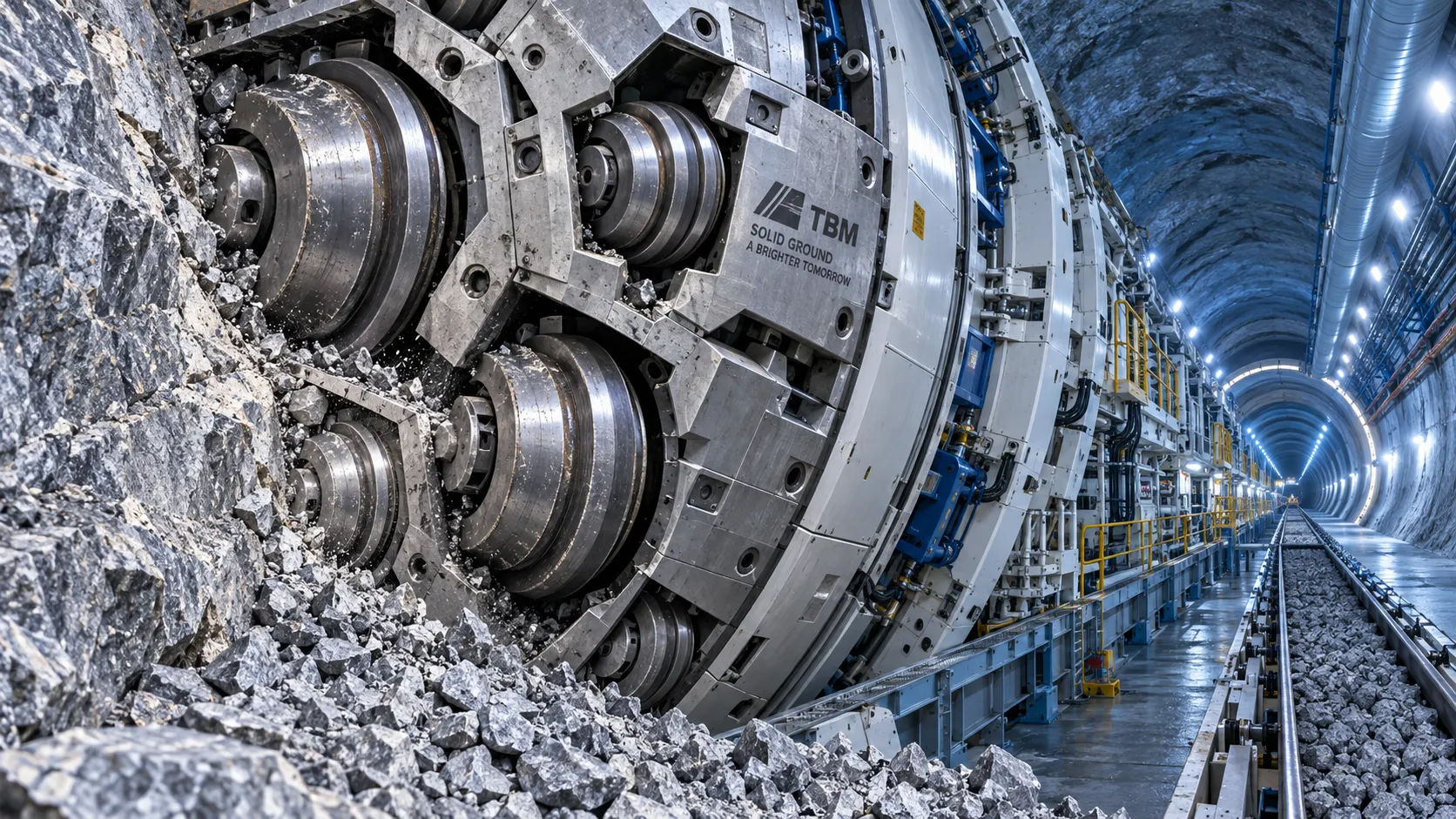
TBM Disc Cutter Design: Key Geometry and Load Factors for Hard Rock Tunnelling
TBM disc cutter design explained: explore geometry, spacing, load distribution and maintenance factors for reliable, efficient hard-rock tunnelling performance.
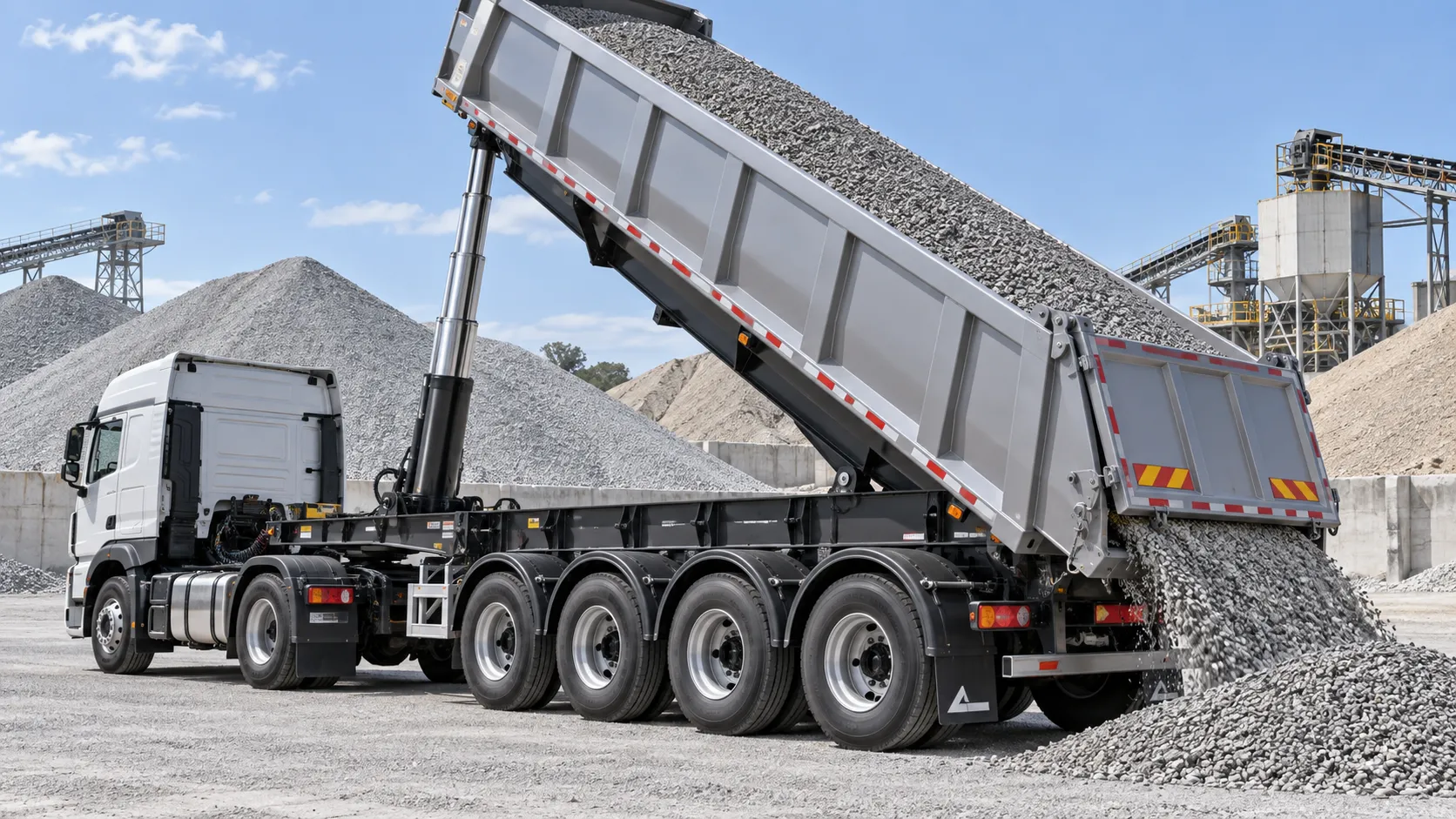
Hydraulic Tipping Stability Risks in Multi-Axle Dump Special Trailers
Dump special trailers: discover key hydraulic tipping stability risks, multi-axle load dynamics, and practical safety controls for safer, smarter bulk hauling.
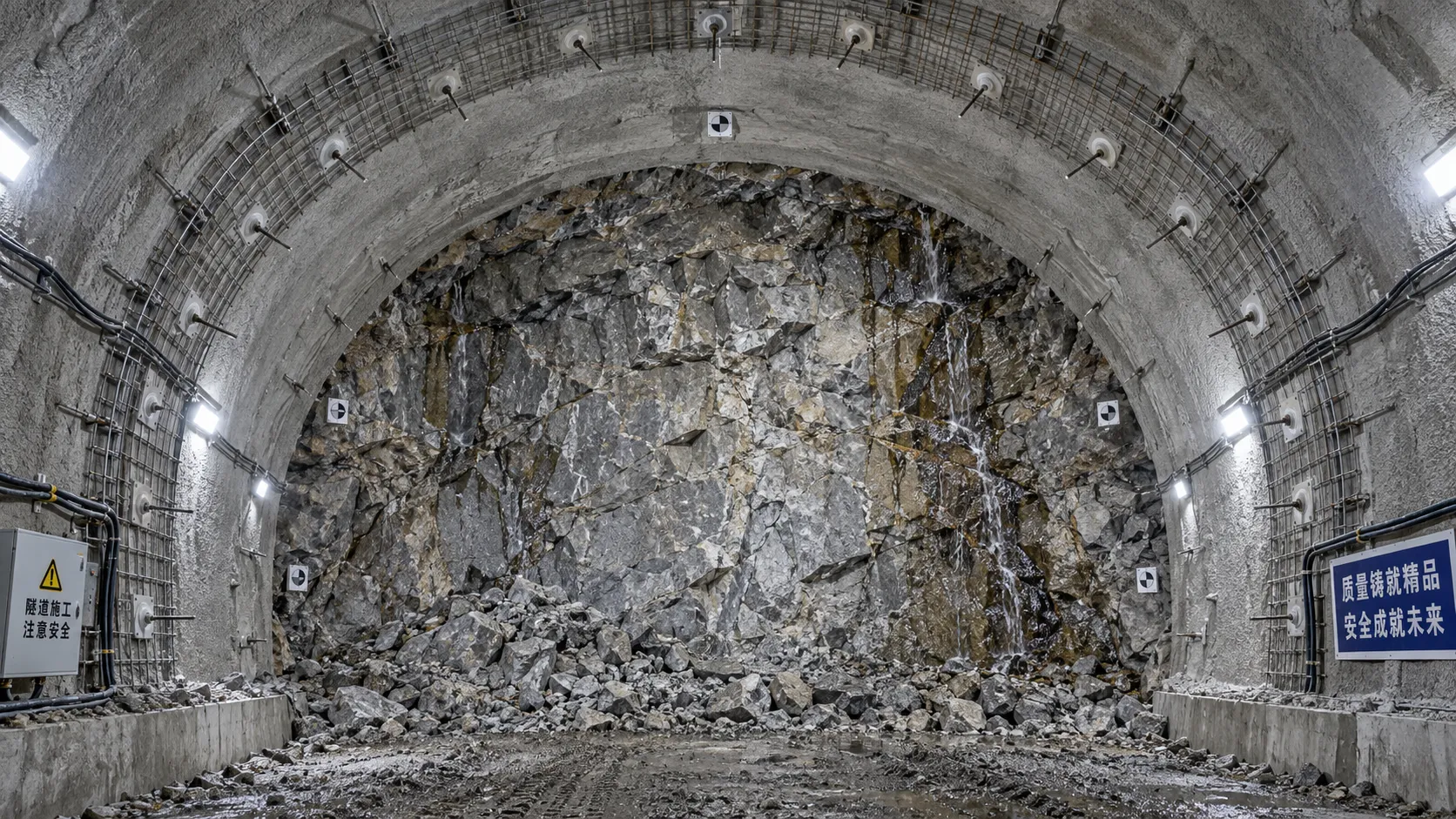
When rock reinforcement in tunnel construction must change after blasting
Rock reinforcement in tunnel construction must change when blasting reveals overbreak, weak joints, water inflow, or deformation. Discover key post-blast support decisions.
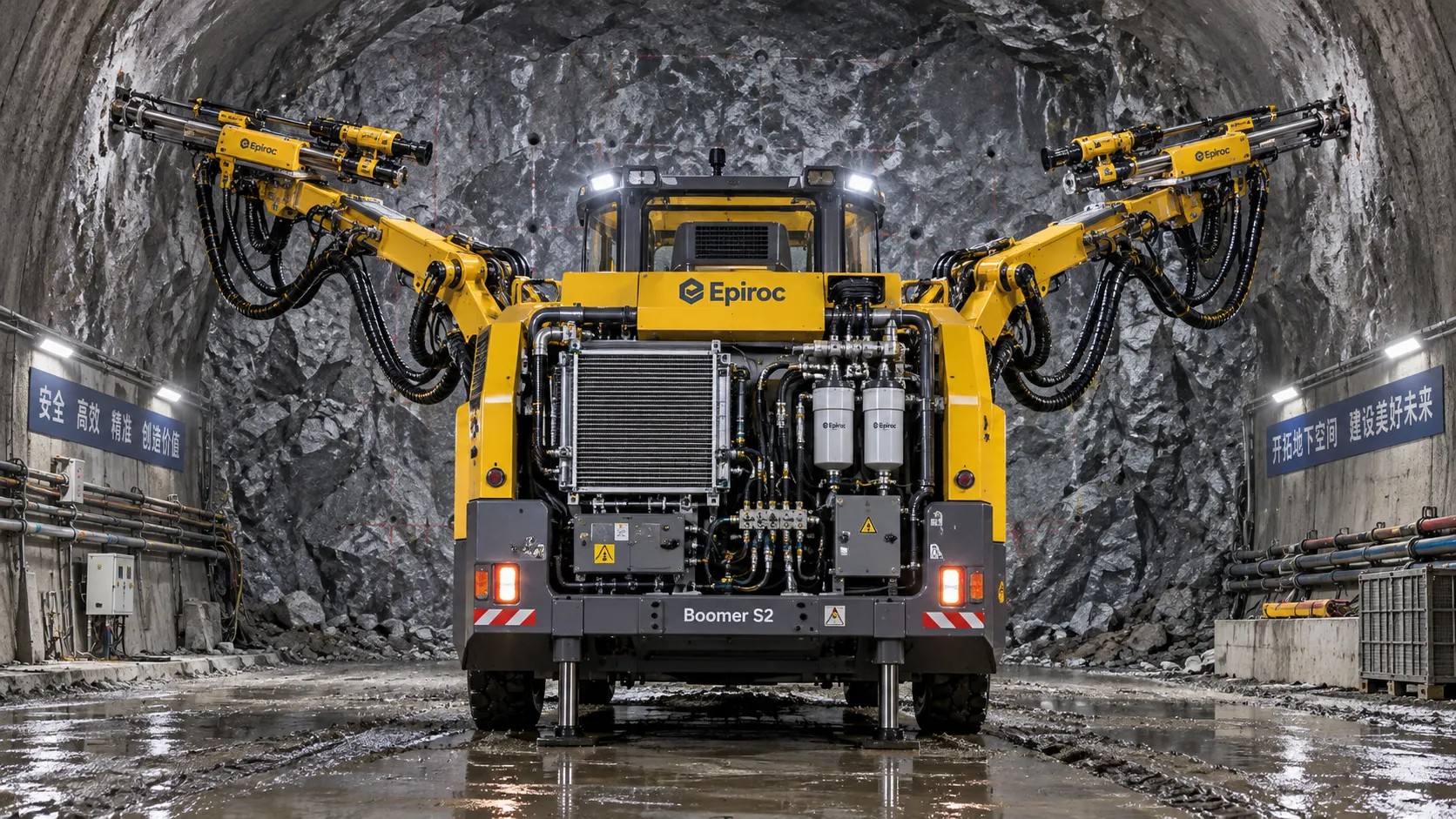
How tunnel hydraulic systems influence drill jumbo uptime underground
Tunnel hydraulic systems directly influence drill jumbo uptime. Explore how stable pressure, clean oil, cooling, and maintainable design reduce underground downtime.
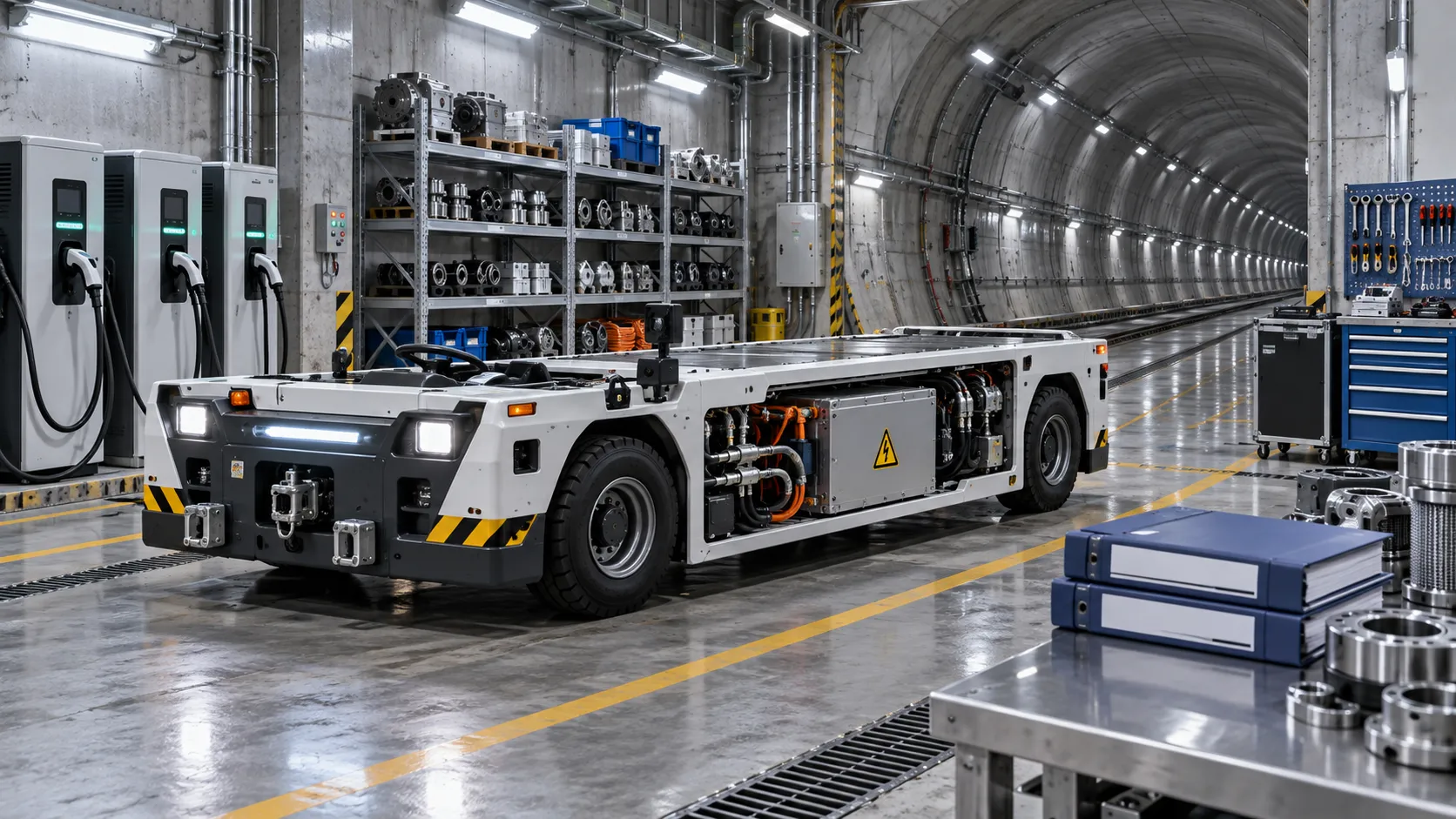
What to verify before appointing a tunneling vehicles manufacturer
Choosing a tunneling vehicles manufacturer? Verify application fit, reliability, compliance, parts support, training, and channel terms before appointing a partner.
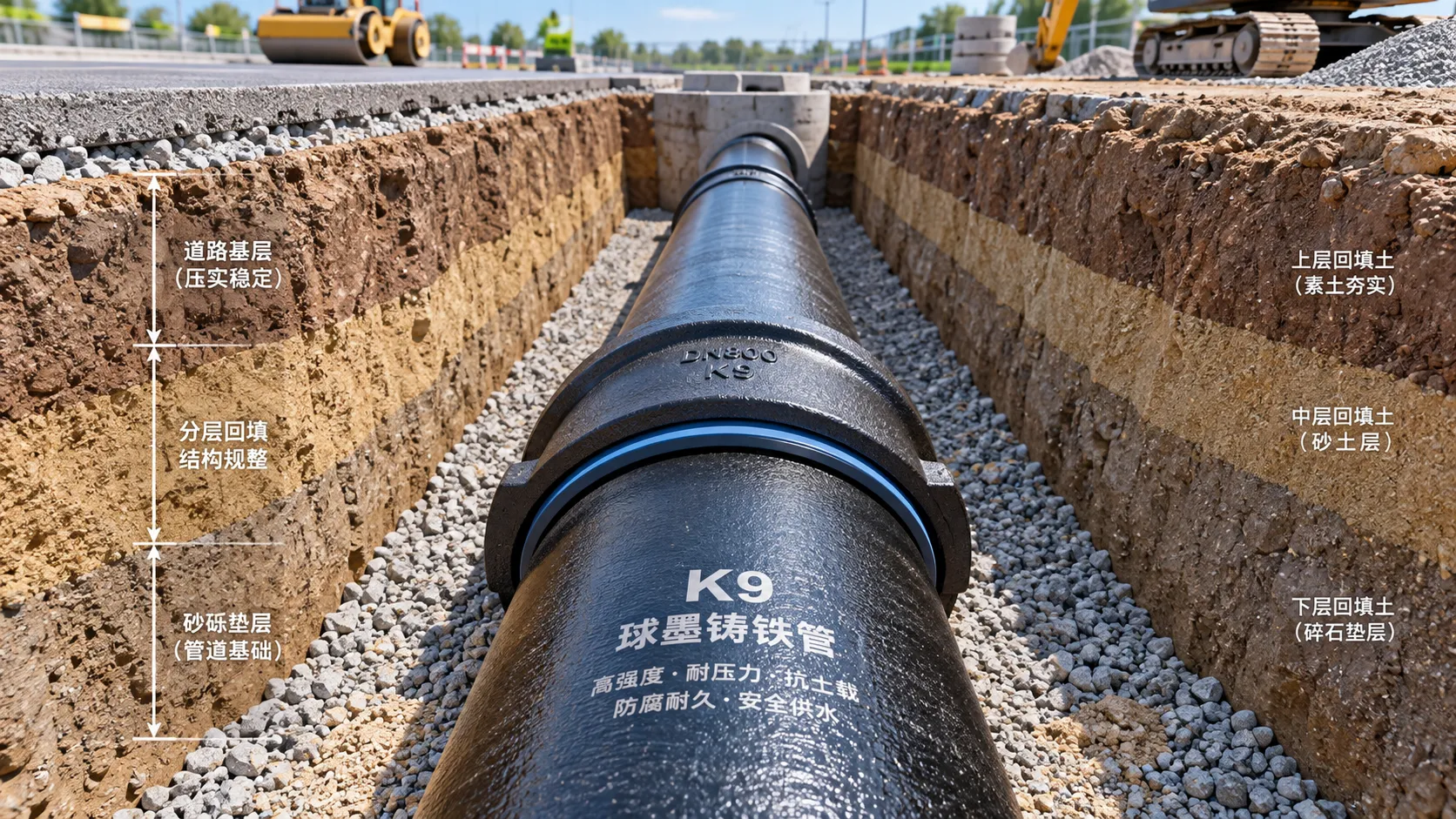
Selecting K9 Ductile Iron Pipe for Buried Water Pipeline Conditions
K9 ductile iron pipe selection for buried water pipelines: compare pressure duty, joints, soil loads, corrosion protection, and installation controls for reliable long-term performance.
Related News
- 00
0000-00
Tunnel Boring Machine Costs: Budgeting for Purchase, Operation, and Project Risk - 00
0000-00
Open-Pit Haulage Cost Analysis: How Mine Managers Can Cut Cost per Tonne - 00
0000-00
Tunnel Construction Innovations That Reduce Risk and Schedule Delays on Urban Projects - 00
0000-00
TBM Disc Cutter Design: Key Geometry and Load Factors for Hard Rock Tunnelling - 00
0000-00
Hydraulic Tipping Stability Risks in Multi-Axle Dump Special Trailers
Weekly Insights
Stay ahead with our curated technology reports delivered every Monday.