
Mining Transport Equipment Types Explained: What Fits Ore, Waste Rock, and Ramp Haulage?





Choosing mining transport equipment is rarely a simple capacity exercise. In underground and mixed mining operations, haulage decisions shape cycle time, ventilation demand, road maintenance, dilution control, and the cost of every tonne moved.
That is why ore movement, waste rock removal, and ramp haulage should not be treated as one transport problem. Each material stream has a different value profile, handling risk, and route condition.
For operations tracking deeper development and tighter ESG targets, mining transport equipment is also becoming an electrification and automation question. UTMD follows this shift closely across underground loaders, autonomous haulage, and zero-emission systems operating in constrained rock environments.
What mining transport equipment really includes
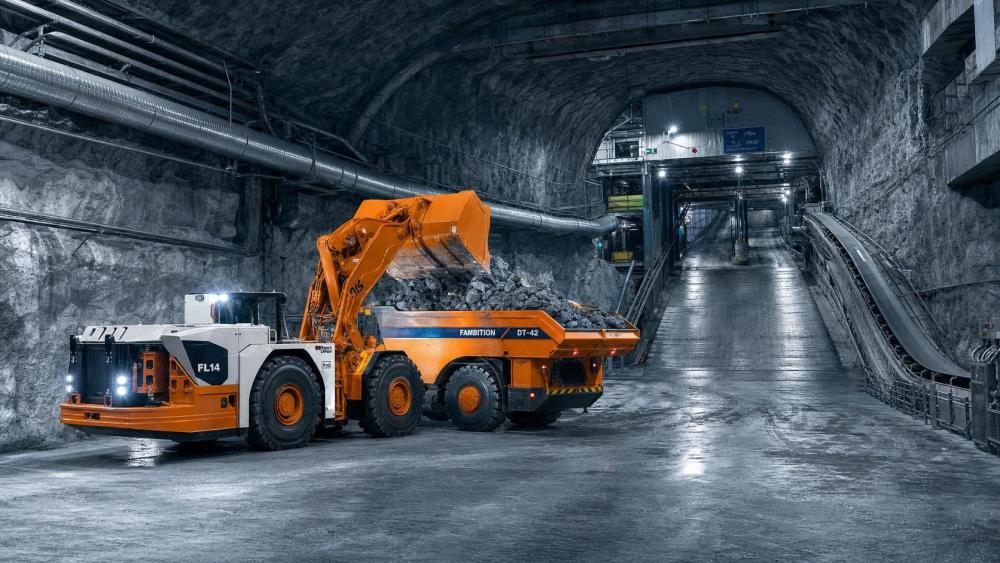
In practice, mining transport equipment covers more than trucks. It includes loading, transfer, and haulage assets working as one flow system from drawpoint or face to crusher, pass, stockpile, or surface.
The main categories usually include underground LHD loaders, underground haul trucks, open-pit dump trucks, conveyors, rail-based systems, and support units tied to traffic control or battery logistics.
The right match depends on five basics: payload, distance, gradient, drift size, and material behavior. Fragmentation, moisture, and oversize can quickly change what looks efficient on paper.
A short, flat ore run may suit LHD-only operation. A long decline with sustained gradients may favor truck haulage, trolley assist, or a crusher-conveyor arrangement instead.
Why the topic matters more now
The economics of mining transport equipment have changed. Diesel price volatility, ventilation power costs, labor constraints, and decarbonization targets are affecting fleet selection earlier in project design.
At the same time, mines are going deeper and routes are getting longer. That increases heat, braking demand, tyre wear, and the penalty of poor traffic flow.
More attention is also going to digital coordination. UTMD’s coverage of smart underground systems shows why telemetry, SLAM-enabled navigation, and regenerative braking data now influence equipment planning, not just later optimization.
In other words, modern mining transport equipment is no longer selected only by tonnes per hour. It is judged by usable uptime, energy intensity, operator exposure, and how well it fits an automated future.
Matching equipment to ore, waste rock, and ramp haulage
Material purpose matters as much as material volume. Ore usually has tighter value sensitivity, while waste rock often rewards lower unit cost and simpler routing.
Ore haulage
Ore transport needs consistency. Unplanned delays at this stage can starve the mill, disturb blending plans, and create avoidable rehandling.
For short underground cycles, LHD loaders remain central mining transport equipment. They work well in narrow headings, handle variable muck piles, and support flexible extraction sequences.
For medium to long hauls, underground trucks often become more efficient than repeated LHD travel. The loader keeps loading, while trucks take material over distance.
Where tonnage is high and routes are stable, ore passes, crushers, and conveyors can outperform rubber-tyred fleets on cost per tonne and ventilation load.
Waste rock removal
Waste rock usually places a different demand on mining transport equipment. The aim is dependable bulk movement, often under looser grade-control requirements.
That allows operations to prioritize payload, simplicity, and route durability. Larger underground trucks, dedicated waste passes, or surface dump trucks may therefore make stronger economic sense.
Waste handling also tolerates more centralized transfer points. If the route supports it, a loader-truck-crusher chain can reduce idle travel and free development headings faster.
Ramp haulage
Ramp haulage is where equipment fit becomes most critical. Long gradients punish underpowered units and expose weak braking systems very quickly.
This is also where battery-electric mining transport equipment is gaining attention. Regenerative braking can recover energy downhill, while zero exhaust reduces ventilation demand in confined ramps.
Still, battery strategy has to match duty cycle. Swap time, charge windows, and thermal performance must be planned against the ramp profile, not treated as separate issues.
The trade-offs behind each equipment family
Every mining transport equipment type solves one problem by creating another. Good fleet planning means understanding that exchange clearly.
Underground LHD loaders
LHDs are excellent for loading and short-distance haulage. They fit fragmented development layouts and support selective ore extraction.
Their limit appears when travel distance grows. Hauling with the same machine that loads can increase cycle time sharply and reduce asset utilization.
Underground haul trucks
These units are effective where declines are established and loading points are predictable. They separate loading from hauling and usually improve throughput over longer distances.
They need better road geometry, turning space, and traffic discipline than LHD-only systems. Poor ramp maintenance can erase much of their expected advantage.
Conveyors and fixed haulage
Fixed systems demand more upfront planning, but they can deliver excellent long-term efficiency. They work best where production is steady and route alignment will not change often.
Their weakness is flexibility. Frequent mine plan changes, scattered headings, or uncertain orebody geometry can make mobile mining transport equipment more practical.
How to evaluate fit in real projects
A useful decision process starts with duty cycle mapping, not brochure comparison. The question is not which machine is best overall, but which one fits the haulage loop best.
- Measure average and peak haul distance separately.
- Map ramp gradient, turning points, and passing bay frequency.
- Check fragmentation range, not only average bucket fill.
- Model ventilation and energy cost with the fleet plan.
- Test how maintenance access affects real availability.
- Include future automation or electrification in the layout stage.
This is where UTMD’s broader underground lens is useful. Haulage performance does not sit alone. It connects with drilling advance, crusher placement, TBM support logistics, and the digital control stack around them.
A mine expanding into deeper zones may therefore review mining transport equipment together with ventilation upgrades, communications infrastructure, and battery service strategy.
Signals shaping the next equipment decision
Three signals deserve close attention. First, electrified fleets are moving from pilot status toward mainstream deployment in selected underground duty cycles.
Second, autonomous and remote-operated mining transport equipment is becoming more viable where traffic routes are repeatable and sensing quality is improving.
Third, data quality is becoming a fleet asset. Operations that capture brake events, queue time, energy draw, and payload variance can refine equipment selection faster than those relying on nominal specifications.
The practical next step is to build a simple comparison matrix around ore routes, waste routes, and ramp profiles. Once those duty cycles are visible, the right mining transport equipment mix usually becomes easier to justify.
That review should focus on route reality, not only nameplate capacity. In haulage, the fleet that fits the rock, gradient, and operating logic will usually outperform the fleet that merely looks bigger.
Related News
Tunnel Boring Machine Costs: Budgeting for Purchase, Operation, and Project Risk
Tunnel Boring Machines cost more than purchase price. Learn how to budget lifecycle costs, downtime, logistics, wear, and project risk for smarter TBM decisions.
Open-Pit Haulage Cost Analysis: How Mine Managers Can Cut Cost per Tonne
Open pit haulage cost analysis: discover practical ways to reduce cost per tonne through payload control, cycle-time optimization, road performance, and smarter fleet decisions.
Tunnel Construction Innovations That Reduce Risk and Schedule Delays on Urban Projects
Tunnel construction innovation for urban projects: discover smarter TBMs, real-time monitoring, trenchless methods, and automation that reduce risk and protect schedules.
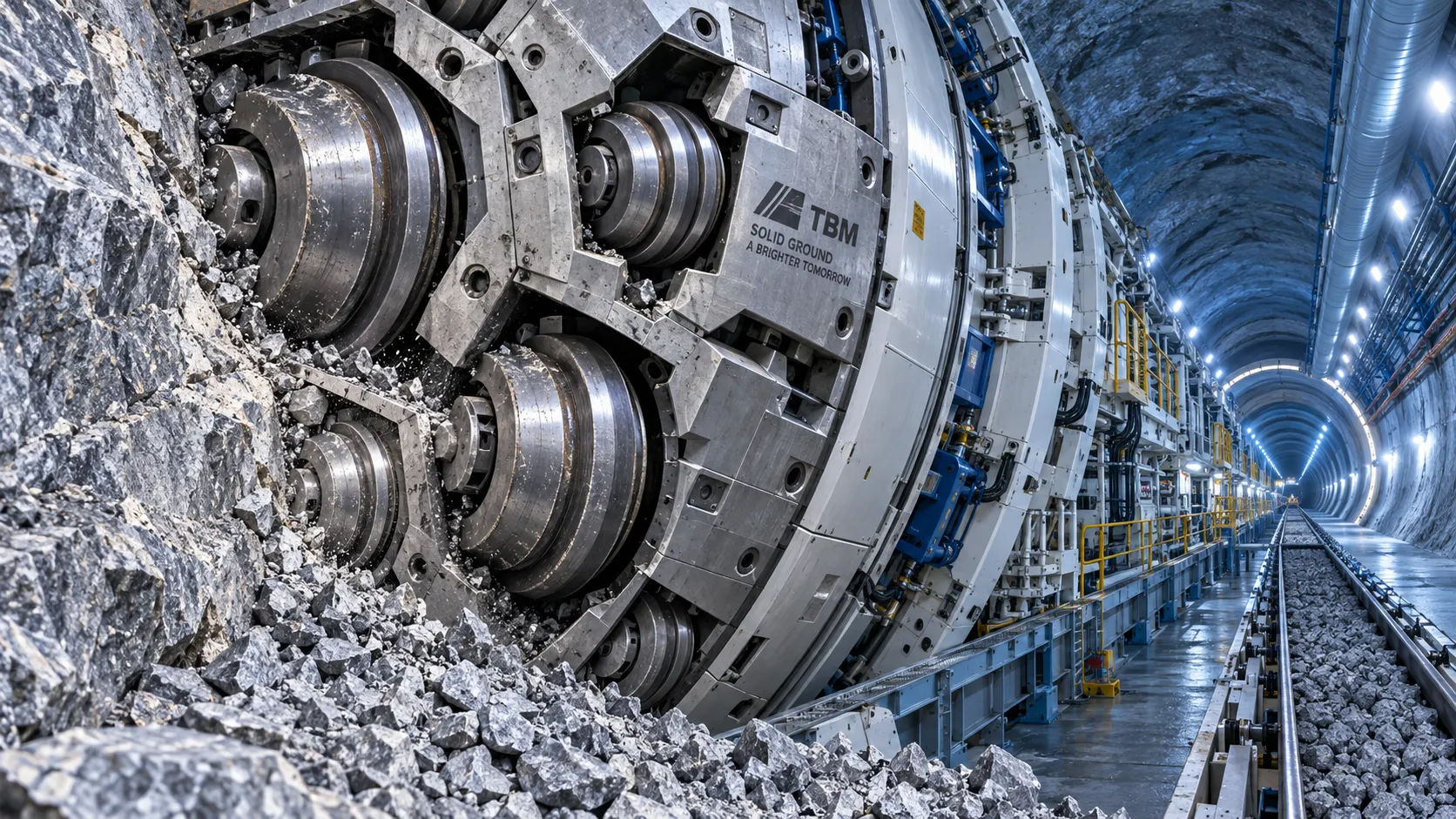
TBM Disc Cutter Design: Key Geometry and Load Factors for Hard Rock Tunnelling
TBM disc cutter design explained: explore geometry, spacing, load distribution and maintenance factors for reliable, efficient hard-rock tunnelling performance.
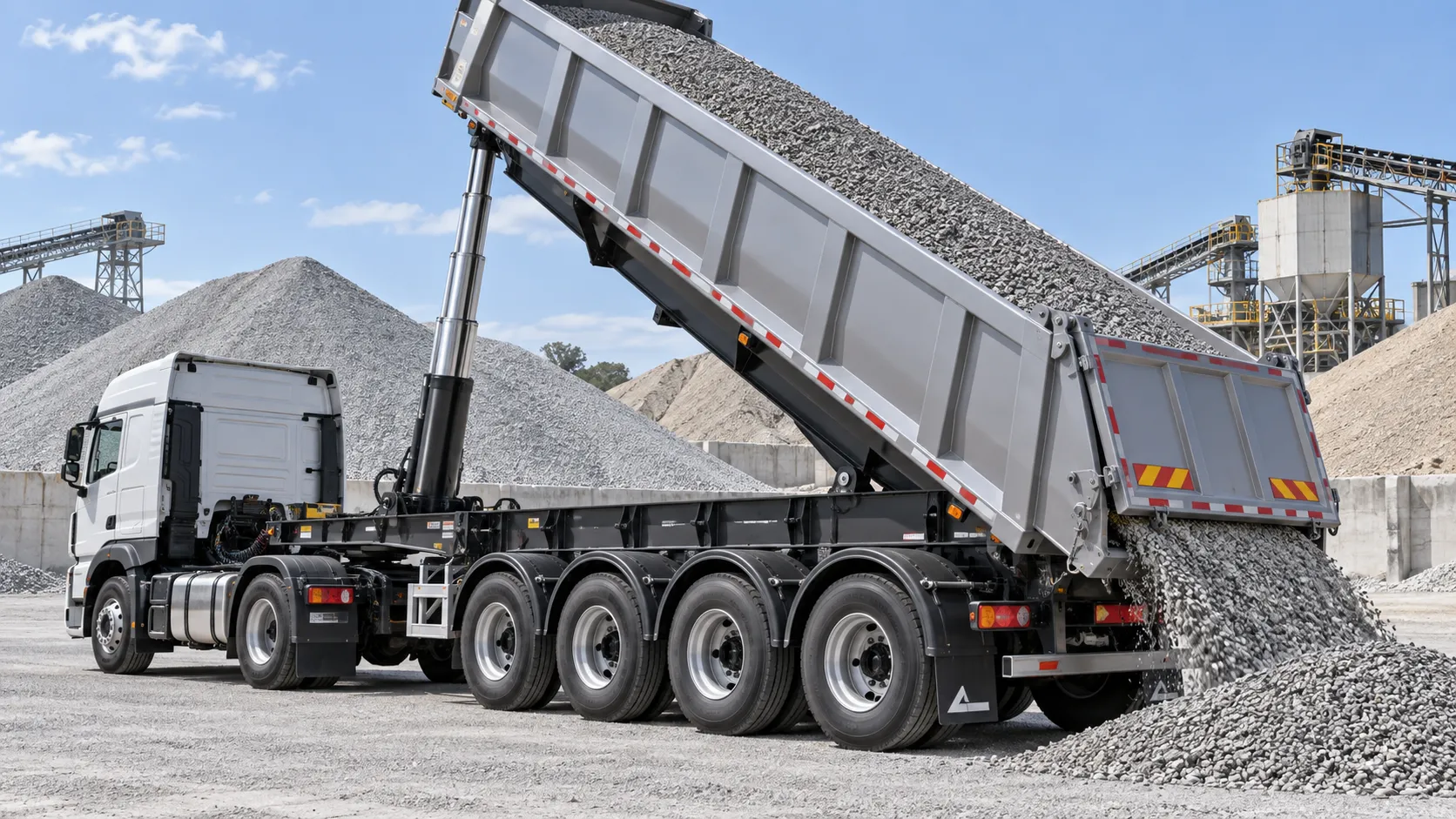
Hydraulic Tipping Stability Risks in Multi-Axle Dump Special Trailers
Dump special trailers: discover key hydraulic tipping stability risks, multi-axle load dynamics, and practical safety controls for safer, smarter bulk hauling.
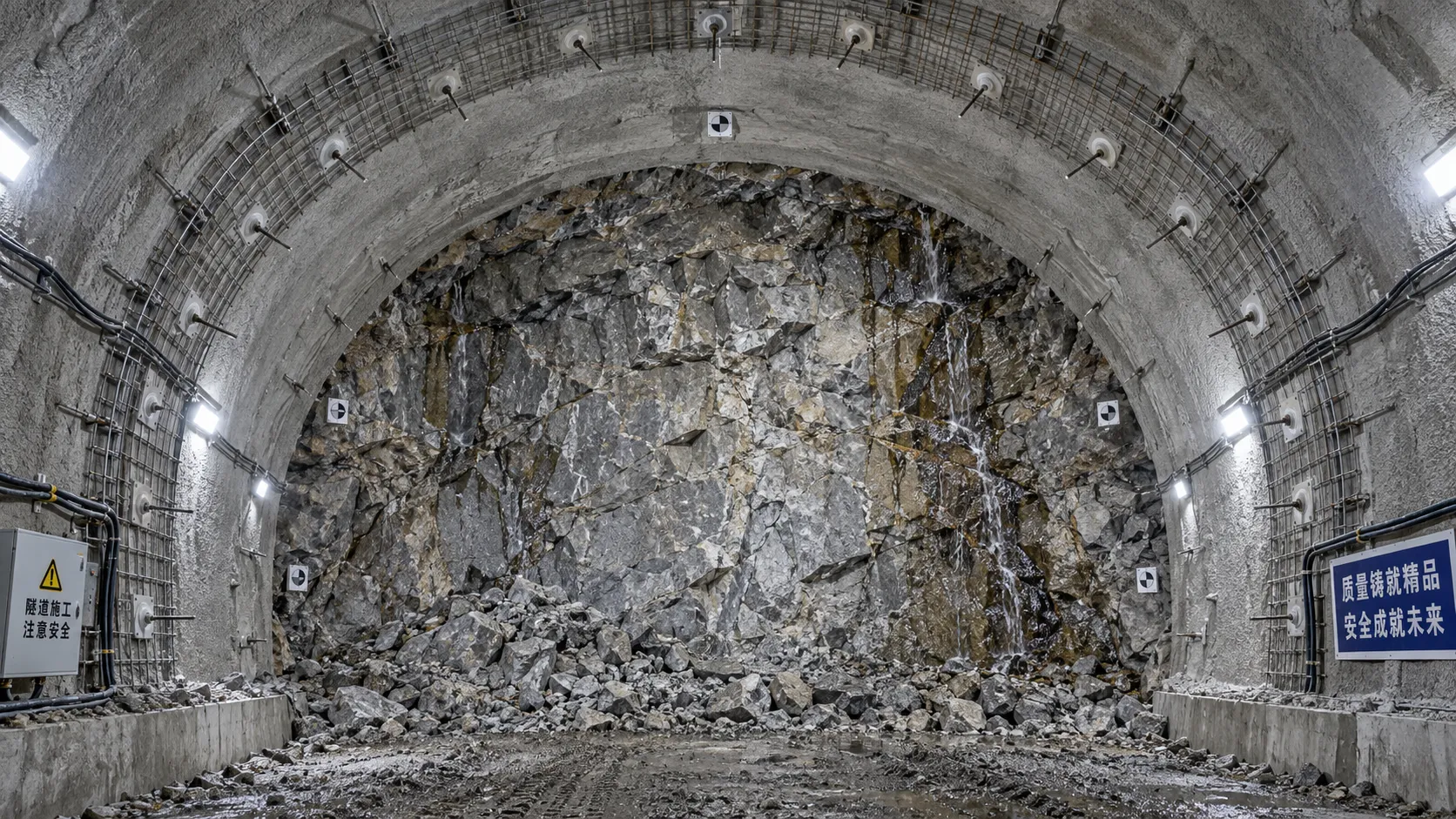
When rock reinforcement in tunnel construction must change after blasting
Rock reinforcement in tunnel construction must change when blasting reveals overbreak, weak joints, water inflow, or deformation. Discover key post-blast support decisions.
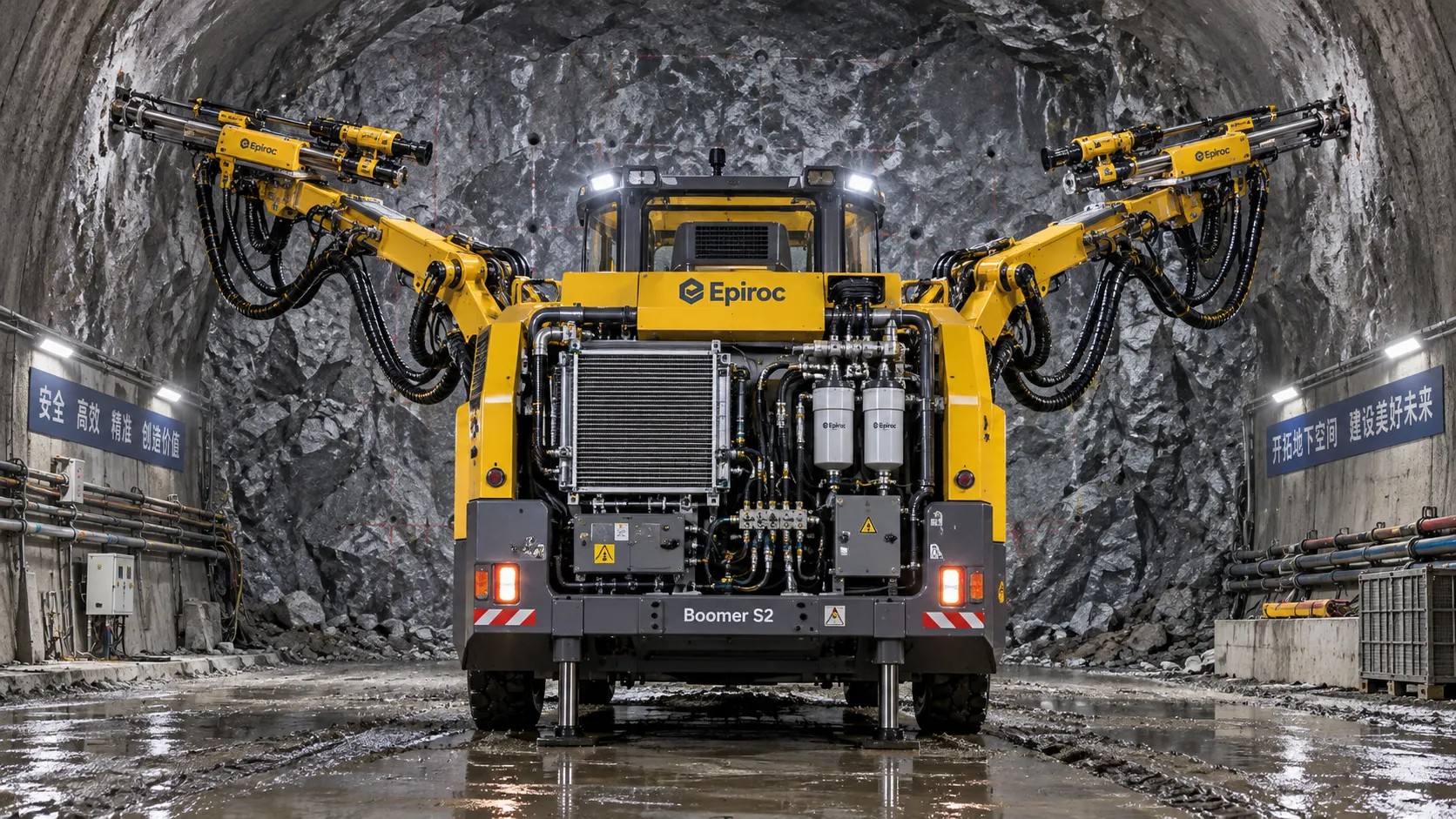
How tunnel hydraulic systems influence drill jumbo uptime underground
Tunnel hydraulic systems directly influence drill jumbo uptime. Explore how stable pressure, clean oil, cooling, and maintainable design reduce underground downtime.
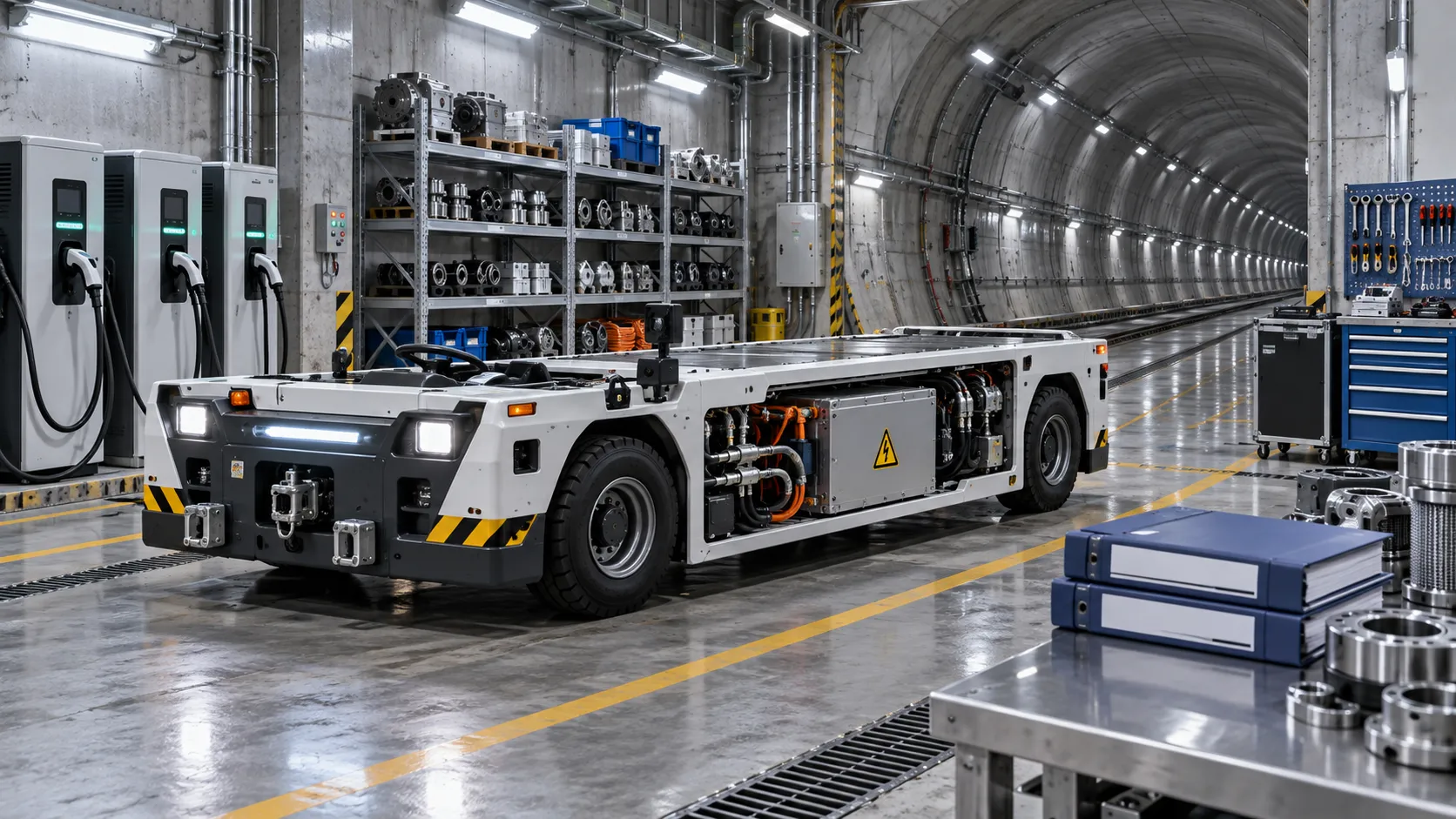
What to verify before appointing a tunneling vehicles manufacturer
Choosing a tunneling vehicles manufacturer? Verify application fit, reliability, compliance, parts support, training, and channel terms before appointing a partner.
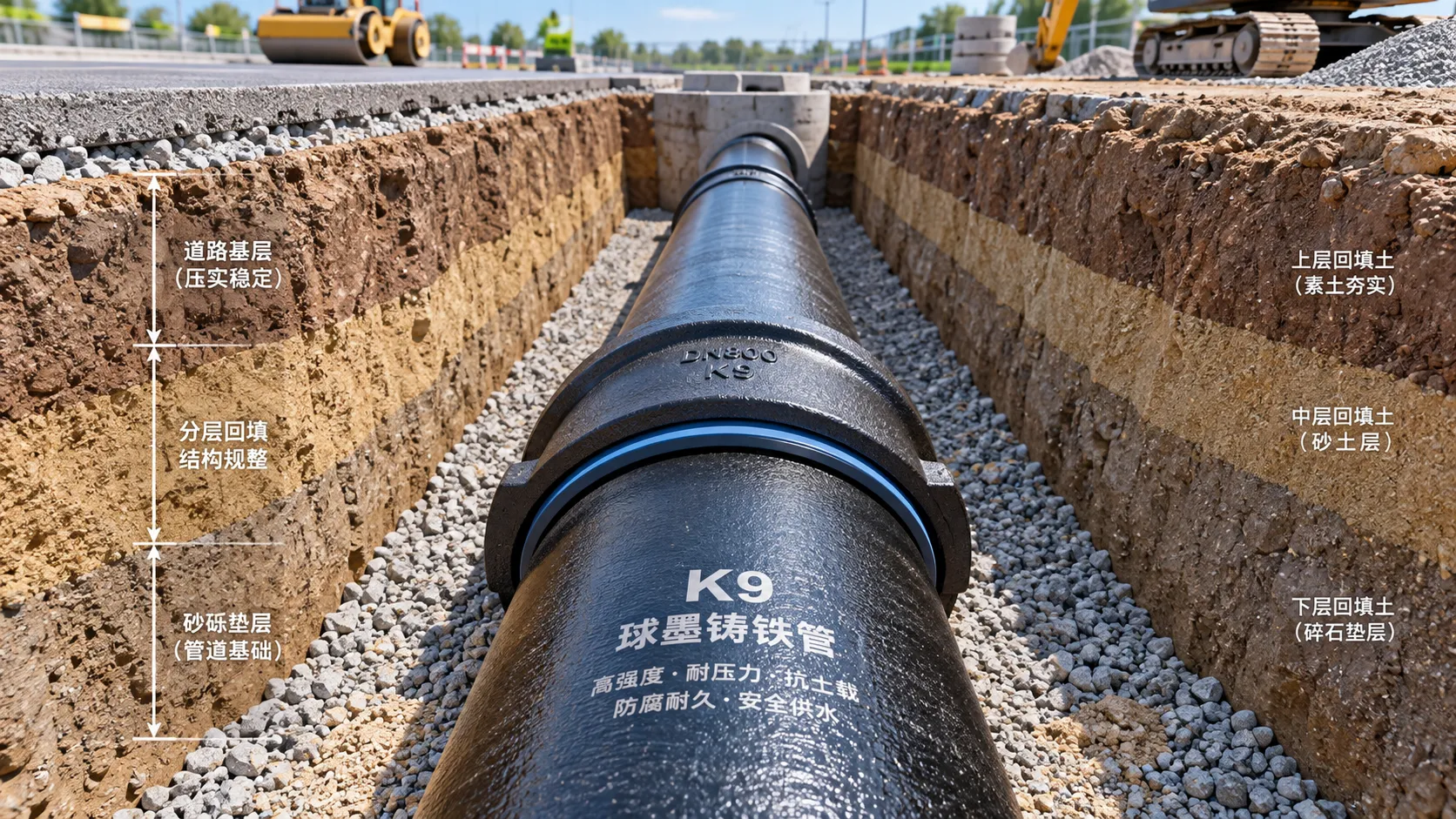
Selecting K9 Ductile Iron Pipe for Buried Water Pipeline Conditions
K9 ductile iron pipe selection for buried water pipelines: compare pressure duty, joints, soil loads, corrosion protection, and installation controls for reliable long-term performance.
Related News
- 00
0000-00
Tunnel Boring Machine Costs: Budgeting for Purchase, Operation, and Project Risk - 00
0000-00
Open-Pit Haulage Cost Analysis: How Mine Managers Can Cut Cost per Tonne - 00
0000-00
Tunnel Construction Innovations That Reduce Risk and Schedule Delays on Urban Projects - 00
0000-00
TBM Disc Cutter Design: Key Geometry and Load Factors for Hard Rock Tunnelling - 00
0000-00
Hydraulic Tipping Stability Risks in Multi-Axle Dump Special Trailers
Weekly Insights
Stay ahead with our curated technology reports delivered every Monday.