
Mining Equipment Price Guide: What Drives Cost Across Trucks, Loaders, and Drills?





Mining Equipment Price Guide: What Drives Cost Across Trucks, Loaders, and Drills?
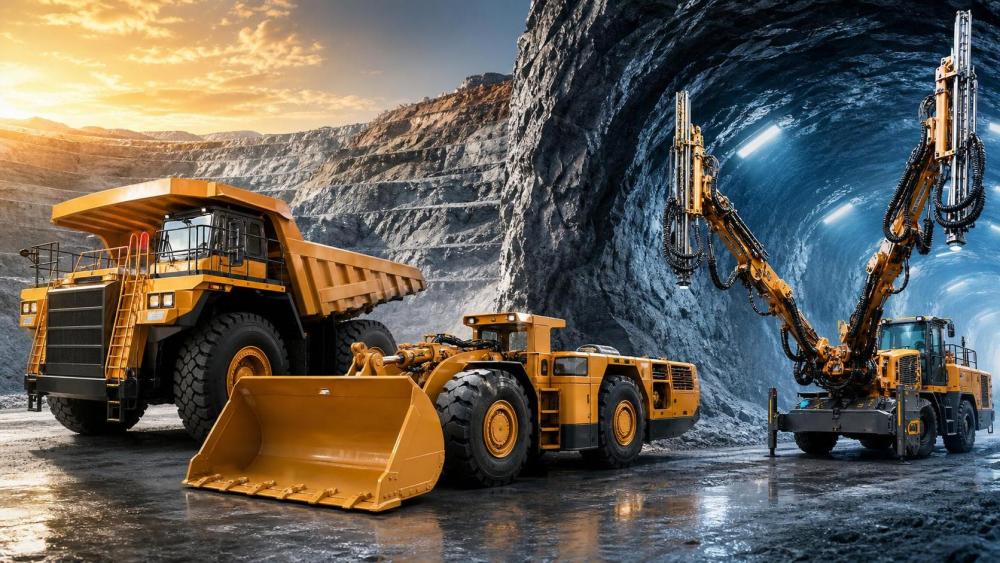
Mining Equipment price is rarely explained by machine size alone. That is usually the first mistake in budget planning.
A bigger truck often costs more. But a smaller electric loader can still carry a higher total price than a larger diesel unit.
That happens because pricing now reflects powertrain choice, automation, mine layout, compliance demands, and after-sales support.
For buyers comparing trucks, LHD loaders, and drilling equipment, the more useful question is not only purchase price.
The better question is this: what actually drives lifecycle cost, and where does long-term value come from?
From recent market shifts, the signal is clear. Mining Equipment price is moving closer to operational performance and ESG readiness.
This guide breaks down the major cost drivers across core equipment categories and turns them into practical sourcing checkpoints.
Why Mining Equipment price keeps changing
Equipment pricing in mining is more volatile than many capital buyers expect. Raw material costs are only one layer.
Steel, batteries, semiconductors, and hydraulic components all influence factory pricing. Supply chain delays add another layer of uncertainty.
More importantly, the Mining Equipment price now includes software, sensing systems, remote diagnostics, and compliance engineering.
In practice, two machines with similar output can carry very different prices because their operating models are different.
- Diesel versus battery-electric architecture
- Manual control versus tele-remote or autonomous operation
- Standard design versus high-altitude, deep-mine, or abrasive rock customization
- Basic warranty versus long-term service agreements
This also means headline price alone is a weak benchmark. It can hide risk in maintenance, downtime, and future upgrade costs.
Core factors behind Mining Equipment price
Across all categories, several cost levers show up again and again. These are the first items worth checking in any quotation review.
1. Powertrain and energy system
Battery-electric equipment usually carries a higher upfront Mining Equipment price than diesel models.
However, underground ventilation savings can materially change the business case. That is especially true in deeper mines.
Charging systems, battery swapping stations, and spare battery packs must be priced into the full decision.
2. Capacity and duty cycle
Payload, bucket size, drilling coverage, and hourly utilization all affect final cost. High-output equipment needs stronger structures and systems.
Machines designed for continuous heavy cycles usually cost more than units built for intermittent work.
3. Automation and digital controls
Auto-tramming, collision avoidance, telematics, and fleet management platforms lift the Mining Equipment price noticeably.
Still, these systems can reduce labor exposure, improve cycle consistency, and support better asset utilization.
4. Site conditions and customization
Ground conditions, tunnel geometry, temperature, altitude, and water ingress all affect specification requirements.
A machine optimized for standard conditions may fail early in a highly abrasive or humid environment.
5. Support package and parts access
Some suppliers keep the base quote low, then recover margin through parts, software licenses, and service dependency.
That is why Mining Equipment price should always be compared with service response time and component availability.
Mining dump trucks: what pushes cost higher
Mining trucks show the clearest link between payload class and price, but that still tells only part of the story.
The Mining Equipment price for trucks rises with frame strength, tire size, braking systems, and drivetrain complexity.
Electric drive trucks and battery trucks often carry a premium, yet regenerative braking can improve efficiency on long downhill hauls.
Autonomous haulage packages add sensors, control software, and network integration requirements. Those upgrades are not cosmetic features.
They affect dispatch logic, safety compliance, and maintenance skill needs. Buyers should also check tire consumption assumptions carefully.
In open-pit operations, tires can become one of the largest operating cost variables after fuel and maintenance.
Underground LHD loaders: why pricing can vary sharply
LHD loaders are often harder to compare than trucks because tunnel dimensions change everything.
A compact loader designed for narrow-vein mining may cost more than expected because packaging is technically demanding.
Battery-electric LHDs usually raise the Mining Equipment price at purchase, but they reduce diesel exhaust and ventilation pressure underground.
Remote operation and 5G-ready systems also influence pricing. In deeper mines, these features increasingly move from optional to strategic.
Bucket breakout force, traction control, battery swap speed, and thermal management deserve close attention during evaluation.
A lower-priced loader can become expensive quickly if it disrupts haul cycles or needs frequent unscheduled cooling stops.
Drills and drilling jumbos: the hidden cost drivers
Drilling equipment pricing is shaped by precision, rock hardness, and the number of booms more than casual buyers expect.
The Mining Equipment price for a jumbo increases with feed length, control system sophistication, and hole navigation accuracy.
In hard rock, drifter performance and consumable wear become major lifecycle issues. Lower entry price may mean faster wear later.
Automated drilling patterns can reduce overbreak and improve blasting consistency. That often creates indirect savings beyond the drill itself.
When comparing suppliers, spare parts pricing for drifters, bits, and rods should sit beside the machine quotation from day one.
A practical way to compare Mining Equipment price
A useful sourcing process brings every quote back to the same decision frame. That reduces noise and reveals true cost exposure.
- Define the operating profile first, including shift length, haul distance, ramp grade, rock type, and ventilation limits.
- Request a full configuration list, not a summary quotation. Options often carry meaningful cost later.
- Model energy, parts, and labor over the equipment life, not only the initial capital expense.
- Check uptime guarantees, field service coverage, and digital support access by region.
- Stress-test assumptions around battery replacement, tire wear, and drilling consumables.
This approach makes Mining Equipment price easier to compare across brands, technologies, and mine development stages.
Common buying mistakes that distort cost decisions
One common error is treating all equipment categories with the same payback logic. Trucks, loaders, and drills create value differently.
Another mistake is underestimating infrastructure cost. A low machine quote can depend on expensive charging, ventilation, or network upgrades.
Some teams also ignore software lock-in. That can limit future fleet integration and raise long-term service dependence.
Finally, a narrow view of Mining Equipment price can push buyers toward under-specified machines that struggle in real conditions.
That decision usually looks efficient at purchase and expensive within the first operating year.
Final takeaway for smarter sourcing
The most reliable way to assess Mining Equipment price is to connect price with production reality.
For trucks, focus on haul economics, tire strategy, and autonomy readiness. For loaders, study ventilation, battery handling, and tunnel fit.
For drills, watch precision, consumable wear, and rock-specific performance. Those variables shape cost more than list price suggests.
In today’s market, the best purchase decision is rarely the lowest quotation. It is the option that protects uptime and future compliance.
Use that lens consistently, and Mining Equipment price becomes a decision tool rather than a budgeting trap.
Related News
Tunnel Boring Machine Costs: Budgeting for Purchase, Operation, and Project Risk
Tunnel Boring Machines cost more than purchase price. Learn how to budget lifecycle costs, downtime, logistics, wear, and project risk for smarter TBM decisions.
Open-Pit Haulage Cost Analysis: How Mine Managers Can Cut Cost per Tonne
Open pit haulage cost analysis: discover practical ways to reduce cost per tonne through payload control, cycle-time optimization, road performance, and smarter fleet decisions.
Tunnel Construction Innovations That Reduce Risk and Schedule Delays on Urban Projects
Tunnel construction innovation for urban projects: discover smarter TBMs, real-time monitoring, trenchless methods, and automation that reduce risk and protect schedules.
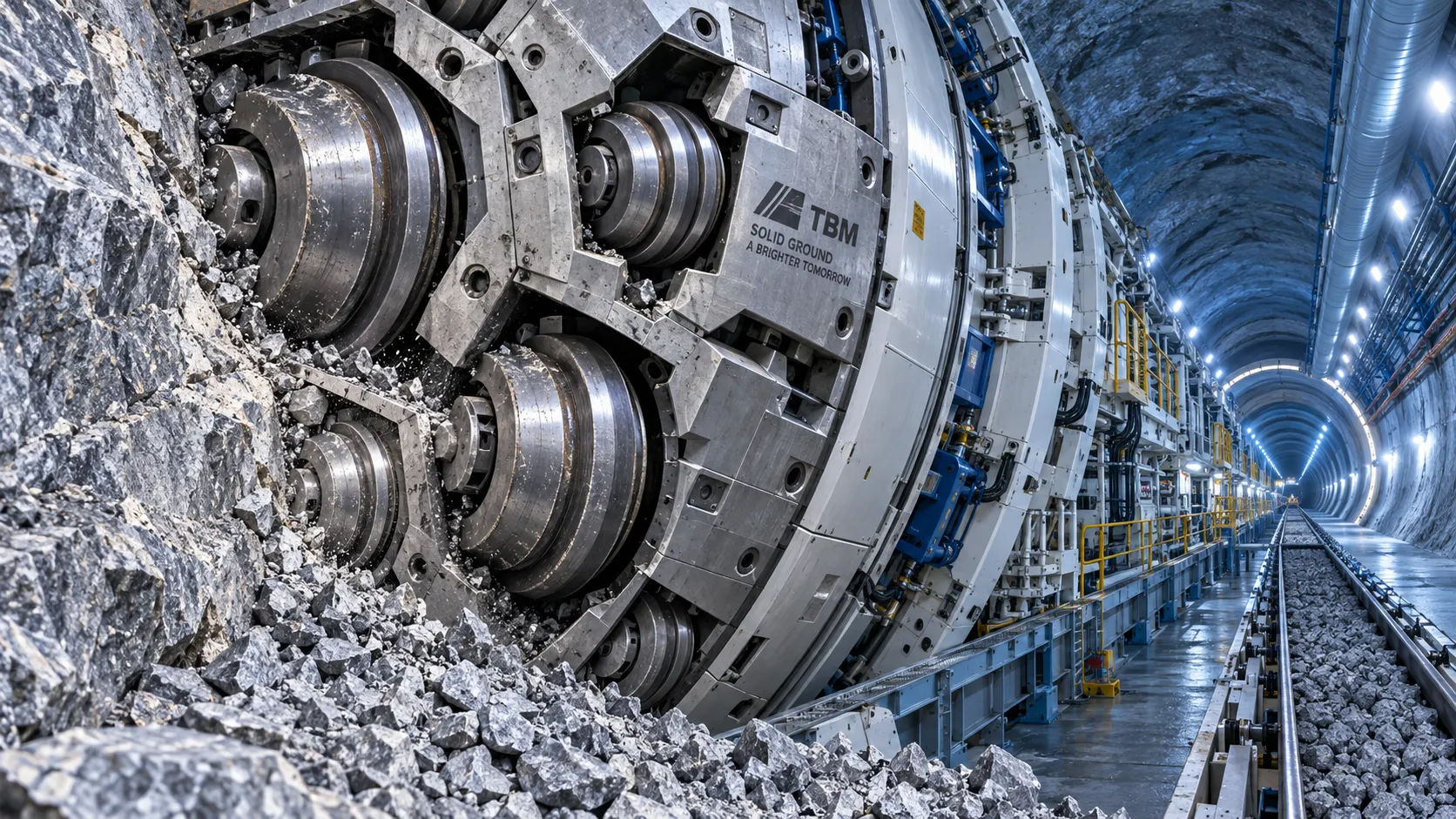
TBM Disc Cutter Design: Key Geometry and Load Factors for Hard Rock Tunnelling
TBM disc cutter design explained: explore geometry, spacing, load distribution and maintenance factors for reliable, efficient hard-rock tunnelling performance.
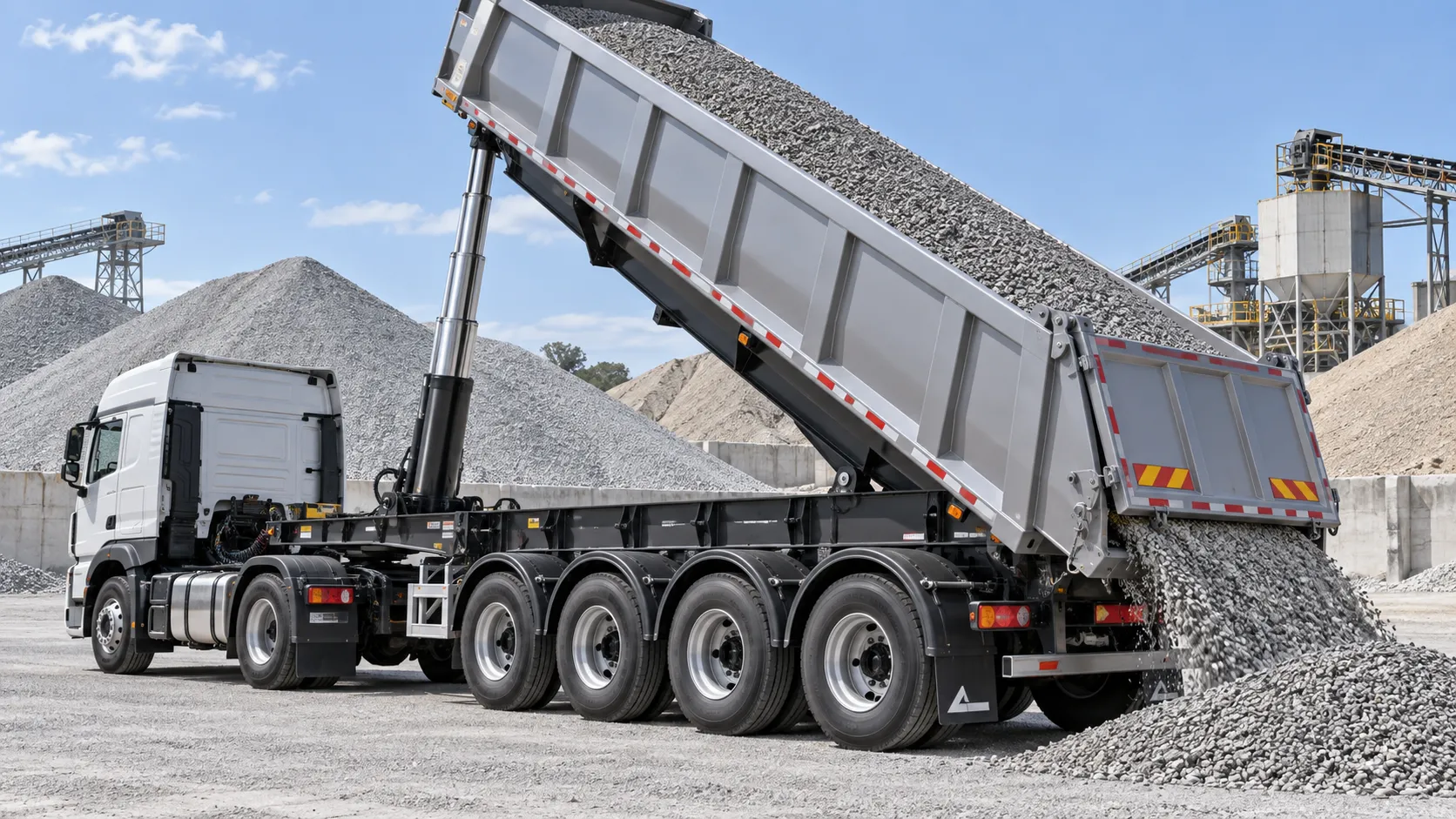
Hydraulic Tipping Stability Risks in Multi-Axle Dump Special Trailers
Dump special trailers: discover key hydraulic tipping stability risks, multi-axle load dynamics, and practical safety controls for safer, smarter bulk hauling.
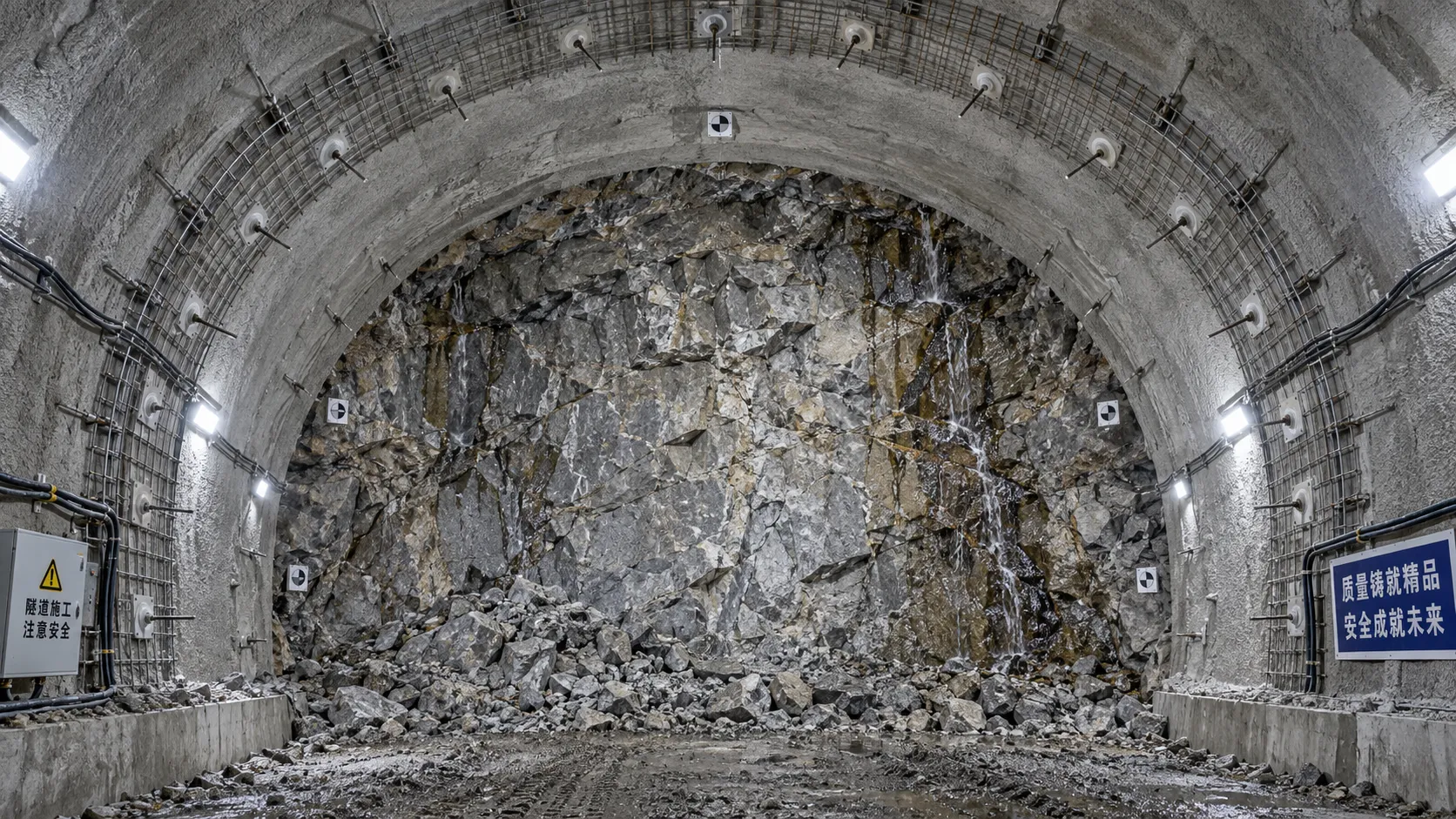
When rock reinforcement in tunnel construction must change after blasting
Rock reinforcement in tunnel construction must change when blasting reveals overbreak, weak joints, water inflow, or deformation. Discover key post-blast support decisions.
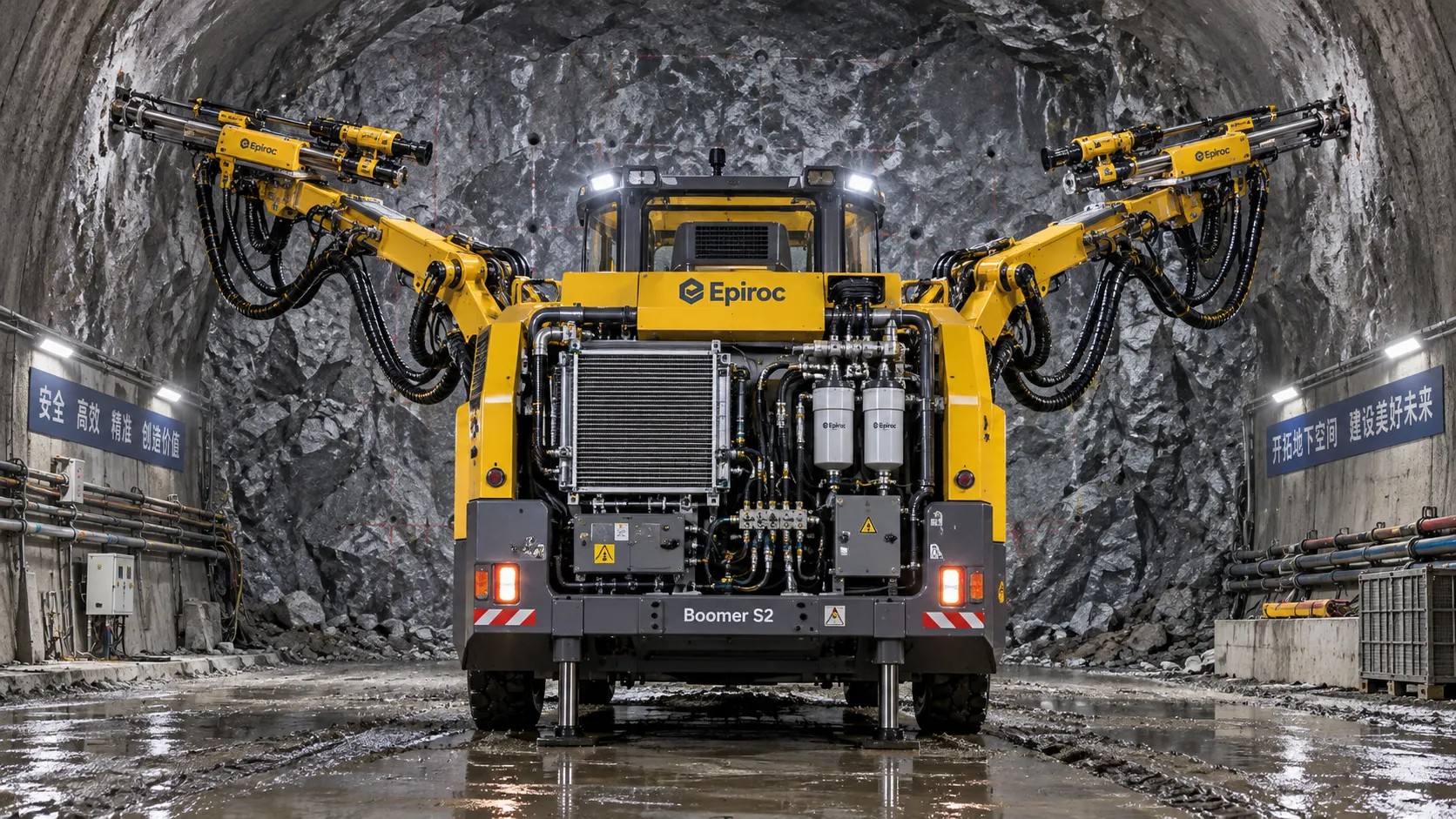
How tunnel hydraulic systems influence drill jumbo uptime underground
Tunnel hydraulic systems directly influence drill jumbo uptime. Explore how stable pressure, clean oil, cooling, and maintainable design reduce underground downtime.
What to verify before appointing a tunneling vehicles manufacturer
Choosing a tunneling vehicles manufacturer? Verify application fit, reliability, compliance, parts support, training, and channel terms before appointing a partner.
Selecting K9 Ductile Iron Pipe for Buried Water Pipeline Conditions
K9 ductile iron pipe selection for buried water pipelines: compare pressure duty, joints, soil loads, corrosion protection, and installation controls for reliable long-term performance.
Related News
- 00
0000-00
Tunnel Boring Machine Costs: Budgeting for Purchase, Operation, and Project Risk - 00
0000-00
Open-Pit Haulage Cost Analysis: How Mine Managers Can Cut Cost per Tonne - 00
0000-00
Tunnel Construction Innovations That Reduce Risk and Schedule Delays on Urban Projects - 00
0000-00
TBM Disc Cutter Design: Key Geometry and Load Factors for Hard Rock Tunnelling - 00
0000-00
Hydraulic Tipping Stability Risks in Multi-Axle Dump Special Trailers
Weekly Insights
Stay ahead with our curated technology reports delivered every Monday.