
Mega Infrastructure Projects: Early Equipment Decisions That Change Total Cost





In Mega Infrastructure Projects, the biggest cost shifts often begin with equipment choices made long before excavation starts. For procurement teams, selecting the right TBMs, pipe jacking systems, drilling jumbos, or mining haulage equipment can directly influence uptime, energy use, maintenance cycles, and long-term ROI. This article explores how early equipment decisions shape total project cost, operational resilience, and future-ready performance.
For buyers, a checklist-based approach is the fastest way to reduce decision risk. In Mega Infrastructure Projects, cost overruns rarely come from one dramatic mistake alone; they usually grow from a chain of early assumptions about geology, haulage distance, ventilation, power availability, spare parts, automation readiness, and supplier support. When procurement reviews these factors in a structured way, equipment selection moves from simple price comparison to total cost control.
Start Here: The First Questions Procurement Should Confirm
Before comparing machine brands or model sizes, procurement teams in Mega Infrastructure Projects should confirm the operating context. A TBM optimized for consistent hard rock may become a cost burden in mixed ground. A mining dump truck with excellent nominal payload may underperform if site gradients, charging infrastructure, or regenerative braking conditions were not assessed early. The same principle applies to pipe jacking machines, drilling jumbos, and underground LHD loaders.
- What is the real geological variability across the full alignment or mine plan, not just the average condition?
- What uptime target is financially necessary to protect schedule commitments?
- How constrained are ventilation, power supply, tunnel diameter, turning radius, or underground logistics?
- What level of automation, telemetry, and remote diagnostics will the project require within three to five years?
- Which maintenance tasks can be performed on site, and which require factory-level support?
- How will emissions, ESG targets, and energy costs affect equipment economics over the asset life?
These checks matter because Mega Infrastructure Projects do not buy equipment only for day one. They buy production stability, predictable maintenance windows, safer underground operations, and the ability to scale digital control over time.
Core Equipment Decision Checklist That Changes Total Cost
The most useful procurement framework is to evaluate every major machine against the same cost drivers. This creates a common language between technical, commercial, and operations teams.
1. Ground or Orebody Fit
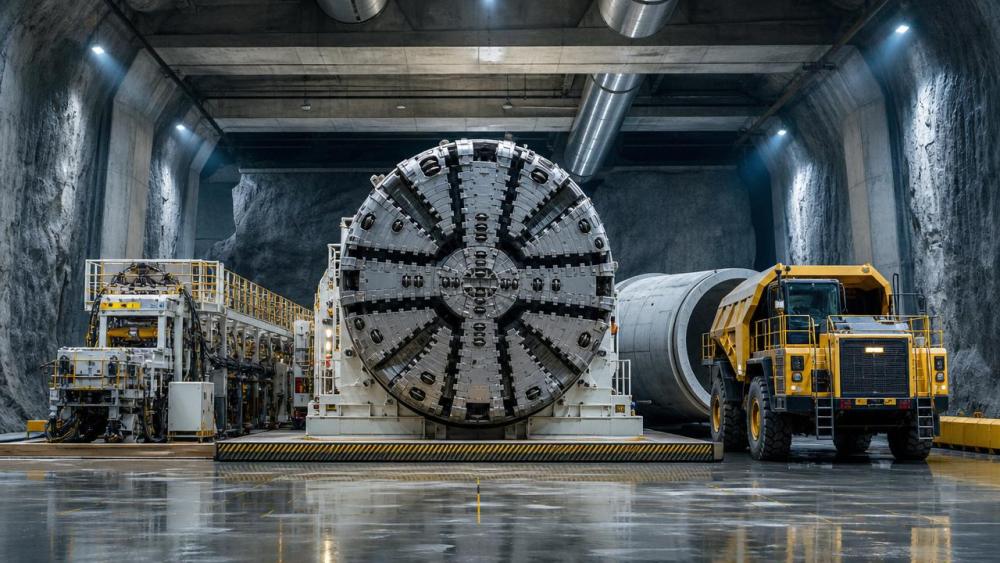
In Mega Infrastructure Projects, geological mismatch is one of the earliest and most expensive errors. For TBMs, check cutterhead design, disc cutter wear expectations, torque reserve, and ground conditioning needs. For pipe jacking, confirm face stability, lubrication strategy, and line-and-level control. For drilling jumbos, assess rock hardness, fragmentation goals, and bolting cycle compatibility. For mining transport, review haul road conditions, gradient, moisture, and loading pattern consistency.
2. Utilization Reality, Not Brochure Capacity
Procurement should ask what output is achievable in real working cycles. A machine with higher theoretical capacity may lose value if setup time, ventilation pauses, cutter changes, battery swap time, or traffic bottlenecks reduce effective utilization. In Mega Infrastructure Projects, actual cycle efficiency has a bigger impact on total cost than peak machine specification.
3. Maintenance Access and Wear Economics
Wear parts are not a side issue. For tunnelling and mining fleets, they shape downtime, labor demand, safety exposure, and inventory cost. Check cutter replacement intervals, drill string wear, tire life, bucket wear, battery module durability, hydraulic hose routing, and ease of underground service access. A lower purchase price can become expensive if maintenance requires longer shutdowns or specialized technicians.
4. Energy Profile and Infrastructure Demand
Energy cost is increasingly decisive in Mega Infrastructure Projects. Battery-electric underground equipment may reduce ventilation load and diesel handling, but only if charging or swapping logistics are designed early. Electrified mining trucks can improve long-haul efficiency, especially where regenerative braking is valuable, yet they also require power planning, thermal management, and grid reliability checks. Procurement should compare not only fuel or electricity consumption, but also the hidden infrastructure needed to support the fleet.
5. Digital Integration and Automation Readiness
Future operating models matter today. If a supplier’s control architecture cannot integrate with site telemetry, fleet management, condition monitoring, or remote operation systems, the asset may become obsolete before its mechanical life ends. In Mega Infrastructure Projects, automation readiness is not a luxury; it is a protection against labor shortages, safety exposure, and rising productivity pressure.
6. Supplier Depth and Lifecycle Support
Procurement should verify regional parts availability, field service response time, training capability, software update support, and references in similar geology or mine layouts. A technically strong machine without dependable support can create severe schedule risk. Early supplier due diligence is one of the most practical cost controls available.
A Simple Evaluation Table for Mega Infrastructure Projects
Use a scoring table before final negotiation so commercial decisions reflect operational reality.
Scenario-Specific Checks by Equipment Type
For TBMs and Full-Face Excavation Systems
In Mega Infrastructure Projects, TBM procurement should focus on cutterhead adaptability, cutter consumption forecast, backup train logistics, muck handling compatibility, and segment installation rhythm. Ask suppliers for evidence from similar diameter, rock class, and alignment complexity. Procurement should also review how machine design affects intervention safety and access during cutter changes.
For Pipe Jacking and Trenchless Urban Work
Urban projects need a different checklist: settlement control, shaft footprint, slurry management, jacking force reserve, and utility conflict response. Here, the cheapest machine can be the most expensive if it increases surface disruption, delays approvals, or creates rework under roads and built assets.
For Drilling Jumbos
Check drilling accuracy, boom coverage, automation for repeatable hole placement, and compatibility with the blast-and-support cycle. In hard rock environments, precision reduces overbreak, improves fragmentation, and cuts explosive waste. For procurement, this means lower downstream mucking and scaling cost.
For Mining Dump Trucks and Underground LHD Loaders
Look beyond payload. In Mega Infrastructure Projects, haulage economics depend on grade, route congestion, battery strategy, braking recovery, turnaround time, and operator assistance systems. Underground LHDs also require close review of ventilation savings, remote operation reliability, and battery swap station placement. These details often determine whether electrification lowers total cost or simply shifts cost to infrastructure and scheduling.
Commonly Missed Risks That Distort Procurement Decisions
- Comparing capital price without pricing downtime risk.
- Using average geology assumptions instead of worst-zone planning.
- Ignoring operator training and human-machine interface quality.
- Treating software, sensors, and diagnostics as optional extras.
- Underestimating spare parts logistics in remote or deep underground sites.
- Assuming electrification always lowers cost without infrastructure analysis.
- Failing to align procurement timing with project ramp-up and commissioning windows.
Each of these gaps can affect Mega Infrastructure Projects through lost production days, redesign work, change orders, or poor asset utilization. Procurement teams should document these risks before issuing final commercial approval.
Execution Advice: What to Prepare Before Supplier Discussions
To get useful proposals, buyers should provide structured input rather than broad requests. Suppliers respond better when they can size equipment around real constraints.
- Geotechnical data with variability ranges, not only summary values.
- Target advance rate or haulage throughput by project phase.
- Site power, ventilation, and space limitations.
- Maintenance staffing level and preferred service model.
- Digital system expectations such as condition monitoring, autonomous functions, or 5G remote control.
- Budget structure separating capex, opex, infrastructure, and lifecycle support.
In Mega Infrastructure Projects, this preparation shortens evaluation cycles and helps suppliers present options that are technically realistic, not just commercially attractive.
FAQ for Procurement Teams
Should procurement prioritize purchase price or lifecycle value?
Lifecycle value should lead. In Mega Infrastructure Projects, even small gains in uptime, wear reduction, or energy efficiency can outweigh initial price differences.
When is electrified equipment the better choice?
It is strongest where ventilation savings, ESG targets, and predictable duty cycles support charging or battery swapping. The decision should include infrastructure cost and operational design.
What is the best way to compare suppliers?
Use a weighted checklist covering geology fit, maintainability, support network, automation readiness, and total operating cost. This makes Mega Infrastructure Projects easier to assess across mixed equipment categories.
Final Procurement Guidance for Mega Infrastructure Projects
The most effective procurement teams do not ask only which machine costs less. They ask which early equipment decision protects schedule, lowers risk, supports electrification or automation goals, and keeps asset utilization high over the full project life. That is where total cost changes.
If your organization is moving forward with Mega Infrastructure Projects, the next step is to align internal teams around a practical decision pack: geology and route data, output targets, energy constraints, maintenance capability, digital integration expectations, and supplier support requirements. With those inputs ready, discussions about parameters, fit, delivery timing, budget structure, and cooperation models become faster, more accurate, and far more valuable.
Related News
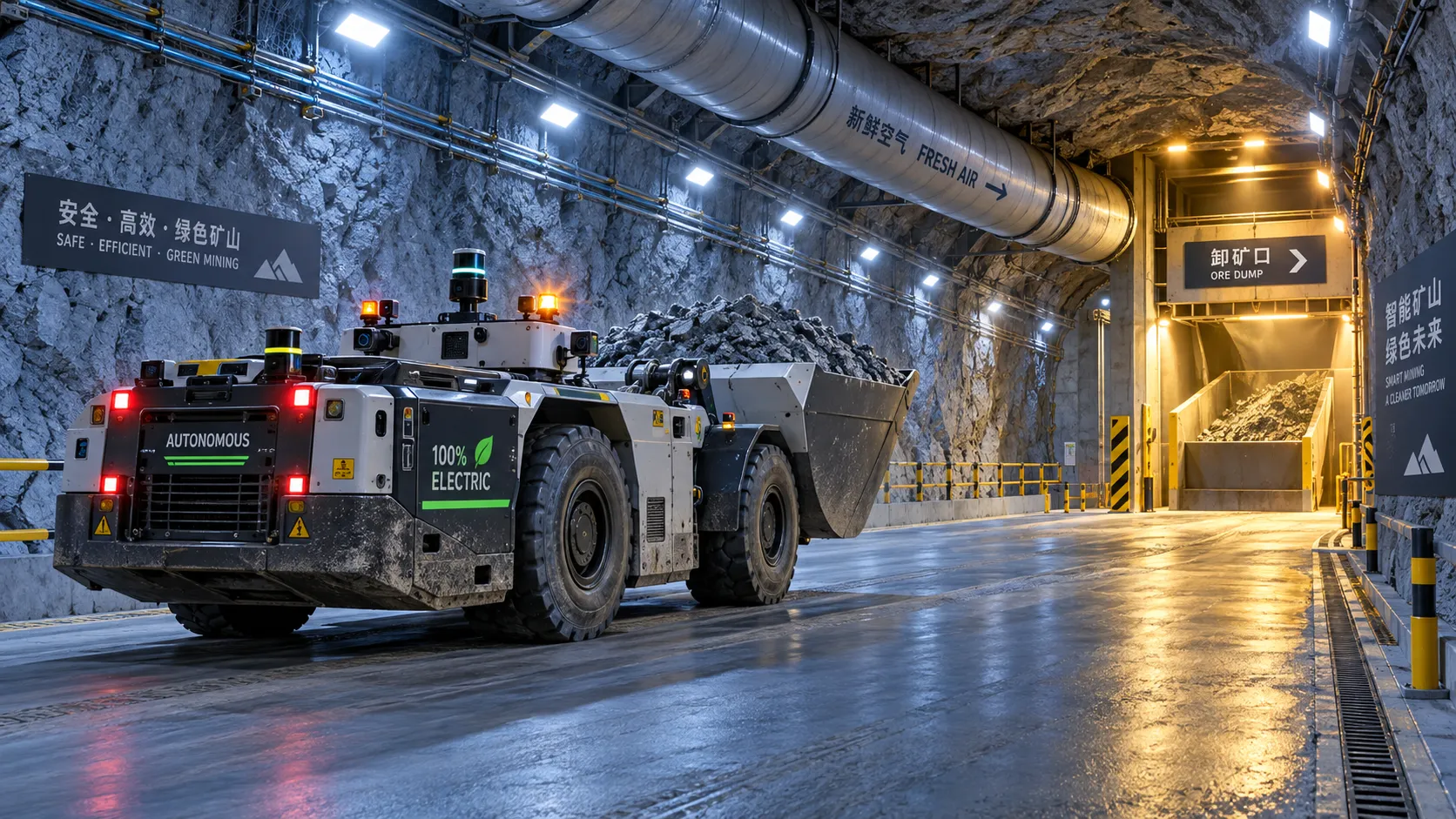
Where Autonomous Mining Loaders Deliver the Most Value in Underground Operations
Autonomous Mining Loaders deliver greater underground value through safer blast-zone work, repeatable haul cycles, and improved ventilation efficiency. Discover the best deployment zones.
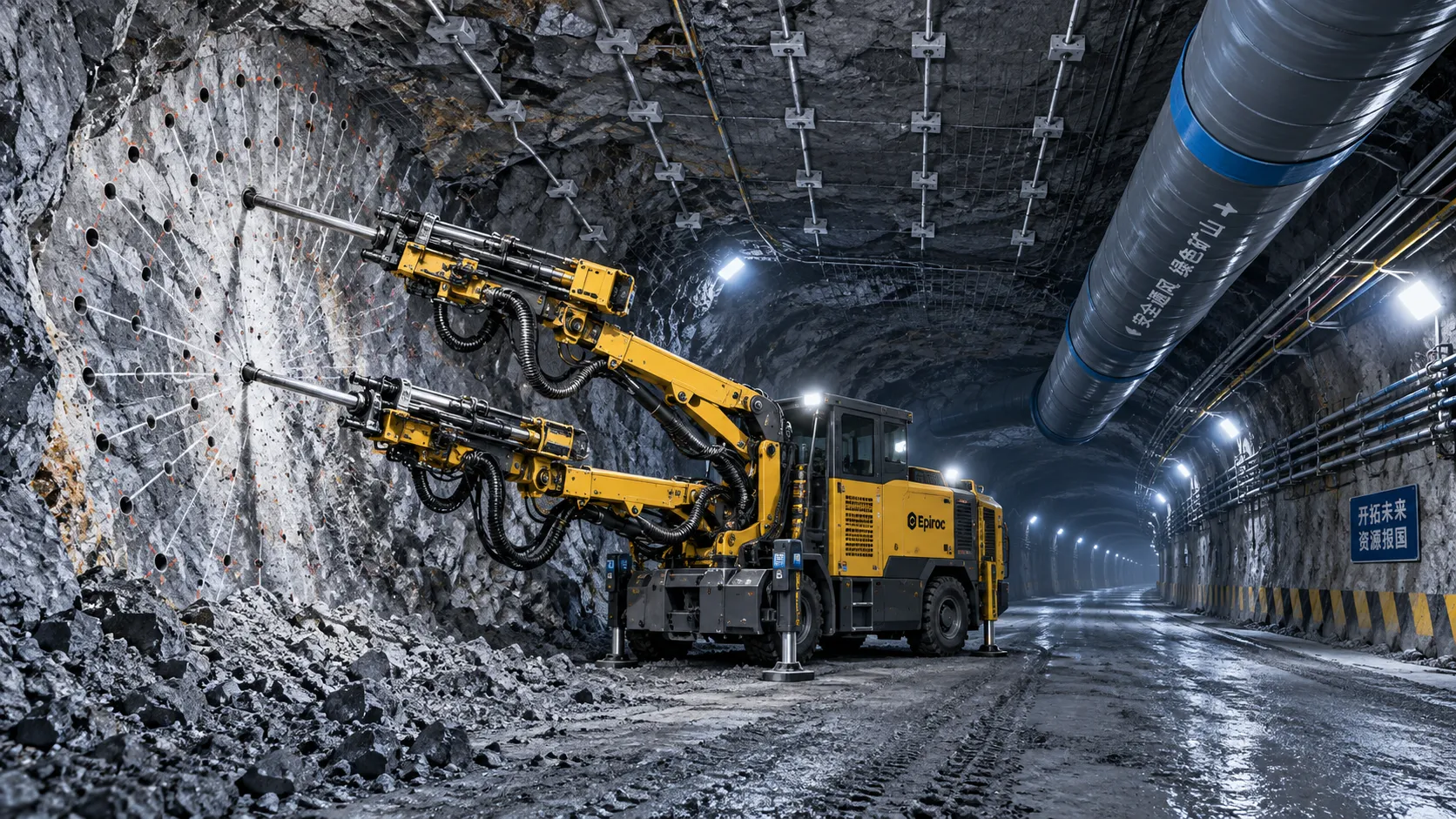
Underground Drilling for Mining: Selecting Methods for Rock Conditions and Mine Layout
Underground drilling for mining: learn how to match drilling methods to rock conditions, mine layout, accuracy needs, ground support, and cycle efficiency.
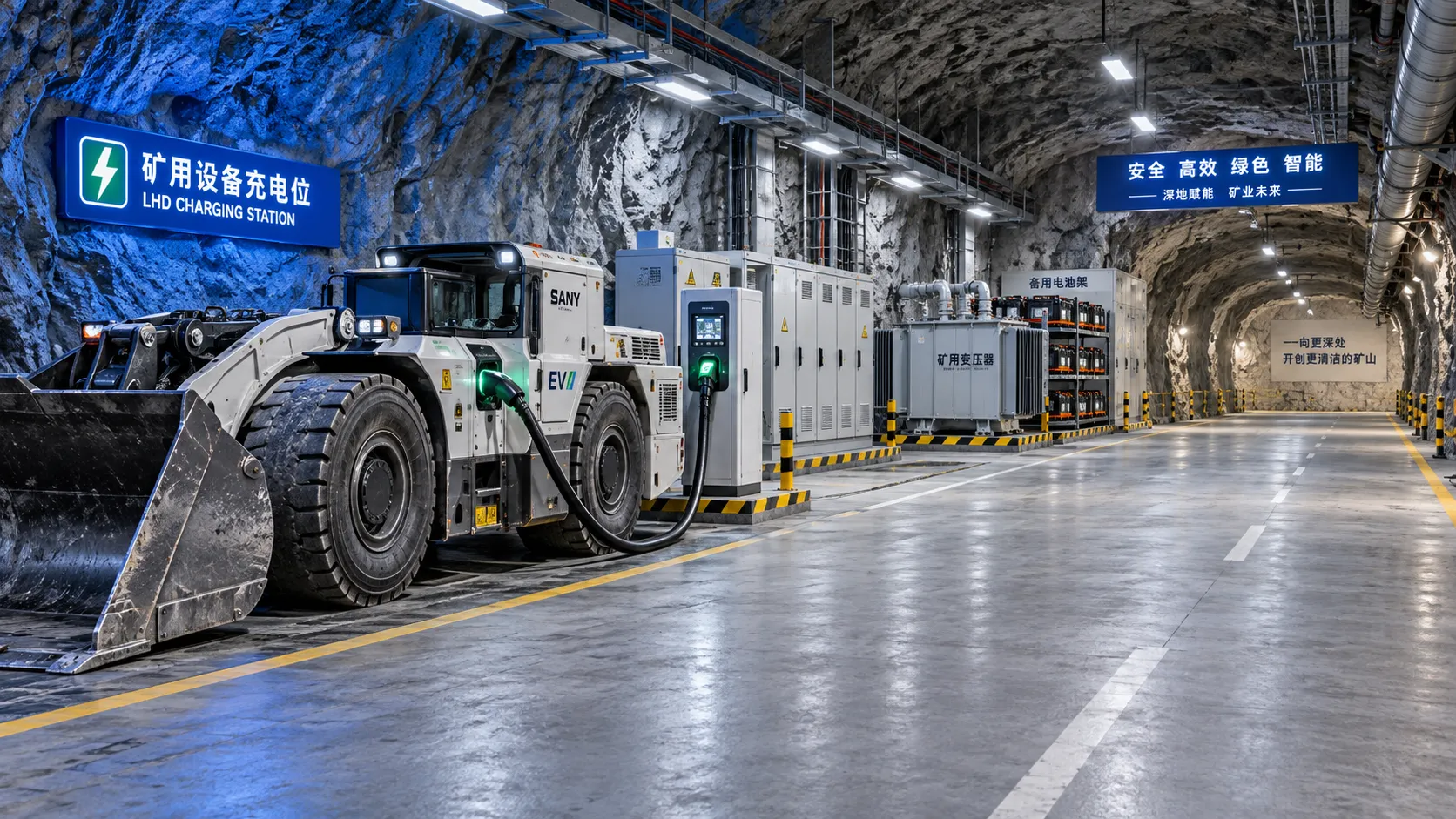
Underground Mine Electrification: How to Size Battery Fleets and Charging Capacity
Mining electrification for underground mines: learn how to size battery fleets, chargers, and power capacity to prevent queues, peak-load issues, and production downtime.
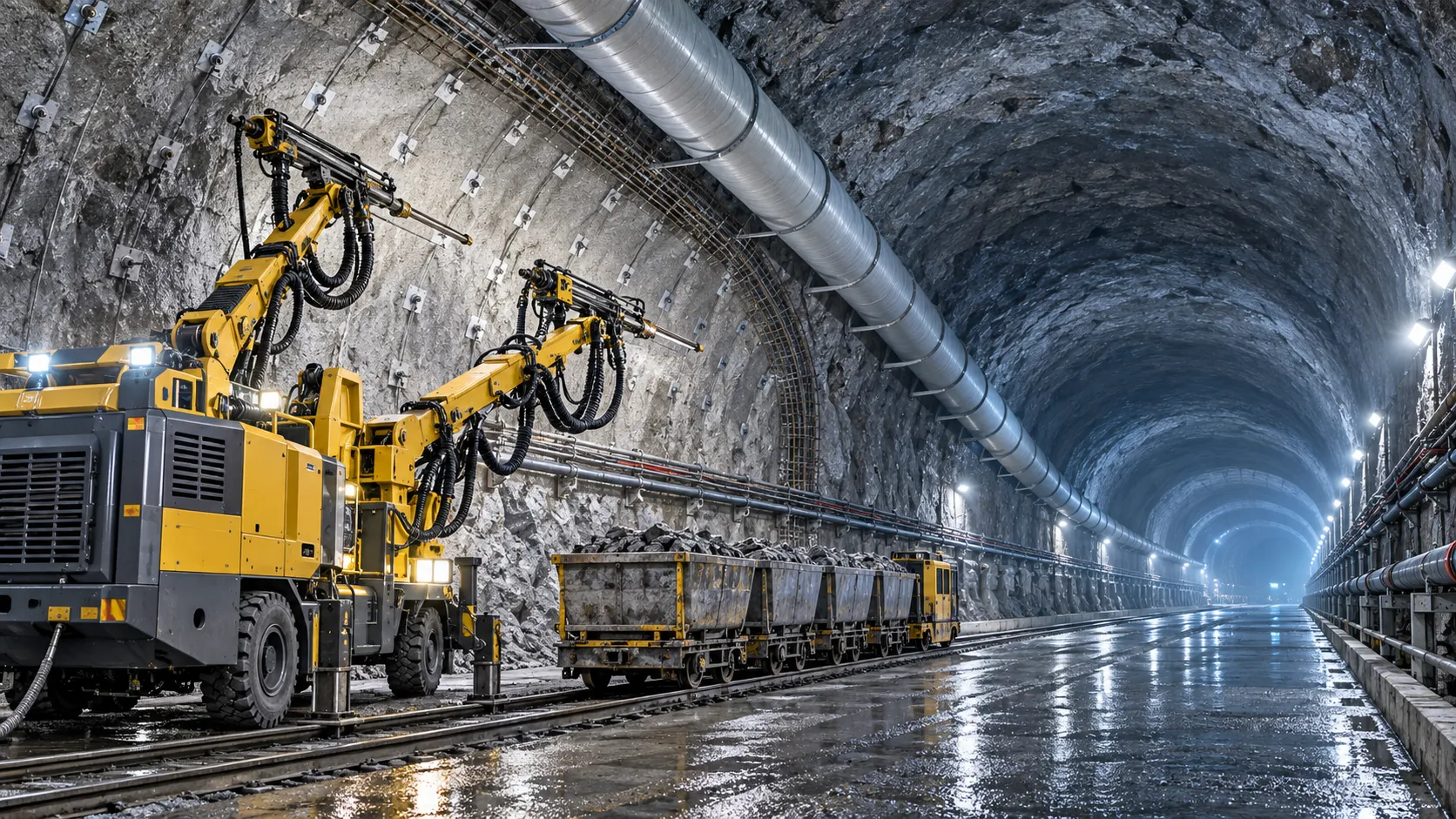
How to Evaluate European Drill-and-Blast Tunnelling Contractors for Complex Projects
Drill and blast tunnelling contractors Europe: learn how to assess geology expertise, blast control, equipment reliability, safety, and programme resilience for complex projects.
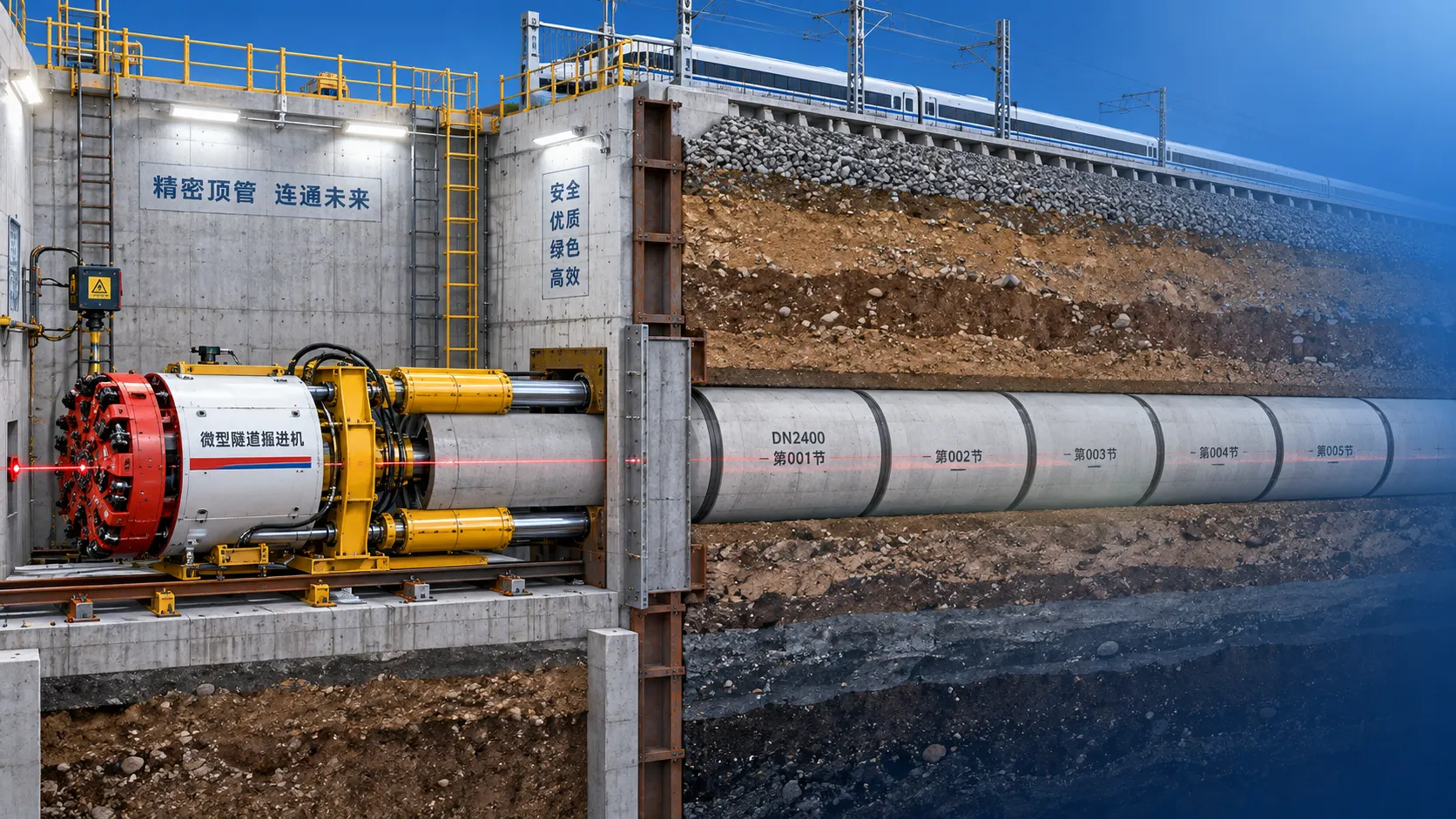
Which Trenchless Construction Technique Fits Your Utility Crossing Conditions?
Trenchless construction techniques compared for utility crossings: choose HDD, microtunnelling, pipe jacking, or auger boring based on ground, accuracy, access, and risk.
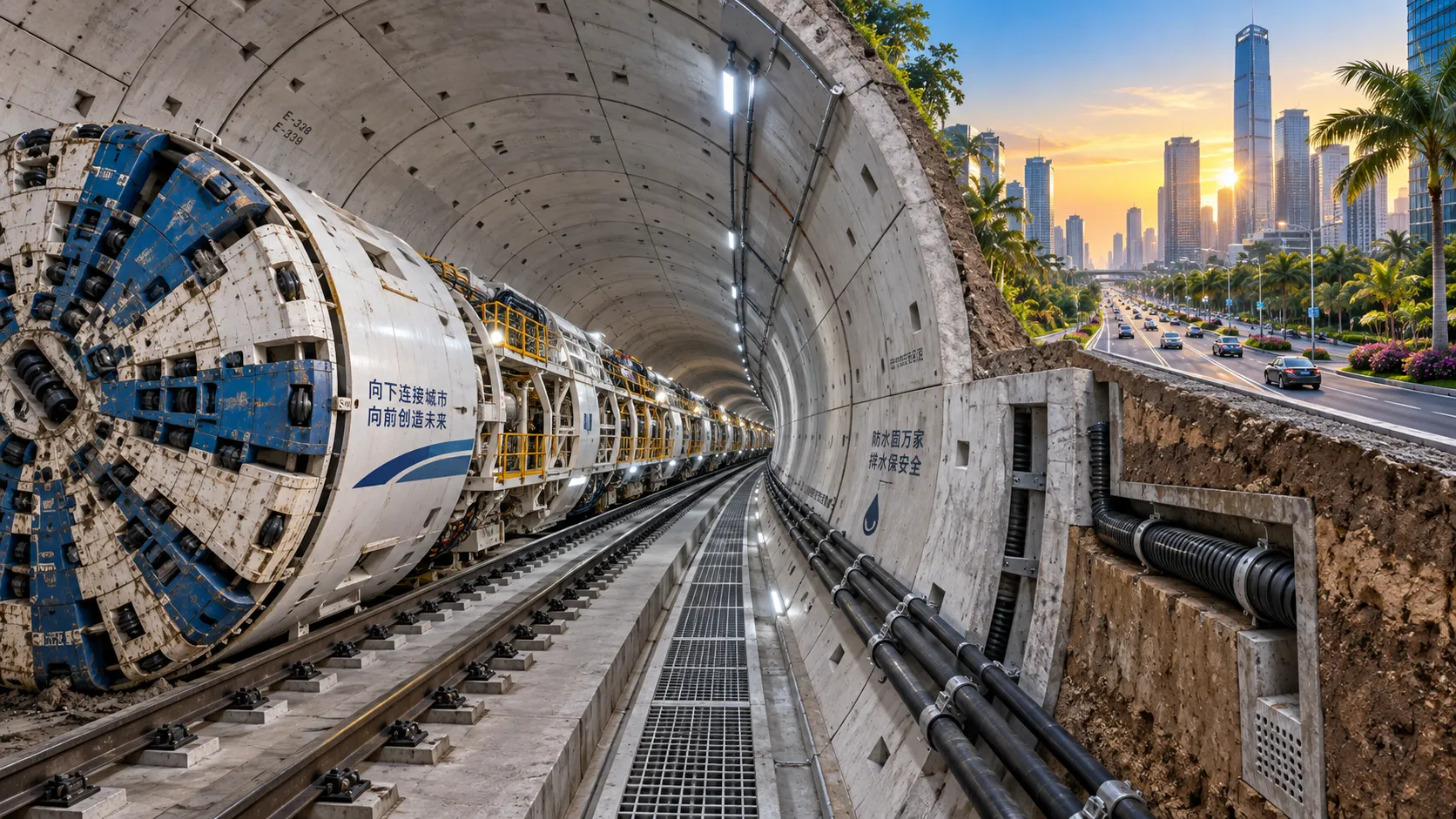
What Is Driving Metro Tunnelling Demand Across Southeast Asia’s Major Cities?
Metro tunnelling Southeast Asia is accelerating as major cities tackle congestion, flooding, and connectivity. Explore the market forces, technical risks, and opportunities shaping demand.
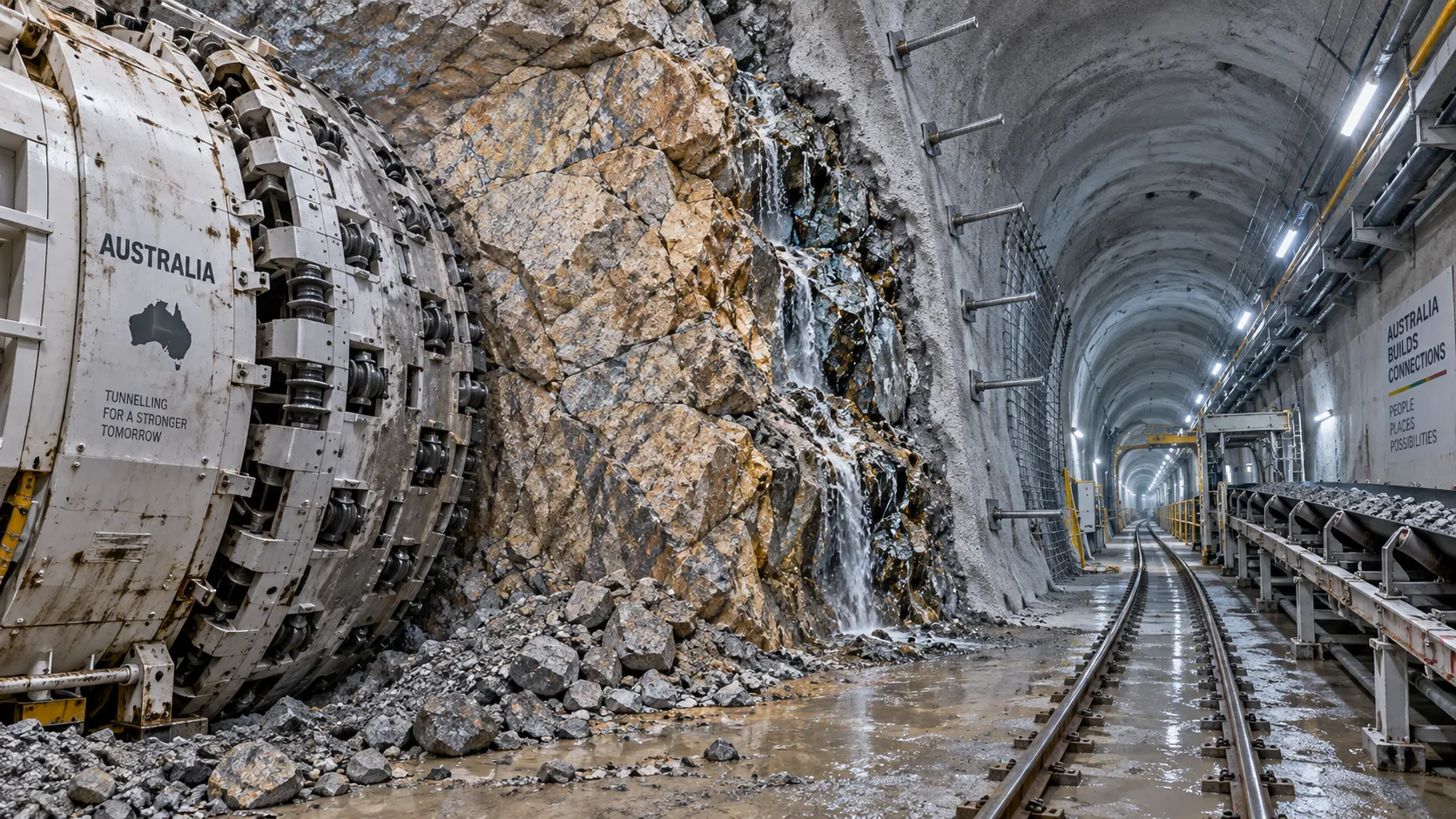
Hard Rock Tunnelling in Australia: Selecting Methods for Variable Ground Conditions
Hard rock tunnelling in Australia: compare TBM, drill-and-blast and hybrid methods to manage variable ground, reduce risk and protect project costs.
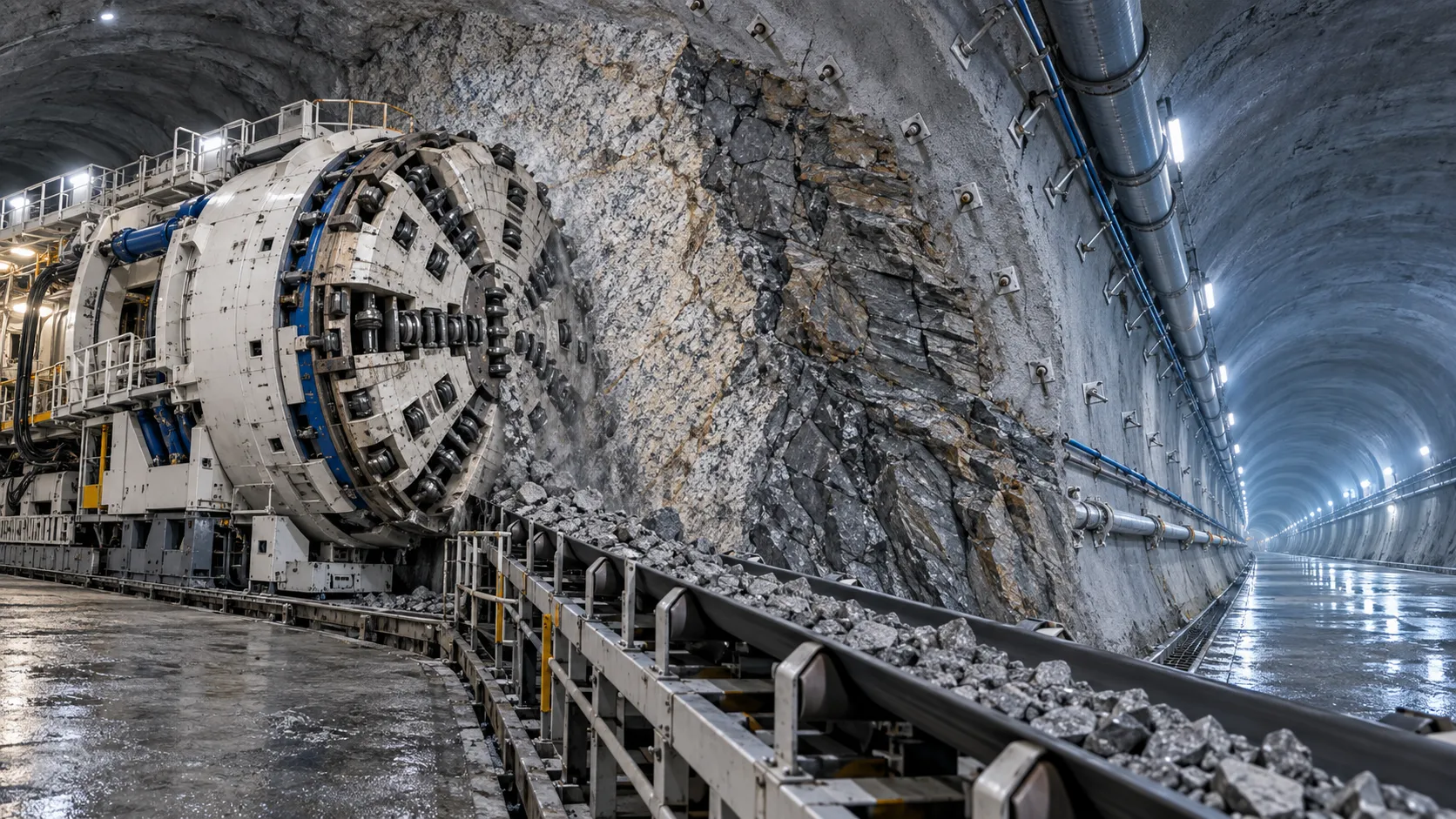
Hydropower Tunnel Excavation: Selecting Methods for Variable Rock Conditions
Hydropower tunnel excavation methods for variable rock conditions: compare TBM, drill-and-blast, and hybrid strategies to improve safety, progress, and project control.
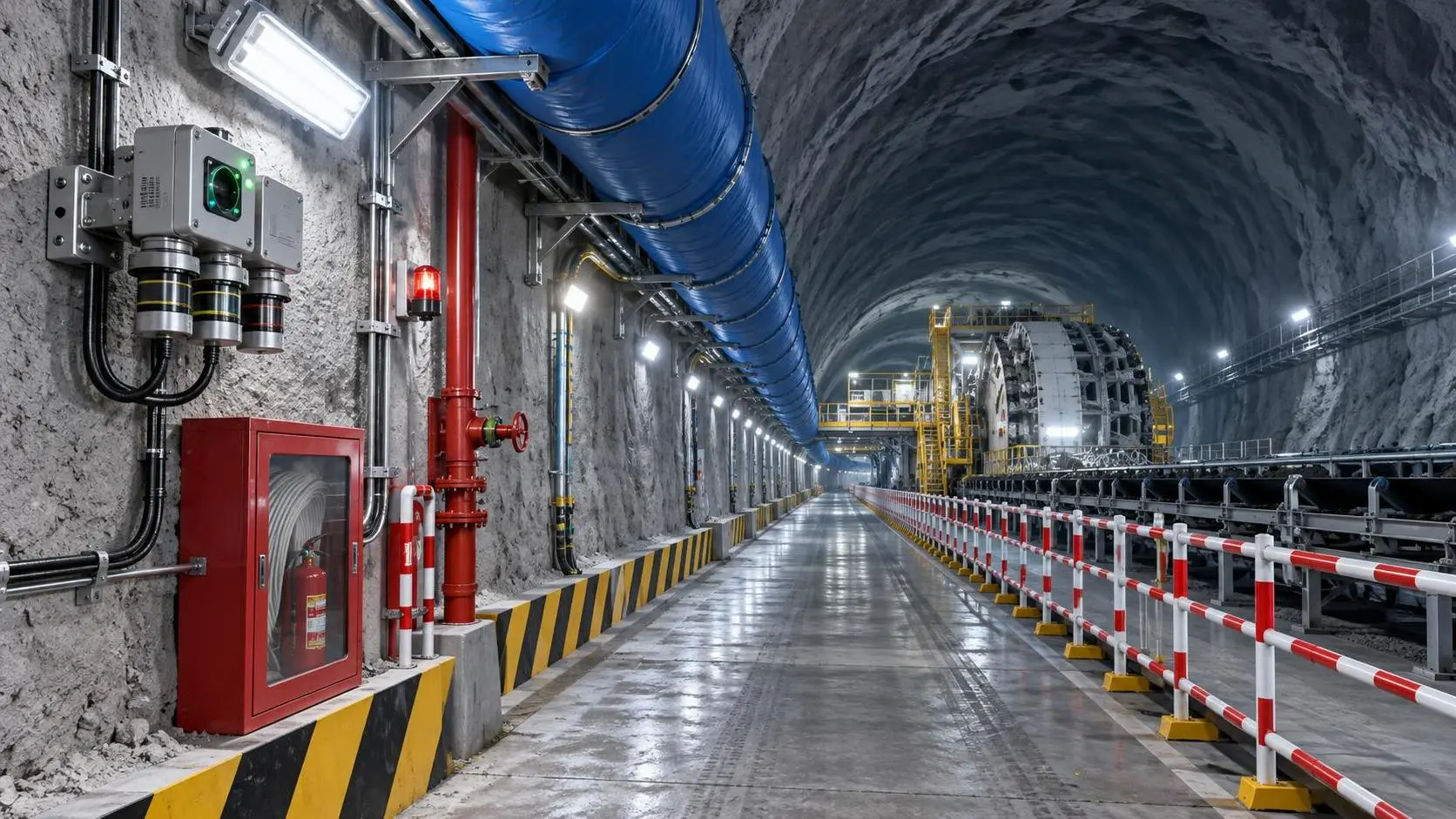
How to Select Underground Safety Equipment for Tunnelling by Hazard and Work Zone
Underground Safety Equipment for tunnelling: match protection to hazards, work zones, compliance, and emergency needs with this practical selection guide.
Related News
- 00
0000-00
Where Autonomous Mining Loaders Deliver the Most Value in Underground Operations - 00
0000-00
Underground Drilling for Mining: Selecting Methods for Rock Conditions and Mine Layout - 00
0000-00
Underground Mine Electrification: How to Size Battery Fleets and Charging Capacity - 00
0000-00
How to Evaluate European Drill-and-Blast Tunnelling Contractors for Complex Projects - 00
0000-00
Which Trenchless Construction Technique Fits Your Utility Crossing Conditions?
Weekly Insights
Stay ahead with our curated technology reports delivered every Monday.